Tag: Made In Earth Architecture
2016 Hands On Mud
Introducing Earth building at NIT,Trichy
When you build with earth, you have to get your hands into it!
Here are glimpses from a series of HANDS-ON workshops;
introducing various earth building techniques to students of Architecture,
at Archcult, National Institute of Technology, Trichy.
The Diversity of Earth Architecture
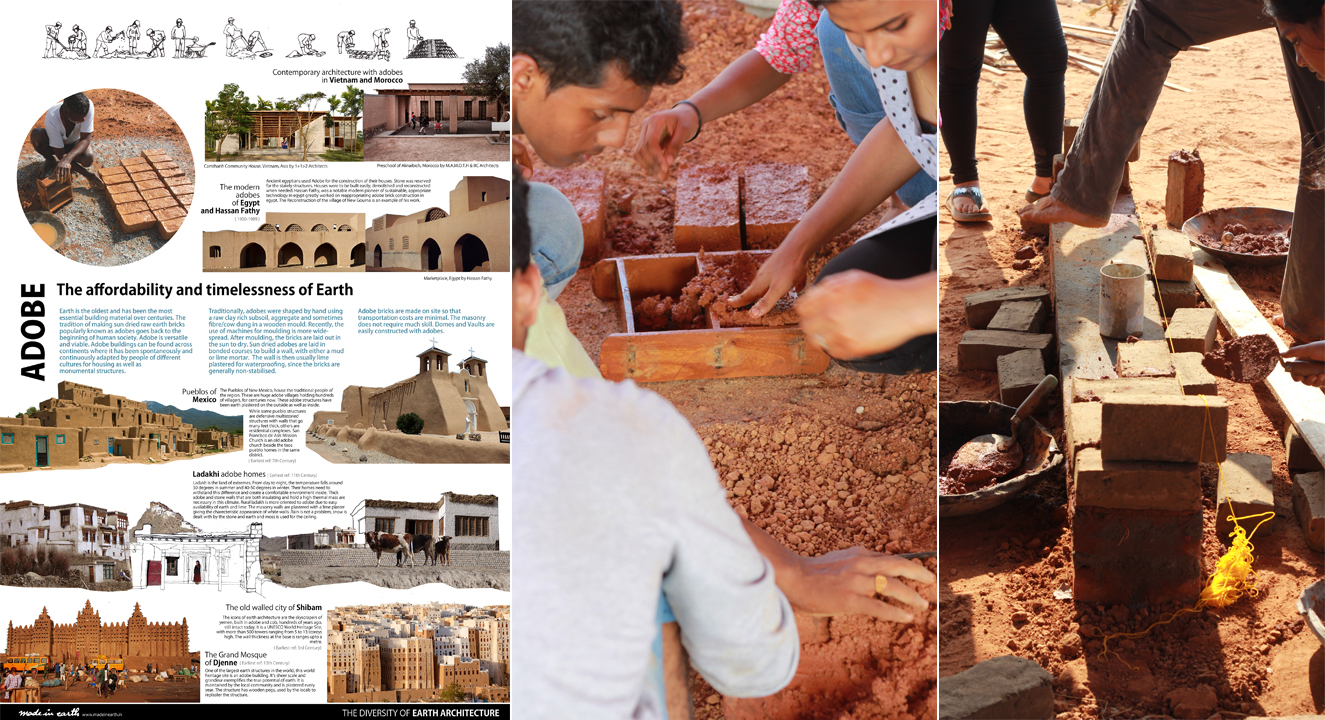
Earth is the oldest and has been the most essential building material over centuries.
The tradition of making sun dried raw earth bricks popularly known as adobes,
goes back to the beginning of human society.
Adobe is versatile and viable.
Adobe buildings can be found across continents,
where it has been spontaneously and continuously adapted
by people of different cultures,
for housing as well as monumental structures.
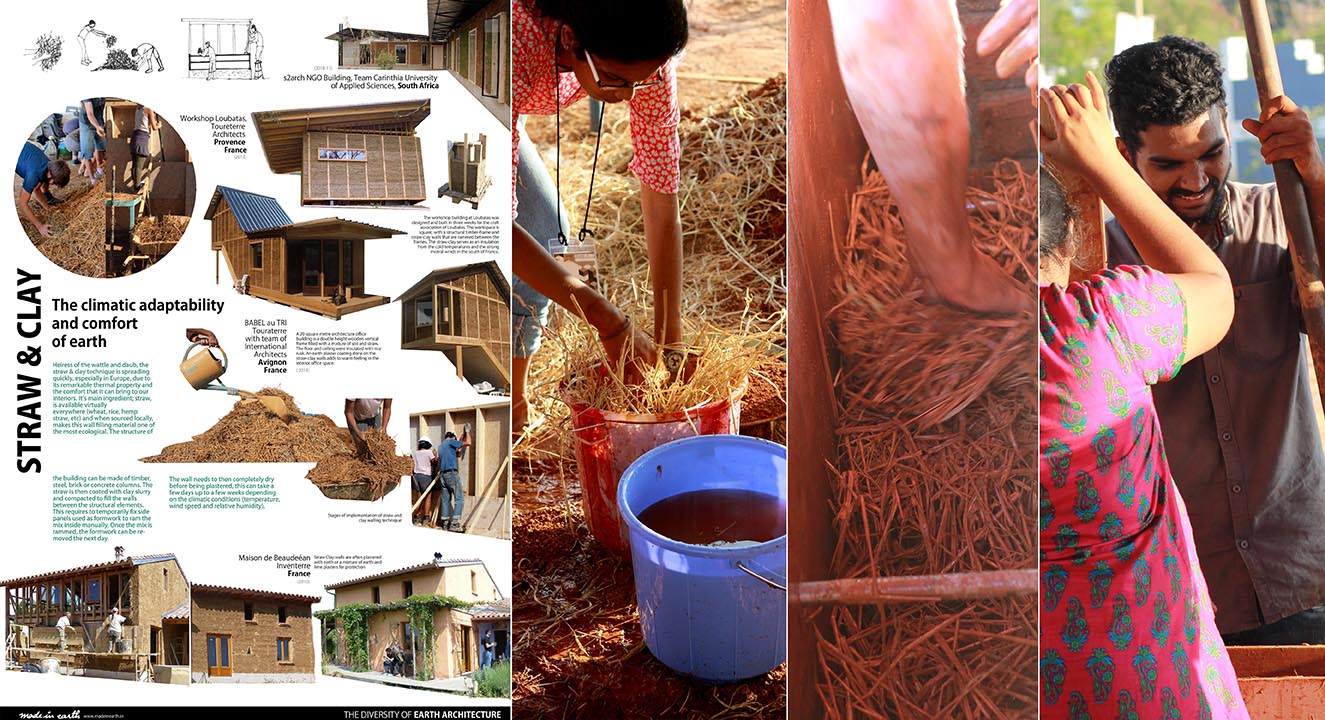
Heiress of the wattle and daub,
the Straw & Clay technique is spreading quickly, especially in Europe,
due to its remarkable thermal property
and the comfort that it can bring to our interiors.
It’s main ingredient; Straw, is available virtually everywhere
(wheat, rice, hemp straw, etc)
and when sourced locally,
makes this wall filling material one of the most ecological.
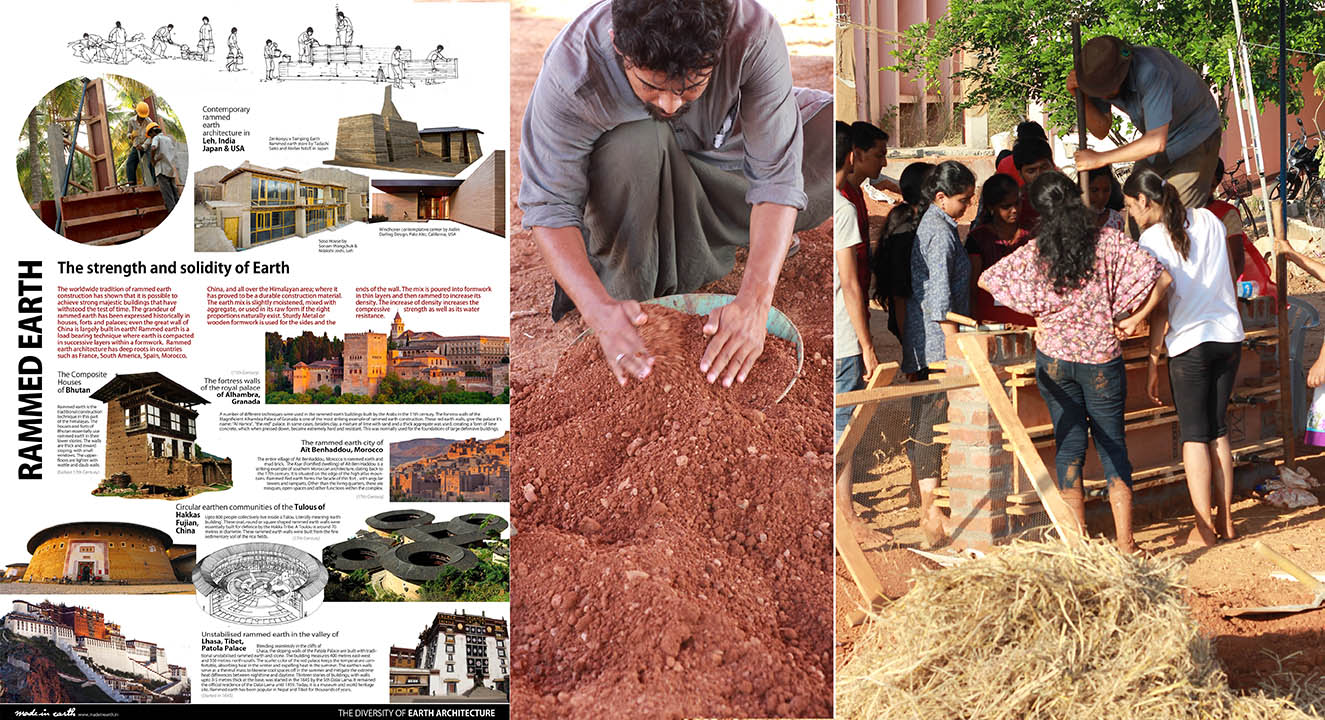
The world wide tradition of Rammed earth construction
has shown that it is possible to achieve strong majestic buildings
that have withstood the test of time.
The grandeur of Rammed earth architecture has been expressed historically
in houses, forts and palaces;
even the great wall of China is largely built in earth!
Rammed earth is a load bearing technique where earth is compacted
in successive layers within a formwork.
It has deep roots in countries such as France, South America, Spain, Morocco, China,
and all over the Himalayan area;
where it has proved to be a durable construction material.
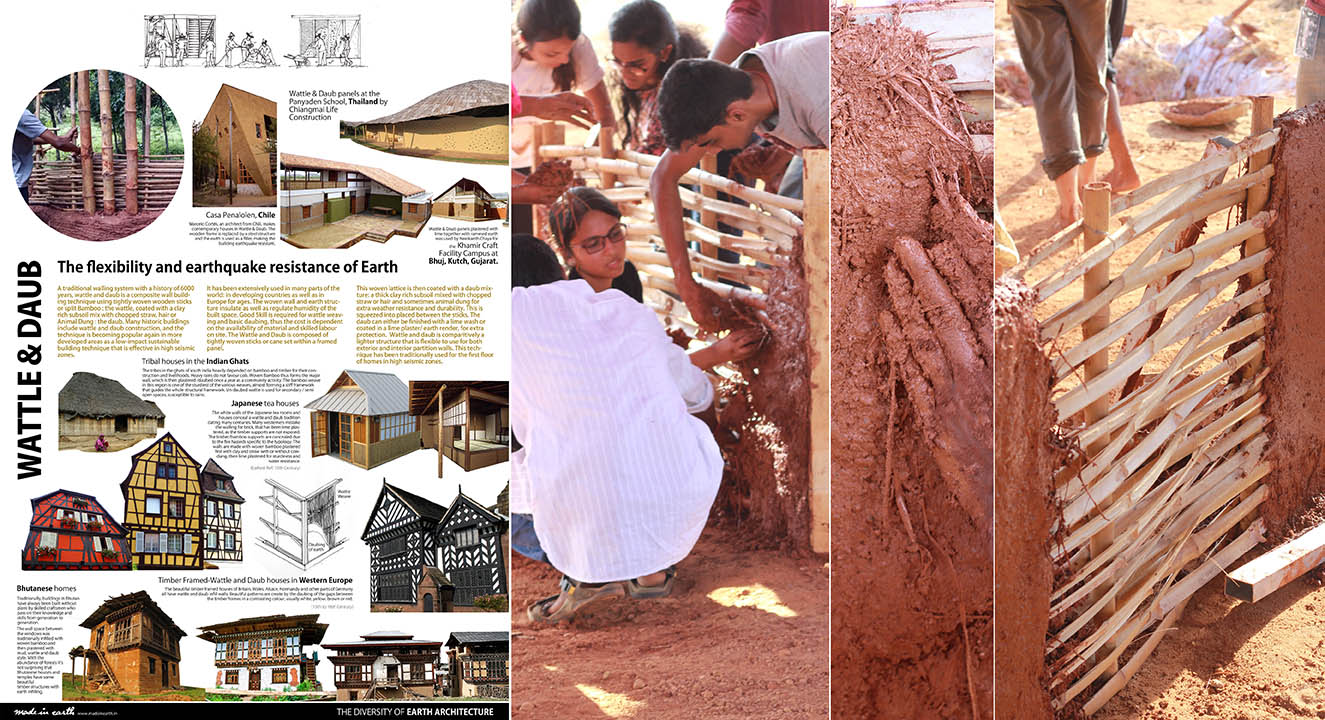
A traditional walling system with a history of 6000 years,
Wattle and Daub is a composite wall building technique
using tightly woven wooden sticks or split Bamboo : the Wattle,
coated with a clay rich subsoil mix,
with chopped straw, hair or Animal Dung : the Daub.
Many historic buildings include Wattle and Daub construction,
and the technique is becoming popular again in more
developed areas as a low-impact sustainable building technique
that is effective in high seismic zones.
2015 Creative Plasters : earth, lime, clay … and you
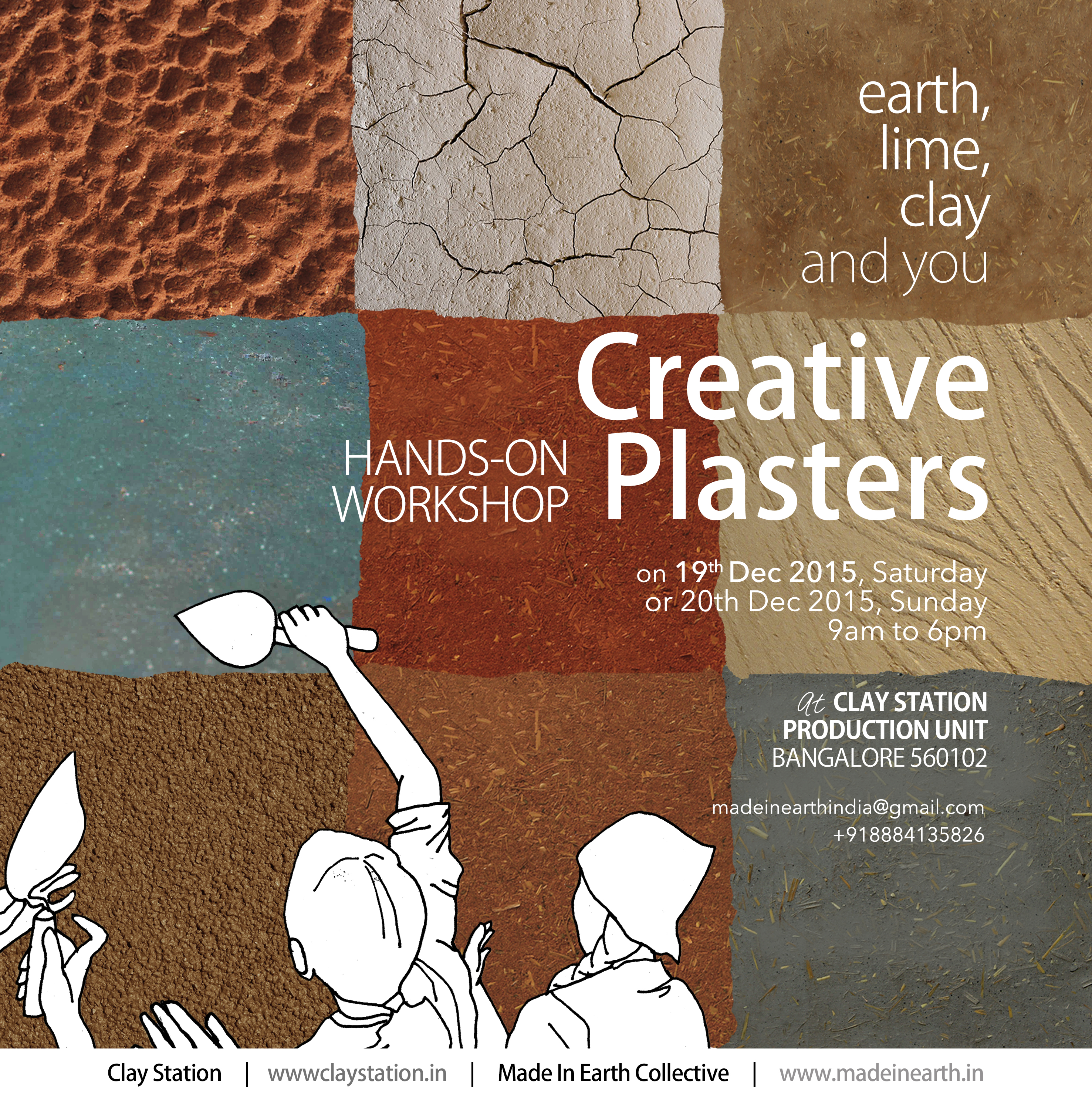
We are happy to announce a collaboration with Clay Station, Bangalore for the Creative Plasters Workshop. Clay Station is a space for the experienced, aspiring and recreational potter. We love earth, and so do they. Together we bring a workshop to explore with you, what we are most passionate about.
A plaster that breathes; that regulates temperature and humidity inside a building; that absorbs both noise and odors; that ages beautifully with time. Add to that the infinite possibilities in aesthetics; pigmented or plain, smooth or grainy, regular or patterned, contemporary or rustic; natural plaster is irresistible!
Earth is the most widely available natural building material. It uses little or no energy in processing. It’s incredible plasticity, ecological and aesthetic qualities have enabled our ancestors to use it in abundance to build their homes, and in perfect harmony with their environment. Earth plaster, unlike paints and chemical coatings, do not emit any volatile components which could be harmful to our health. Being locally sourced, earth plasters reduce the environmental impact of our construction.
All over the world, there exists an incredible diversity of traditional recipes of natural plaster. It is this diversity of ingredients married with the many possibilities of textures and colors offered by the land, that is at the origin of this workshop.
Anybody can create natural plasters, together with the soil of their place, a dose of creativity, a trowel of motivation and a bit of experience! A place for experimentation, exhibition and knowledge sharing, the Creative Plasters workshop invites you to Clay Station for a one day hands-on session on the 19th or 20th of December 2015
Come and learn with us!
What will you learn?
Prepare, test and apply earth plasters (raw and stabilised) | Wall preparation | Base plaster | Finishing plaster | Decoration, plaster carving, embossing, use of color oxides and pigments | Discover and try the traditional Moroccan Tadelakt technique, a fine richly coloured water-proof plaster.
Prerequisites
Earth construction is for all! No requisite except the motivation to learn and the desire to play with the material.
The Program
One day workshop on the 19th or 20th of December 2015
from 9:00 am to 06:00 pm, lunch included.
The venue
The workshop will take place in the production facility of “Clay Station”
Clay station production unit,
L75, 15th cross, near Indian Bank
HSR layout, Bangalore 56 0102
Google map : https://goo.gl/maps/rL9up9jvxtB2
GPS coordinates : 12.914055, 77.630304
Equipment and material
Dress to get dirty! Bring a round smooth stone for the Tadelakt technique
Registration and fees
Maximum 20 participants on a first come first served basis
Fees : 2000 Rs (1200 Rs for students, please send a scan of your student ID card, to : madeinearthindia@gmail.com )
ONLINE REGISTRATION FORM : http://tinyurl.com/151219-PlasterWorkshop
Registration closes on the 14th of December.
Contact
madeinearthindia [at] gmail.com
Organisers
Clay Station www.claystation.in

Made In Earth Collective www.madeinearth.in

2015 Brick Kiln House
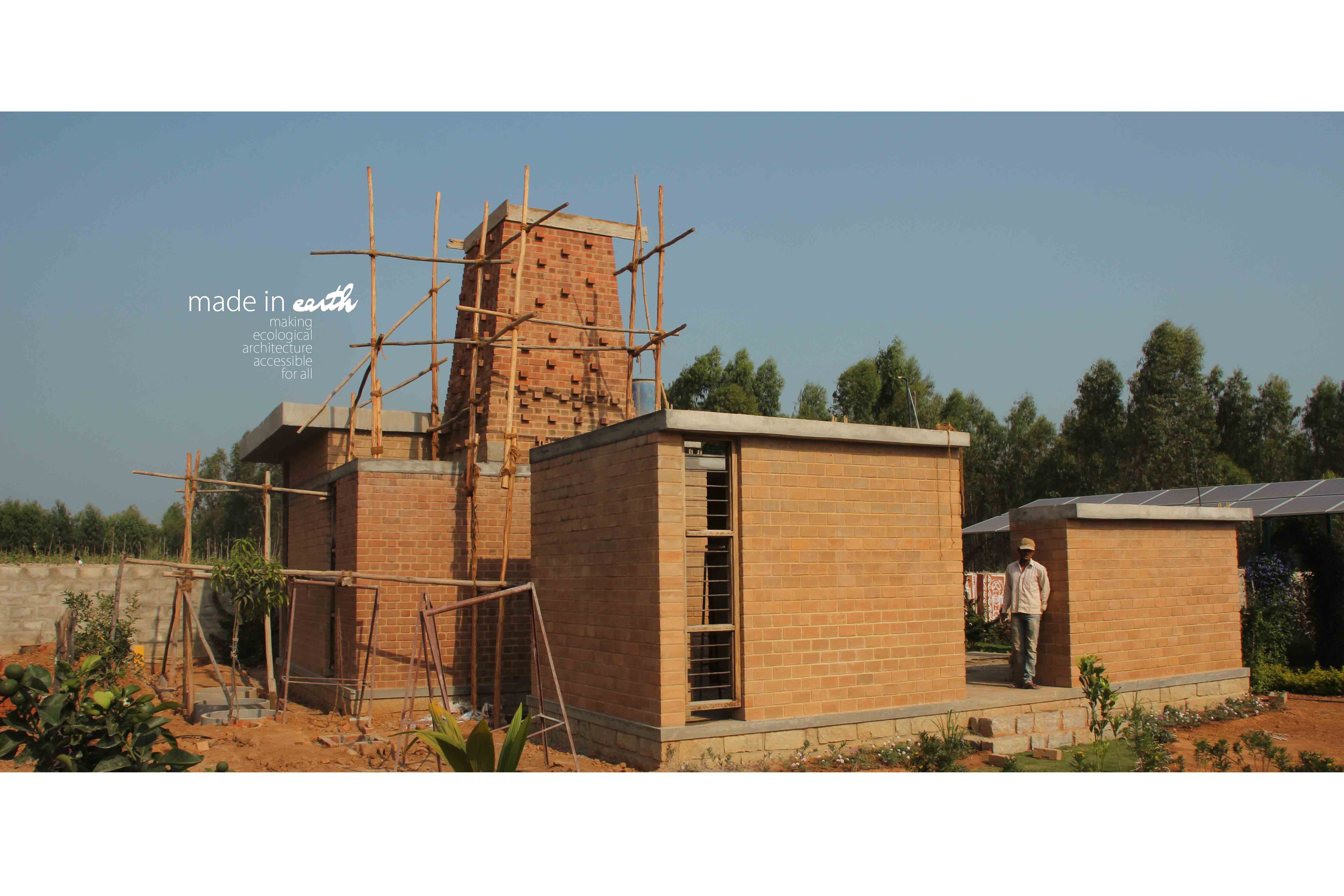
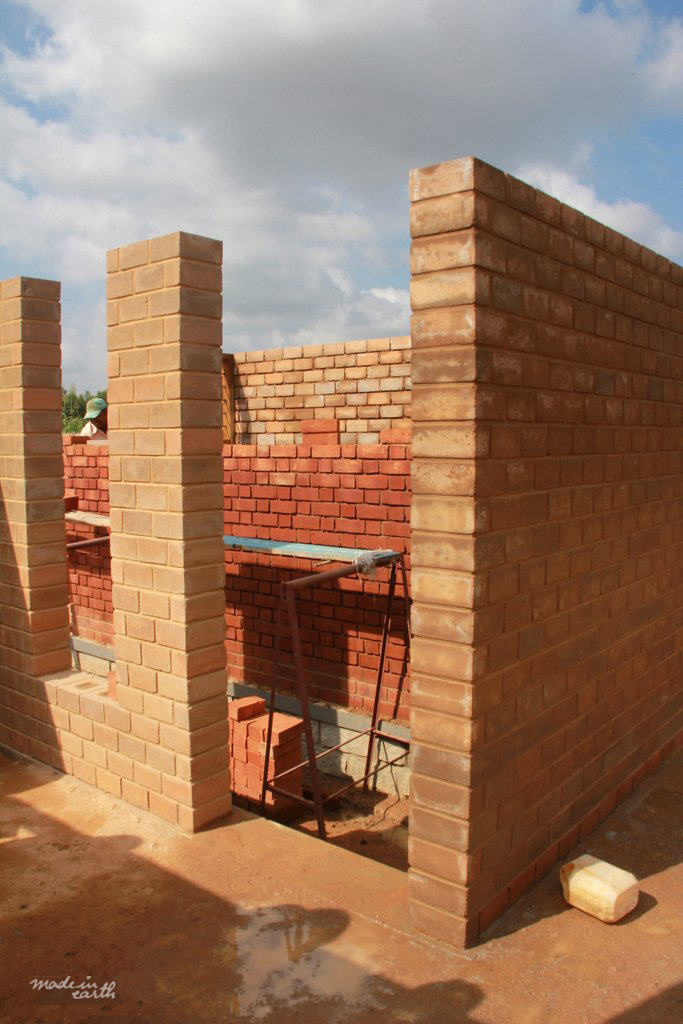
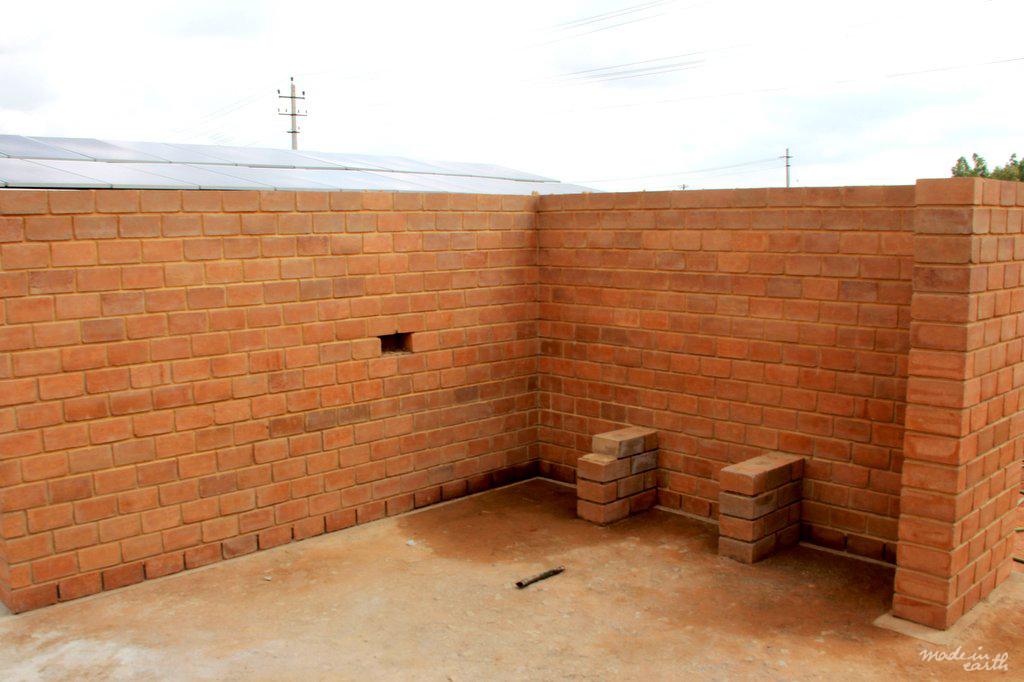
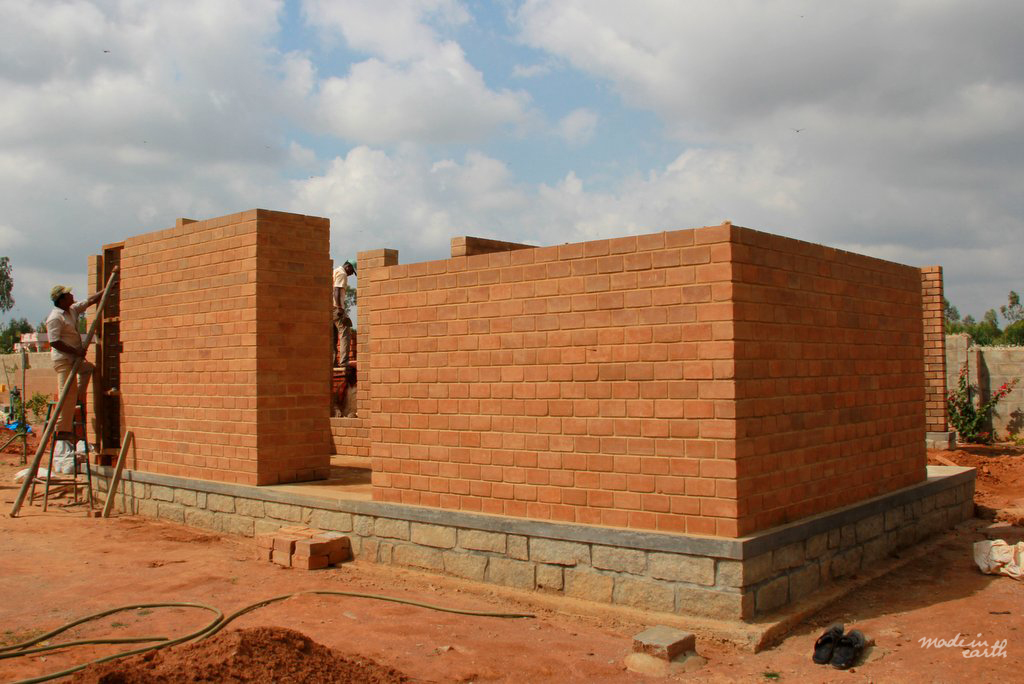
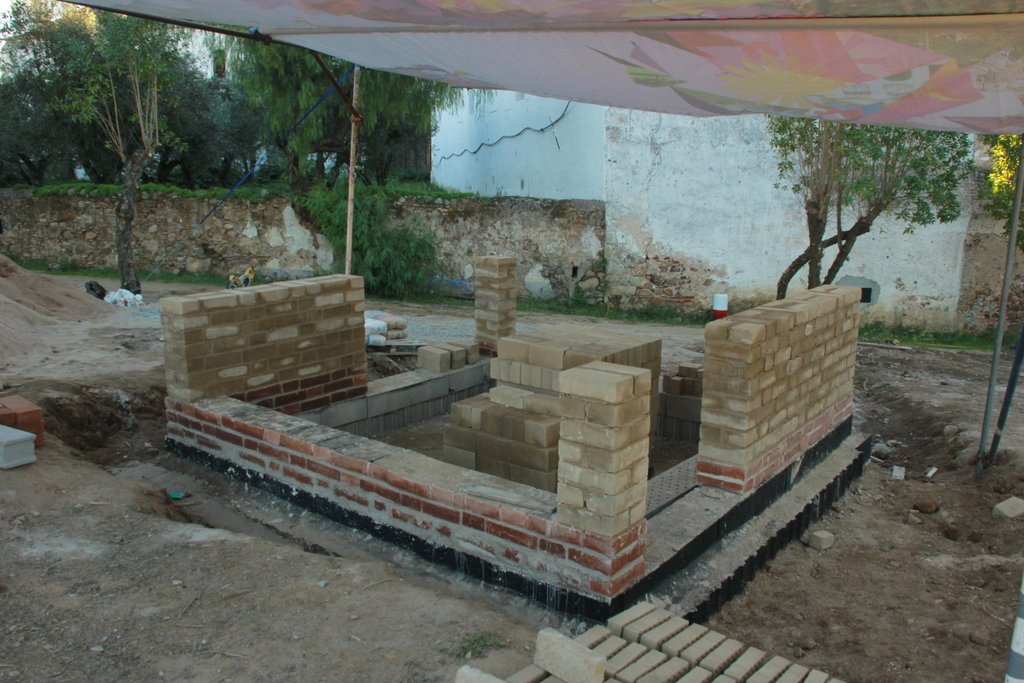
The brick Kiln house is coming up! Stone foundation and compressed stabilized earth blocks (CSEB).
Read more about the project here.
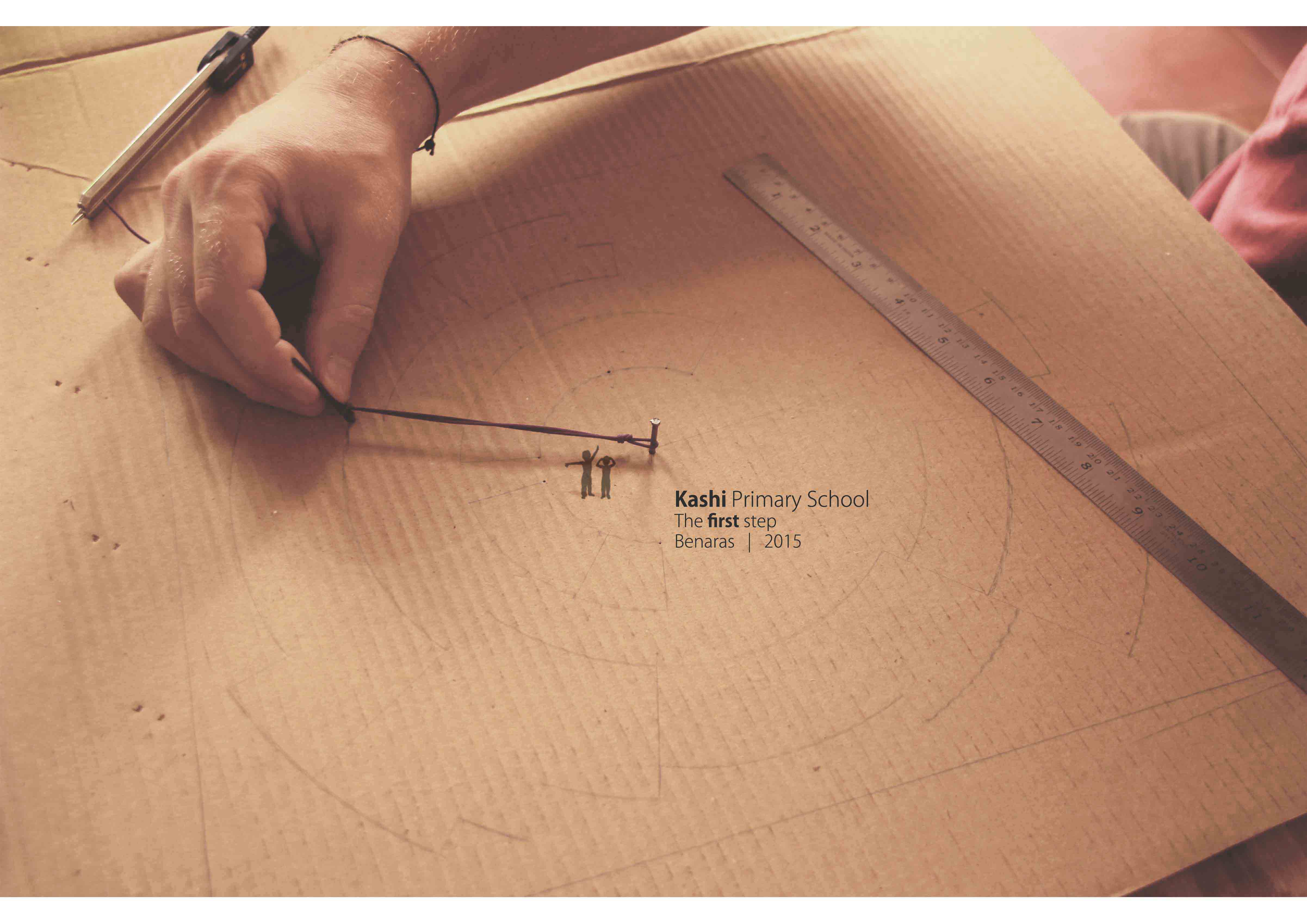
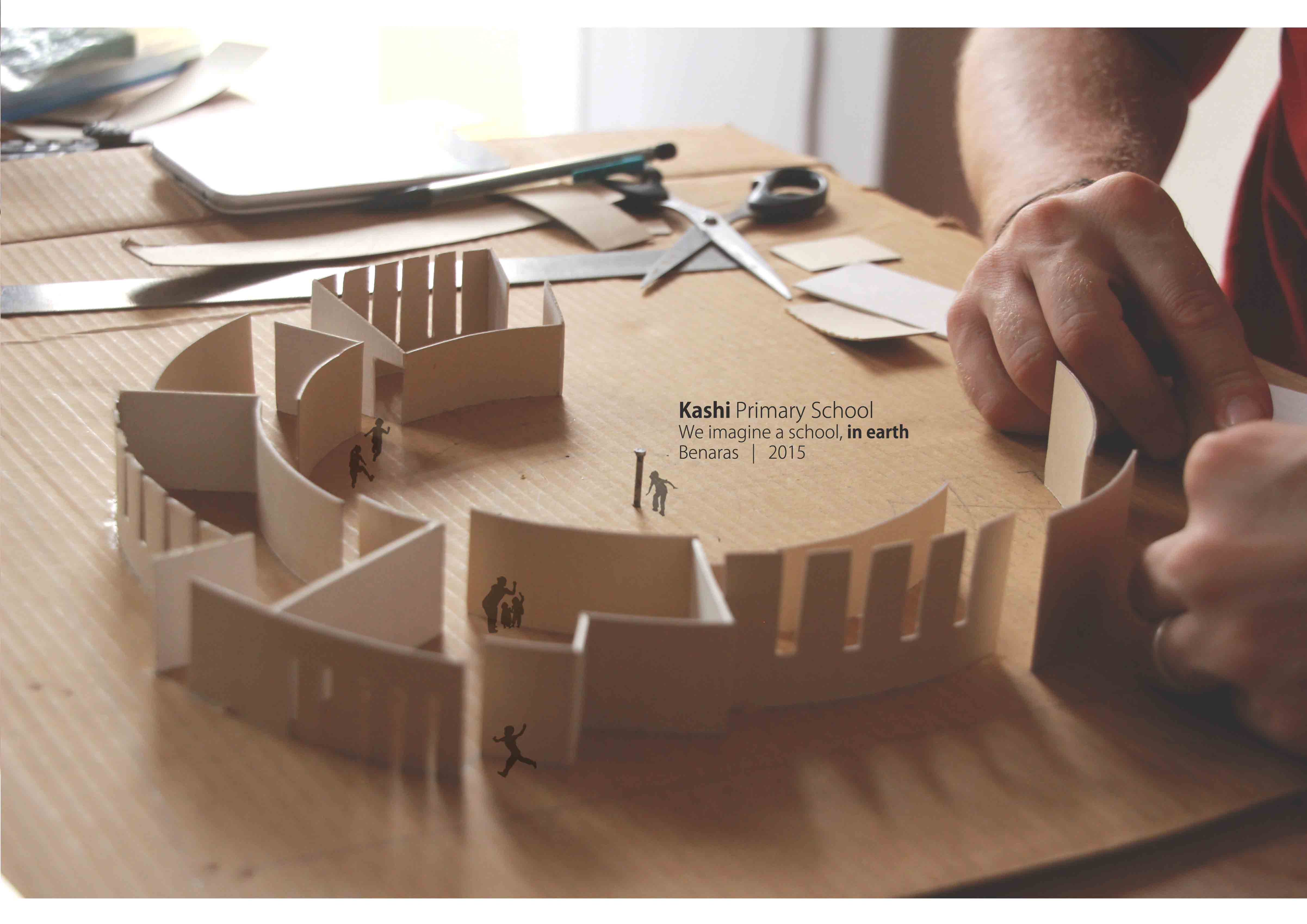
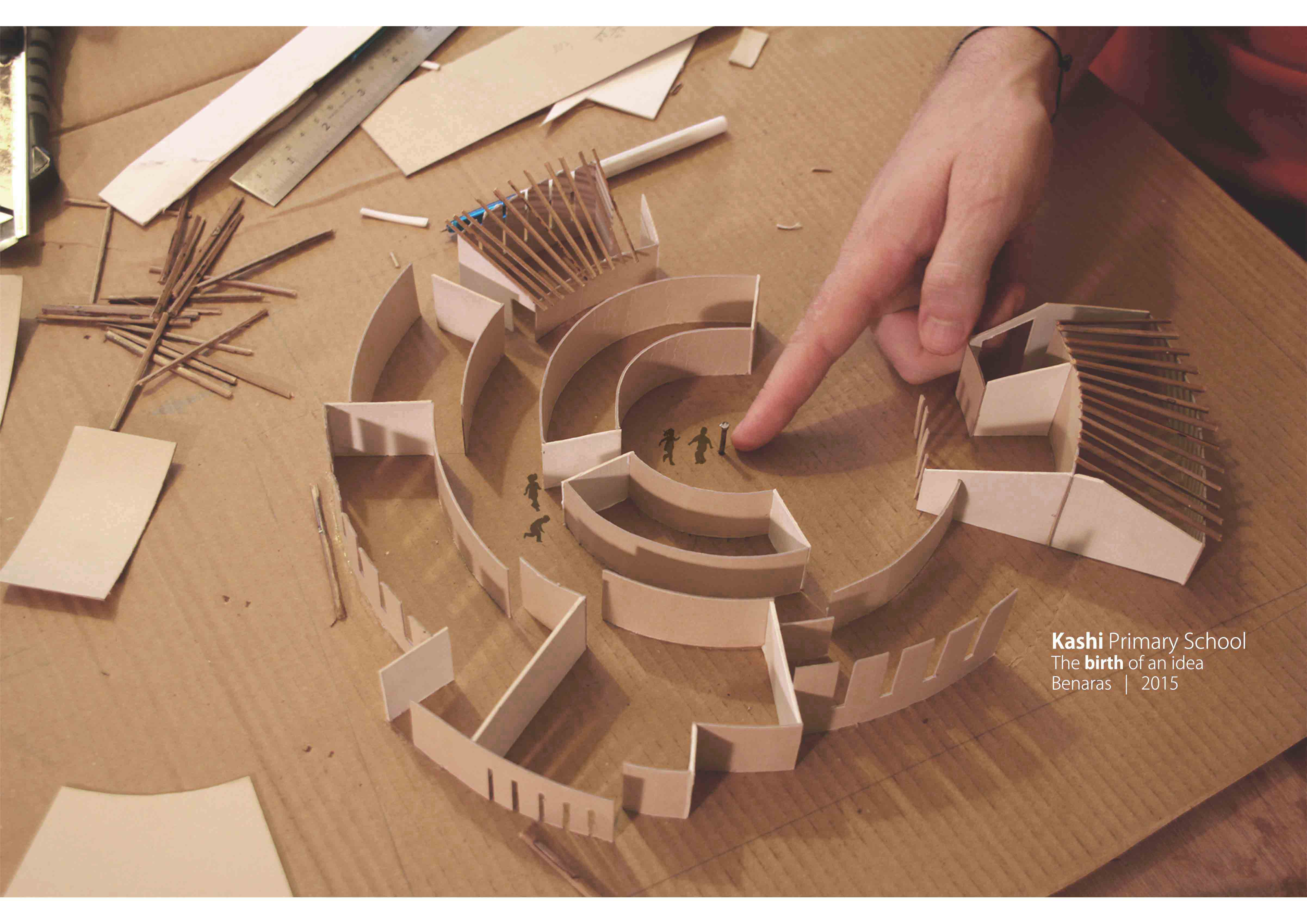
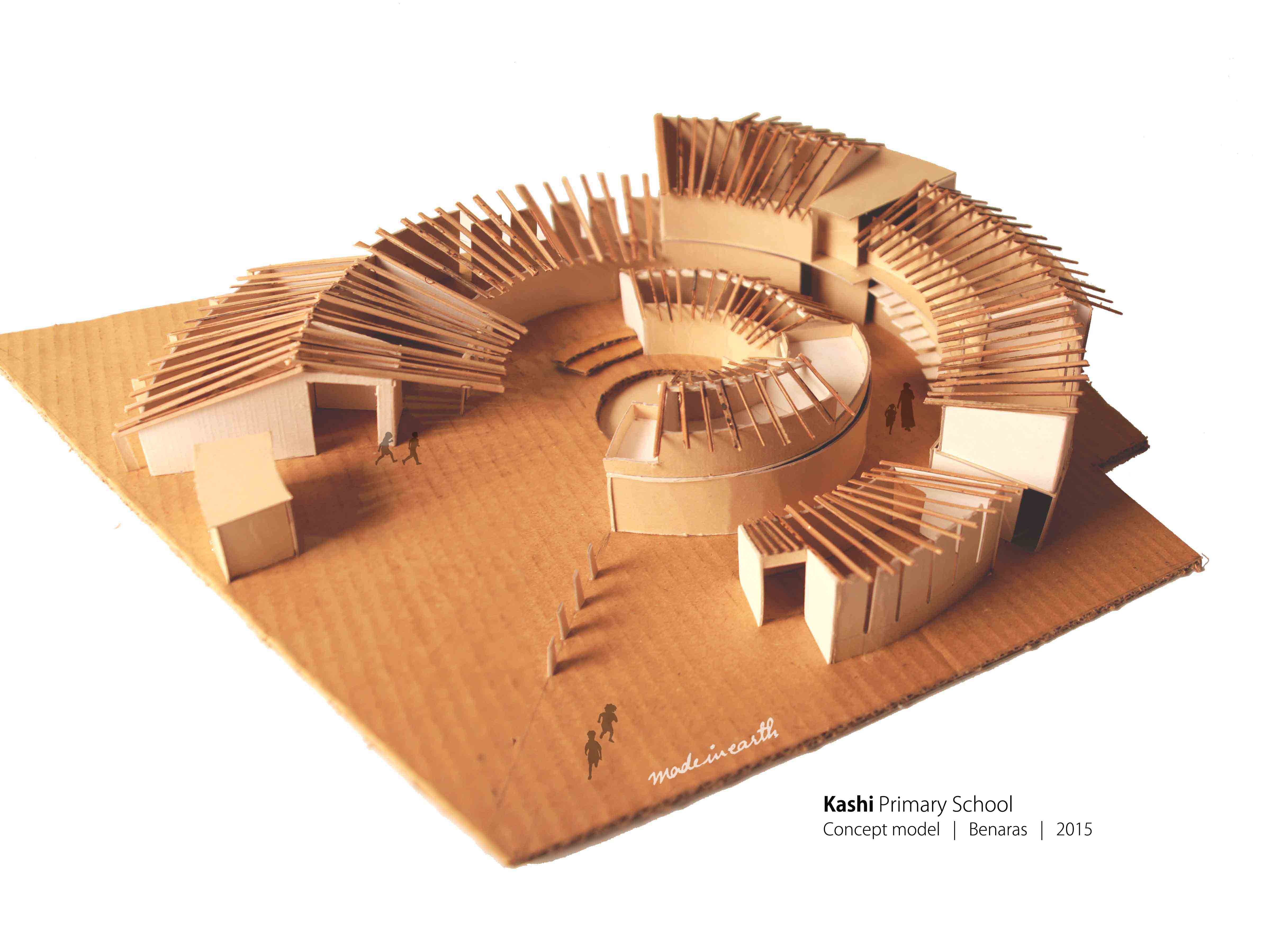
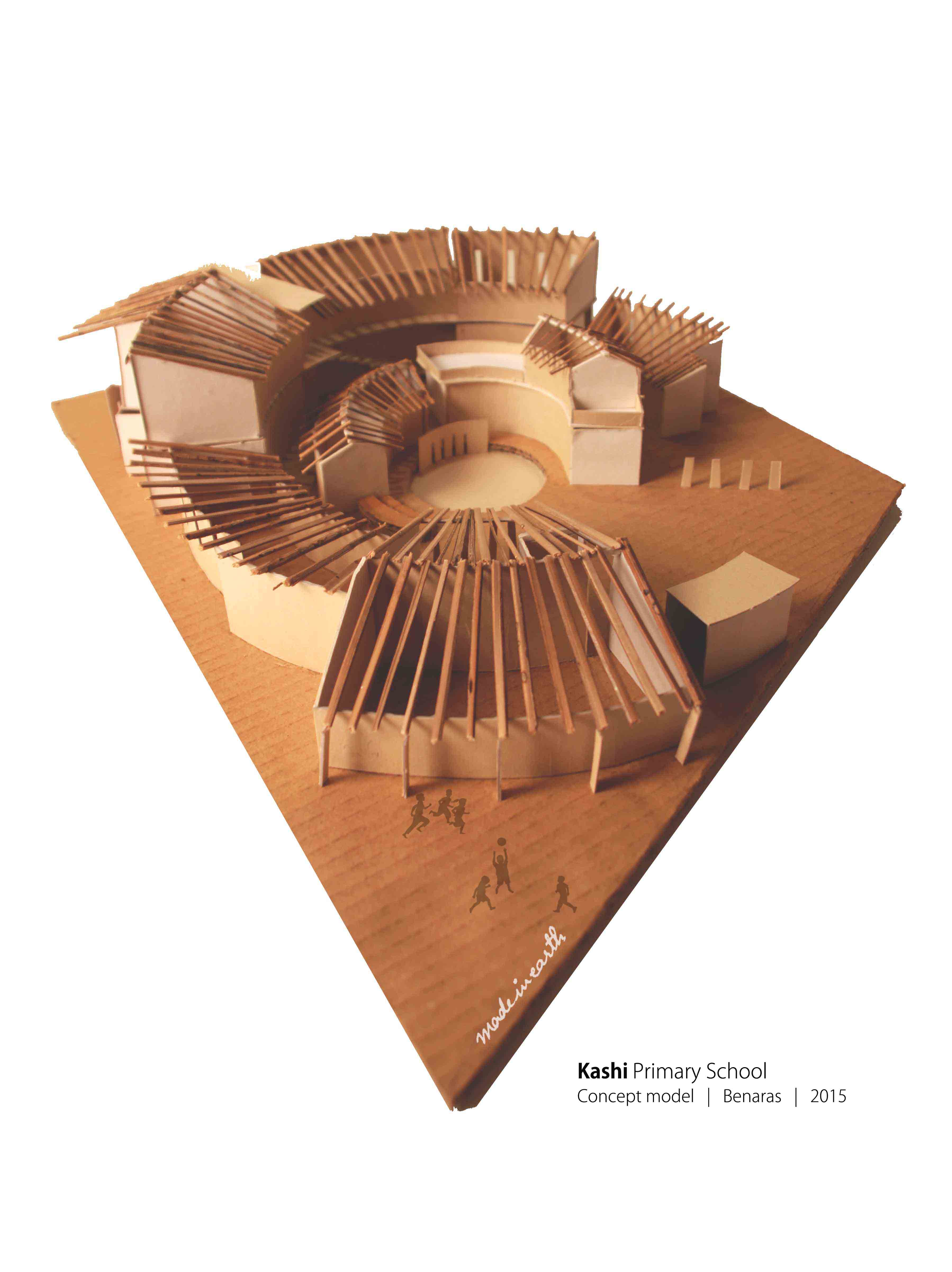
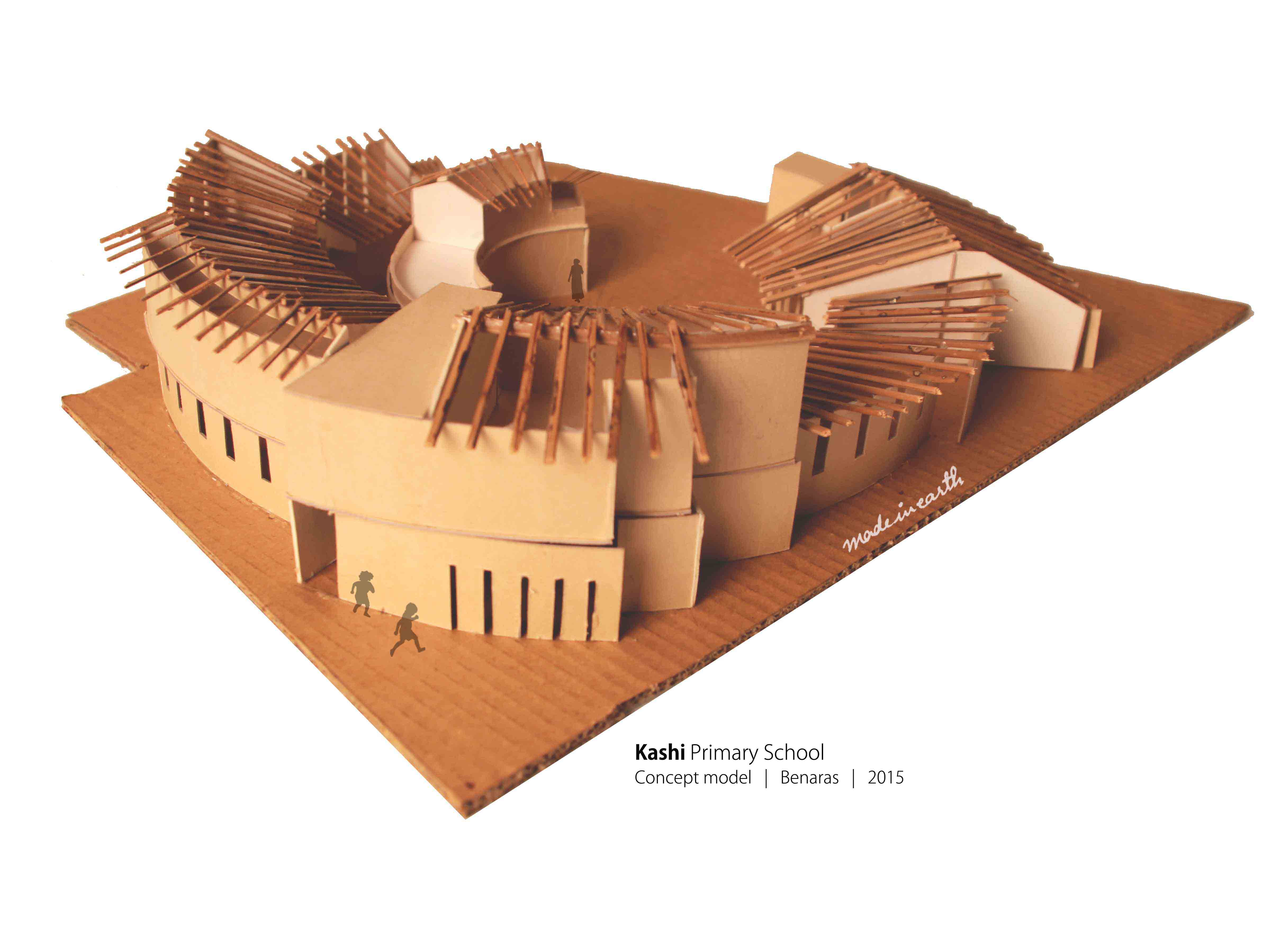
We imagine a school, in Earth
“For us, it goes in circles, move and continue, and move and continue and keep moving.”– This brief from the team at Kashi Education Society came a long way in shaping our design process.
We imagine children running, walking along walls, a casual finger trailing a texture or a motif along a wall, stopping to peep through a little window unto the green fields, escaping into a class and resurfacing somewhere else, oblivious to the building around them.
2015 Cute and Care
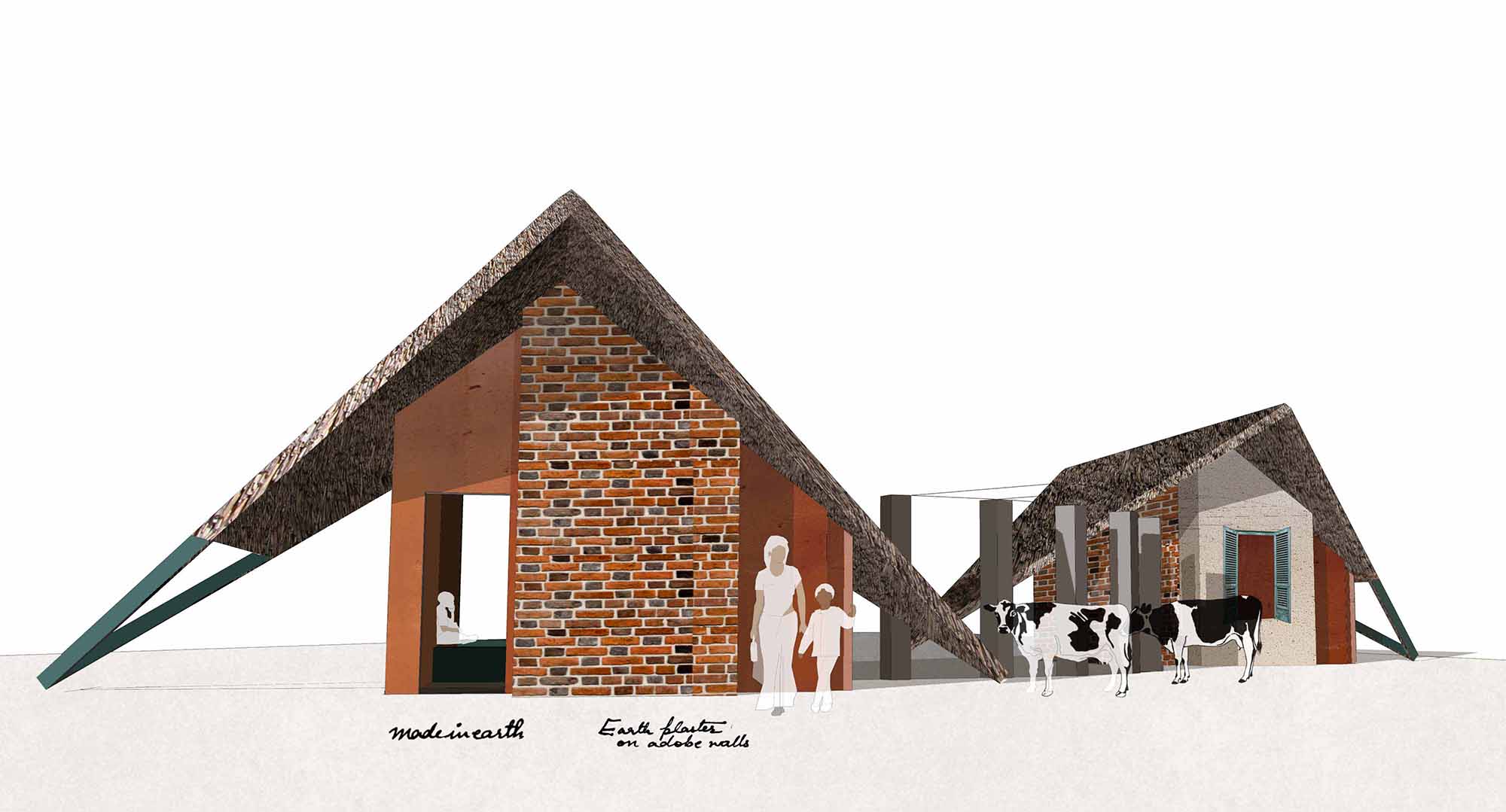
Suma and Shuba are two sisters from Bangalore with secret alter egos. They are setting up an organic farm near the small village of Seegehalli, in the outer reaches of the city. The quaint farm is a 400 m long strip of land jeweled with a row of coconut trees on either side. They dream of eventually retiring here to a quieter and more natural lifestyle. We have started to visualize the basic requirement for life on the farm. Nicknamed ‘Cute’ and ‘Care’ by our interns, the two cottages would be the first step in realising Suma and Shubha’s dream. The ‘Cute’ cottage is to accommodate the two on their weekend visits and enable them to spend more time on the farm, while the ‘Care’ cottage is to house a small family who would be present to take care of the farm at all times. It seems to us that this is the perfect place for a small adobe home, as we have wonderful soil as well as a local skill set to produce Adobes. Follow this thread to see how these designs evolve as we walk Suma and Shubha, gradually towards their dream.
The Earth Kitchen
Hungry morning.
Cooking was yet to happen.
Ingredients were ready.
Were just waiting for all the cooks to arrive.
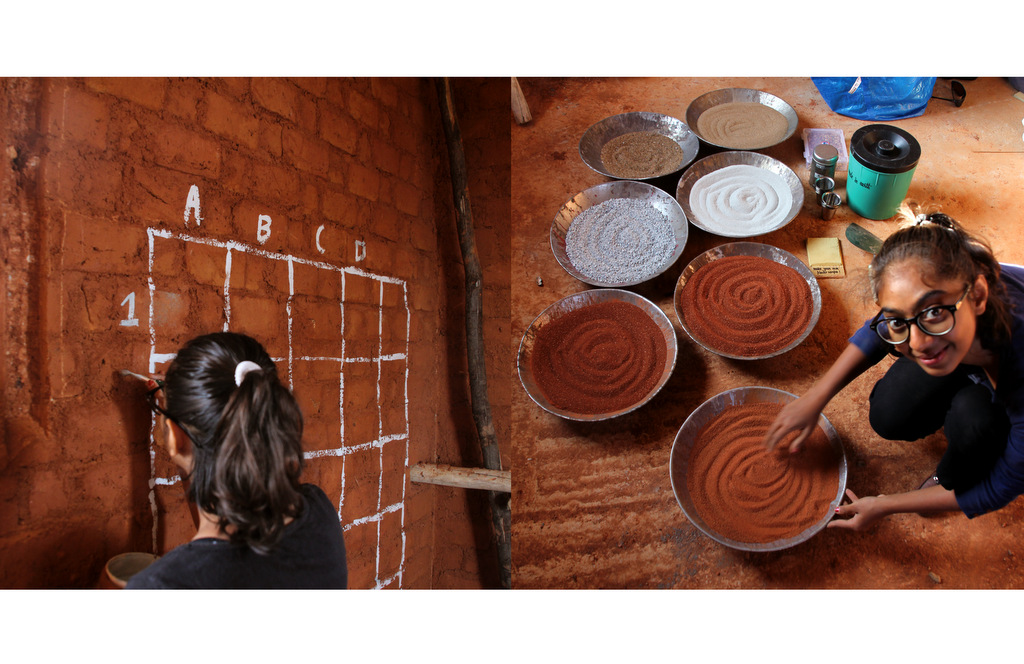
It was a hungry morning.
And it was no regular food fest; for one cook to cook for all.
It was something more special;
more unique and intimate, where everyone cooks;
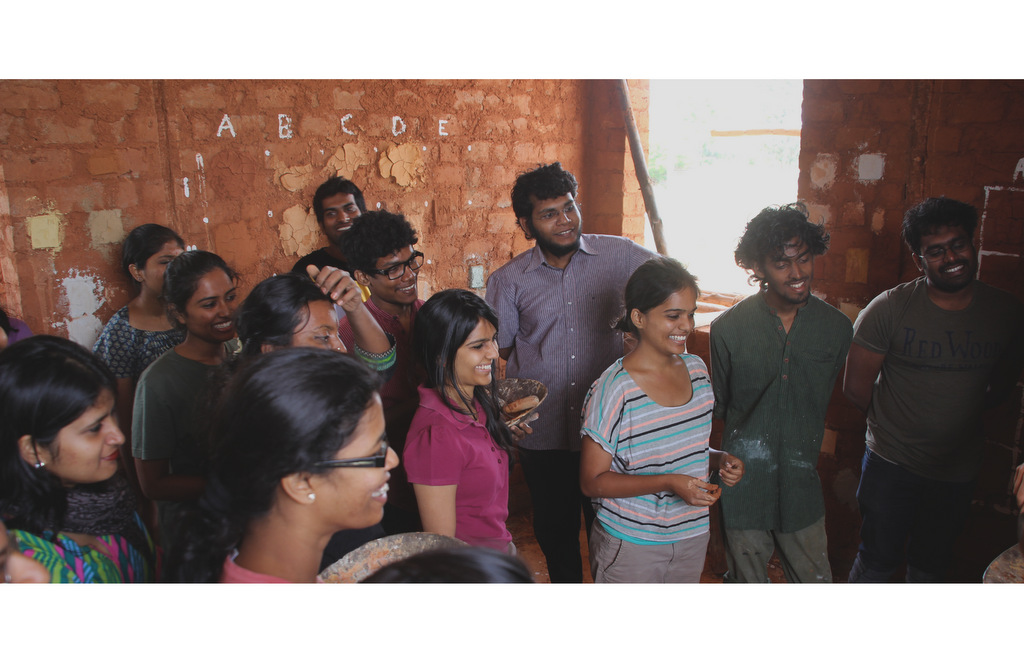
Here we were all cooks;
trying to get the ingredients right,
for one perfect food for everyone;
with little secret spice, for individual’s taste.
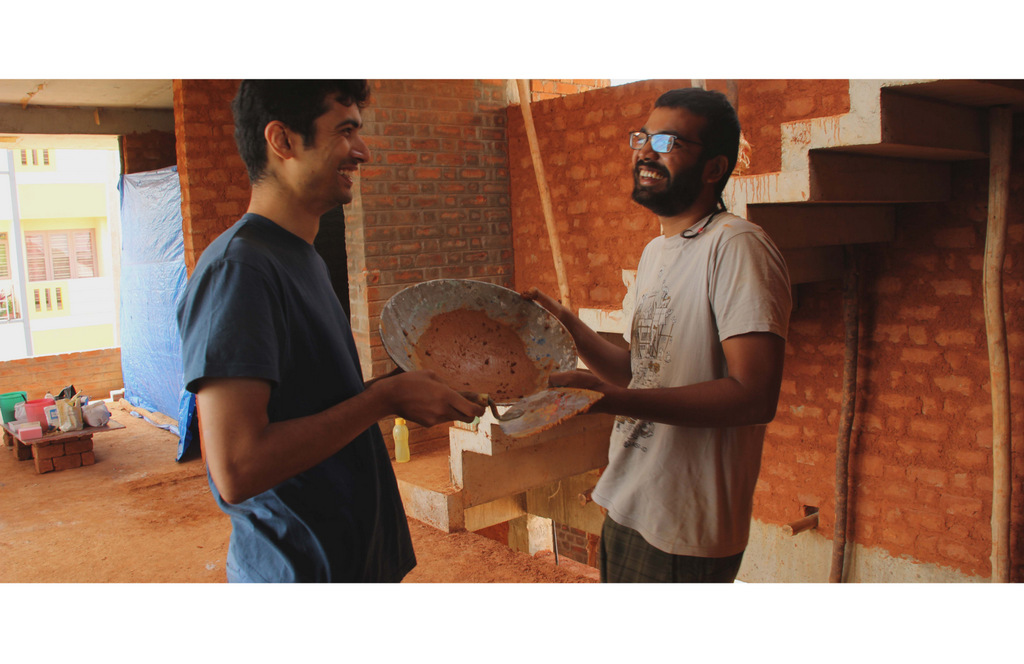
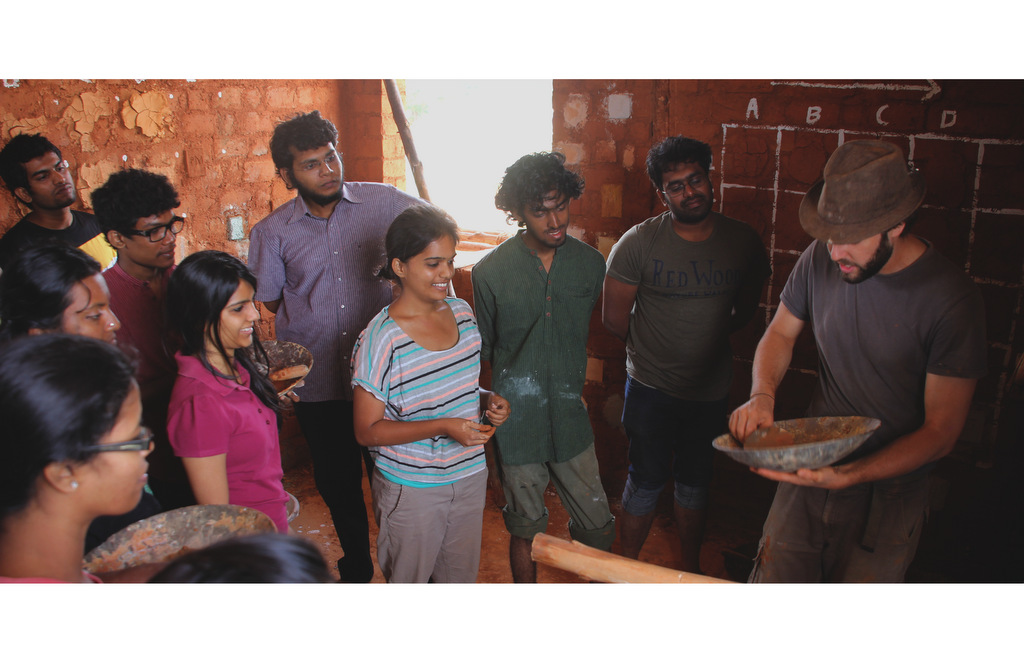
Everyone gathered at the kitchen.
The kitchen smelt different,
The smell made us more hungry; Hungry to cook
For it was no regular kitchen.
We had two master-chefs; And one master-ingredient;
We were all new to cooking; to this type of cooking;
Major ingredient was so much familiar;
Easy to play with; Easy to cook;
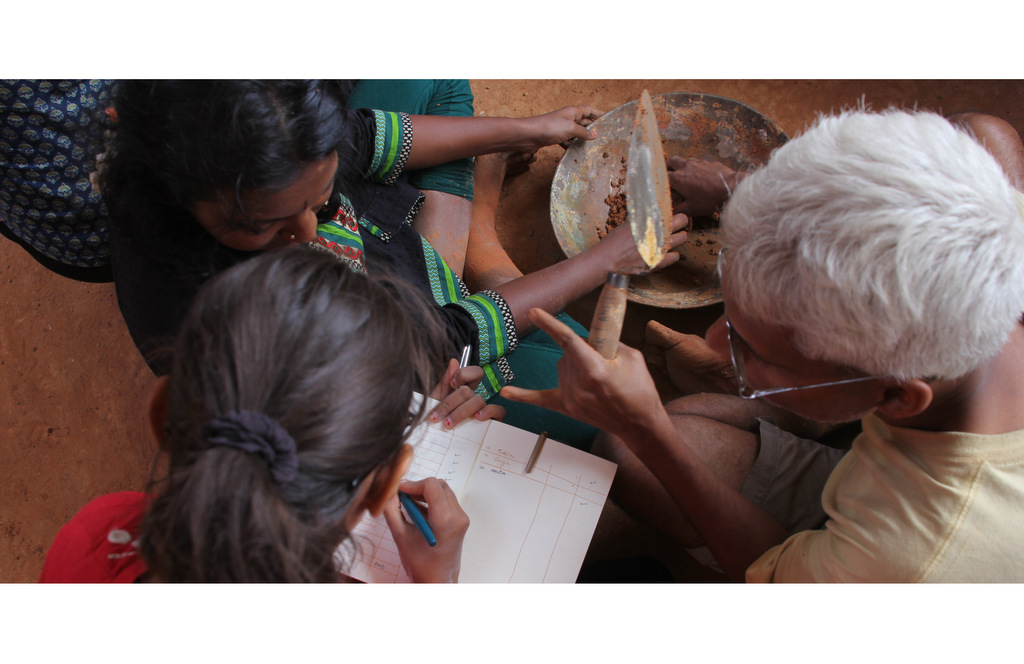
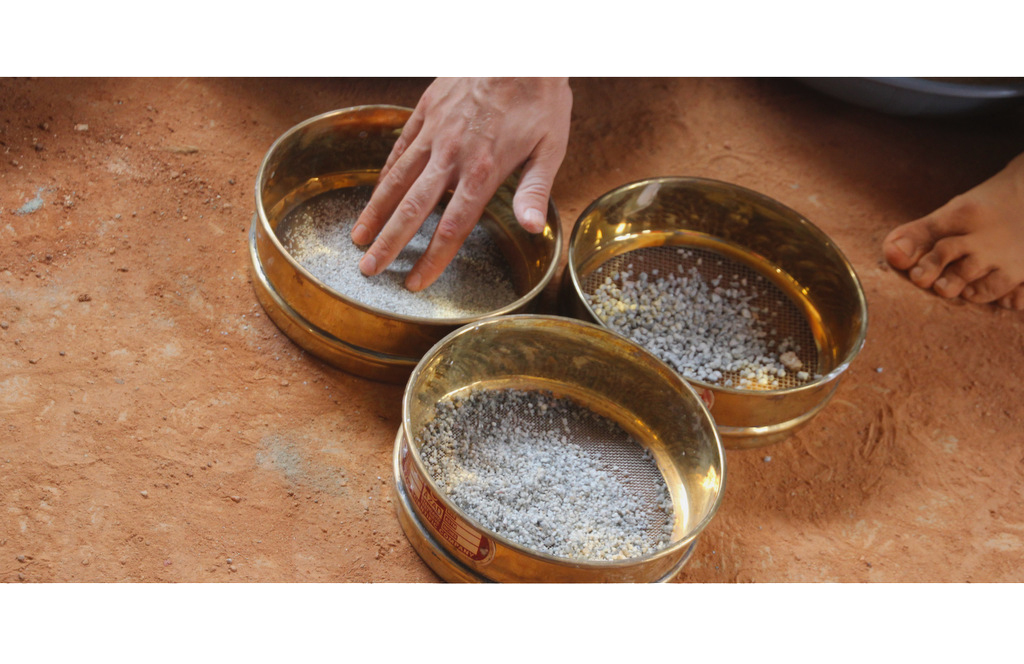
To get it ready, it needed crushing;
And careful watering, And then mixing,
It must feel good in your fingers
For people to appreciate what we cook;
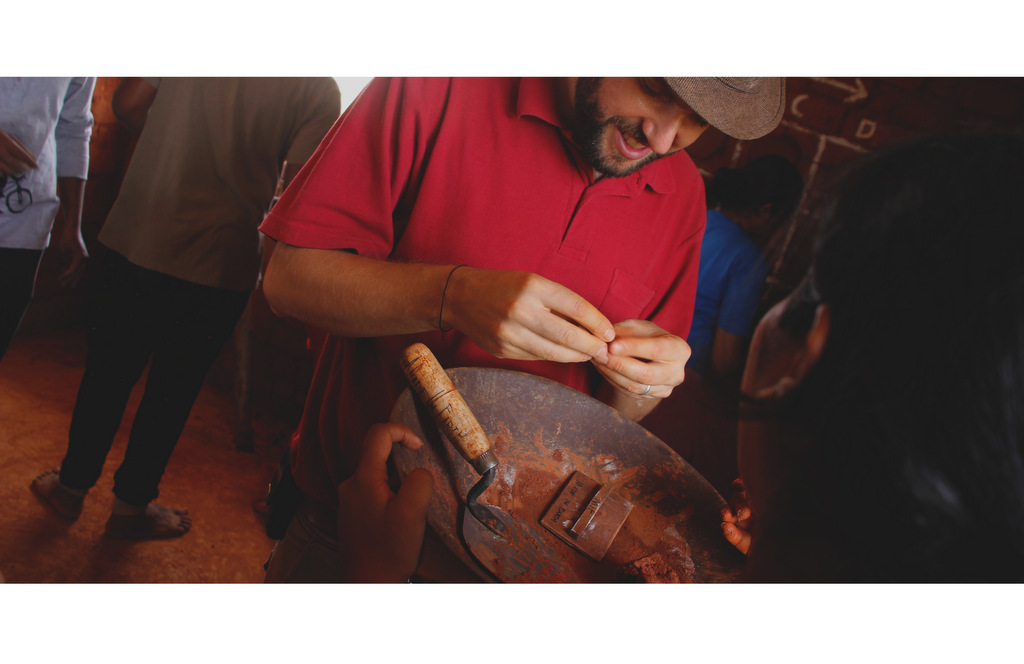
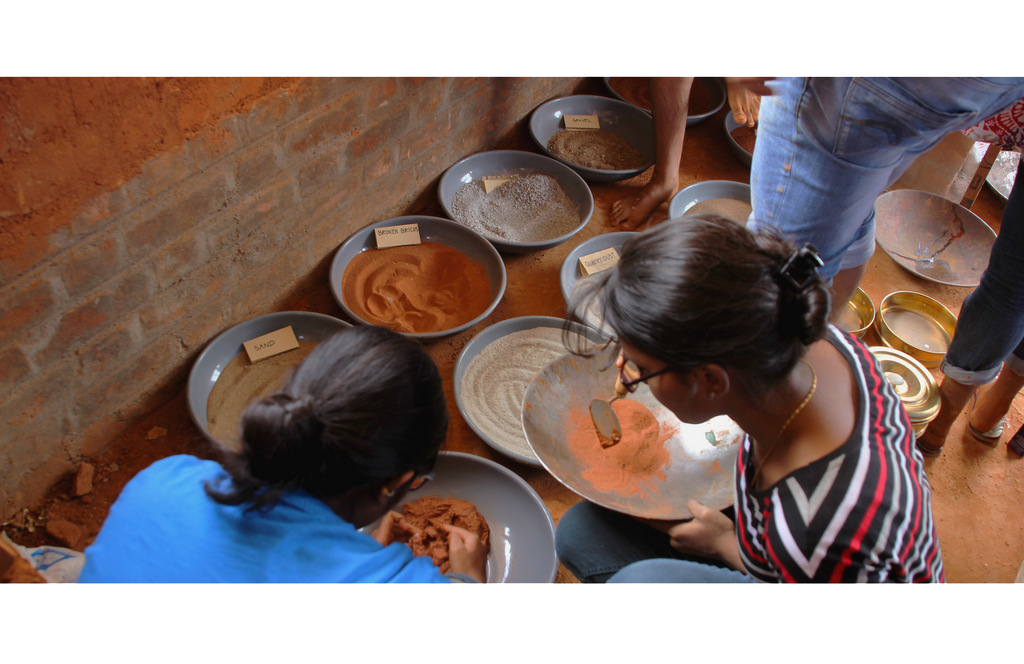
We made a plan; We categorised the ingredients;
For making it easier to experiment;
To Aggregate, Binders, Mass,
Organic reinforcement and added flavours;
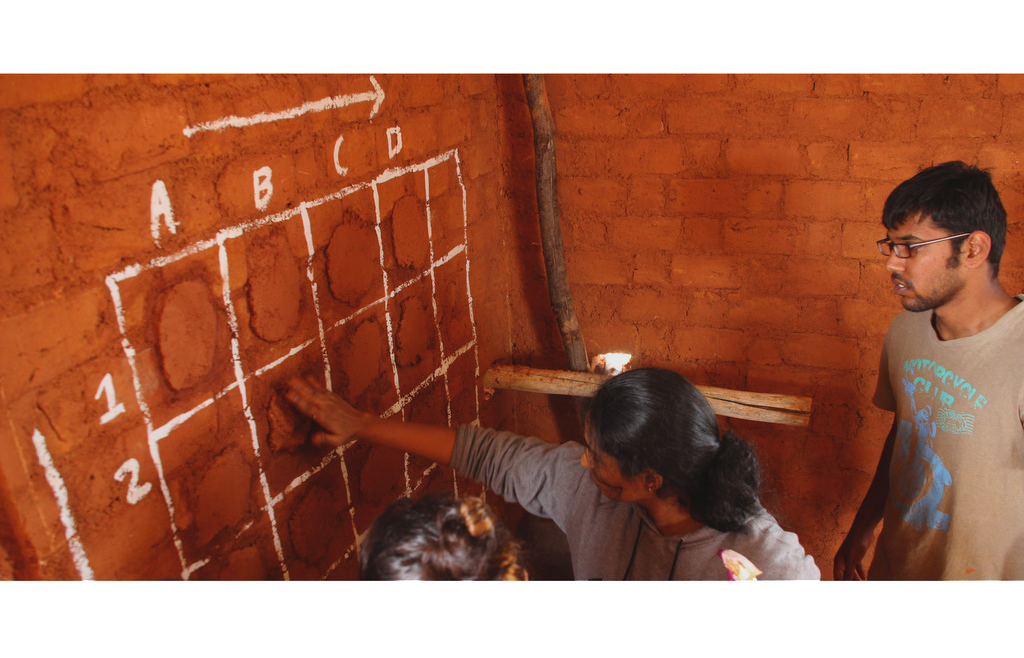
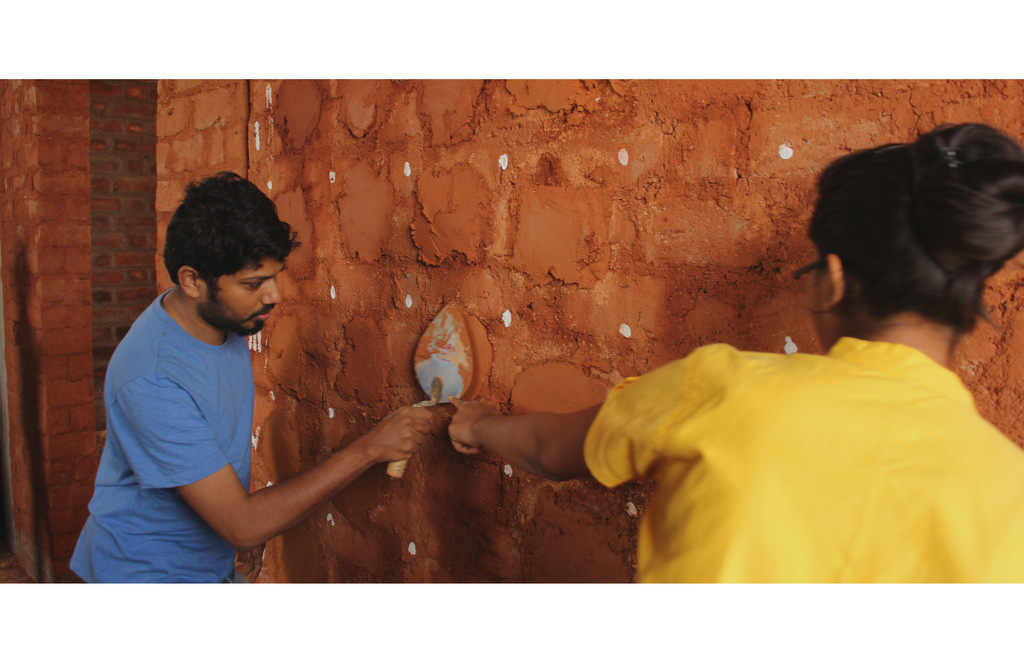
We needed two dishes, to fulfil our hunger;
One main course and one dessert;
we called it base and finishing,
For it was no regular kitchen;
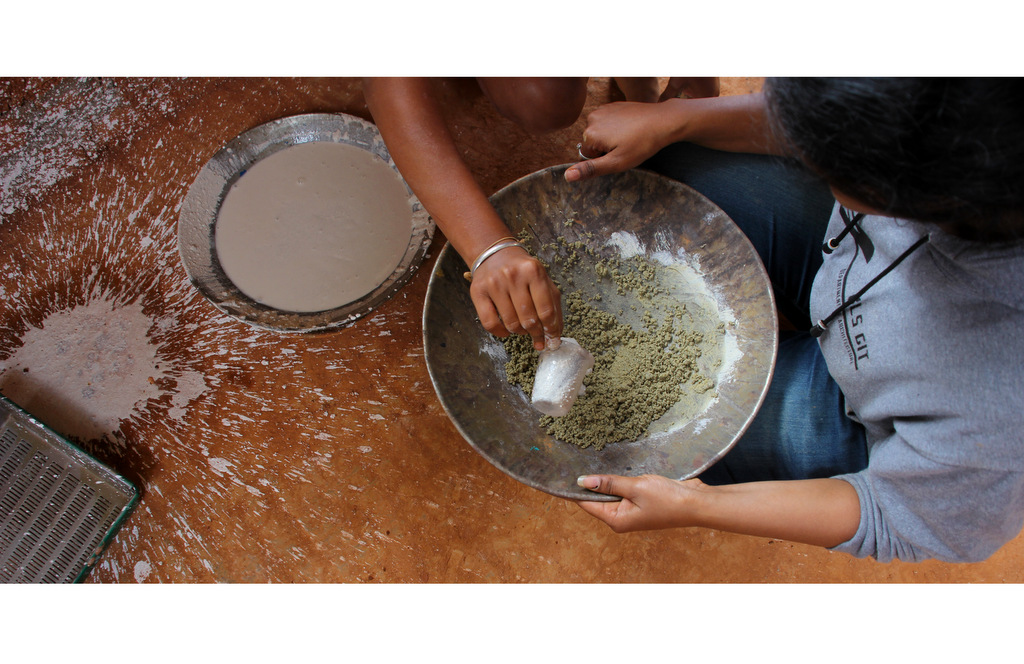
We made a strategy; to get the recipe right;
we drew a grid, kept master-ingredient consistent;
Sprinkled aggregate towards the right;
Added binder down the grid.
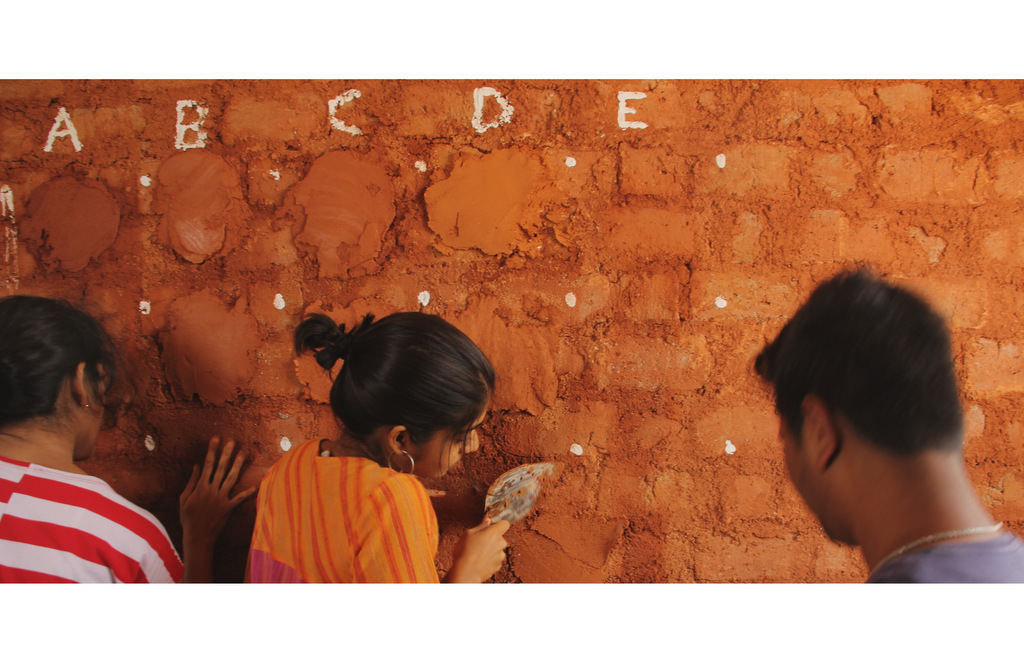
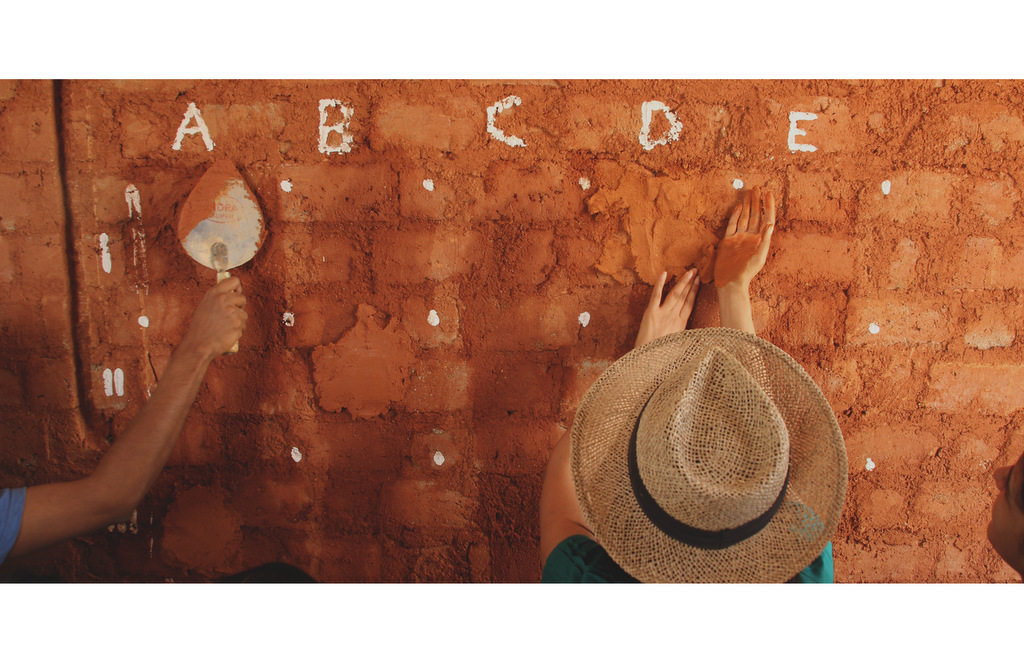
We made experiments; we made recipes;
Added colours and natural flavours
For this food was no regular food;
Like no other food, this food can breath.
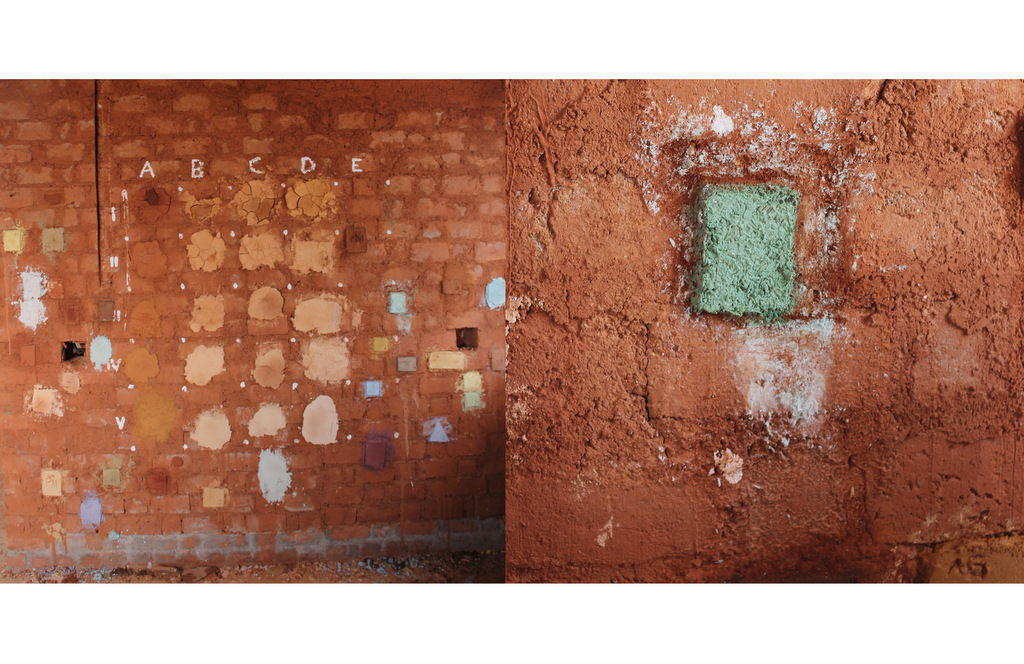
The food can’t crack, nor can it break,
nor can it chip off, and has load to take;
We tested its strength, hanging a bottle or two
For it was no regular food.
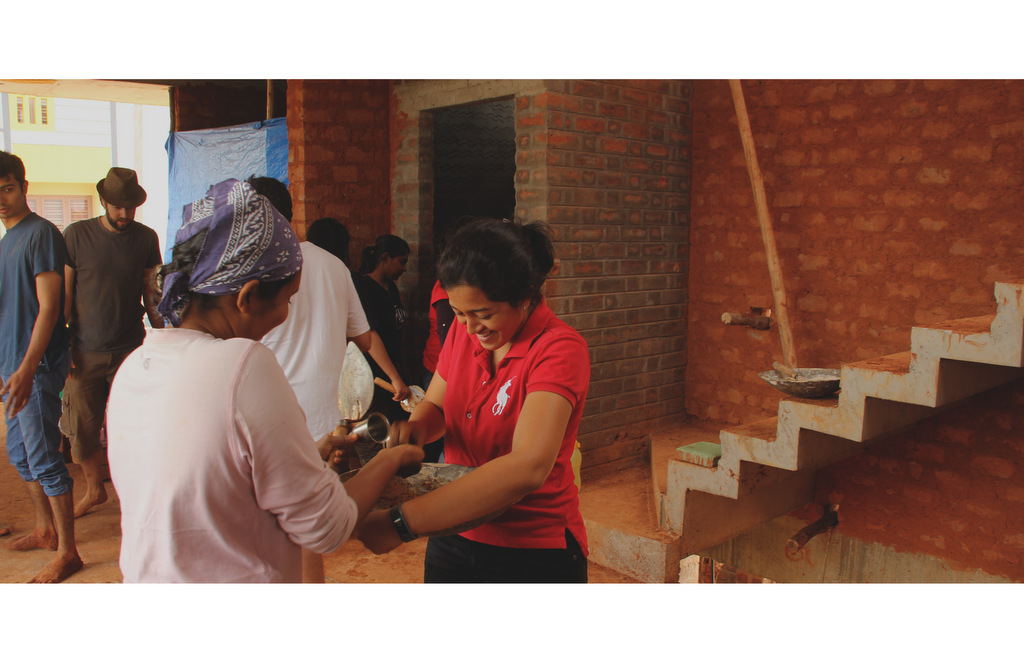
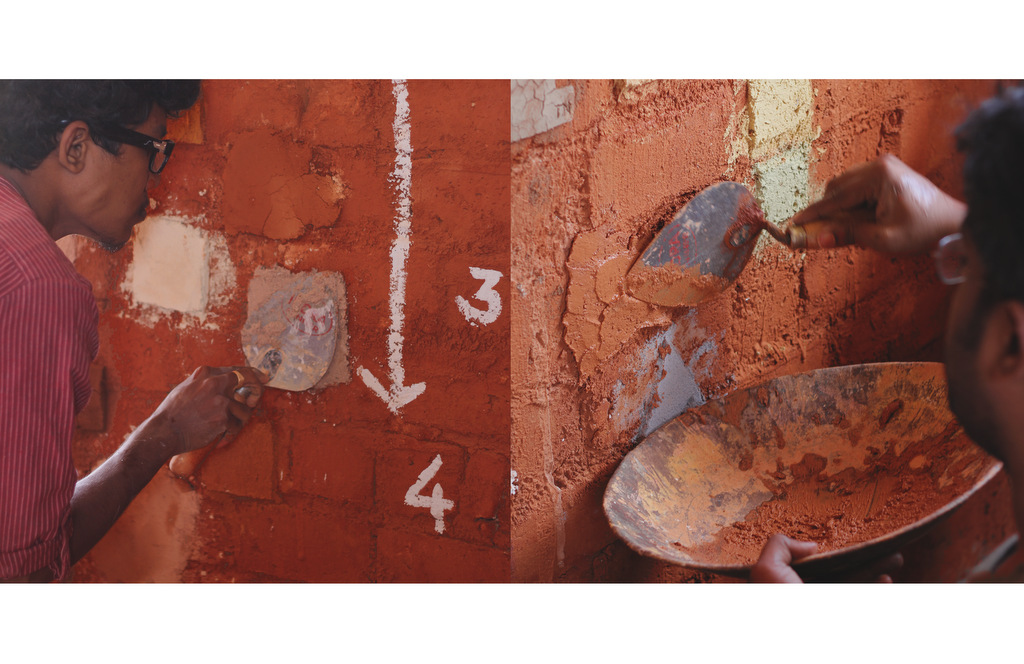
We made the mix, we got the food
for each one, their own recipe;
We cared its cracks and loved it a lot,
For it was a food for hunger and not to eat;
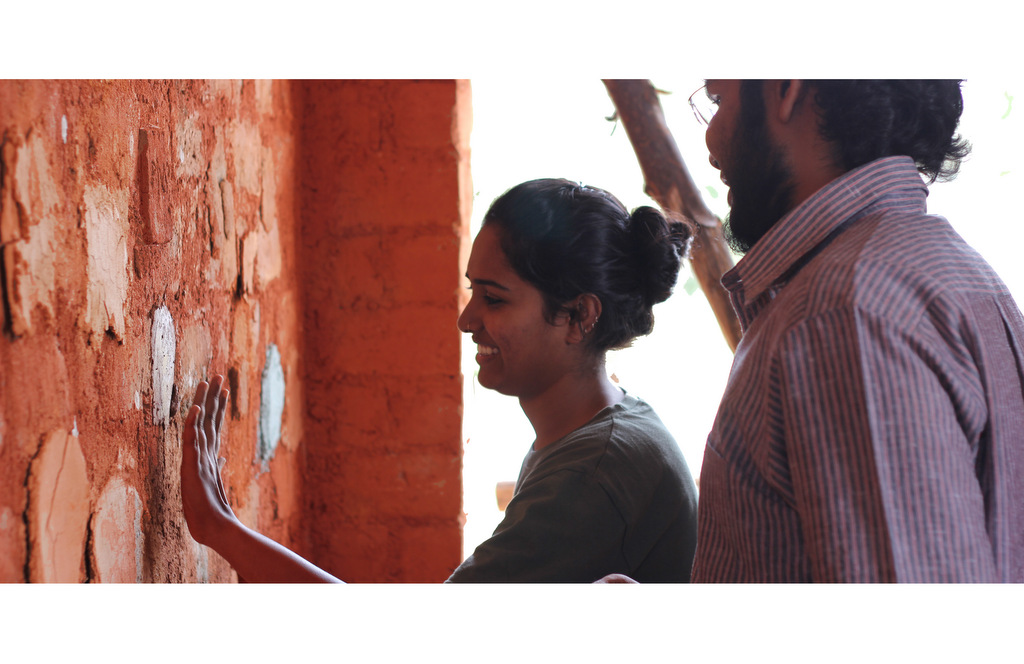
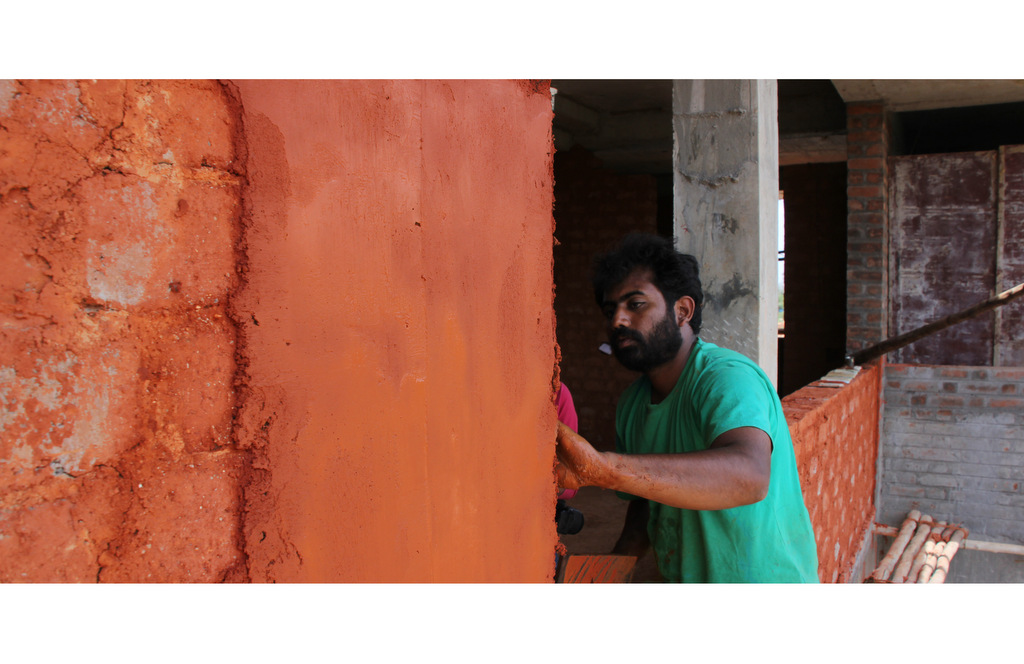
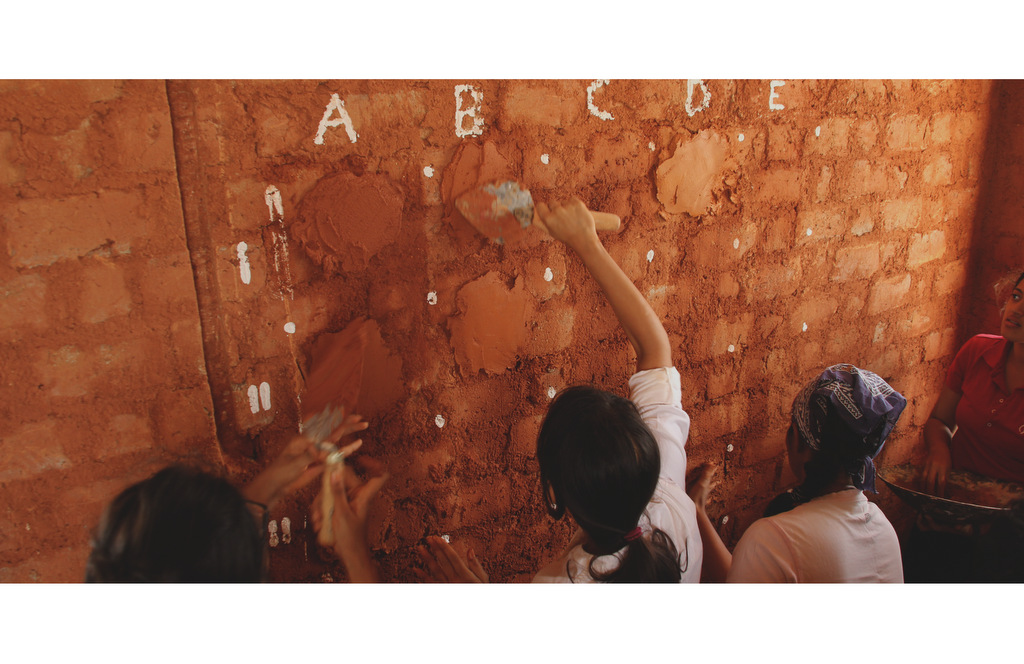
It was no regular kitchen,
And we called it the Earth kitchen;
It was no regular food,
We call it Natural plaster;
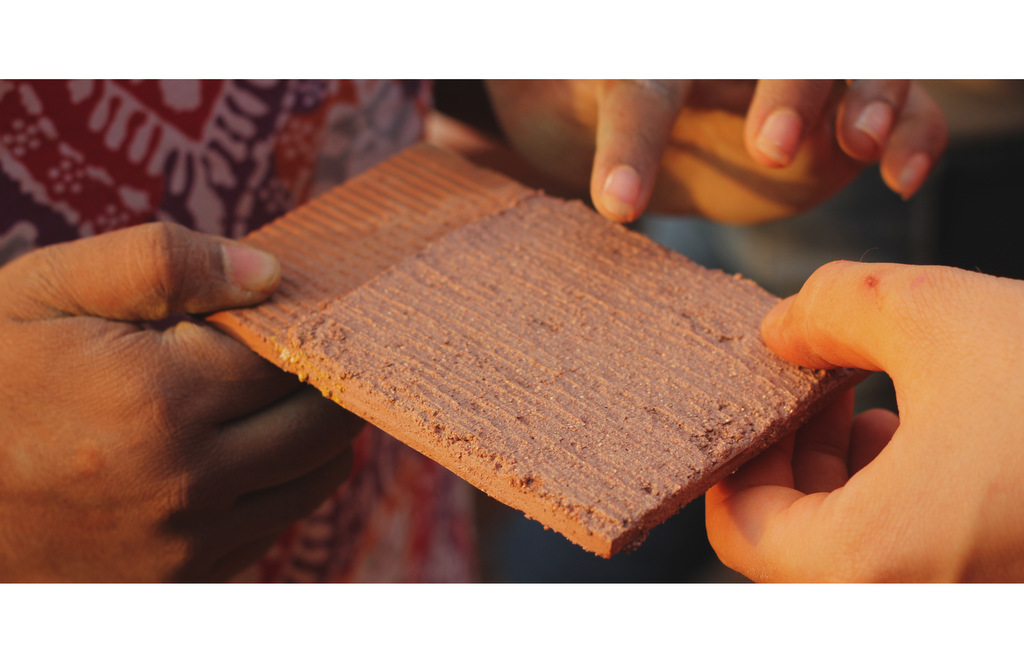
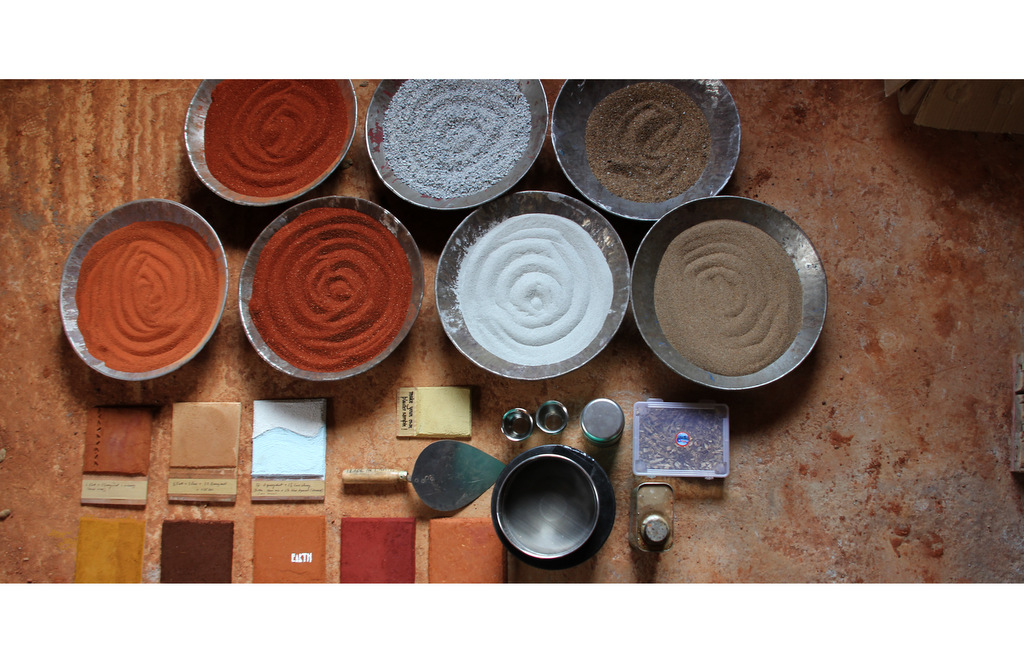
by Santosh Prabhu,
Team Made In Earth
From a series of workshops on natural plaster held at Bangalore in July 2015
Stars in mud mortar
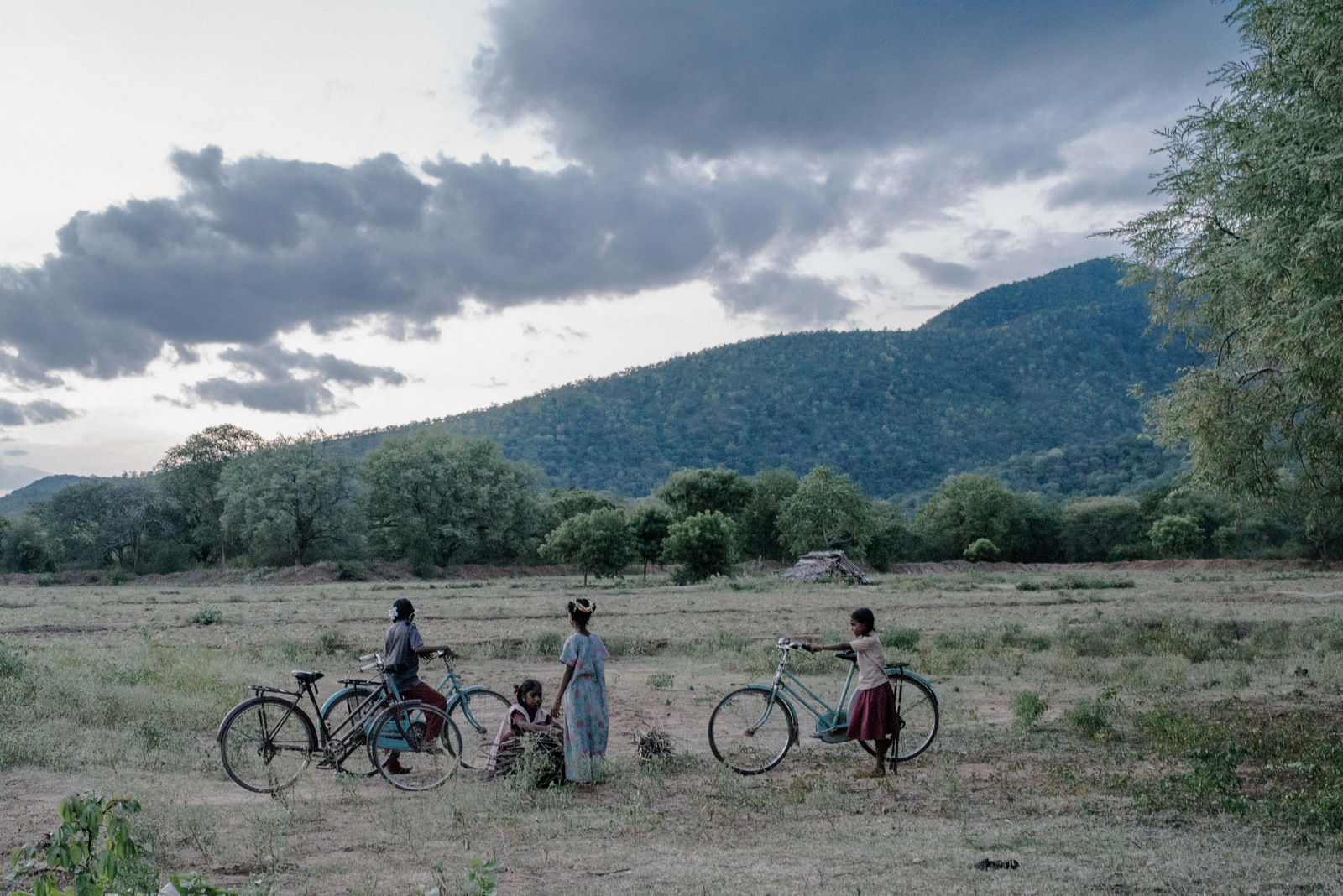
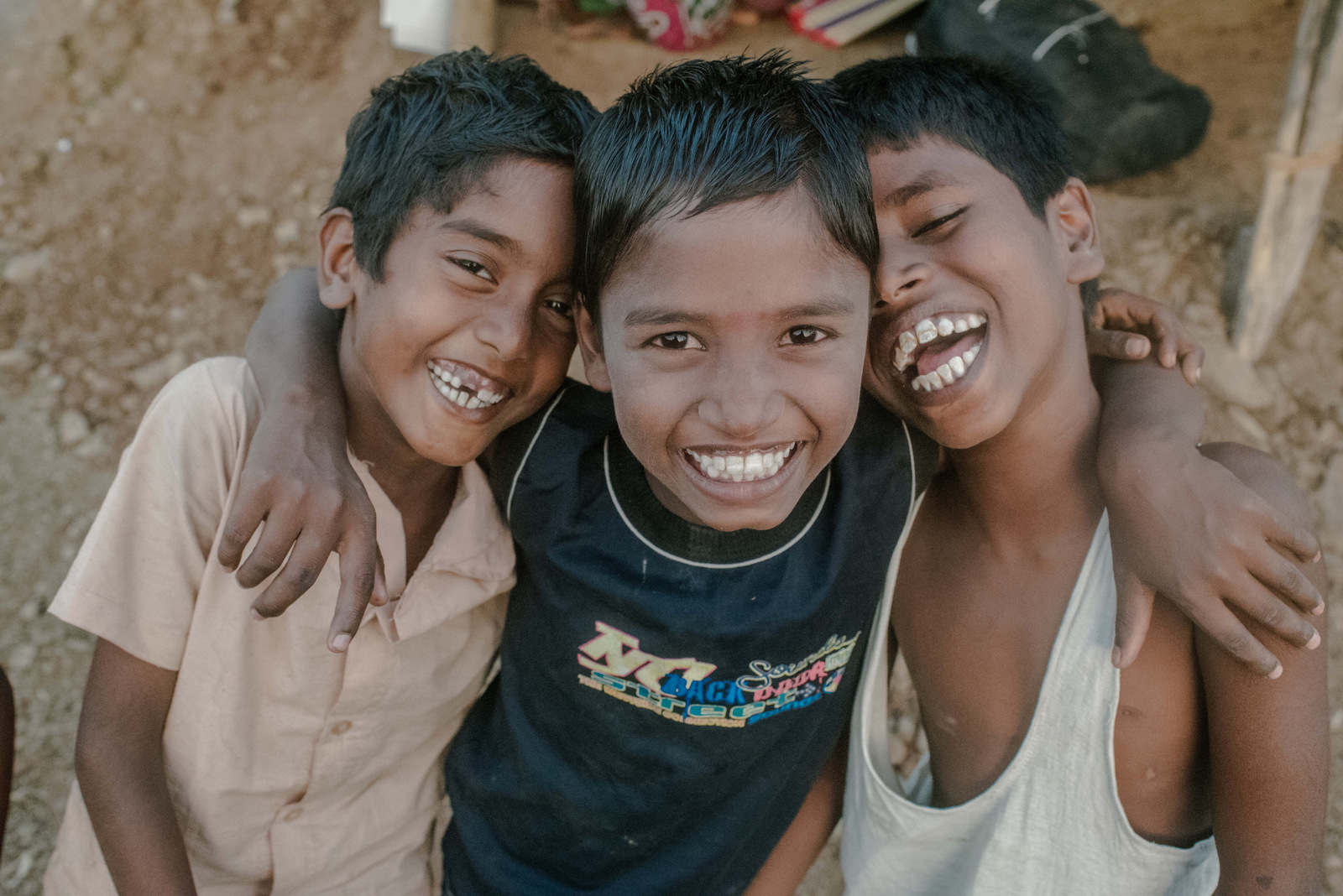
Then came Kali, he gave me a hundred kisses on my cheek, I hugged him and did not let him go. He was excited. He was one of those to whom the school belonged.
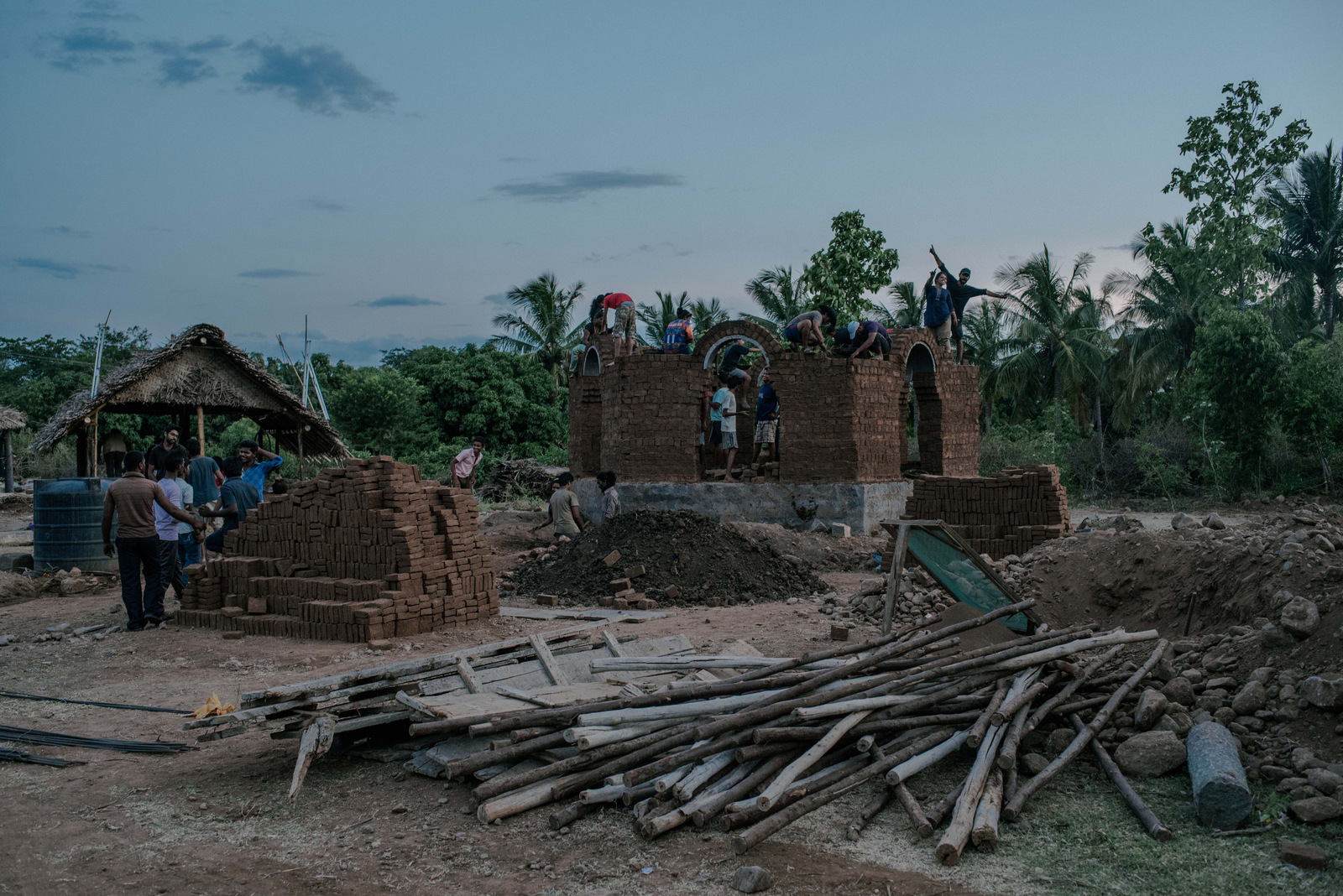
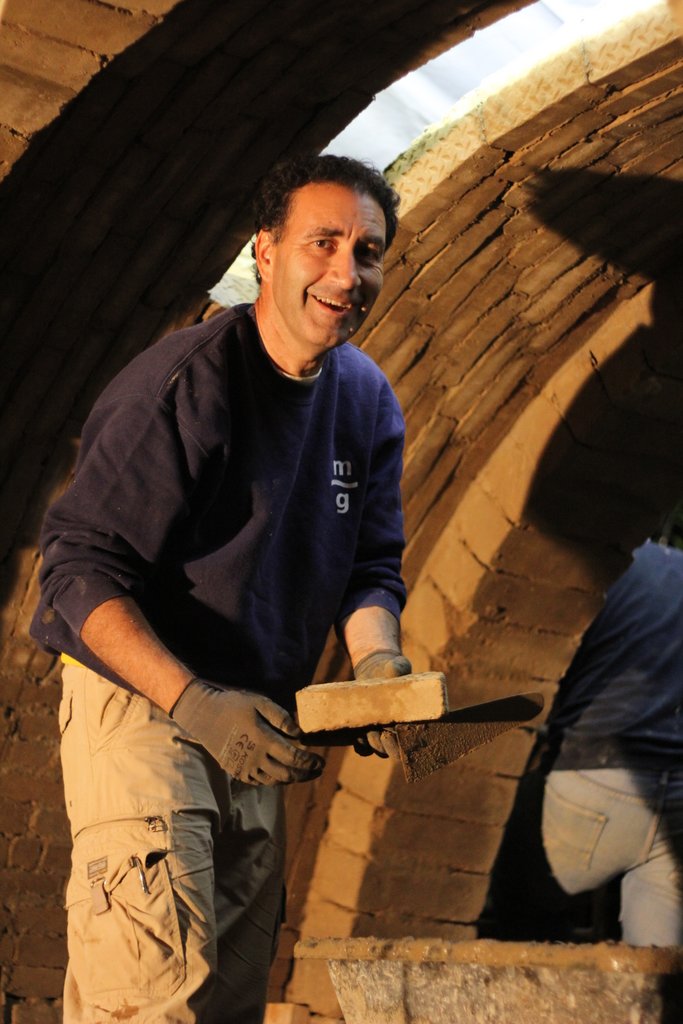
I had been waiting on the rope bed for one of my friends to ask for a brick or some mortar. We were constructing a Nubian vault, over the toilets. The arch, to be extruded, was beautiful. We were constructing portions of the much awaited Cuckoo Forest school.
I had been waiting on the rope bed for one of my friends to ask for a brick or some mortar. We were constructing a Nubian vault, over the toilets. The arch, to be extruded, was beautiful. We were constructing portions of the much awaited Cuckoo Forest school.
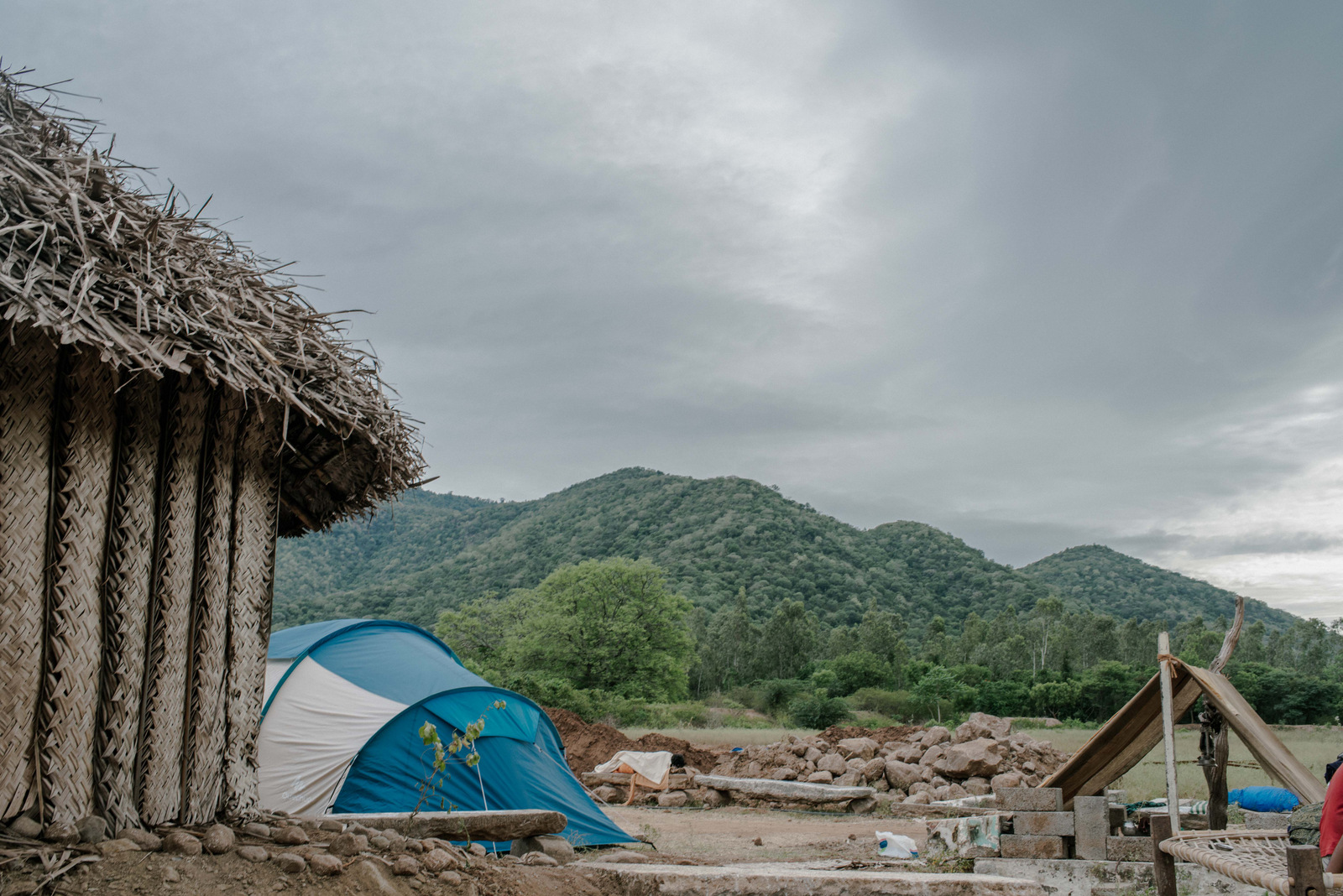
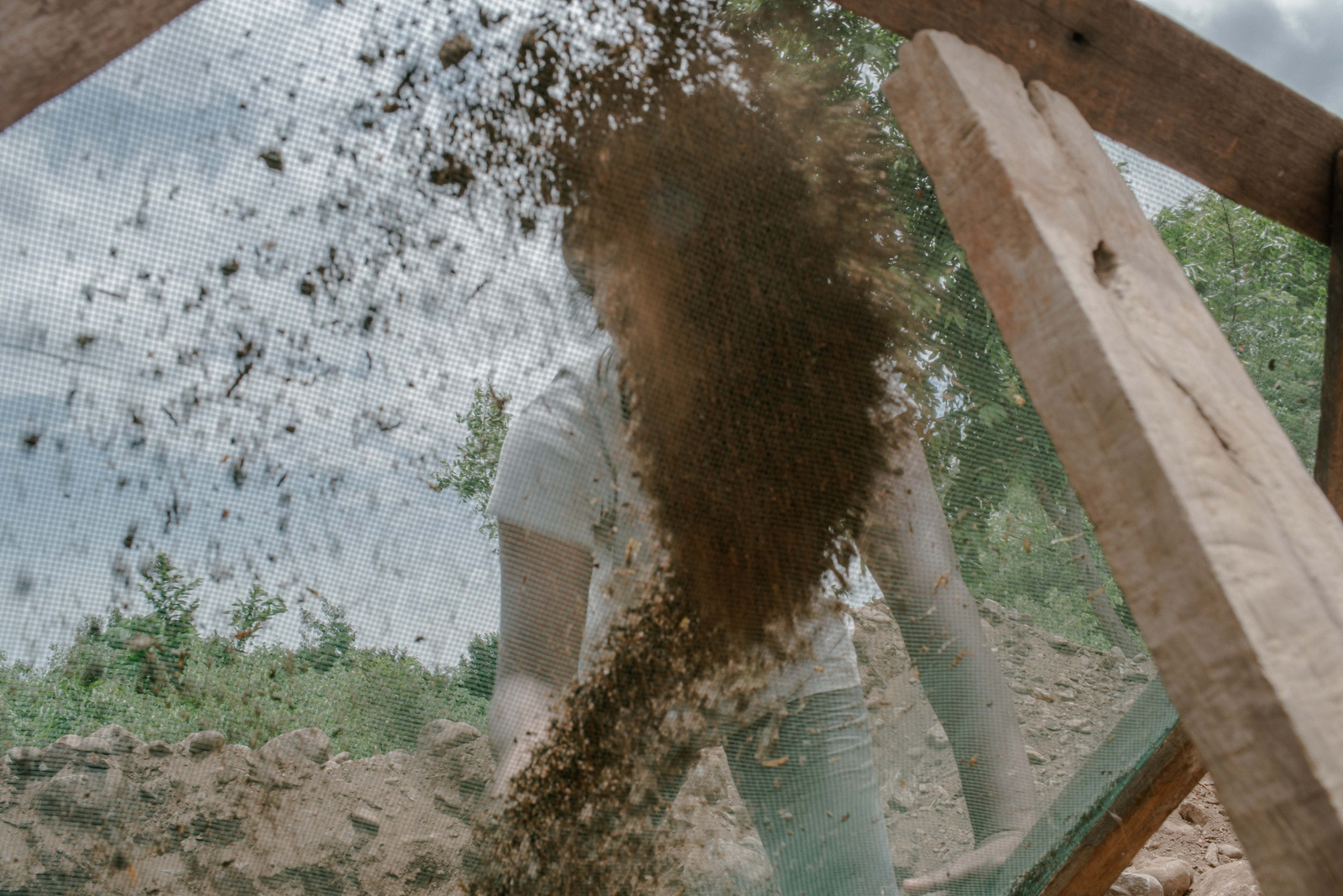
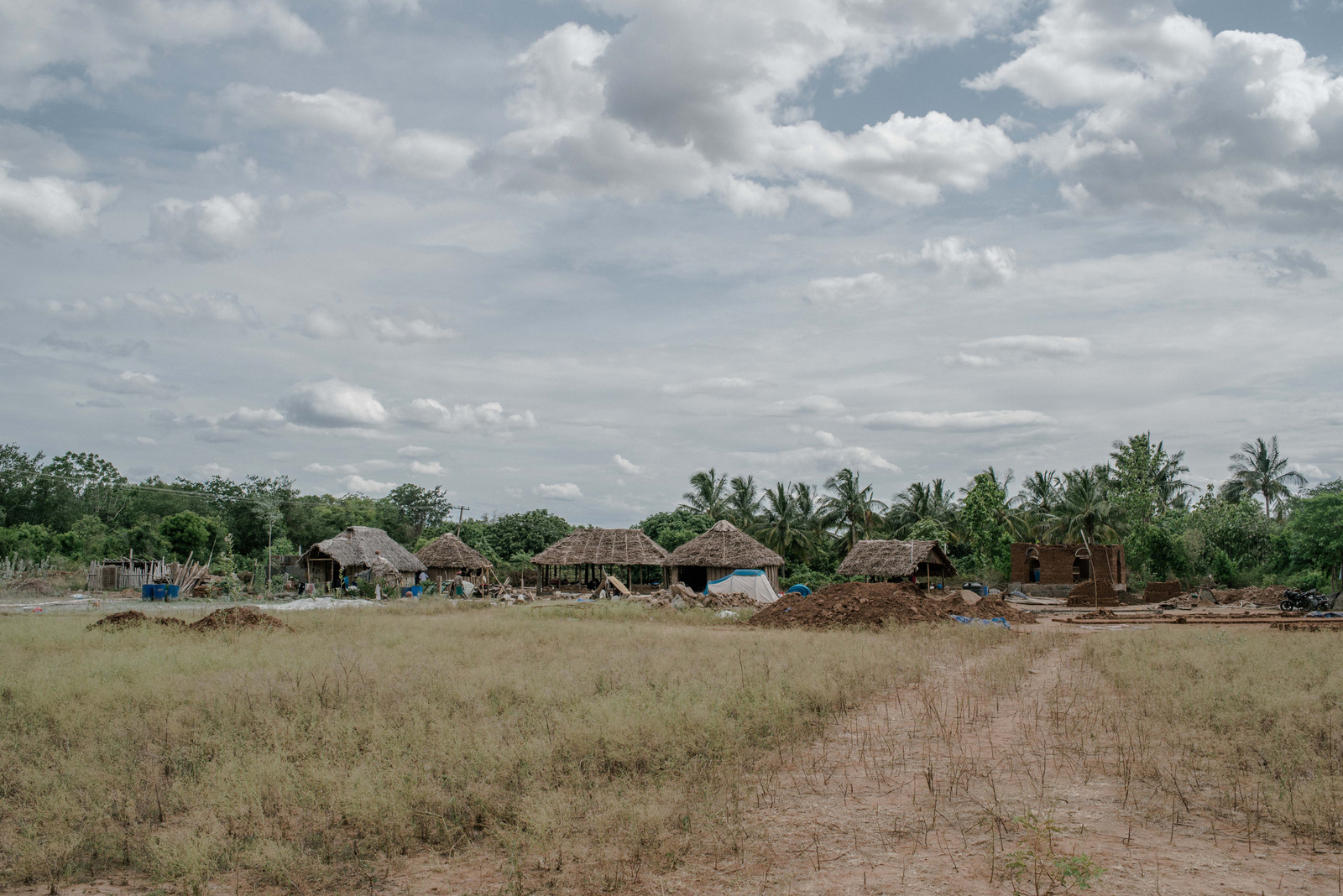
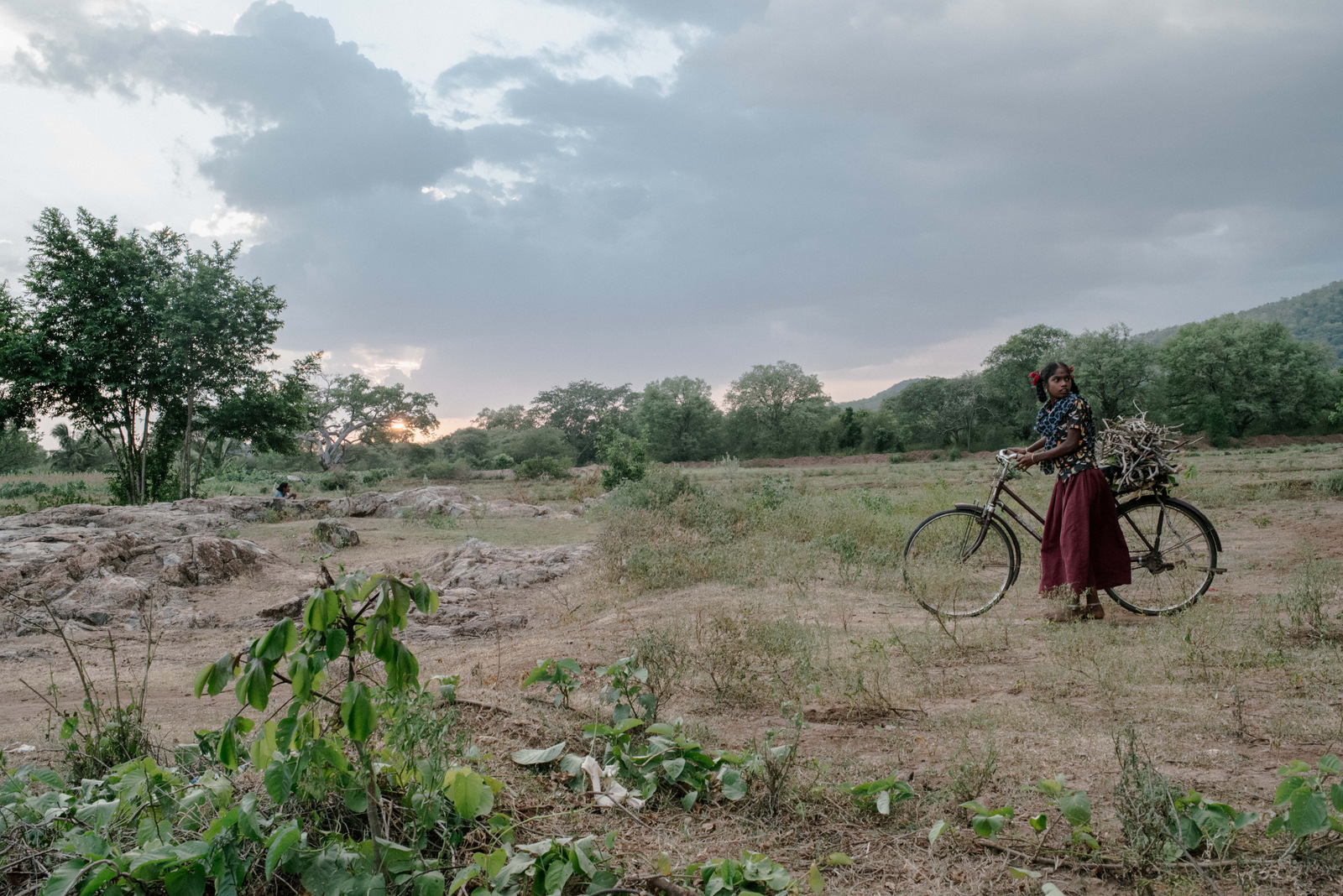
Cuckoo being an NGO, needed help to make this dream come true. And help came, it came from far and wide, from as far as Nagaland and Delhi. The soon to be ‘never forget me’ friends came together to put up the dome form.
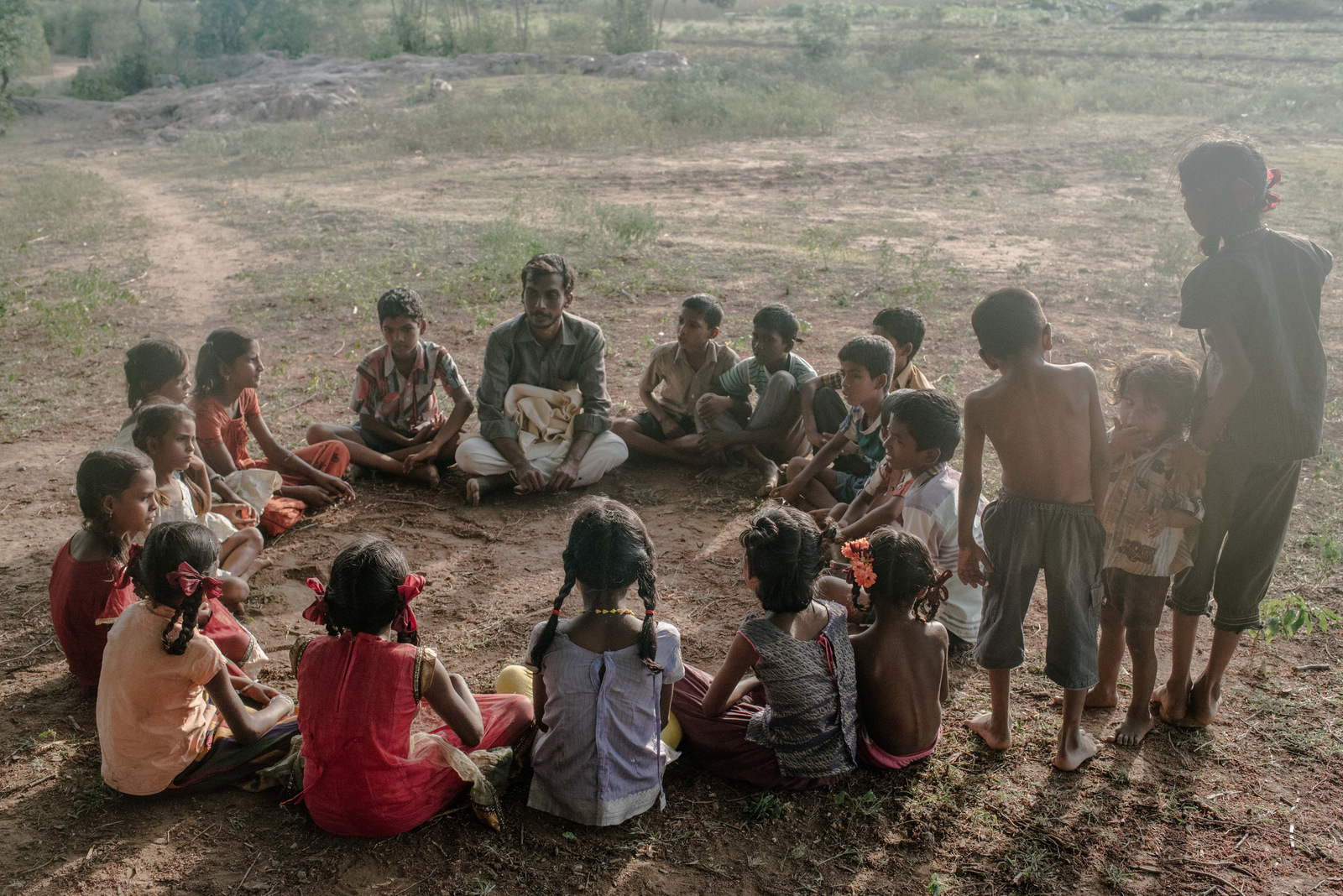
We had just started to intern with Jeremie, who had been incessantly guiding the architecture/ construction, for the whole week. Work had started on the 5th of July 2015, under Varun Thautam, another earth conscious architect.
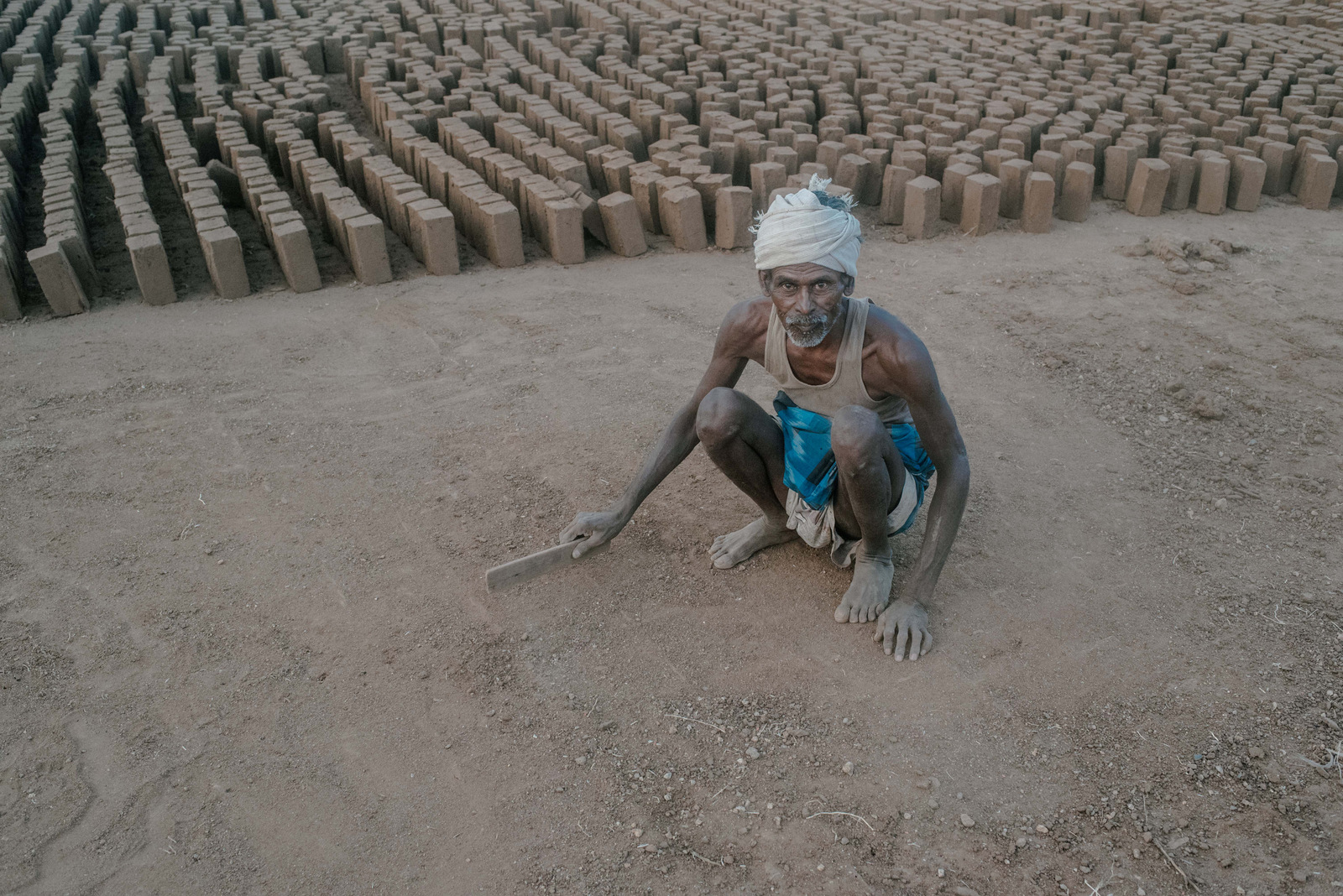
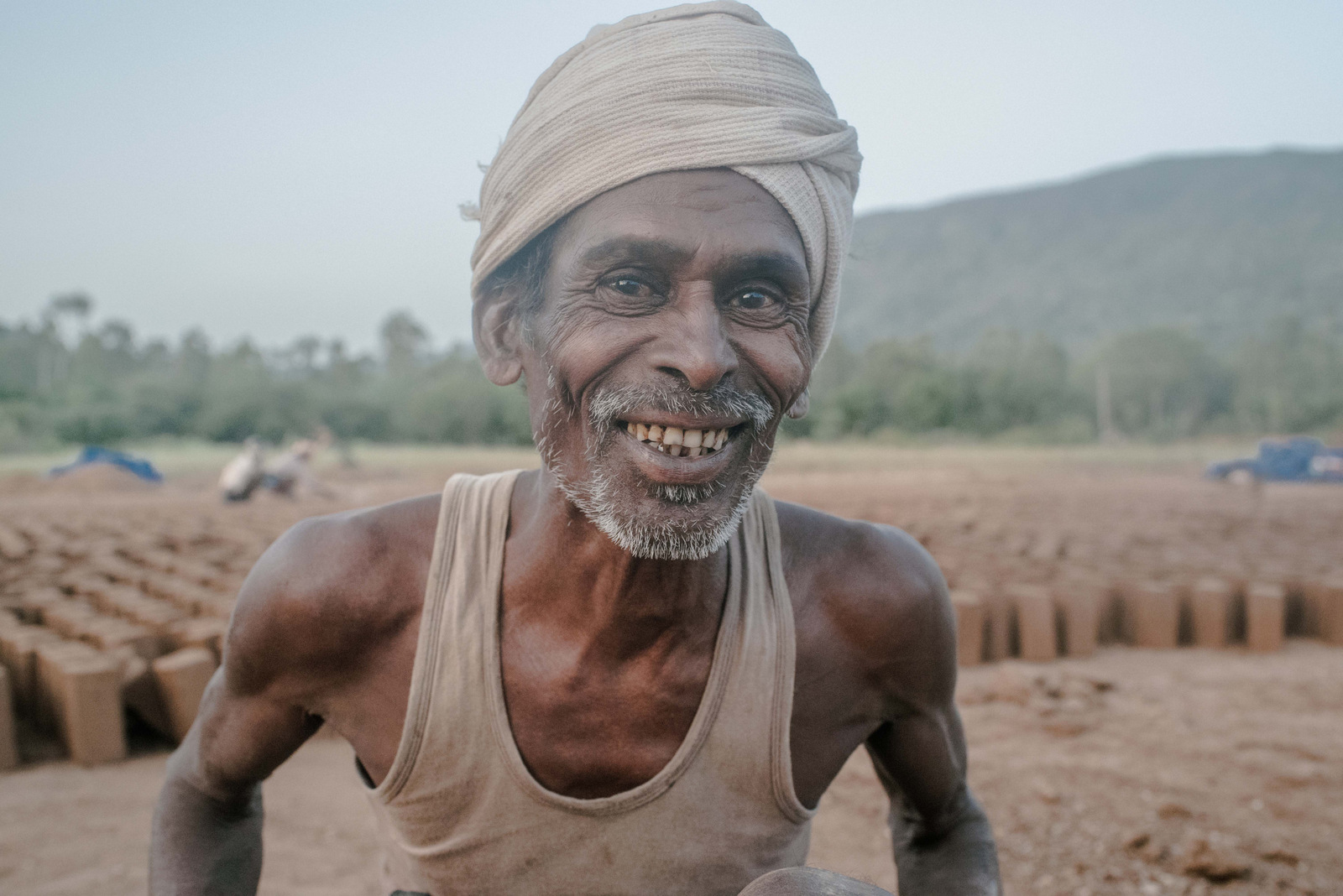
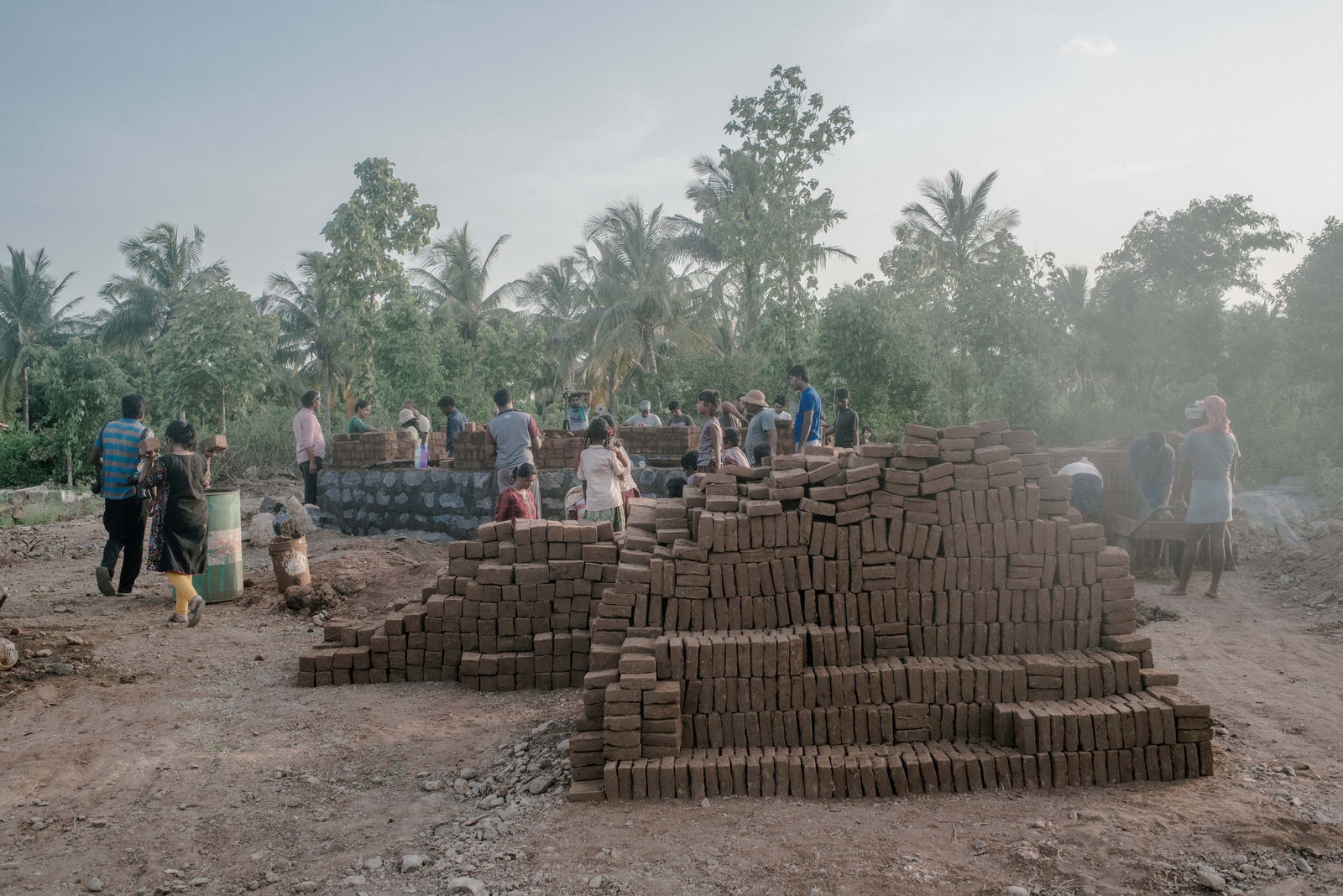
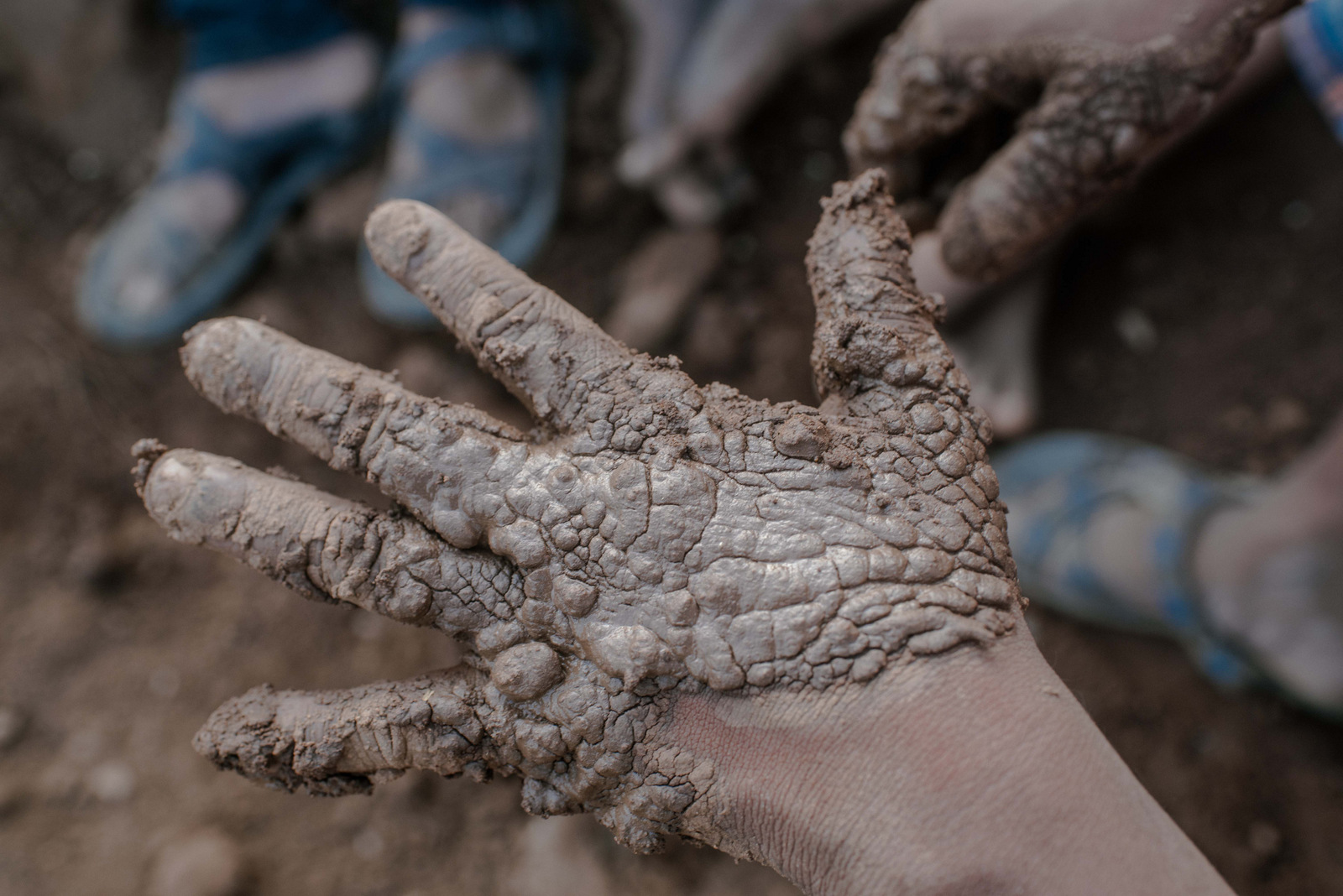
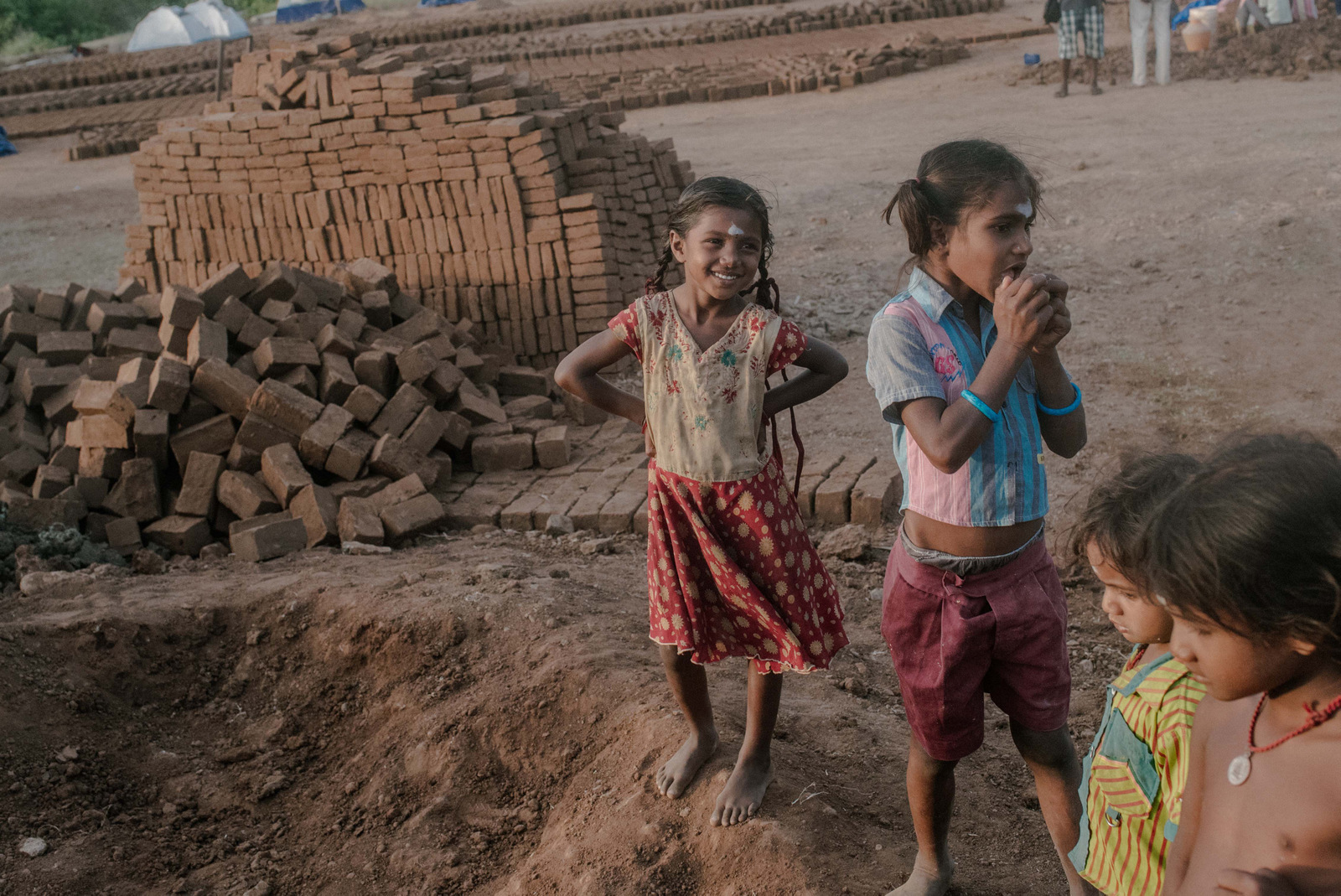
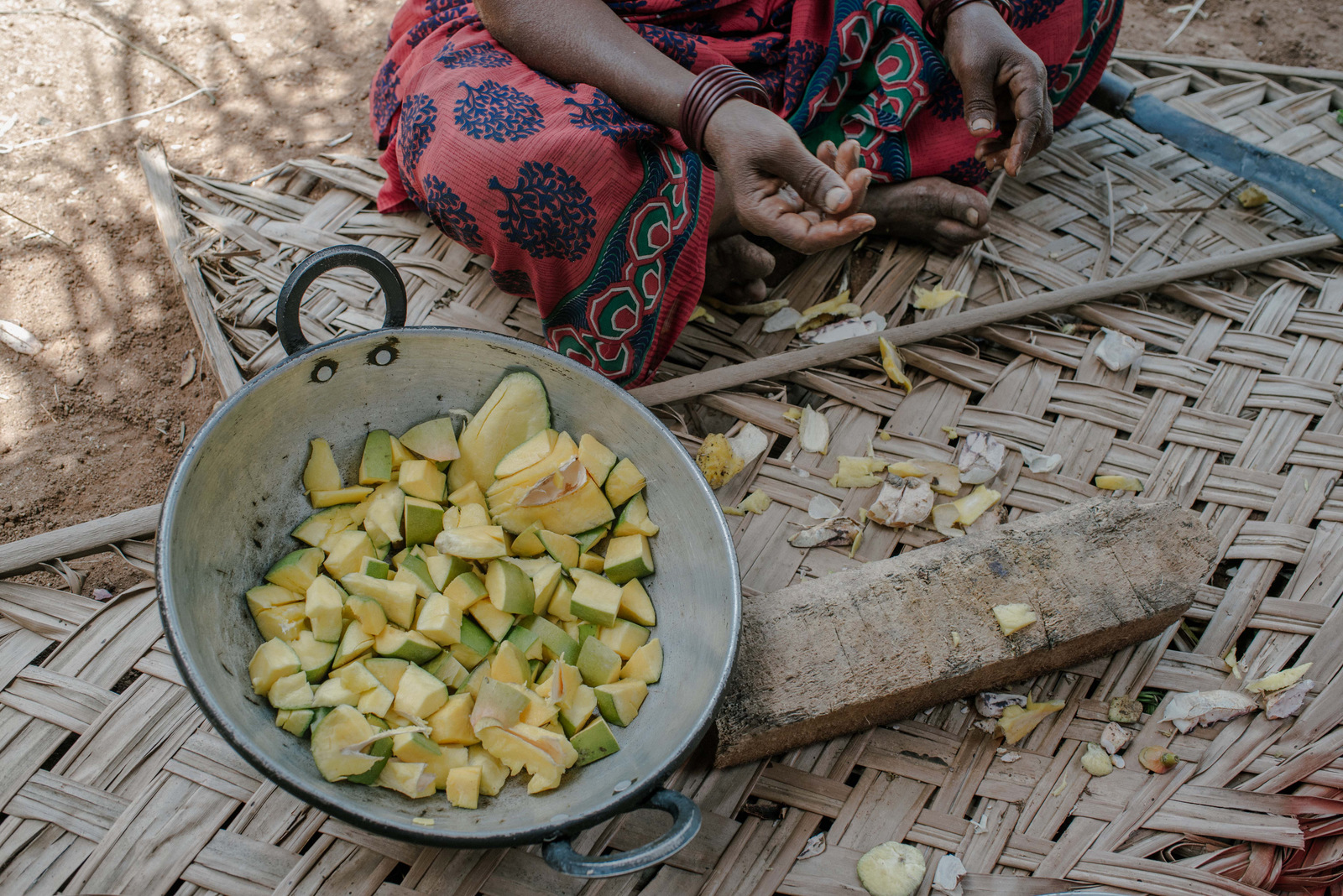
I turned to see into the kitchen, Azhageshwari akka, our superstar, whose kitchen churned out the most amazing meals right from the morning herbal tea, to the fibre rich breakfasts, and full fledged lunches and dinners, complete with fried appalams.
Some volunteers, I had seen in the morning, were collecting firewood for cooking. The bamboo in the forest, rustled as they had moved past me, not knowing my incognito-doing, closeby.
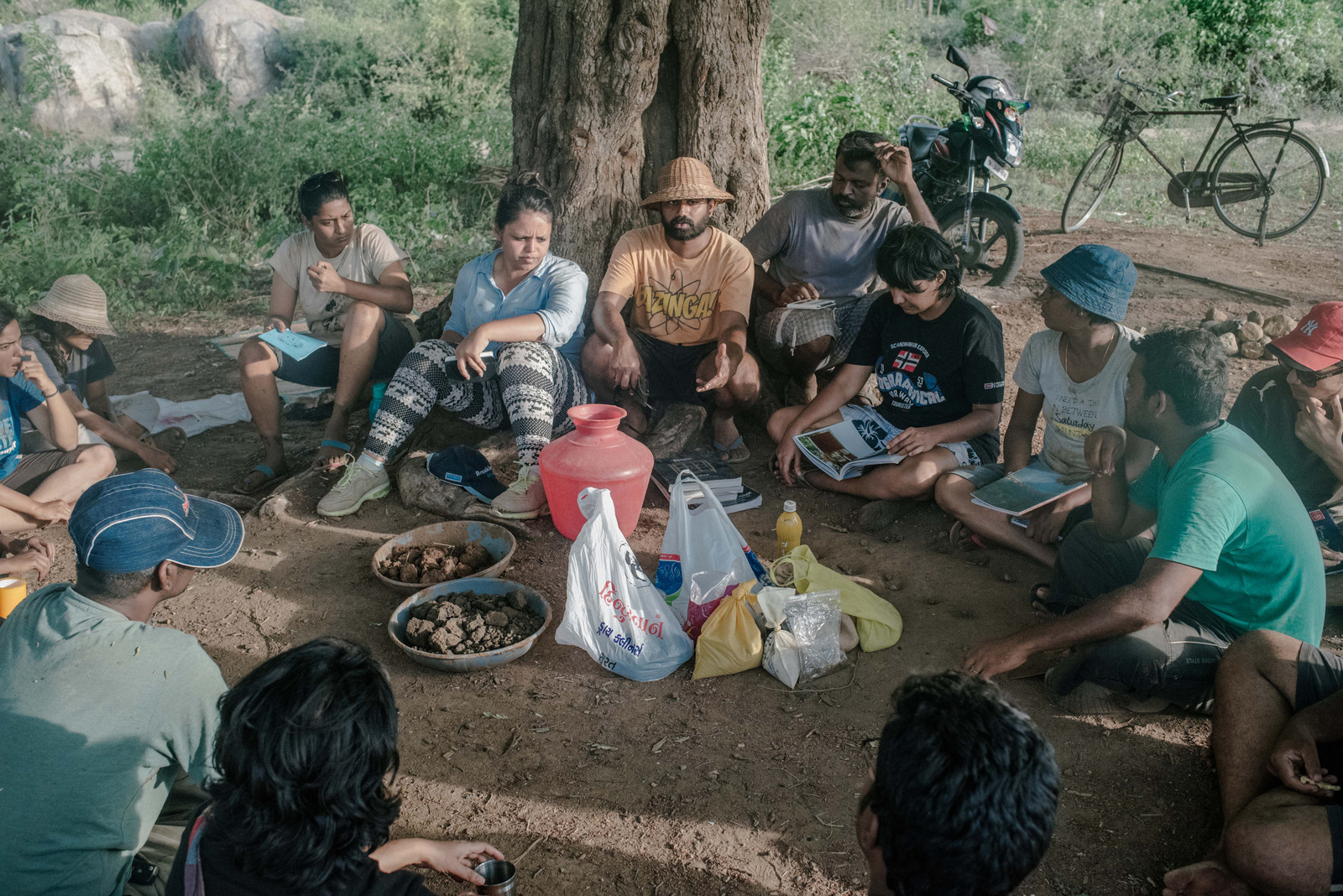
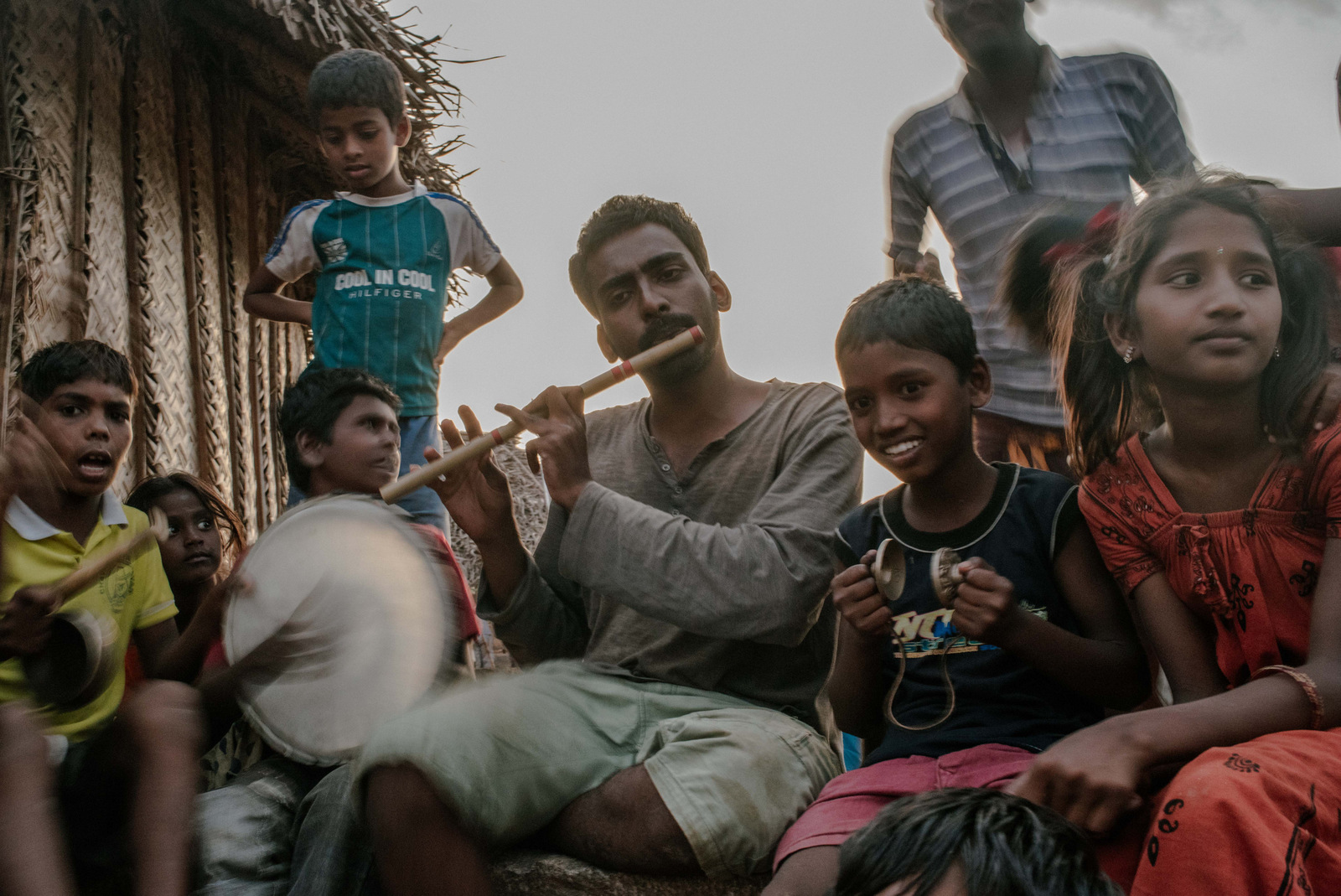
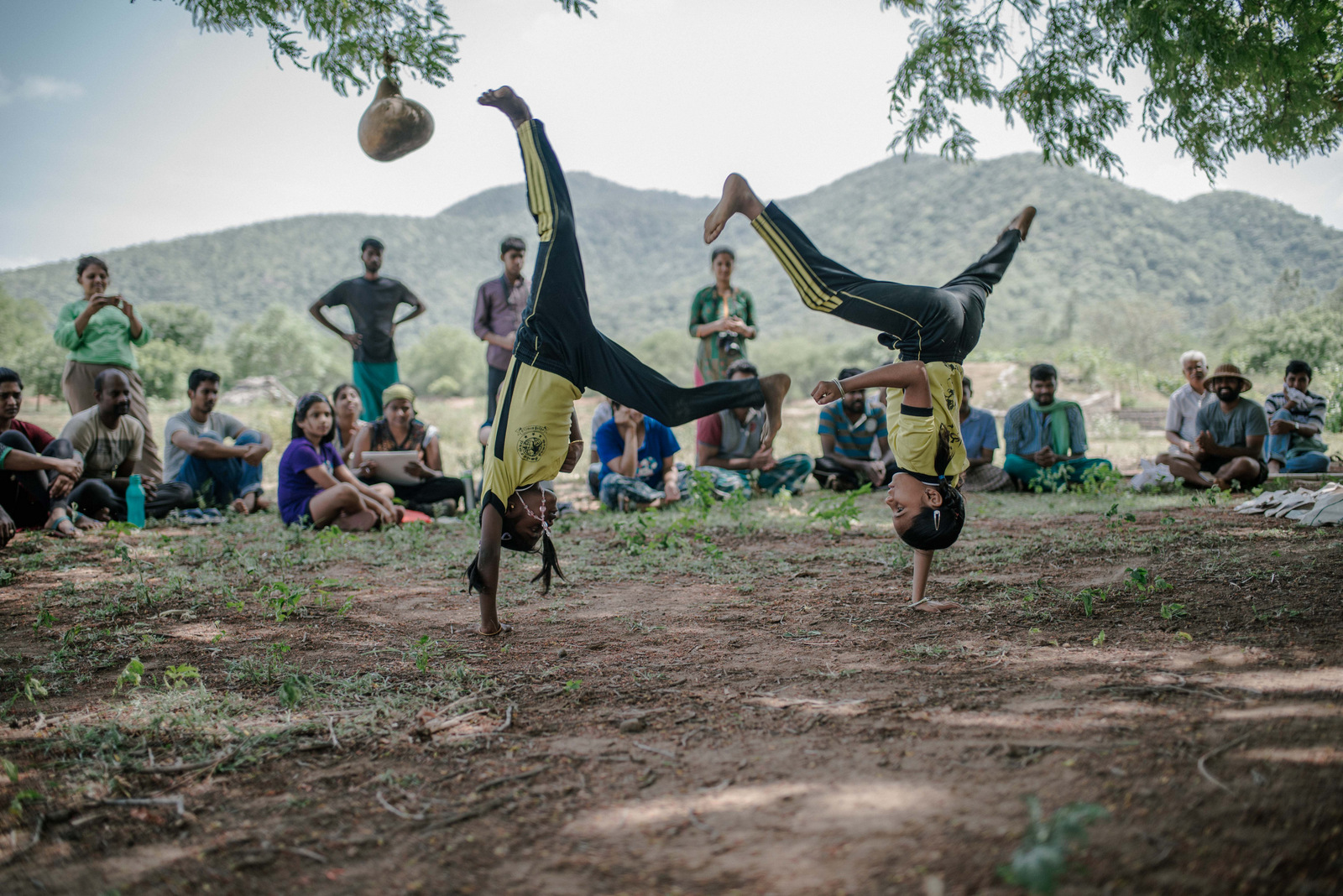
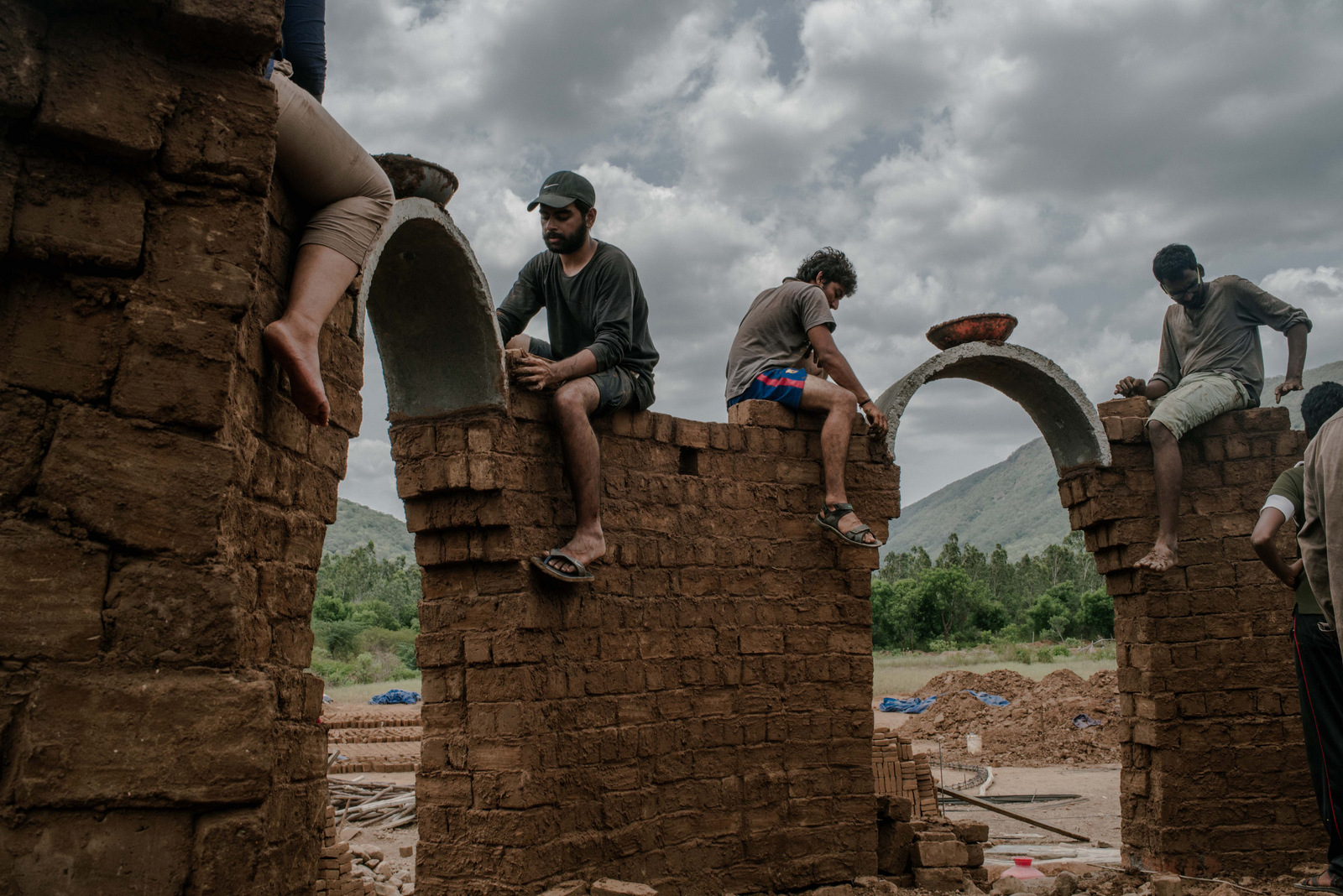
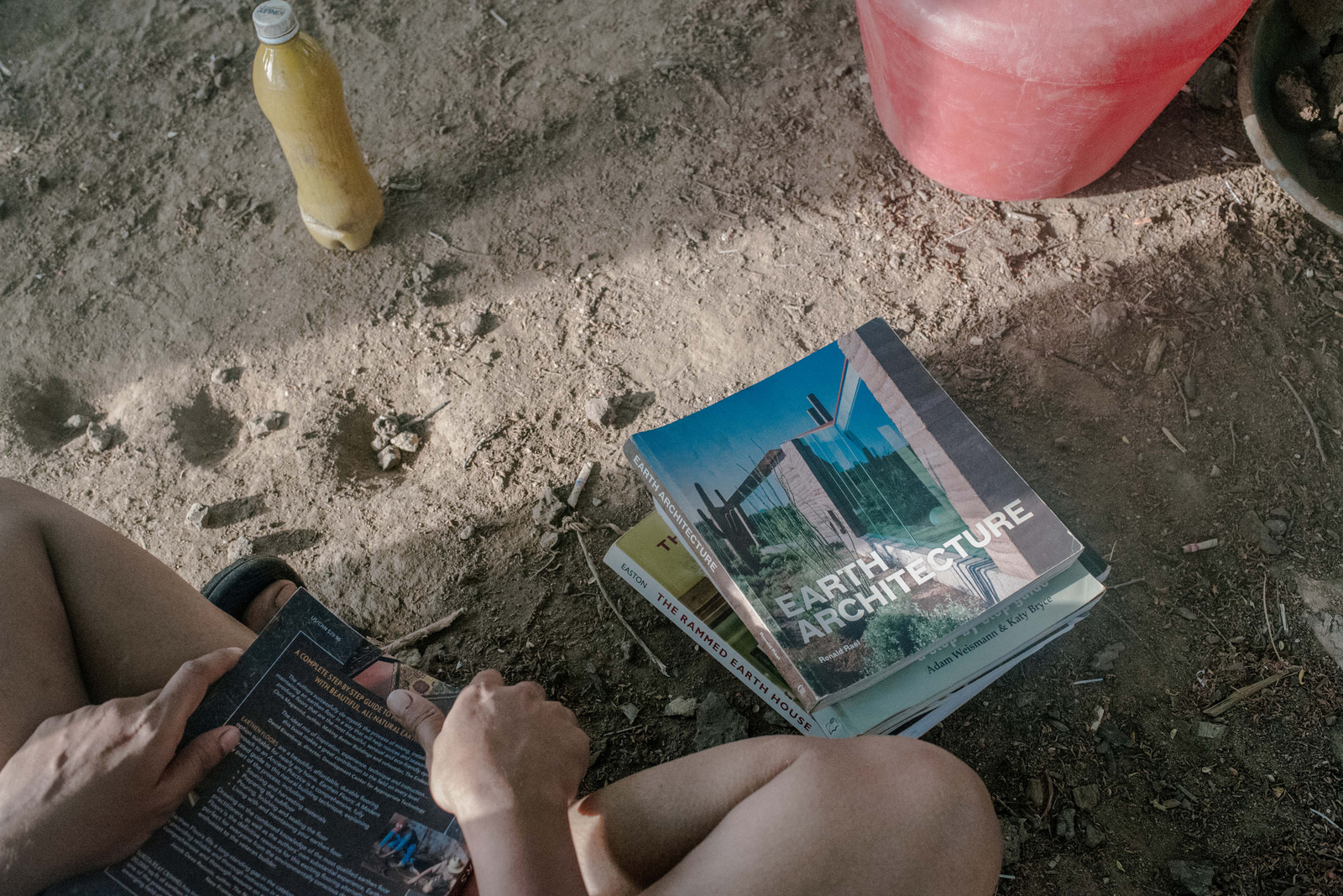
The place had so much life, so much aura. The energies were quite literally flowing from every direction. The people and their stories made me feel minuscule. People were there not only to give a hand at the construction, I understood.
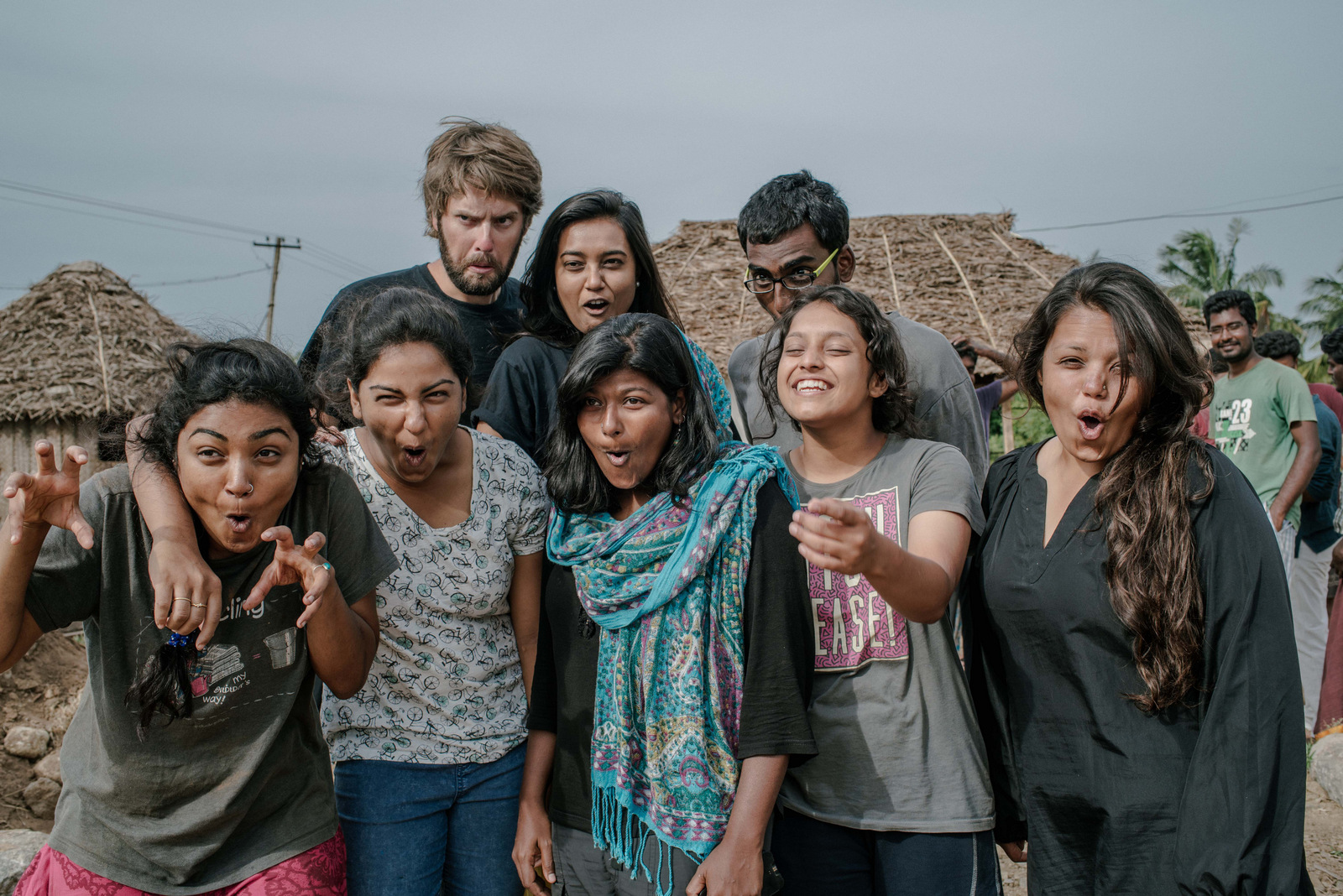
They were of varied professions: Architects, Engineers, IT professionals, farmers, psychologists, journalists, photographers, theatre artists, entrepreneurs, writers, even aspiring cricketers. No two artists had the same story to tell. They all seemed to be exuberantly glowing in their own ways. No two volunteers had the same reason to come.
But all of them had one thing in common. They cared. They valued something. They valued earth.
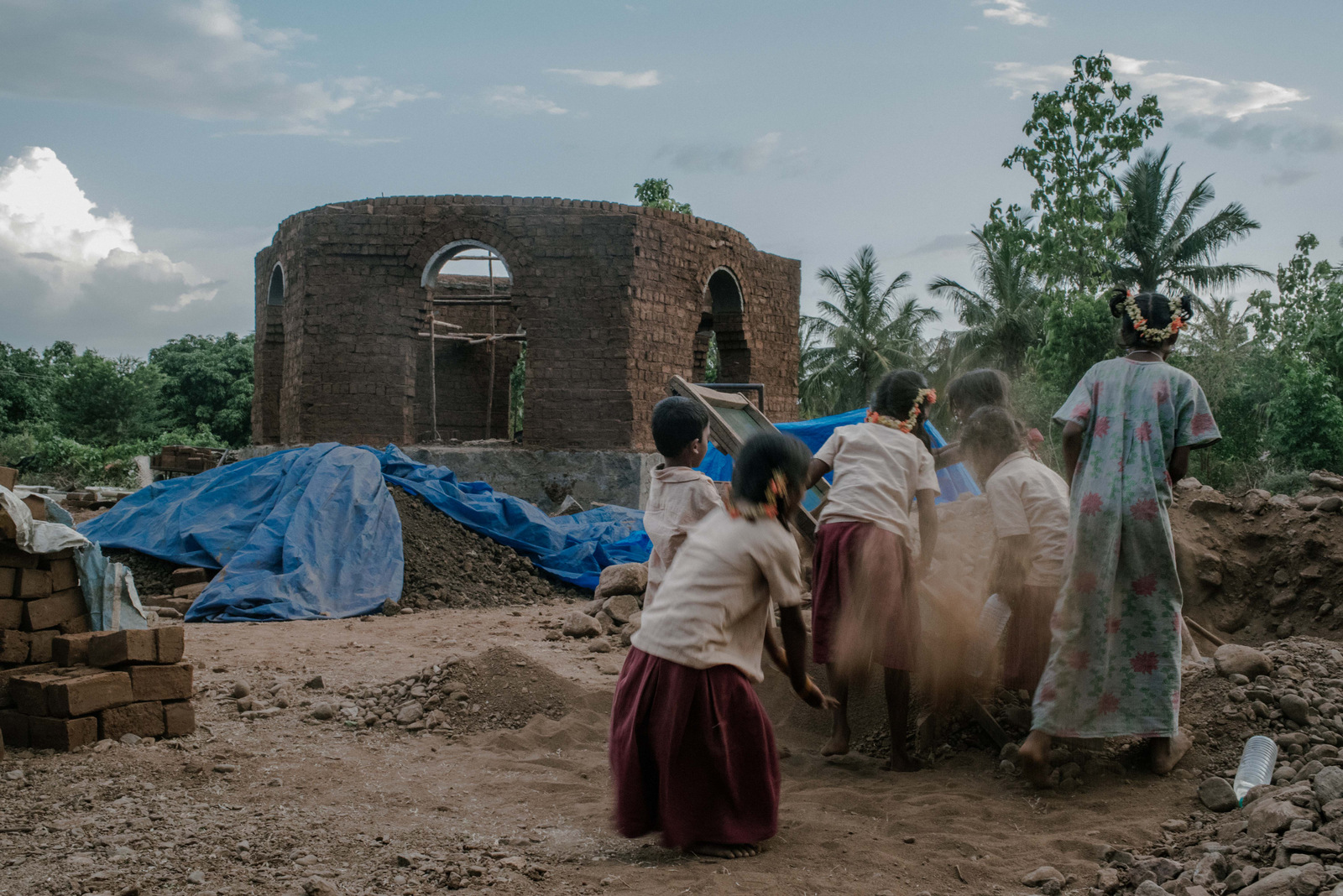

Earth construction was perhaps the most apt technique. Five brick makers had made 4000 bricks a day, before I had reached the site. Eight volunteers churned out eight wheel barrows of clay mortar, each day, as they got themselves muddy pedicures. The work went on till lunch, and continued after tea. The happy ice-cream man had been having the time of his life, as we all craved, for the frosty sugar, under the flame thrower in the sky.
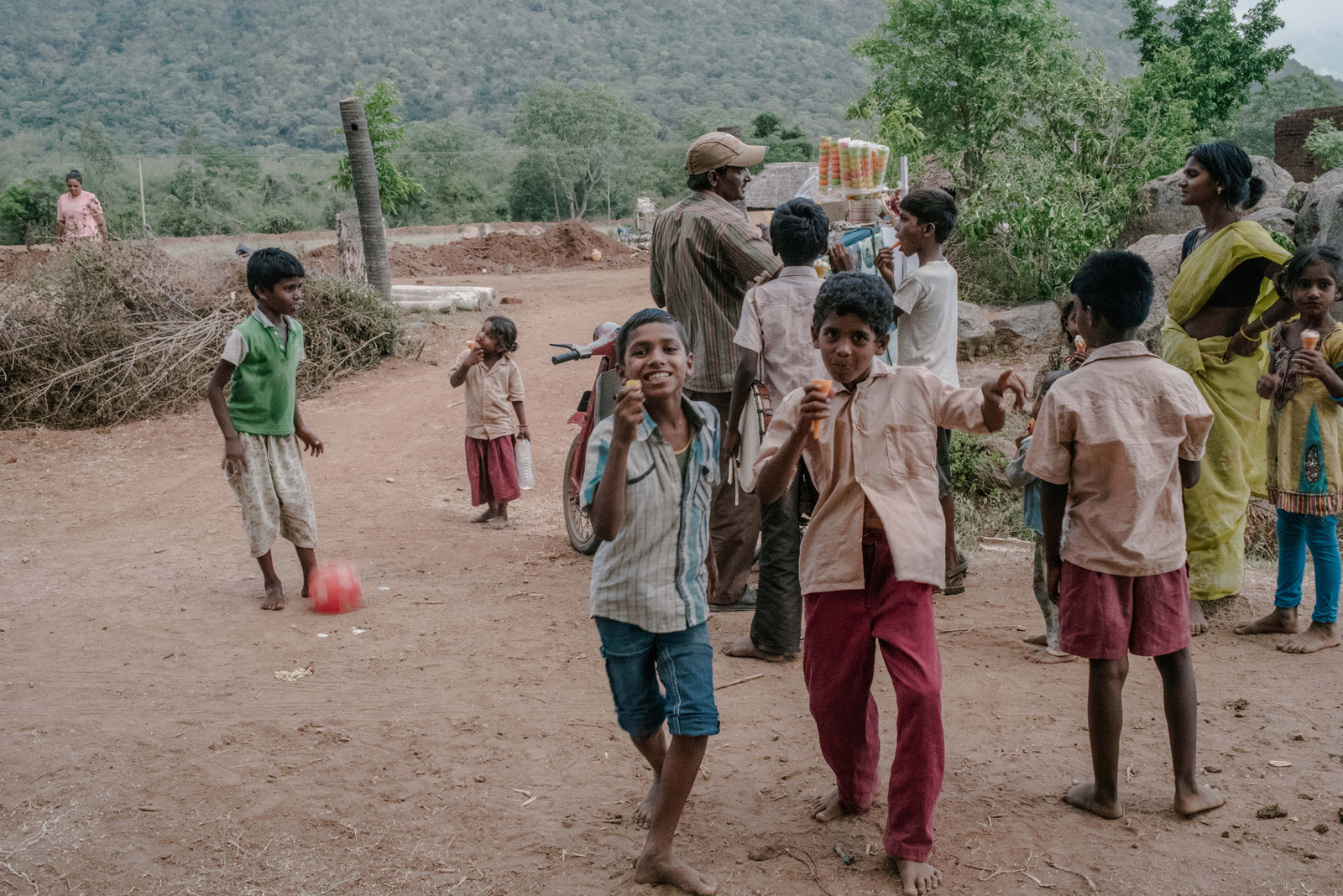
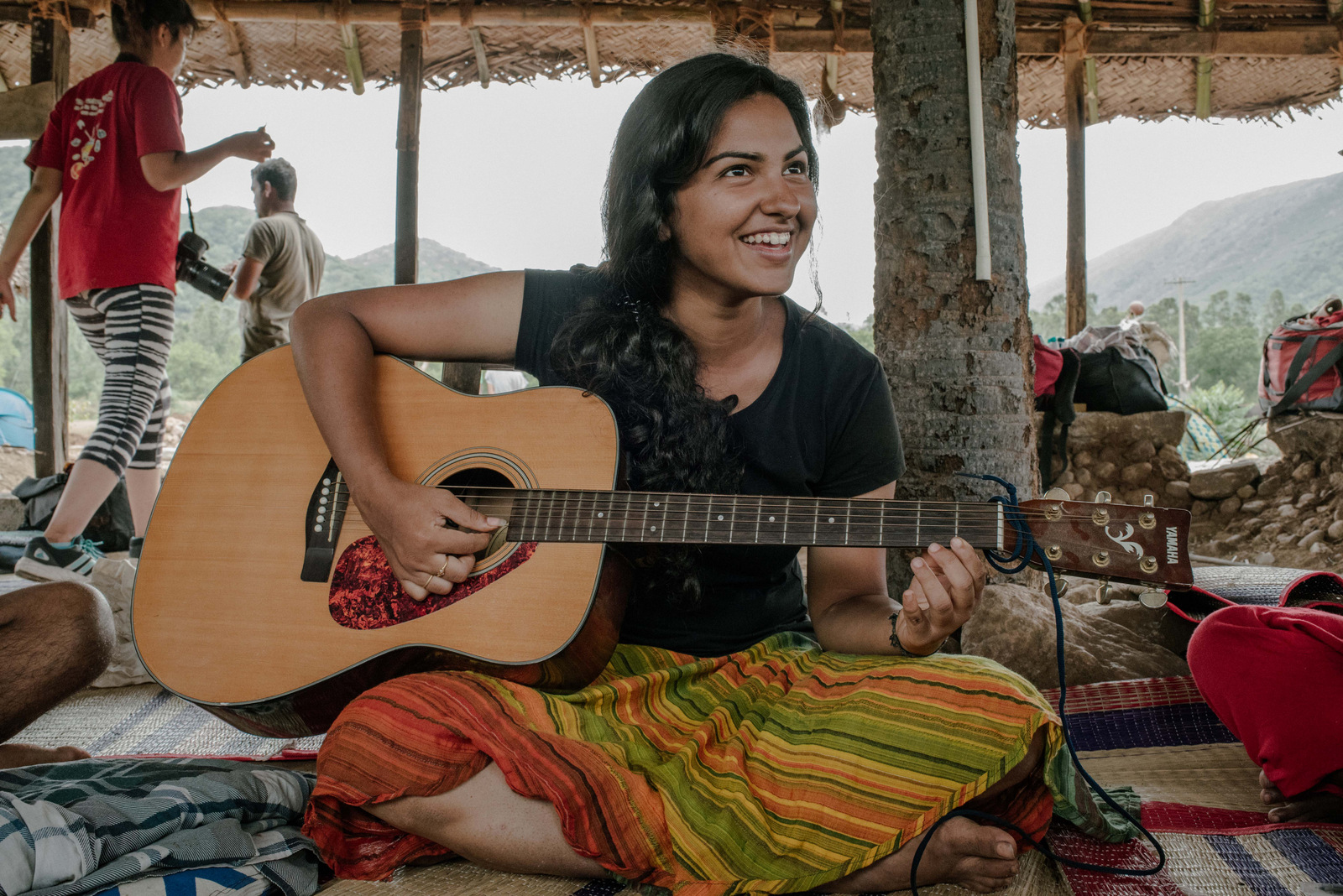
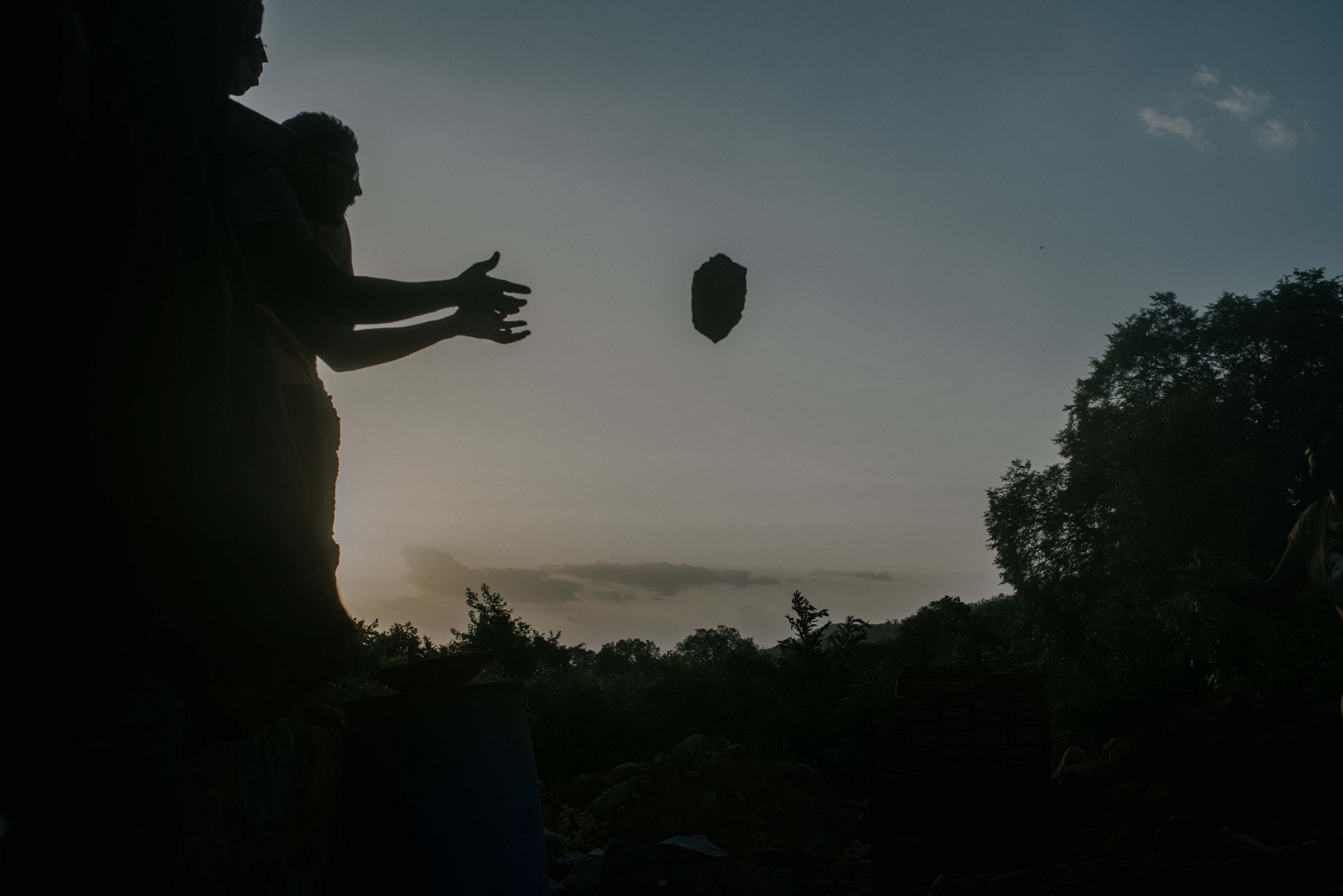
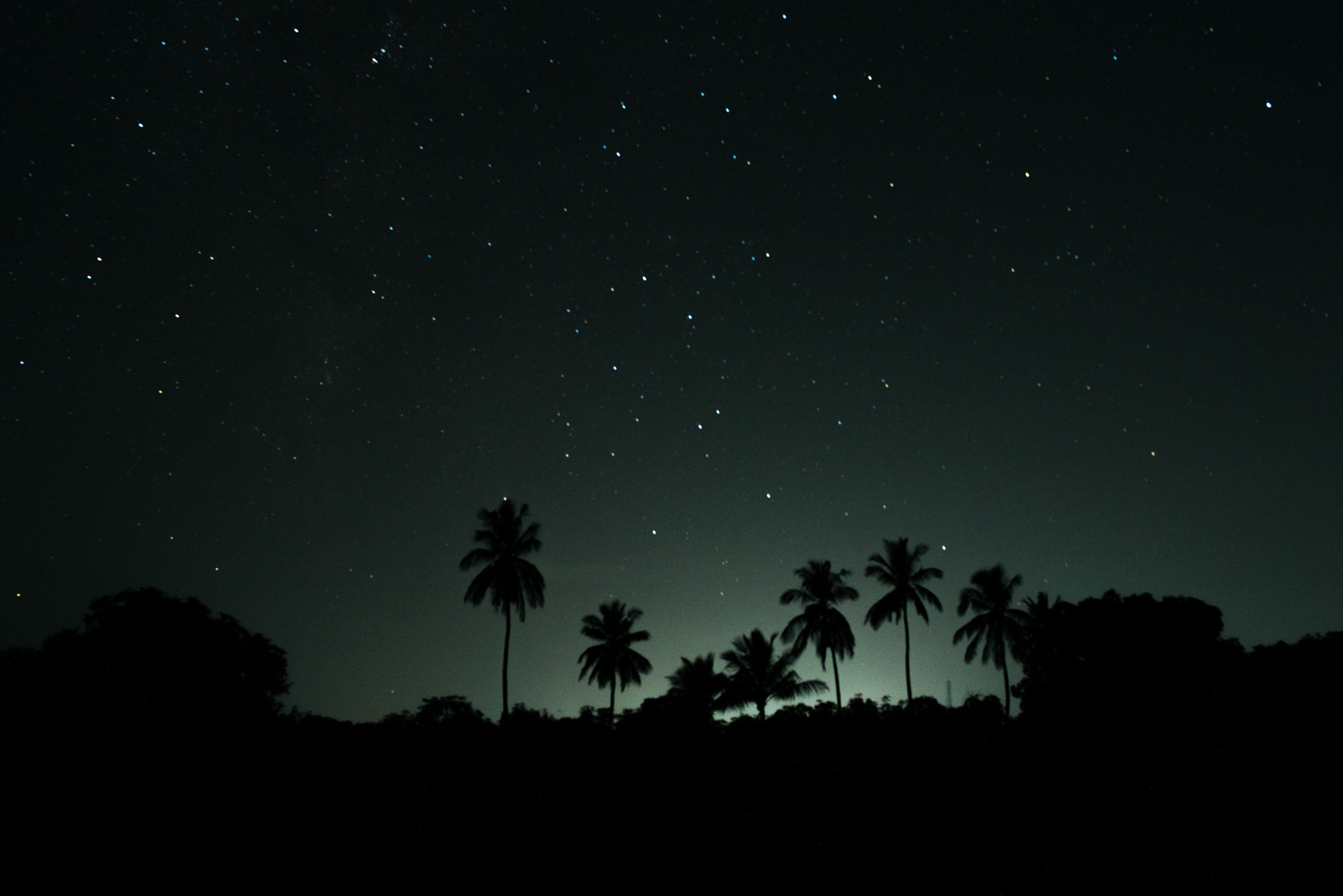
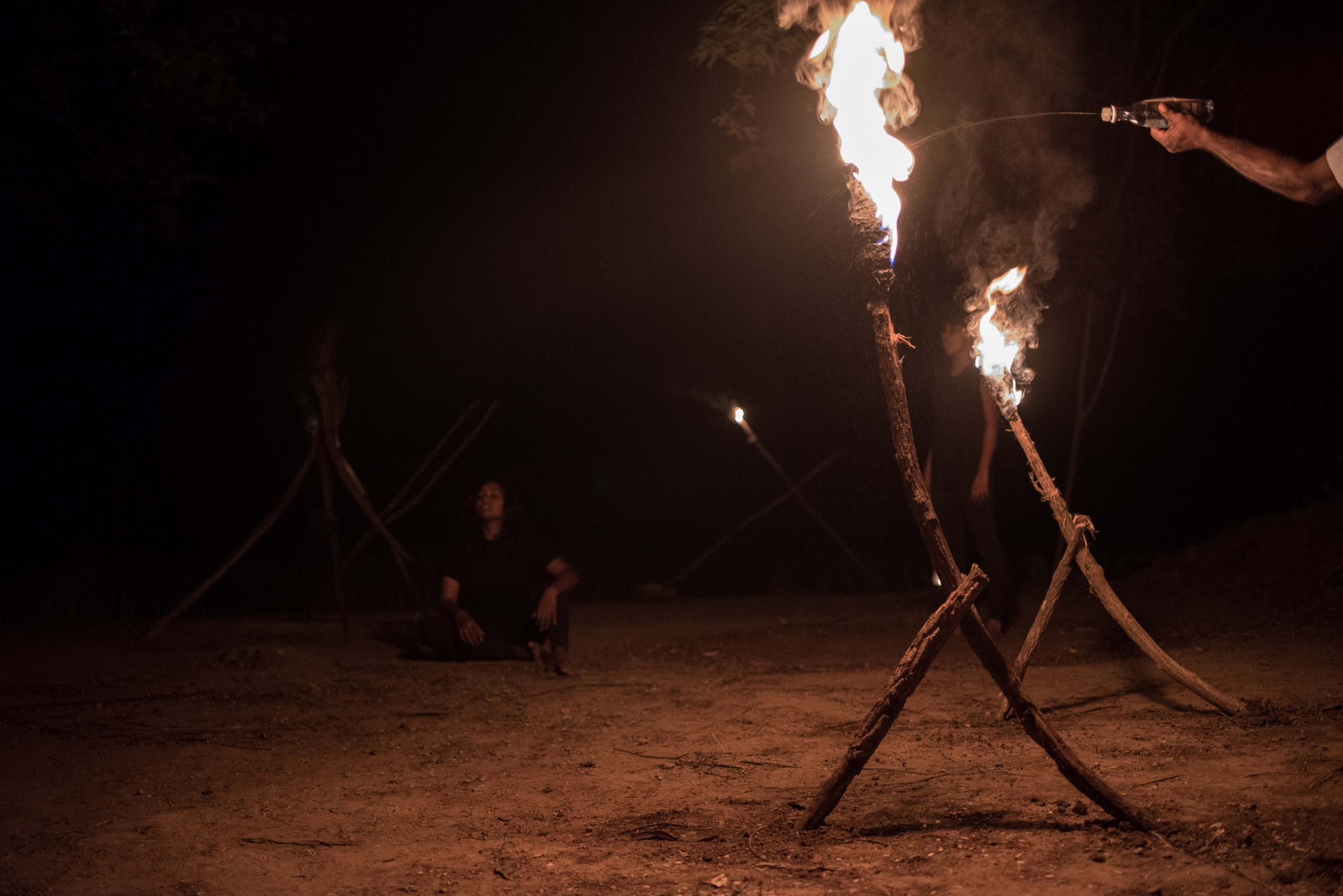
That night was the last night, under the serial lights of the deep sky. Moon rise, star song, what beauty, I felt in the reflection of my view. The void seem to grow, more and more, as talks of parting, seem to hang in the air. Poetry and theatre in the dead dark forest came alive with the vermilion of flames and echoes from within. The passion seemed to consume everyone from the inside out. And it ended, with deep question.
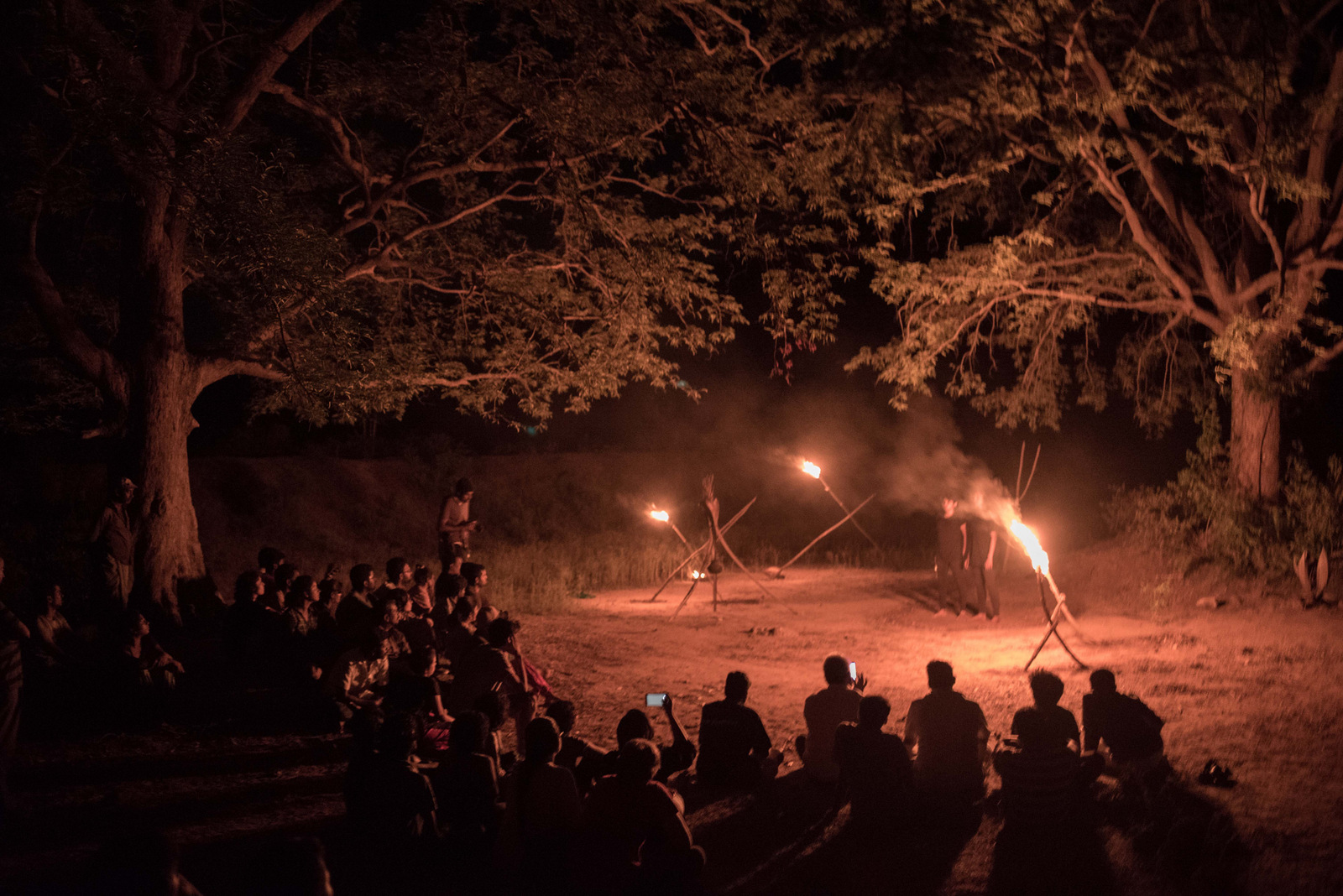
Indeed, the cuckoo volunteers served a lot of revered love to us. It is this love that has drenched children like Kali in. I felt so small in the company of the mighty mountains, the tall trees, most insignificant when I was shown their huge hearts and ever open minds. I feel I took so much more from cuckoo than I could have ever given.
I paid reverence to the land by sprinkling seeds and spreading life.I felt something very new, something that I can never describe when I removed my sandals that day. The Earth was breathing heavily under me.
I paid reverence to the land by sprinkling seeds and spreading life.I felt something very new, something that I can never describe when I removed my sandals that day. The Earth was breathing heavily under me.
By Santosh Shyamsunder, Team Made In Earth
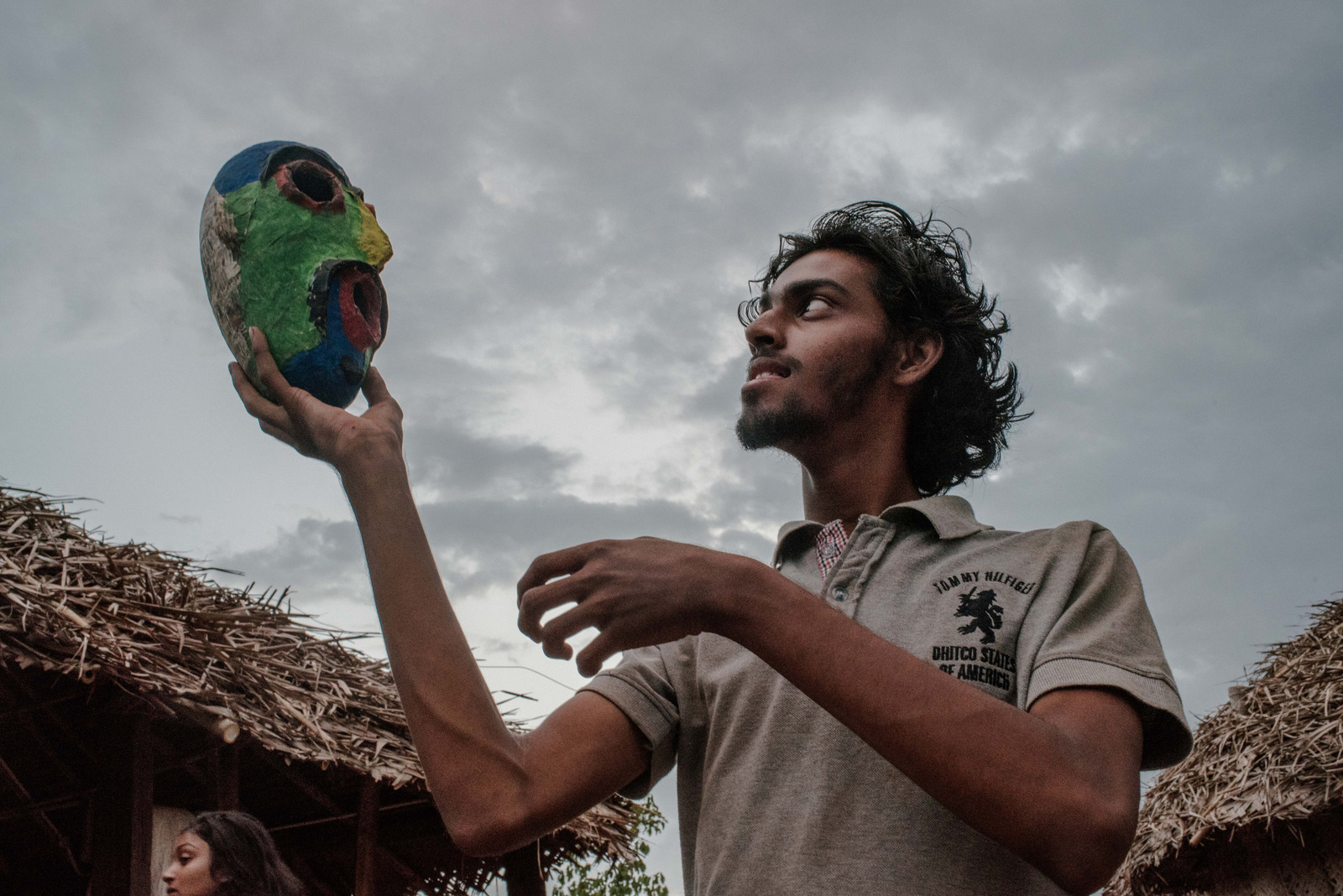
Photographs by Kaveer Rai
The Cuckoo Forest School brought together 40 volunteers from all over INDIA to build a handmade adobe school at the foothills of Javadhu, Puliyanur village in 10 days. Read more about the project here
Read an article about Cuckoo Forest School in the New Indian Express here
Build a school!
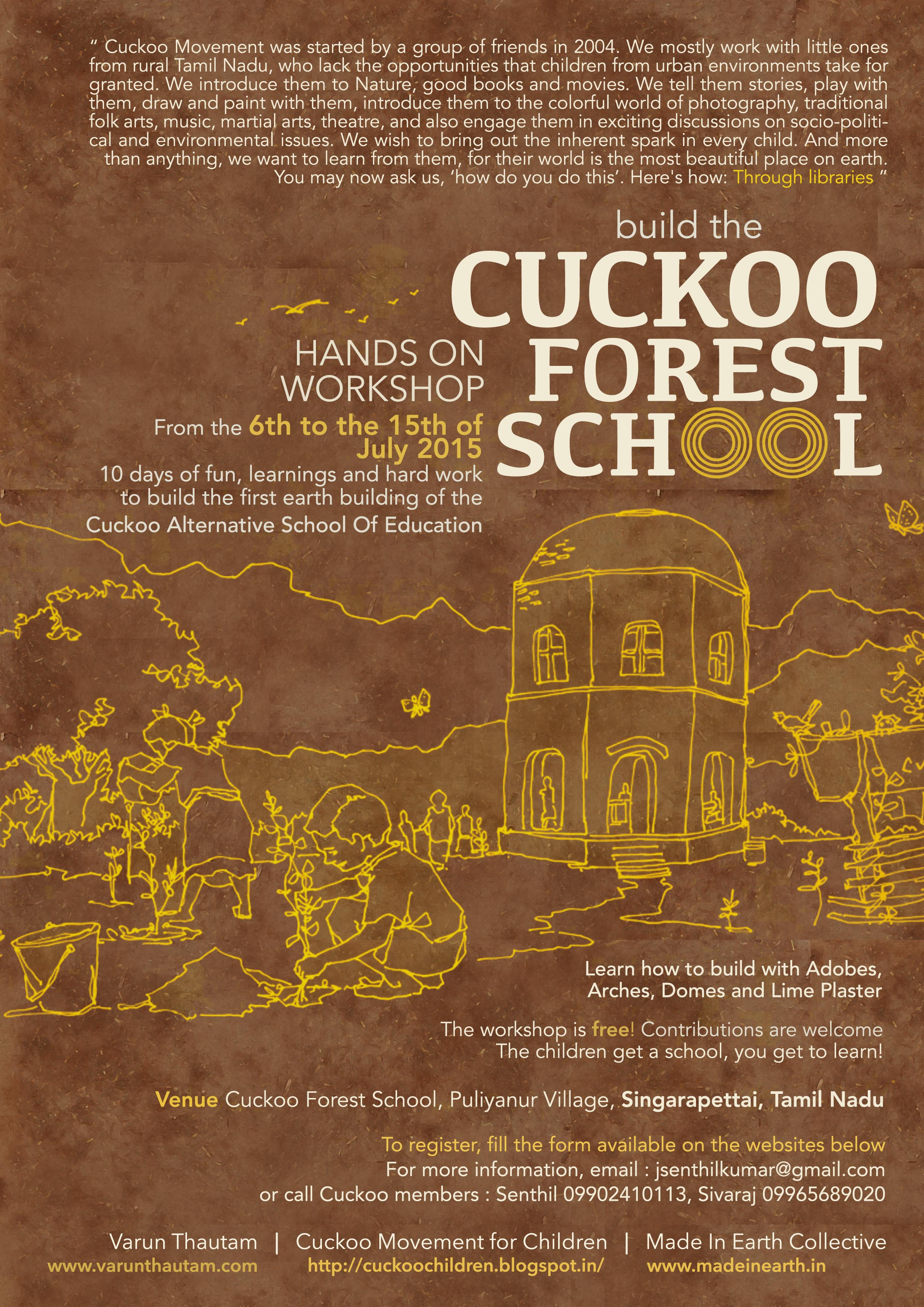
“The Cuckoo Movement for Children” is an informal group of friends and volunteers who has been working with rural children of Tamil Nadu since 2004. They have established libraries and nurseries in villages across the state, organizing plenty of creative activities. They also partner with local schools to introduce the kids to traditional folk arts, music, martial arts, theatre, organic farming, engaging them in exciting discussions on socio-political and environmental issues, organizing movie projections, etc.
Over the years, the dream of the Cuckoo movement members to establish an alternative school dedicated to rural children has grown bigger and bigger. And it is about to come true!
They purchased collectively seven acres of land at the foothills of the Jawadhu Hills, Vellore District, Tamil Nadu. A beautiful place close to nature, at the border of the forest where lesser privileged children will be able to get access to free education.
They need your help to build the first structure on the site! Entirely made of earth, with a minimal use of cement and chemicals, the building will serve as a camp site to train children. It will also be a resource centre for Organic farming, alternative education, alternative medicine and alternative politics.
The workshop
From the 6th to the 15th of July 2015
10 days of fun, learnings and hard work to build the first building of the Cuckoo Forest School!
What will you learn?
The 2 stories building is entirely made of adobes (raw earth bricks) and earth mortar. You will discover all the steps to build an earthen structure made of arches and domes :
- Identification of soil
- Brick masonry
- Construction of arches
- Making of domes with the free spanning technique (no centering / formwork)
- Lime based plaster for water proofing
Program
Dates : from the 6th to the 15th of July 2015
The workshop will start on the 6th of July at 10am.
The exact workshop timing will be defined collectively on the first day.
Apart from the construction activities there will be discussions, cultural events and movies in the evenings.
Accommodation and food
Very basic accommodation will be provided since there is no infrastructure on the site yet.
In a few words : You will be very close to nature surrounded by a mind blowing landscape 🙂
Tents and temporary toilets will be installed on the site and all 3 meals will be provided to the participants.
Equipment
Be ready to get dirty!
Carry a good hat and a water bottle that you can fill on site.
You can also bring bed-sheets for the night / blankets.
Venue
Cuckoo Forest School,
Puliyanur Village,
Singarapettai
Tamil Nadu
GPS (exact location) : 12.279661, 78.642571
Fees
The workshop is free: kids get a school, you get to learn!
However, the budget of the cuckoo movement being extremely limited, we ask you to consider giving a small contribution for the food and if you feel like, for the rest of the project.
All accounts will be transparently shared.
Example of contribution : 150 Rs / day
You will find the payment detail in the registration form.
Registration
Please fill this online form : http://tinyurl.com/njngya2
Any doubt? call Senthil 0 99 024 10 113
or Sivaraj 09965689020
Organizers
Cuckoo Movement for children :
https://www.facebook.com/cuckoochildren
http://cuckoochildren.blogspot.in/
Varun Thautam
www.varunthautam.com
Made In Earth Collective
www.madeinearth.in
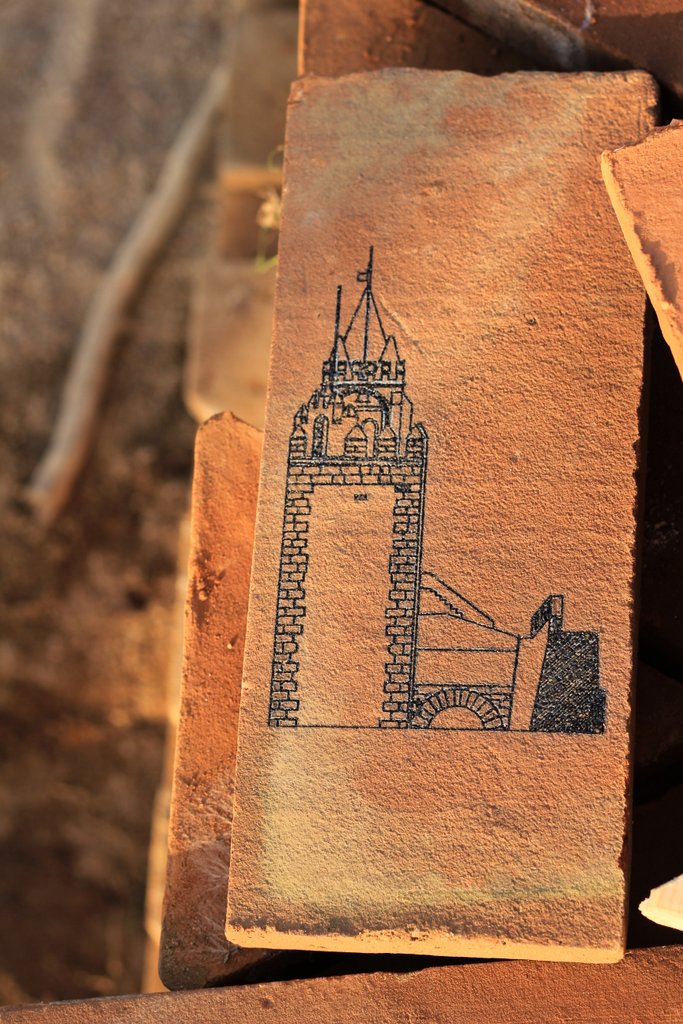
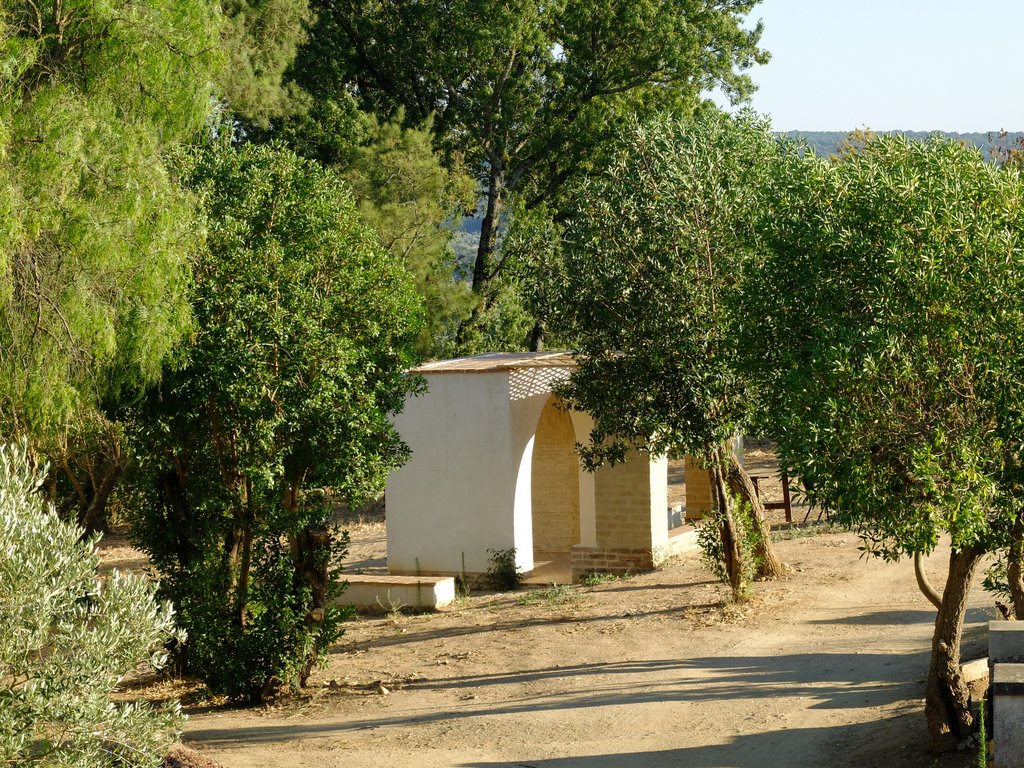
Castle Kiosk, Portugal
9 weeks
15 people
3000 Compressed Stabilised Earth Blocks
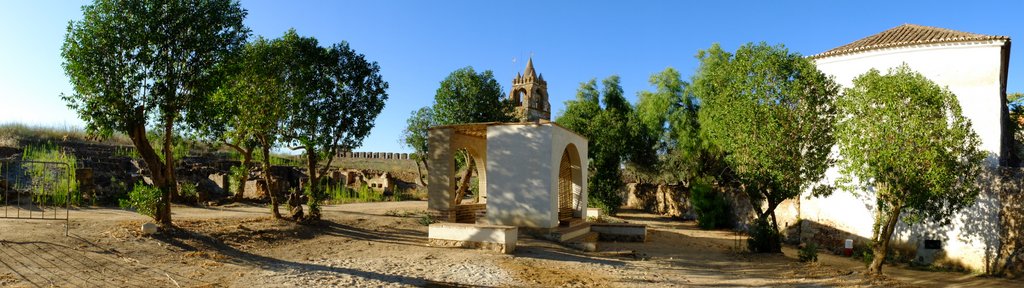
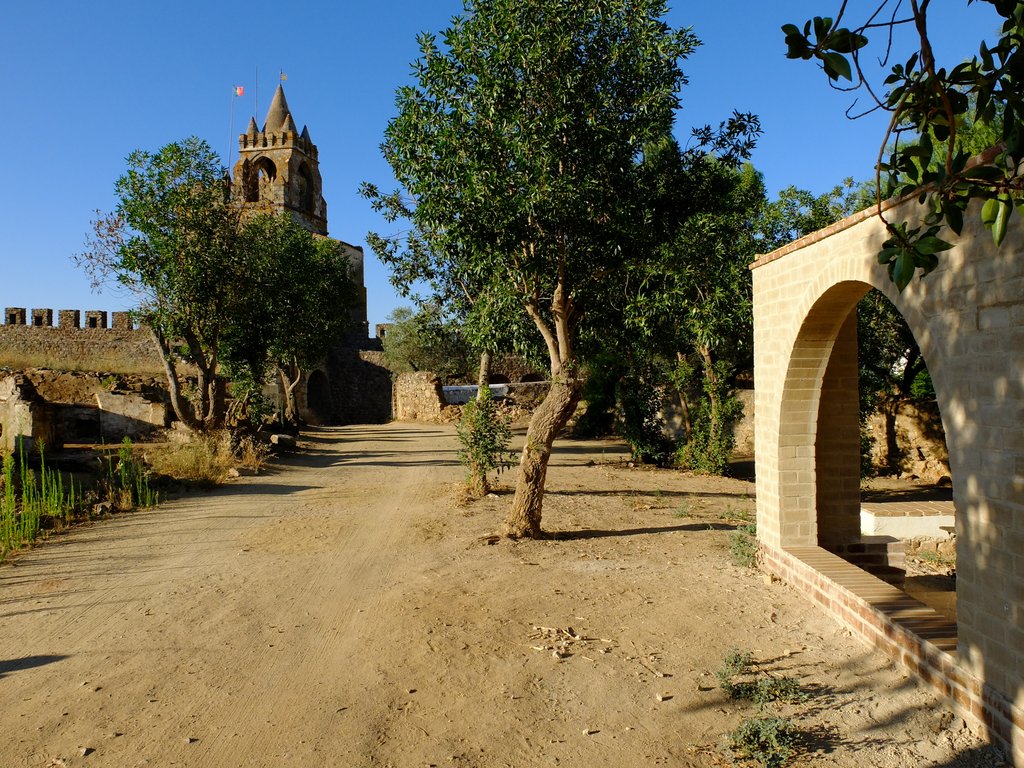
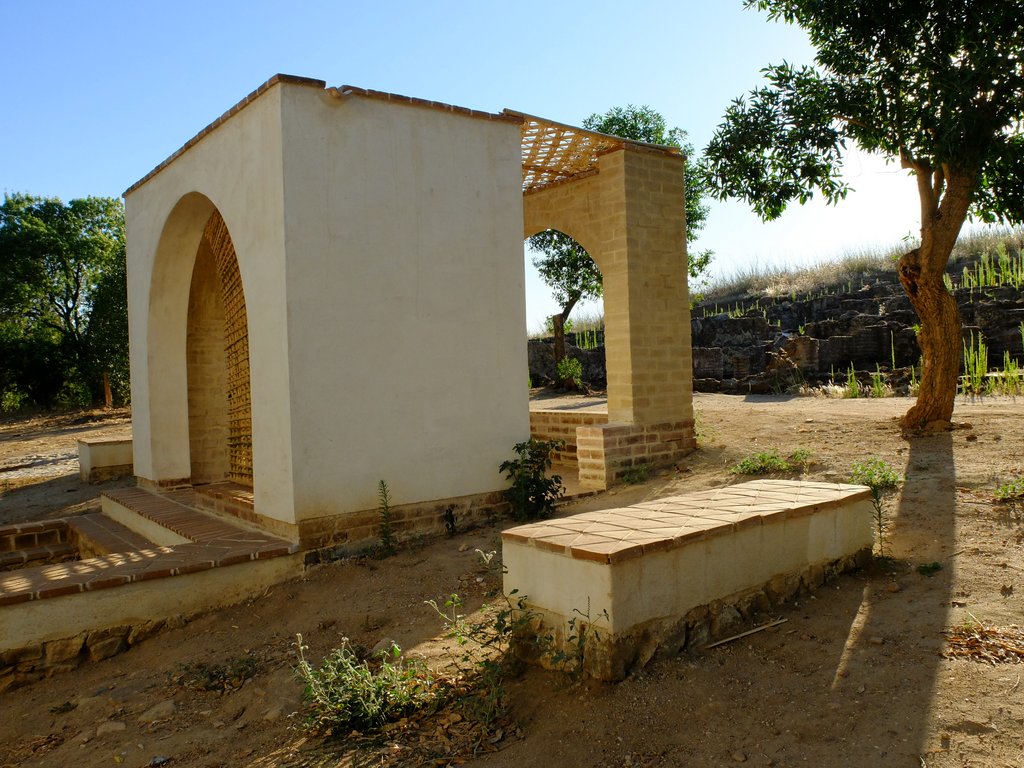
1 goal: Building the 11th century Castle Kiosk in Earth!
The Journey
In the summer months of 2014, the team at Made In Earth had an incredible opportunity to explore earth architecture in the wonderful context of Montemoro in Portugal. One and a half hours East from Lisbon is little artistic village of Montemor-o-Novo. Mix dramatic weather conditions with unexpected news from the archeologial council, add a little earth and mix it well, and you will get a feeling of the athmosphere in which the workshop started.
Take a Portuguese cultural center for the Arts, Crafts and Social research located in a convent. Add a city council favorable to artists, a traditional brick factory focused on reviving old building crafts, an engaged community in the village of Montemoro, more than 1000 years of history inside the castle’s walls, and young architects from the entire world eager to research, design and build earth architecture; and you will have the main ingredients in the making of the Castle Kiosk in Montemor-o-Novo, Portugal. Together with Oficinas do Convento and Touraterre, intense weeks of architectural conception led to the design and building of an information kiosk for the community and its visitors inside the Castle’s old walls.
Design and build – together!
An idea we love at Made In Earth is the coming together of people from various fields, to create earth architecture. See other projects – (Cuckoo Forest School, Tamil Nadu and The Rabbit, France). The workshop at Portugal was a perfect demonstration of the energies and creativity involved in working together with people from diverse backgrounds, each having a special place in their life and work, for building with earth.
11th century stories
Views of the site
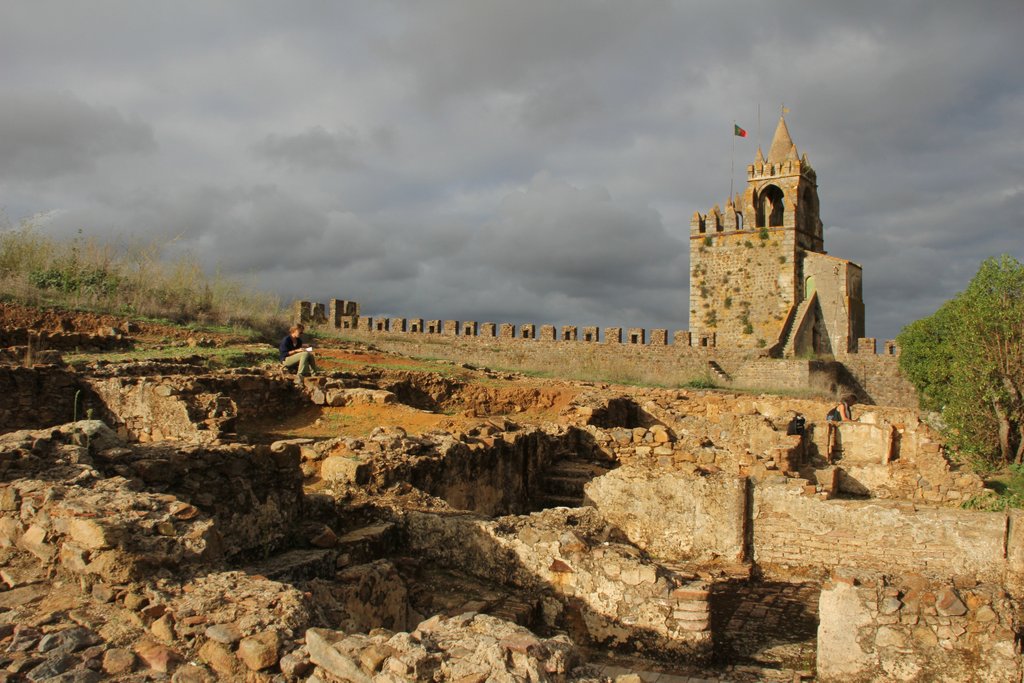
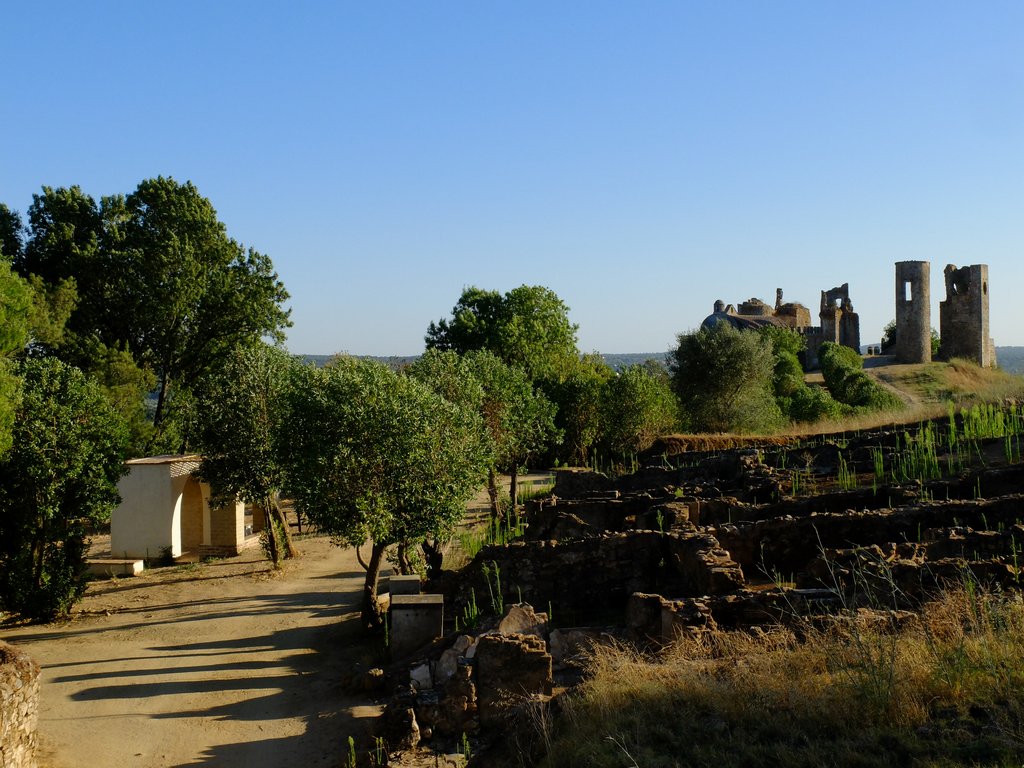
From the entrance, just right of the site where we will build: the ruins of the medieval village.
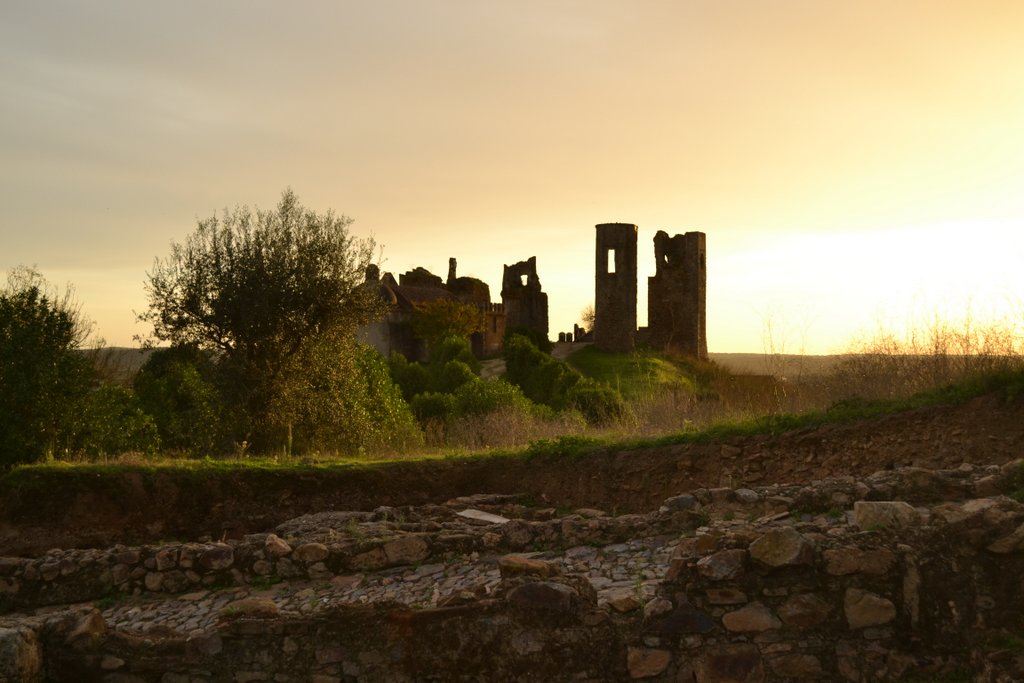
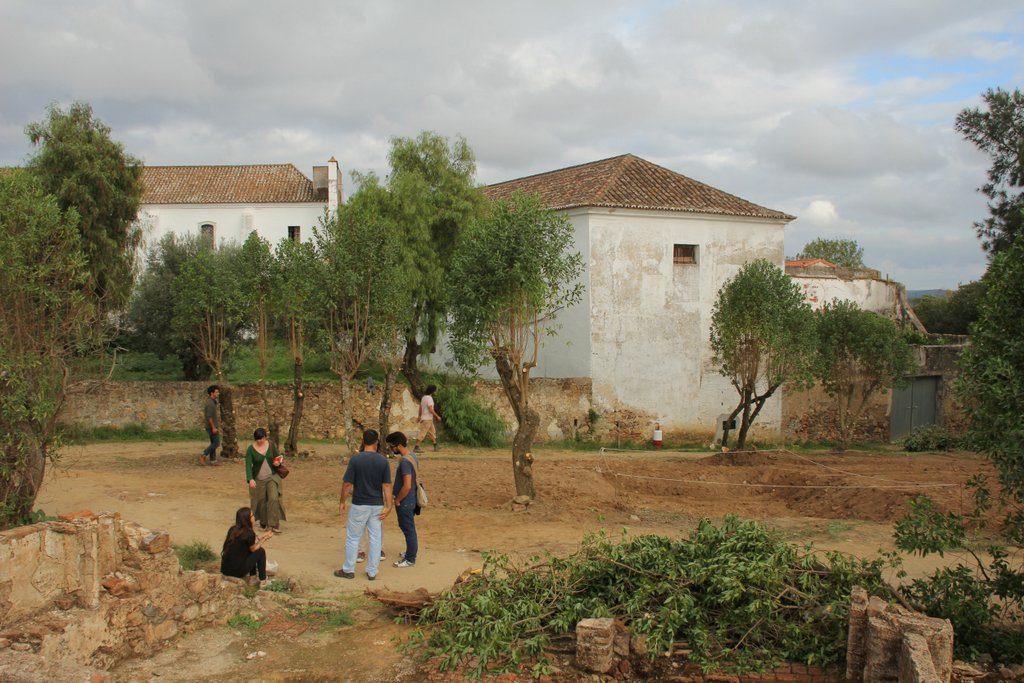
The building site. After its excavations by the archeological council.
Clay and Cardboard
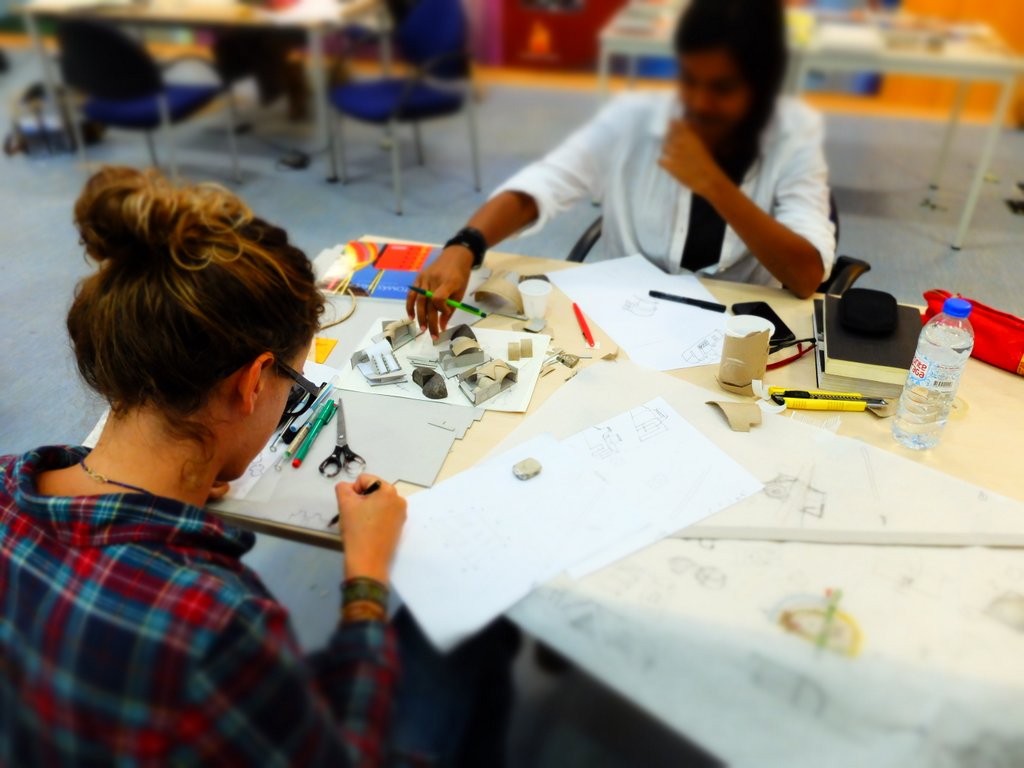
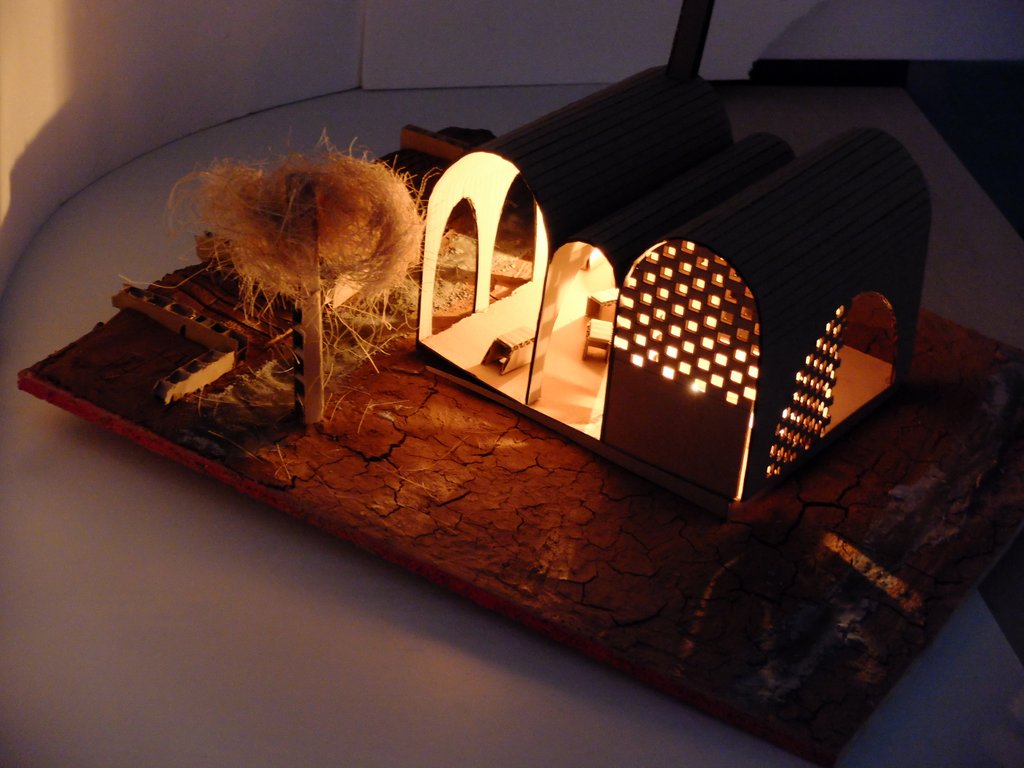
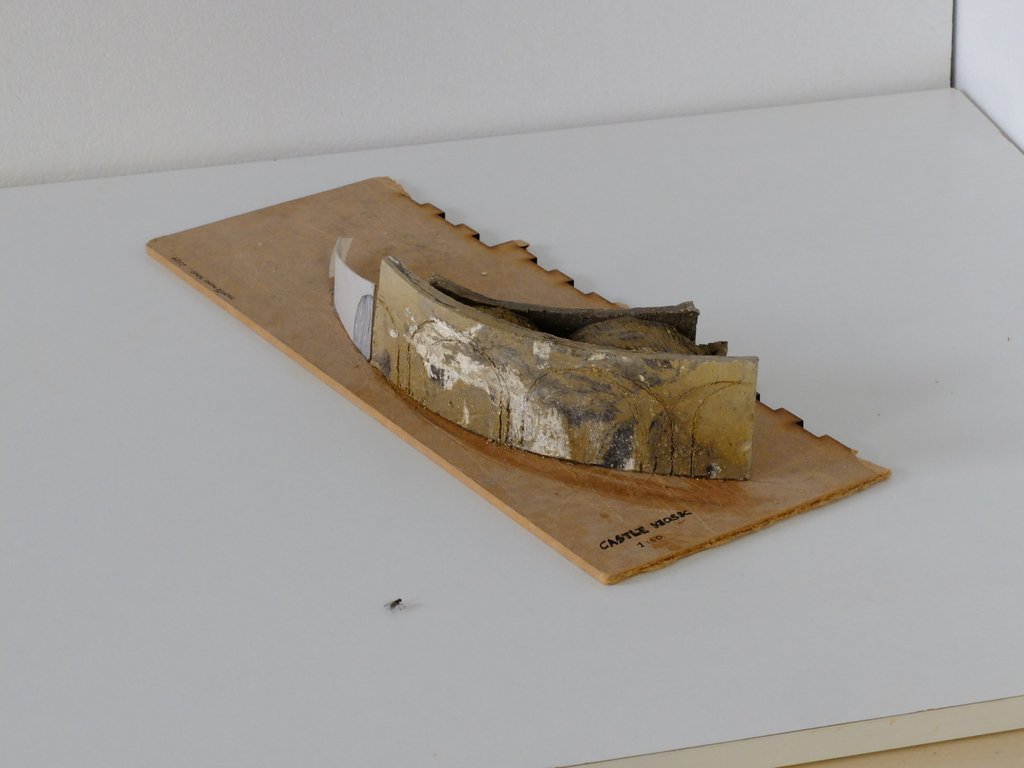
The design for the castle kiosk was explored completely through models.
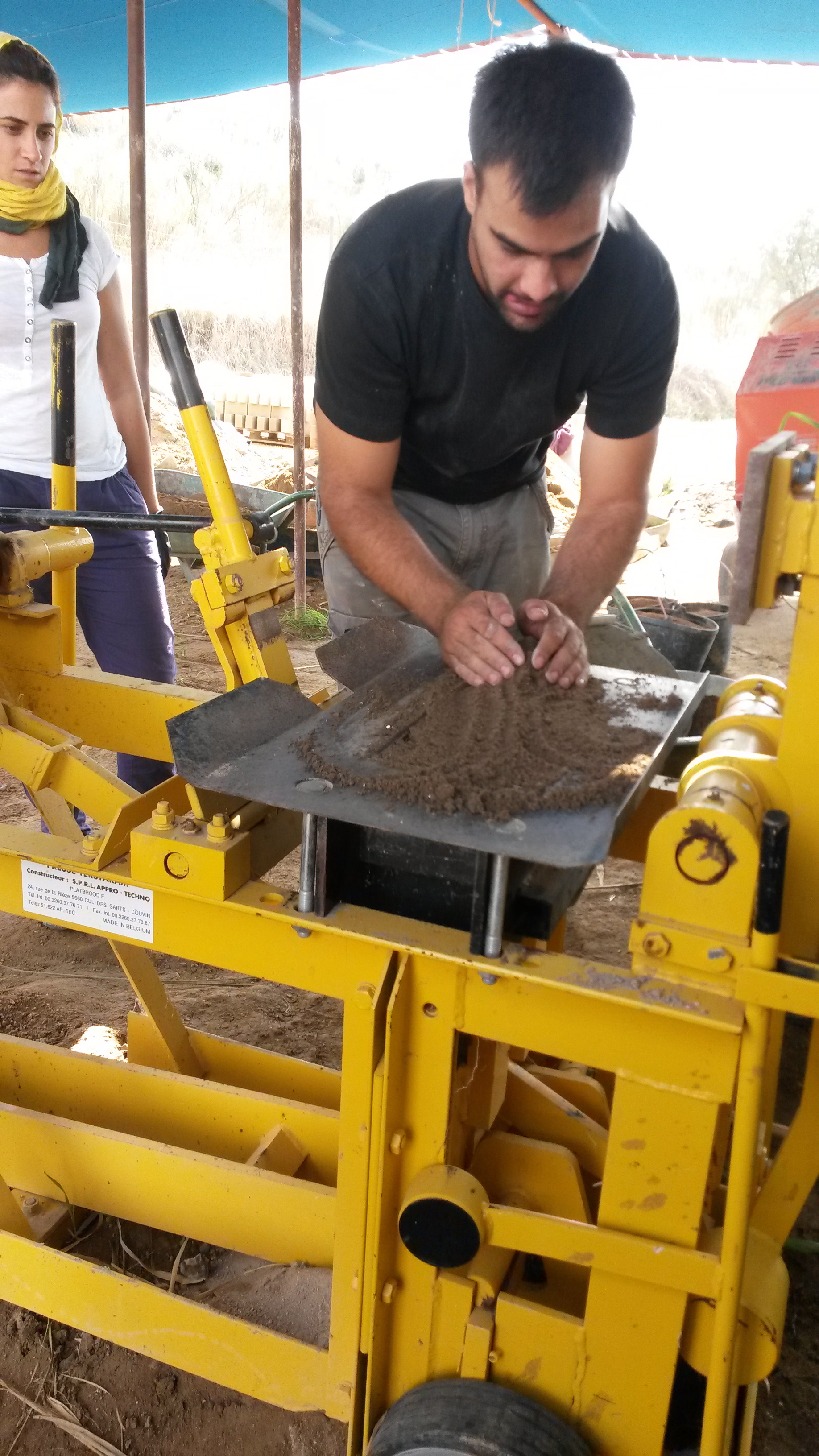
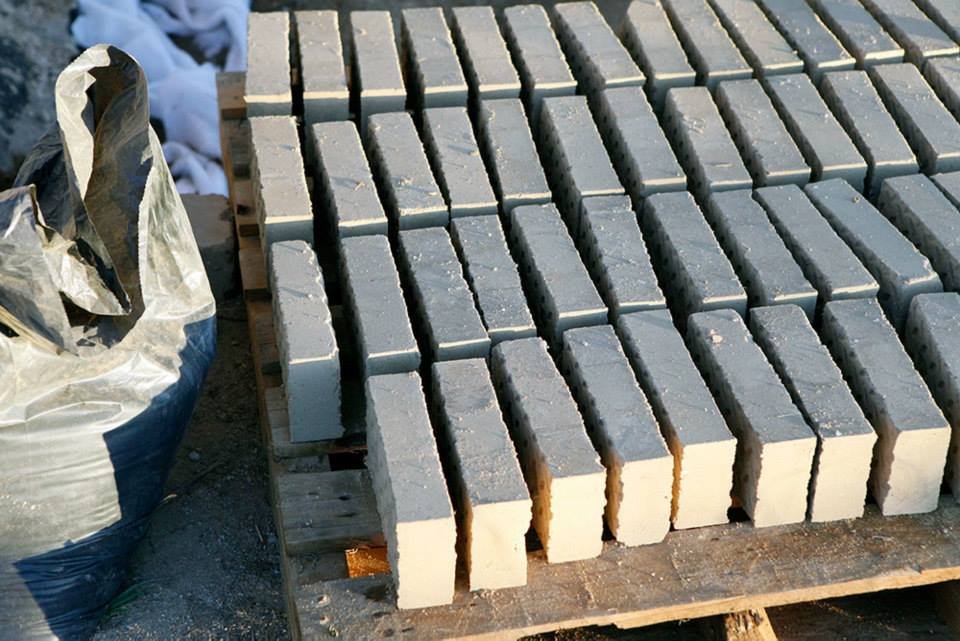
Our main material: Compressed Stabilised Earth Blocs (CSEB).
Our main inspiration: the surroundingsa
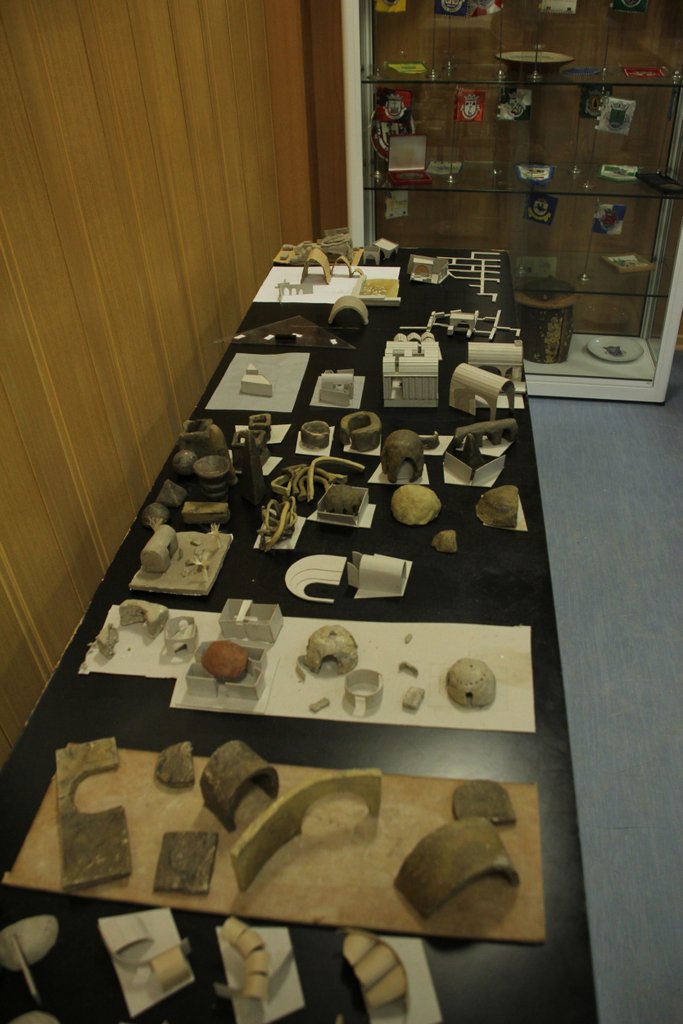
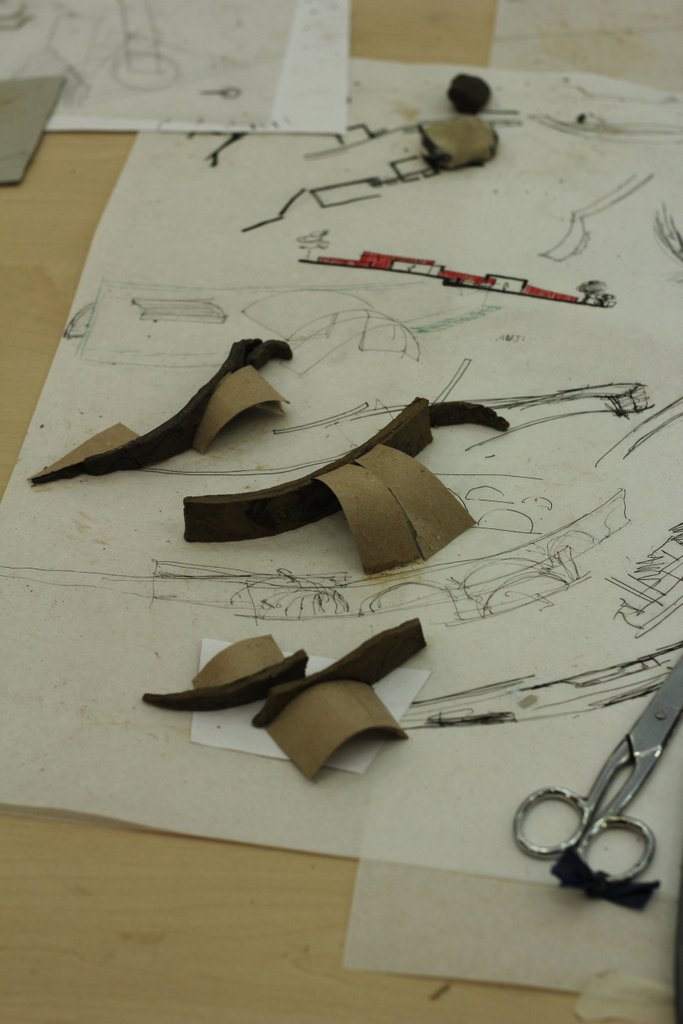
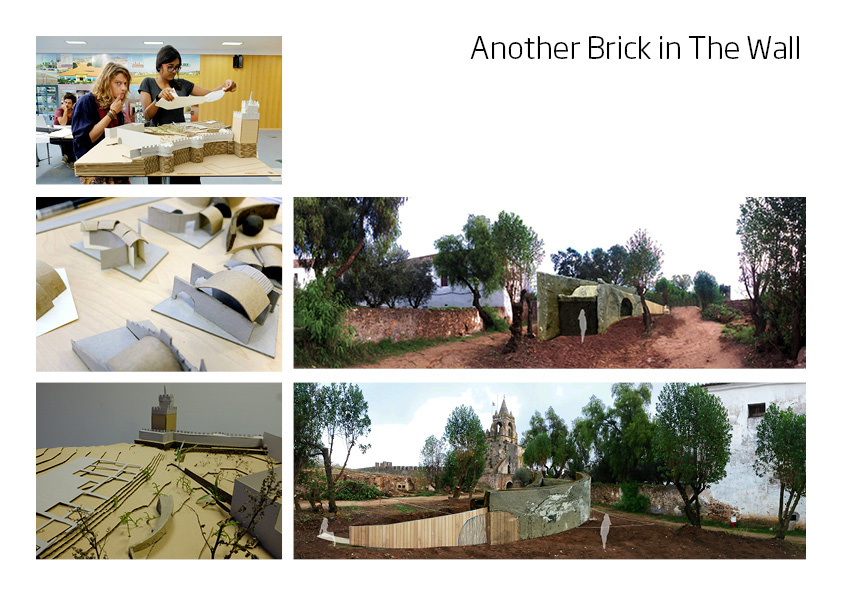
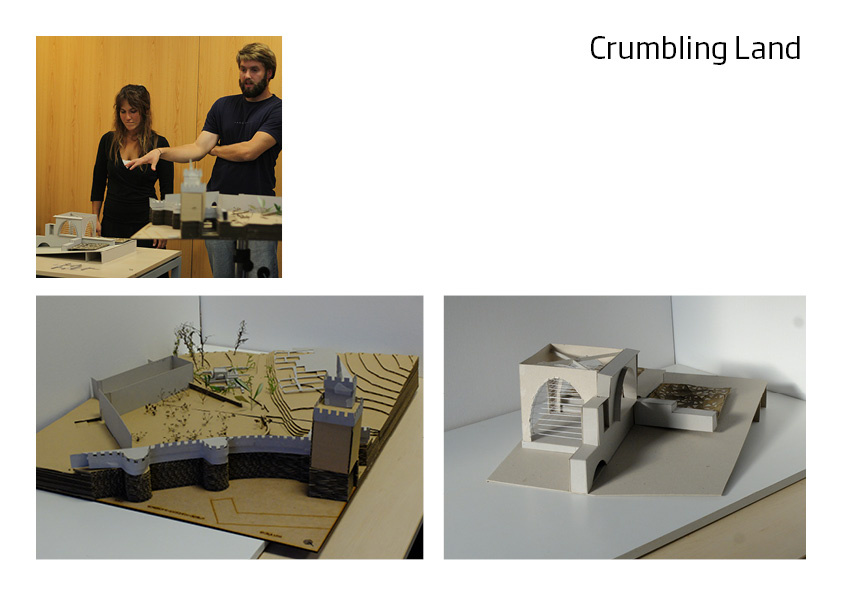
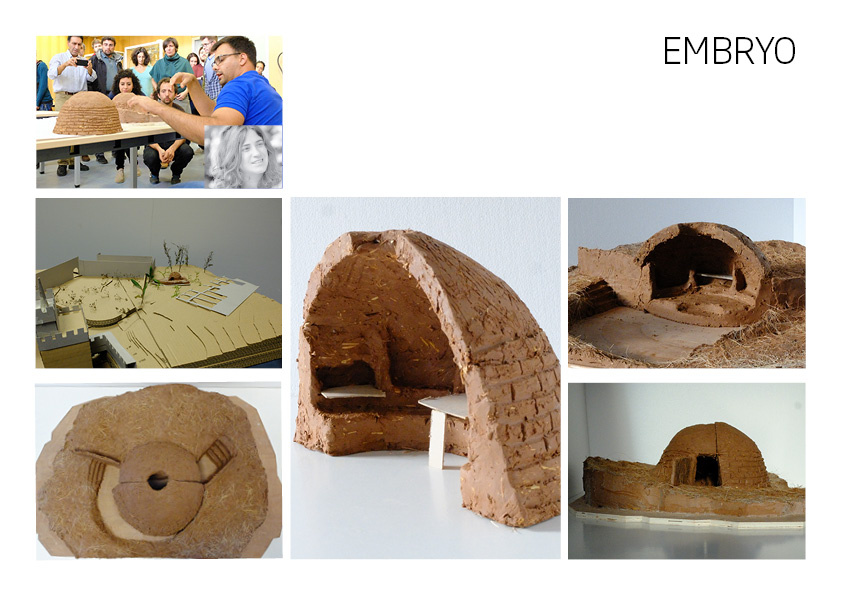
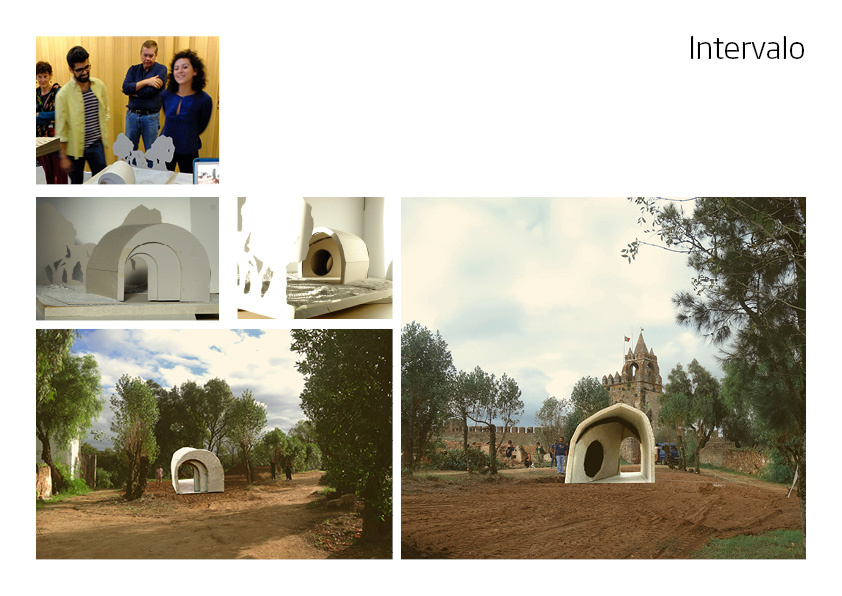
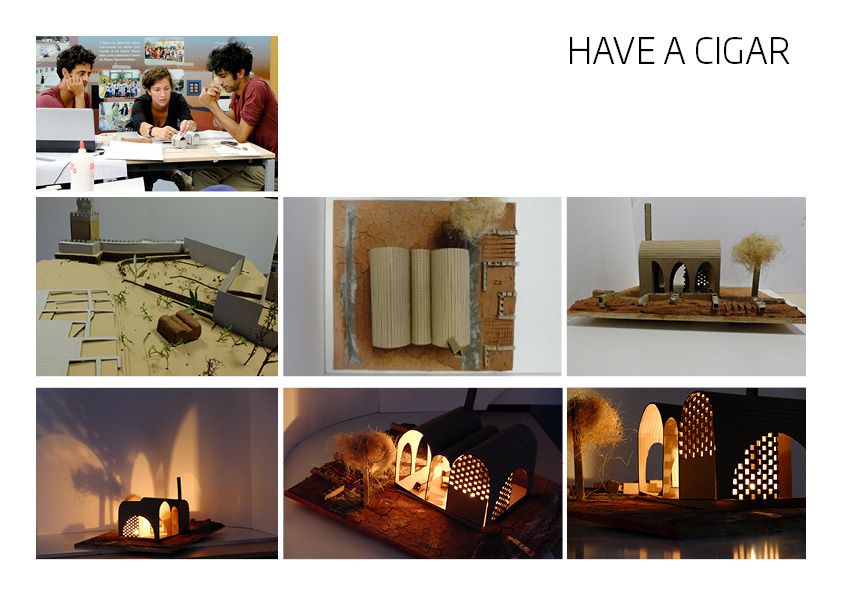
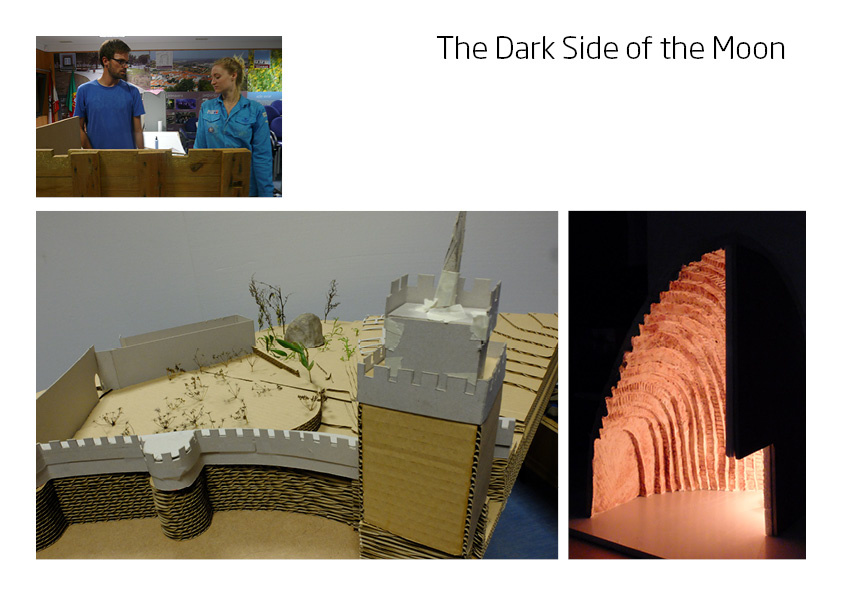
Hours of exploration, debates and discussions later, the team and the Municipality unanimously chose ‘The Crumbling Land’.
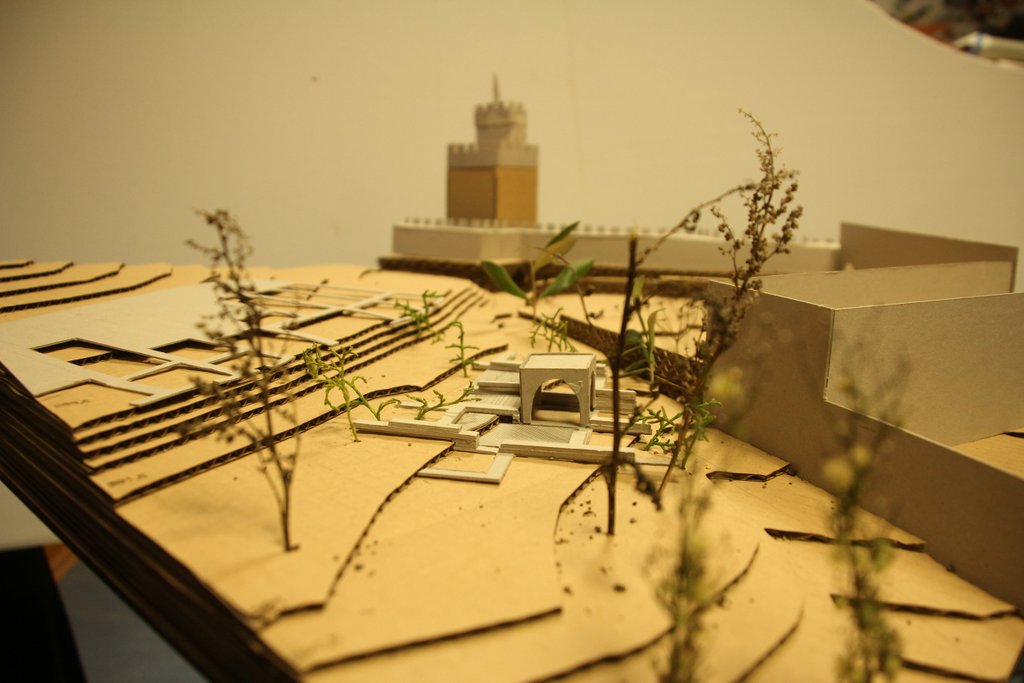
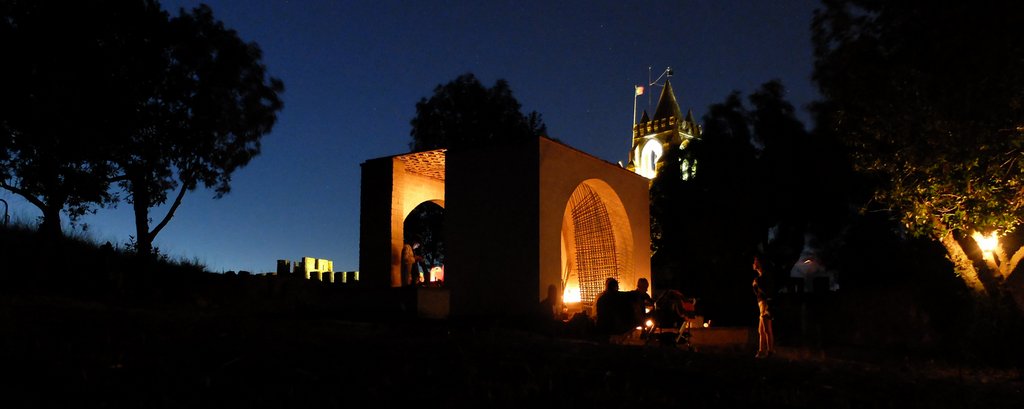
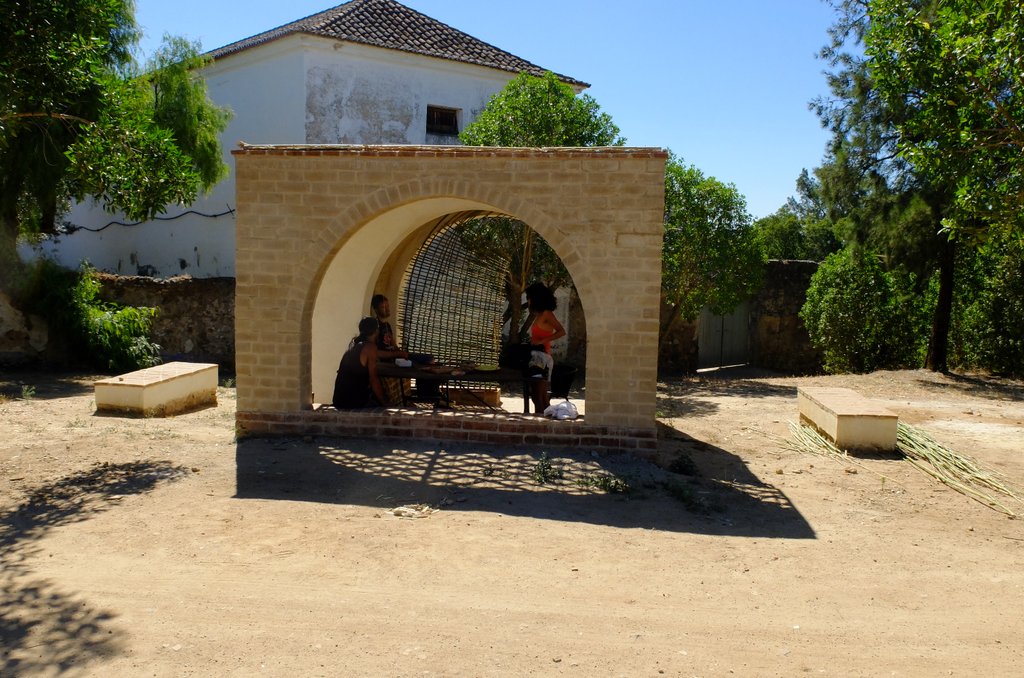
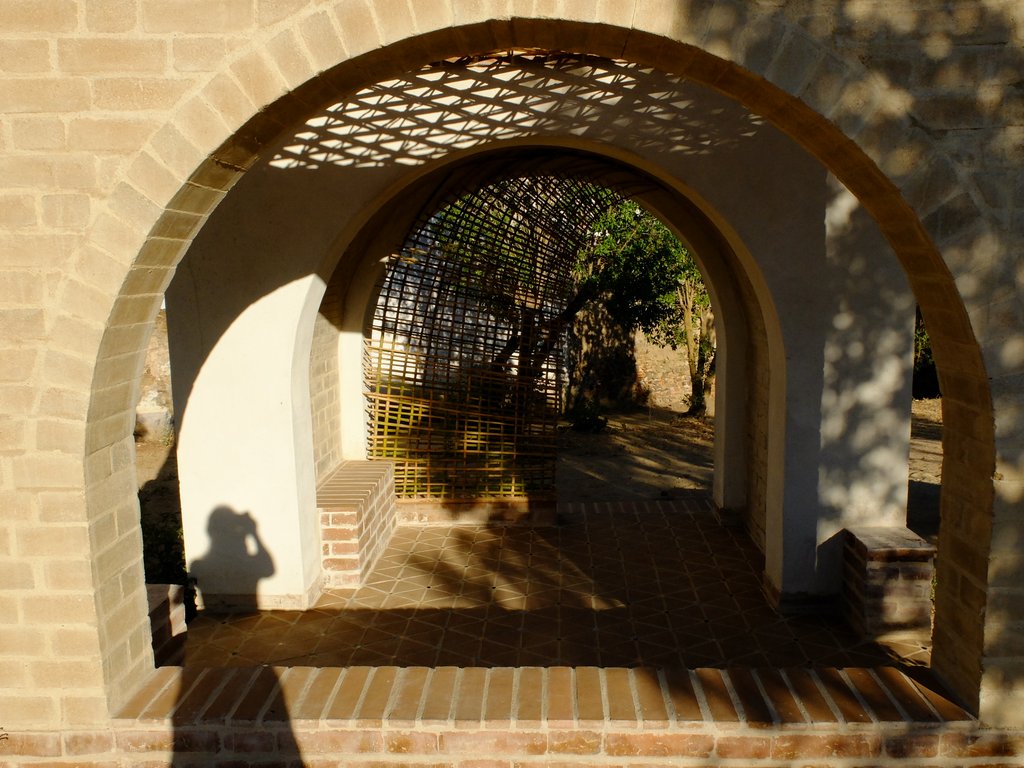
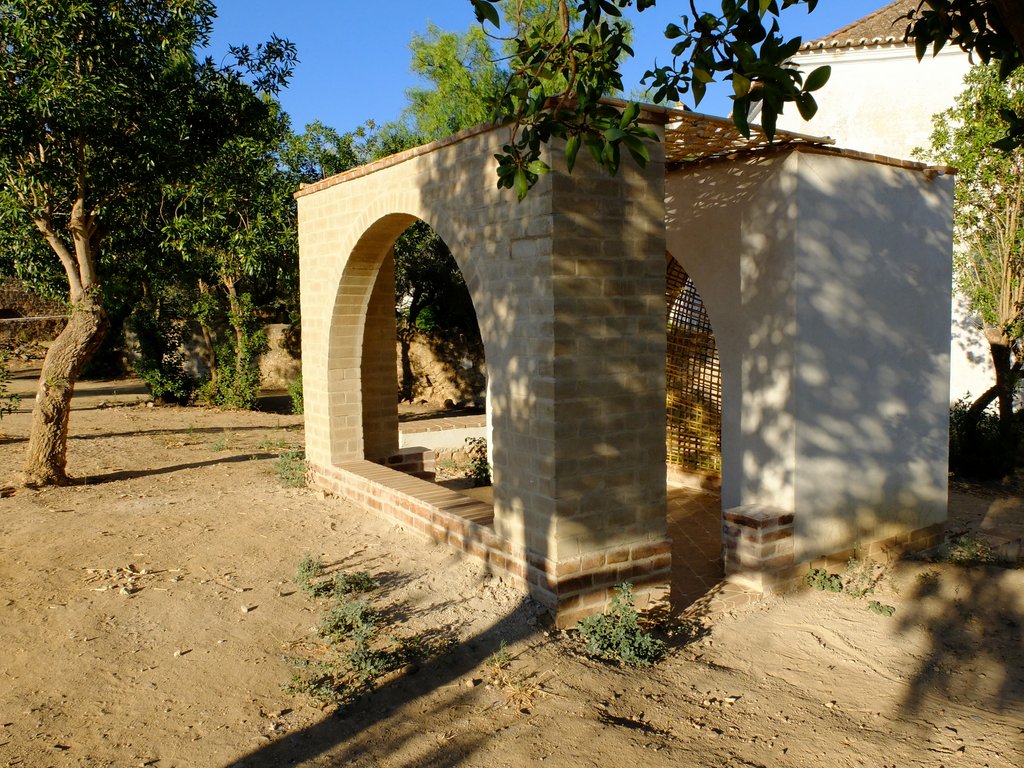
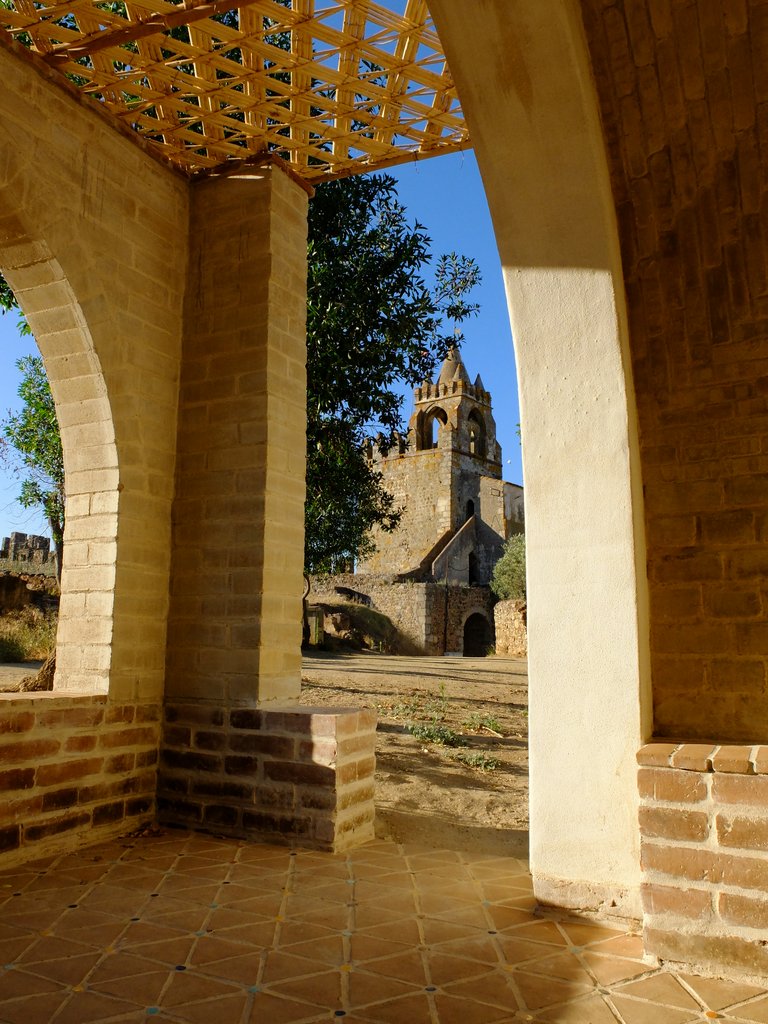
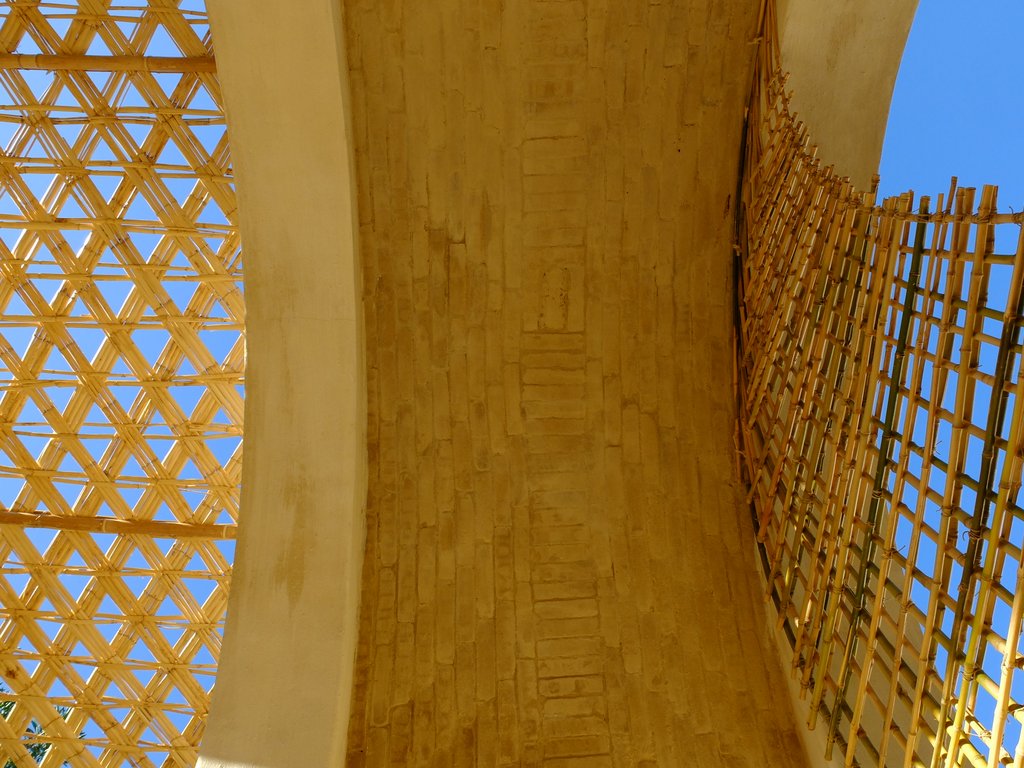
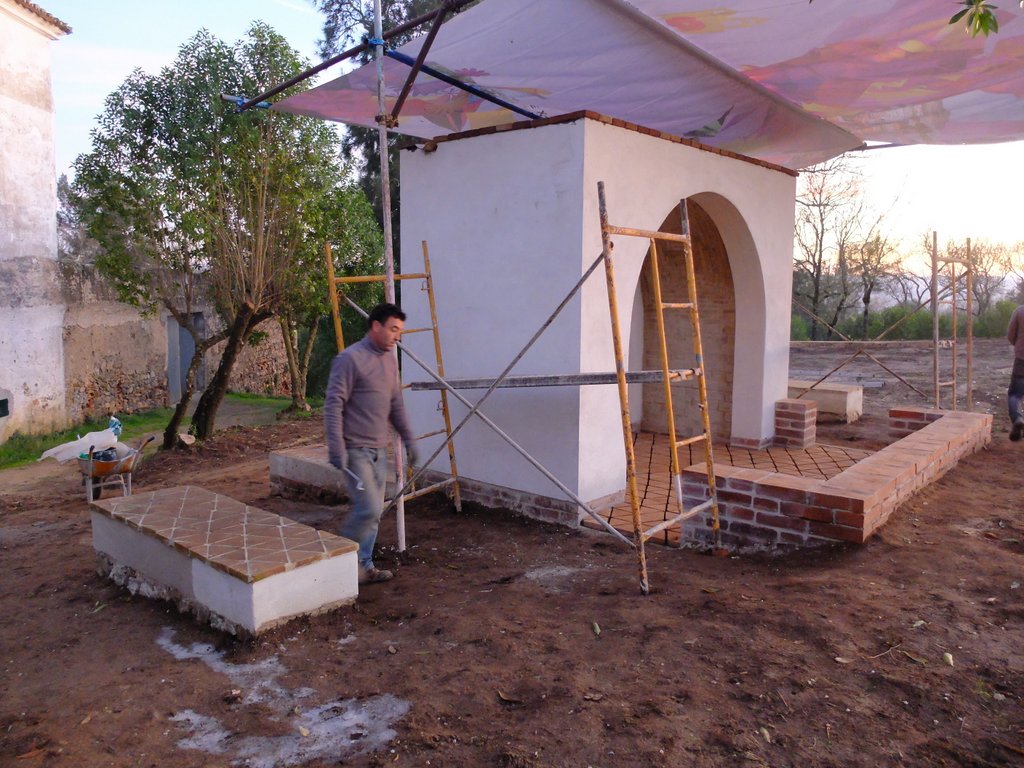
Playing with its surroundings, this project was a re-interpretation of the labyrinthine aspect of its surroundings by spreading above the limits of the defined construction site, and offering to the visitors a place to enjoy playfully the walls and benches that mirror the ruins on the other side of the road. A square building, with all its sides open allows the visitors to gather under two crossing arches meeting in a dome stile structure. This form allows the builders to experiment with vaults and domes at the same time, while mirroring their use all around the site.
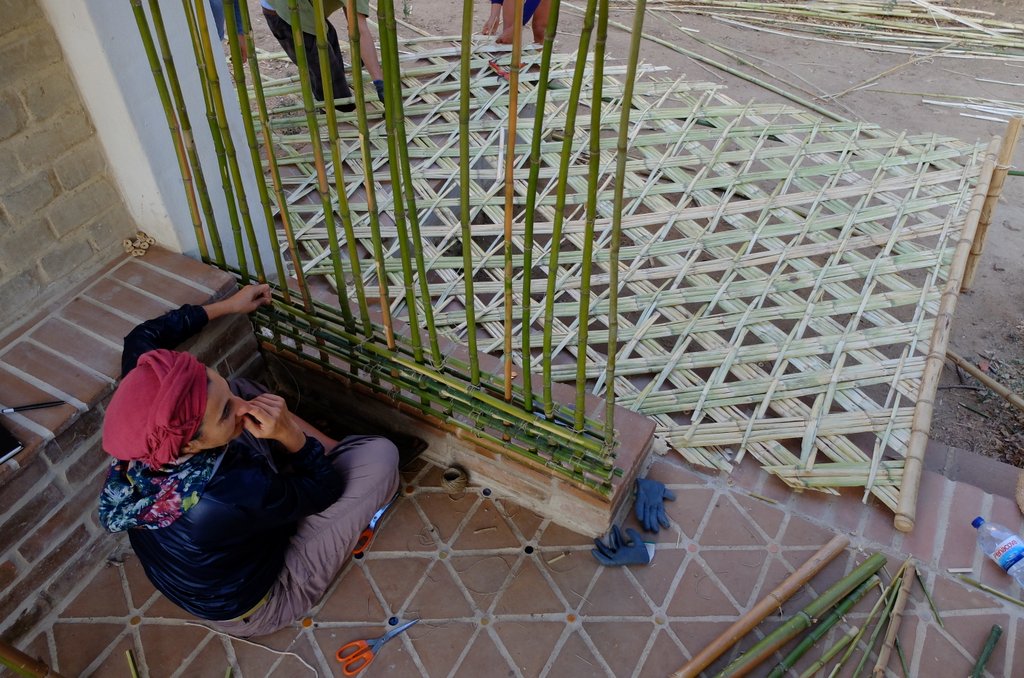
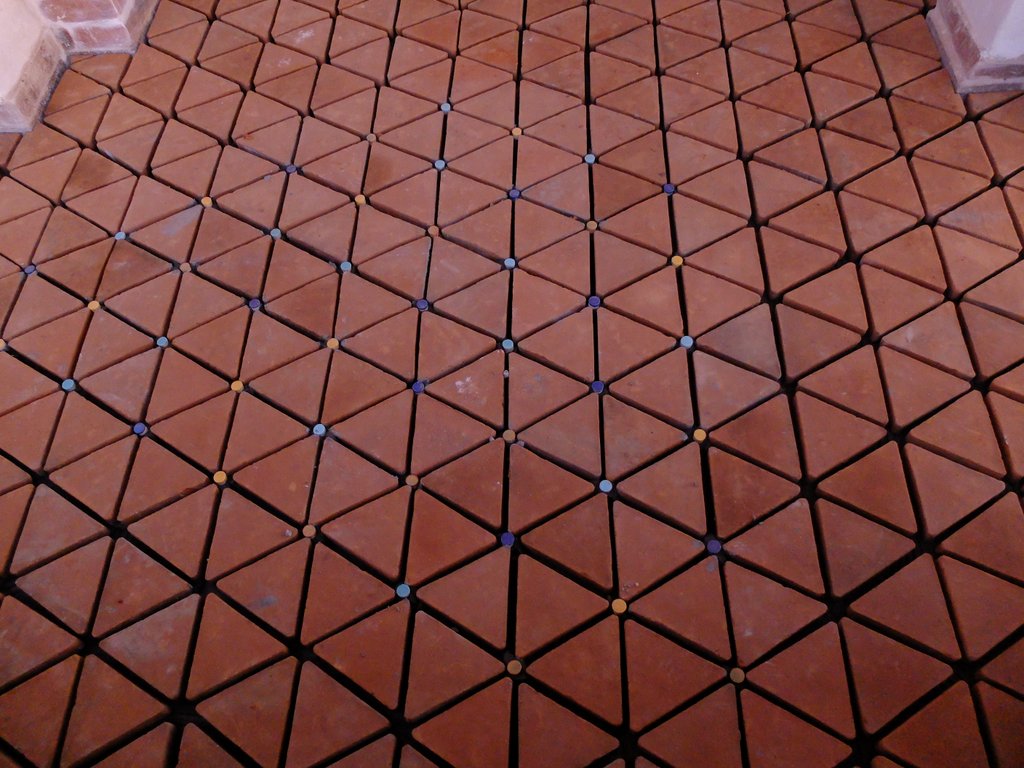
The multiple terraces allow for the use of different ceramic elements that Telheiro offers to the workshop, (tiles, floorings and so on). This is a landscape project that offers a playful ground for the people of Montemor-o-Novo.
Earth to blocks
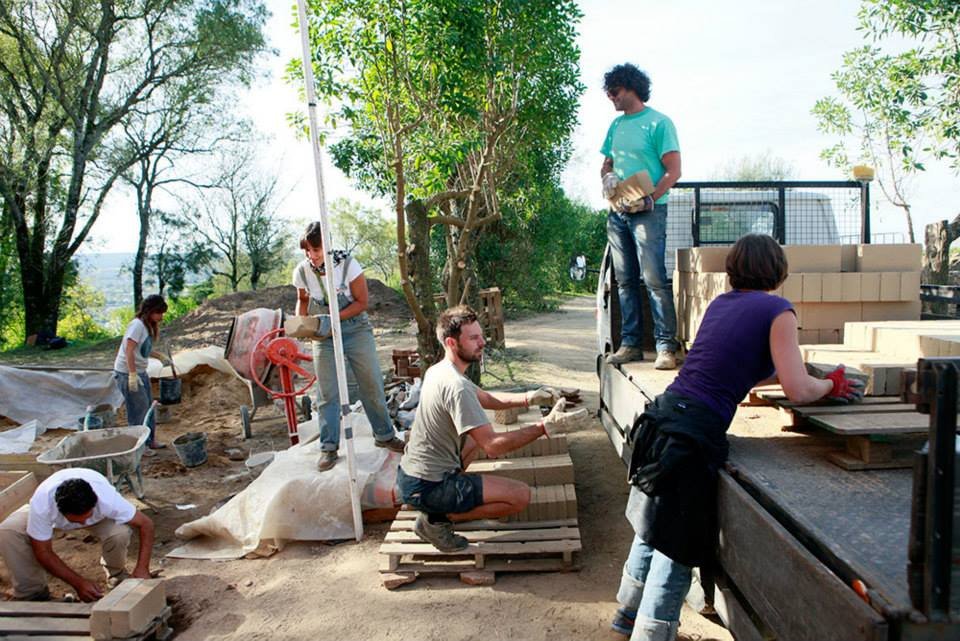
Work starts on site
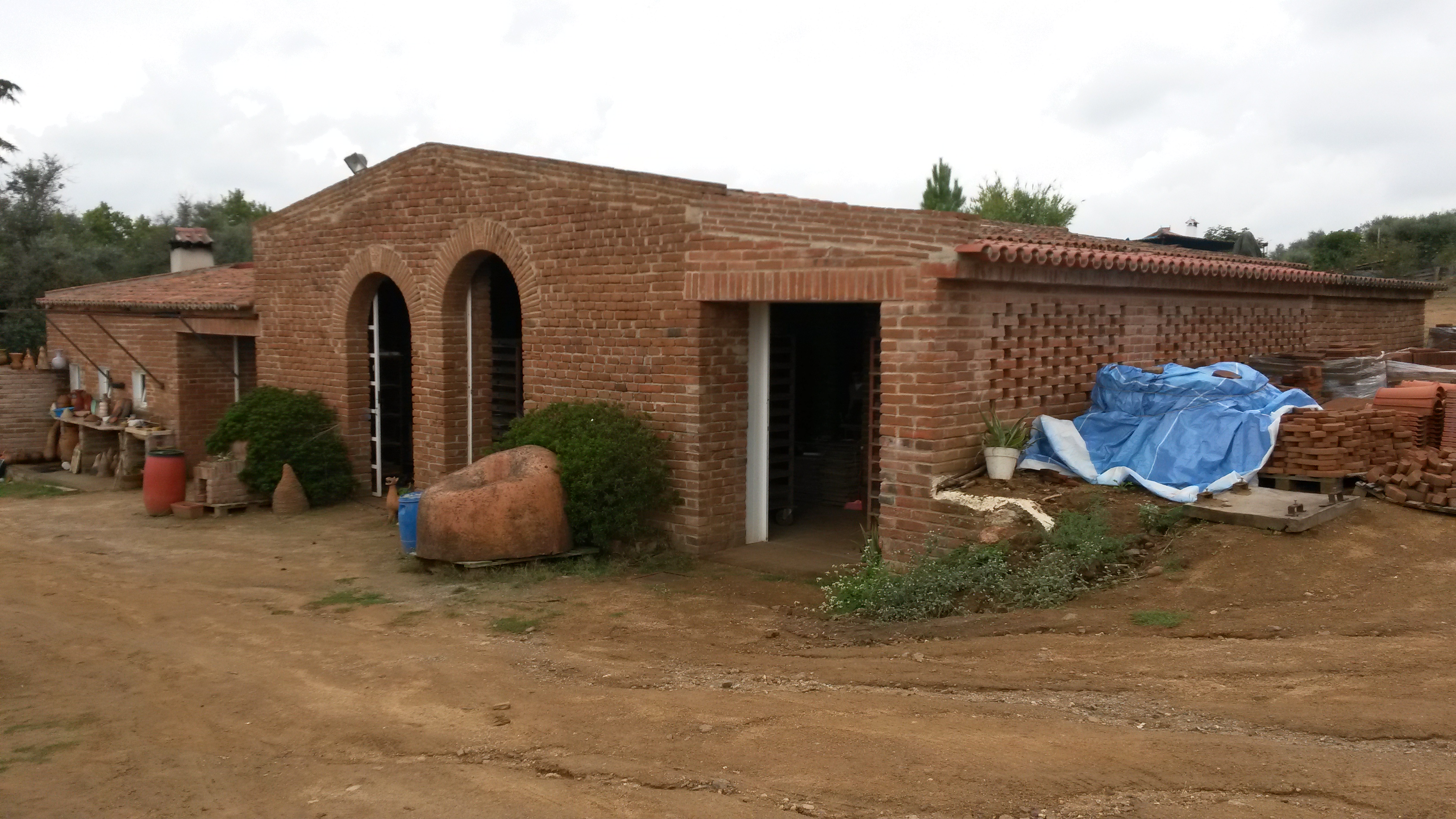
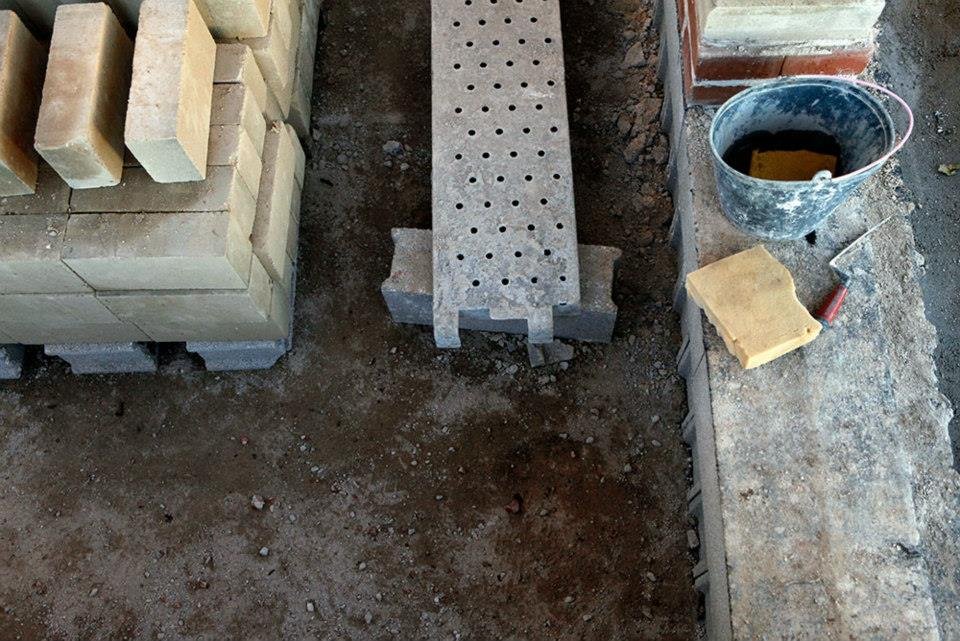
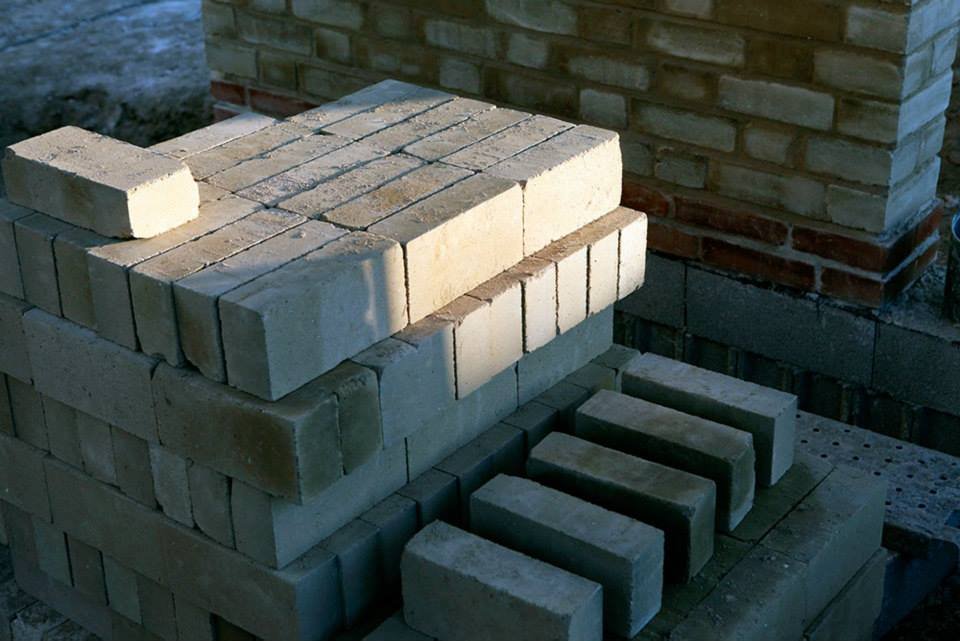
Production of Compressed Stabilised Earth blocks at Telheiro
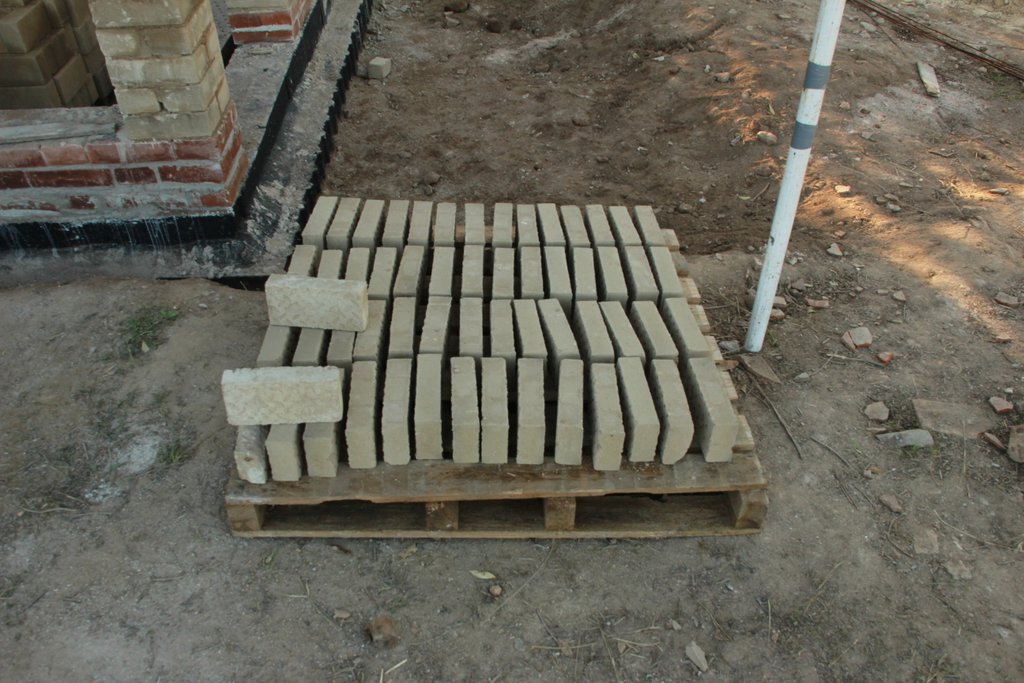
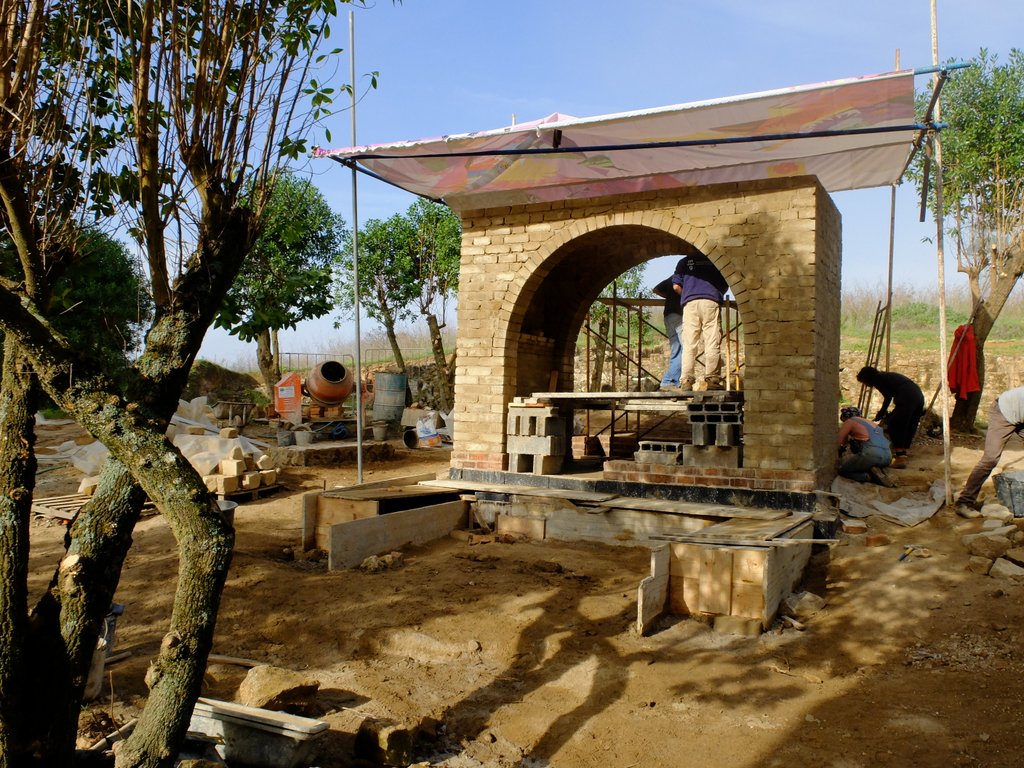
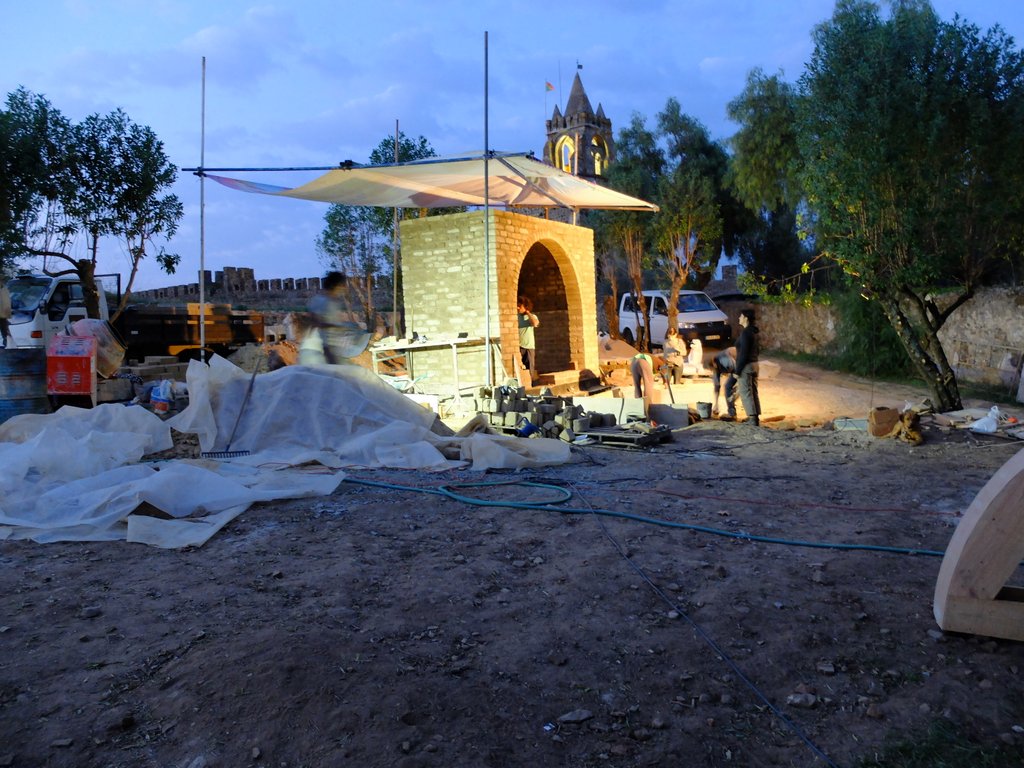
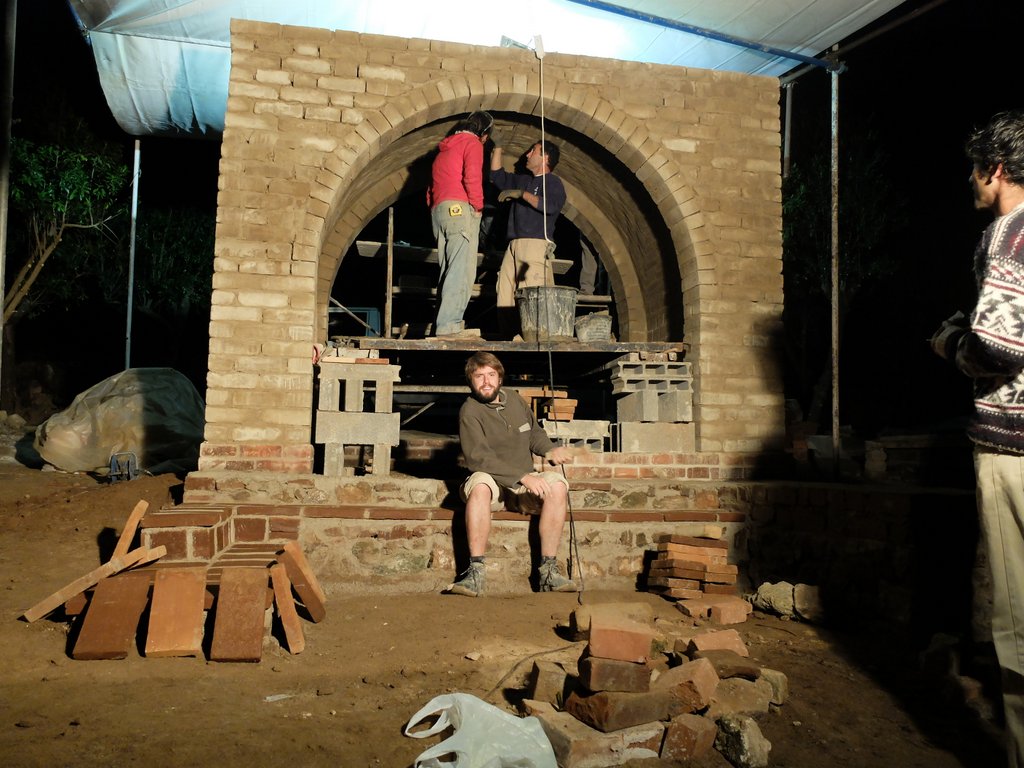
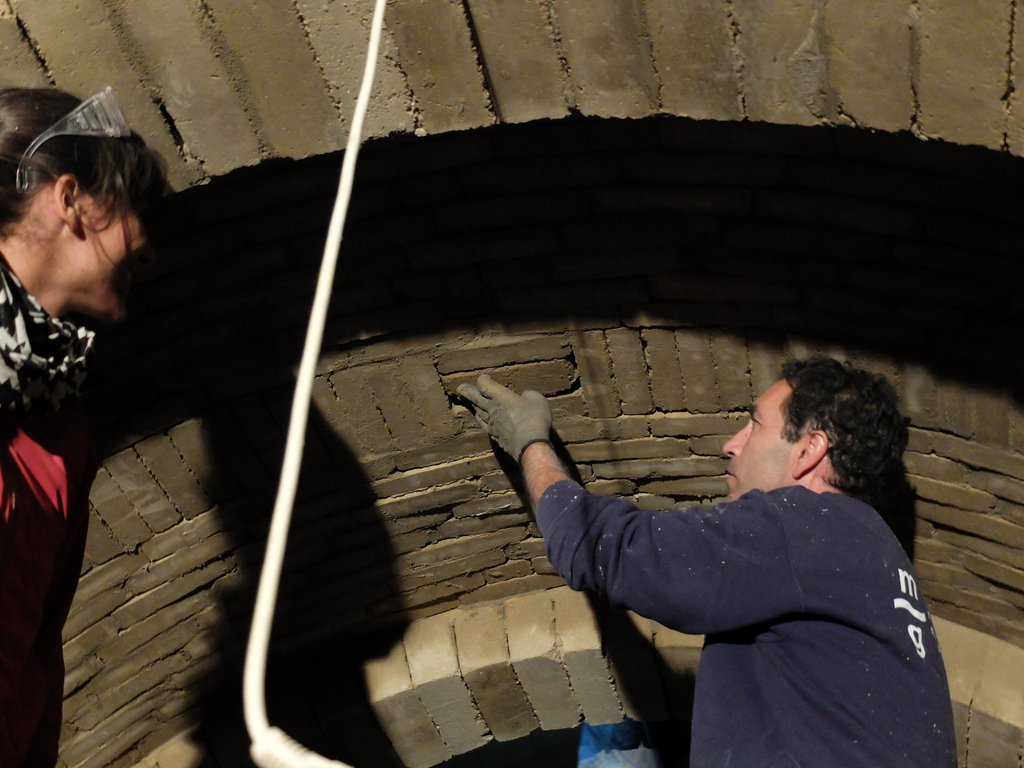
Blocks to Arches
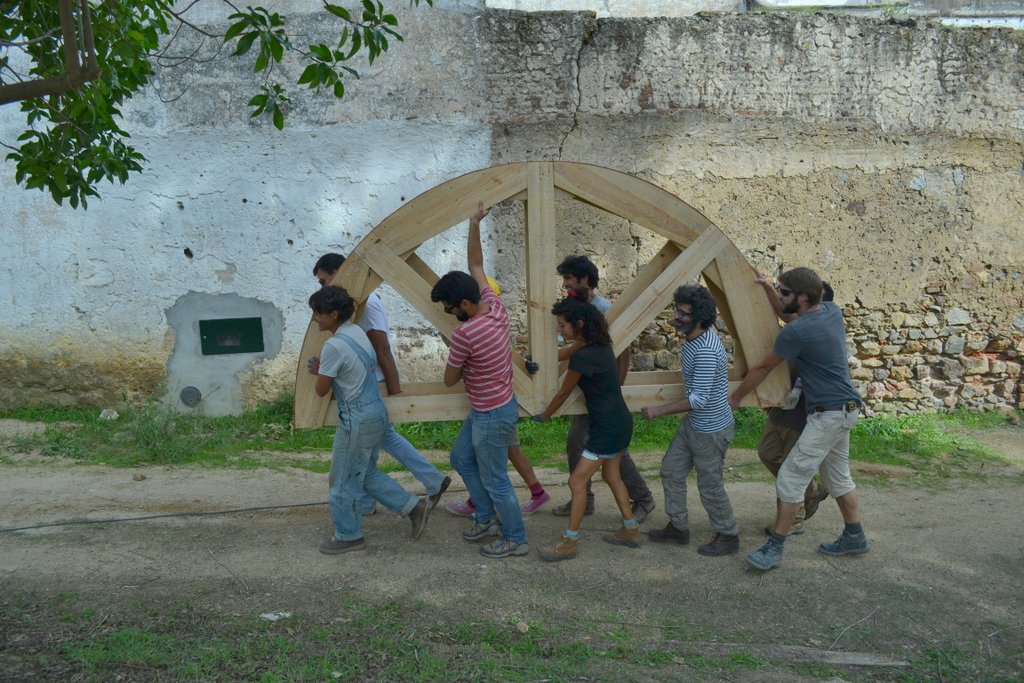
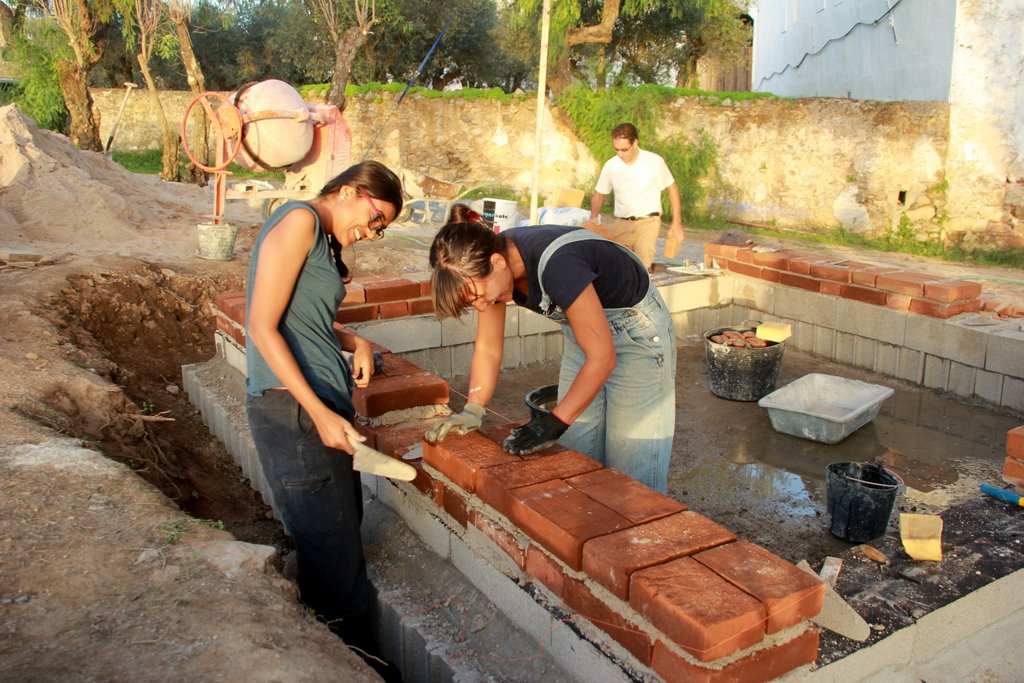
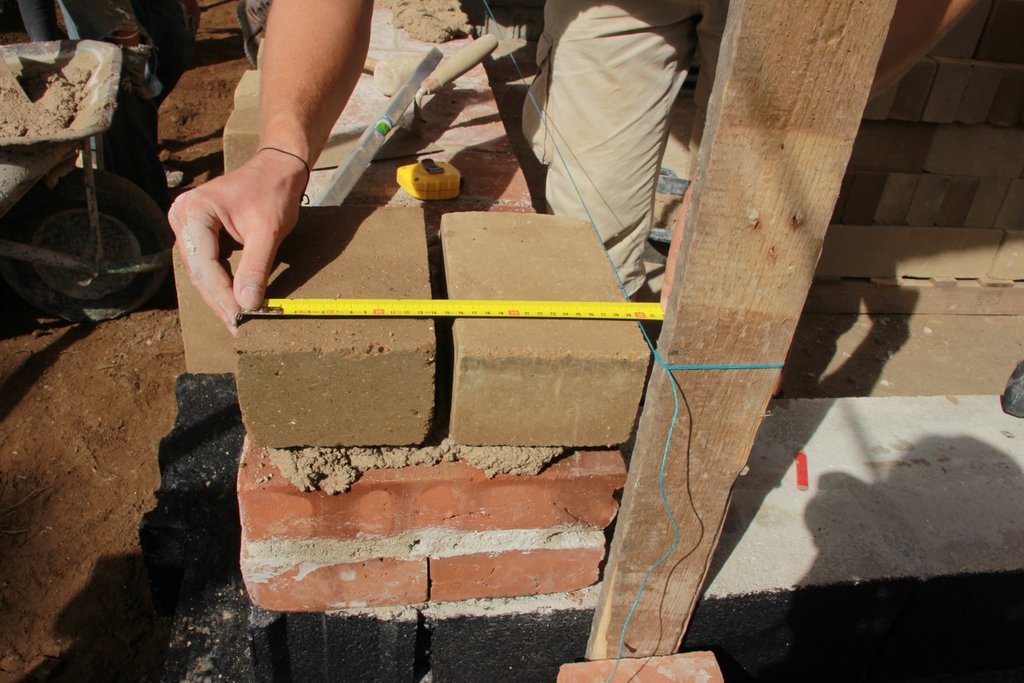
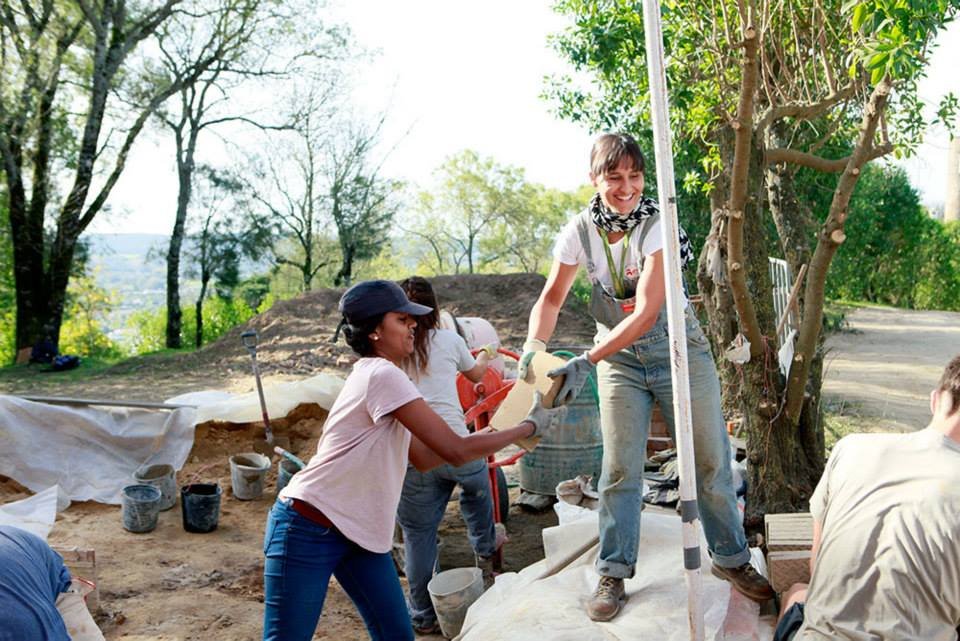
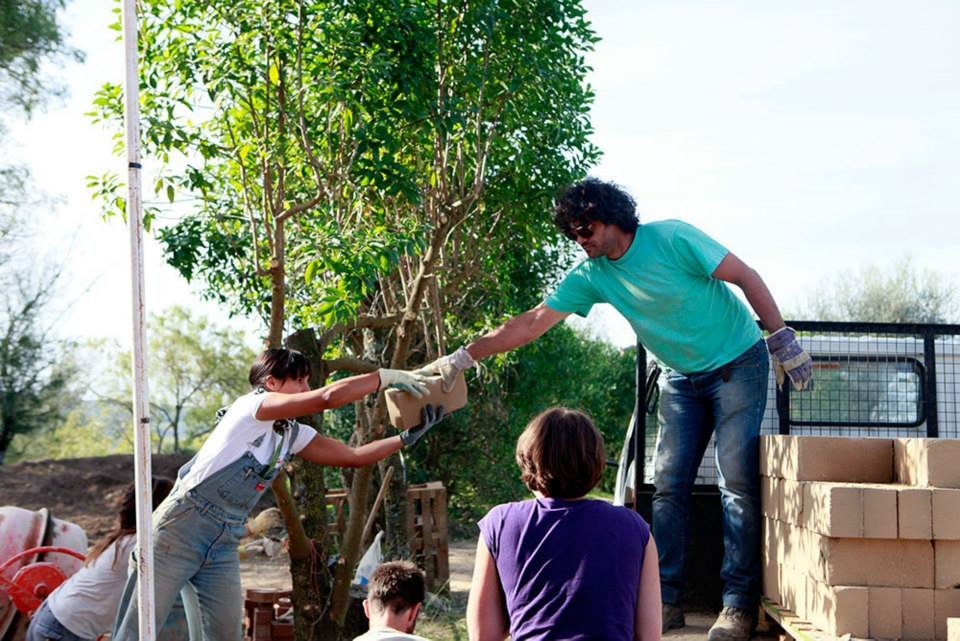
From sunrise to sunset
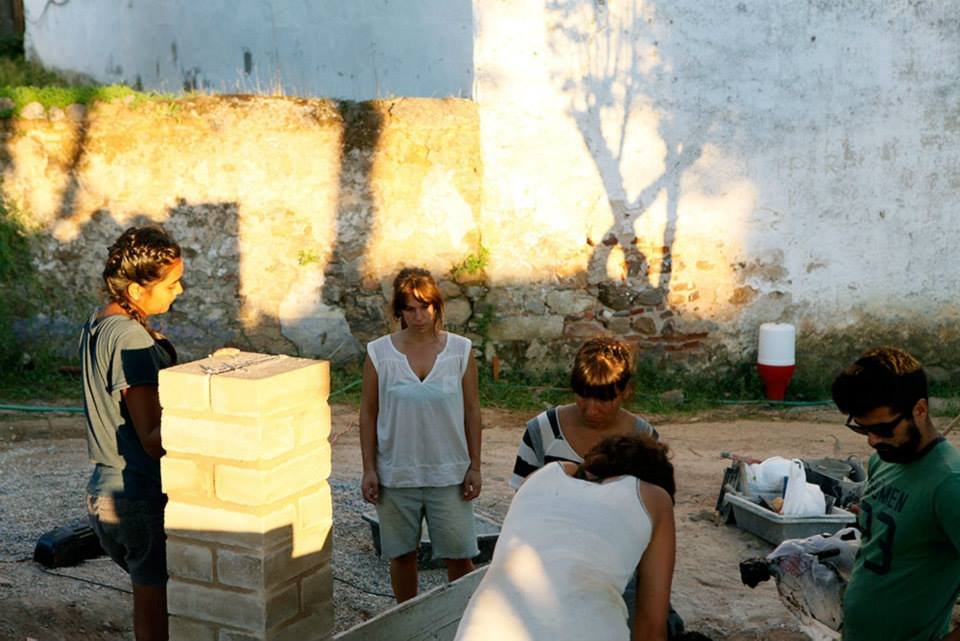
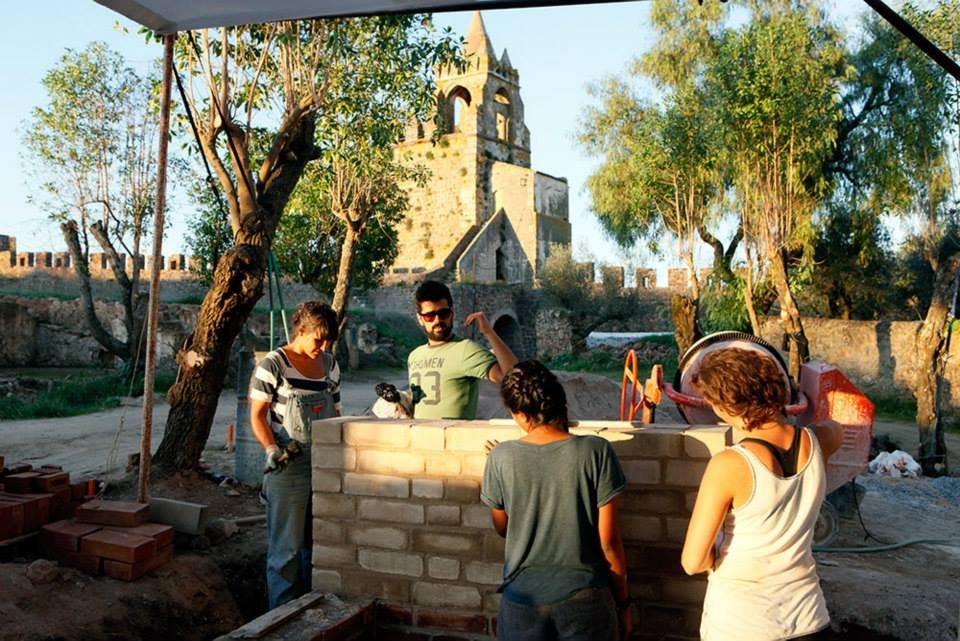
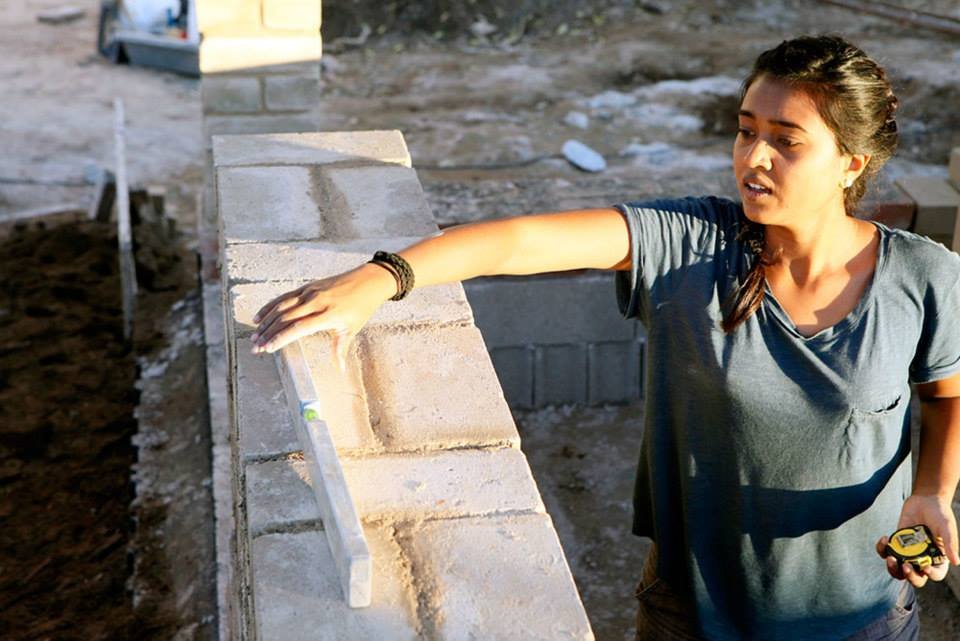
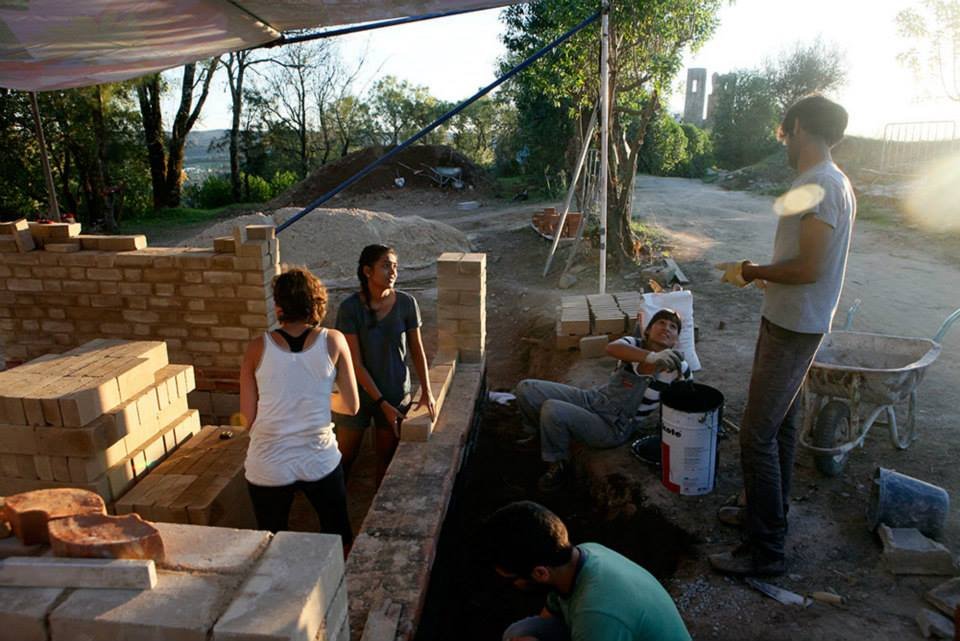
It is just a bench!
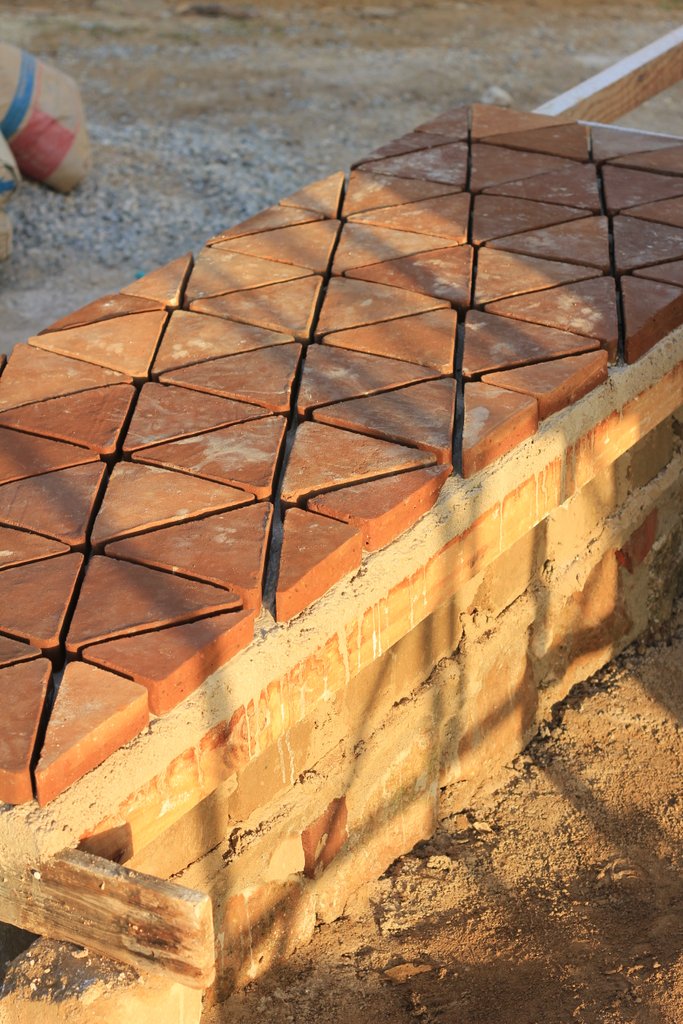
The flooring
Lime Plastering to protect our arches
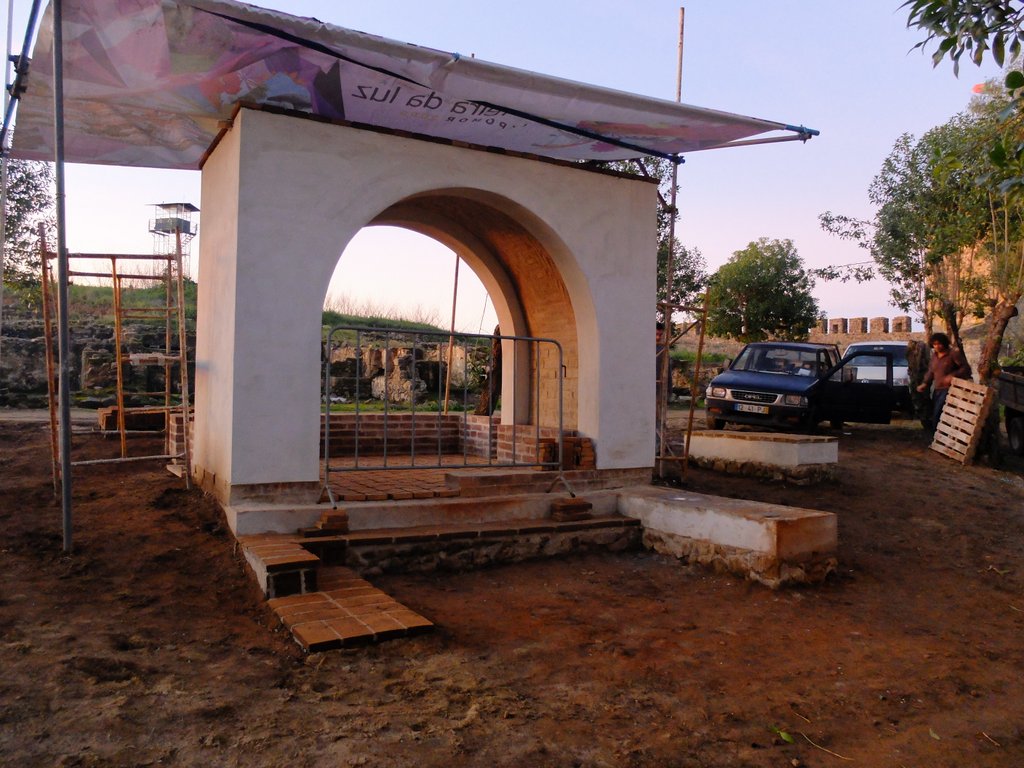
The finished Kiosk!