Denim Research & Design Studio in the state of the art denim factory | Shell Apparels Pvt Ltd, Bangalore
”Worn as the fabric of hard honest work, and as the expression of angry rebellion; used for the sails of Columbus’ ships in legend; and worn by American cowboys in fact.” A Denim Factory as our site with state of the art facilities for sustainable denim production practices is not only inspiring, this project is almost addictive. To research on our natural building techniques together with the factory byproducts to create a personalized material palette, to complement their vision with ours and create a neutral studio space for textile designers from around the globe.
Author: Jeremie
2015 Creative Plasters : earth, lime, clay … and you
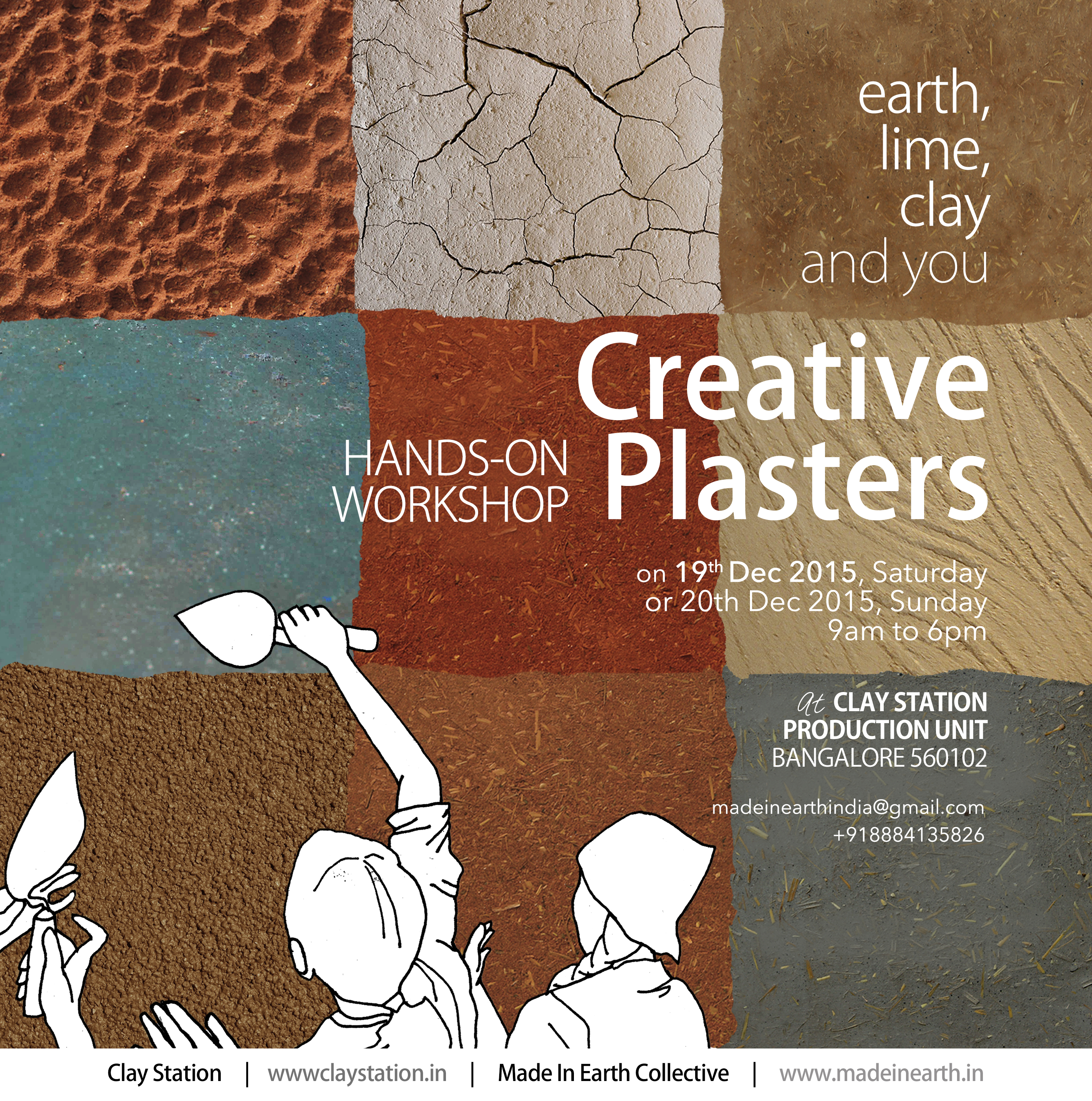
We are happy to announce a collaboration with Clay Station, Bangalore for the Creative Plasters Workshop. Clay Station is a space for the experienced, aspiring and recreational potter. We love earth, and so do they. Together we bring a workshop to explore with you, what we are most passionate about.
A plaster that breathes; that regulates temperature and humidity inside a building; that absorbs both noise and odors; that ages beautifully with time. Add to that the infinite possibilities in aesthetics; pigmented or plain, smooth or grainy, regular or patterned, contemporary or rustic; natural plaster is irresistible!
Earth is the most widely available natural building material. It uses little or no energy in processing. It’s incredible plasticity, ecological and aesthetic qualities have enabled our ancestors to use it in abundance to build their homes, and in perfect harmony with their environment. Earth plaster, unlike paints and chemical coatings, do not emit any volatile components which could be harmful to our health. Being locally sourced, earth plasters reduce the environmental impact of our construction.
All over the world, there exists an incredible diversity of traditional recipes of natural plaster. It is this diversity of ingredients married with the many possibilities of textures and colors offered by the land, that is at the origin of this workshop.
Anybody can create natural plasters, together with the soil of their place, a dose of creativity, a trowel of motivation and a bit of experience! A place for experimentation, exhibition and knowledge sharing, the Creative Plasters workshop invites you to Clay Station for a one day hands-on session on the 19th or 20th of December 2015
Come and learn with us!
What will you learn?
Prepare, test and apply earth plasters (raw and stabilised) | Wall preparation | Base plaster | Finishing plaster | Decoration, plaster carving, embossing, use of color oxides and pigments | Discover and try the traditional Moroccan Tadelakt technique, a fine richly coloured water-proof plaster.
Prerequisites
Earth construction is for all! No requisite except the motivation to learn and the desire to play with the material.
The Program
One day workshop on the 19th or 20th of December 2015
from 9:00 am to 06:00 pm, lunch included.
The venue
The workshop will take place in the production facility of “Clay Station”
Clay station production unit,
L75, 15th cross, near Indian Bank
HSR layout, Bangalore 56 0102
Google map : https://goo.gl/maps/rL9up9jvxtB2
GPS coordinates : 12.914055, 77.630304
Equipment and material
Dress to get dirty! Bring a round smooth stone for the Tadelakt technique
Registration and fees
Maximum 20 participants on a first come first served basis
Fees : 2000 Rs (1200 Rs for students, please send a scan of your student ID card, to : madeinearthindia@gmail.com )
ONLINE REGISTRATION FORM : http://tinyurl.com/151219-PlasterWorkshop
Registration closes on the 14th of December.
Contact
madeinearthindia [at] gmail.com
Organisers
Clay Station www.claystation.in

Made In Earth Collective www.madeinearth.in

Tadelakt, a Moroccan Marvel
There is a certain magic in working with natural materials, there is life in using earth and lime. There is a large palette to play with, but it was not until I learnt about Tadelakt, the Moroccan marvel technique, did I discover the pure class of craftsmanship in earth.
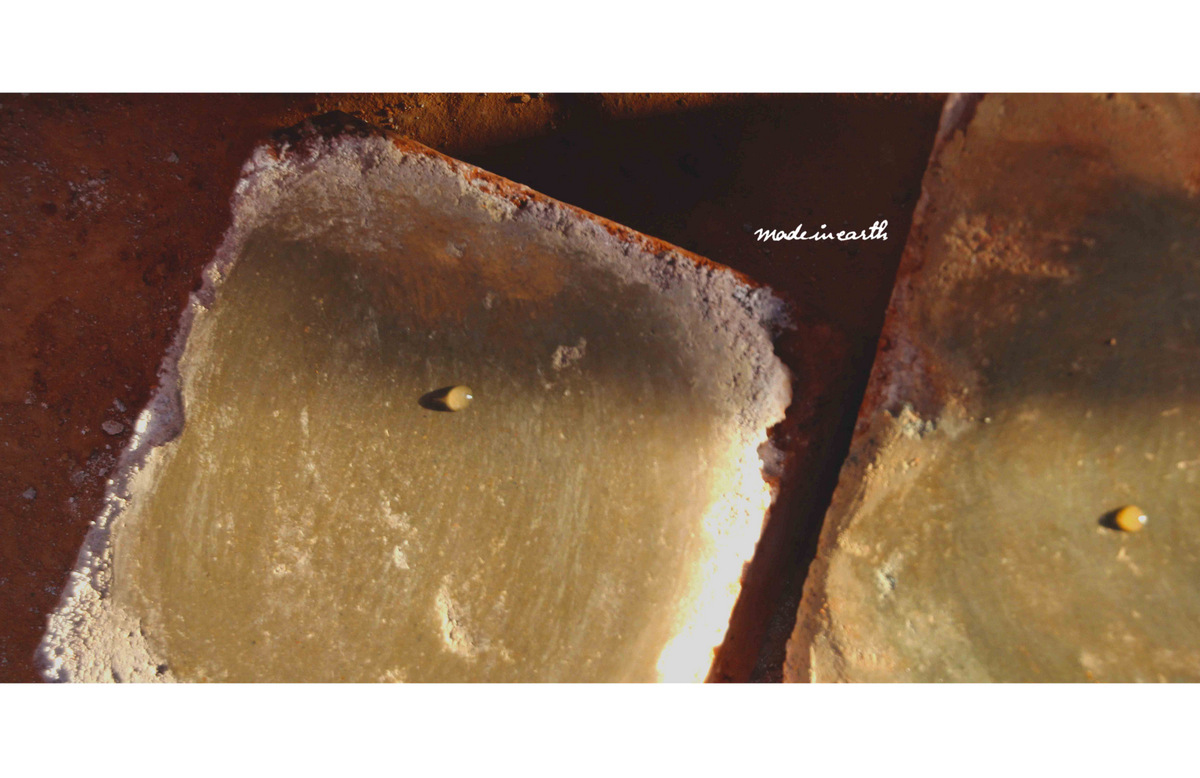
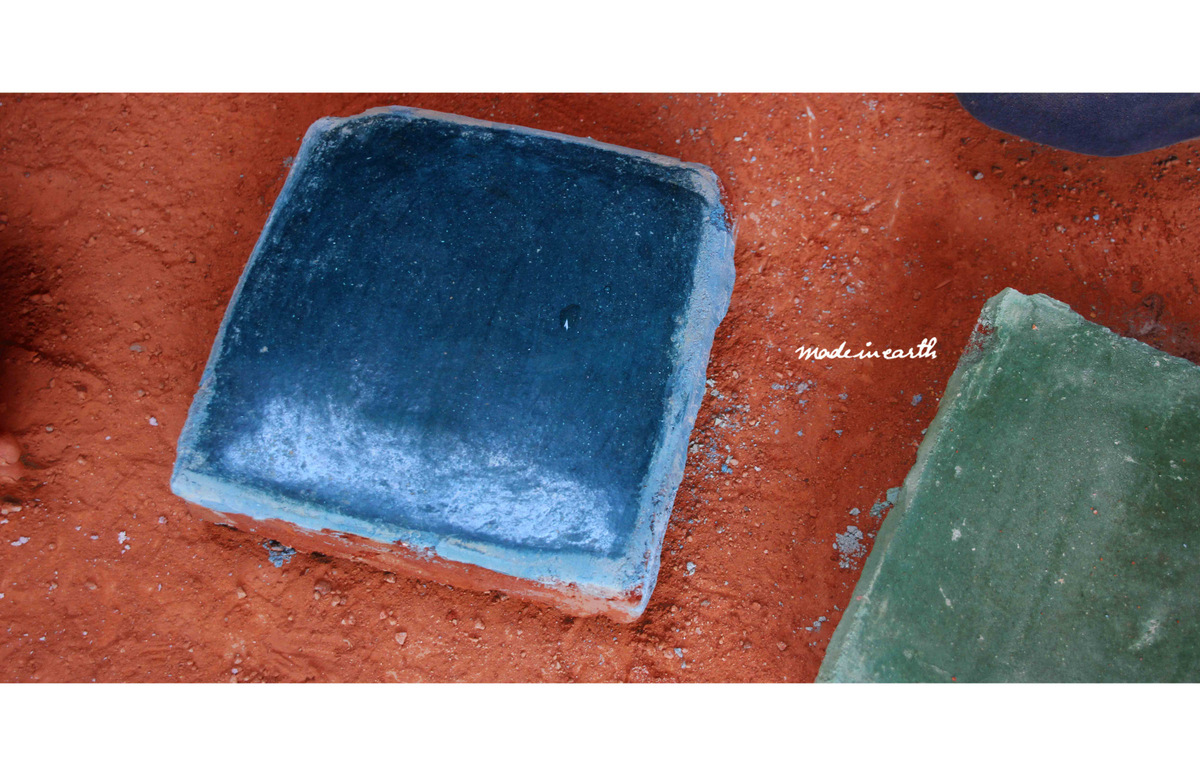
There were almost twenty of us, trying out this magical technique, on small earth block samples; Unsure of what it is going to feel like, how it is going to turn out, and what kind of commitment it requires. We had prepared our based plaster with lime and pigment on an adobe block, asked to choose a stone and begin!
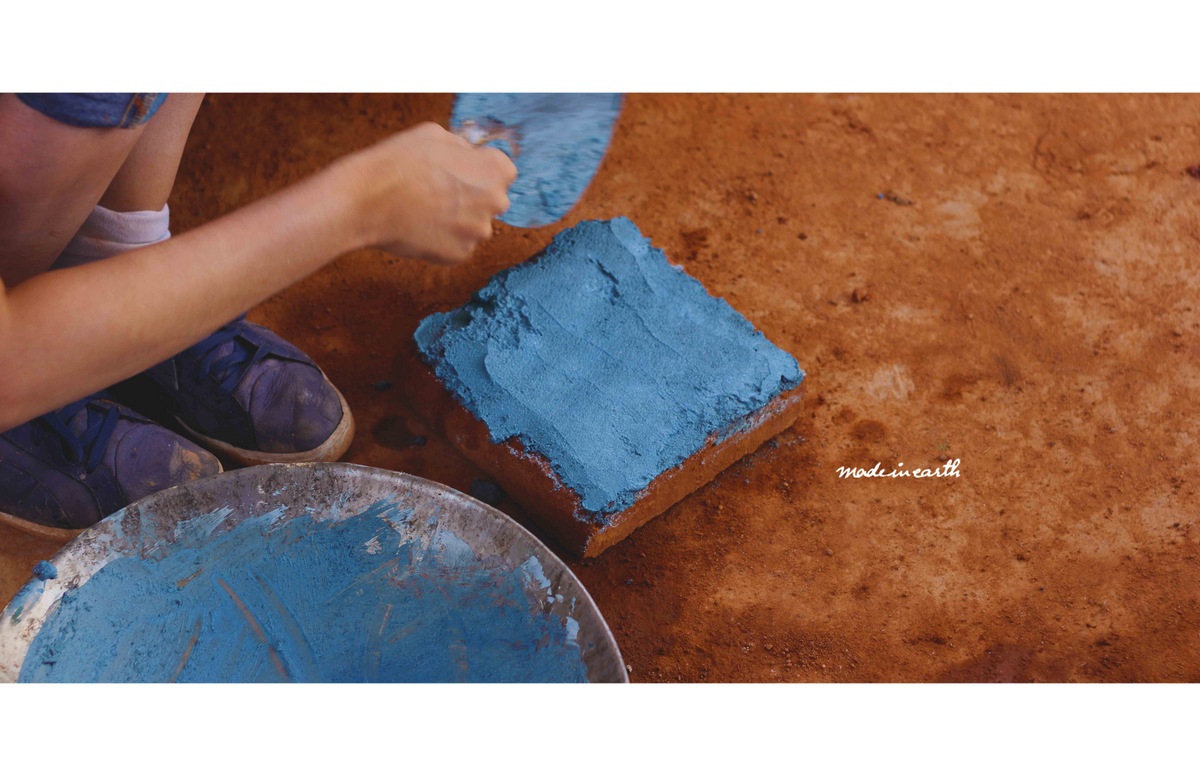
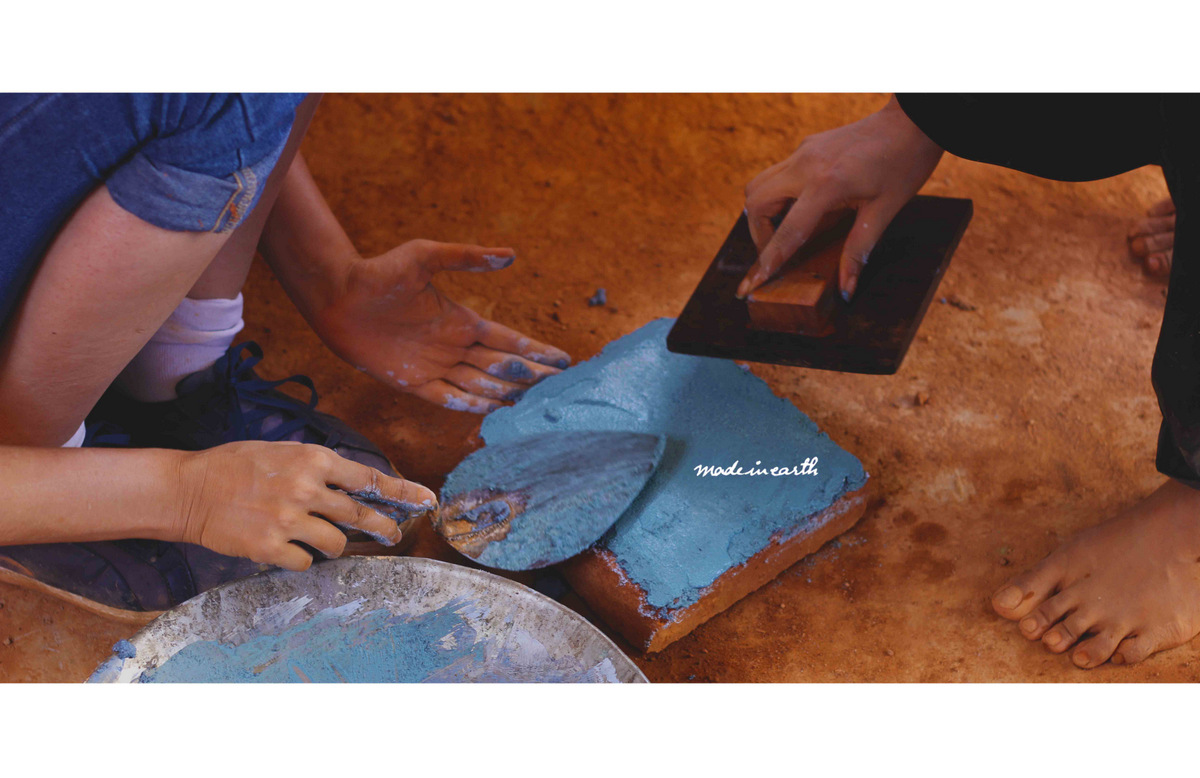
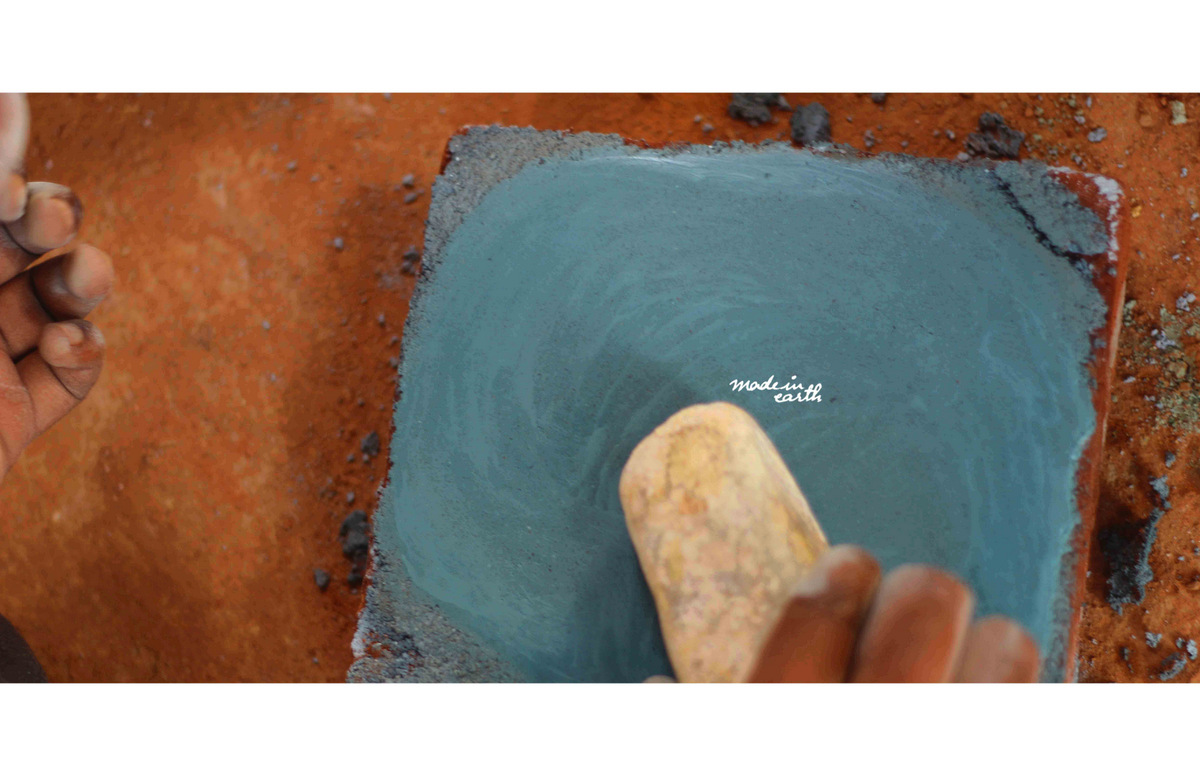
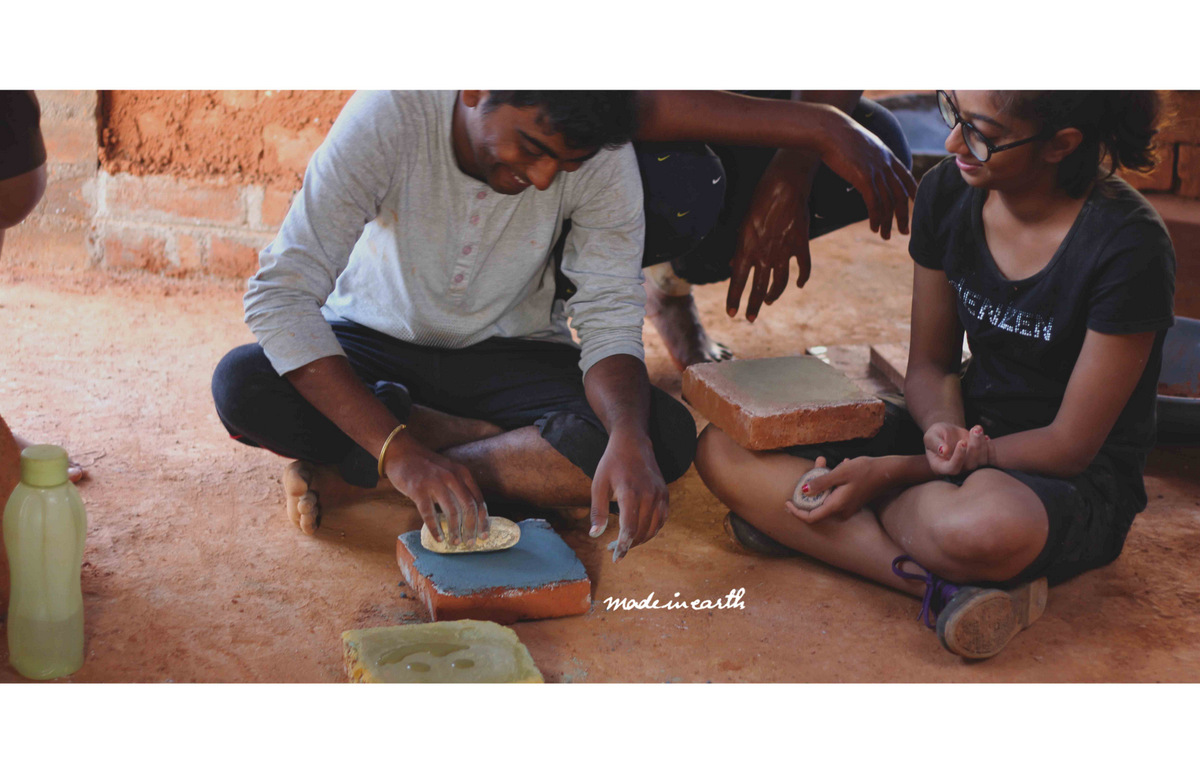
Dating thousands of years, Tadelakt is a magical water resistant chemistry of lime & vegetable oil resulting in a glimmering monolithic plaster that twinkles in the light as it seamlessly extends across surfaces of our structures, showcasing its extreme craftsmanship. A living surface that’s as hard as stone and as soft as leather, as breathing and waterproof as our skin; has its origins in the ancient city of Marrakech in Morocco.
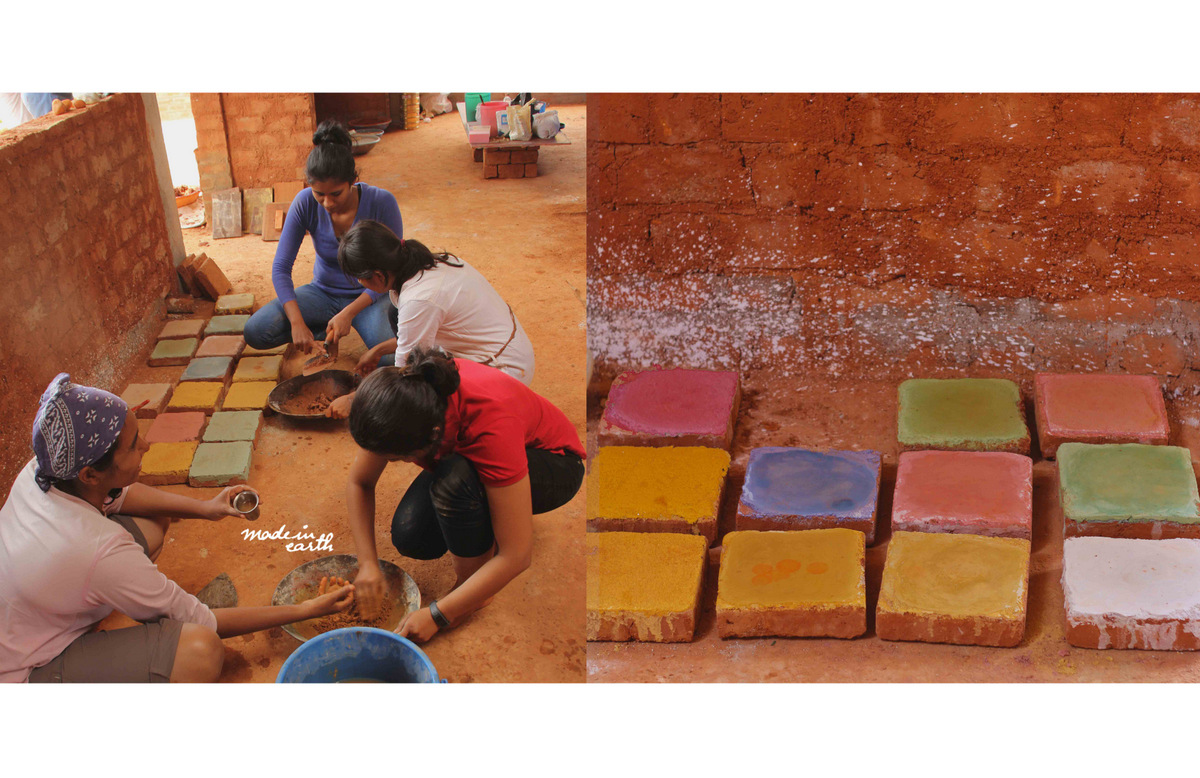
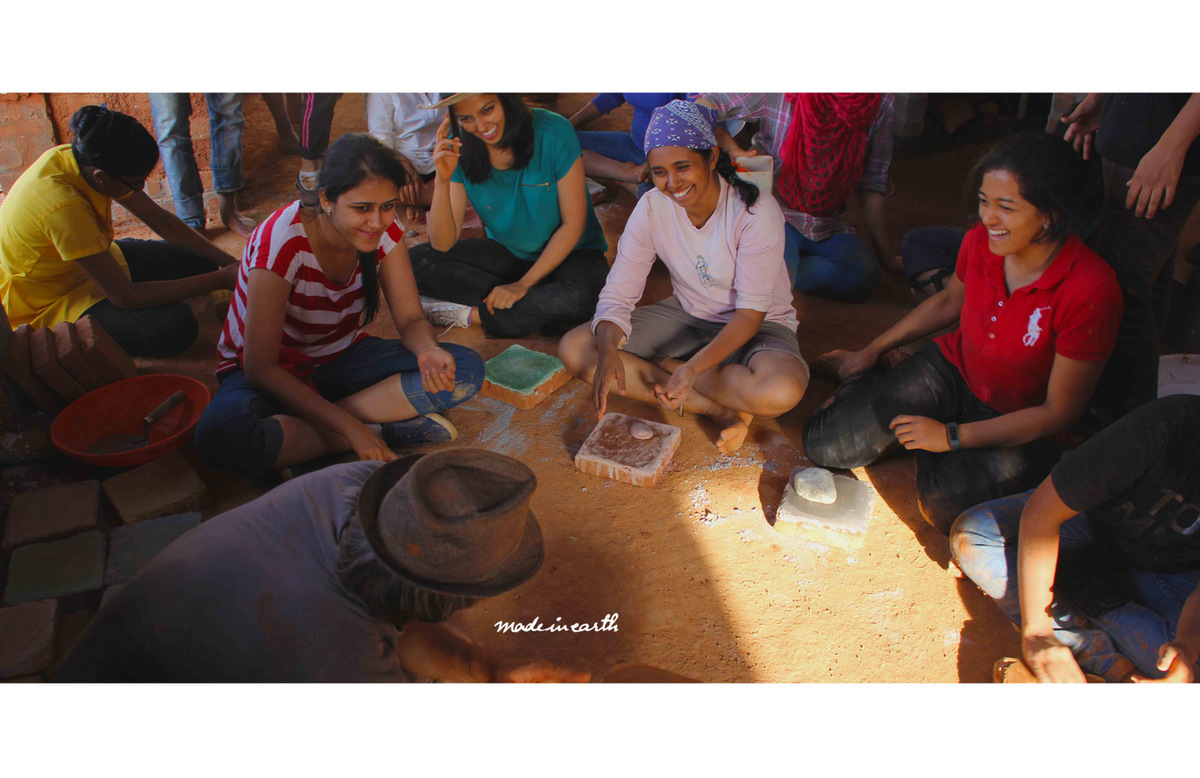
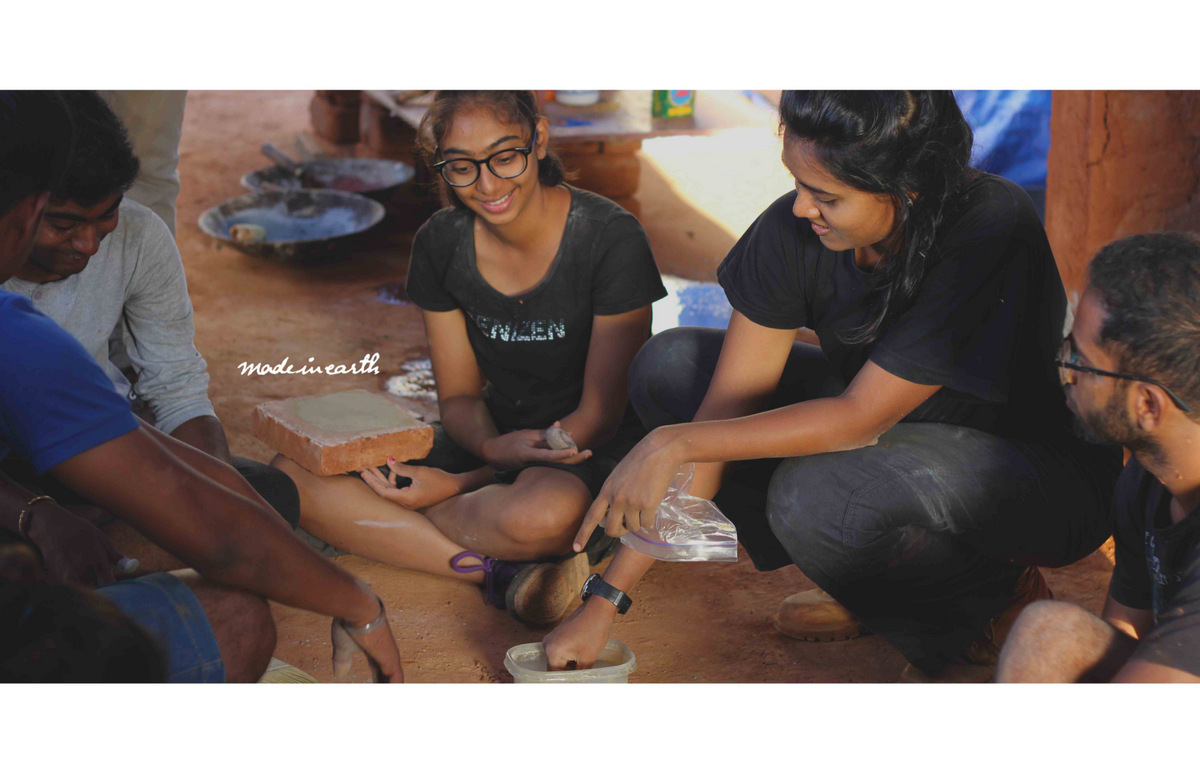 Tadelakt is a particularly high lime-to- aggregate ratio which is applied in multiple thin coats to a substrate, such as an earthen wall surface, polished and then caressed with smooth stones. Finally. it is rubbed down with organic soap, with patience and a lot of love to make the surface seamless.
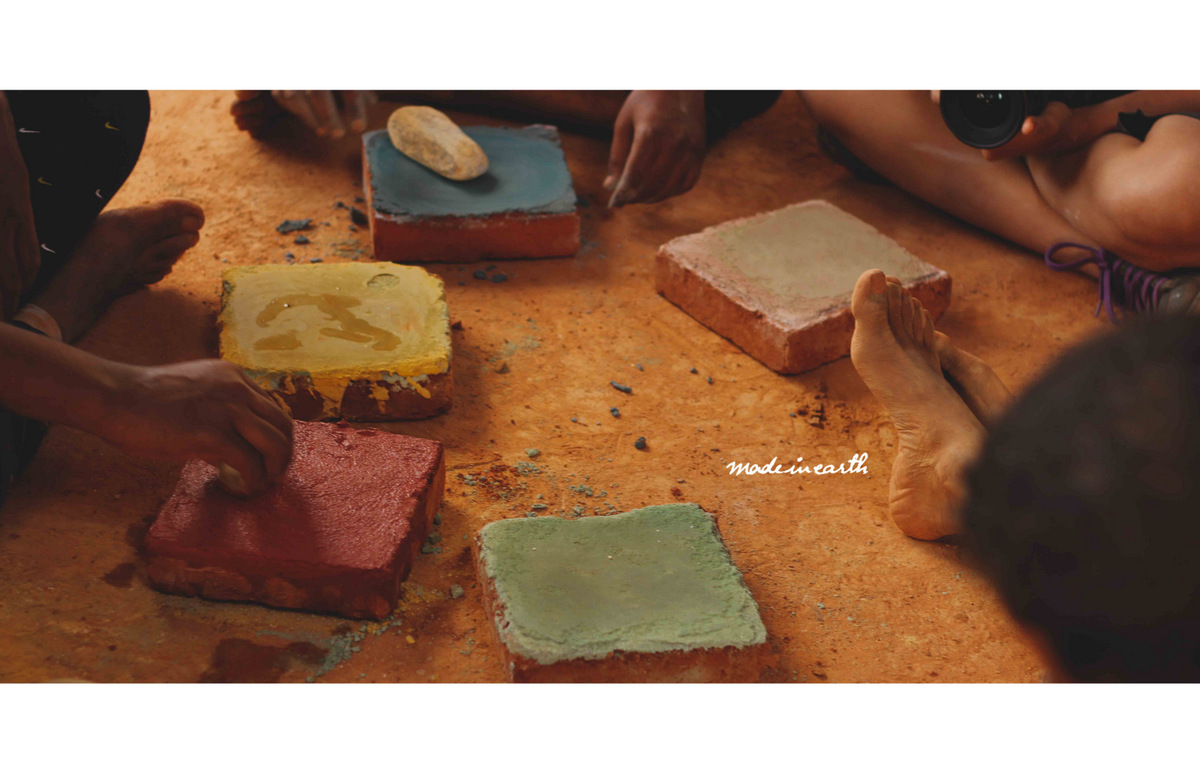
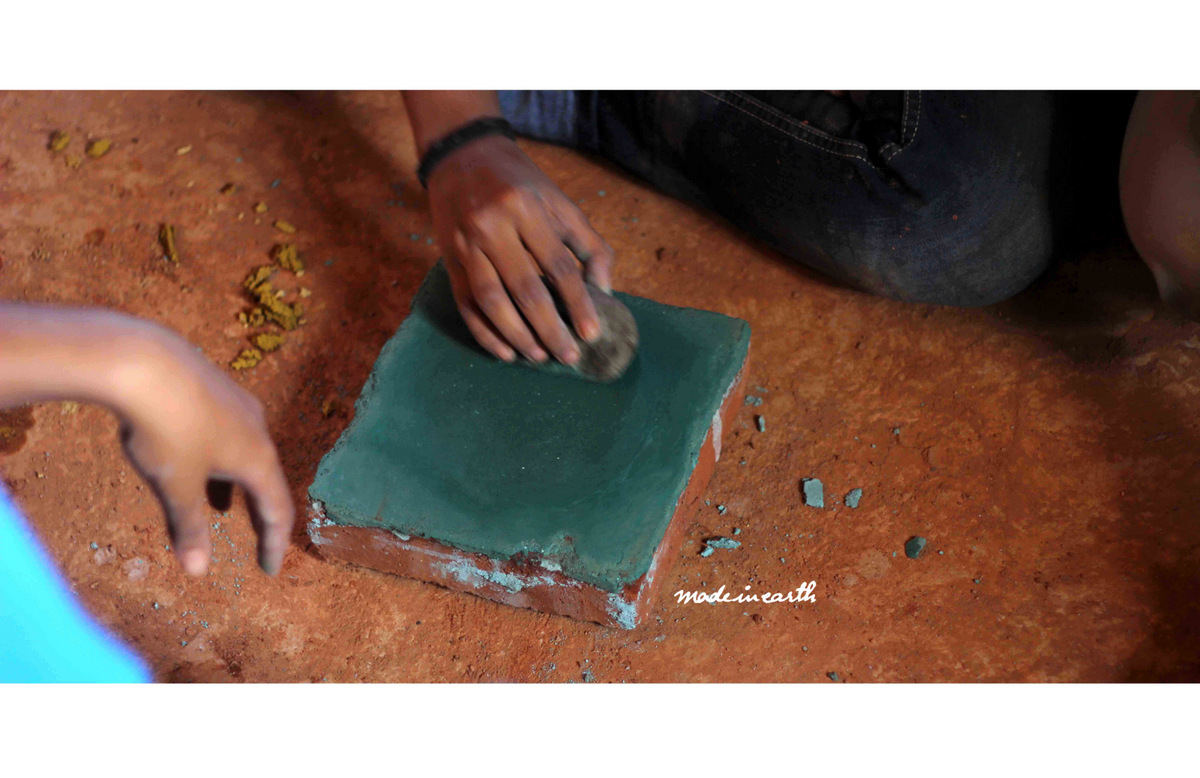
It took time, a lot of time, for the surface to evolve, and to obtain the finish for this technique is all about the time spent making it.
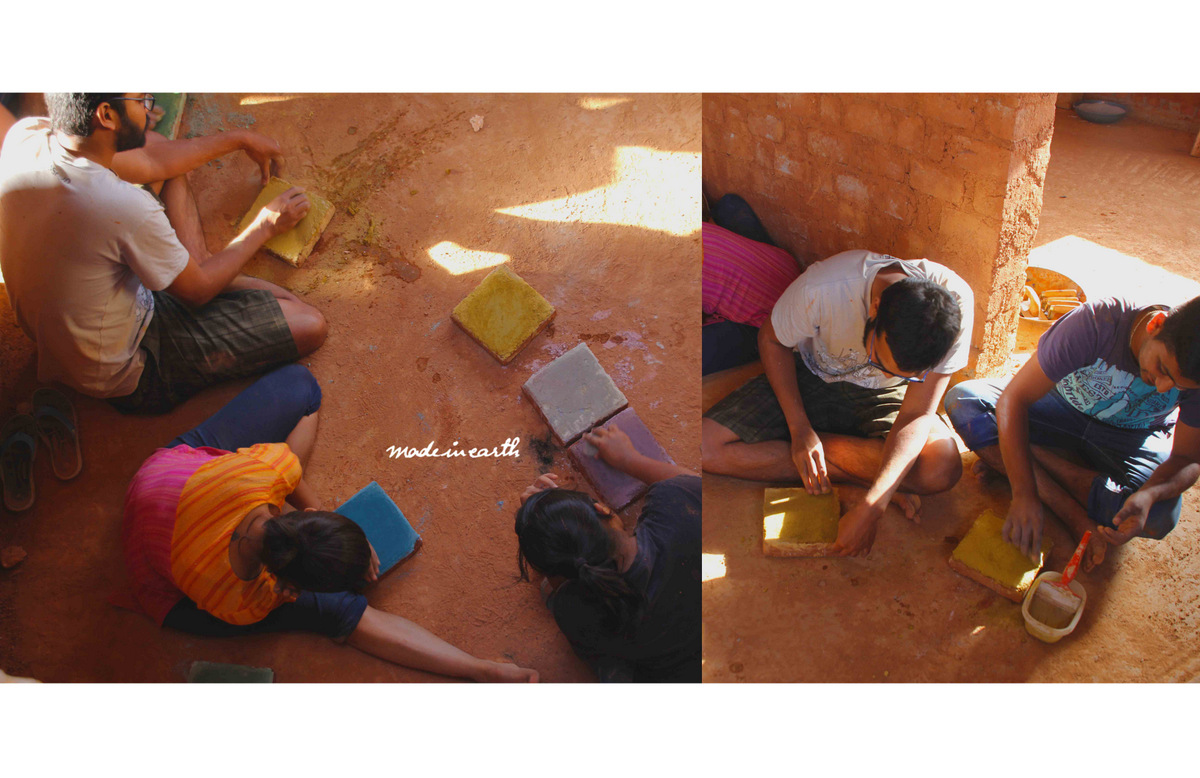
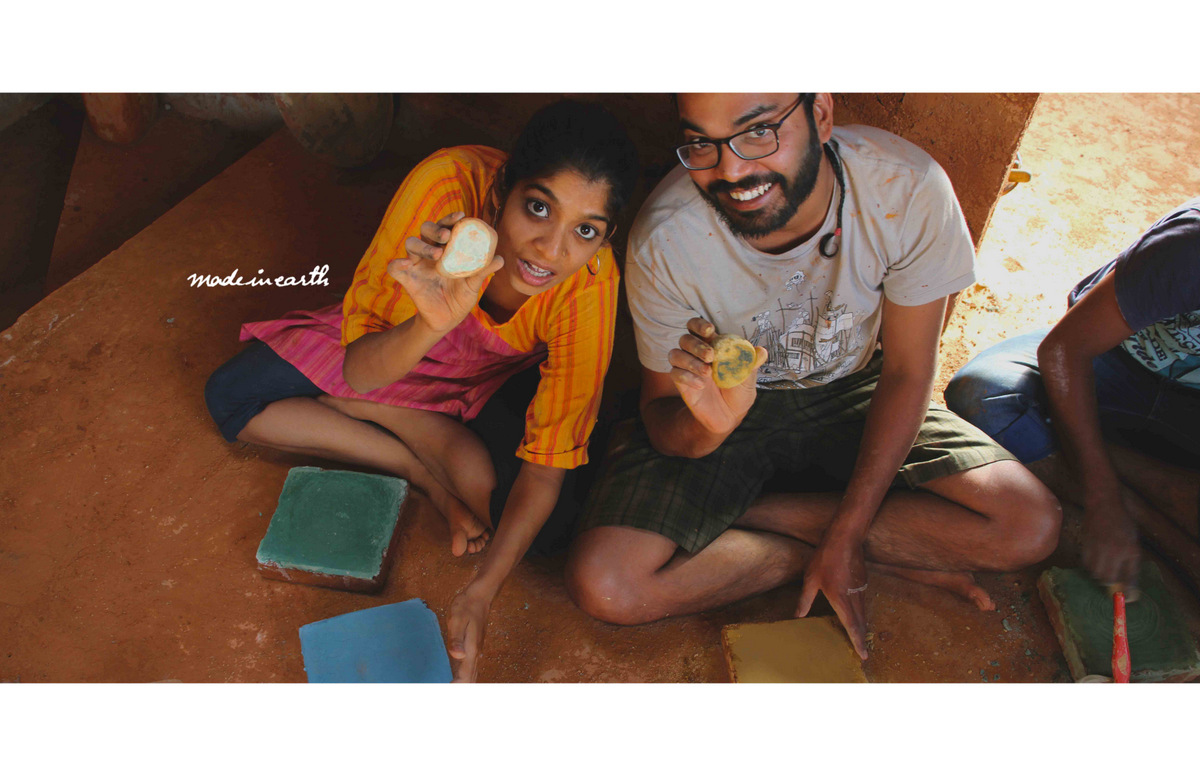
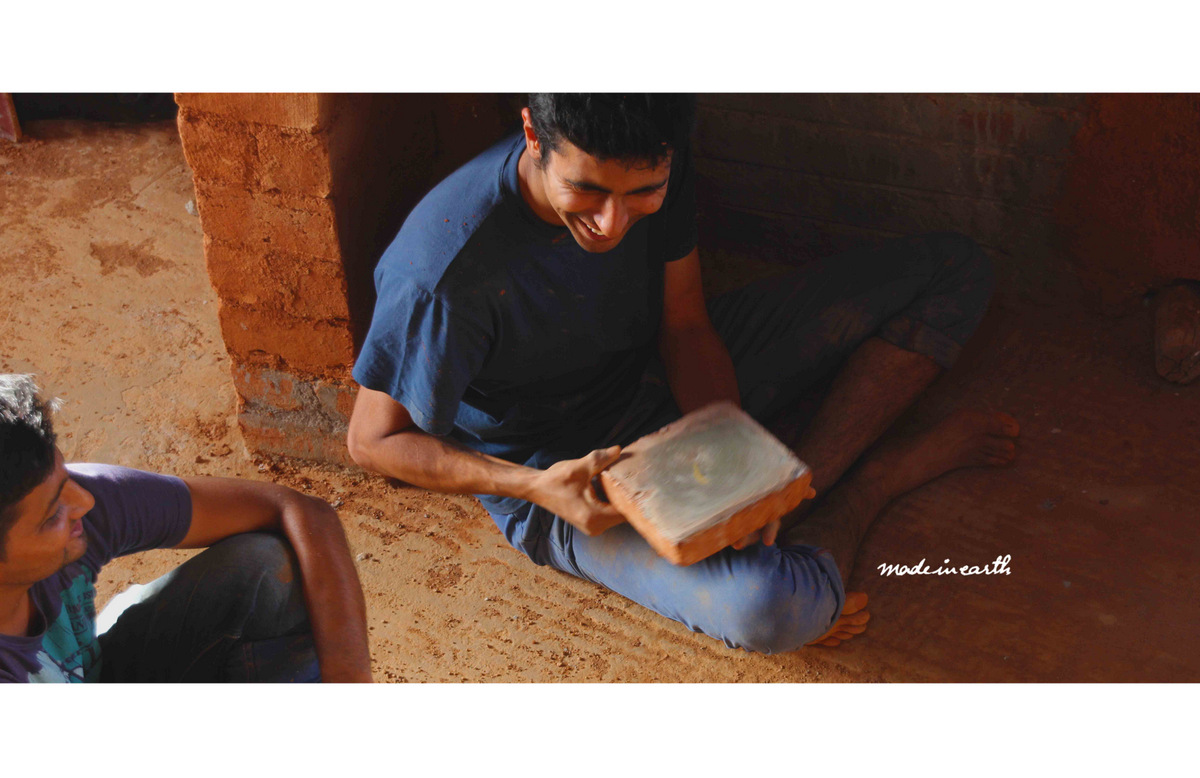
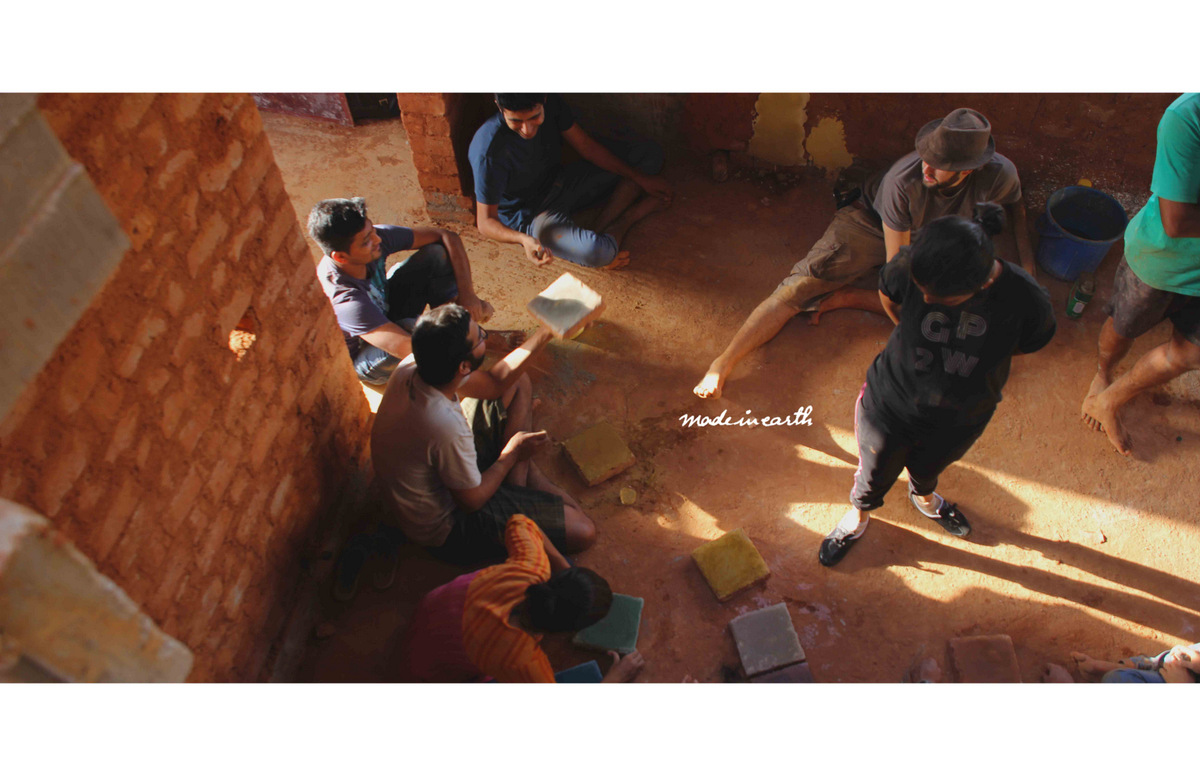
Tadelakt did surprise us. It demanded much more respect, and turned out much more elegant than what we expected. Now I know how and why this moroccan masterpiece had the ability to withstand the sands of time. Being water proof and customisable in different coloured finishes, having the ability to follow all forms of building; still holding the ability to breathe, with a property to gain beauty and strength over time, there is definitely magic here. It takes time to create timeless masterpieces; and if we have enough, Tadelakt surfaces are carefully sculpted artwork with a soul.
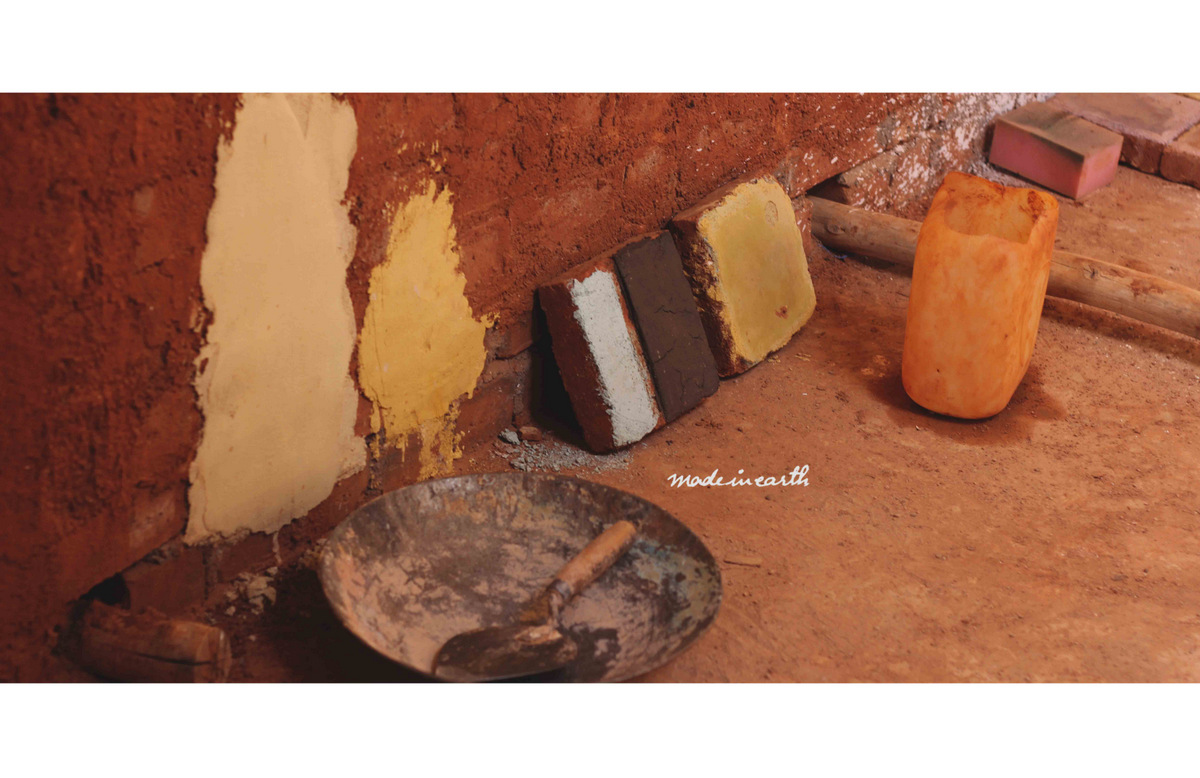
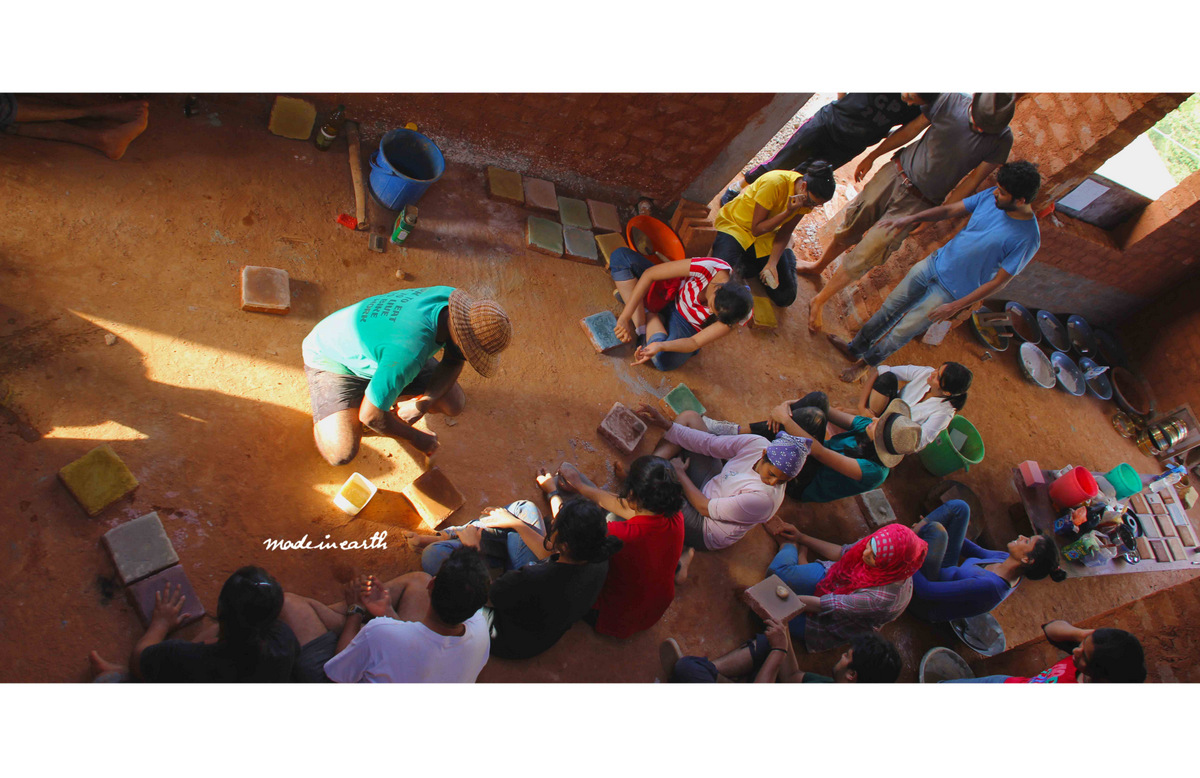
By Santosh PrabhuTadelakt Workshop Participant & Intern at Made In Earth
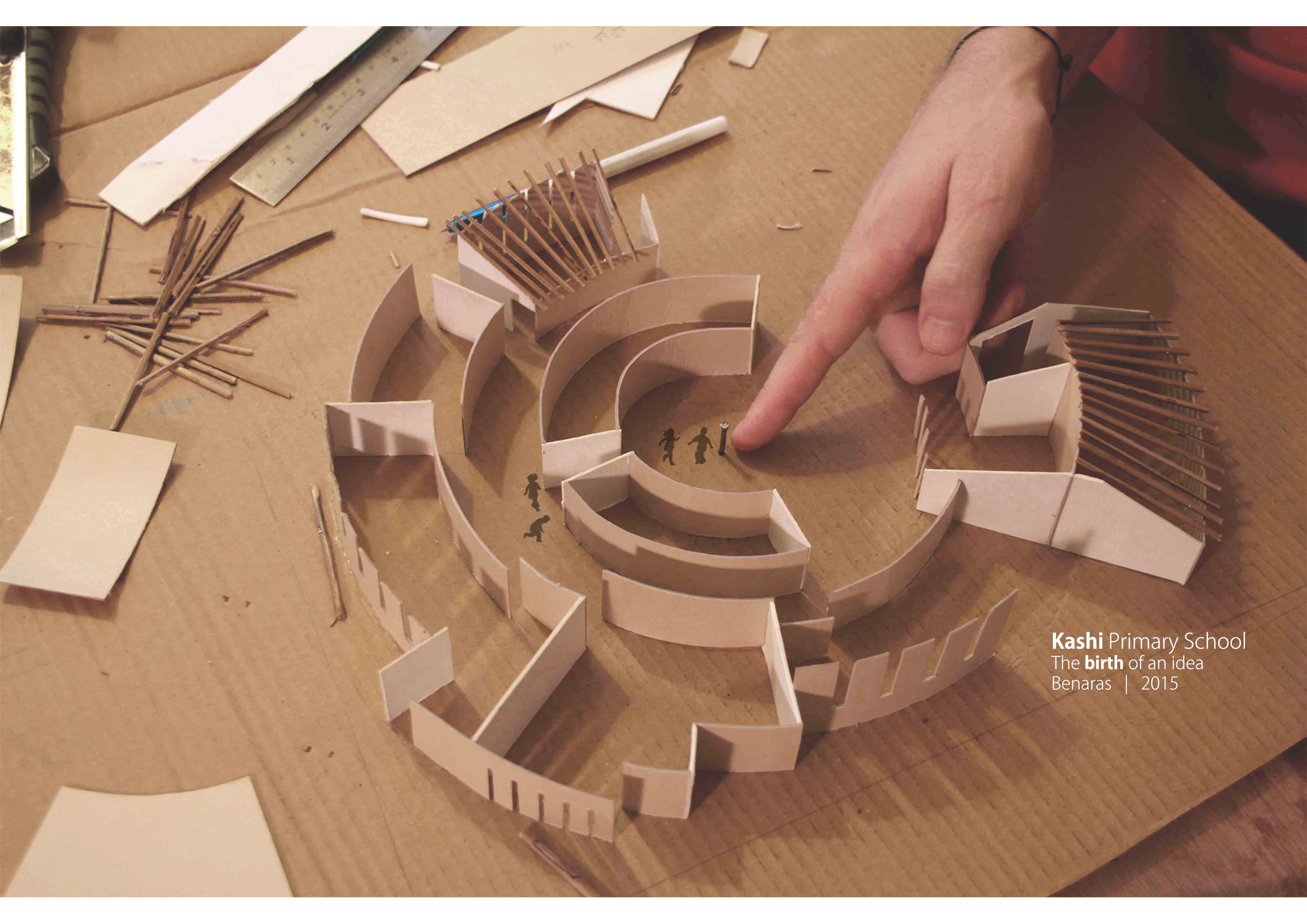
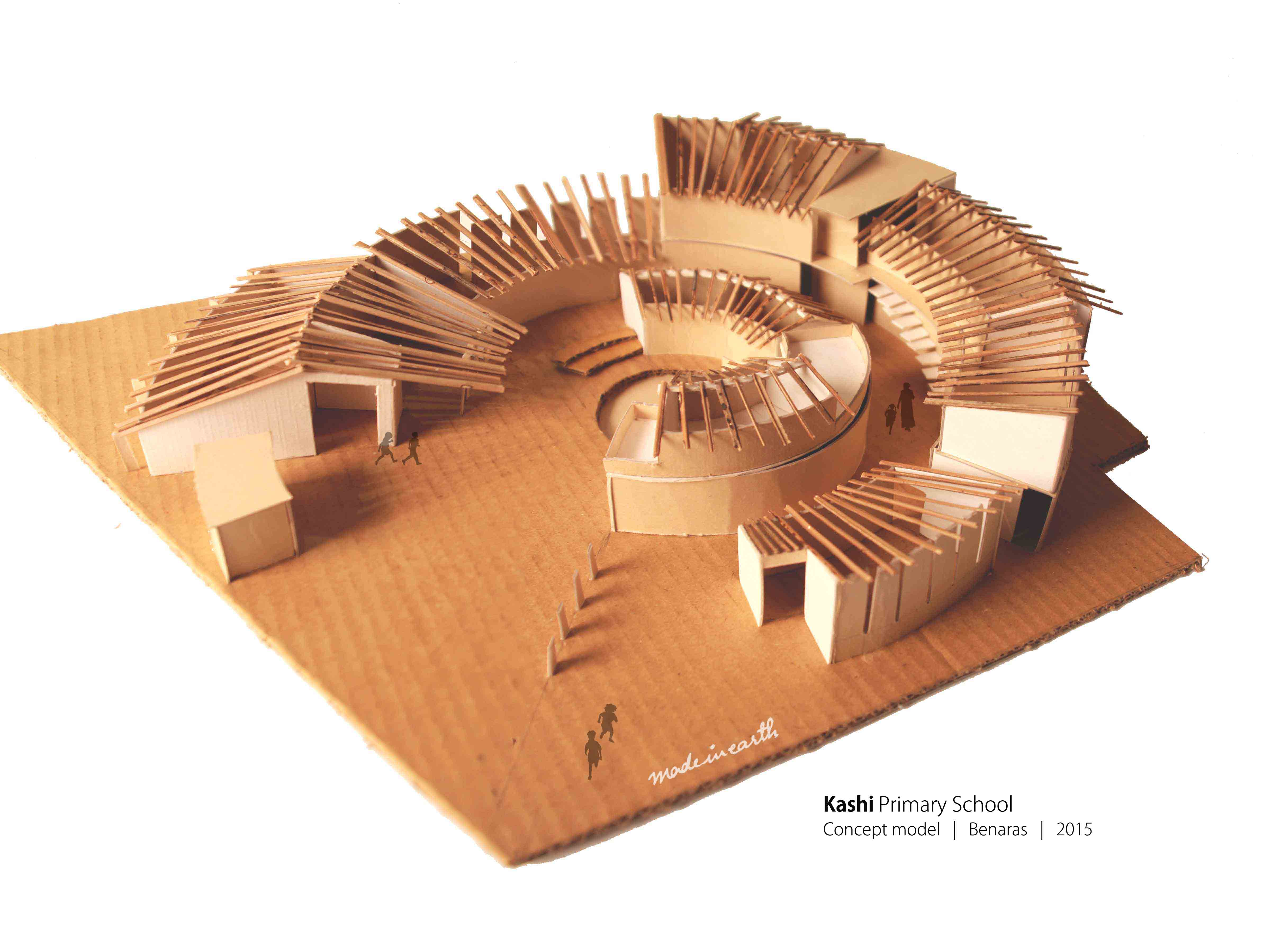
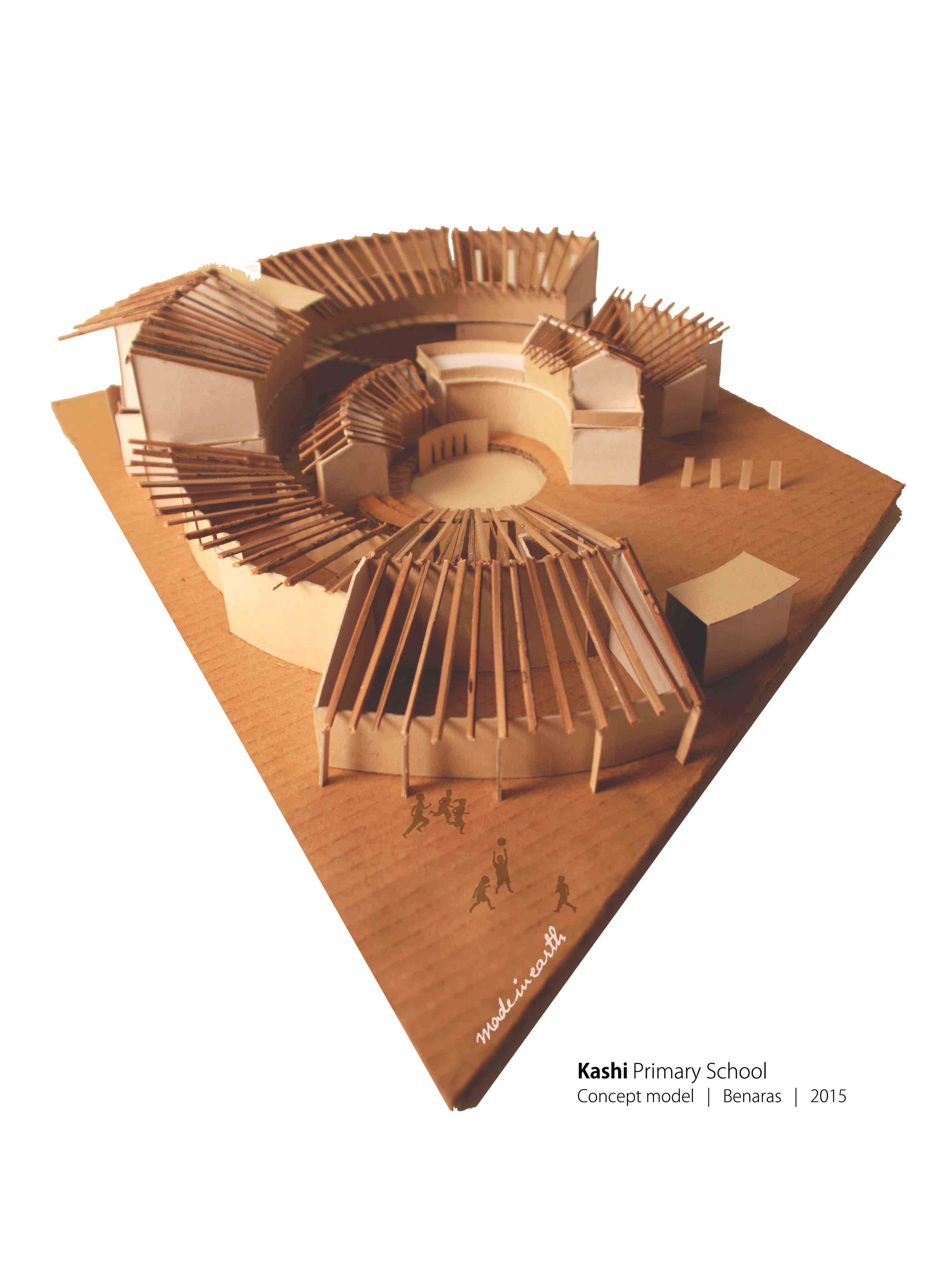
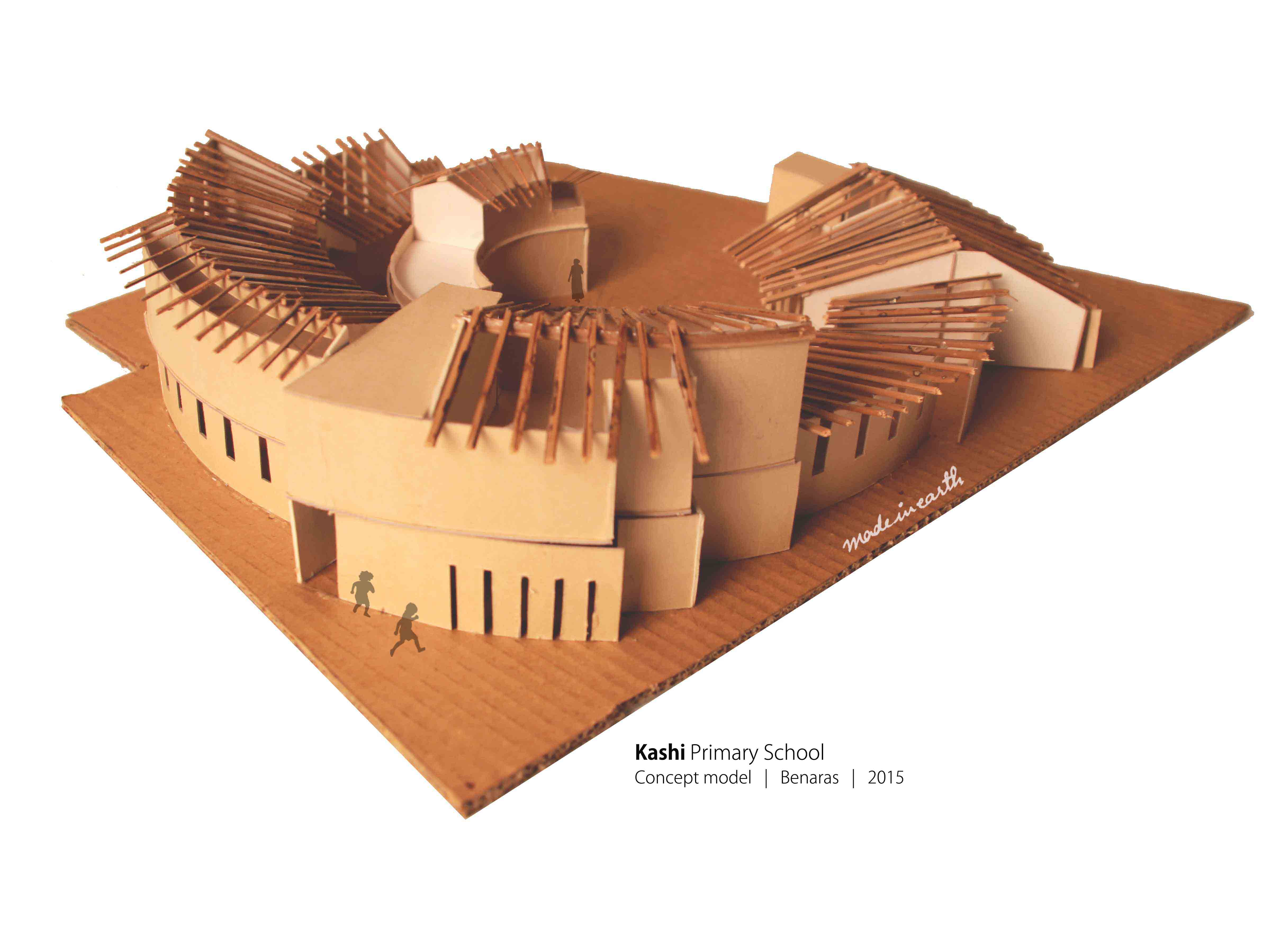
We imagine a school, in Earth
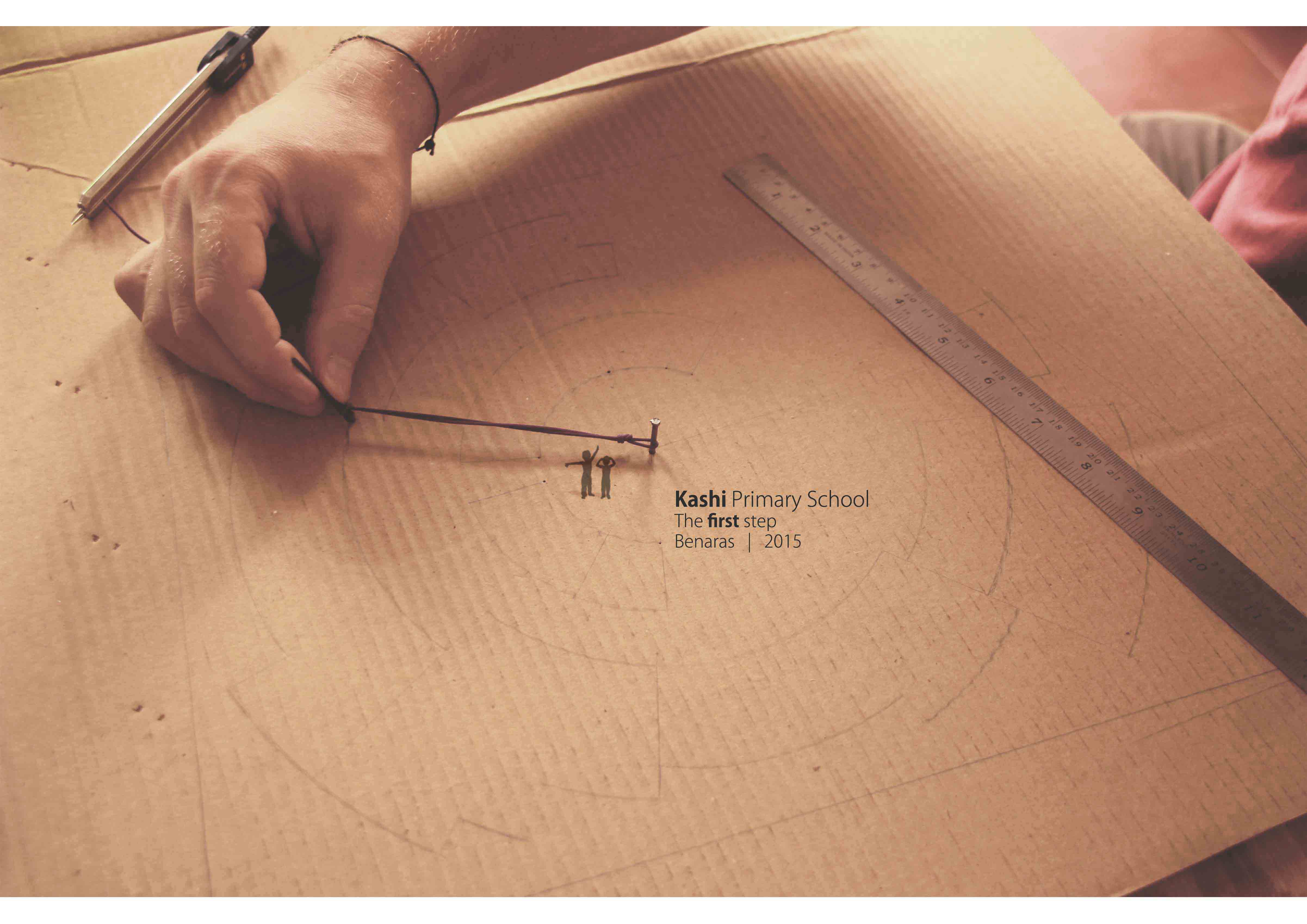
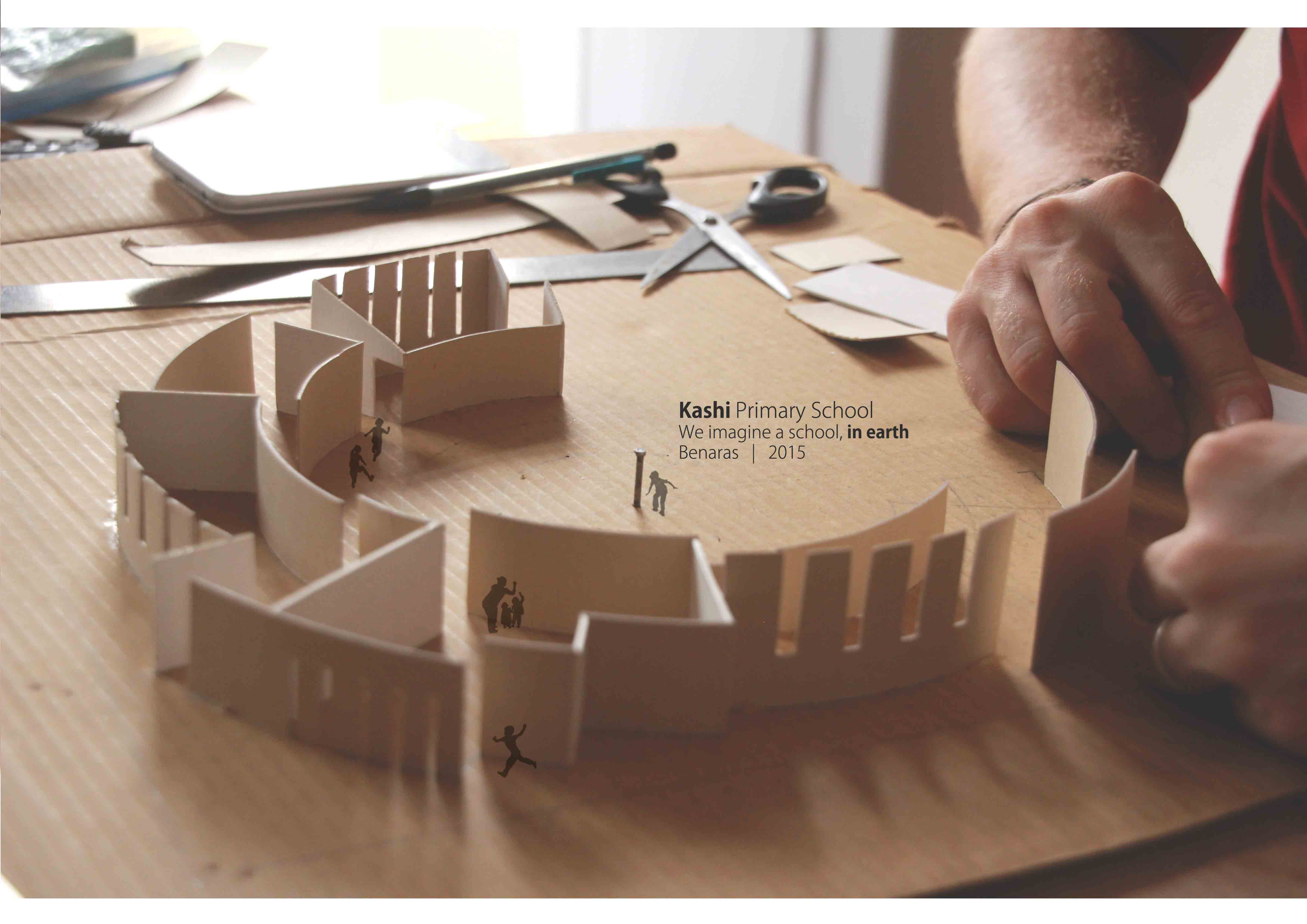
“For us, it goes in circles, move and continue, and move and continue and keep moving.”– This brief from the team at Kashi Education Society came a long way in shaping our design process.
We imagine children running, walking along walls, a casual finger trailing a texture or a motif along a wall, stopping to peep through a little window unto the green fields, escaping into a class and resurfacing somewhere else, oblivious to the building around them.
The Earth Kitchen
Hungry morning.
Cooking was yet to happen.
Ingredients were ready.
Were just waiting for all the cooks to arrive.
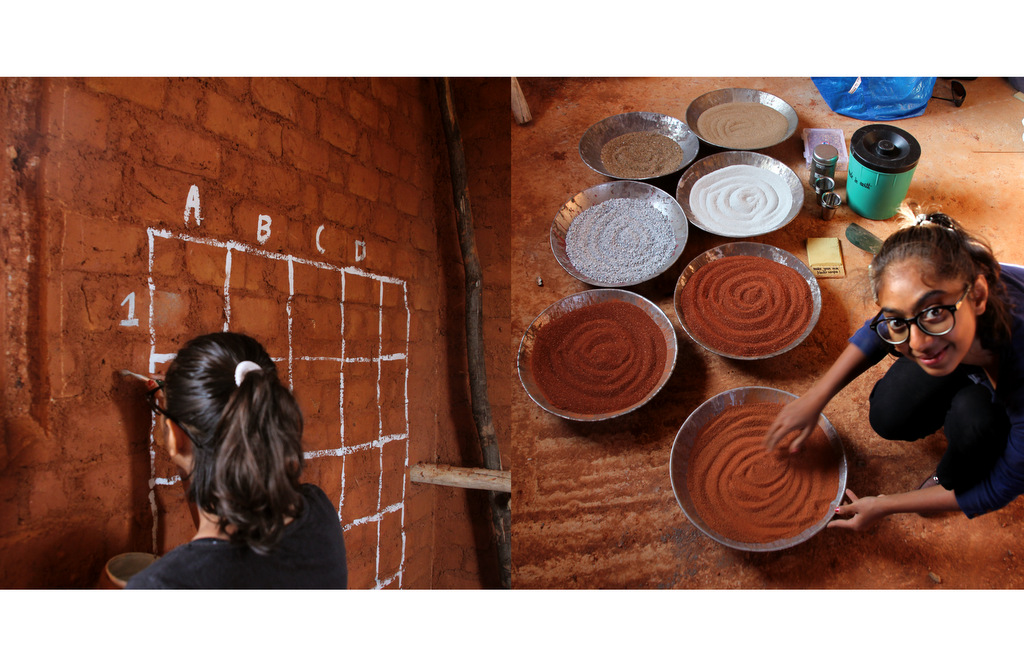
It was a hungry morning.
And it was no regular food fest; for one cook to cook for all.
It was something more special;
more unique and intimate, where everyone cooks;
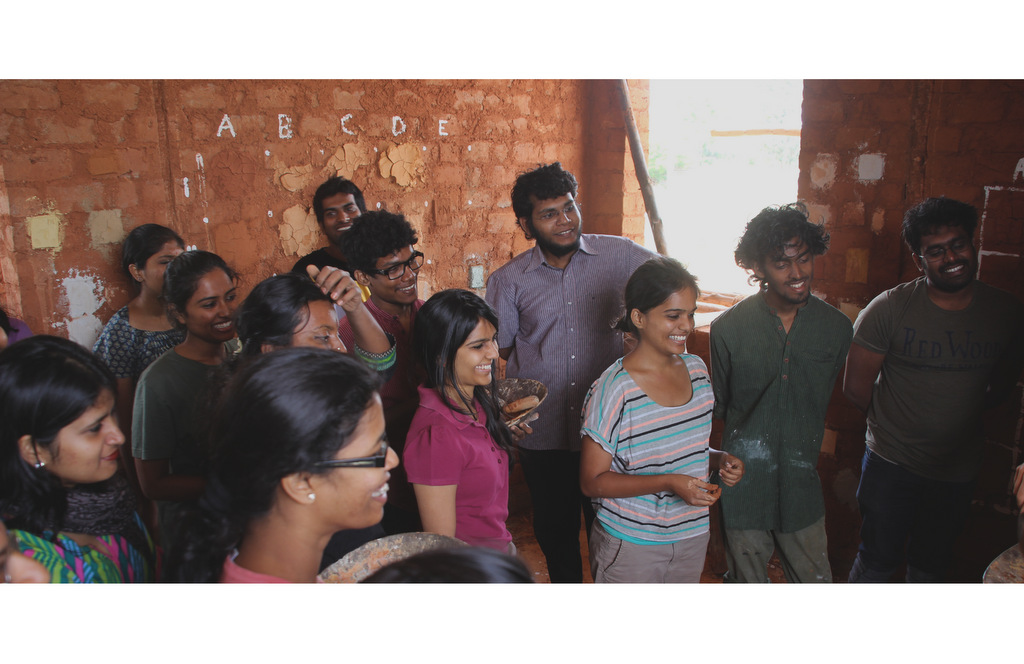
Here we were all cooks;
trying to get the ingredients right,
for one perfect food for everyone;
with little secret spice, for individual’s taste.
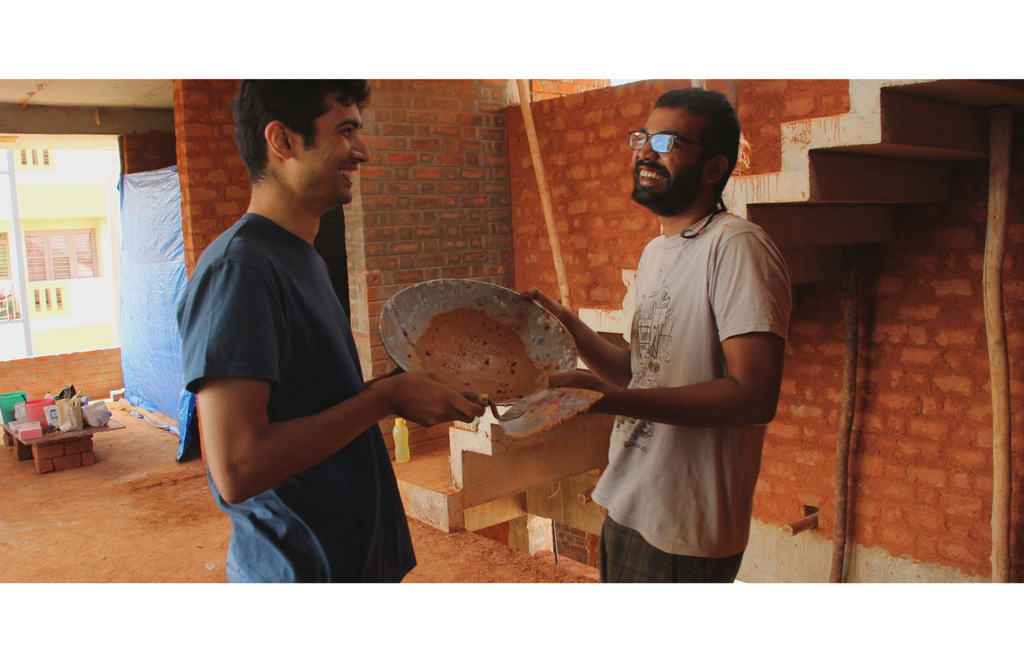
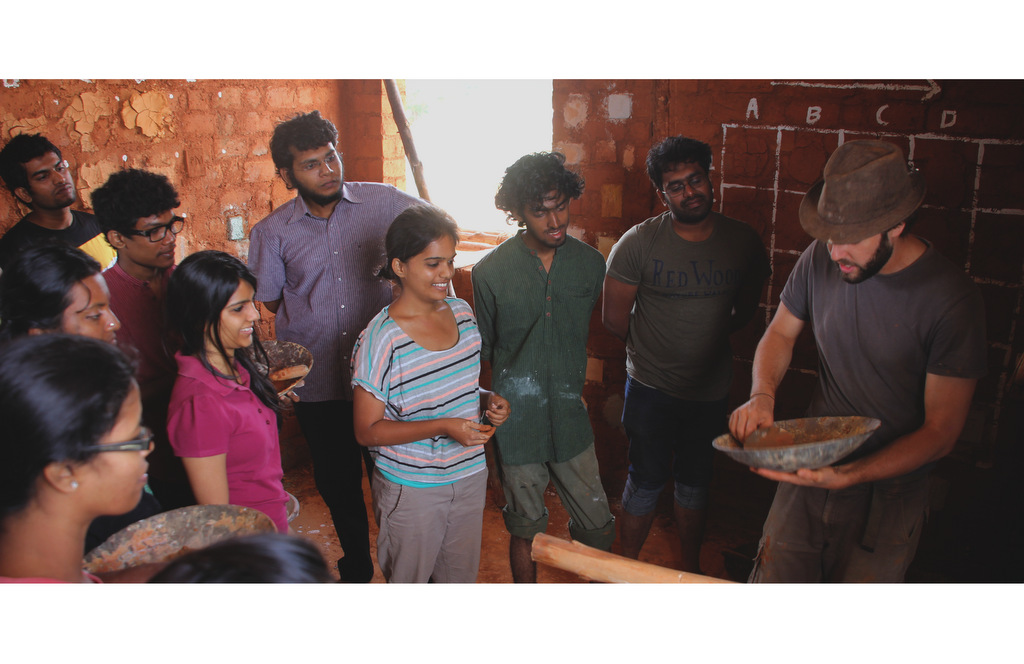
Everyone gathered at the kitchen.
The kitchen smelt different,
The smell made us more hungry; Hungry to cook
For it was no regular kitchen.
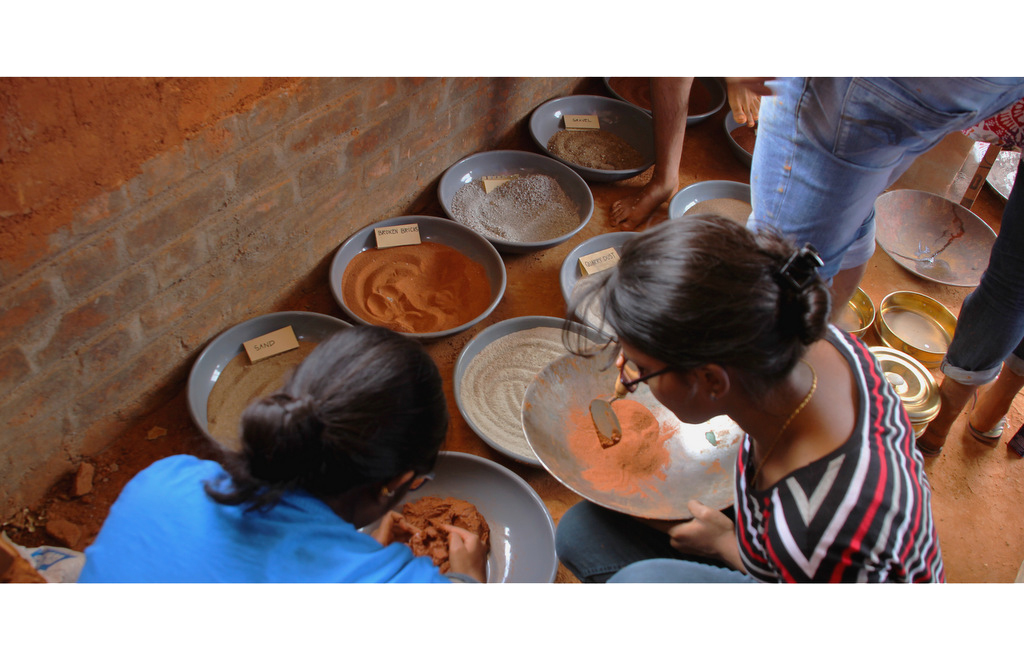
We had two master-chefs; And one master-ingredient;
We were all new to cooking; to this type of cooking;
Major ingredient was so much familiar;
Easy to play with; Easy to cook;
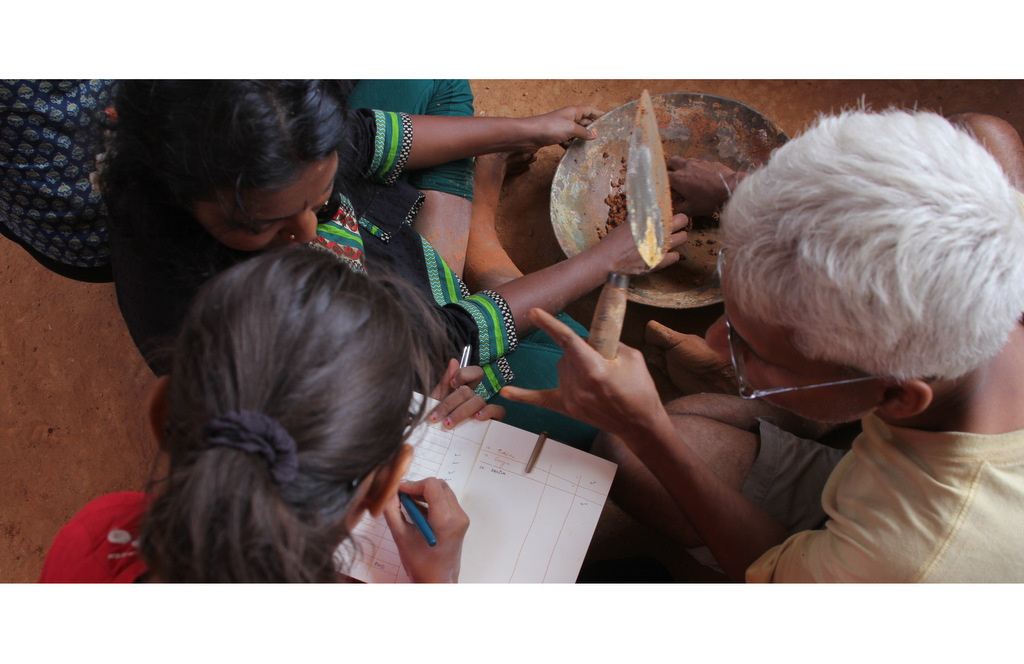
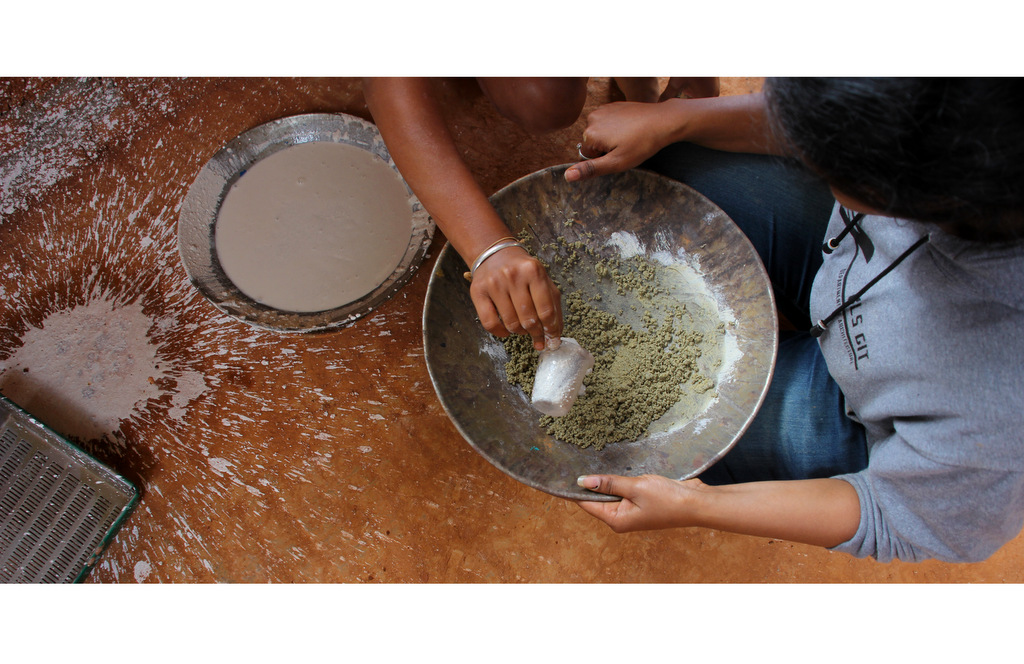
To get it ready, it needed crushing;
And careful watering, And then mixing,
It must feel good in your fingers
For people to appreciate what we cook;
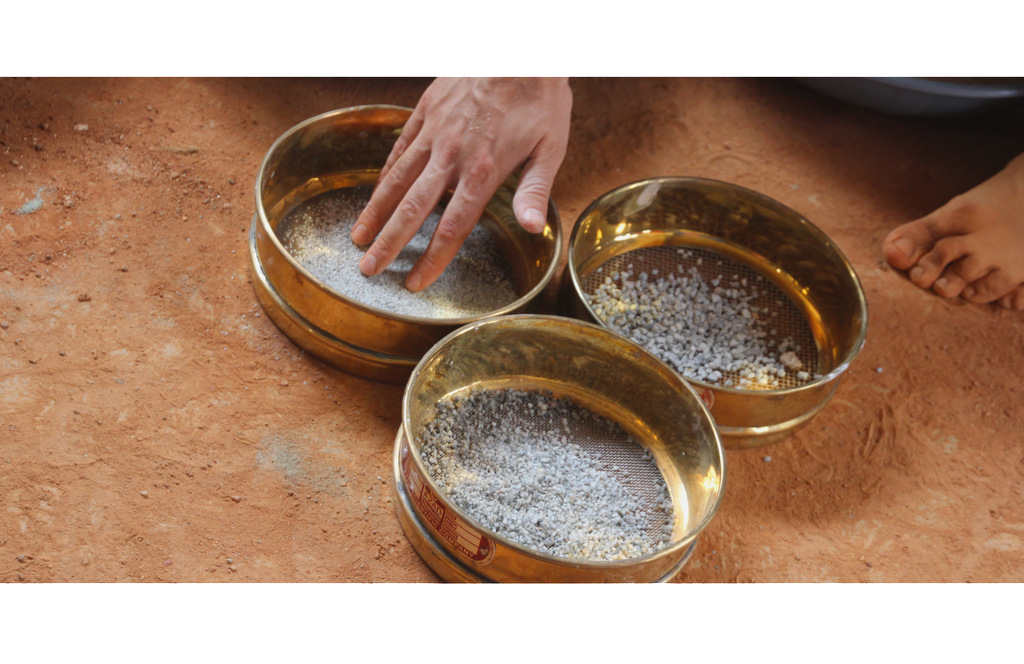
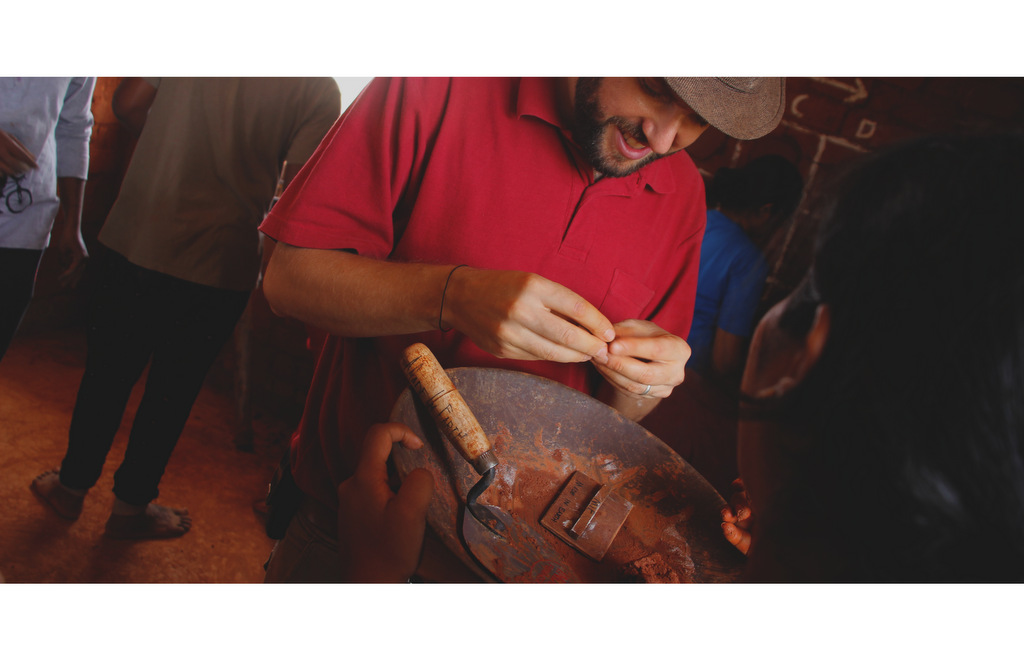
We made a plan; We categorised the ingredients;
For making it easier to experiment;
To Aggregate, Binders, Mass,
Organic reinforcement and added flavours;
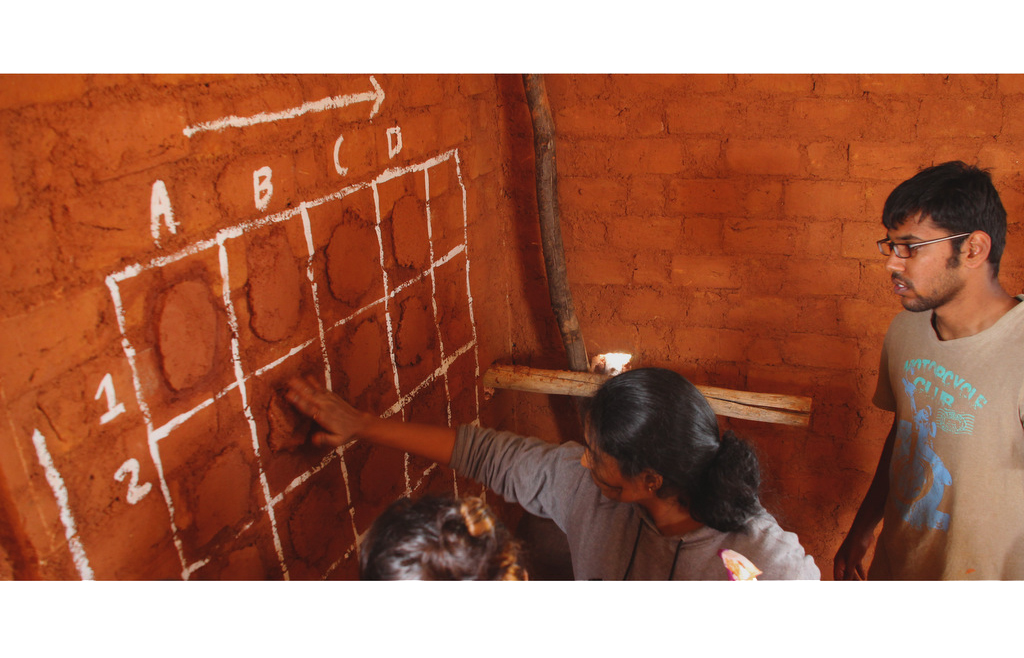
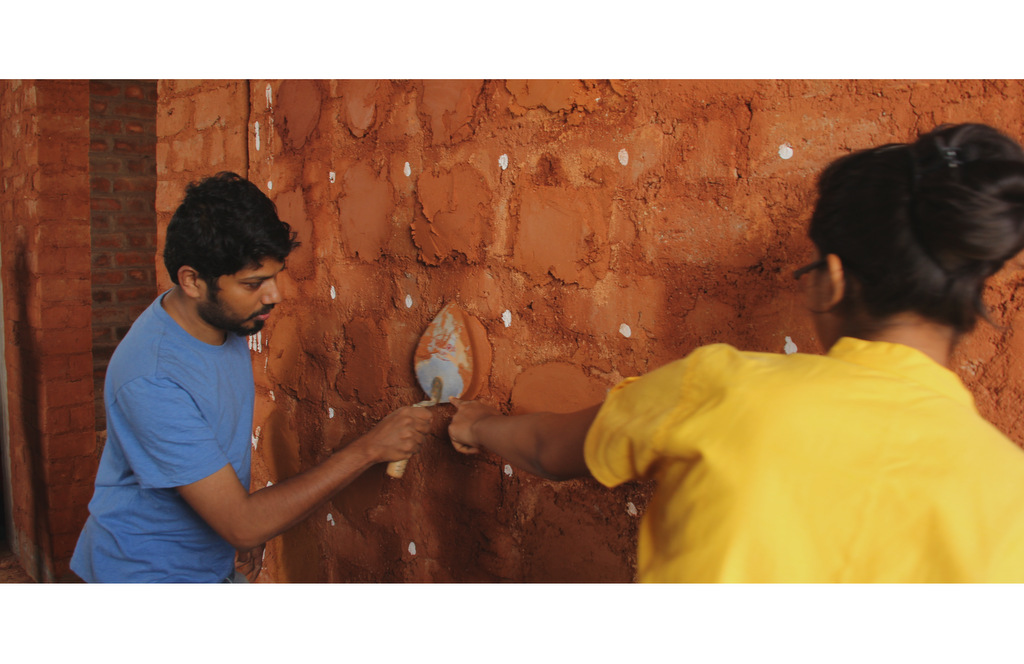
We needed two dishes, to fulfil our hunger;
One main course and one dessert;
we called it base and finishing,
For it was no regular kitchen;
We made a strategy; to get the recipe right;
we drew a grid, kept master-ingredient consistent;
Sprinkled aggregate towards the right;
Added binder down the grid.
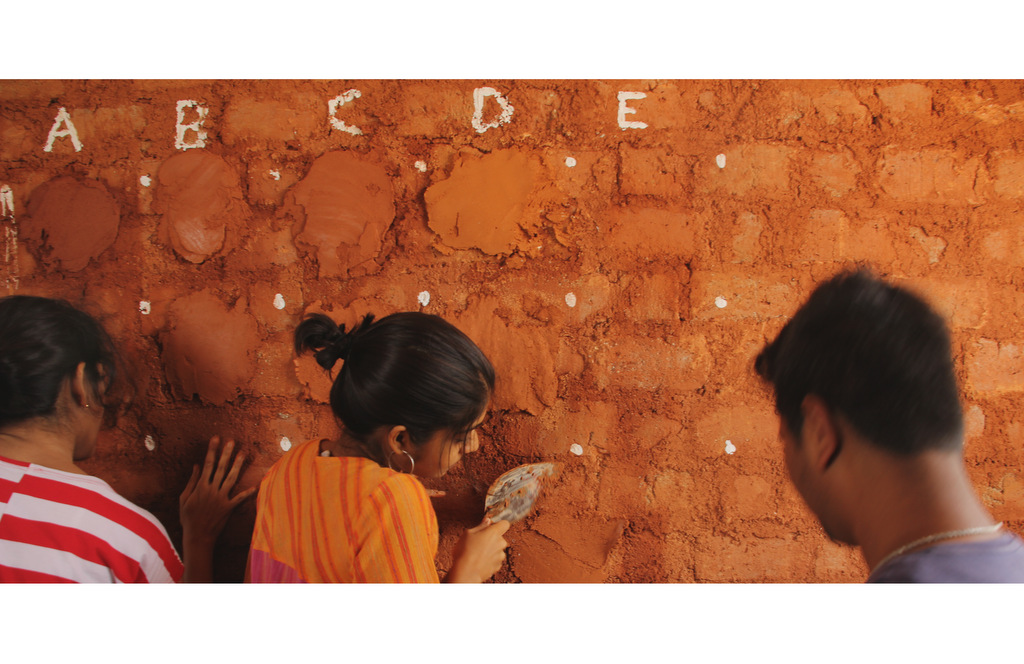
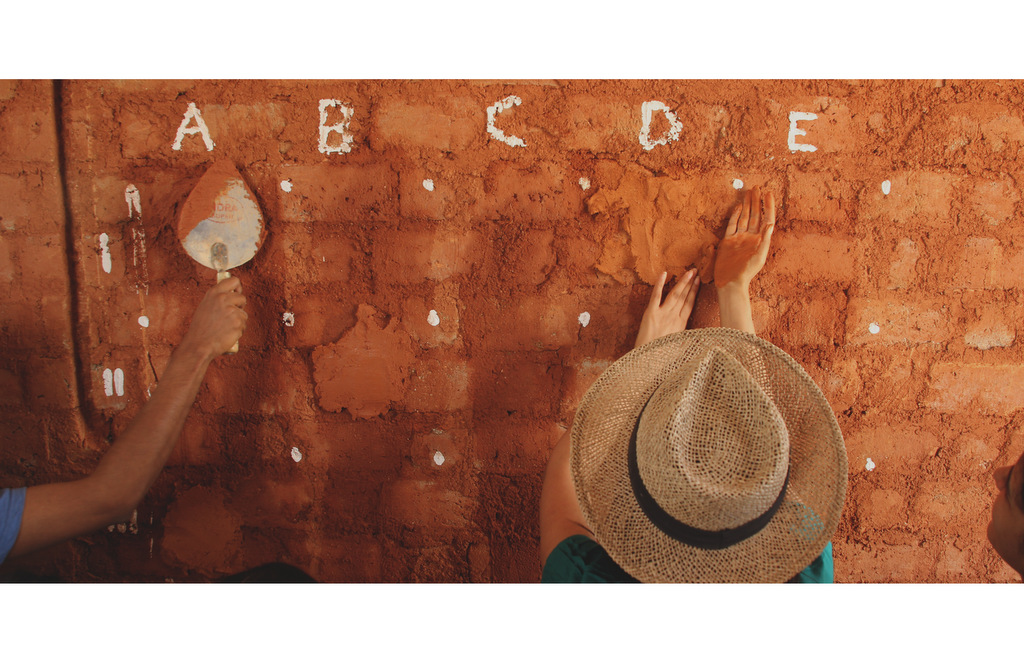
We made experiments; we made recipes;
Added colours and natural flavours
For this food was no regular food;
Like no other food, this food can breath.
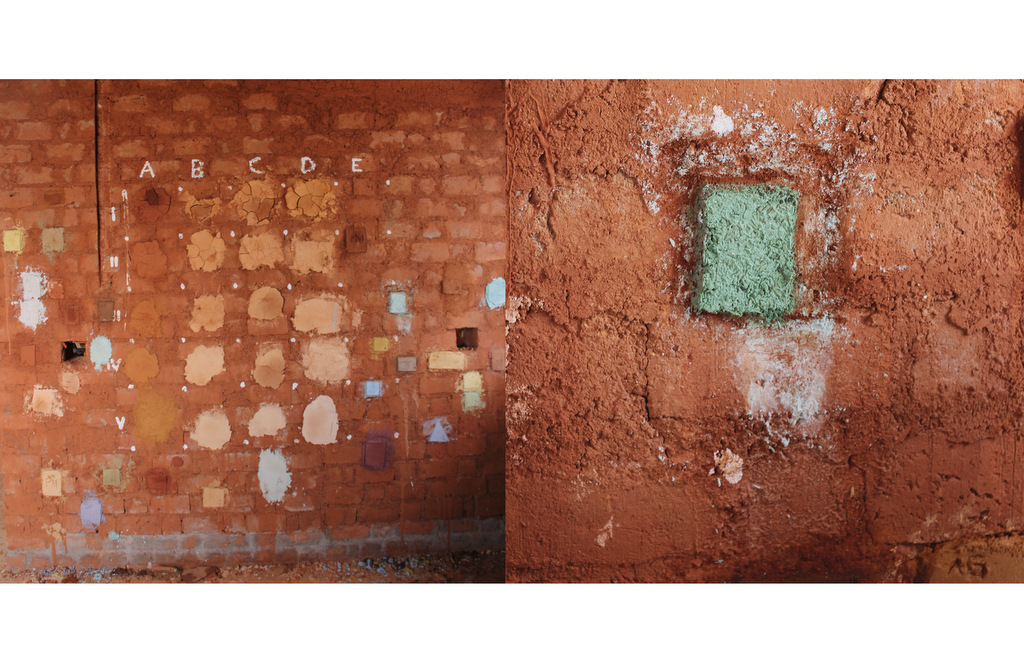
The food can’t crack, nor can it break,
nor can it chip off, and has load to take;
We tested its strength, hanging a bottle or two
For it was no regular food.
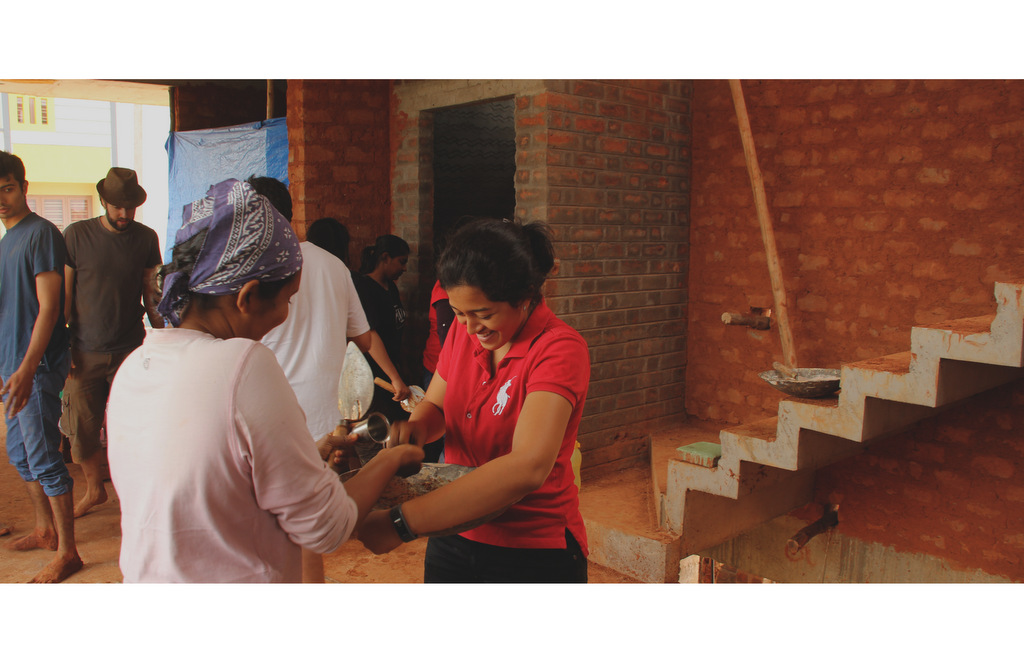
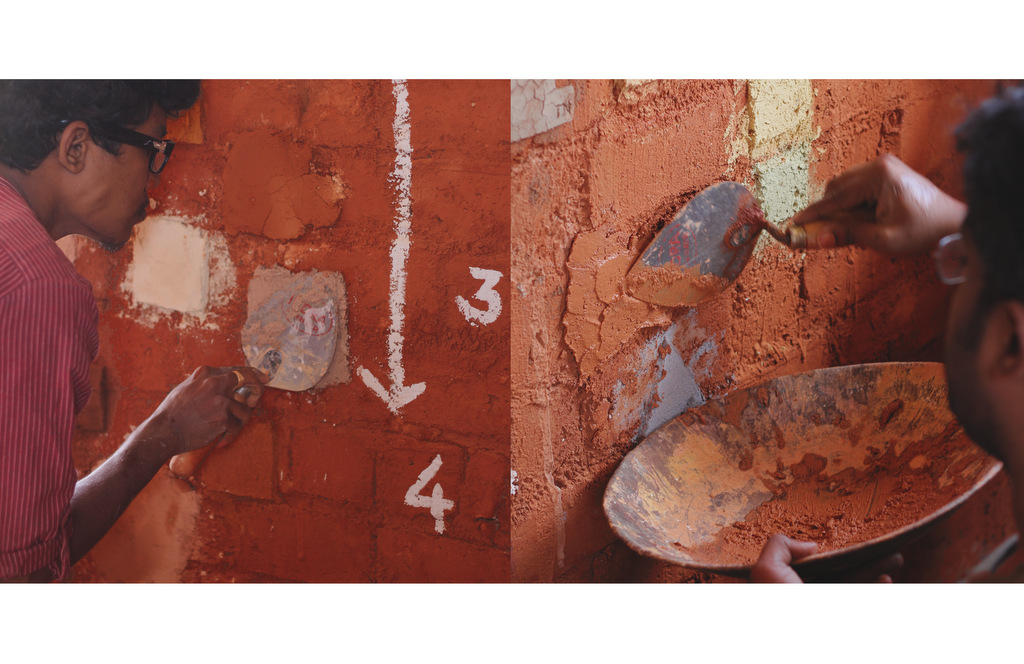
We made the mix, we got the food
for each one, their own recipe;
We cared its cracks and loved it a lot,
For it was a food for hunger and not to eat;
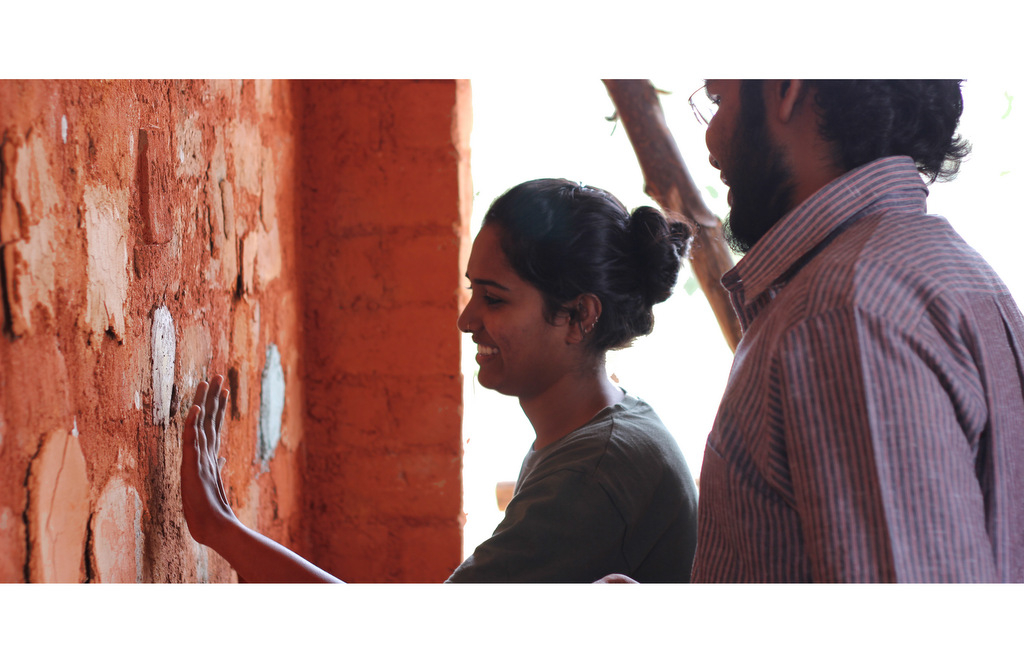
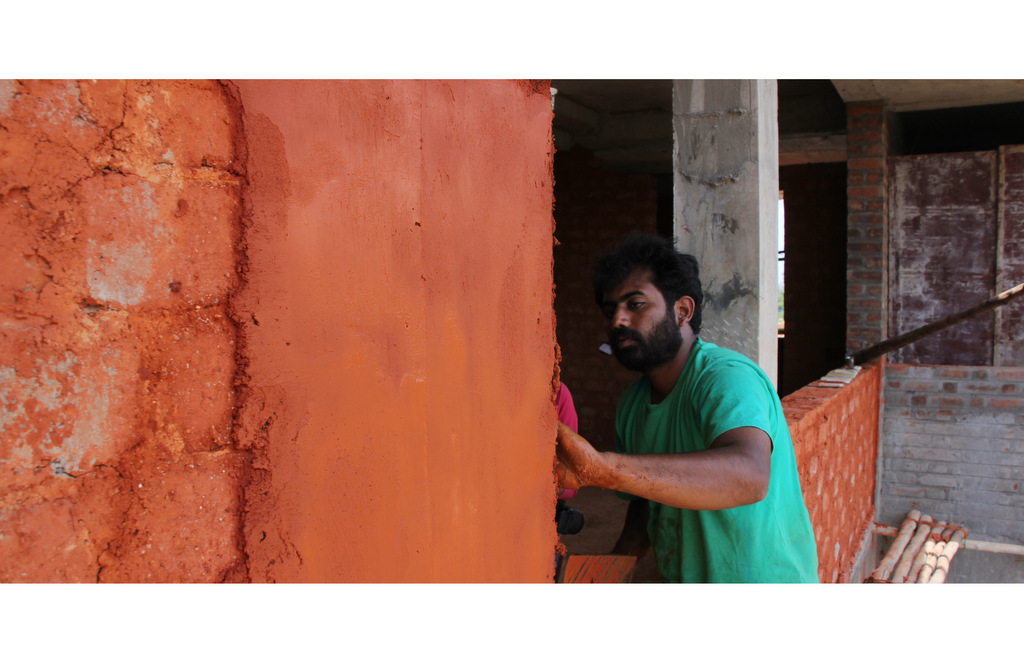
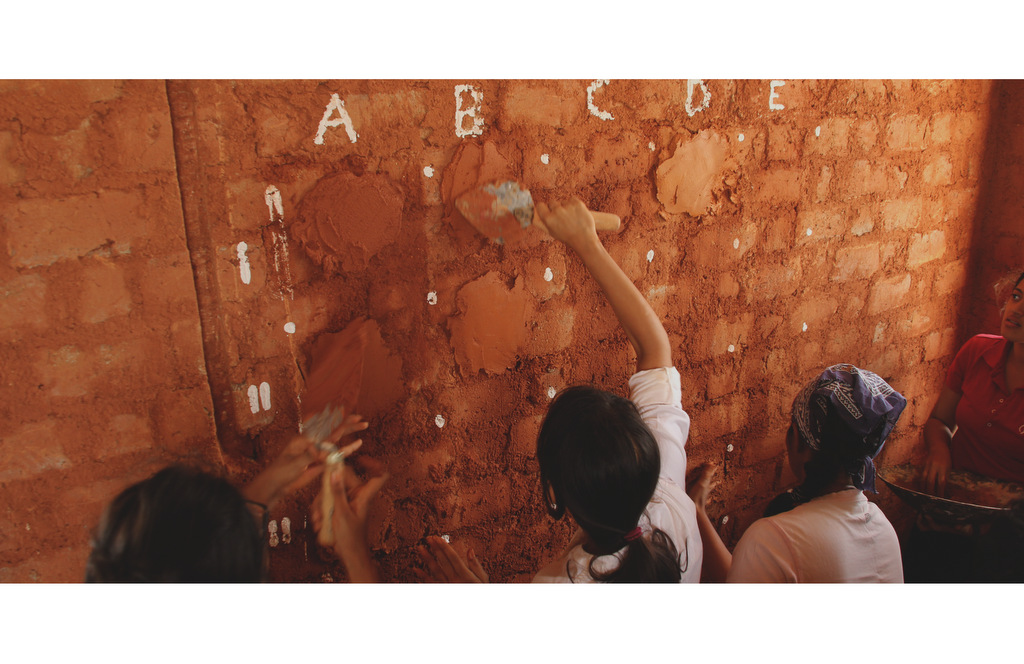
It was no regular kitchen,
And we called it the Earth kitchen;
It was no regular food,
We call it Natural plaster;
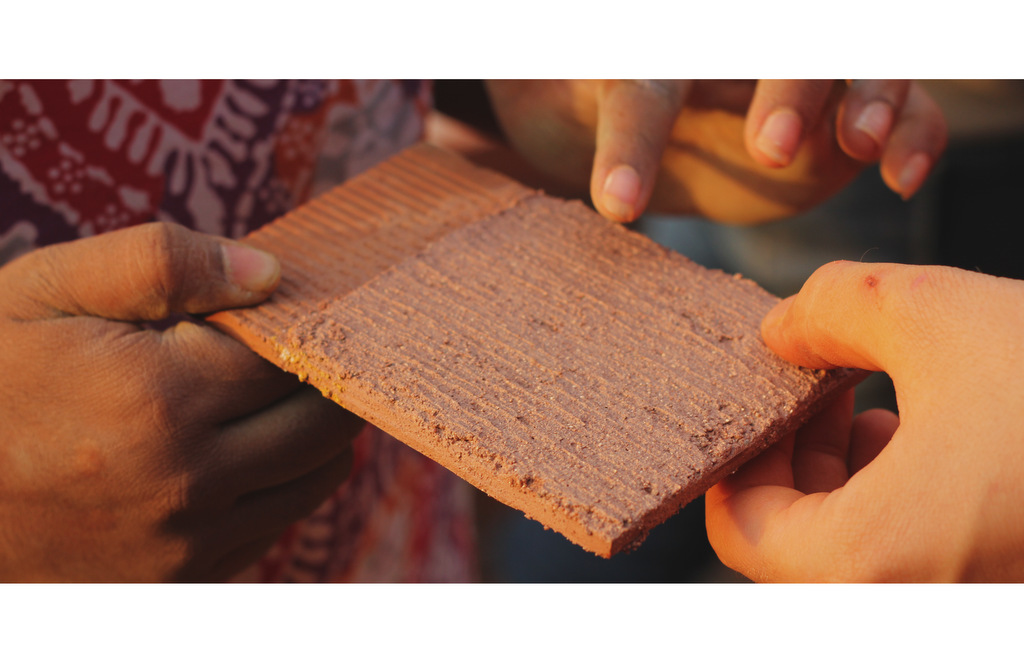
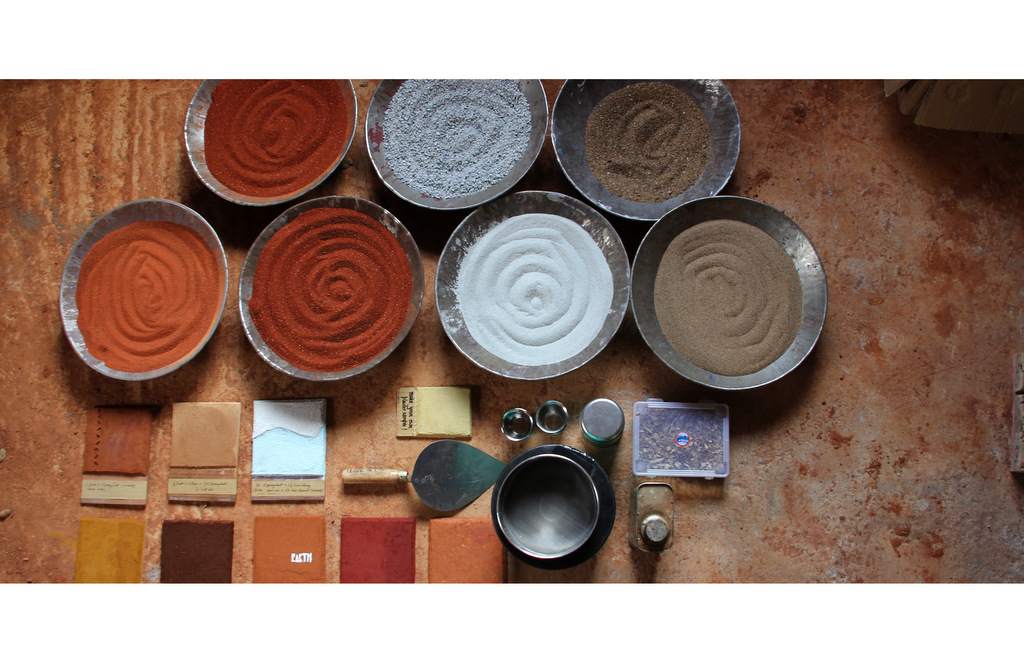
by Santosh Prabhu,
Team Made In Earth
From a series of workshops on natural plaster held at Bangalore in July 2015
Stars in mud mortar
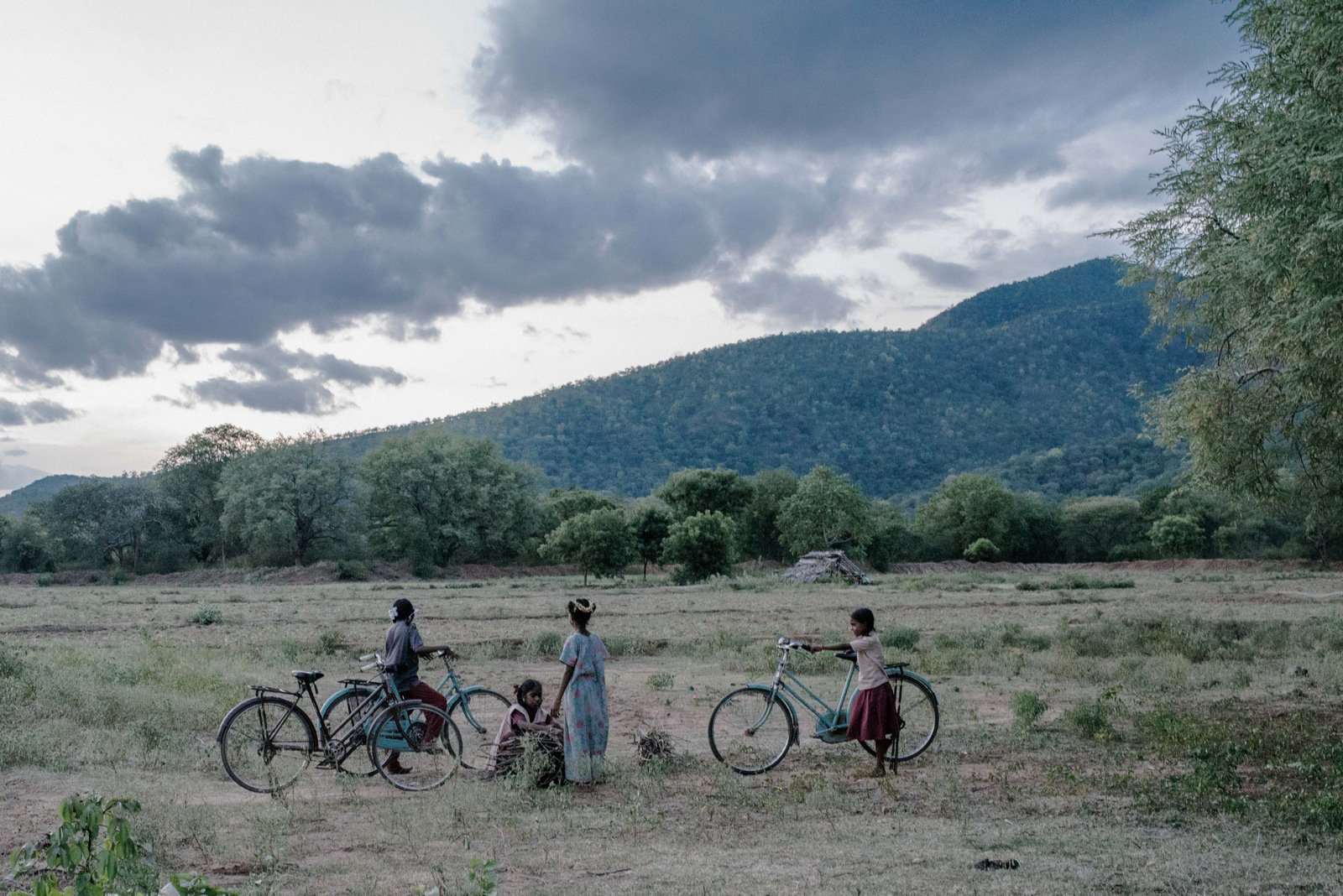
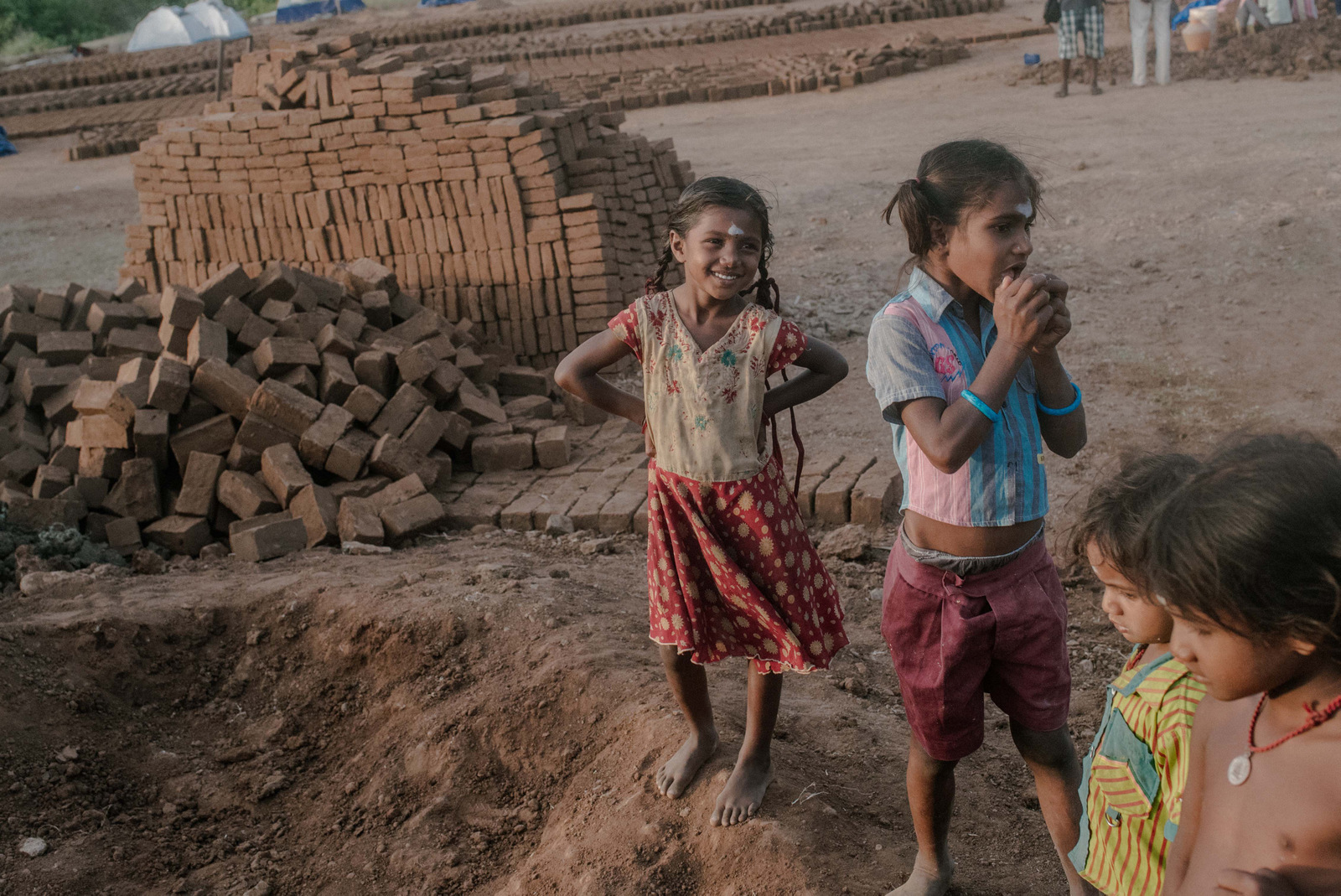
Then came Kali, he gave me a hundred kisses on my cheek, I hugged him and did not let him go. He was excited. He was one of those to whom the school belonged.
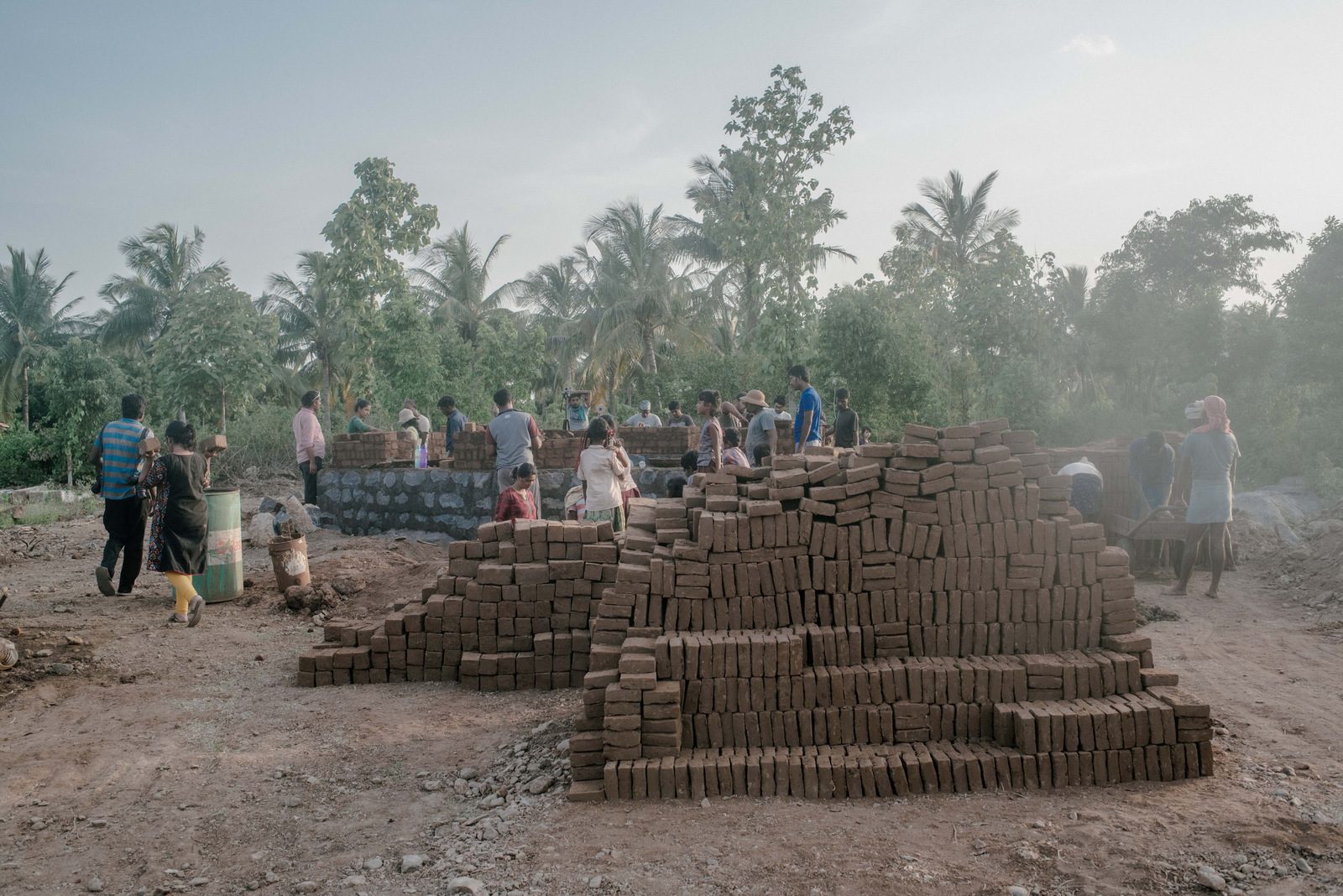
I had been waiting on the rope bed for one of my friends to ask for a brick or some mortar. We were constructing a Nubian vault, over the toilets. The arch, to be extruded, was beautiful. We were constructing portions of the much awaited Cuckoo Forest school.
I had been waiting on the rope bed for one of my friends to ask for a brick or some mortar. We were constructing a Nubian vault, over the toilets. The arch, to be extruded, was beautiful. We were constructing portions of the much awaited Cuckoo Forest school.
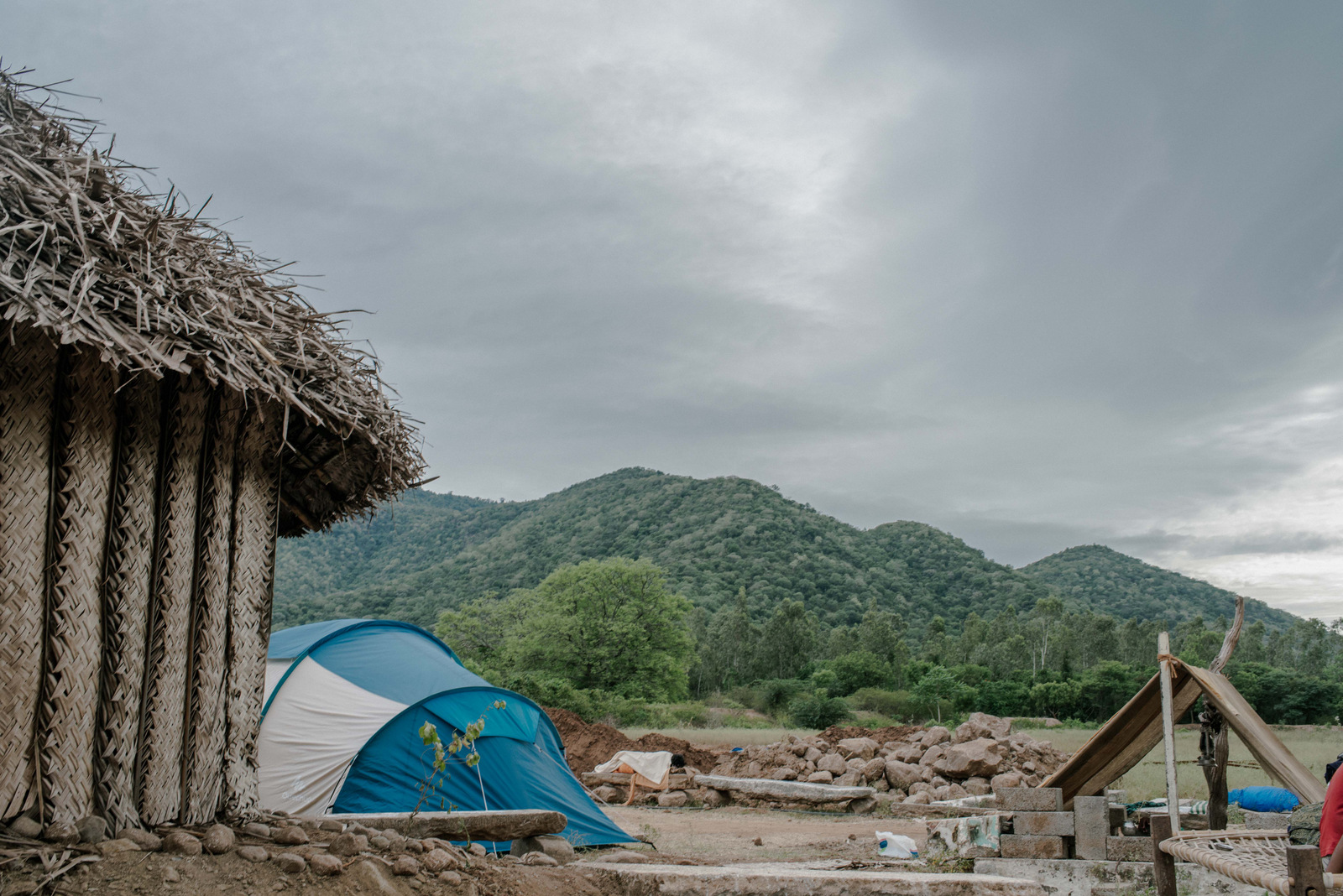
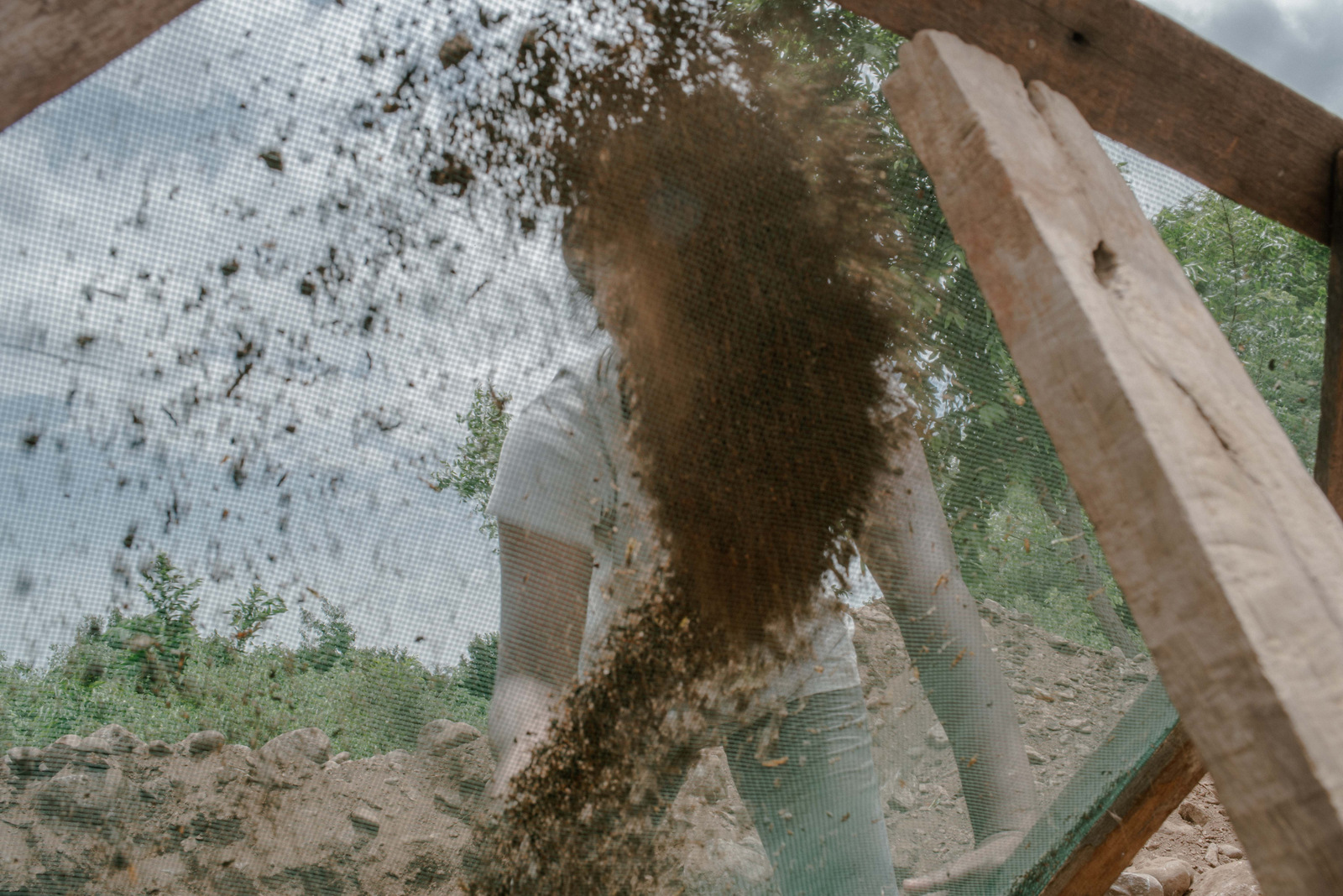
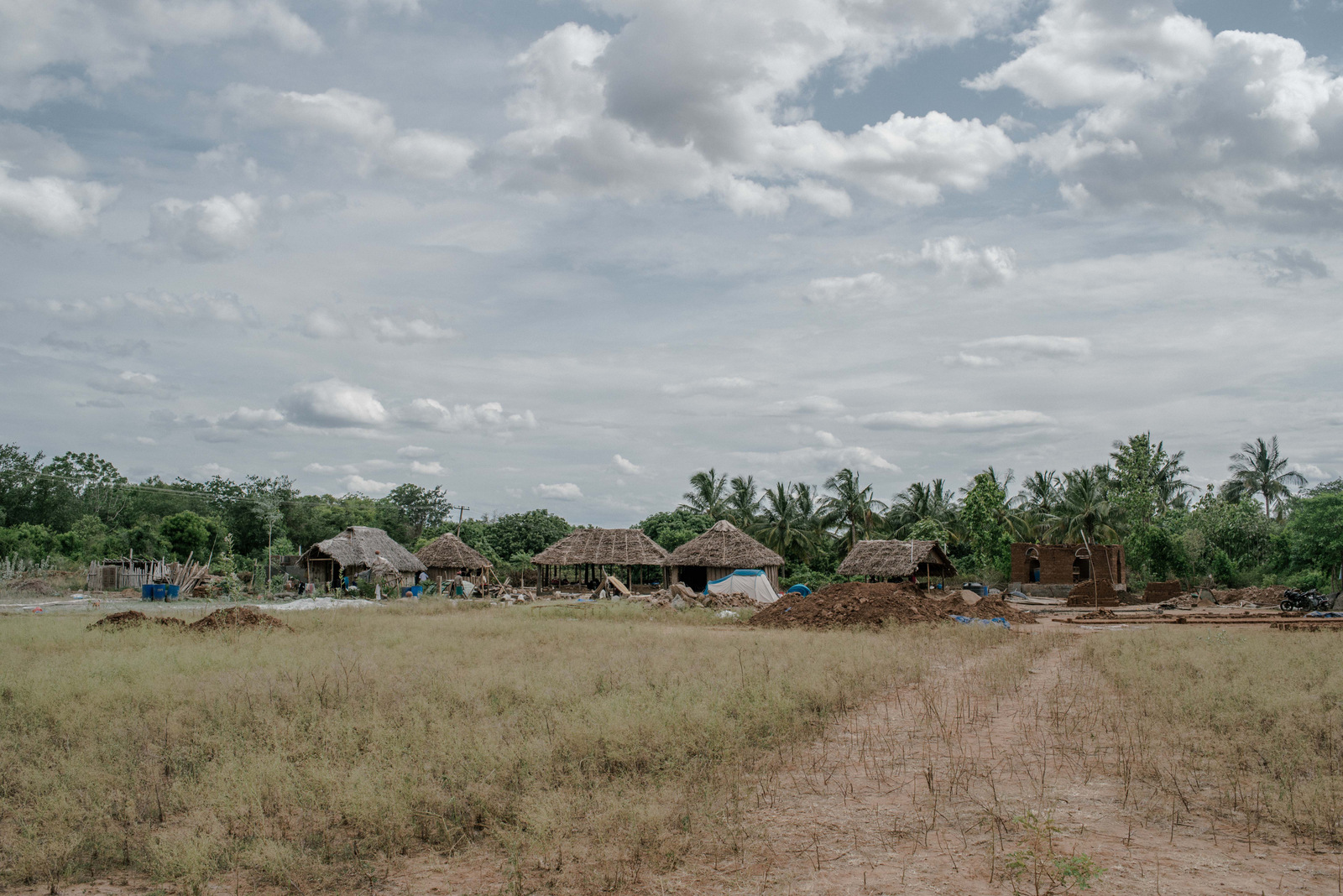
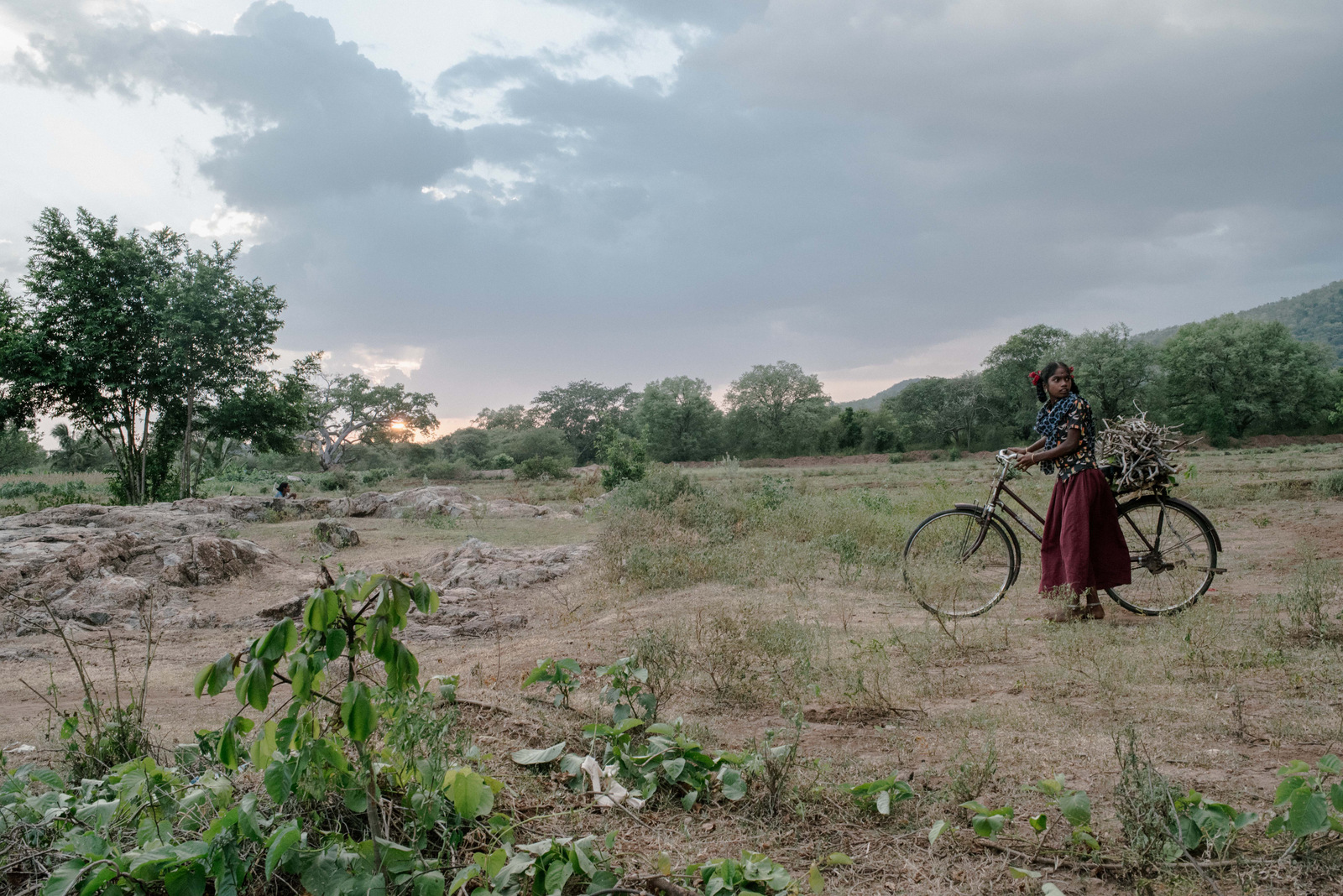
Cuckoo being an NGO, needed help to make this dream come true. And help came, it came from far and wide, from as far as Nagaland and Delhi. The soon to be ‘never forget me’ friends came together to put up the dome form.
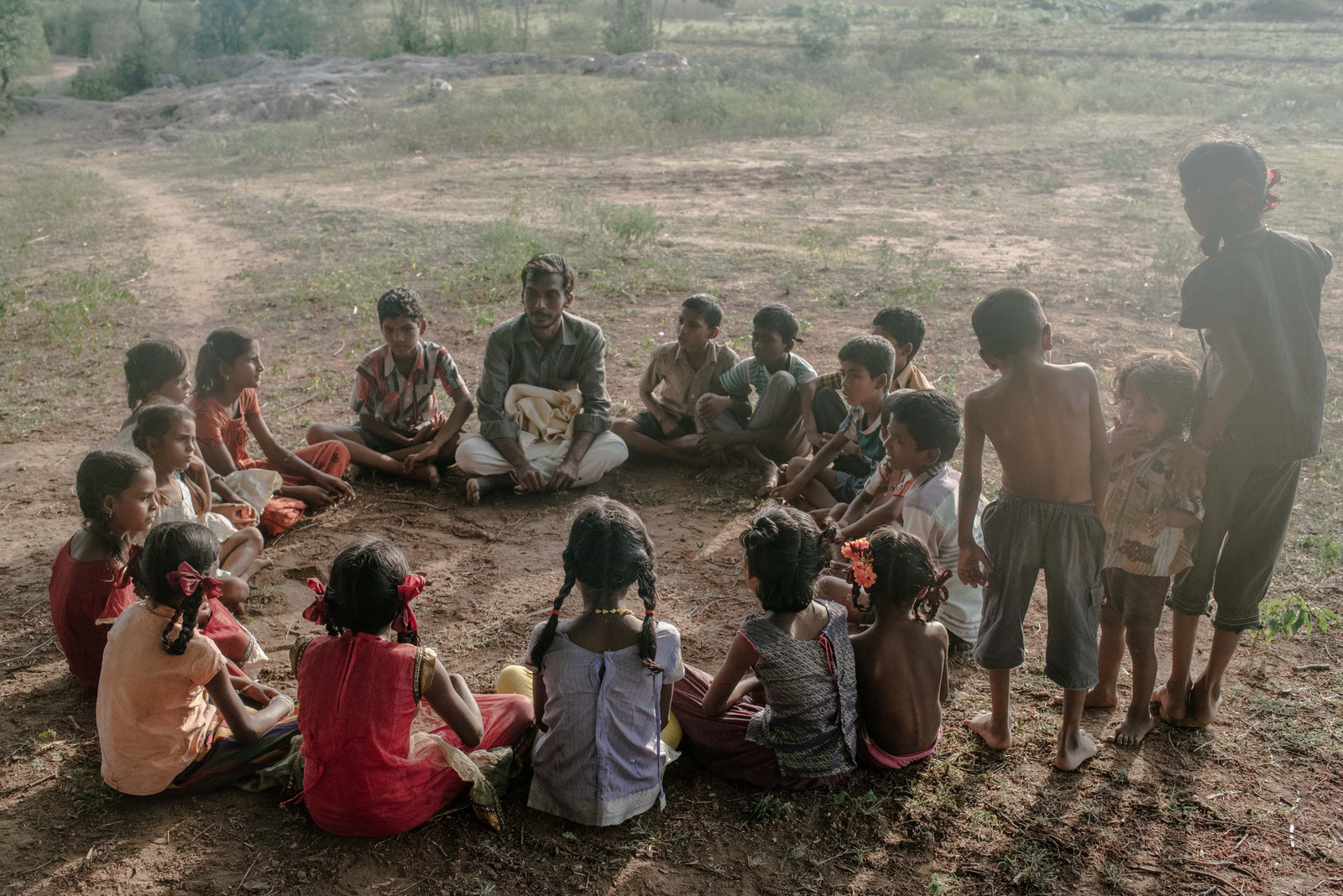
We had just started to intern with Jeremie, who had been incessantly guiding the architecture/ construction, for the whole week. Work had started on the 5th of July 2015, under Varun Thautam, another earth conscious architect.
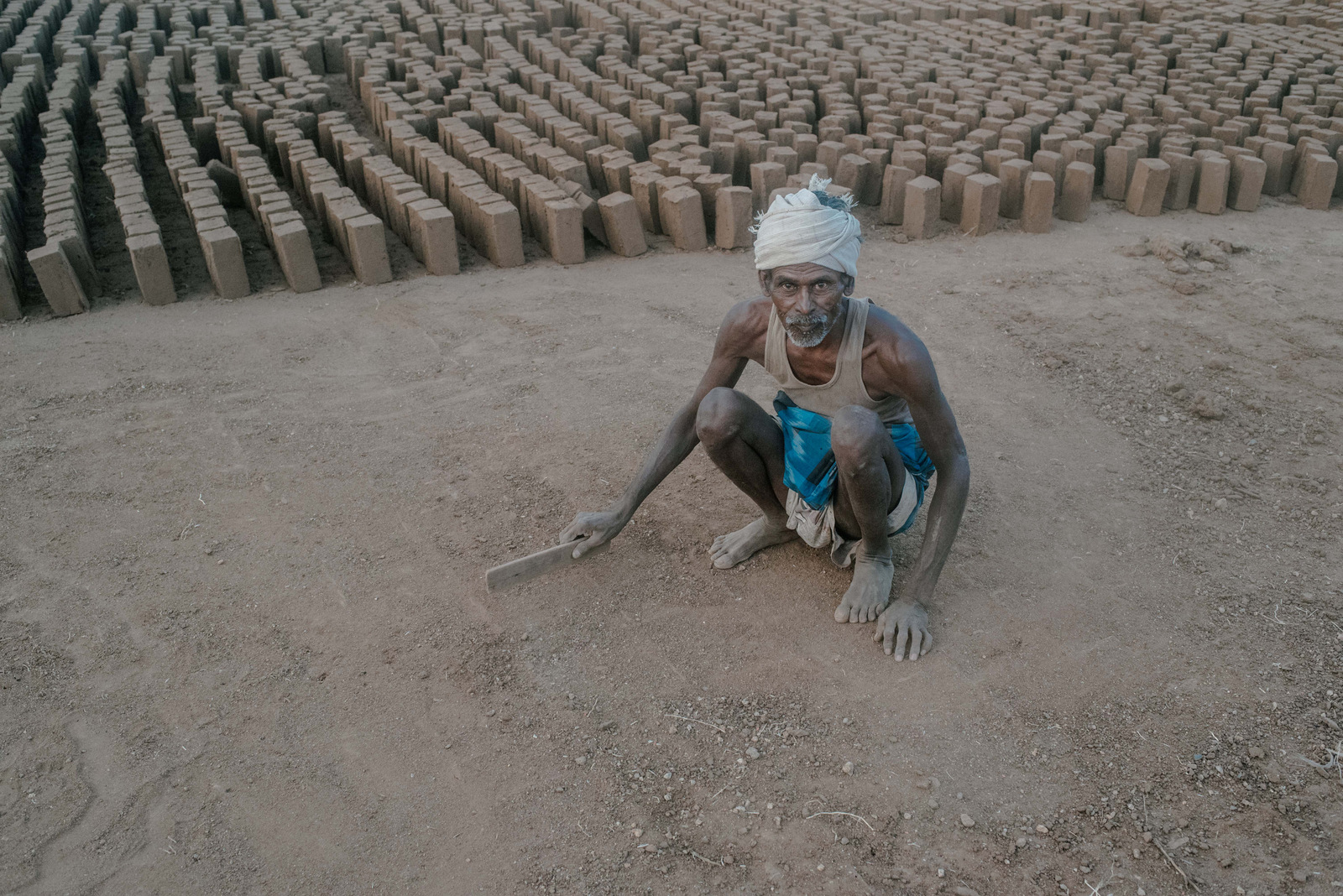
I turned to see into the kitchen, Azhageshwari akka, our superstar, whose kitchen churned out the most amazing meals right from the morning herbal tea, to the fibre rich breakfasts, and full fledged lunches and dinners, complete with fried appalams.
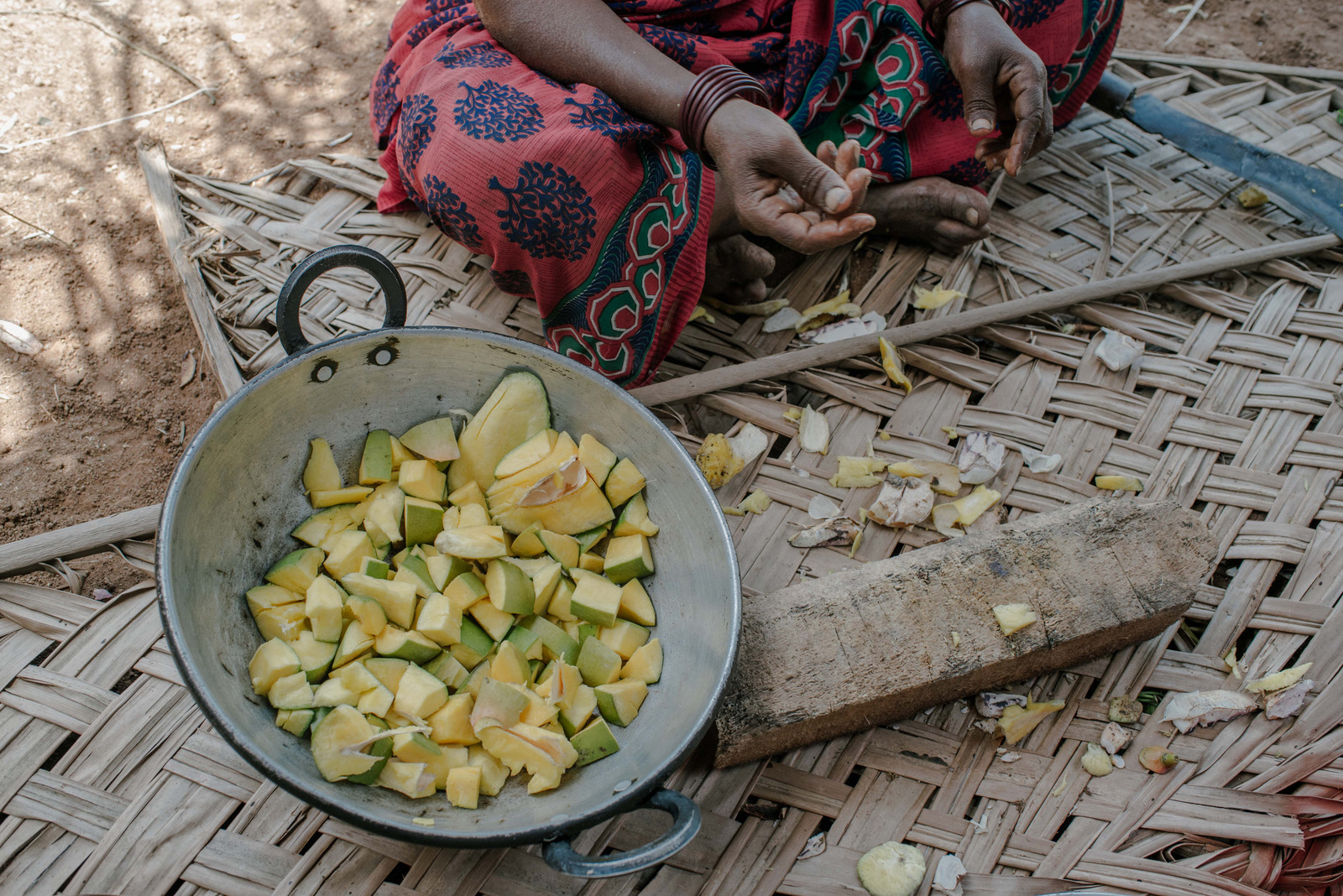
Some volunteers, I had seen in the morning, were collecting firewood for cooking. The bamboo in the forest, rustled as they had moved past me, not knowing my incognito-doing, closeby.
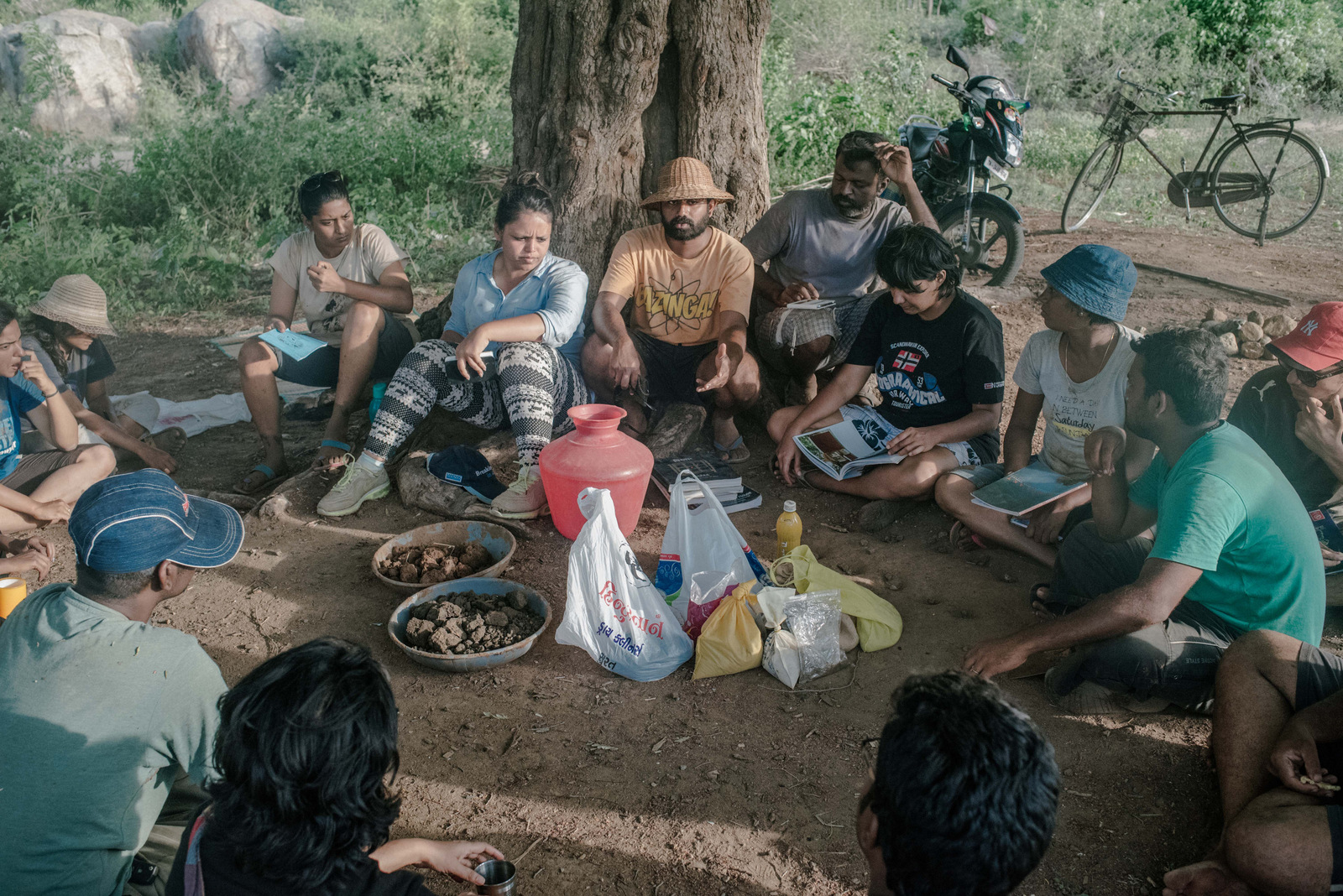
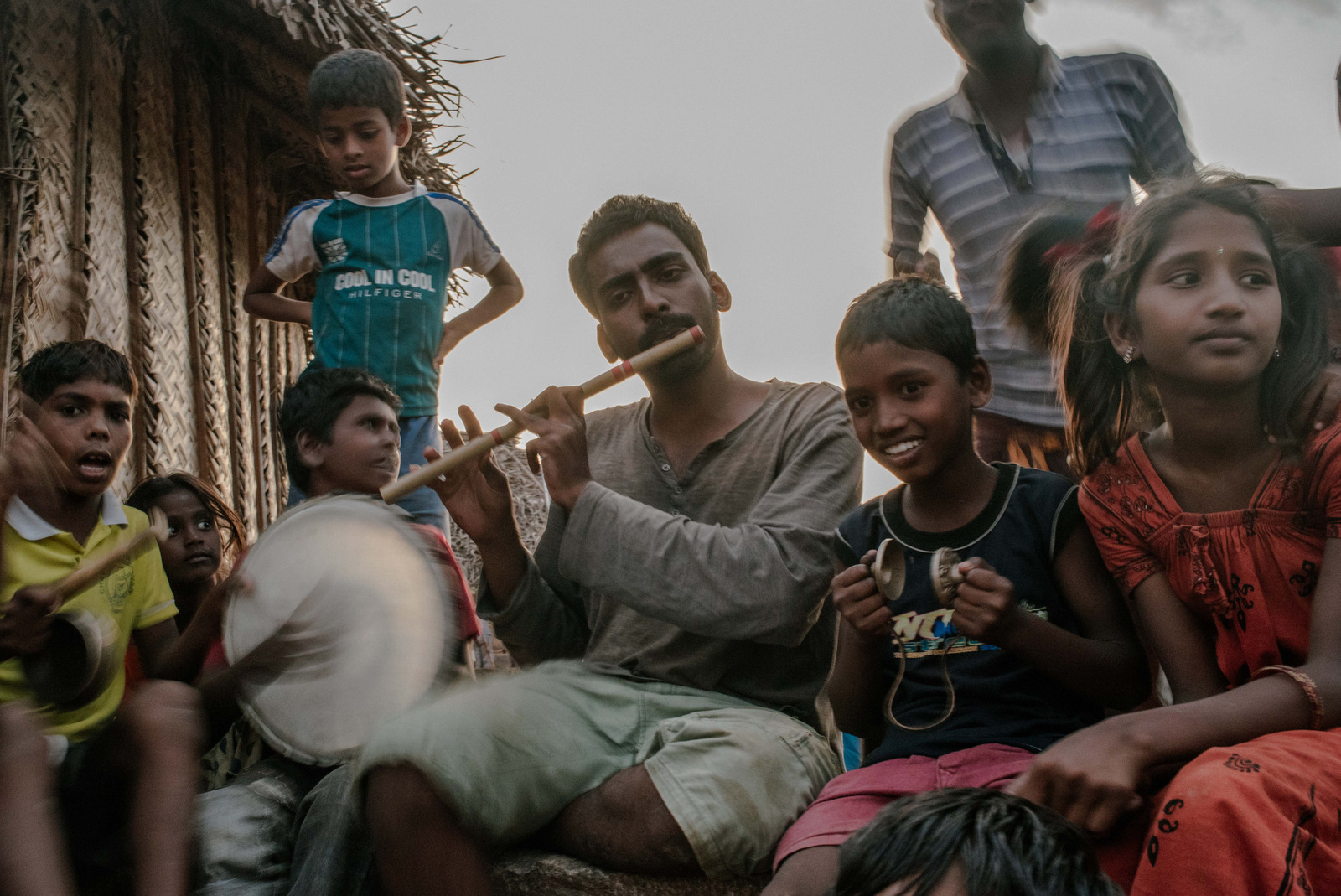
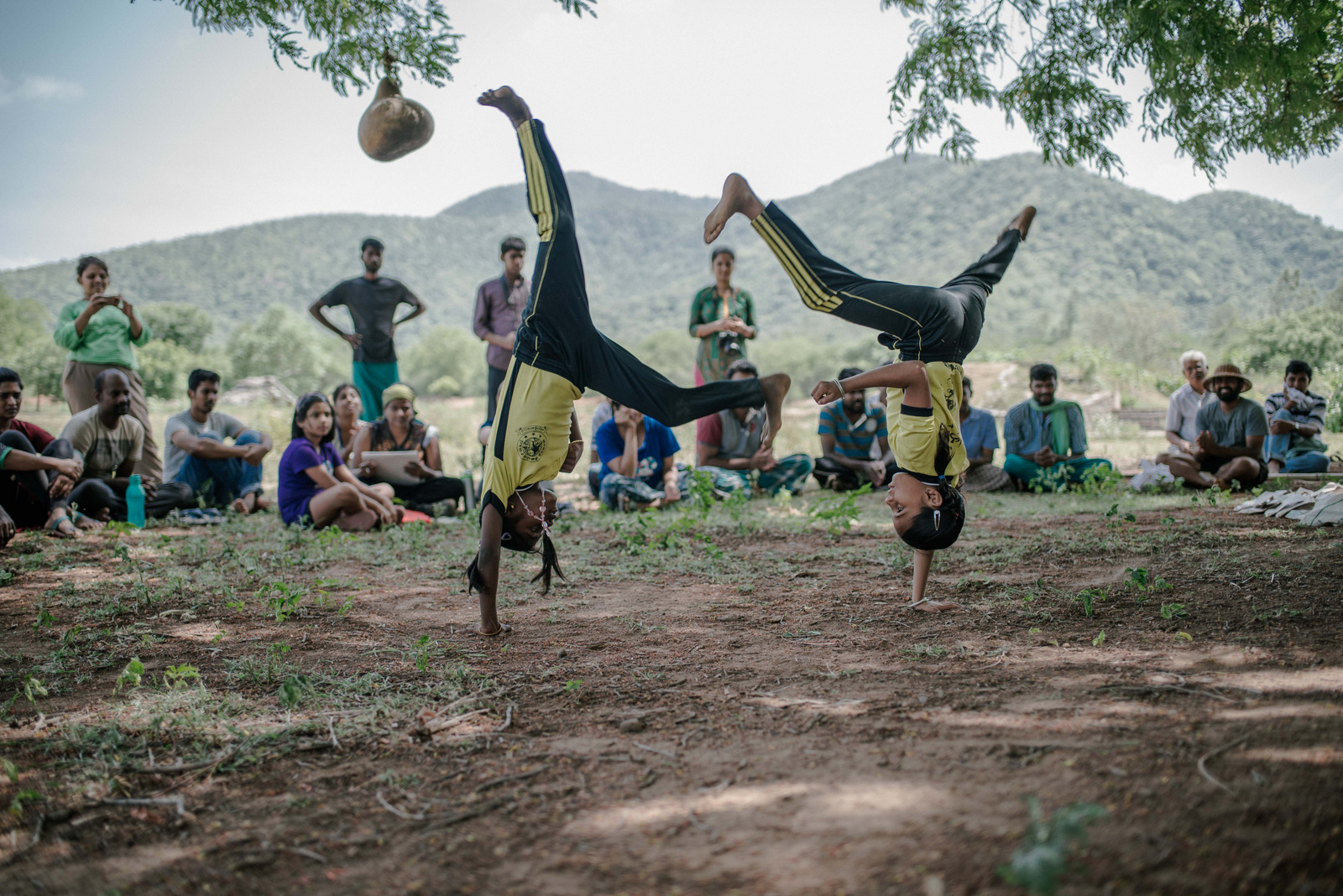
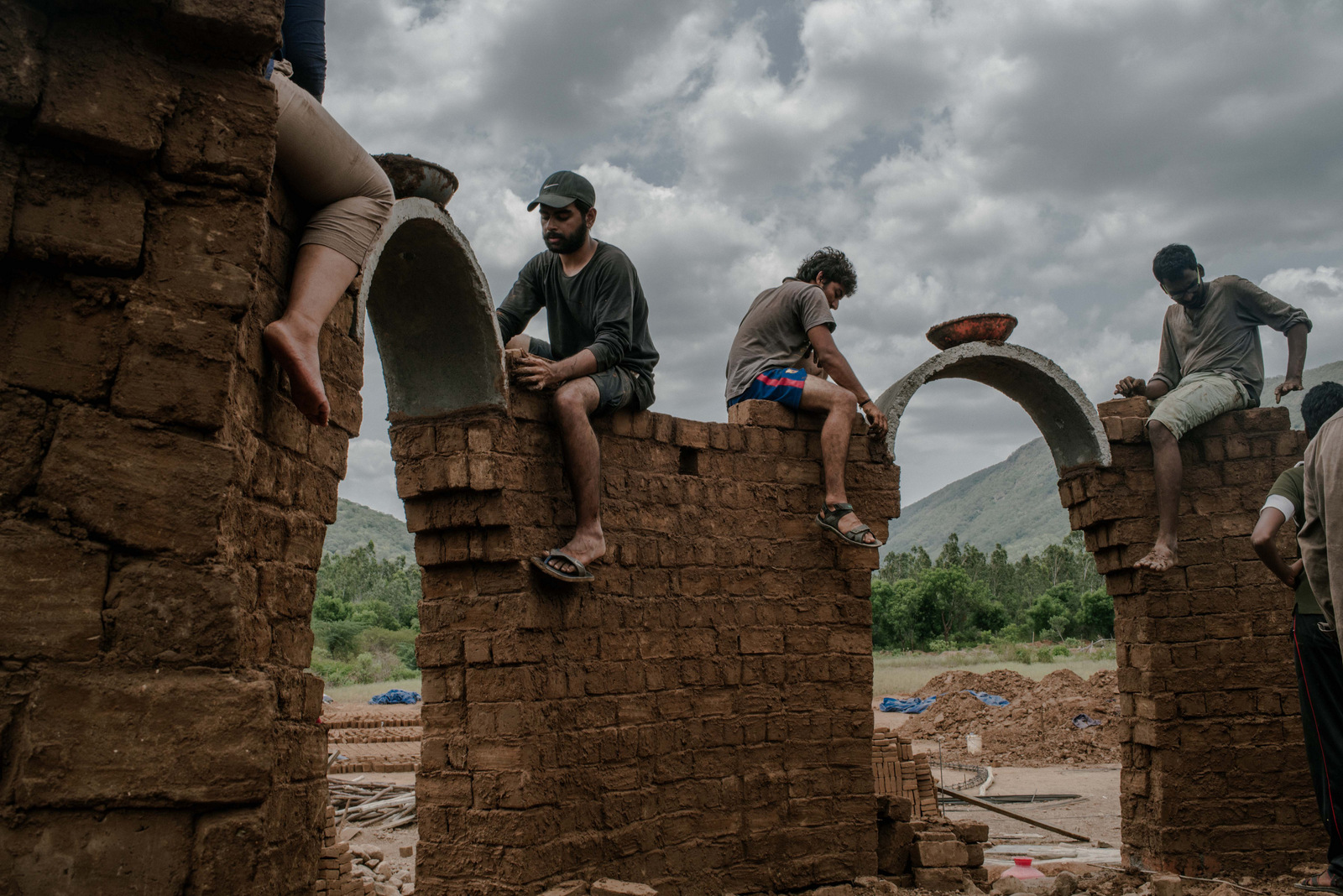
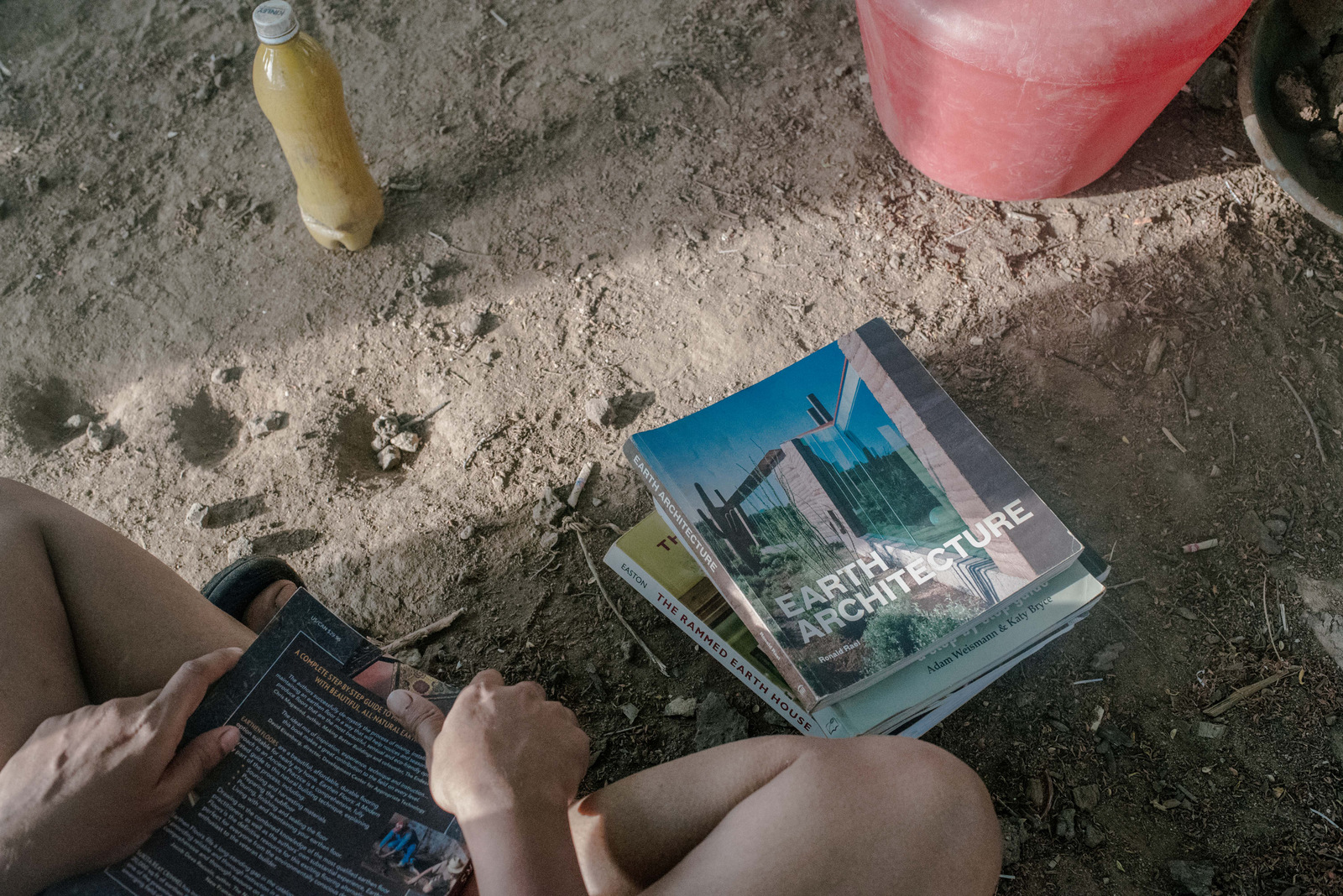
The place had so much life, so much aura. The energies were quite literally flowing from every direction. The people and their stories made me feel minuscule. People were there not only to give a hand at the construction, I understood.
They were of varied professions: Architects, Engineers, IT professionals, farmers, psychologists, journalists, photographers, theatre artists, entrepreneurs, writers, even aspiring cricketers. No two artists had the same story to tell. They all seemed to be exuberantly glowing in their own ways. No two volunteers had the same reason to come.
But all of them had one thing in common. They cared. They valued something. They valued earth.
They were of varied professions: Architects, Engineers, IT professionals, farmers, psychologists, journalists, photographers, theatre artists, entrepreneurs, writers, even aspiring cricketers. No two artists had the same story to tell. They all seemed to be exuberantly glowing in their own ways. No two volunteers had the same reason to come.
But all of them had one thing in common. They cared. They valued something. They valued earth.
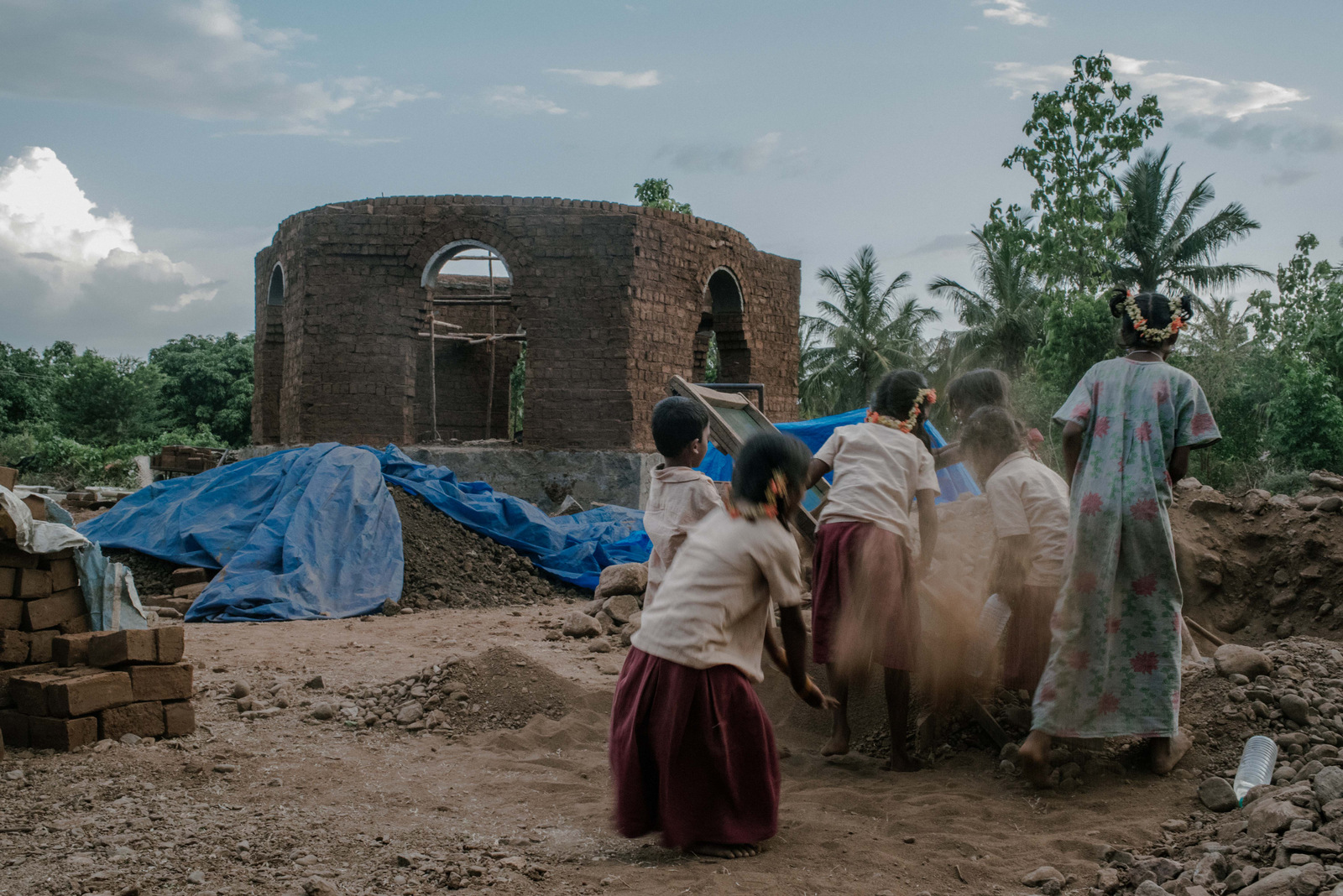

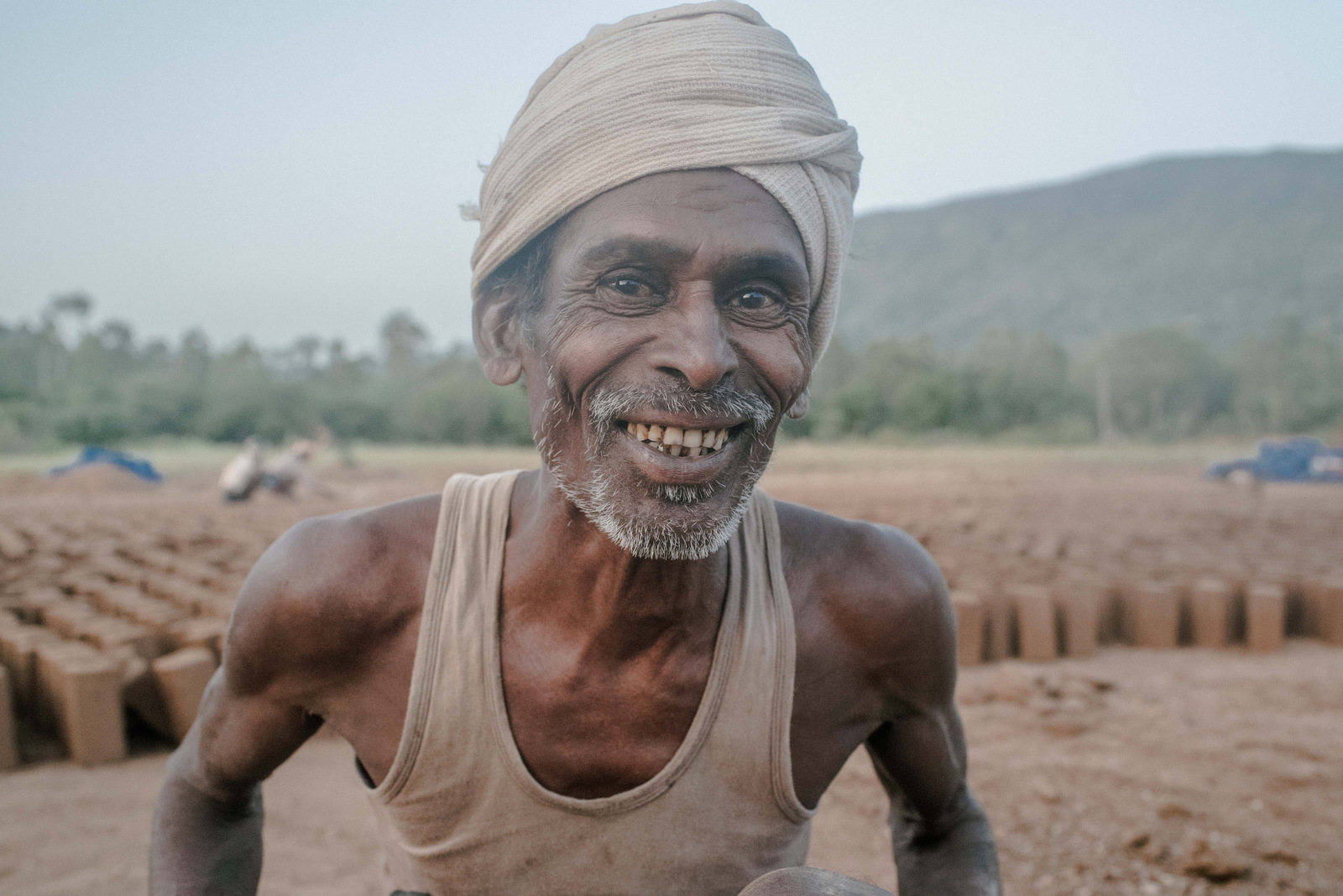
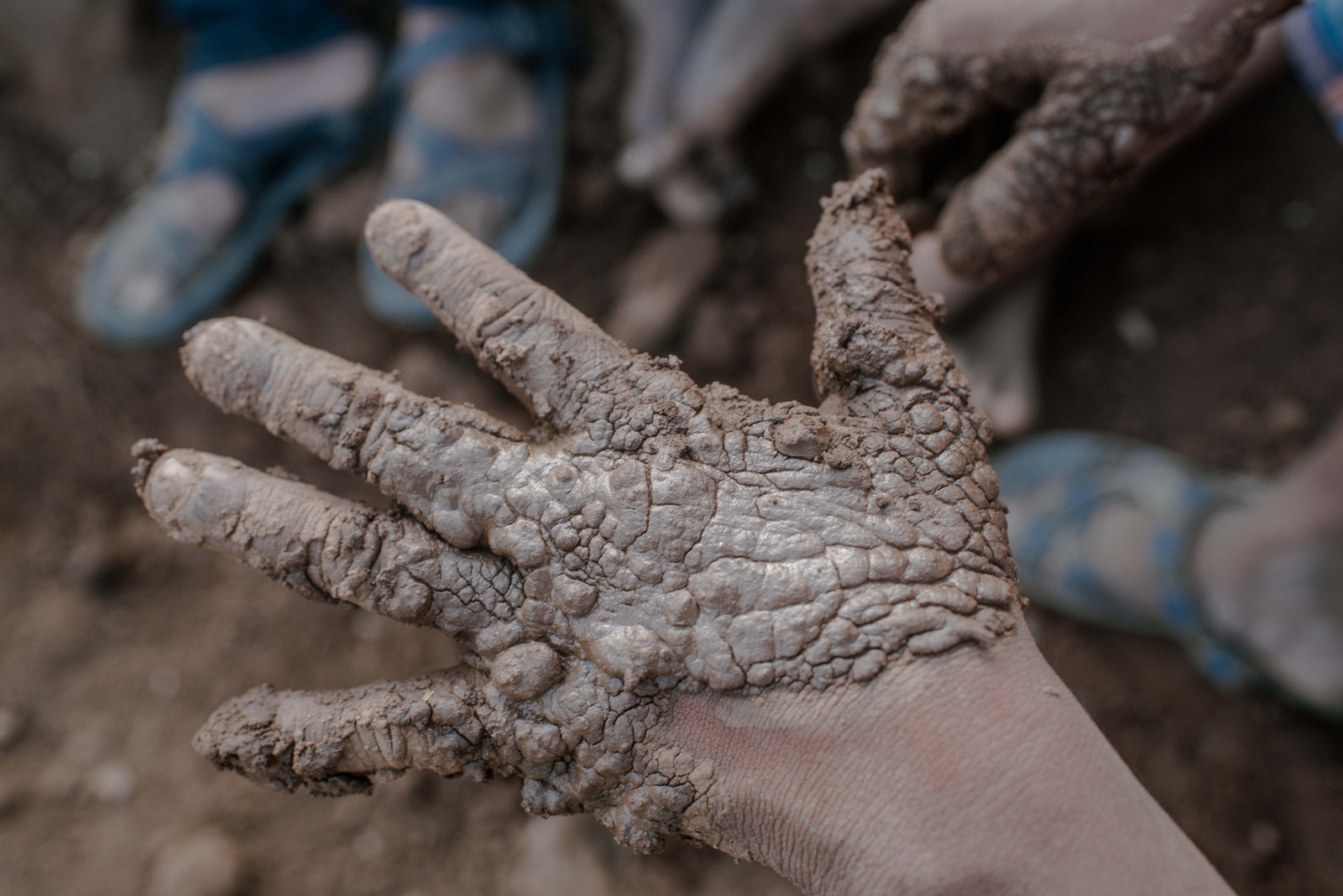
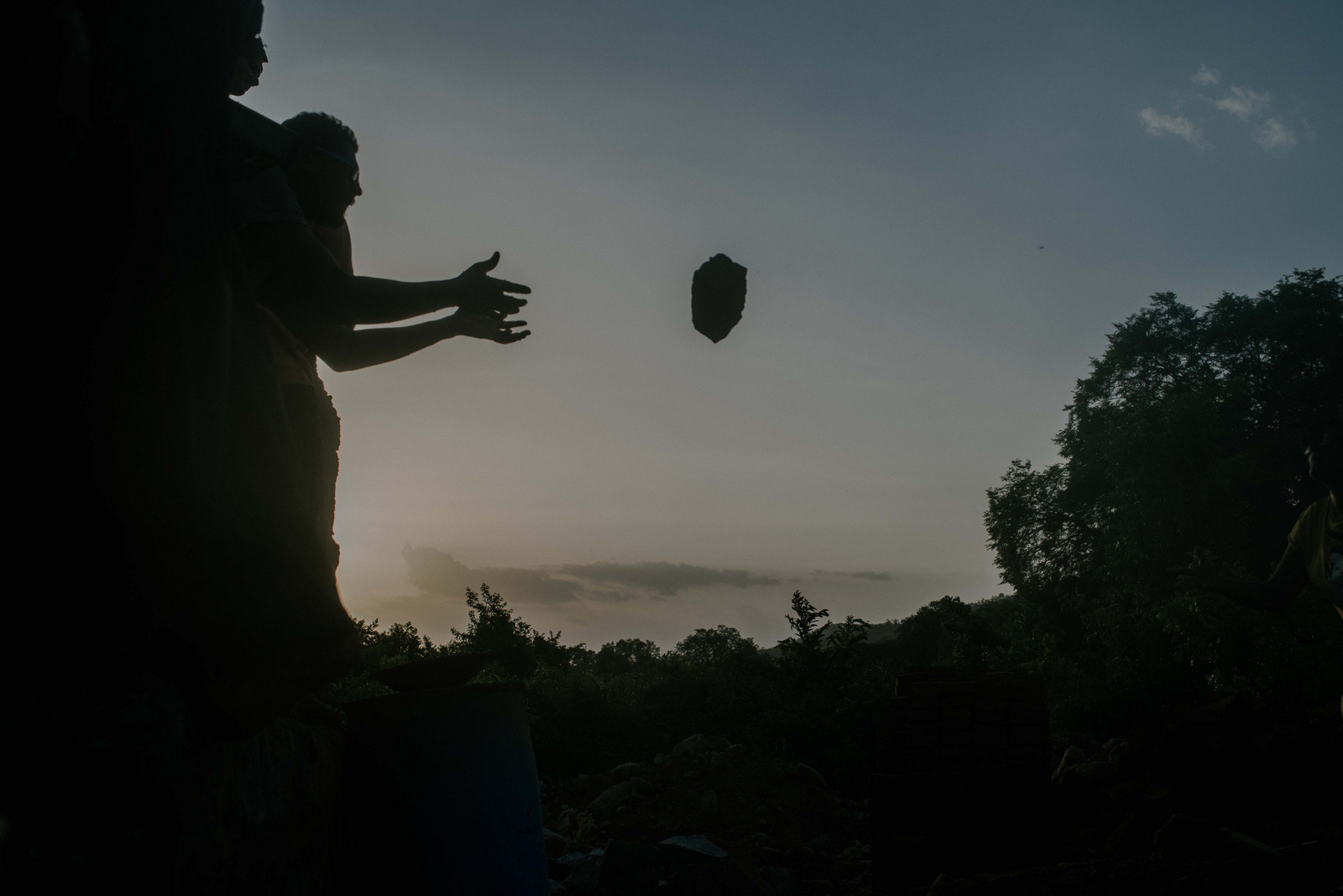
Earth construction was perhaps the most apt technique. Five brick makers had made 4000 bricks a day, before I had reached the site. Eight volunteers churned out eight wheel barrows of clay mortar, each day, as they got themselves muddy pedicures. The work went on till lunch, and continued after tea. The happy ice-cream man had been having the time of his life, as we all craved, for the frosty sugar, under the flame thrower in the sky.
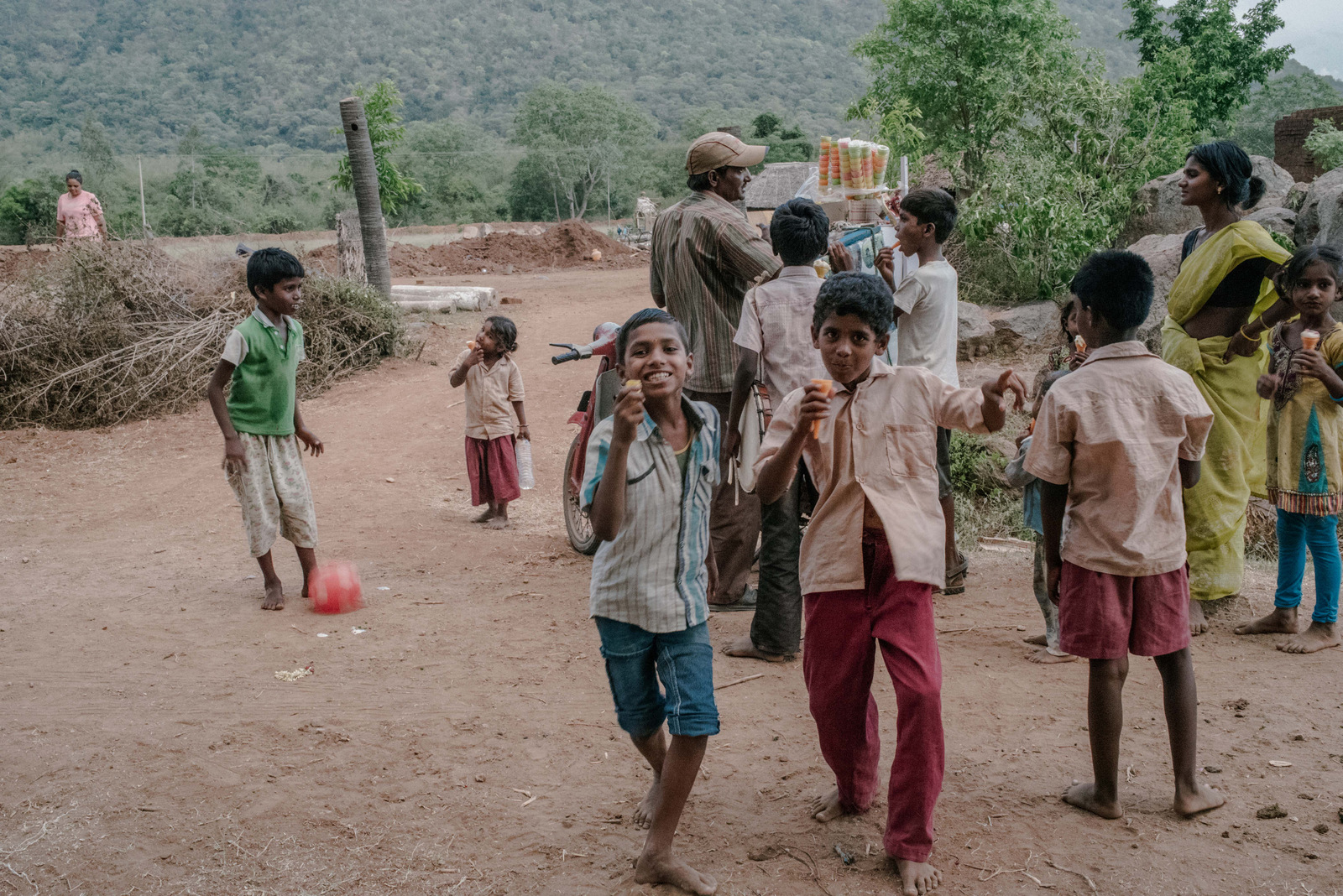
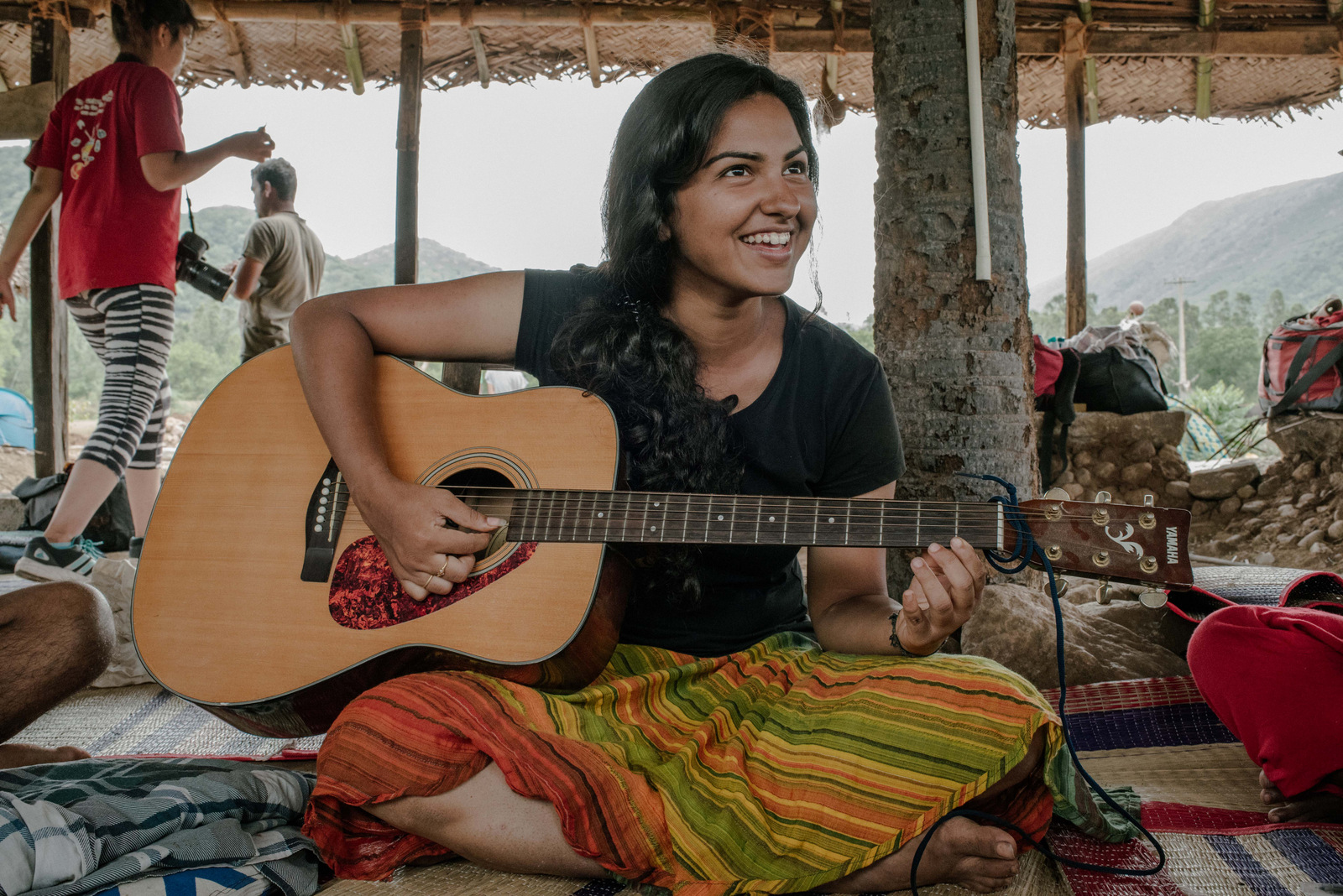
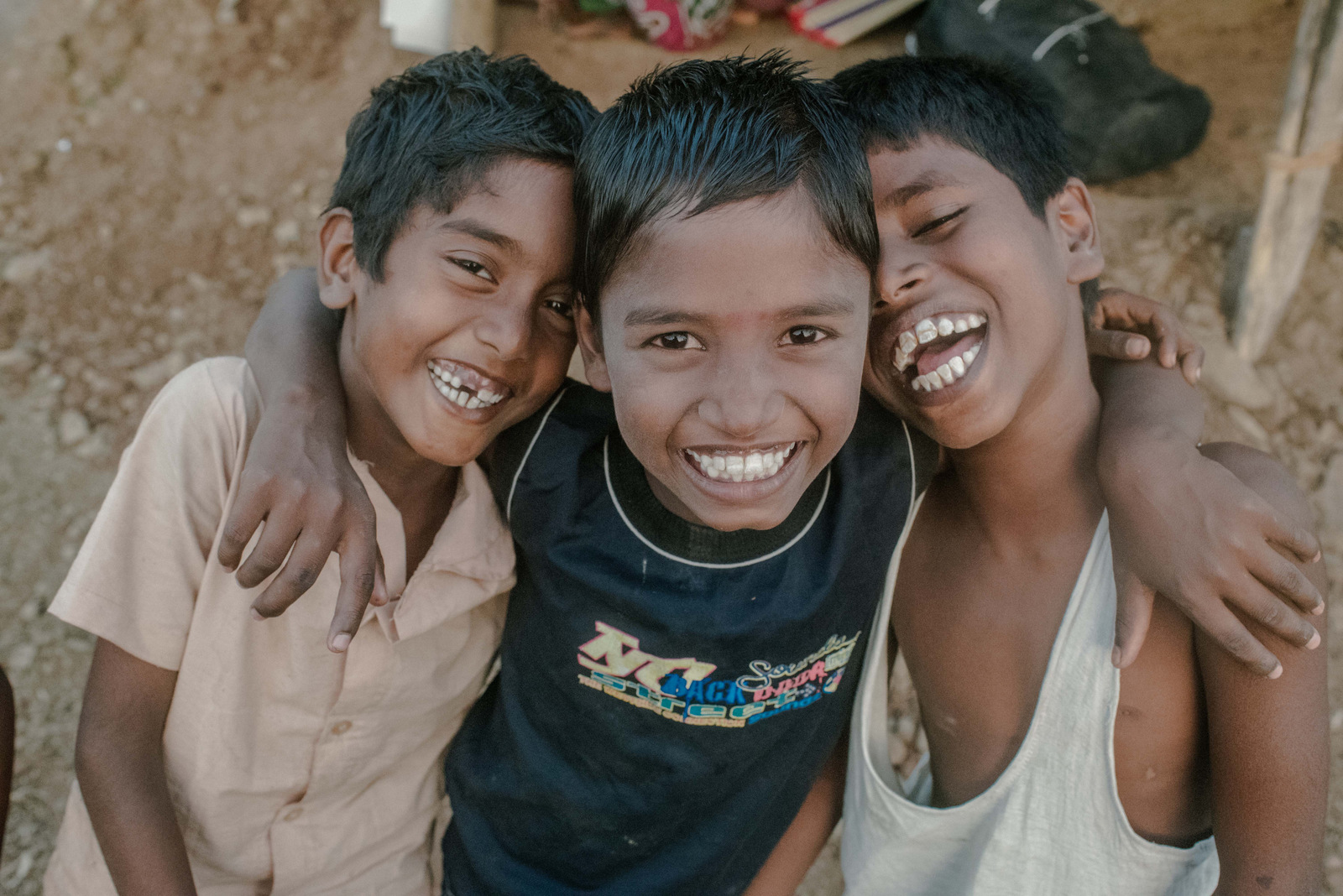
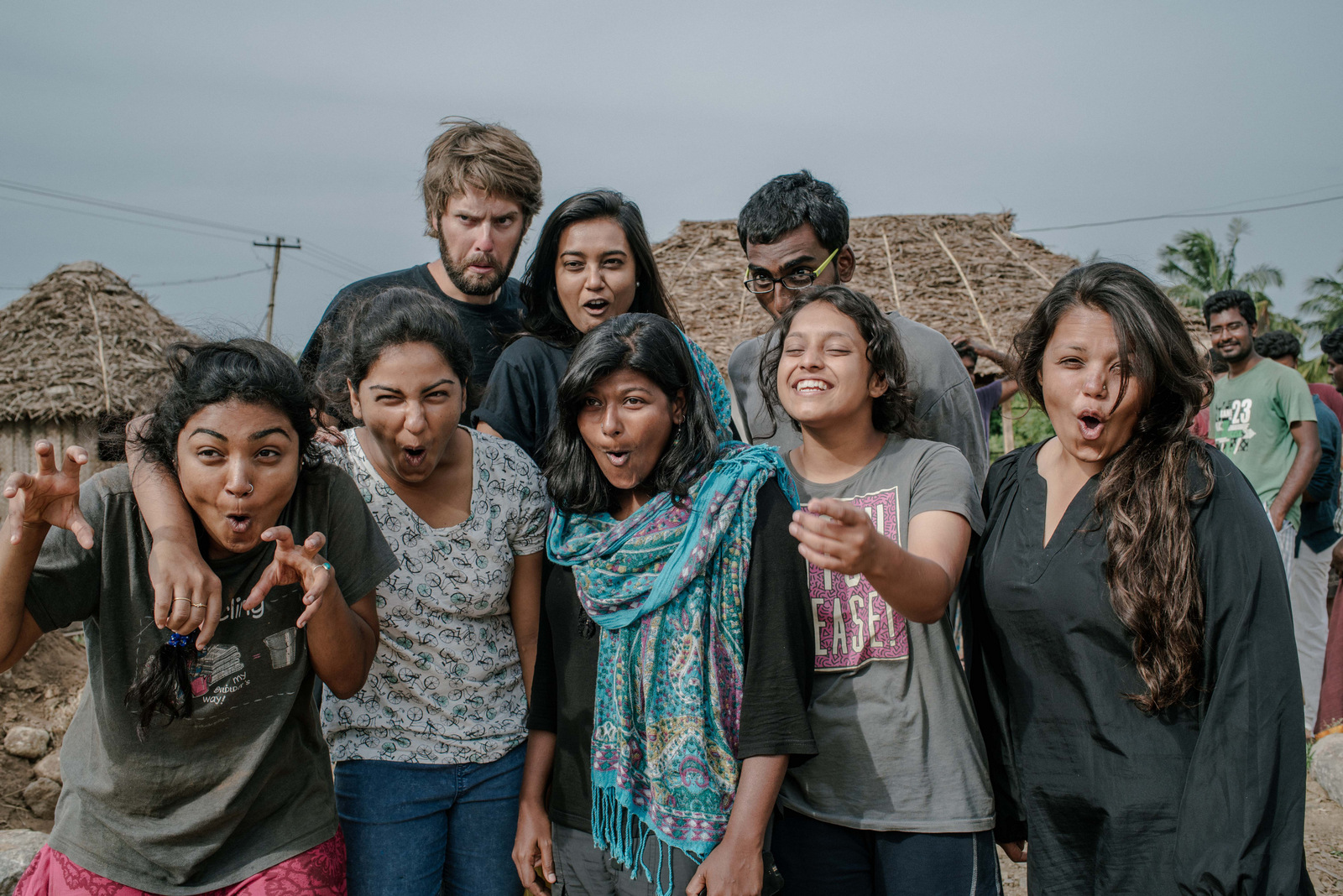
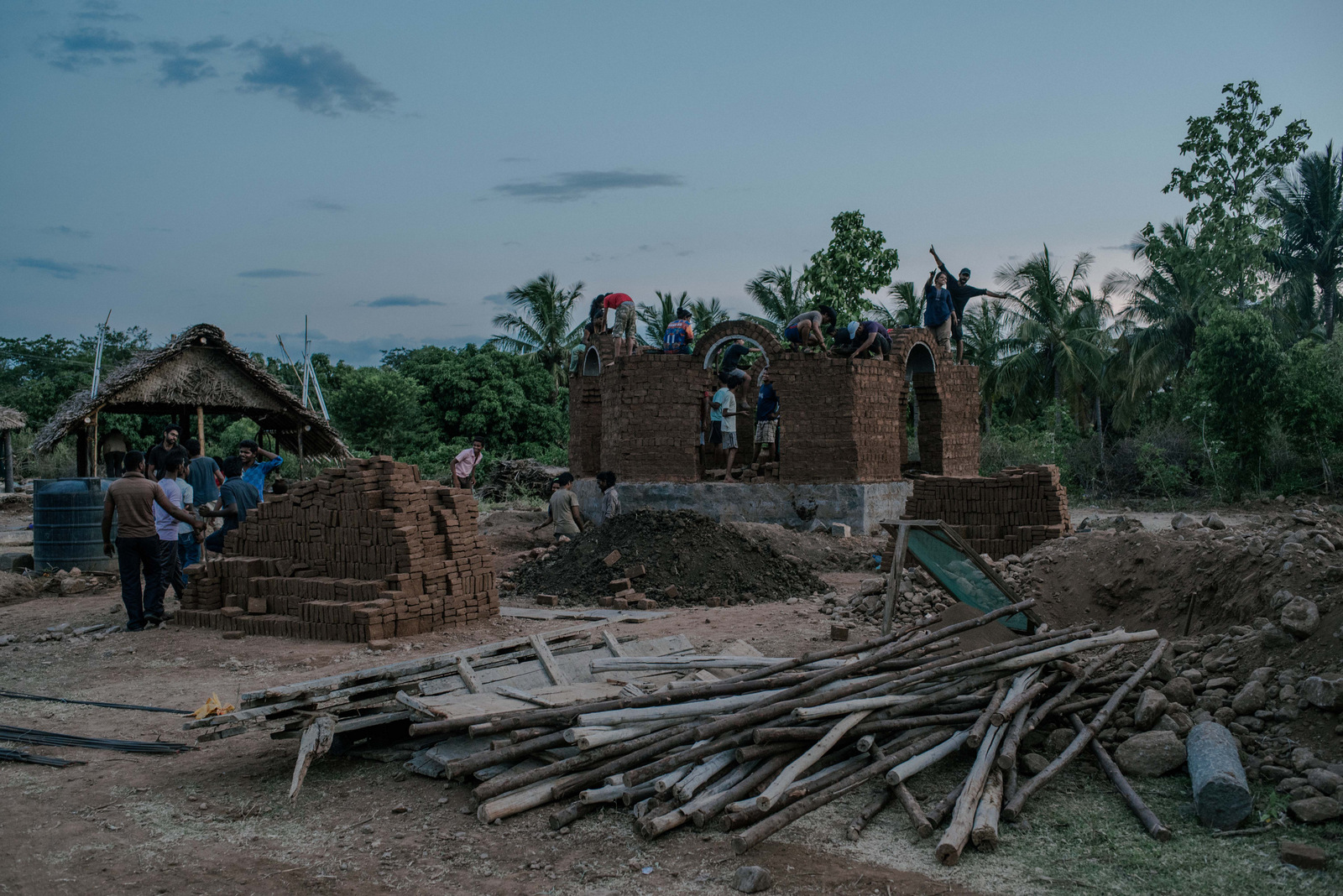
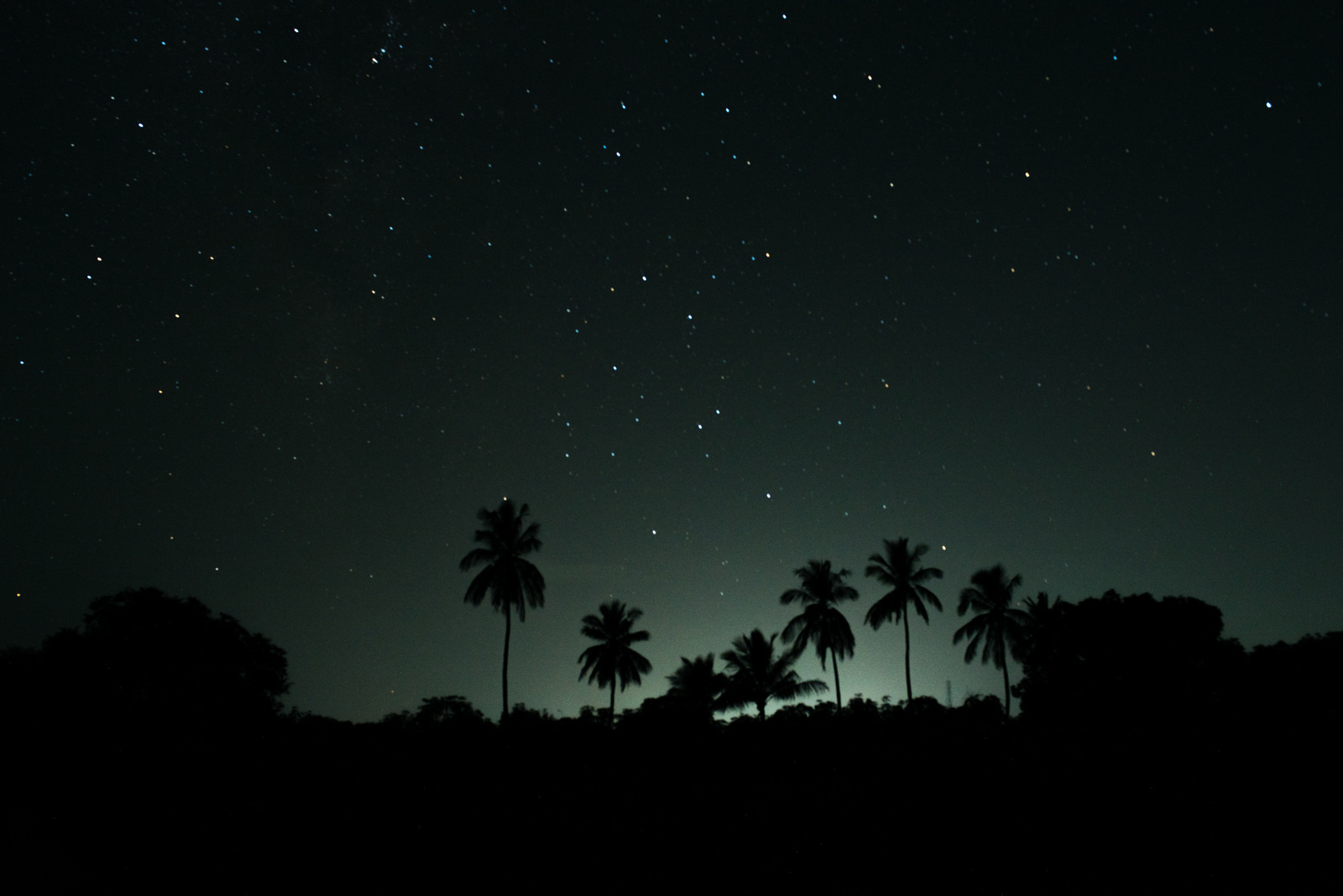
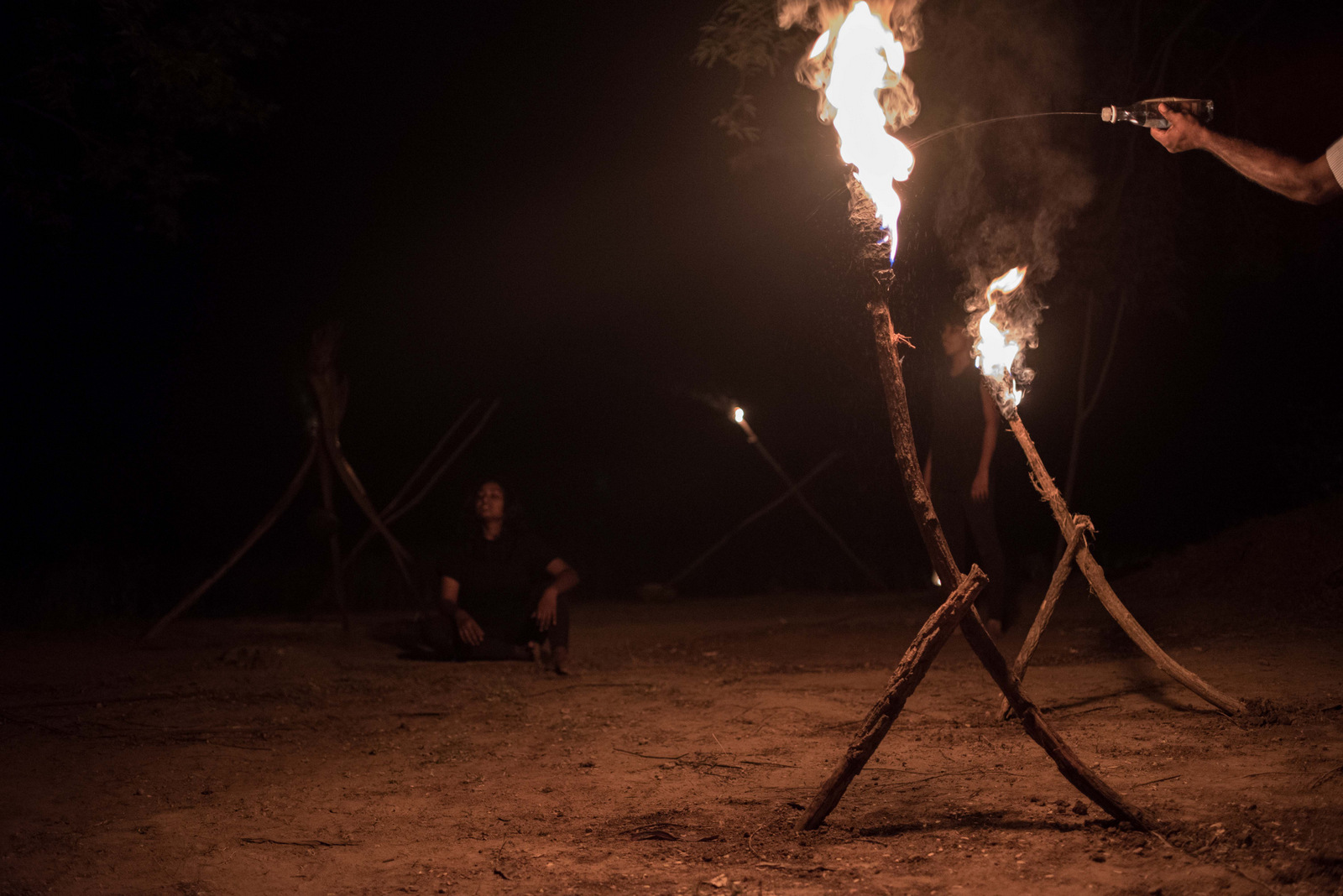
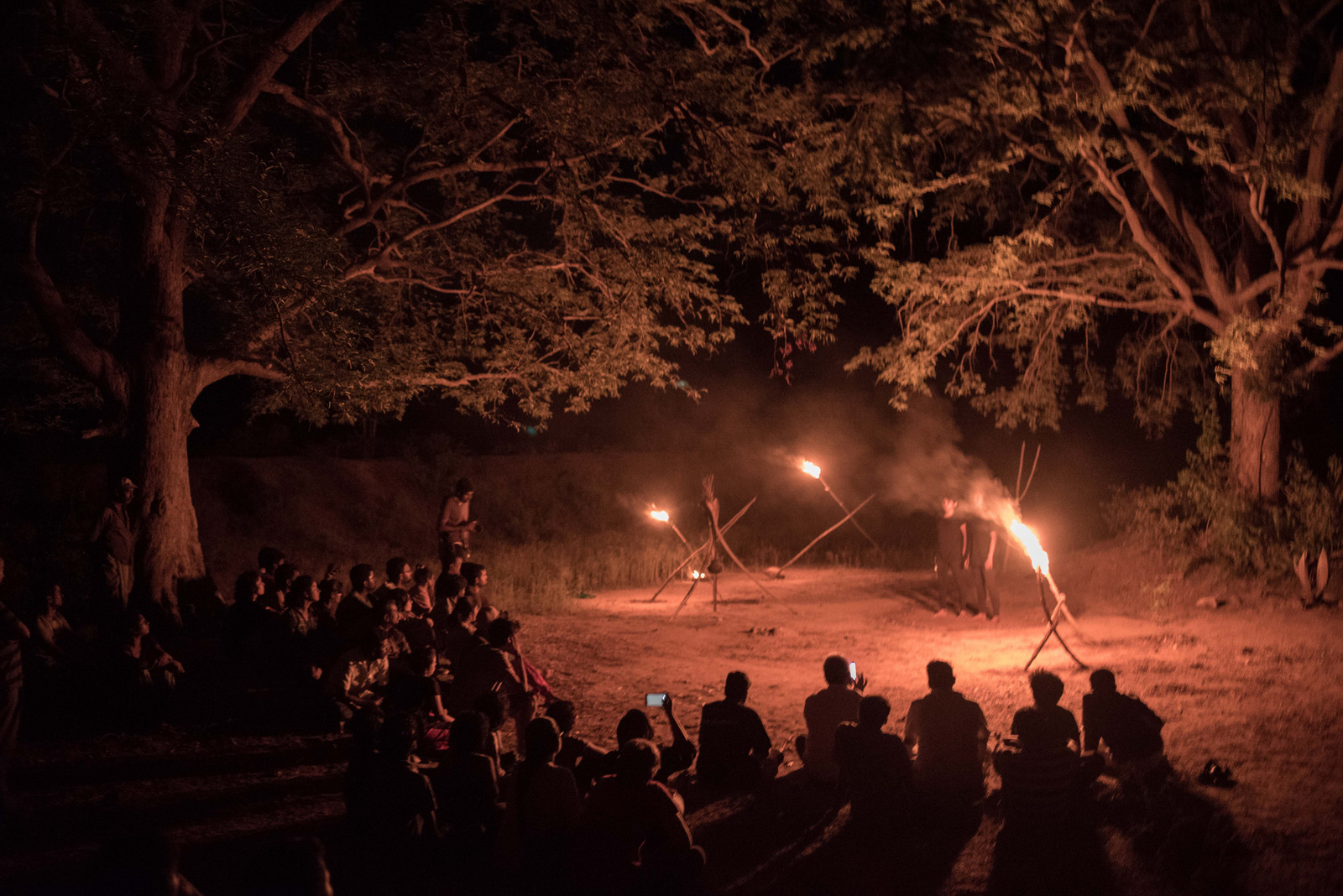
That night was the last night, under the serial lights of the deep sky. Moon rise, star song, what beauty, I felt in the reflection of my view. The void seem to grow, more and more, as talks of parting, seem to hang in the air. Poetry and theatre in the dead dark forest came alive with the vermilion of flames and echoes from within. The passion seemed to consume everyone from the inside out. And it ended, with deep question.
Indeed, the cuckoo volunteers served a lot of revered love to us. It is this love that has drenched children like Kali in. I felt so small in the company of the mighty mountains, the tall trees, most insignificant when I was shown their huge hearts and ever open minds. I feel I took so much more from cuckoo than I could have ever given.
I paid reverence to the land by sprinkling seeds and spreading life.I felt something very new, something that I can never describe when I removed my sandals that day. The Earth was breathing heavily under me.
I paid reverence to the land by sprinkling seeds and spreading life.I felt something very new, something that I can never describe when I removed my sandals that day. The Earth was breathing heavily under me.
By Santosh Shyamsunder, Team Made In Earth
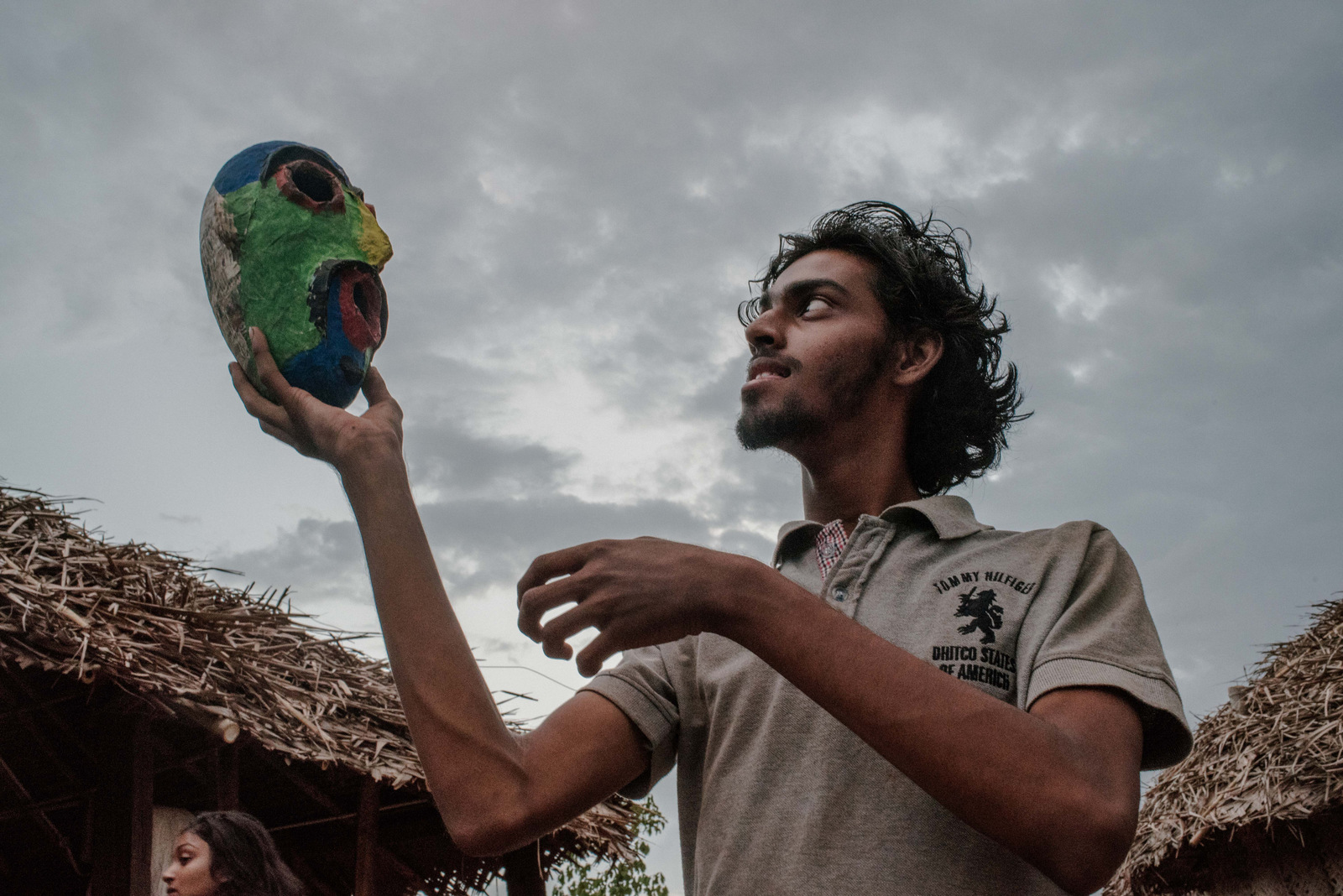
Photographs by Kaveer Rai
The Cuckoo Forest School brought together 40 volunteers from all over INDIA to build a handmade adobe school at the foothills of Javadhu, Puliyanur village in 10 days. Read more about the project here
Read an article about Cuckoo Forest School in the New Indian Express here
Build a school!
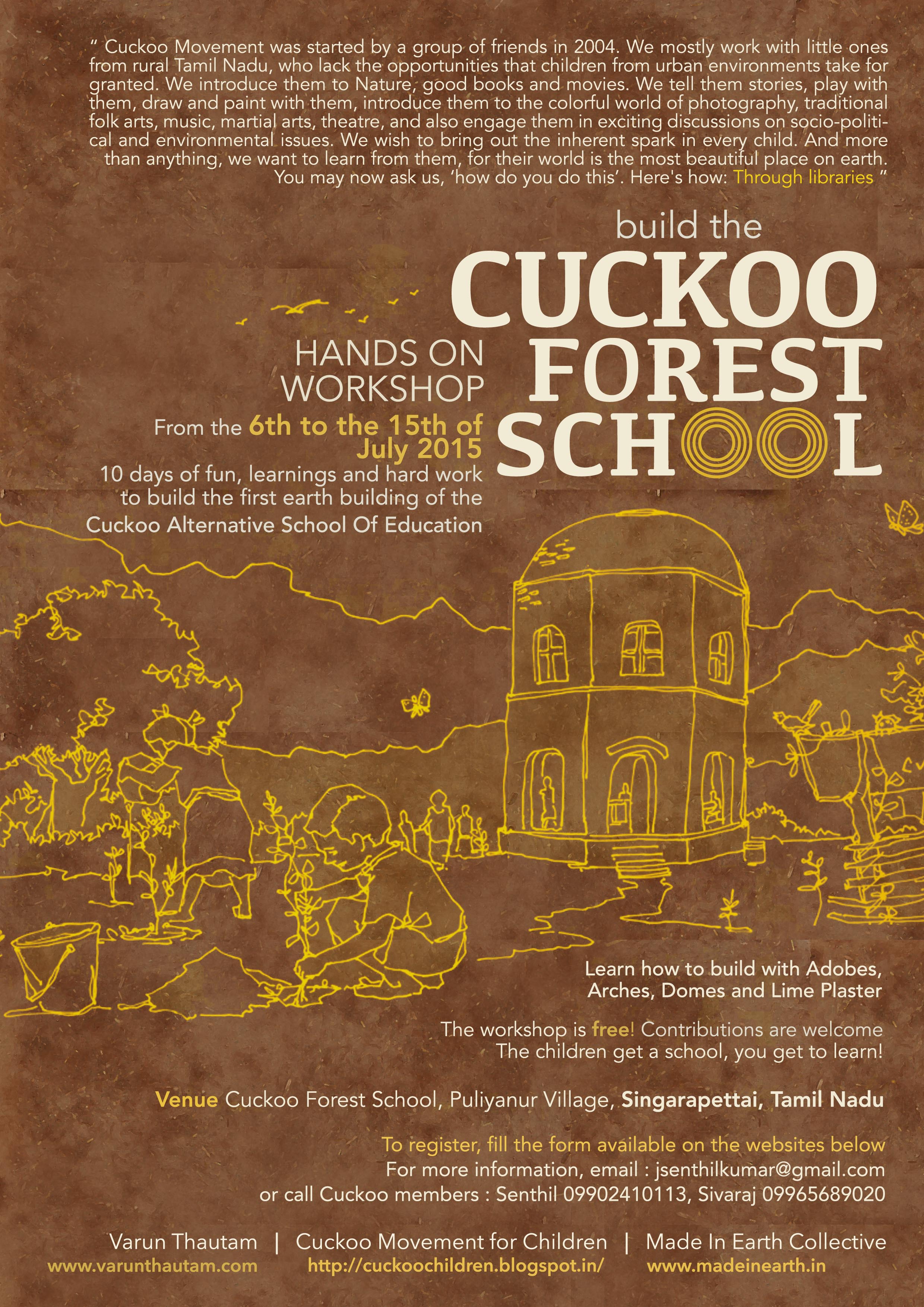
“The Cuckoo Movement for Children” is an informal group of friends and volunteers who has been working with rural children of Tamil Nadu since 2004. They have established libraries and nurseries in villages across the state, organizing plenty of creative activities. They also partner with local schools to introduce the kids to traditional folk arts, music, martial arts, theatre, organic farming, engaging them in exciting discussions on socio-political and environmental issues, organizing movie projections, etc.
Over the years, the dream of the Cuckoo movement members to establish an alternative school dedicated to rural children has grown bigger and bigger. And it is about to come true!
They purchased collectively seven acres of land at the foothills of the Jawadhu Hills, Vellore District, Tamil Nadu. A beautiful place close to nature, at the border of the forest where lesser privileged children will be able to get access to free education.
They need your help to build the first structure on the site! Entirely made of earth, with a minimal use of cement and chemicals, the building will serve as a camp site to train children. It will also be a resource centre for Organic farming, alternative education, alternative medicine and alternative politics.
The workshop
From the 6th to the 15th of July 2015
10 days of fun, learnings and hard work to build the first building of the Cuckoo Forest School!
What will you learn?
The 2 stories building is entirely made of adobes (raw earth bricks) and earth mortar. You will discover all the steps to build an earthen structure made of arches and domes :
- Identification of soil
- Brick masonry
- Construction of arches
- Making of domes with the free spanning technique (no centering / formwork)
- Lime based plaster for water proofing
Program
Dates : from the 6th to the 15th of July 2015
The workshop will start on the 6th of July at 10am.
The exact workshop timing will be defined collectively on the first day.
Apart from the construction activities there will be discussions, cultural events and movies in the evenings.
Accommodation and food
Very basic accommodation will be provided since there is no infrastructure on the site yet.
In a few words : You will be very close to nature surrounded by a mind blowing landscape 🙂
Tents and temporary toilets will be installed on the site and all 3 meals will be provided to the participants.
Equipment
Be ready to get dirty!
Carry a good hat and a water bottle that you can fill on site.
You can also bring bed-sheets for the night / blankets.
Venue
Cuckoo Forest School,
Puliyanur Village,
Singarapettai
Tamil Nadu
GPS (exact location) : 12.279661, 78.642571
Fees
The workshop is free: kids get a school, you get to learn!
However, the budget of the cuckoo movement being extremely limited, we ask you to consider giving a small contribution for the food and if you feel like, for the rest of the project.
All accounts will be transparently shared.
Example of contribution : 150 Rs / day
You will find the payment detail in the registration form.
Registration
Please fill this online form : http://tinyurl.com/njngya2
Any doubt? call Senthil 0 99 024 10 113
or Sivaraj 09965689020
Organizers
Cuckoo Movement for children :
https://www.facebook.com/cuckoochildren
http://cuckoochildren.blogspot.in/
Varun Thautam
www.varunthautam.com
Made In Earth Collective
www.madeinearth.in
Baraka – The common goods factory
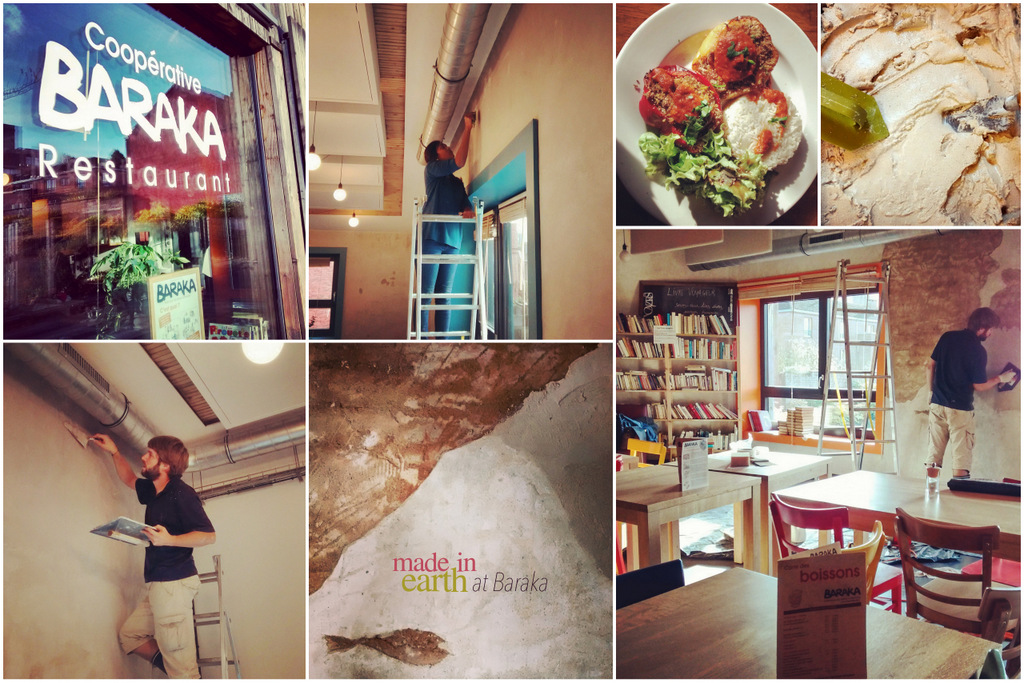 Photos : Shruthi Ramakrishna and Pierre Wolf
The Baraka Co-operative could be considered as the ideal recipe for sustainable architecture and development :
Take a big dose of social entrepreneurship
Gather a handful of people willing to put their money together in a meaningful project
Add a jar of social involvement with unemployed people of the area
Mix the whole thing with a strong ecological approach
Add a big spoon of dream and a teaspoon of madness
You will get :
An organic restaurant that trains and provides work to 5 previously unemployed people from the area and is No 1 in tripadvisor for the city of Roubaix, France (as of 2014-15)
A (nearly) zero energy building entirely made of wood, straw, earth and recycled paper
100 volunteers from the area who were trained in ecological building techniques during the construction
A space to organize cultural events open for all
Our team has been lucky to be involved in the construction of Baraka from the beginning. It has been an incredible human adventure which continues to inspire us as a strong model of sustainable architecture and social enterprise.
How was it built ?
90 % of the materials used in the building are natural and sourced from within 100 km radius. The main structure of the building is made of local wood. Straw and recycled paper have been used for the insulation.
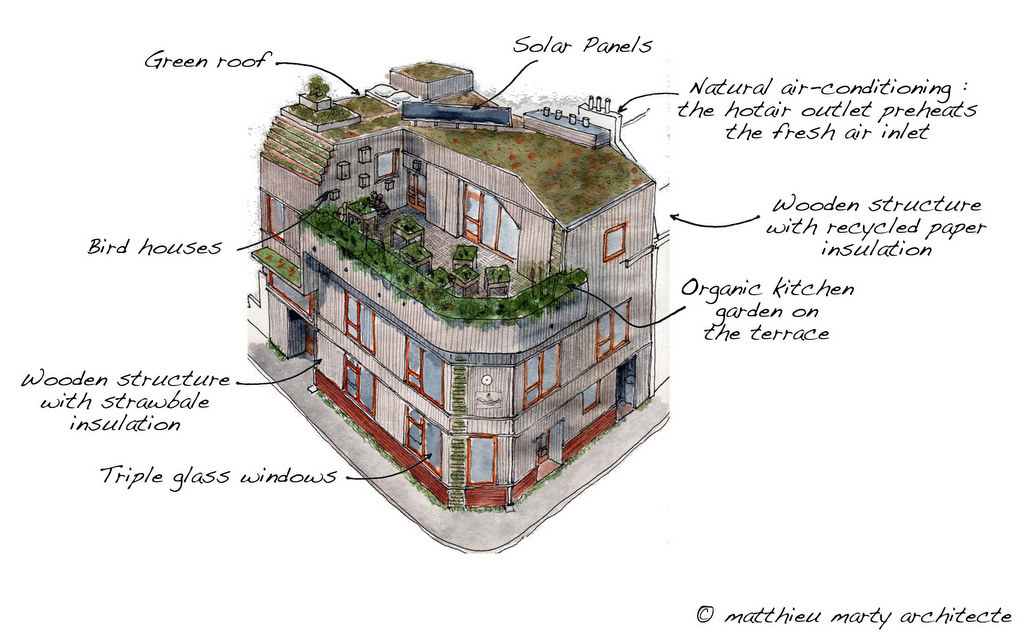
Who built it?!
Matthieu Marty, based in Lille (France) is the principle architect of the project. He has a lot of experience in wooden construction with low energy consumption.
The main structure and fine carpentry work was done by the construction team of SPL a company in north of France working with long term unemployed person and promoting the construction of ecological social housing.
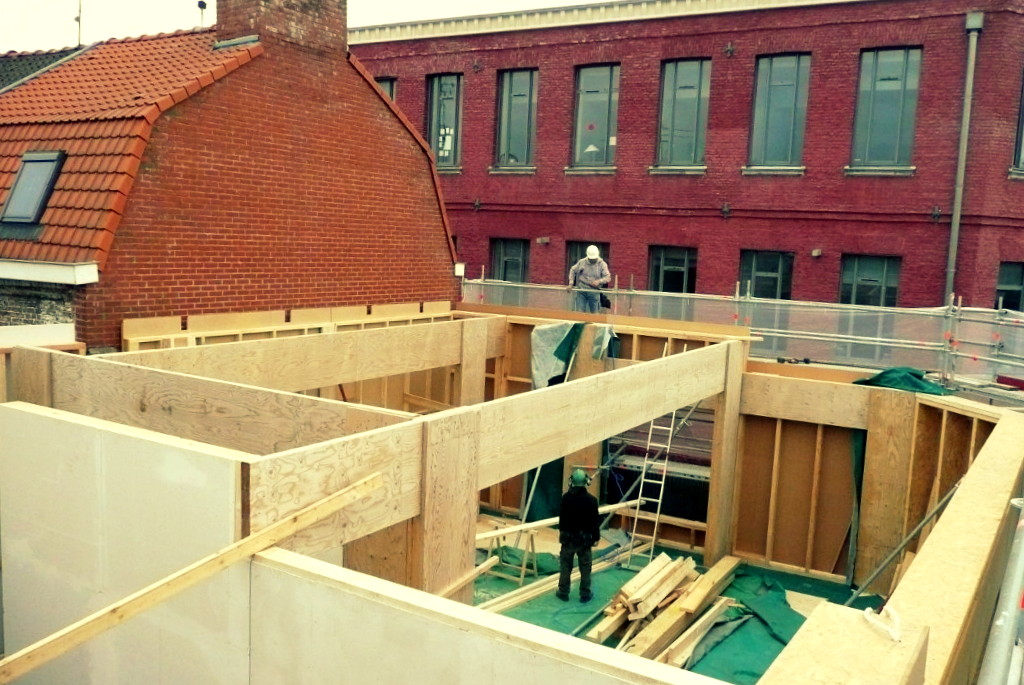 The SPL team mounting the superstructure
The rest of the construction was done in a very unique way : 100 people from various backgrounds were trained on ecological construction techniques while actually building!
Students, architects, engineers, cooks, disabled workers, unemployed people, artists… an incredible diversity of people gathered to learn and build.
We were in charge of coordinating these workshops and were amazed by the dynamics that took place in all the groups : a strong tolerance and mutual aid, a feeling of ownership towards the building, a strong dedication to the work… 50% of the participants insisted on joining a second week of workshop after participating to one.
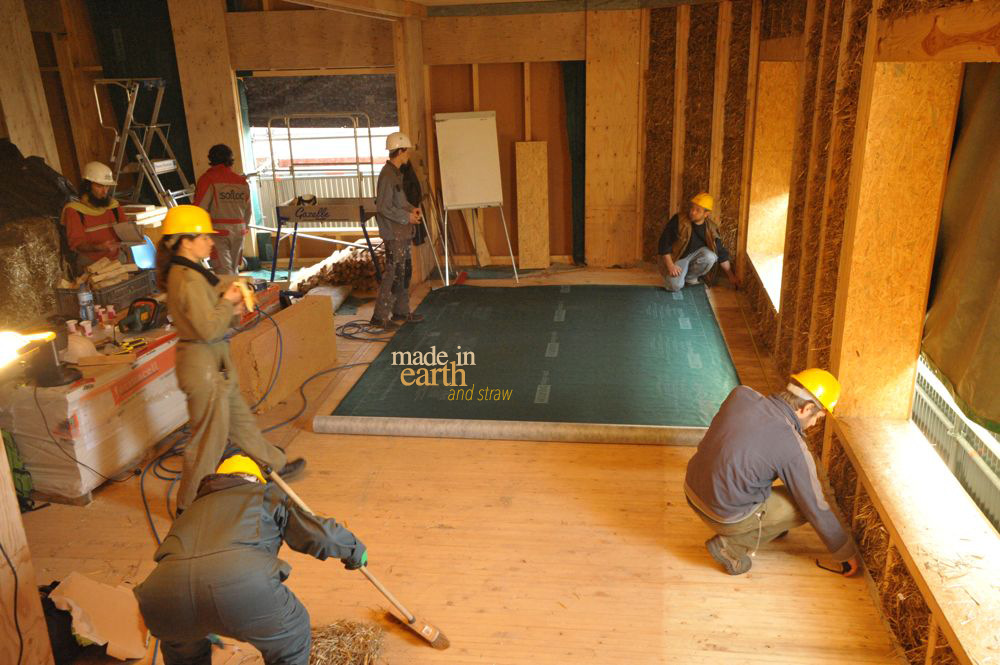
Training on straw bale insulation and air tightness
An adventure till.. after the end
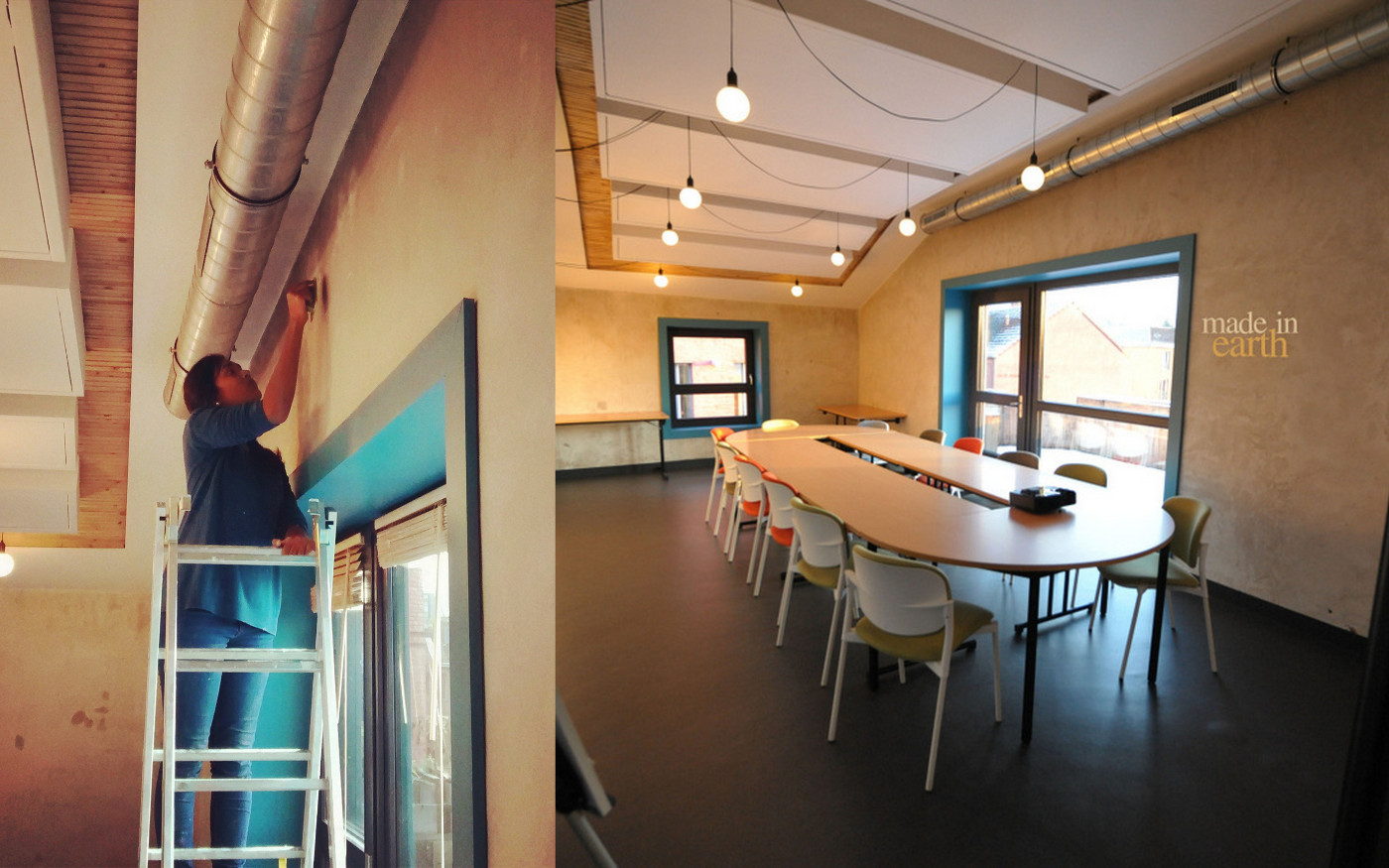
The building was finished in February 2012 and the restaurant inaugurated in March 2012. The Baraka team called us recently to do some earth plaster in the interiors. We spent a good time with them, giving a new look to all the plastered walls. We used some pigments for a grey finish in the meeting room, and natural colour in the restaurant.
Take a tour
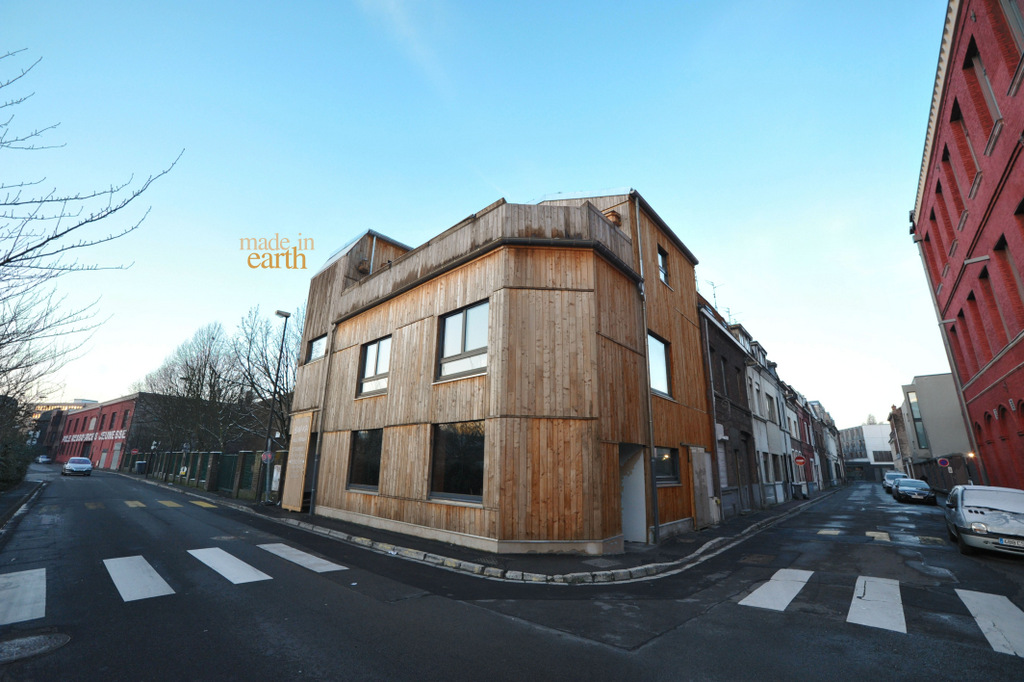
Photo : Pierre Wolf
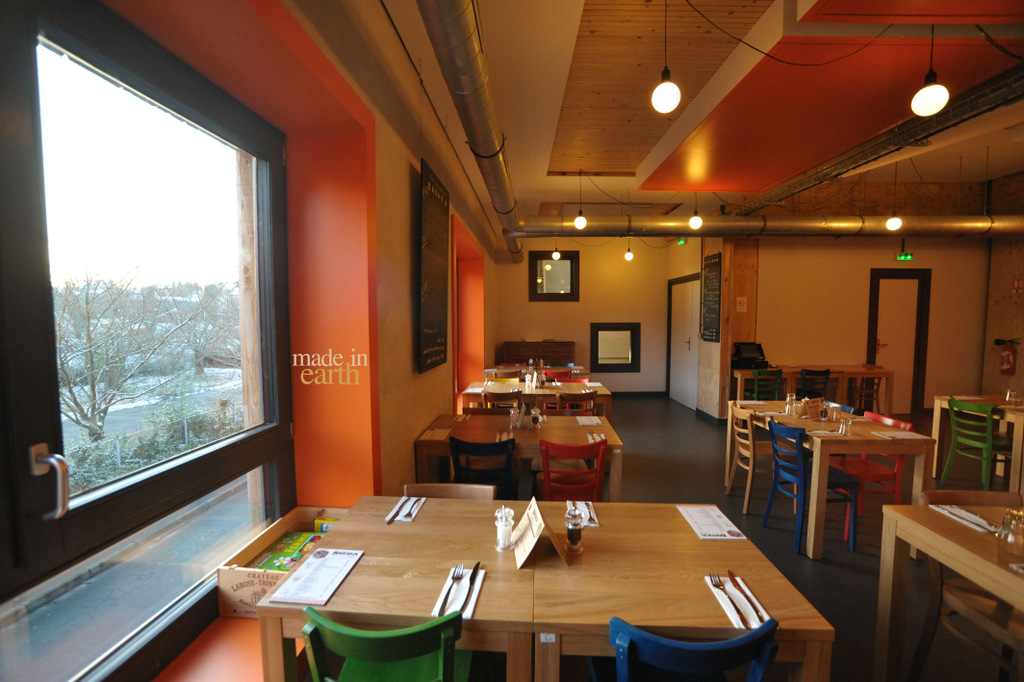
The first floor is dedicated to the restaurant with a big hall, a bar counter and the kitchen.
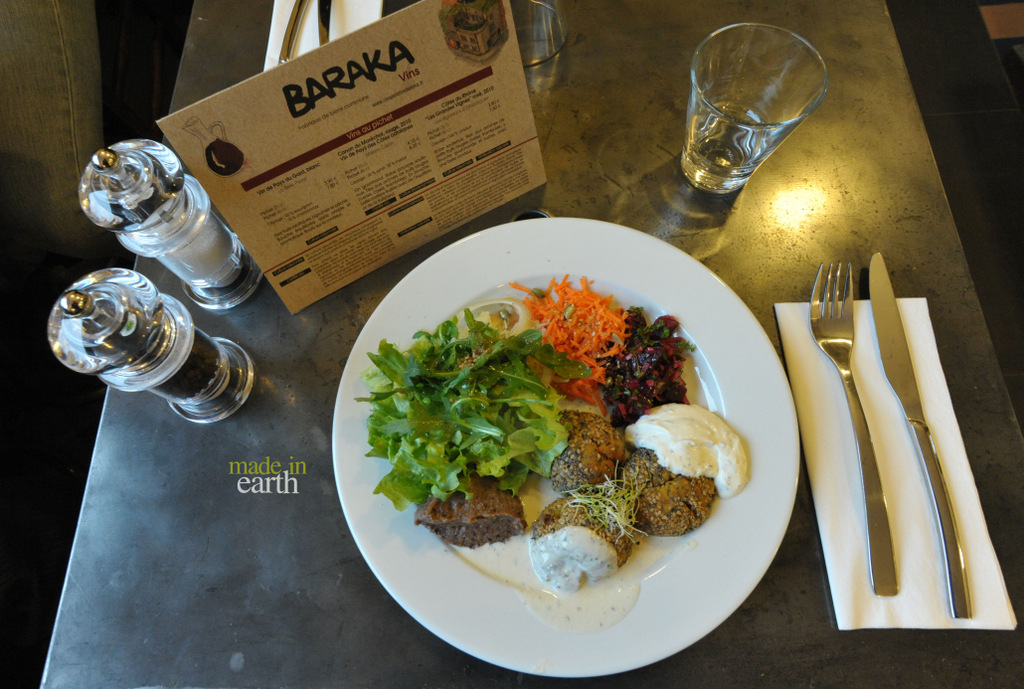
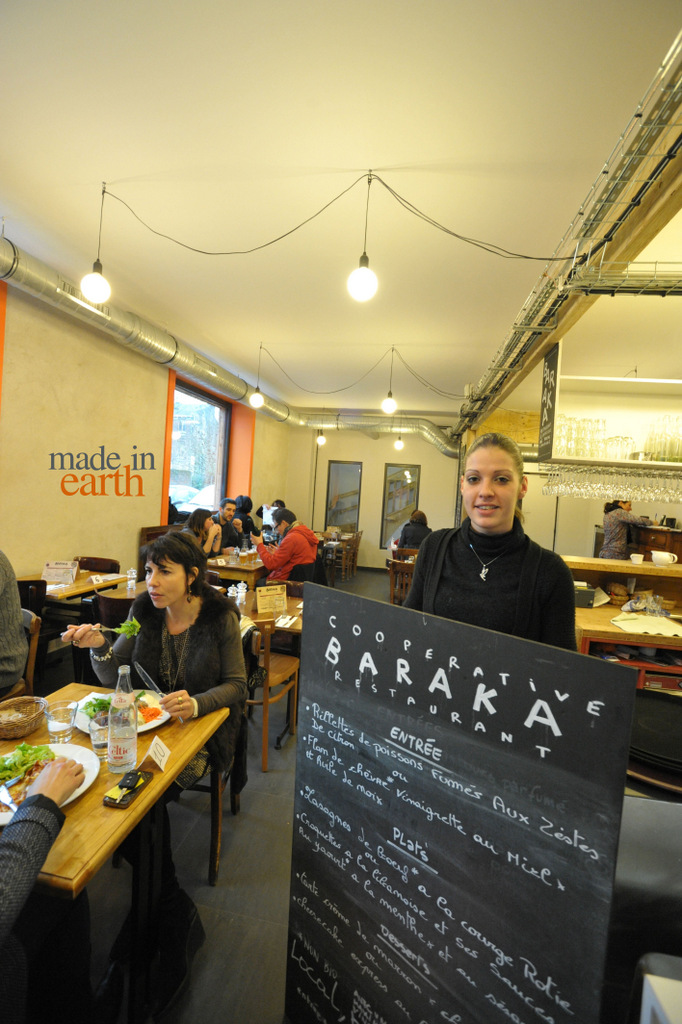
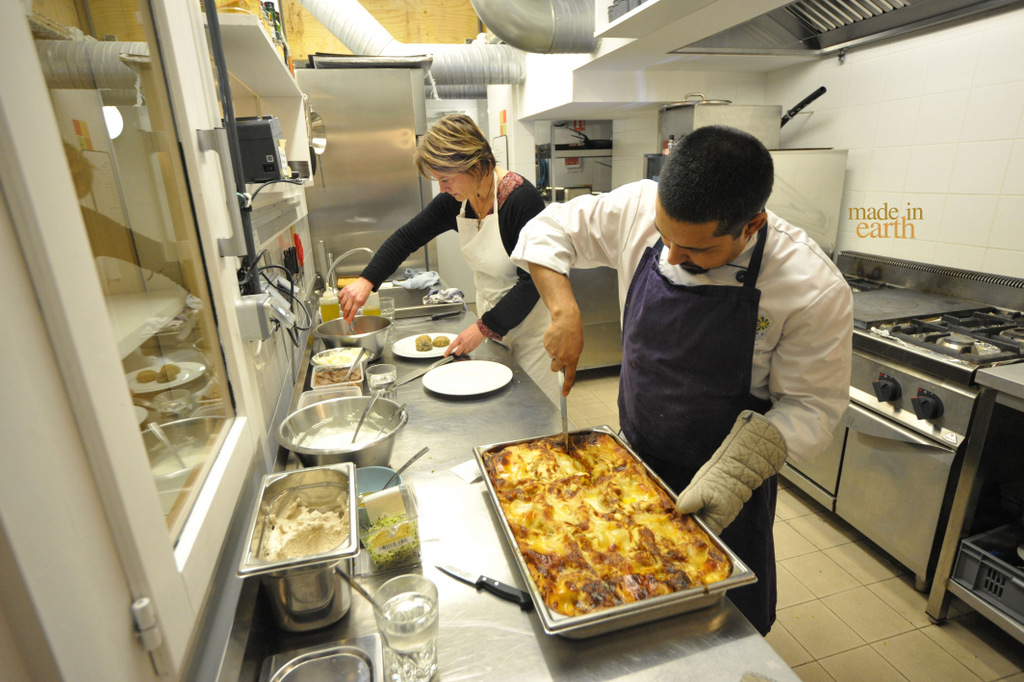
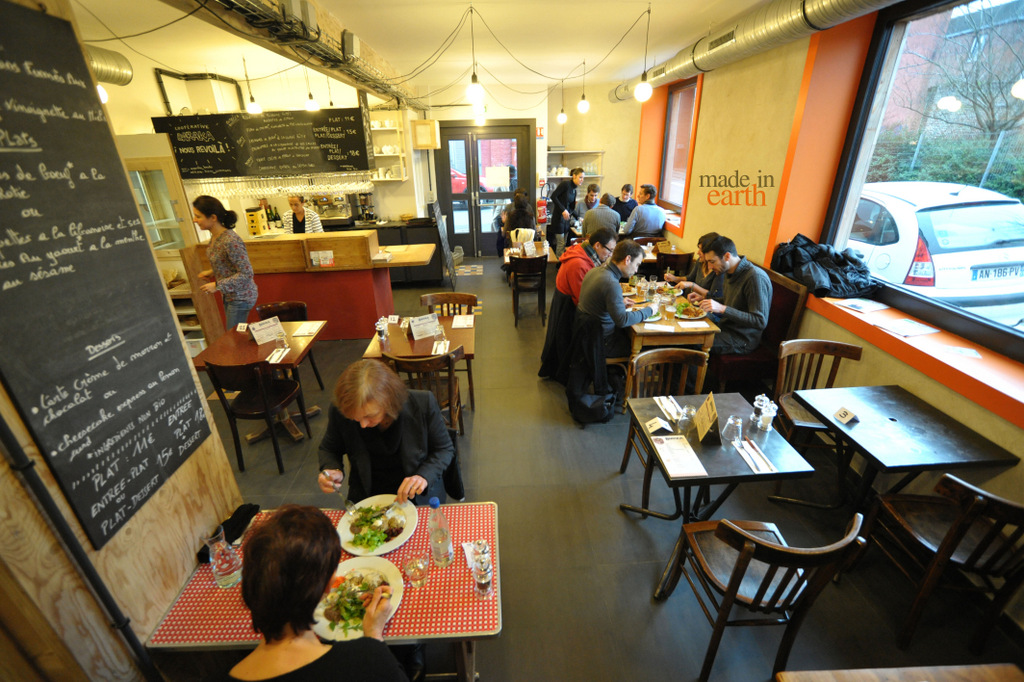
Photos : Pierre Wolf
The second floor is used by the restaurant during the week but is converted in a cultural hall in the weekend!
A big meeting hall is available for rent on the last floor, it is also used for all sorts of cultural activities and hosts a fablab once in a while.
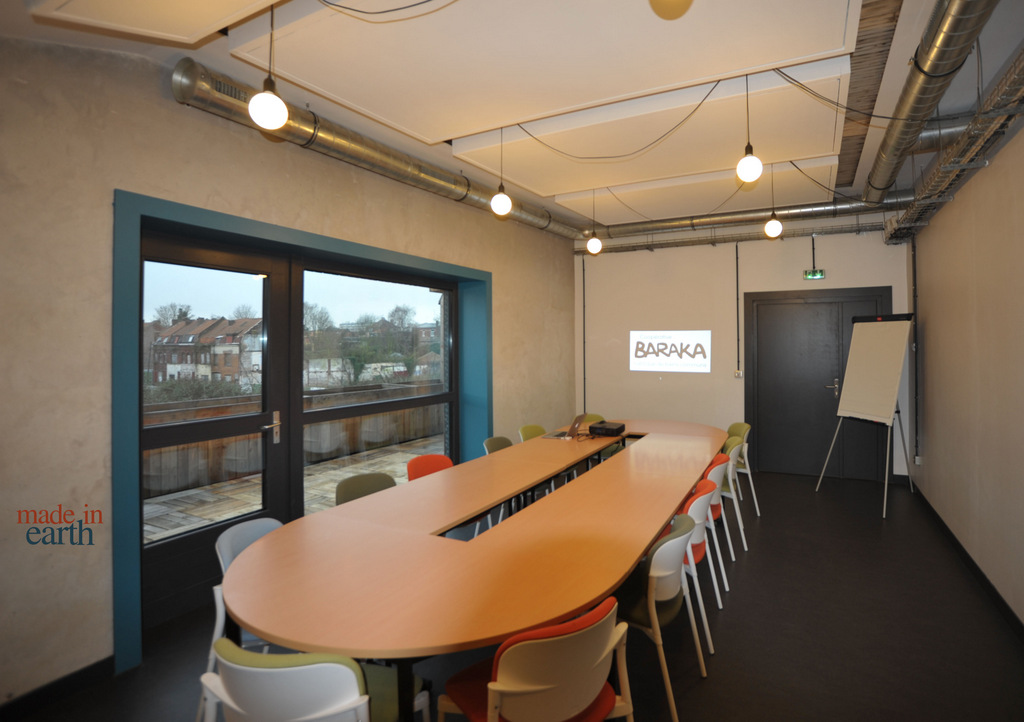
Photo : Pierre Wolf
Some of the organic vegetable used in the restaurant are grown in the adjacent terrace! It is also a great spot for an outside lunch in summer.
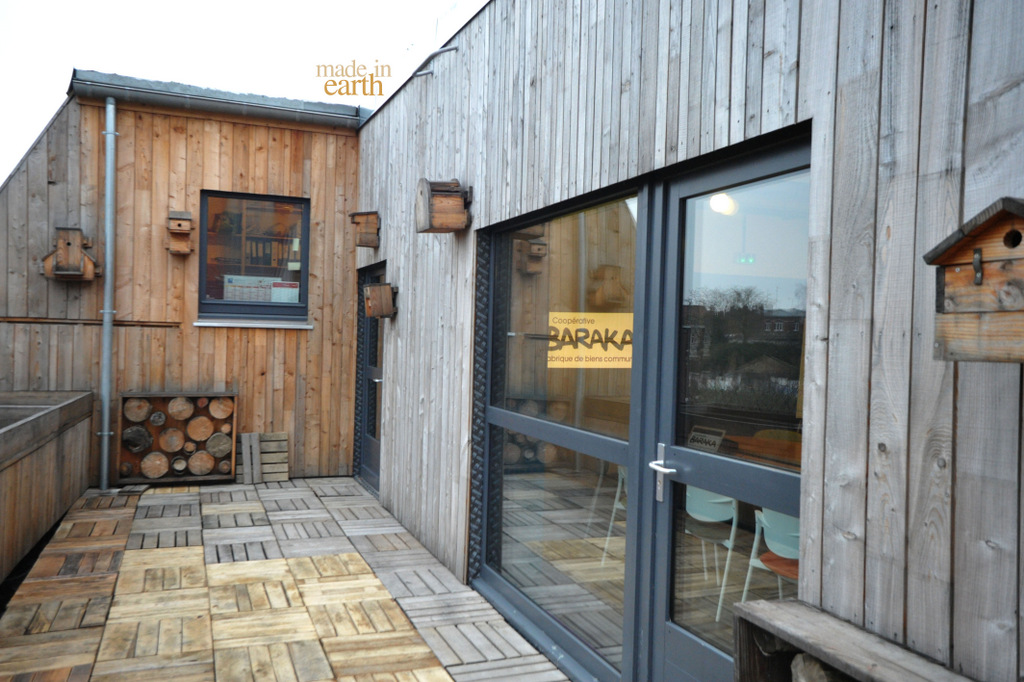
Photo : Pierre Wolf
If you happen to go travel in the north of France, you should really consider a visit to Roubaix!
After your visit at the internationally famous museum ” La Piscine“, go for a lunch at Baraka and tell us about your experience!
Making an earthen floor
Most people often remember earth as a crude material; it’s plain looks that are so contrasting from the aesthetics of finished industrial products. But the irony is that the principle virtue of this material lies in its aesthetics, one that is natural, subtle and simple, adapting itself to the diversity of techniques, cultural aspirations and skills; sometimes in response to tradition, while sometimes contemporary. Along with the artisans from Inventerre, we used earth for a completely different purpose…earthen floors! Today we tell you how it was made :
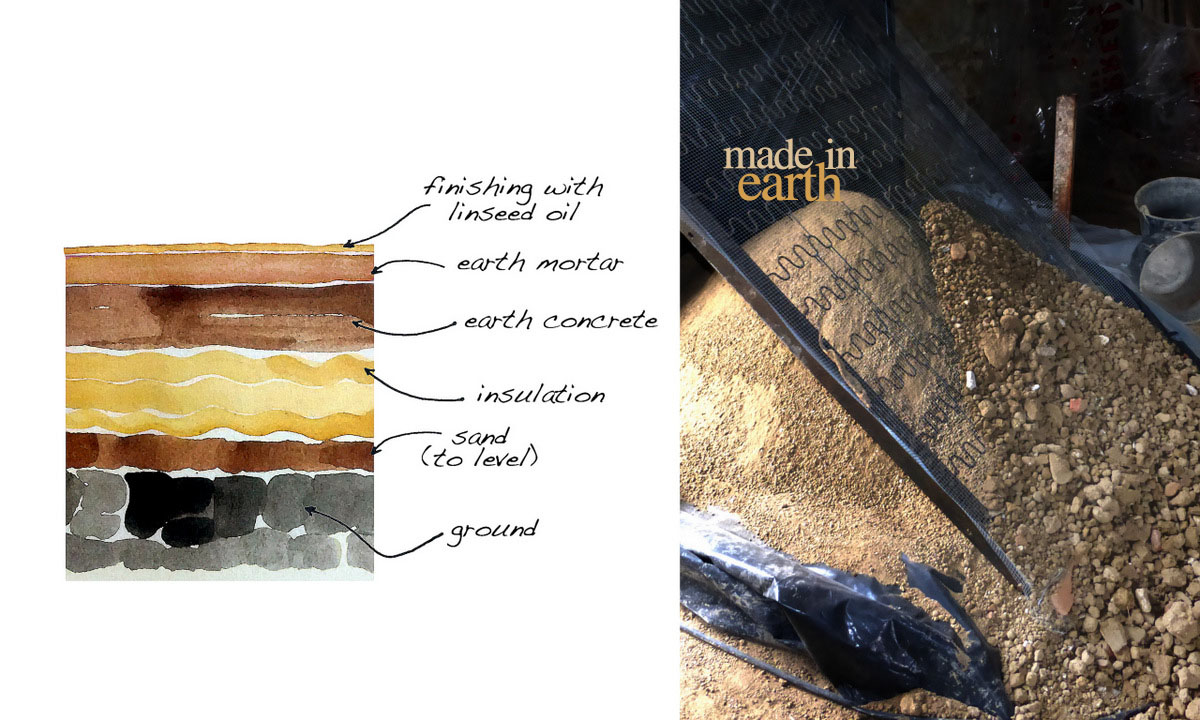
You are probably wondering : “Which layer did they stabilize? Where is the cement?”. There is no cement, no lime, no bitumen! Only earth and linseed oil!
1. First the floor was dug and leveled with a layer of 3 to 5cm of sand.
2. Next, a 10 cm of cork board was laid for insulation purpose. Cork is a very interesting material in Europe for foundations since it is water proof, resistant to humidity and dense enough to carry some weight.
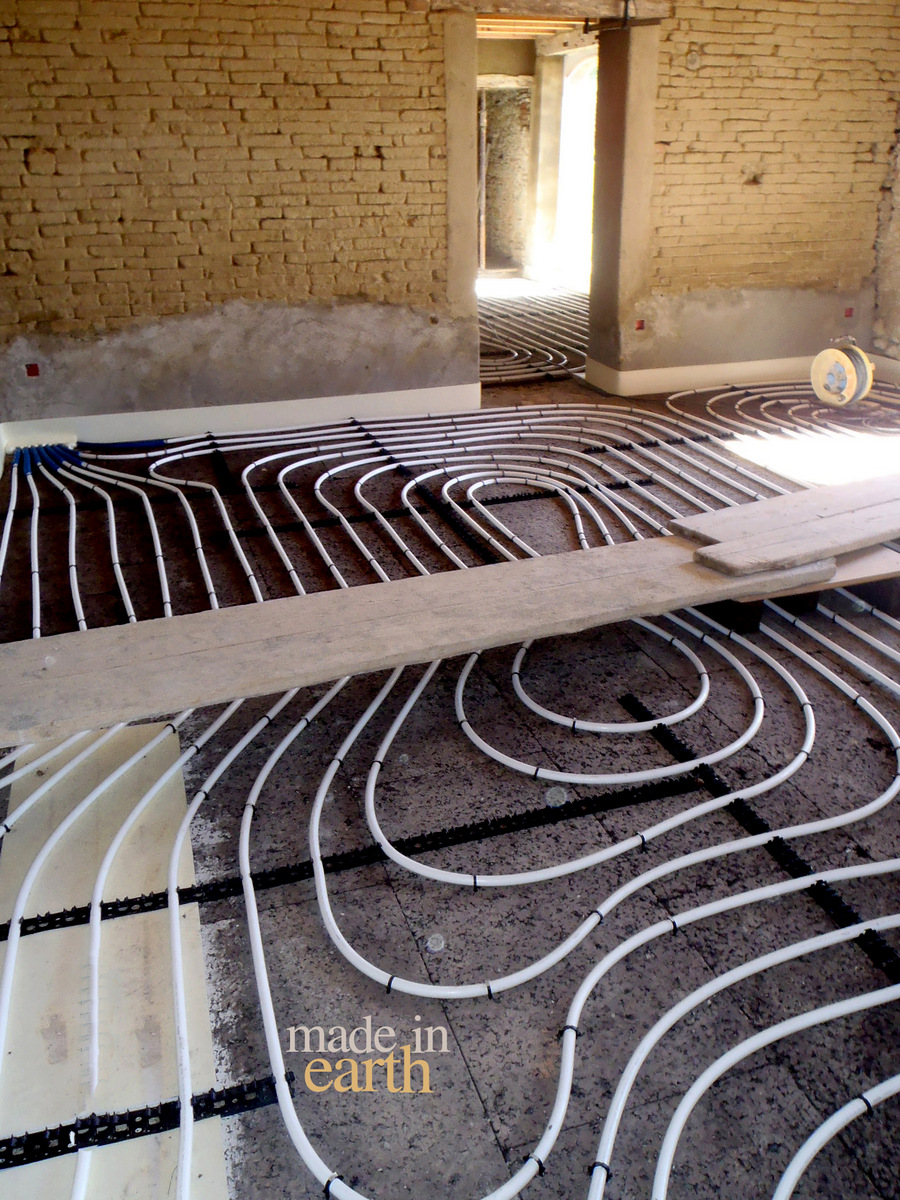
The building heating system is done through the floor. Pipes are fixed on top of the cork and will be “trapped” in the slab to get the best inertia. As you can see on the photo a compression seal was also laid at the point of contact between the slab and the wall to avoid cracks and movement due to the changes of temperature of the floor complex.
3. Then comes the earth concrete. There is a debate with the word “Concrete”, we like to say that concrete is just a mix of aggregate together with a bonding agent and water. Therefore earth mixed with water is a concrete. Clay particles play the role of holding the aggregate together to form an solid mass.
Several layers of 5 cm mix were applied and then rammed to reach a final slab thickness of 11cm. The mix is composed of : 3 vol of calcareous gravel + 2 vol of earth + minimum of water to reach a semi-plastic state. Each layer is rammed by feet first and then with a ramming machine.
Water is your best friend and your worst enemy when building with earth. Put little less and you won’t get any cohesion, put a little extra and you will have fissures. Even though we put a minimum amount of water, we had to wait 3 months for the entire volume to dry! It is not like cement which will react with the water, here most of the water needs to evaporate till the earth mix has found its water balance with the surrounding materials and the air.
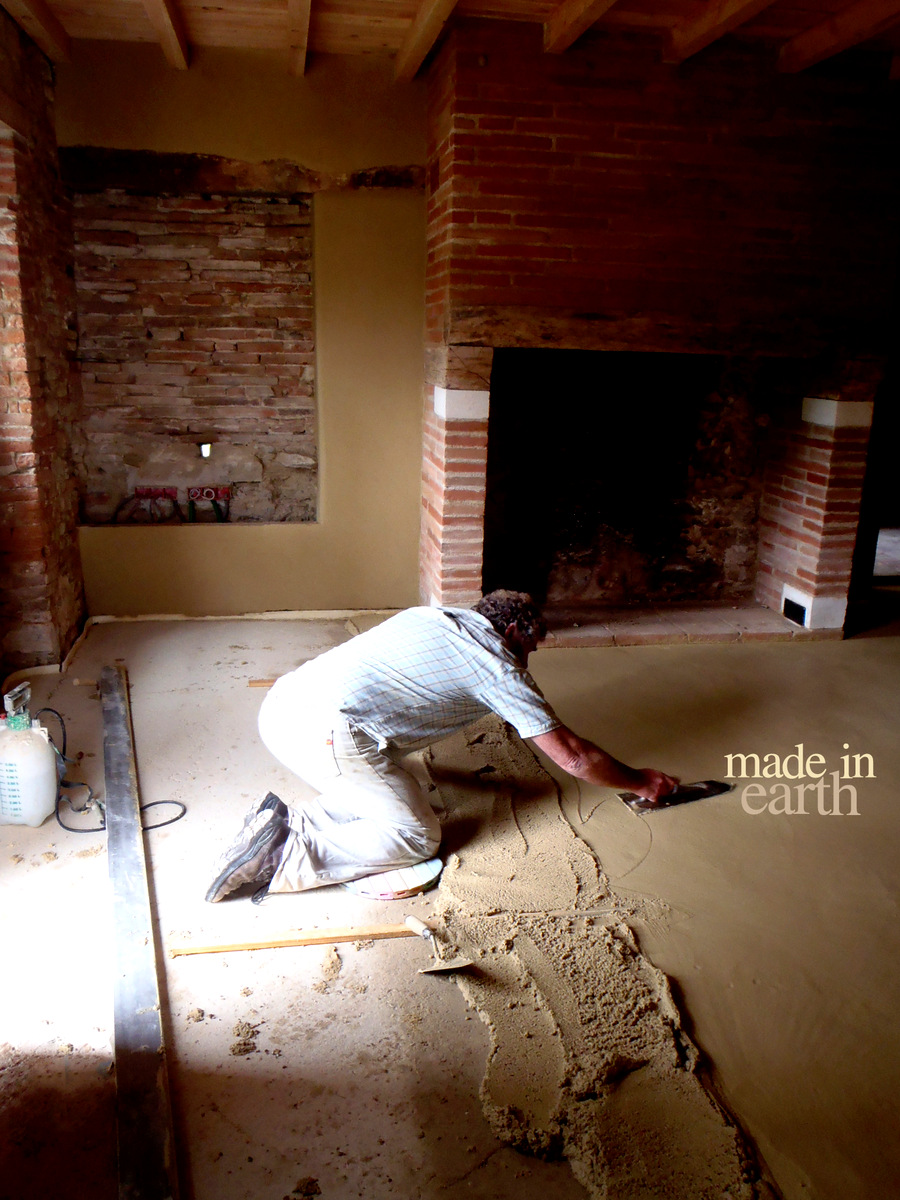
4. The earth mortar is the final layer. It is around 1.5 to 2cm thick and is composed of 4 volumes of calcareous sand (0/4) and 1 volume of earth. It is the layer that will be seen and needs to be “perfect”, the slightest crack is filled and fixed before the final coating.
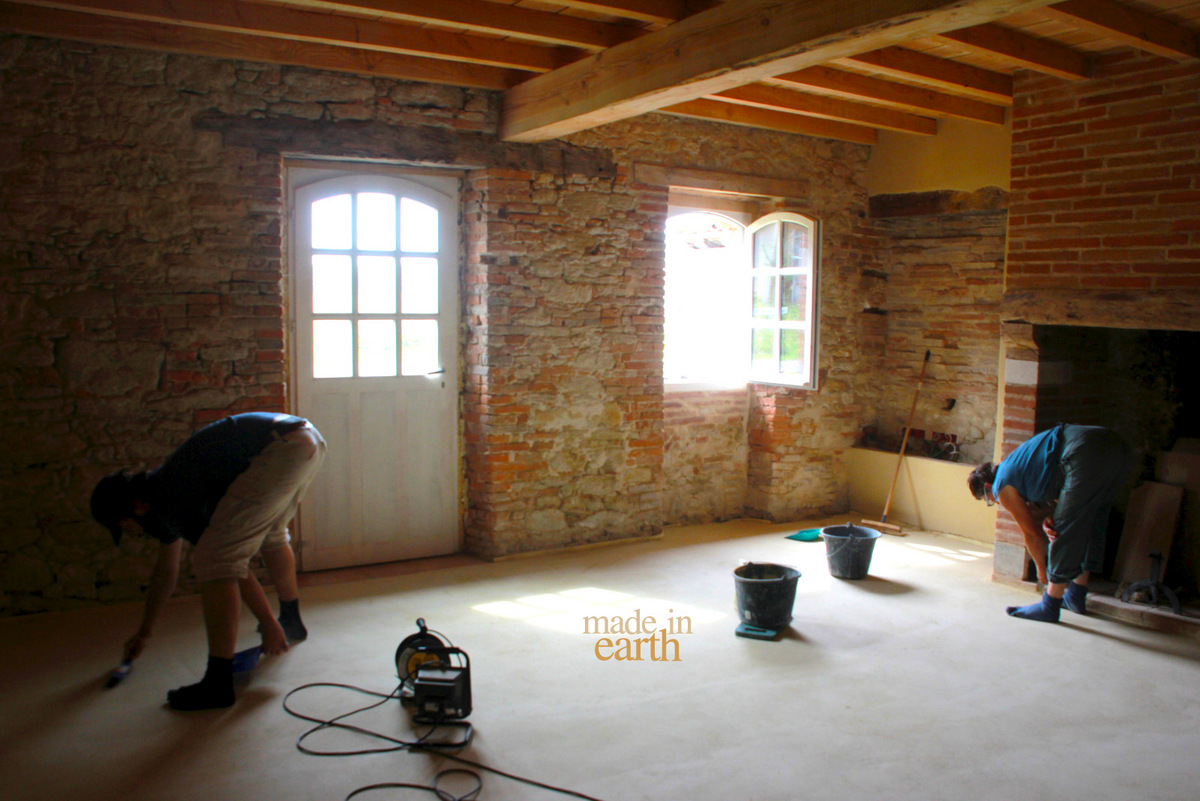
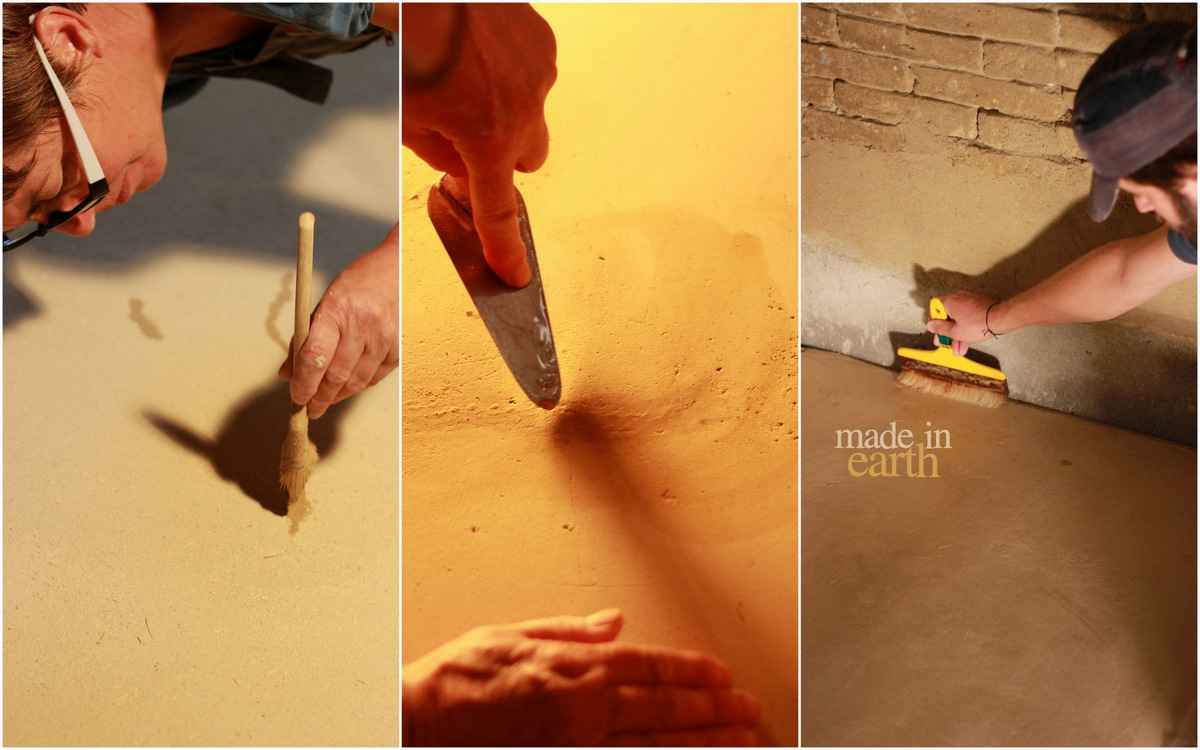
5. Linseed oil is then applied 4 to 5 times to give rigidity to the floor surface and to make it water proof.
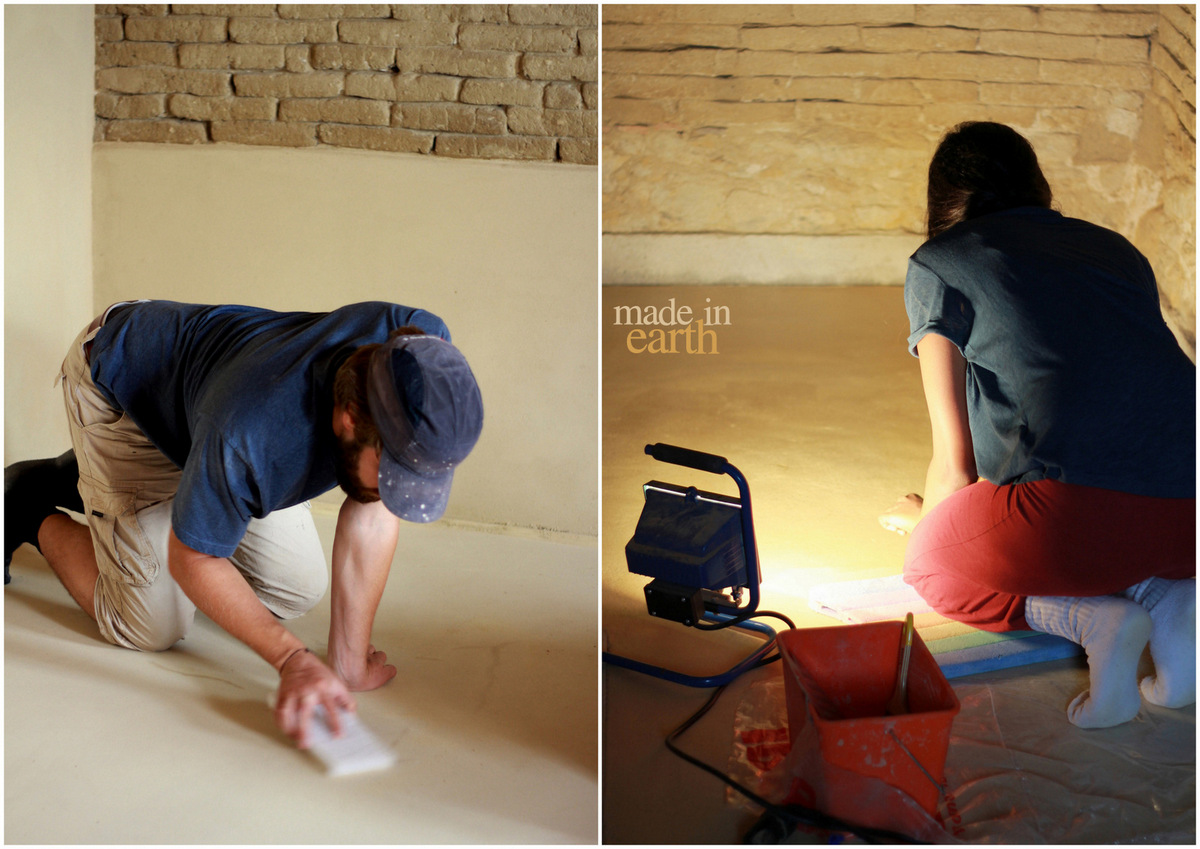
It is impressive to see that after applying the layers of oil, you can wipe the flour with a wet mop without altering the surface at all! Here is the final result!
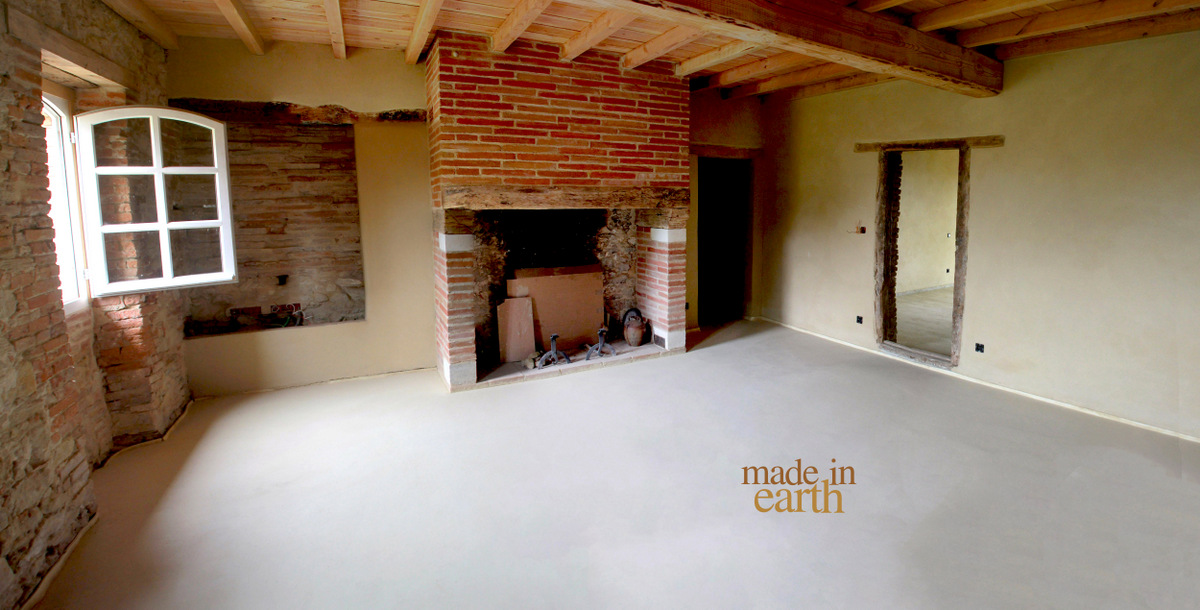
This is a restoration project of an old countryside house. The restored adobes, stone and cooked bricks and the wood are brought beautifully together by the earthen floor.
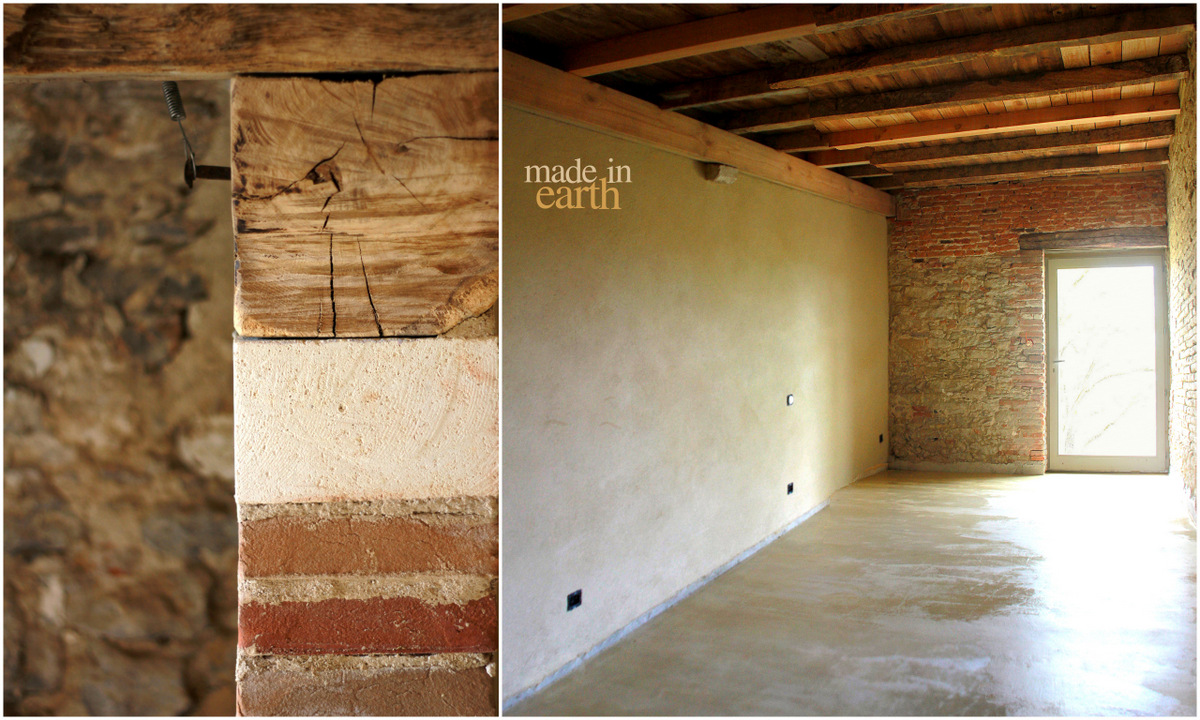
You have to really want an earth floor in your house. It may be most ideal for living areas, reading rooms or bedrooms while kitchens and other wet areas could be a challenge. Remember that having an earth floor in any part of your house requires a special attention. It is sensitive to shocks and point load. The linseed oil coat has to be renewed every once in a while to make sure that the floor does not take any stains. If you would like more information about earth floors, please write to us
Who is Inventerre? coming up soon.
First step First press
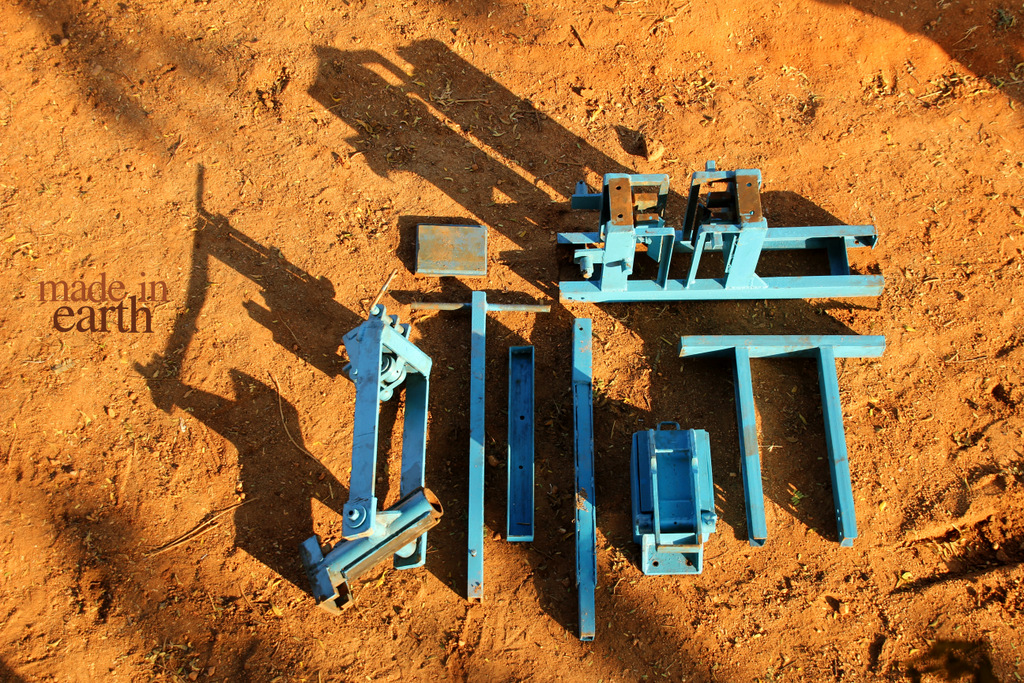
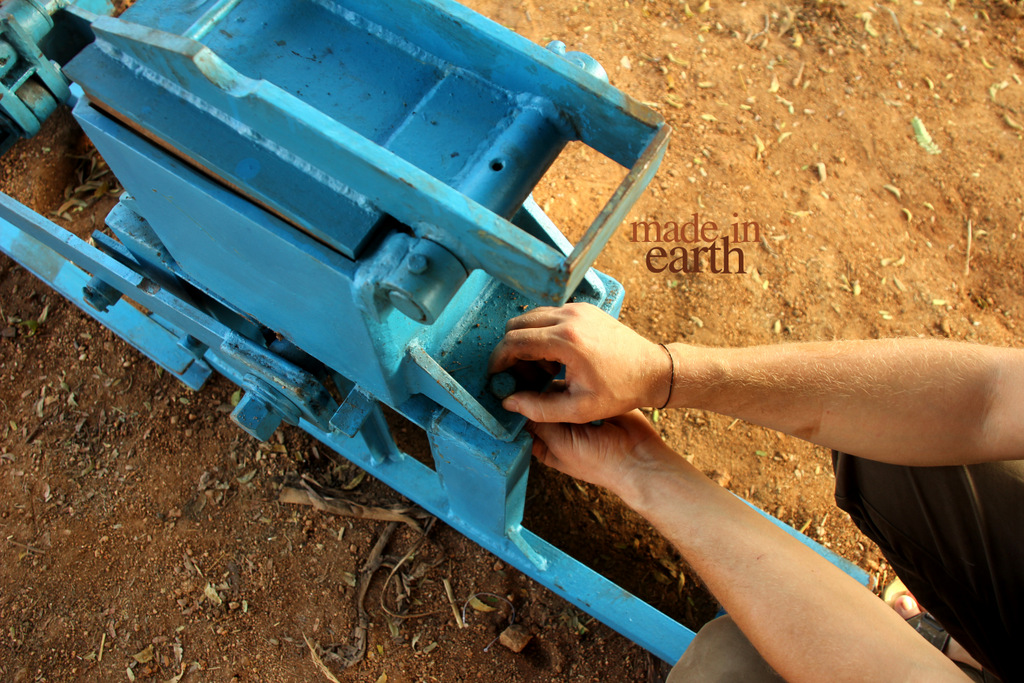
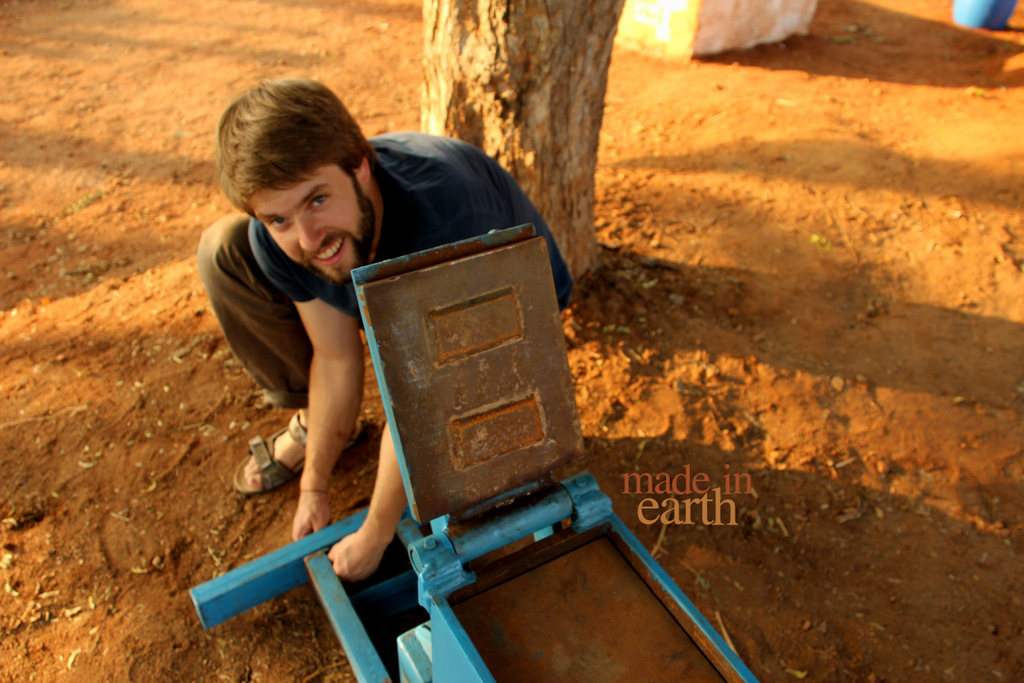
Here is the old grandma we received last week. No disrespect in calling her that… she has already a few years of hard-work behind her and after pressing Earth blocks for a few houses she really required a makeover!
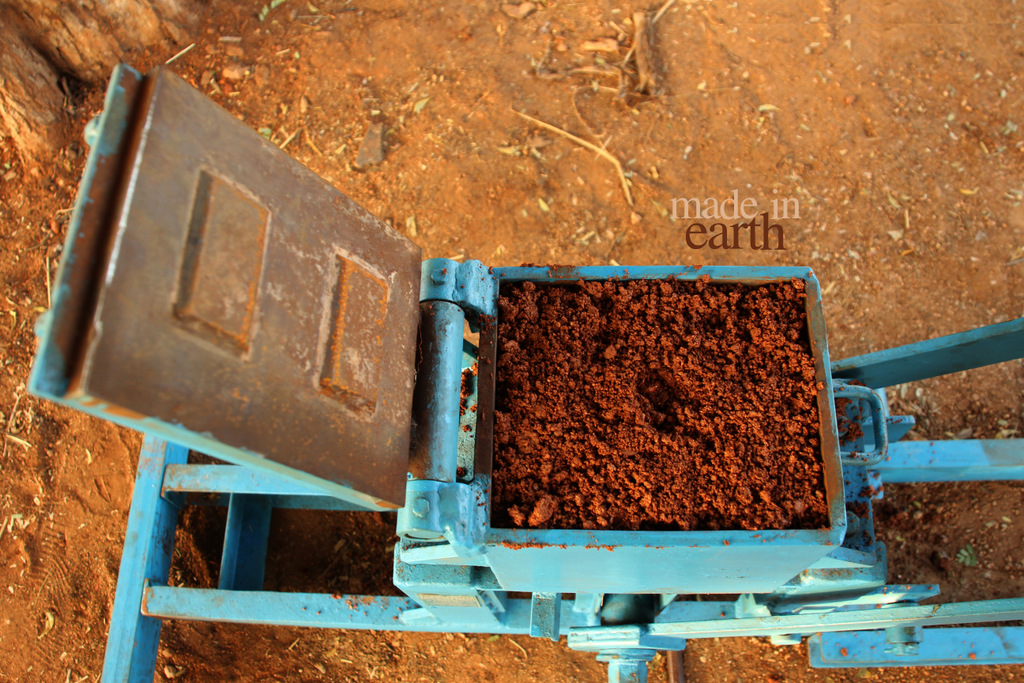
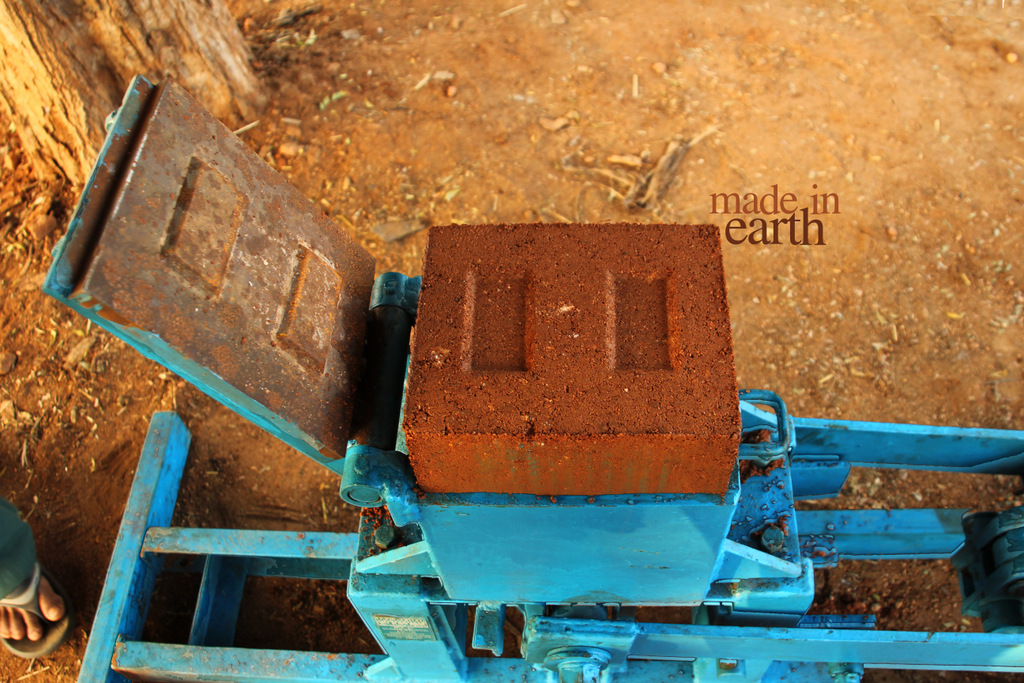
This Mardini Press might not be the next candidate for some high-tech award but it is robust, extremely simple and can produce up to 500 compressed earth blocks per day.
It could be an alternative for the COB technique which has been used locally in South India for ages but is labor intensive and comes with more structural restrictions. We will definitely explore the possibilities of rammed earth, adobe, as well and keep you updated.
We just wanted to share with you our excitement after producing our first brick with this newcomer!
Happy New Year 2015 to everybody! Keep creating, keep sharing.