2016 JJ Maternity Hospital, Blog

2016 – JJ Maternity Hospital

“The patient should feel like being in a temple, an Aayalam”, Dr.Jayanthi told us, “the hospital should be earthy and calm. A center for healing and birth. Something that can serve as a landmark for both medicine and architecture.” These are the words with which we are working towards building an out-patient unit for a maternity hospital in Kalyanagar, in the heart of Hyderabad City. It will be a five story building in earth 🙂

The project brief is very clear. The thoughts expressed by our client is our driving force in redefining how we look at healing spaces today. We need to keep a functioning hospital while we work around the challenging requirements, to make a space that speaks for itself, together with its purpose, together in earth.

Healthy, breathing, natural, durable, low energy consumption and low environmental impact for mining, processing, transportation, construction and destruction; only one material fulfills all these criterias to near perfection : Earth.

And what better place to explore sustainable design than a hospital!
A healing center can be truly healing if the materials that it uses and the systems on which it relies have a positive impact,
on the people who build it,
the patients who come for consultation,
the doctors and nurses and staff who work there every day,
and for the environment as a whole!

“How does earth architecture render itself as a response to large scale public projects in the core of urban Indian cities?, we ask ourselves.
And as we dive deeper into one of our most challenging projects, we couldn’t wait to share with you a tiny glimpse into what our team is working on.
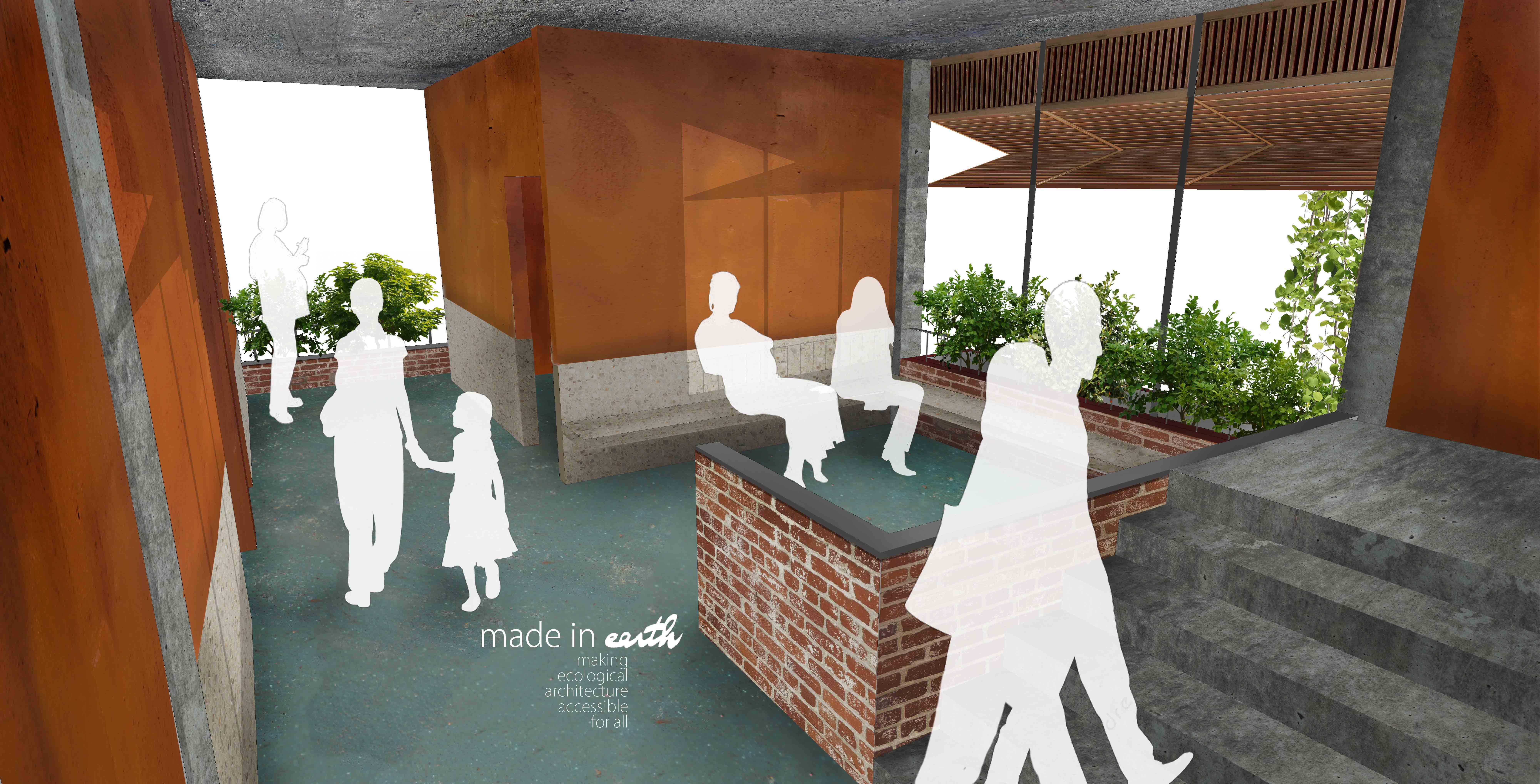
JJ Interior copy
an interior view of the waiting room adjacent to consultancy rooms 3 and 4
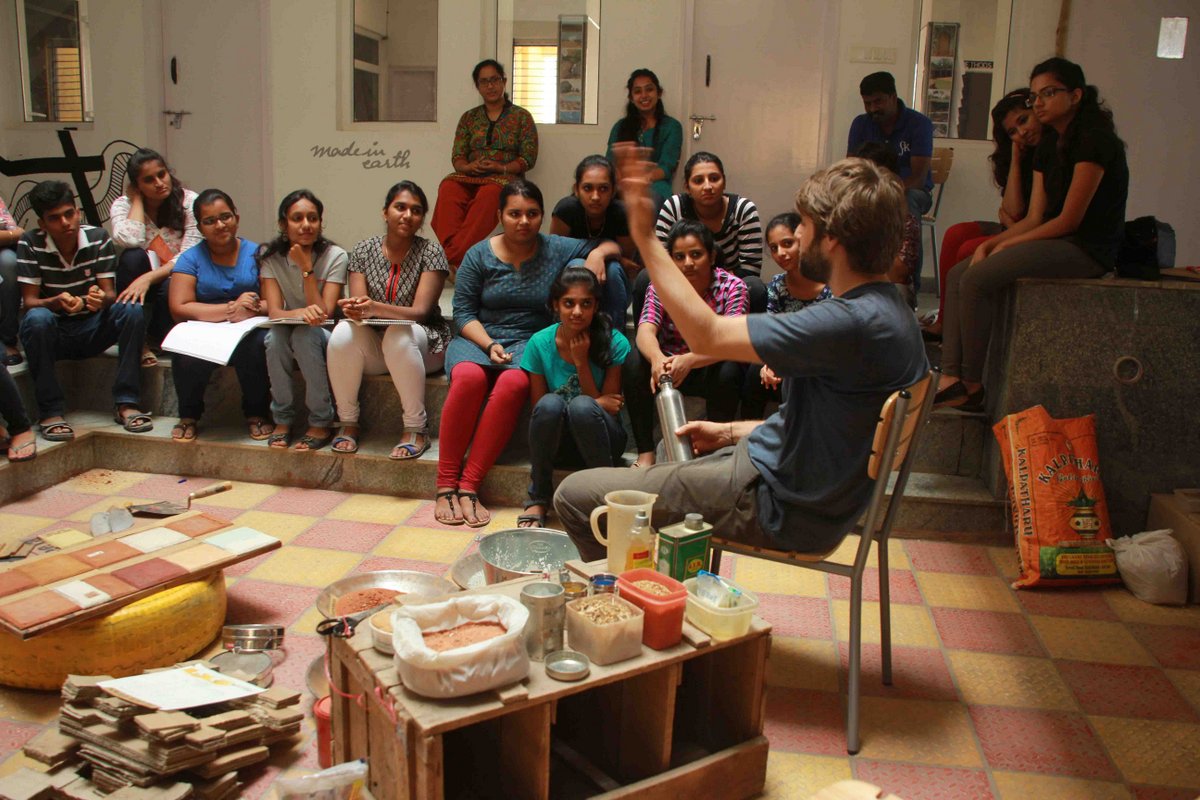
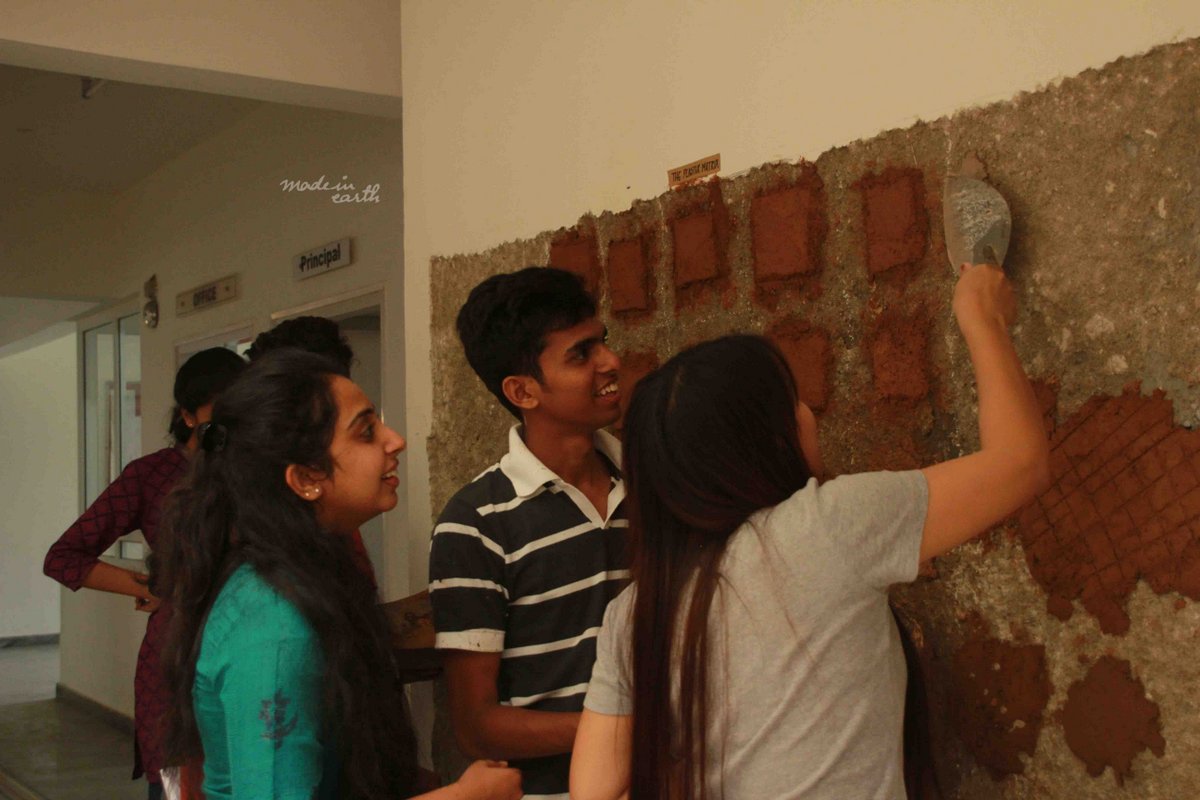
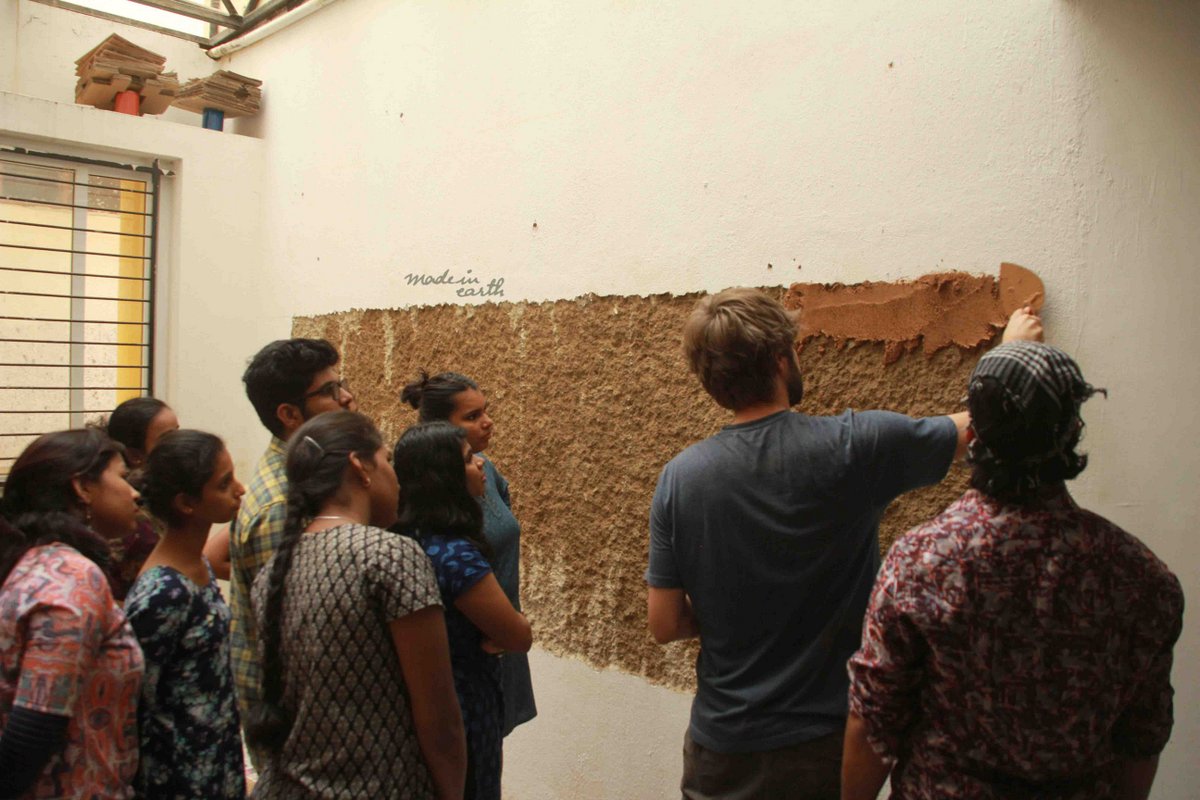
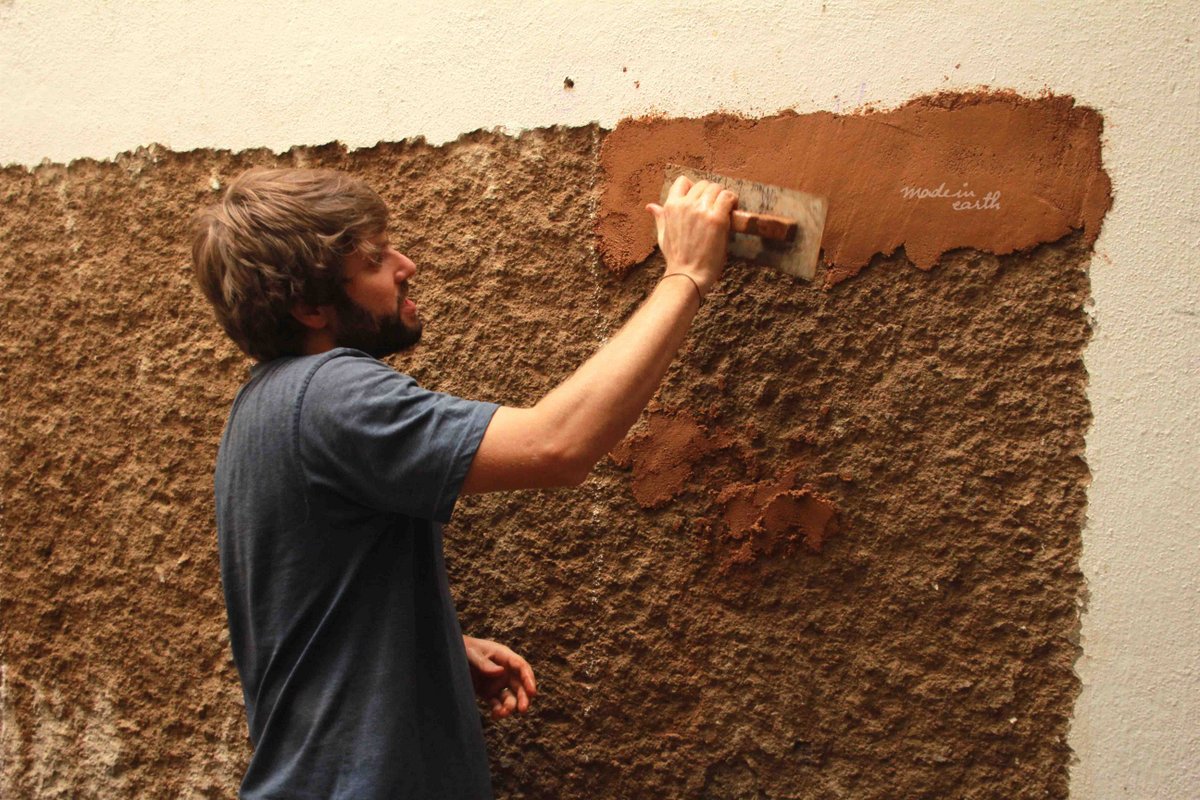
2016 Hands on mud workshop at NIT Trichy, Adobe, Blog, Earth and Straw, Rammed earth, Wattle and Daub, Workshops

2016 Hands On Mud

Introducing Earth building at NIT,Trichy

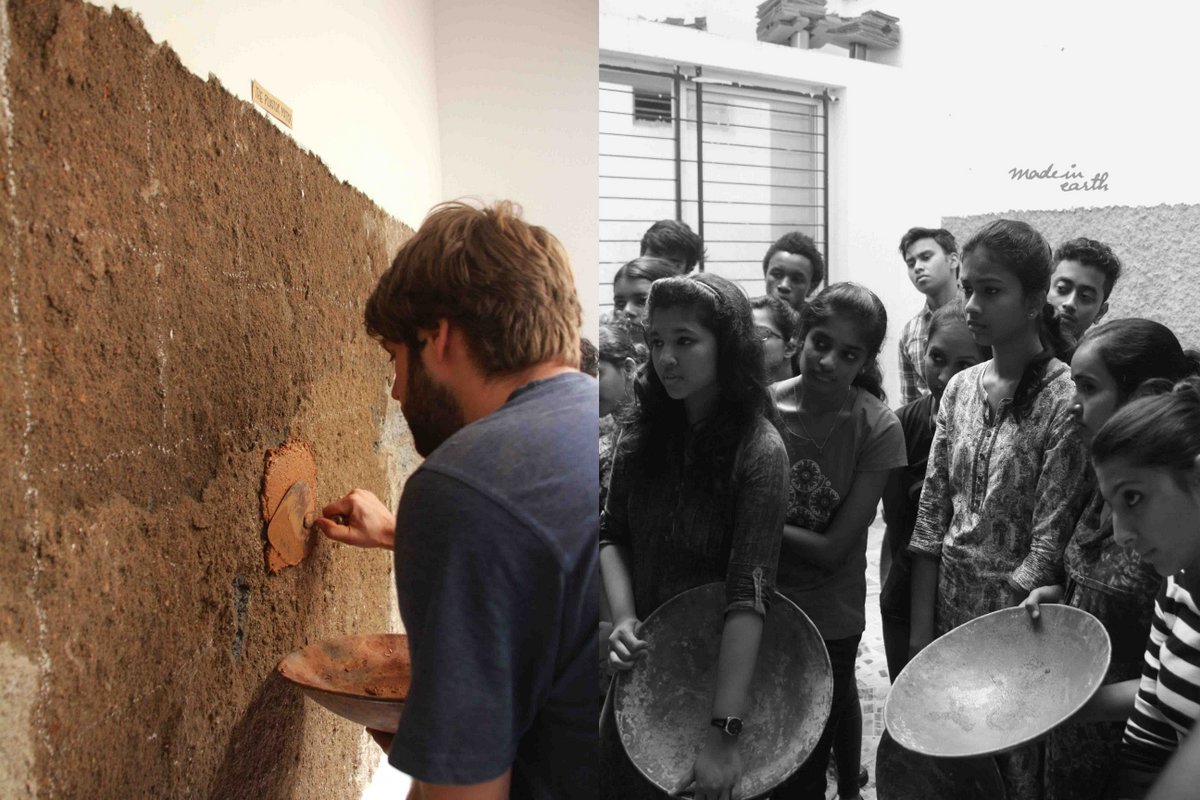
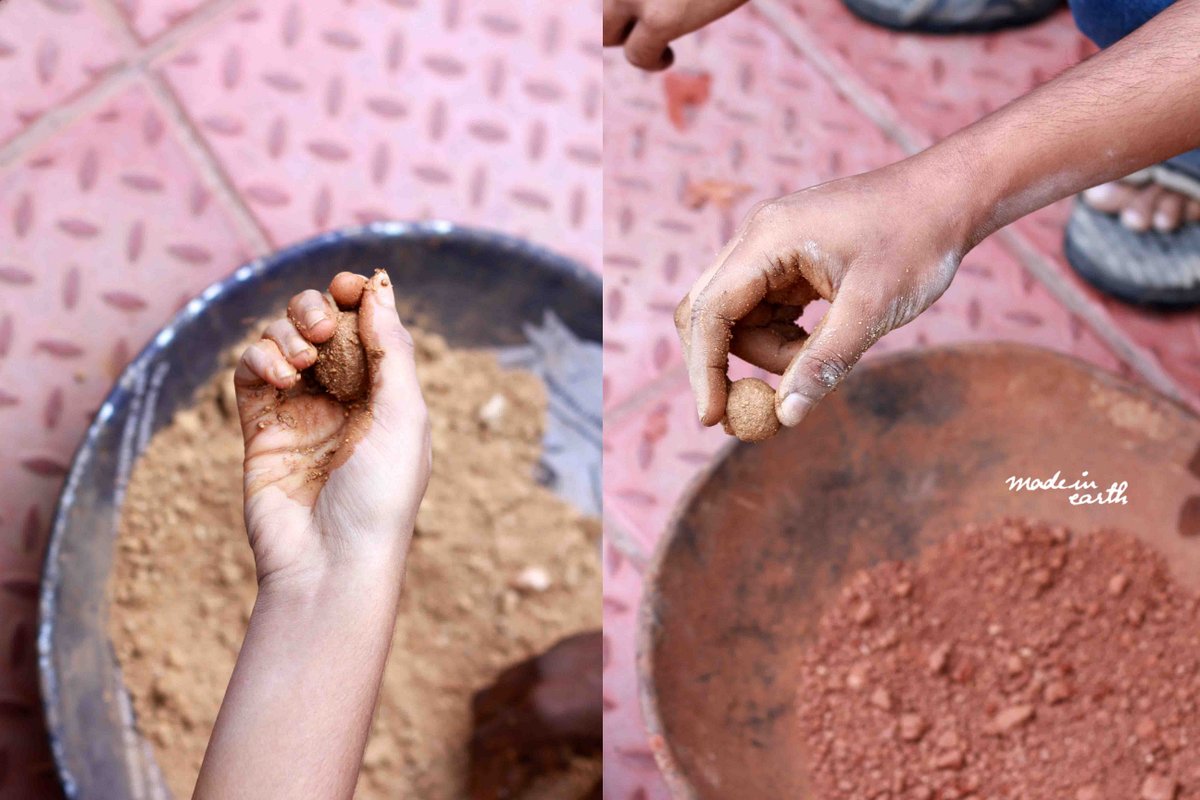
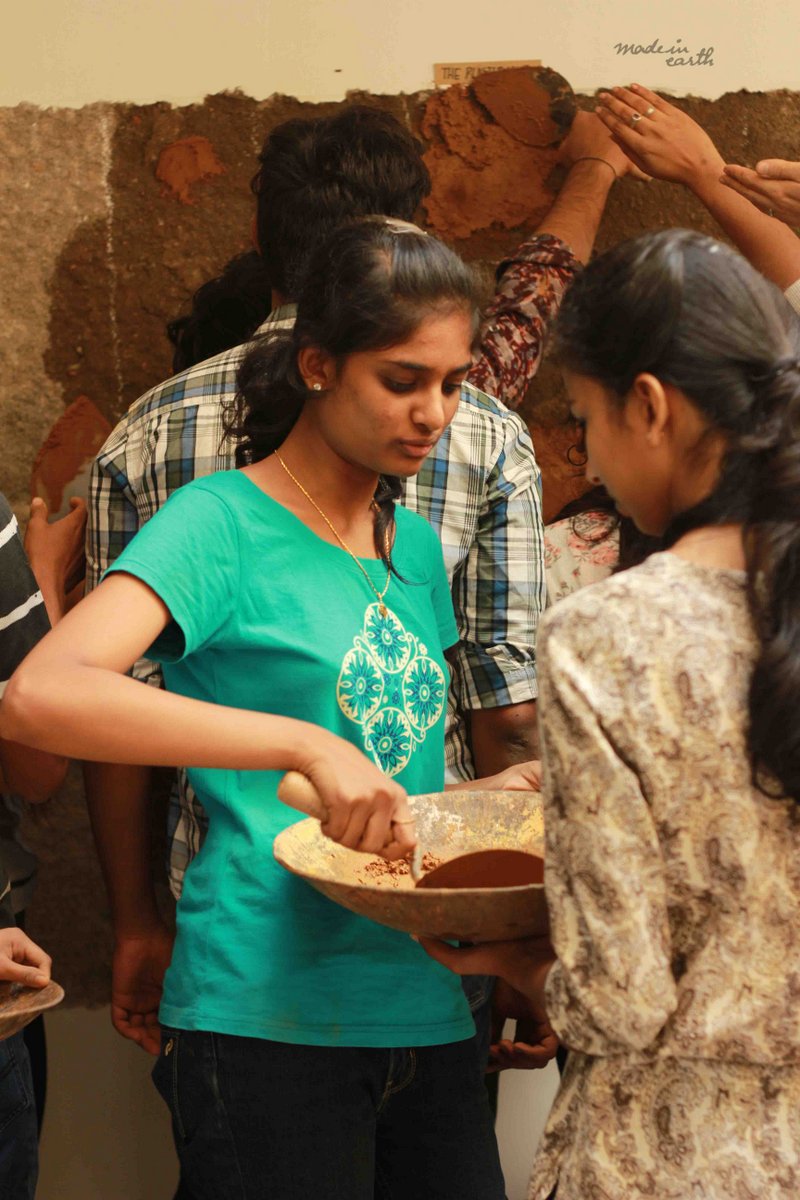
When you build with earth, you have to get your hands into it!
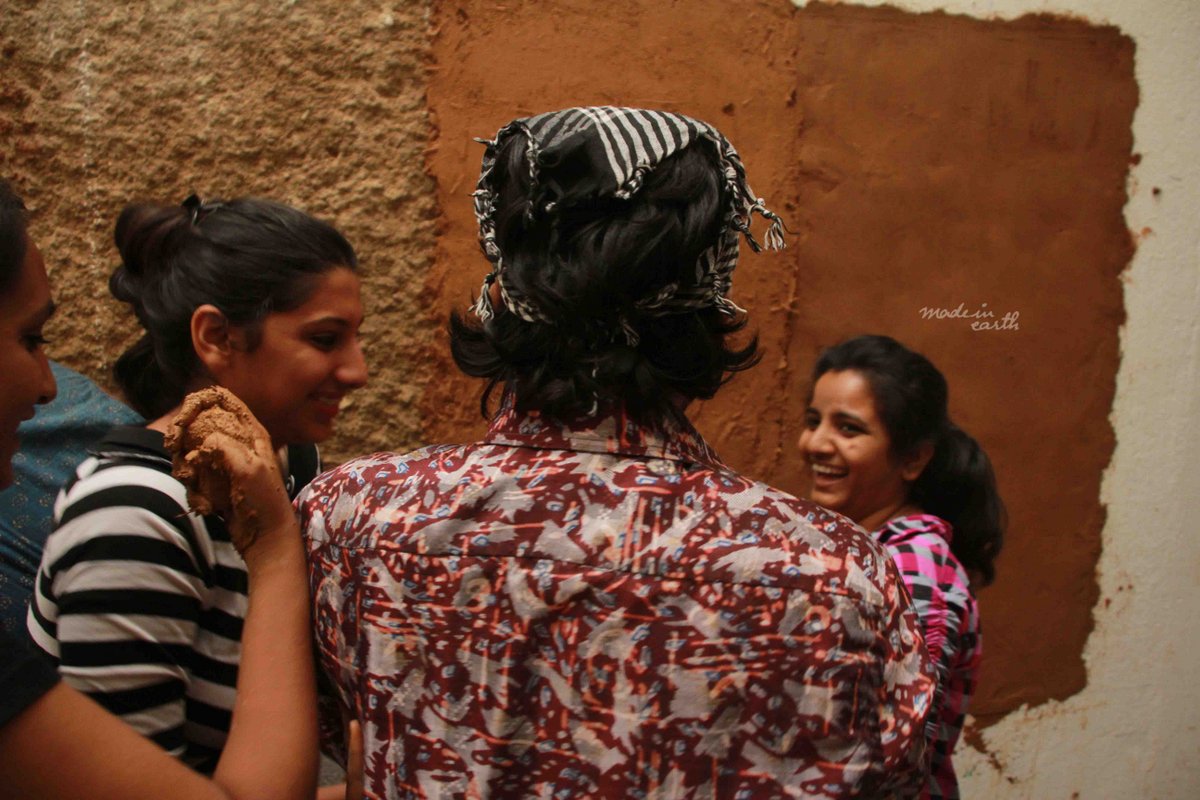
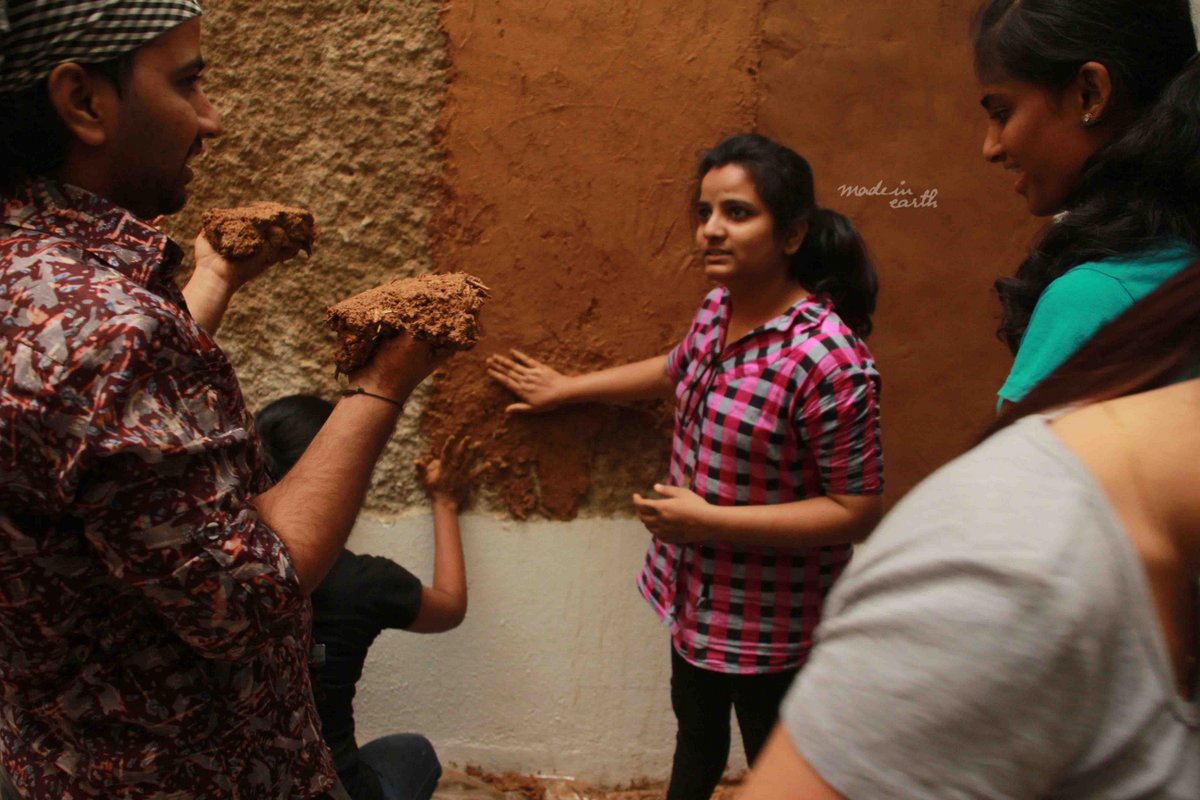
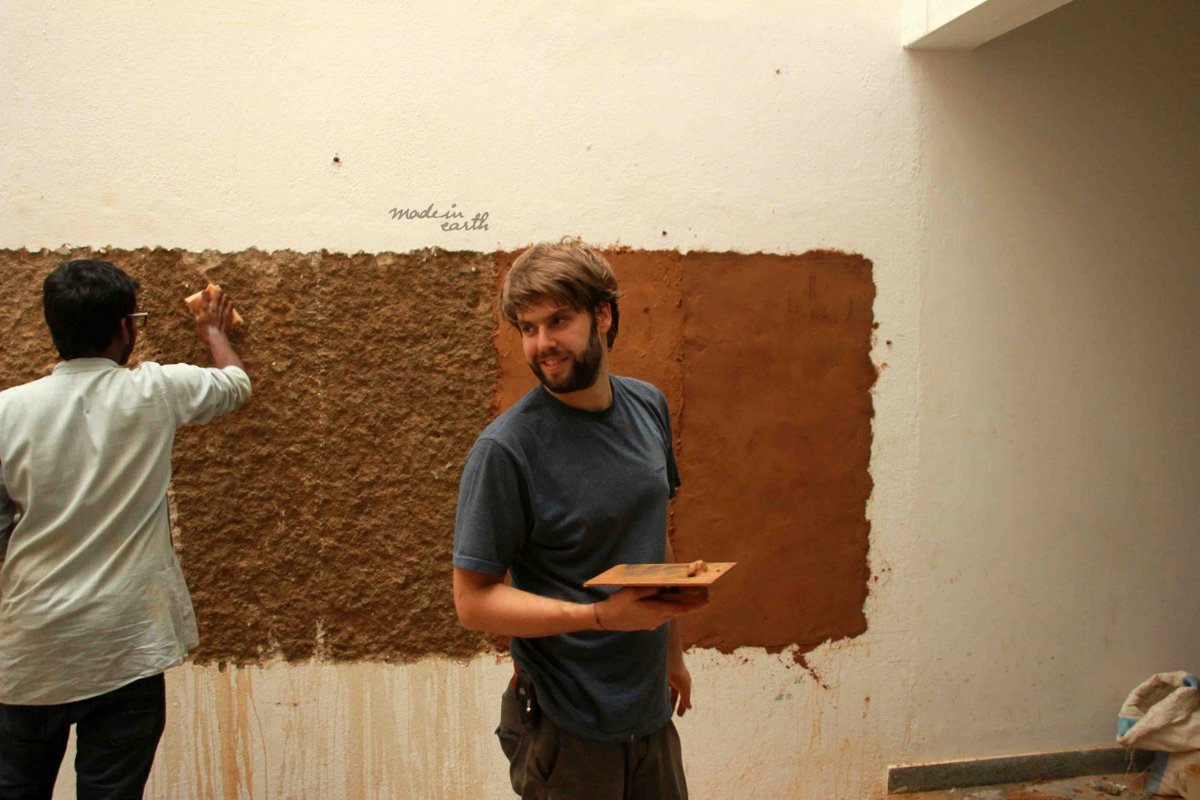
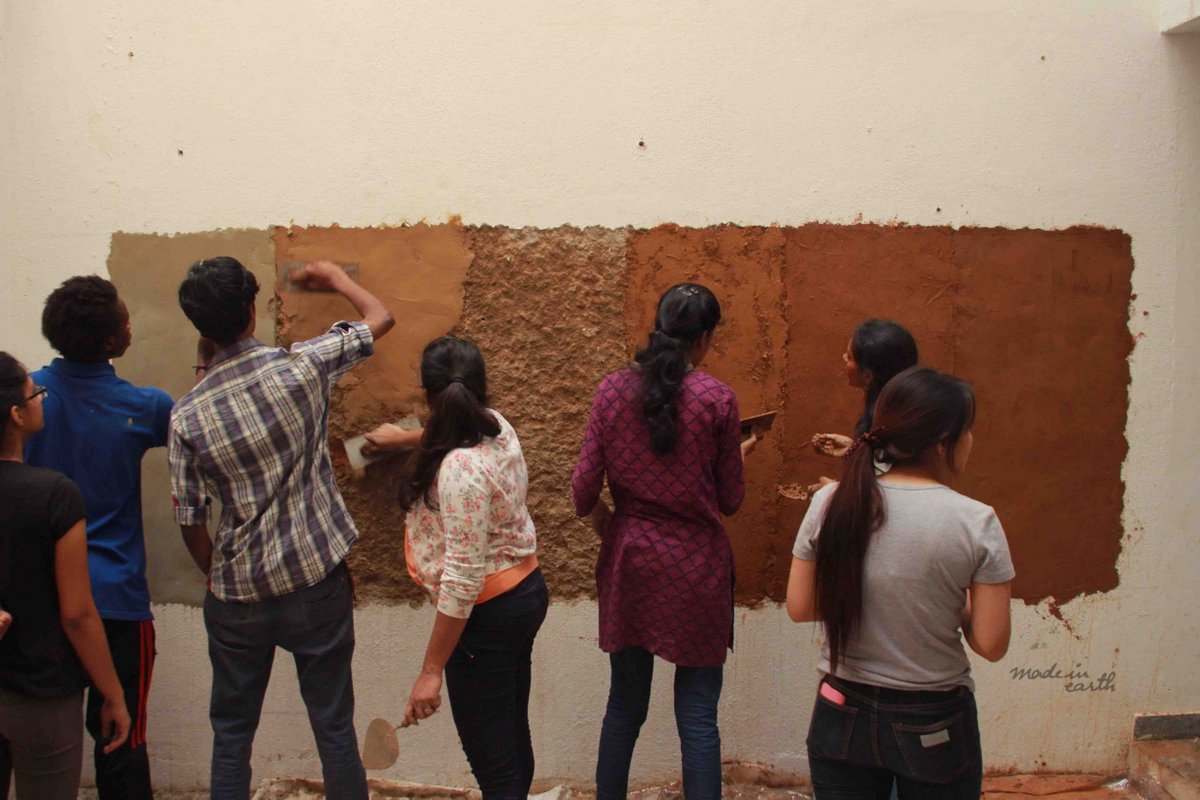
Here are glimpses from a series of HANDS-ON workshops;
introducing various earth building techniques to students of Architecture,
at Archcult, National Institute of Technology, Trichy.

The Diversity of Earth Architecture

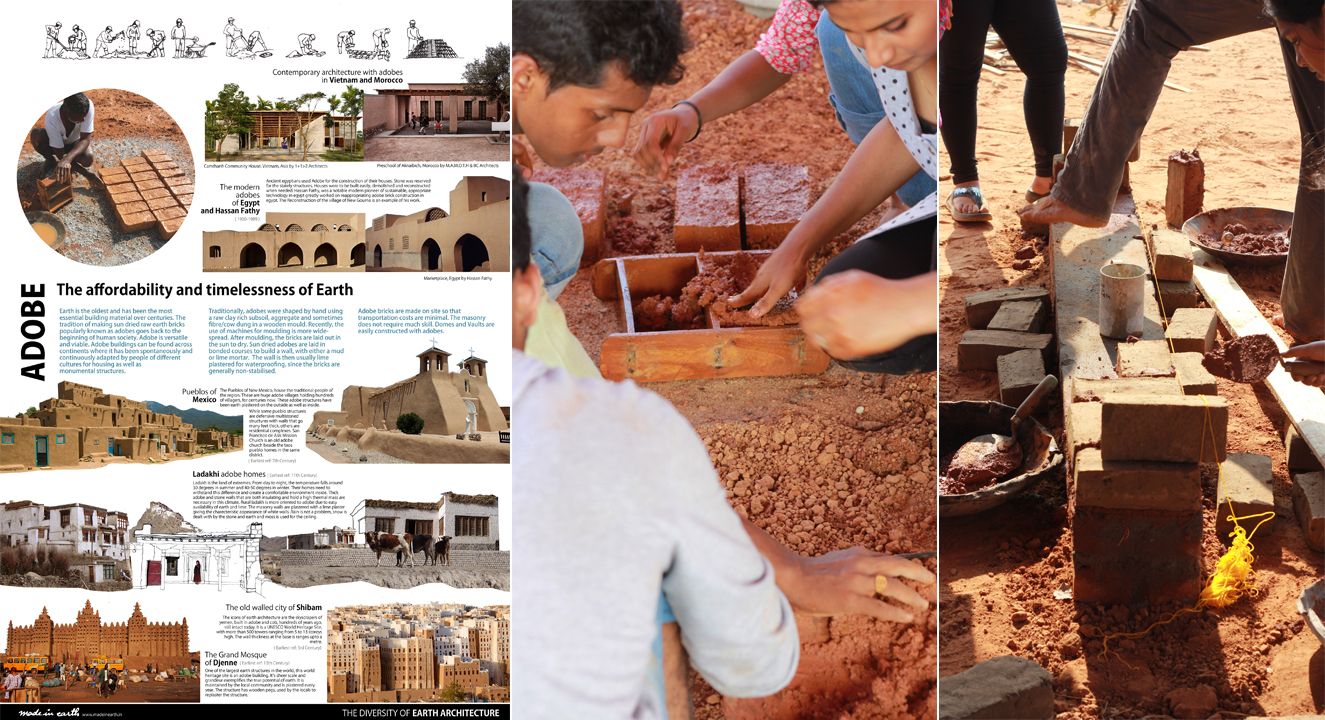
Earth is the oldest and has been the most essential building material over centuries.
The tradition of making sun dried raw earth bricks popularly known as adobes,
goes back to the beginning of human society.
Adobe is versatile and viable.
Adobe buildings can be found across continents,
where it has been spontaneously and continuously adapted
by people of different cultures,
for housing as well as monumental structures.


Archcult-Adobe

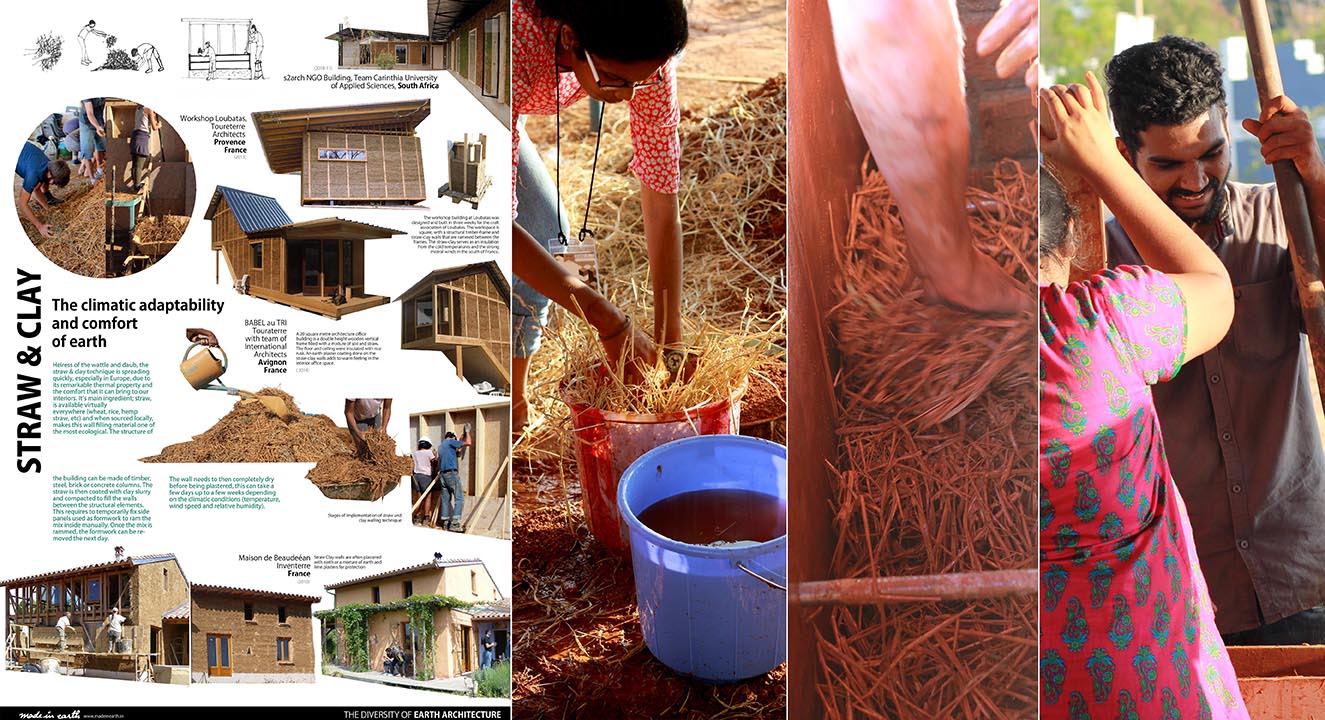
Heiress of the wattle and daub,
the Straw & Clay technique is spreading quickly, especially in Europe,
due to its remarkable thermal property
and the comfort that it can bring to our interiors.
It’s main ingredient; Straw, is available virtually everywhere
(wheat, rice, hemp straw, etc)
and when sourced locally,
makes this wall filling material one of the most ecological.


Archcult-StrawClay

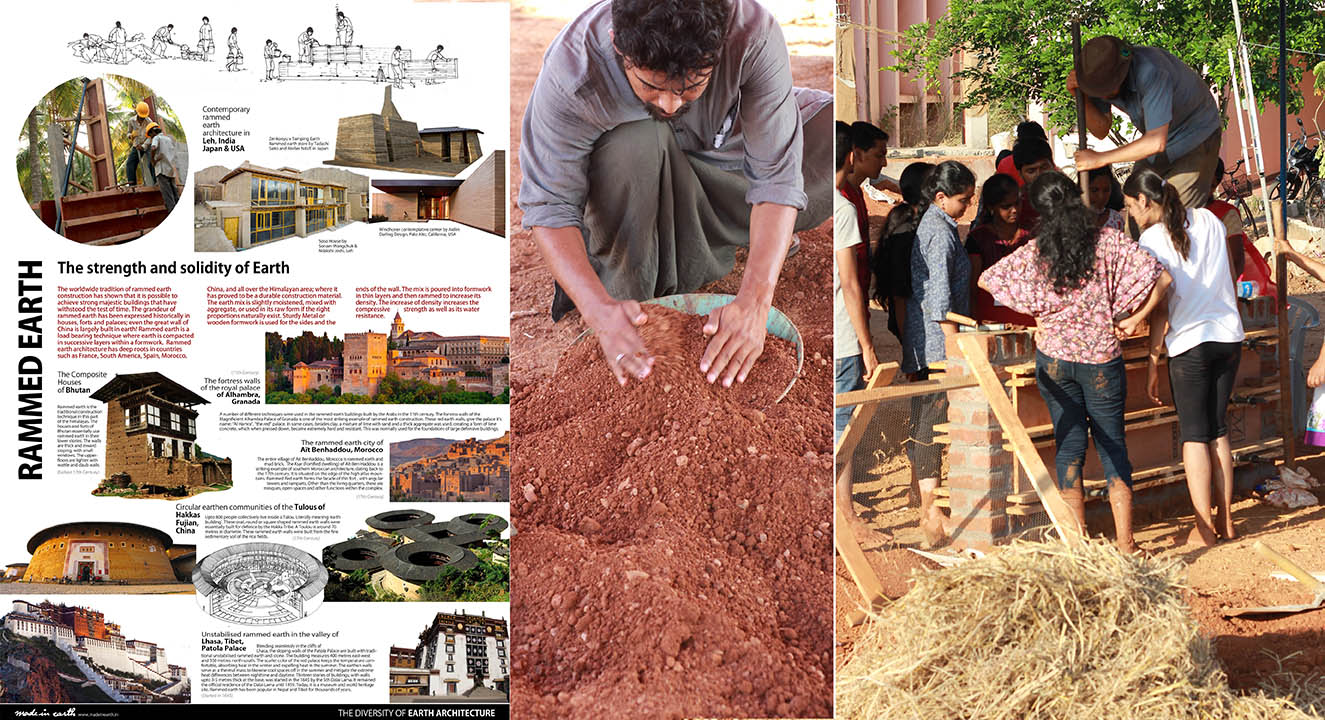
The world wide tradition of Rammed earth construction
has shown that it is possible to achieve strong majestic buildings
that have withstood the test of time.
The grandeur of Rammed earth architecture has been expressed historically
in houses, forts and palaces;
even the great wall of China is largely built in earth!
Rammed earth is a load bearing technique where earth is compacted
in successive layers within a formwork. 
It has deep roots in countries such as France, South America, Spain, Morocco, China,
and all over the Himalayan area;
where it has proved to be a durable construction material.


Archcult-Rammed earth


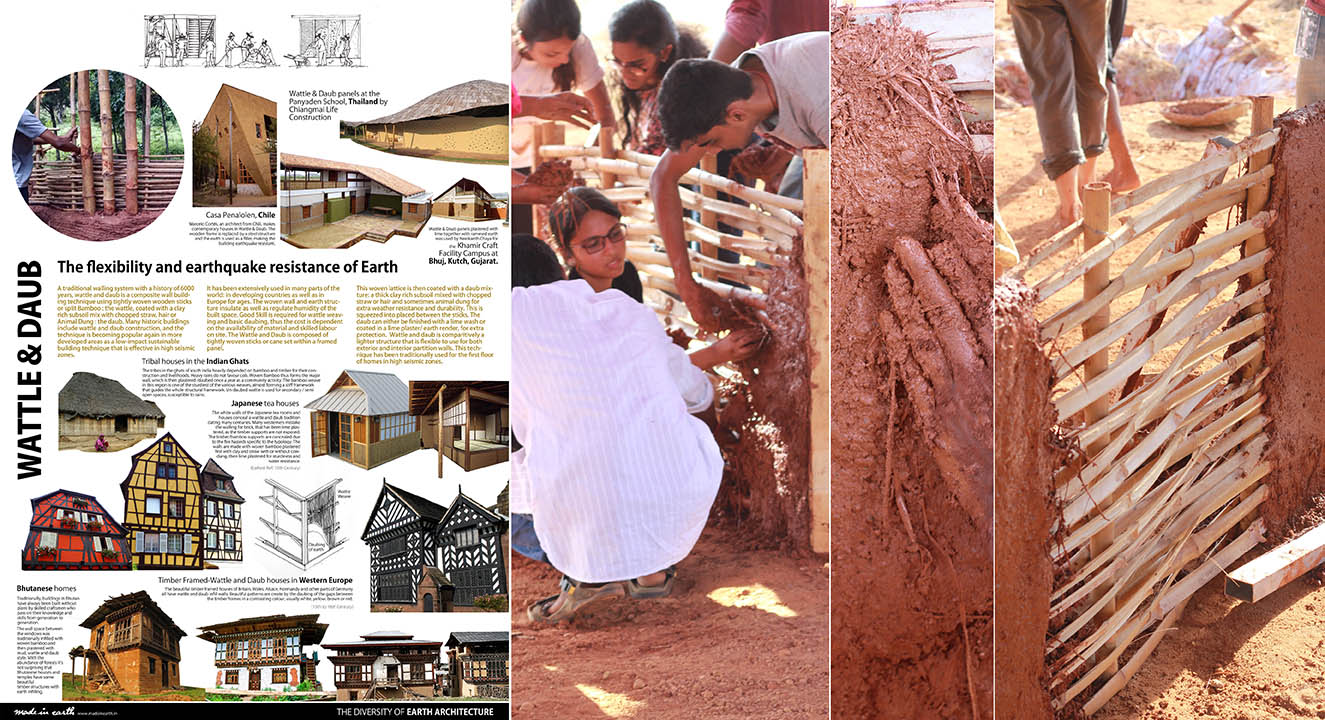
A traditional walling system with a history of 6000 years,
Wattle and Daub is a composite wall building technique
using tightly woven wooden sticks or split Bamboo : the Wattle,
coated with a clay rich subsoil mix,
with chopped straw, hair or Animal Dung : the Daub.
Many historic buildings include Wattle and Daub construction,
and the technique is becoming popular again in more
developed areas as a low-impact sustainable building technique
that is effective in high seismic zones.

Archcult-WattleDaub

2015 Shubha Suma Farmhouse, Adobe, Blog, Earth Floors, Earth Plaster, Lime Plaster, Natural Plaster, Tadelakt

2015 Cute and Care


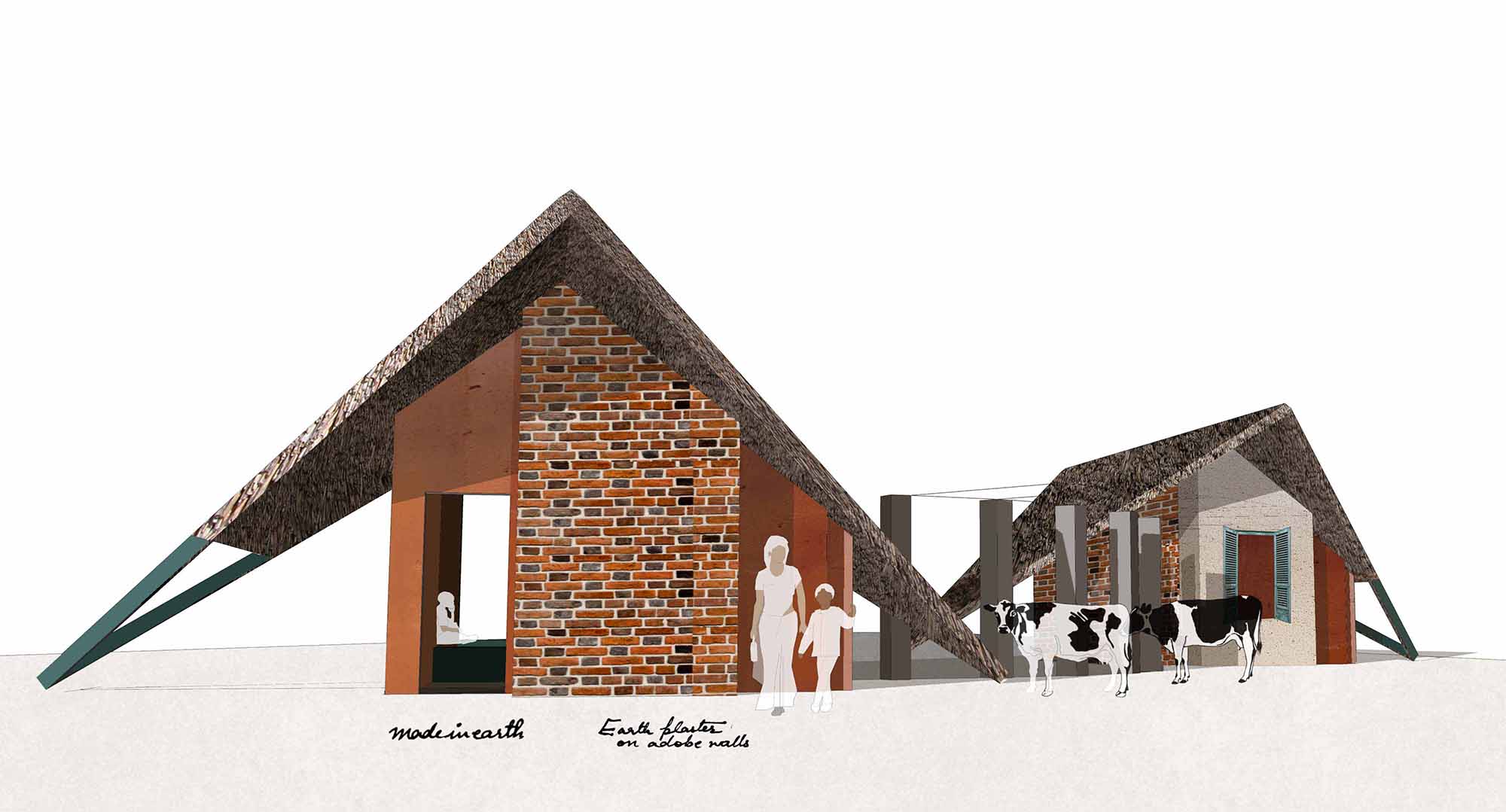
Suma and Shuba are two sisters from Bangalore with secret alter egos. They are setting up an organic farm near the small village of Seegehalli, in the outer reaches of the city. The quaint farm is a 400 m long strip of land jeweled with a row of coconut trees on either side. They dream of eventually retiring here to a quieter and more natural lifestyle. We have started to visualize the basic requirement for life on the farm. Nicknamed ‘Cute’ and ‘Care’ by our interns, the two cottages would be the first step in realising Suma and Shubha’s dream. The ‘Cute’ cottage is to accommodate the two on their weekend visits and enable them to spend more time on the farm, while the ‘Care’ cottage is to house a small family who would be present to take care of the farm at all times. It seems to us that this is the perfect place for a small adobe home, as we have wonderful soil as well as a local skill set to produce Adobes. Follow this thread to see how these designs evolve as we walk Suma and Shubha, gradually towards their dream.

2015 Cute and Care

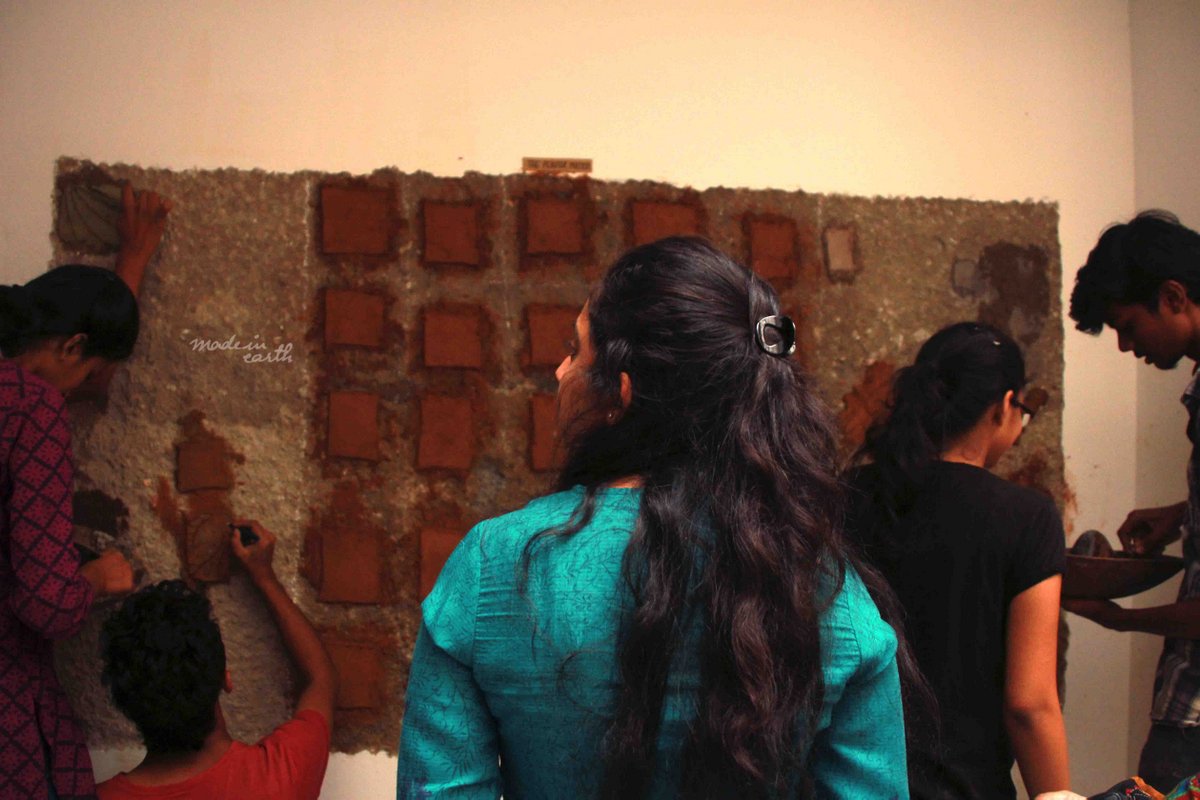
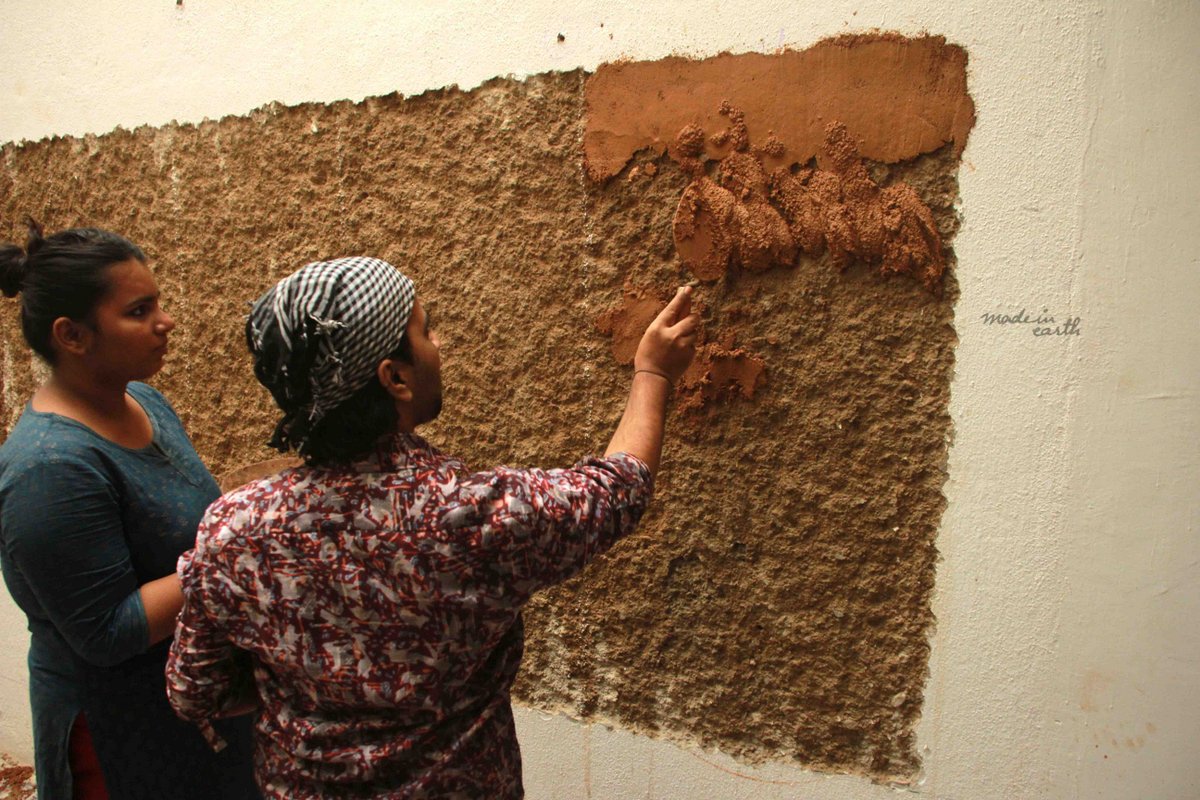
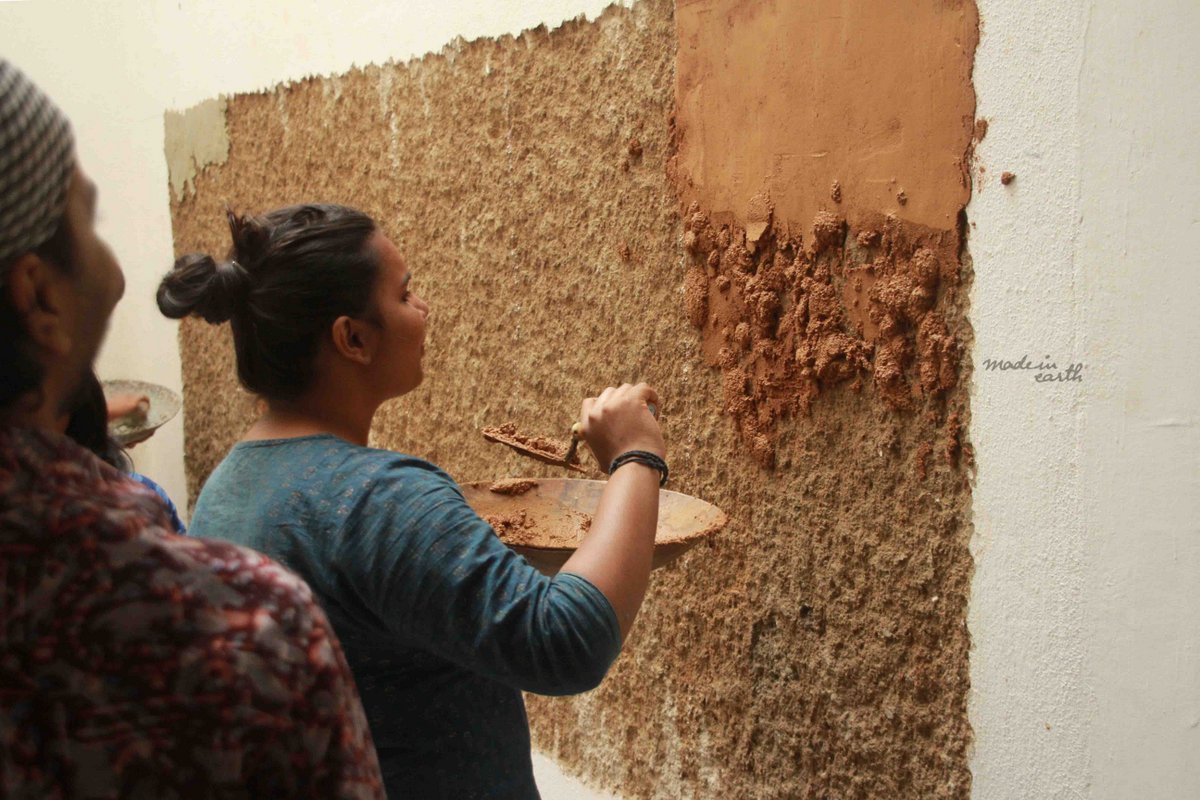
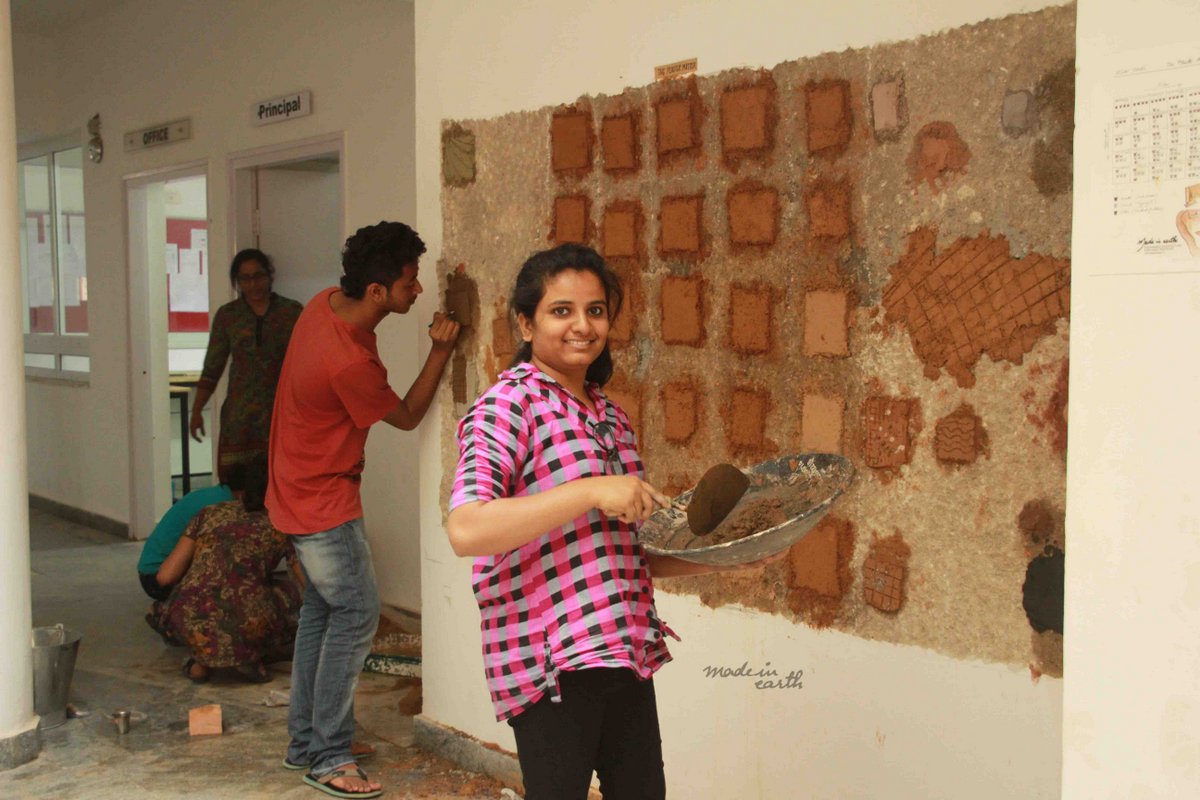
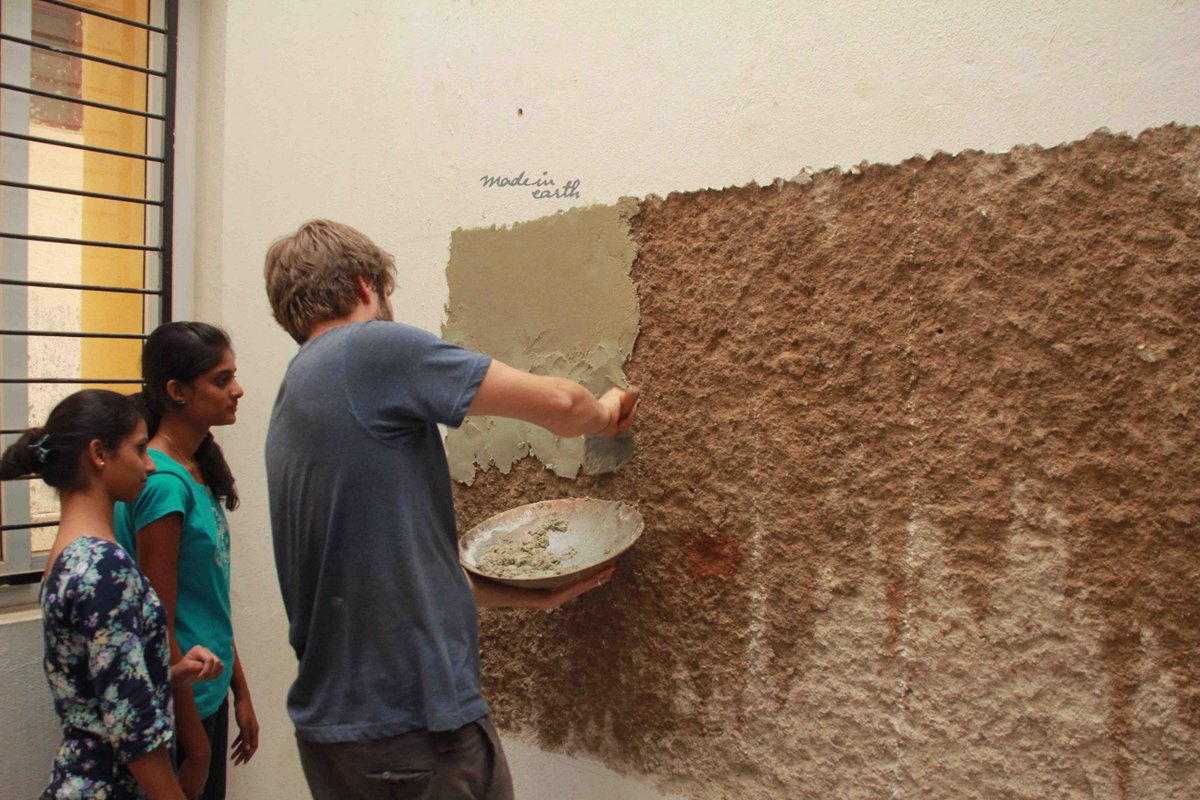
2015 Introduction to Natural Plasters, Blog, Earth Plaster, Lime Plaster, Tadelakt, Workshops 1 comment on Tadelakt and more, a natural plasters workshop, July 2015

Tadelakt and more, a natural plasters workshop, July 2015


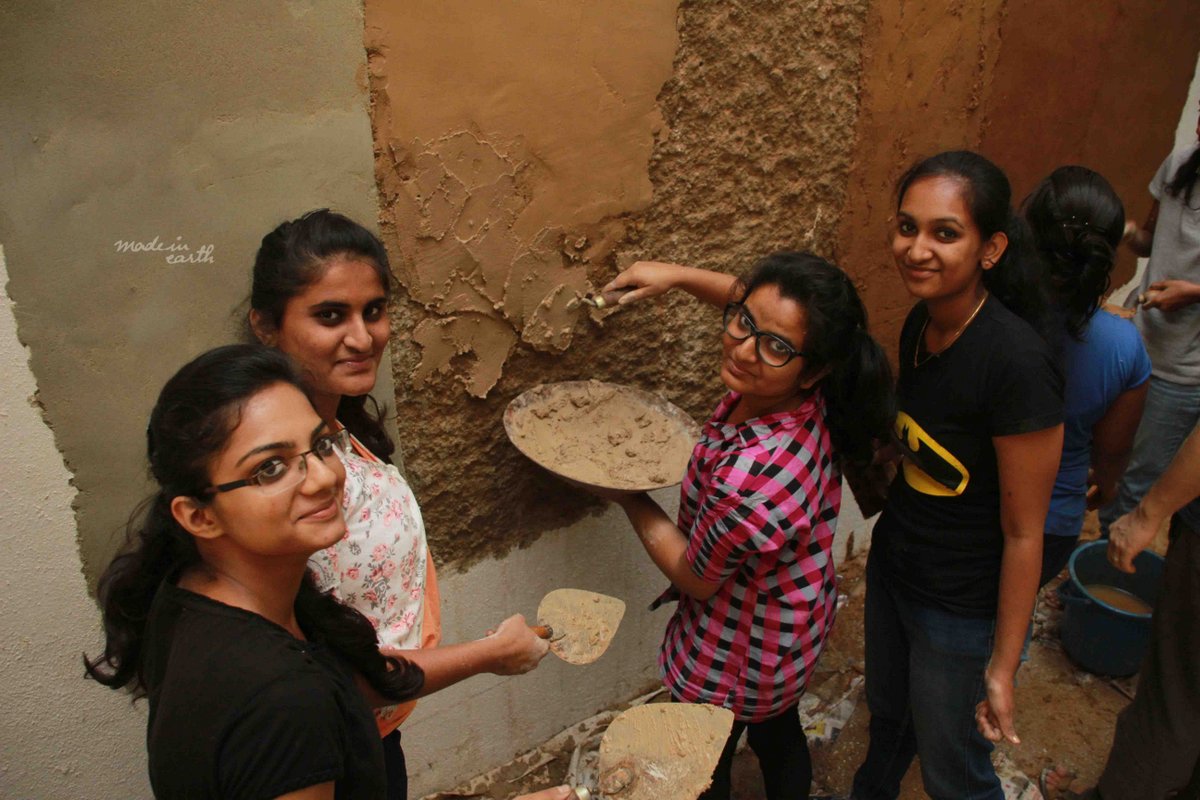
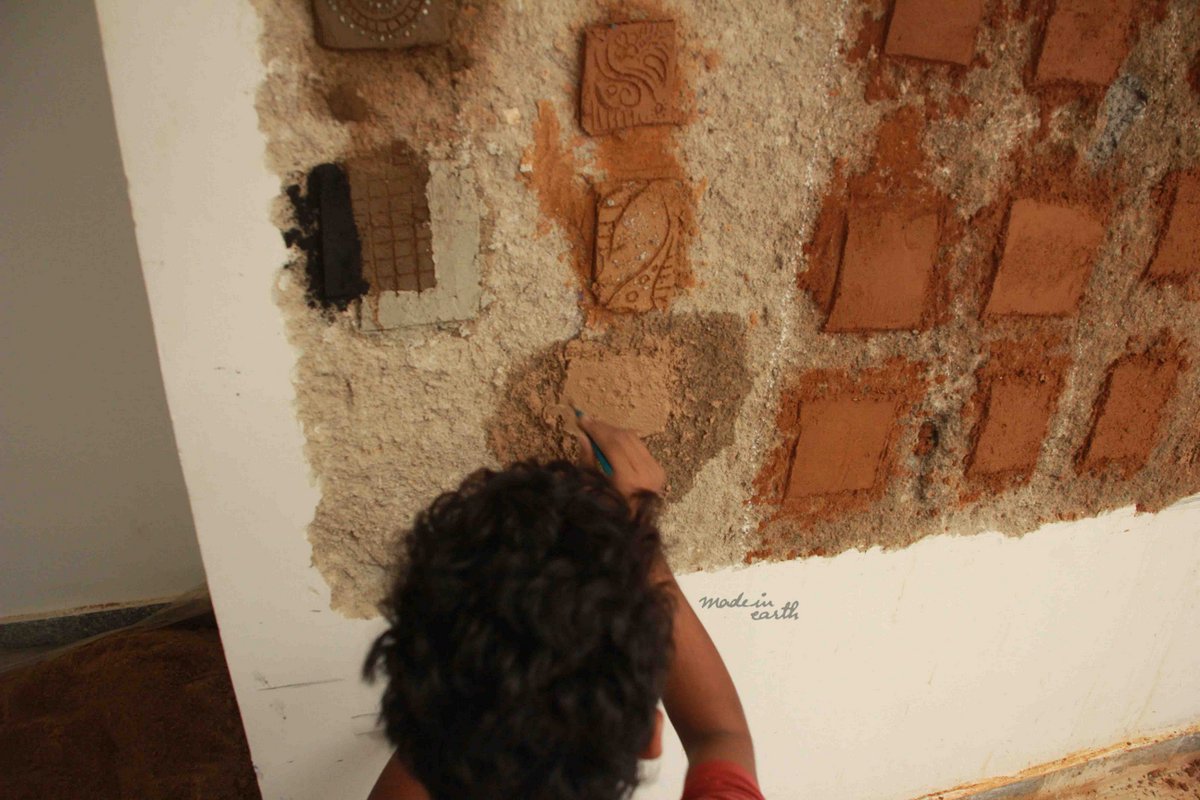
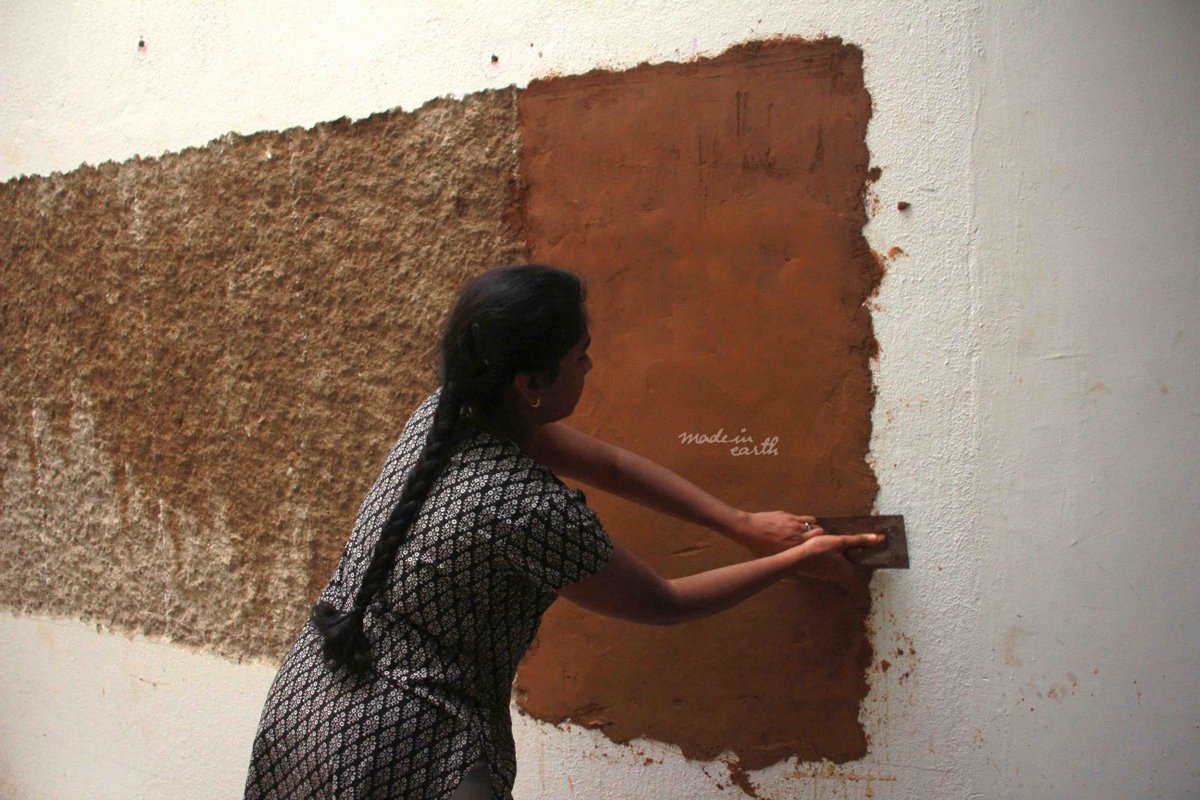
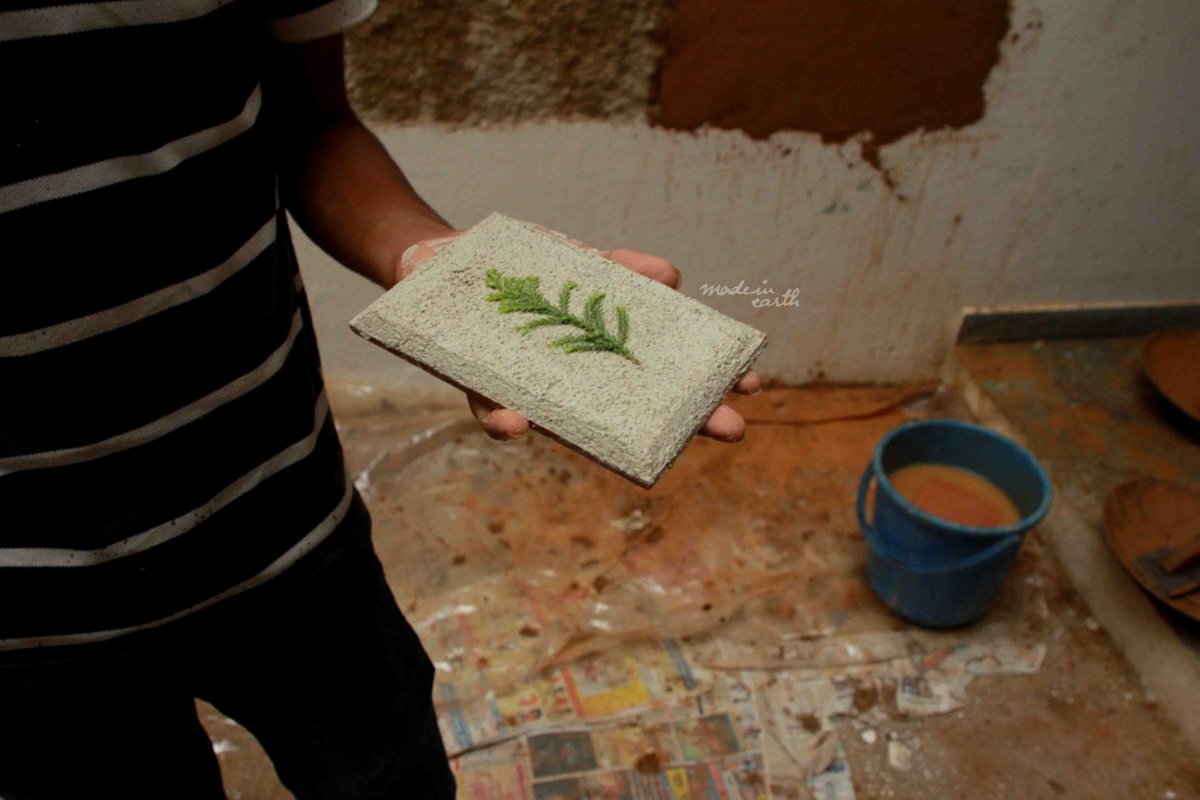
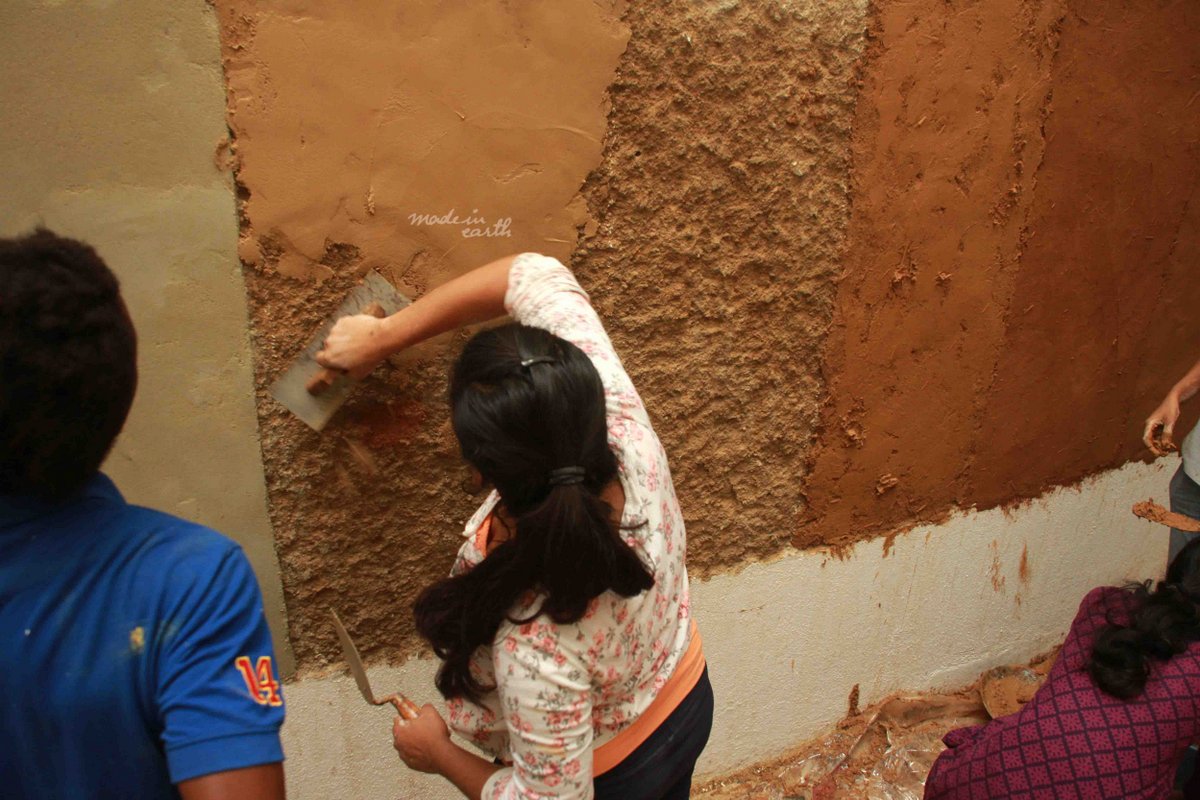
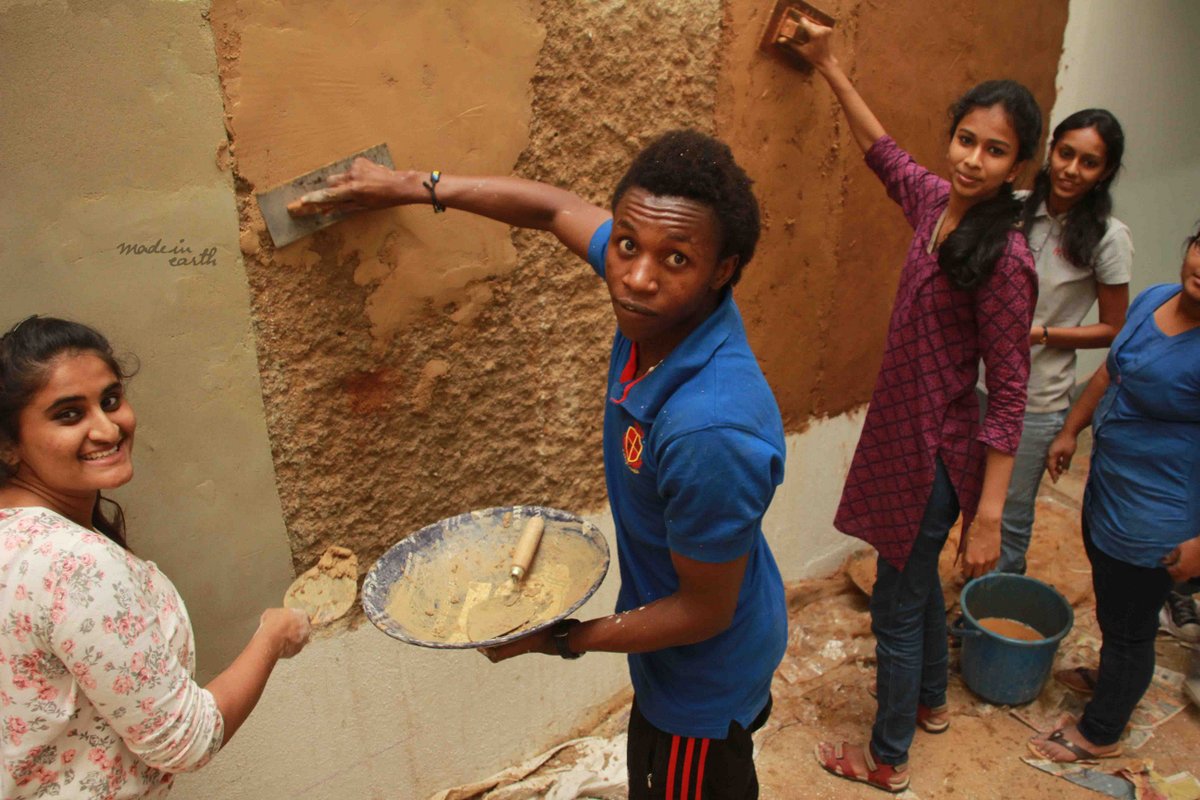
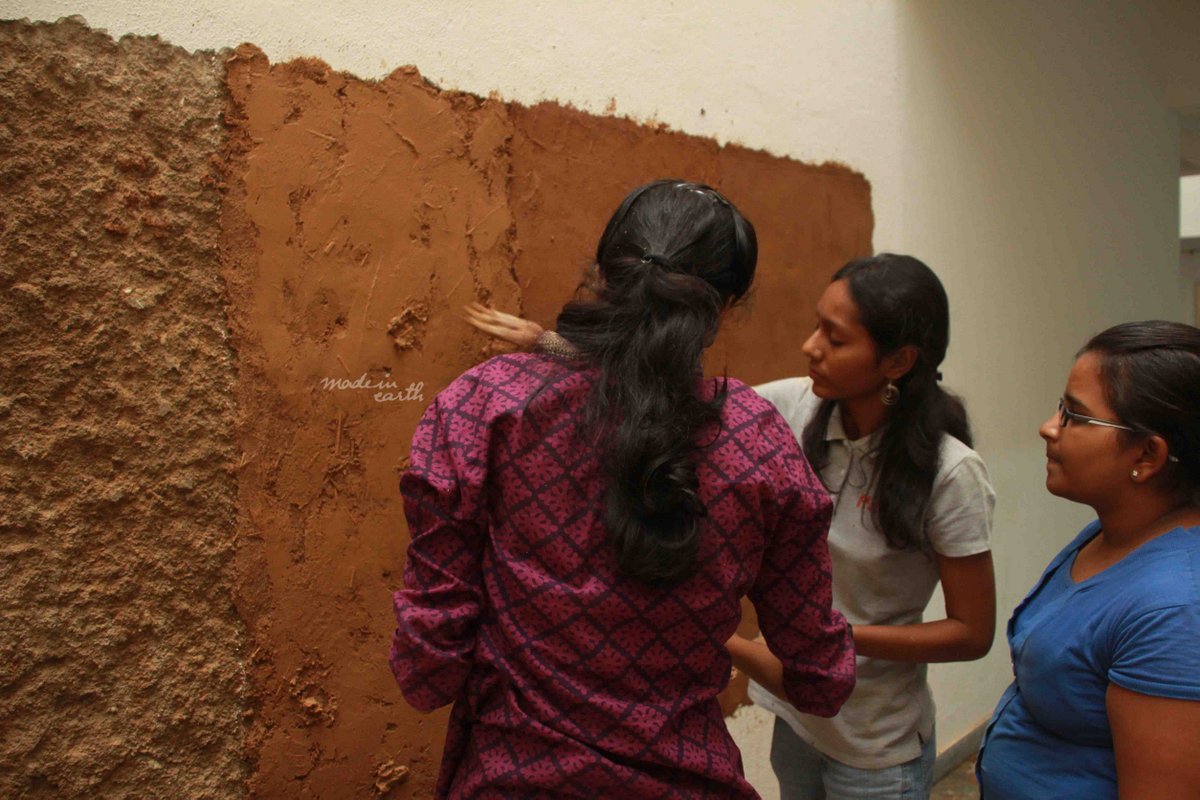
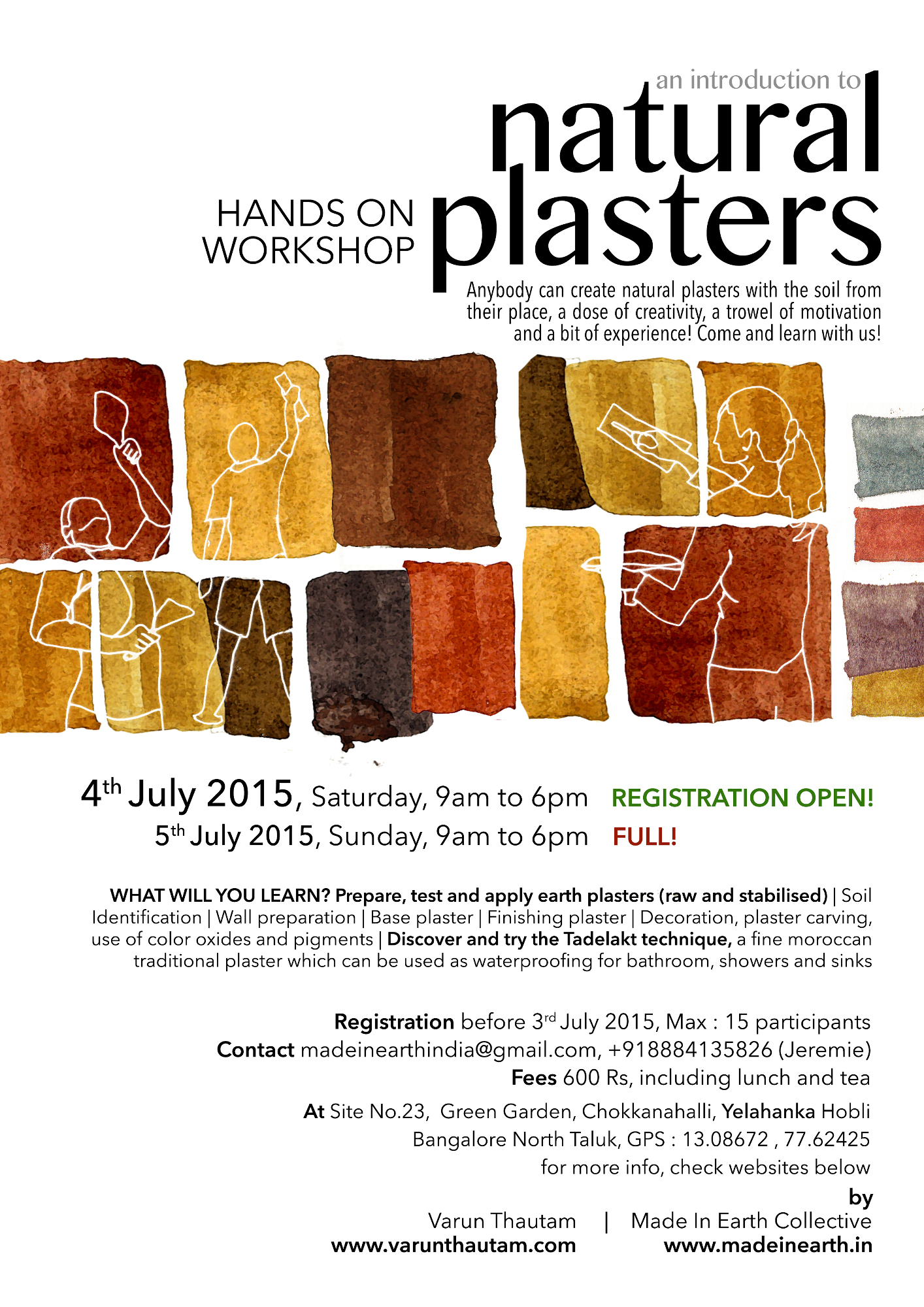
A plaster that breathes, regulates temperature and humidity inside the building, absorbs both noise and odors and that ages beautifully with time. Add to that the infinite possibilities in aesthetics; Coloured or Natural, smooth or grainy, regular or patterned, contemporary or rustic; earth plaster is irresistible!

Additionally, unlike paints and other chemical coatings they do not emit any volatile components which could be harmful to our health and being locally available, they reduce the environmental impact of your construction.

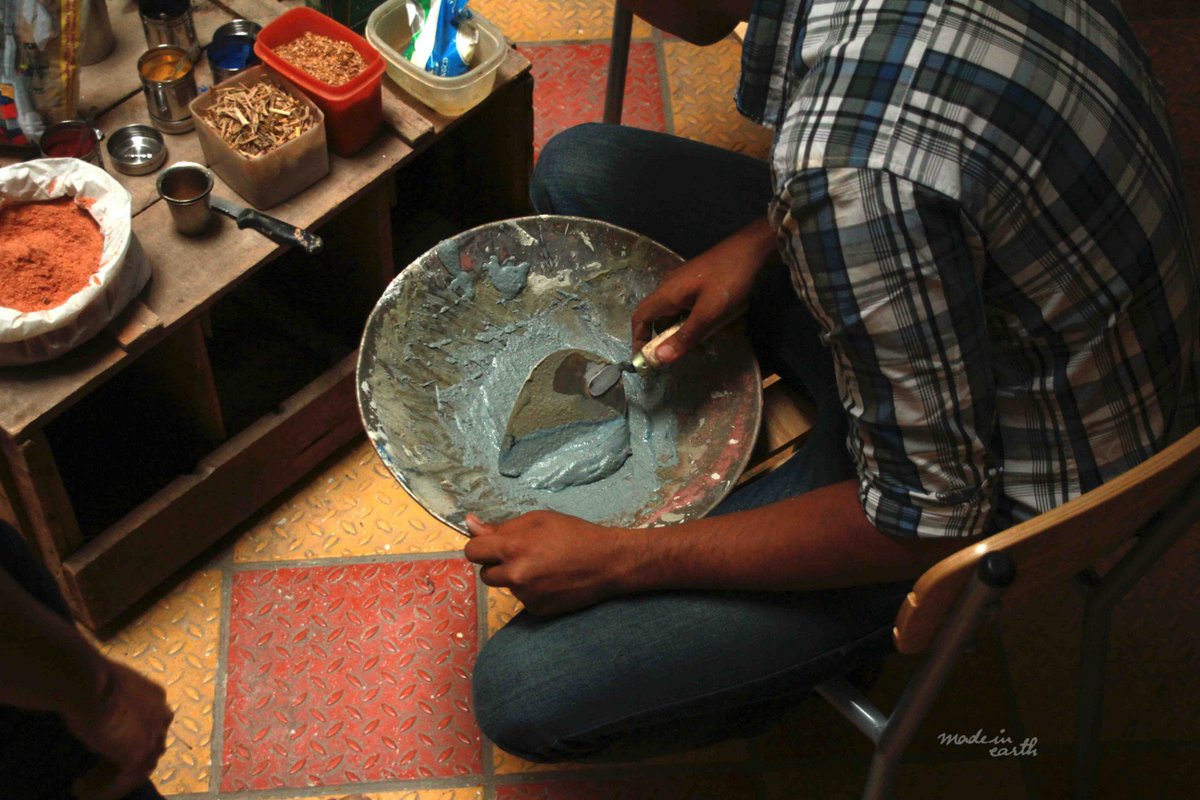
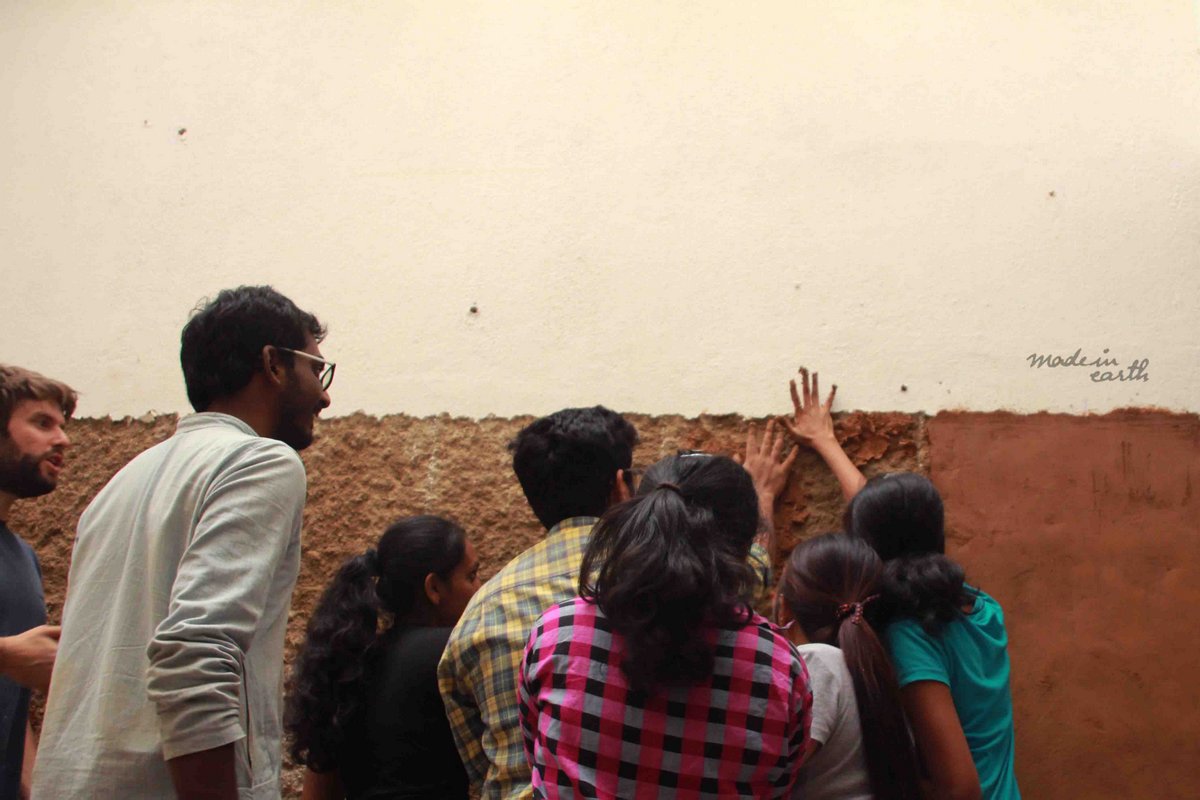
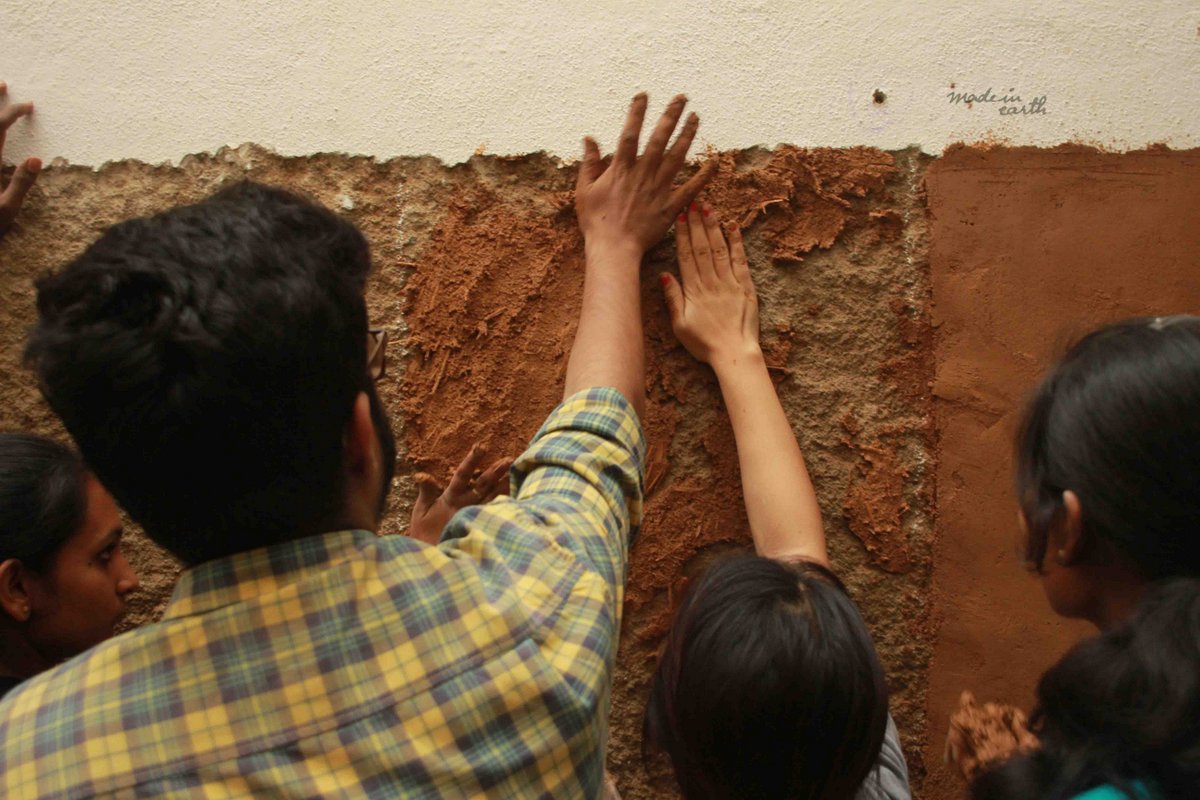
Anybody can create and apply its own natural plaster with the soil of its place, a dose of creativity, a trowel of motivation and a bit of experience!
Come and learn with us!

The venue | The workshop will take place at the construction site of a contemporary earth house, designed by Ar. Varun Thautam in north Bangalore. An opportunity for you to discover other earth construction techniques such as Adobes, and vault masonry with the free spanning technique.
Site No.23, Green Garden
Chokkanahalli, Yelahanka Hobli
Bangalore North Taluk
GPS coordinates : 13.08672 , 77.62425

Equipment | Be ready to get dirty! Carry a good hat and drinking water

Registration and fees | 600 Rs including lunch and tea, Registration before  thursday 3rd of July.
>> Access the online registration form

Contact | madeinearthindia@gmail.com , +91 888 413 58 26 (jeremie)

Organisers | Varun Thautam www.varunthautam.com & Made In Earth Collective www.madeinearth.in

2015 Castle Kiosk, Blog

Castle Kiosk, Portugal

9 weeks
15 people
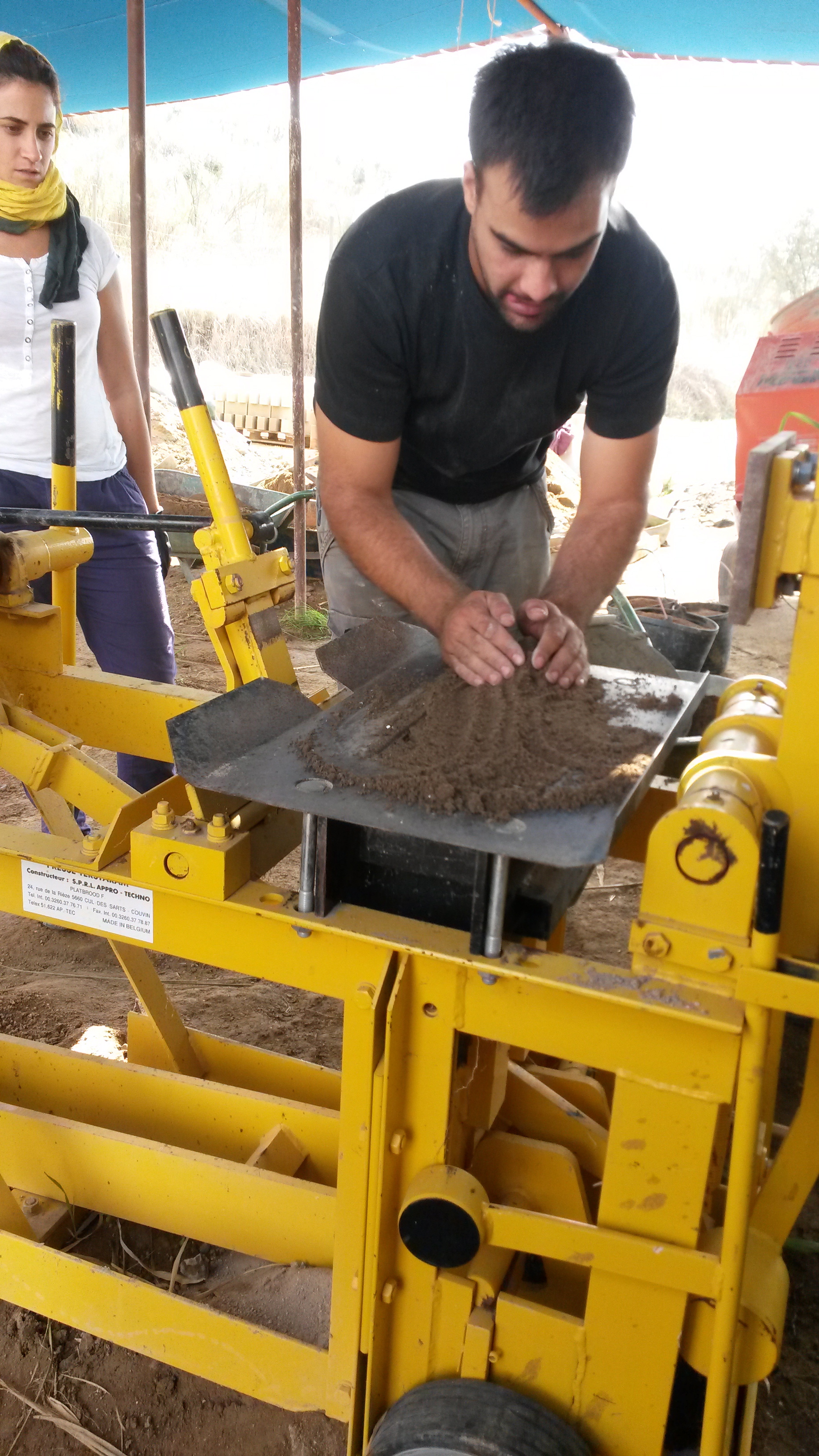
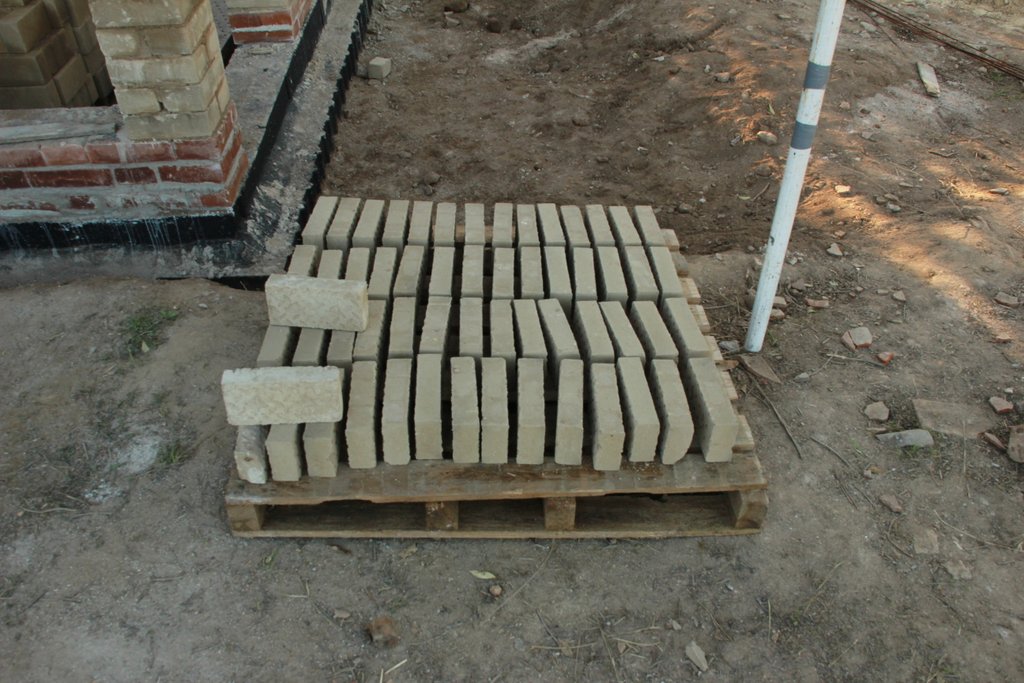
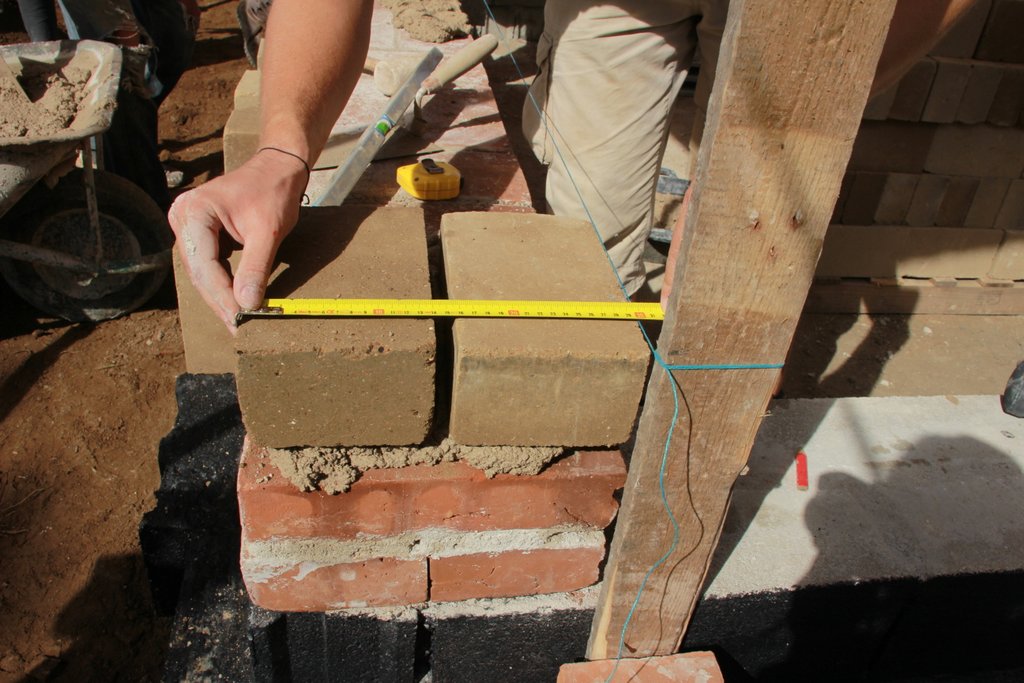
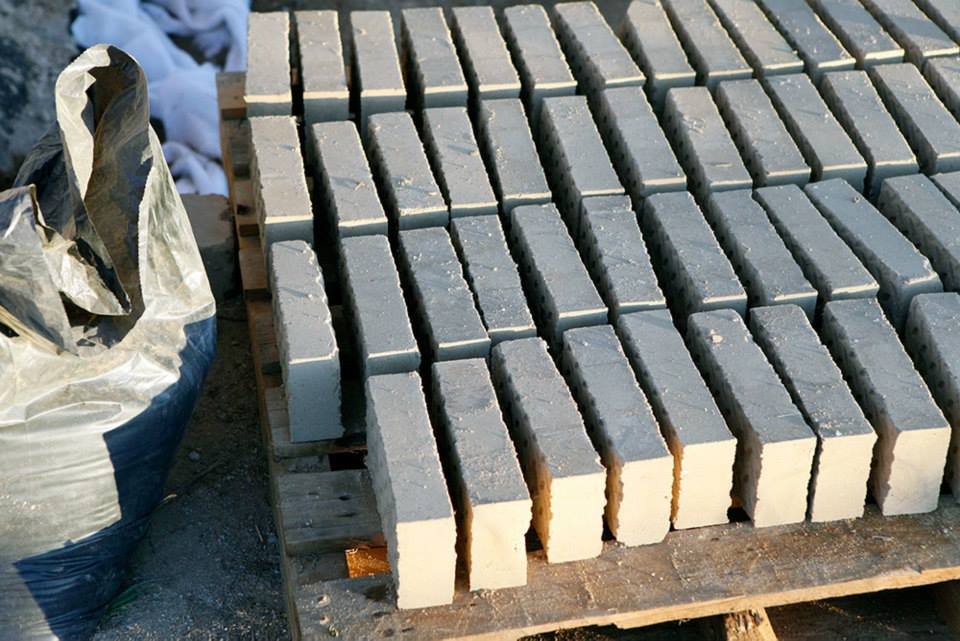
3000 Compressed Stabilised Earth Blocks
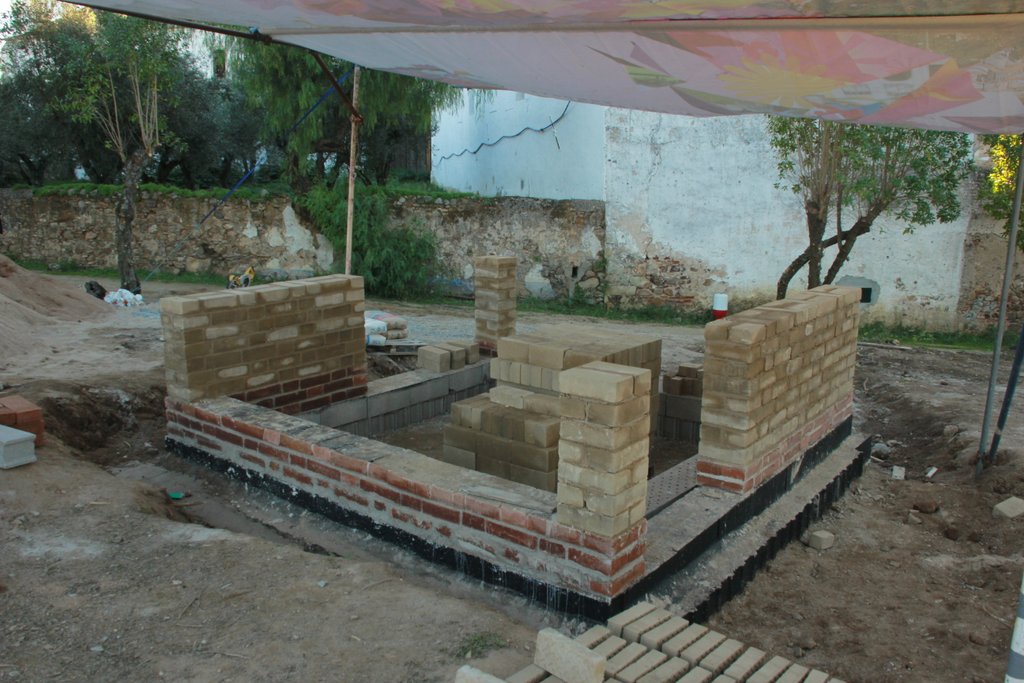
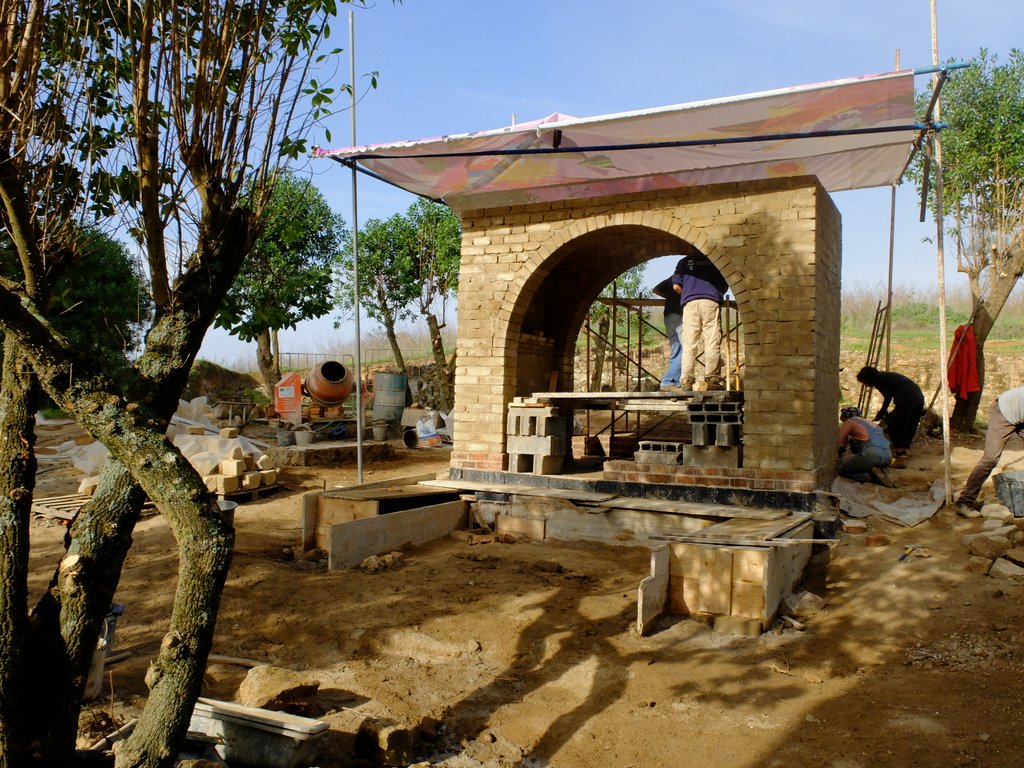
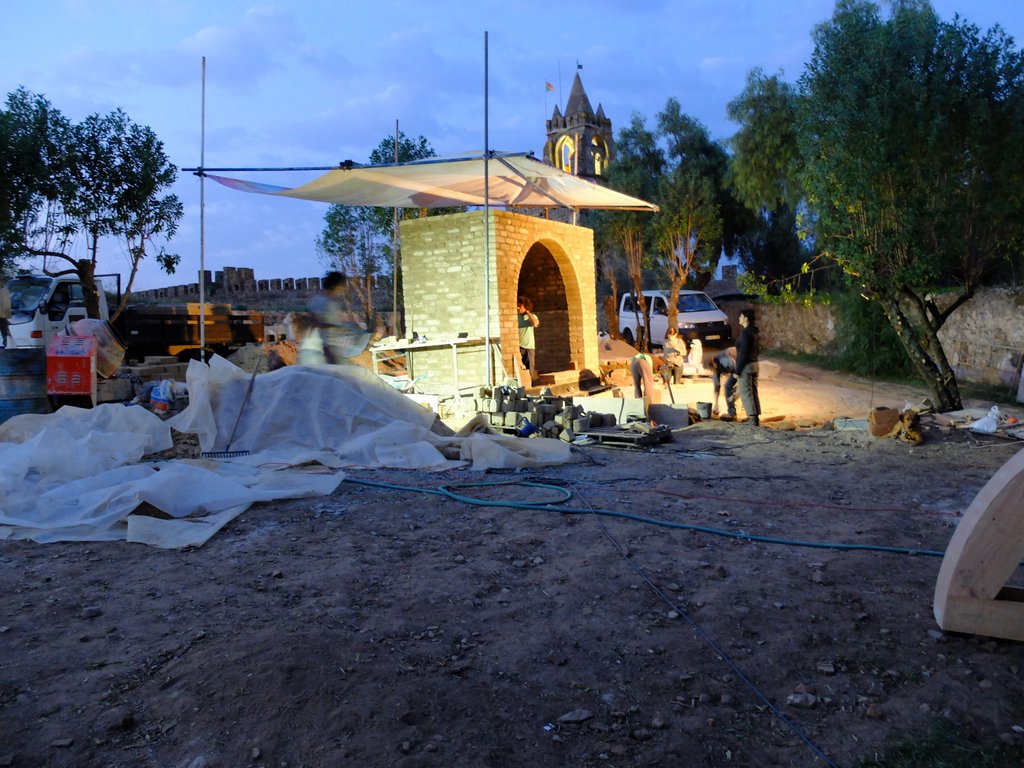
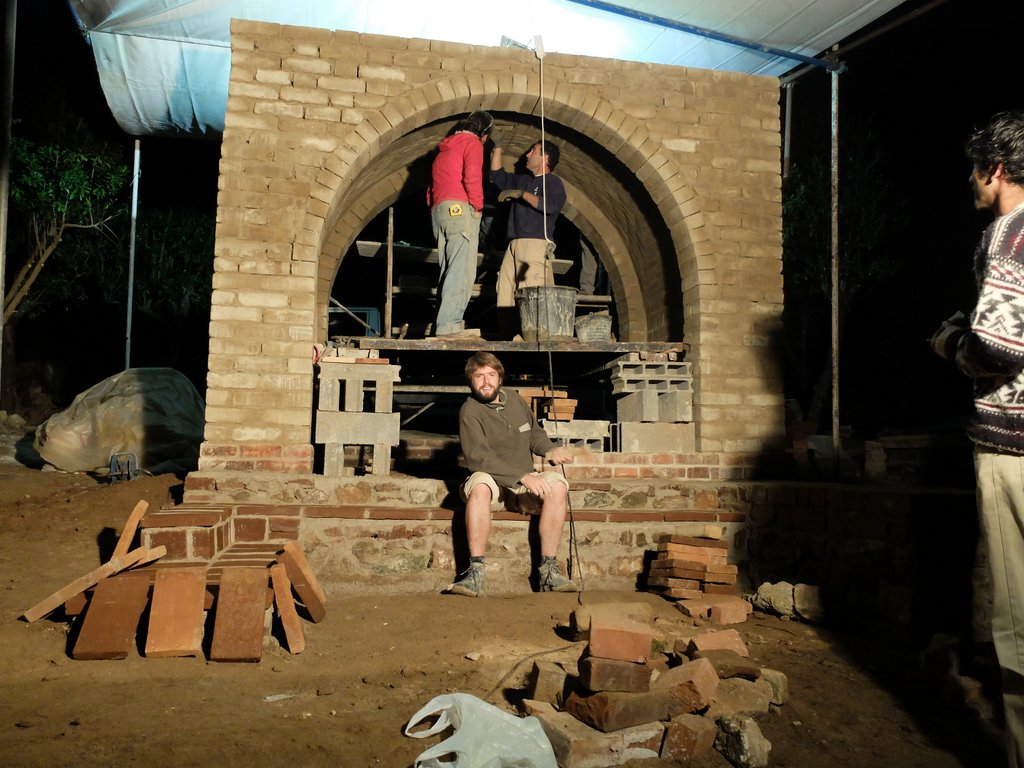
1 goal: Building the 11th century Castle Kiosk in Earth!

The Journey

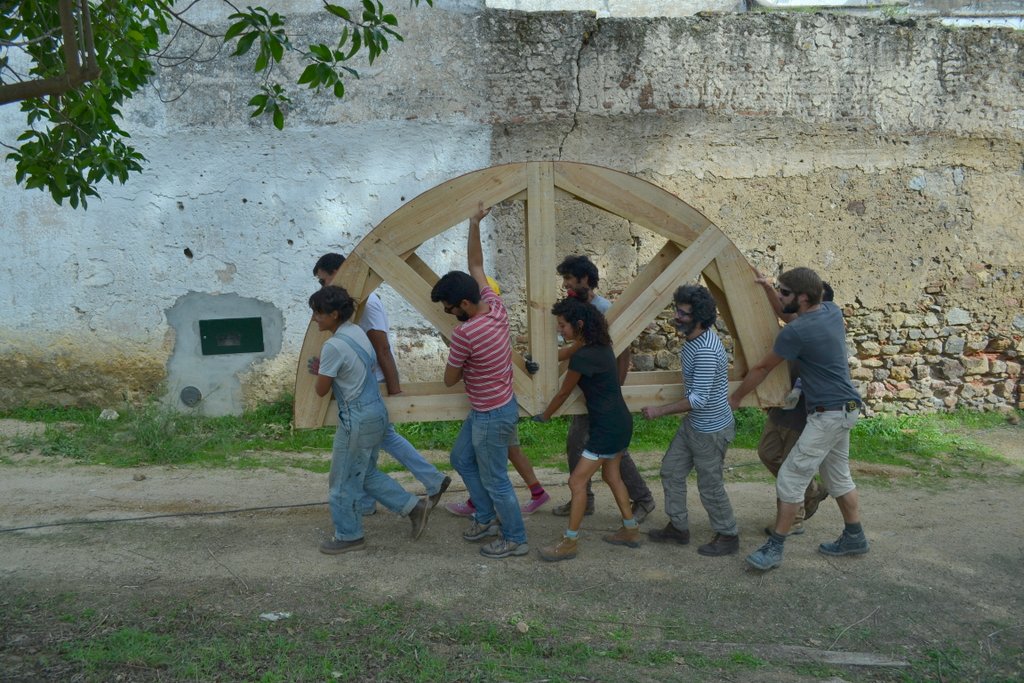
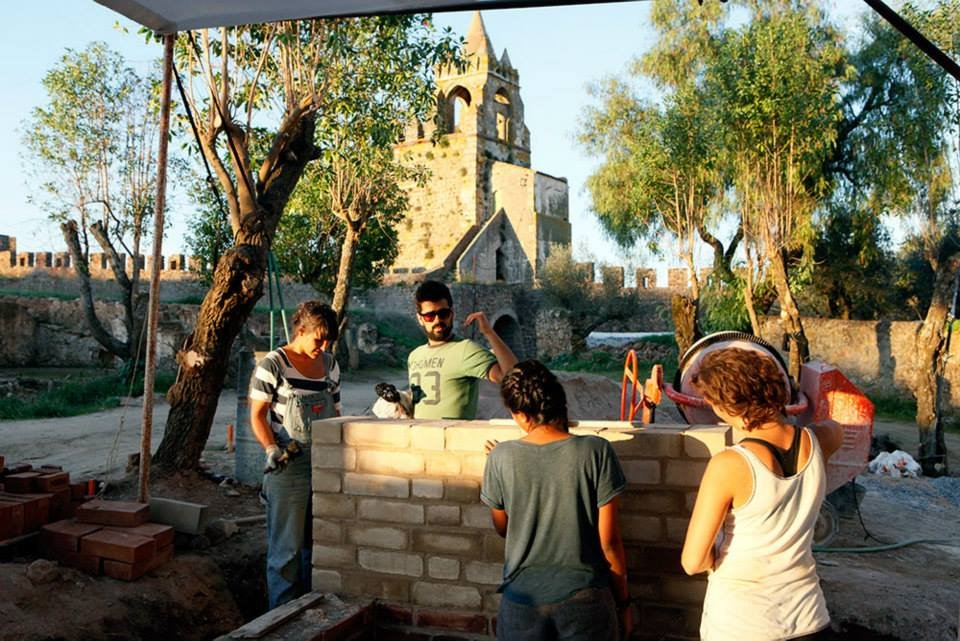
In the summer months of 2014, the team at Made In Earth had an incredible opportunity to explore earth architecture in the wonderful context of Montemoro in Portugal. One and a half hours East from Lisbon is little artistic village of Montemor-o-Novo. Mix dramatic weather conditions with unexpected news from the archeologial council, add a little earth and mix it well, and you will get a feeling of the athmosphere in which the workshop started.

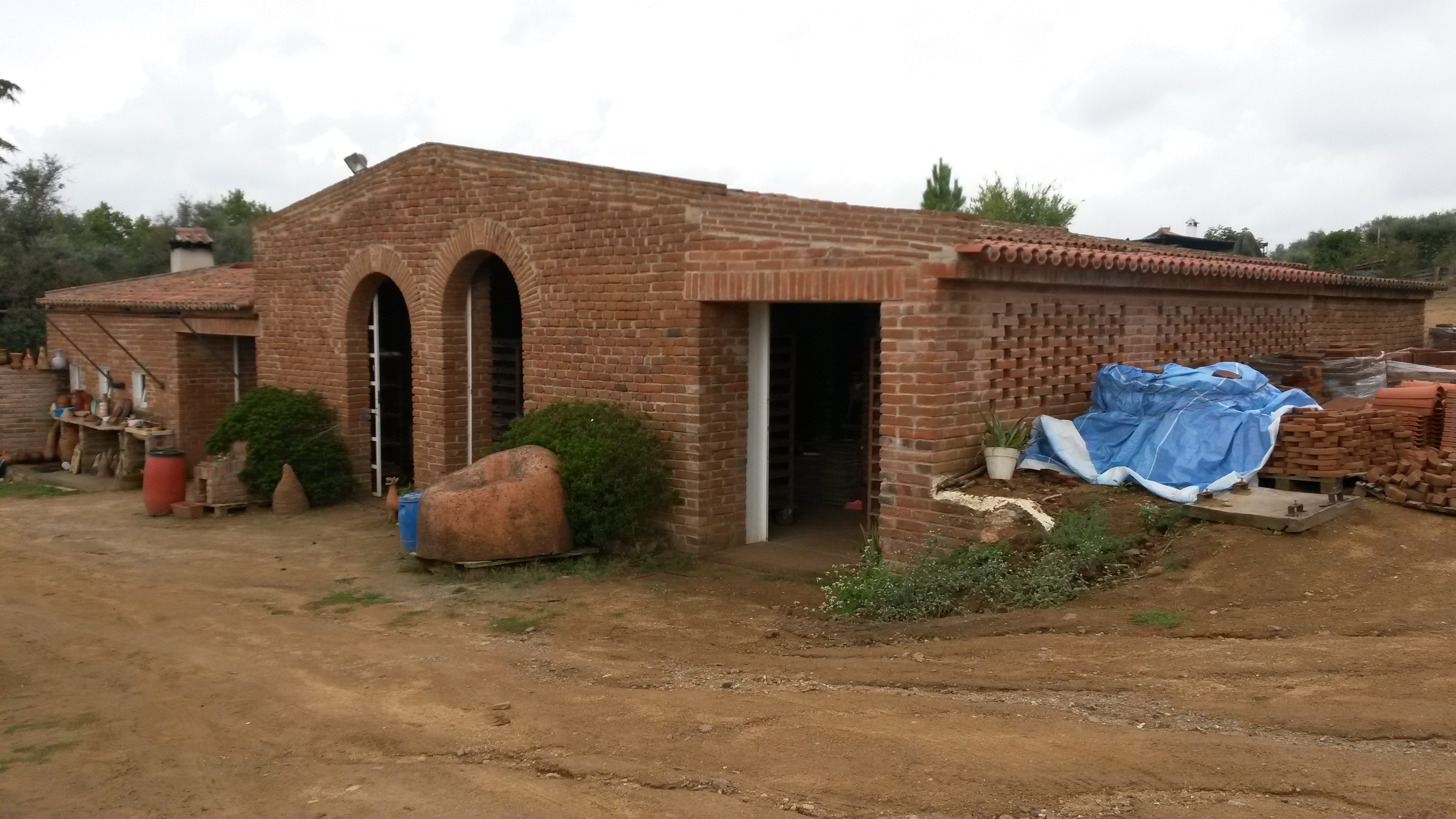
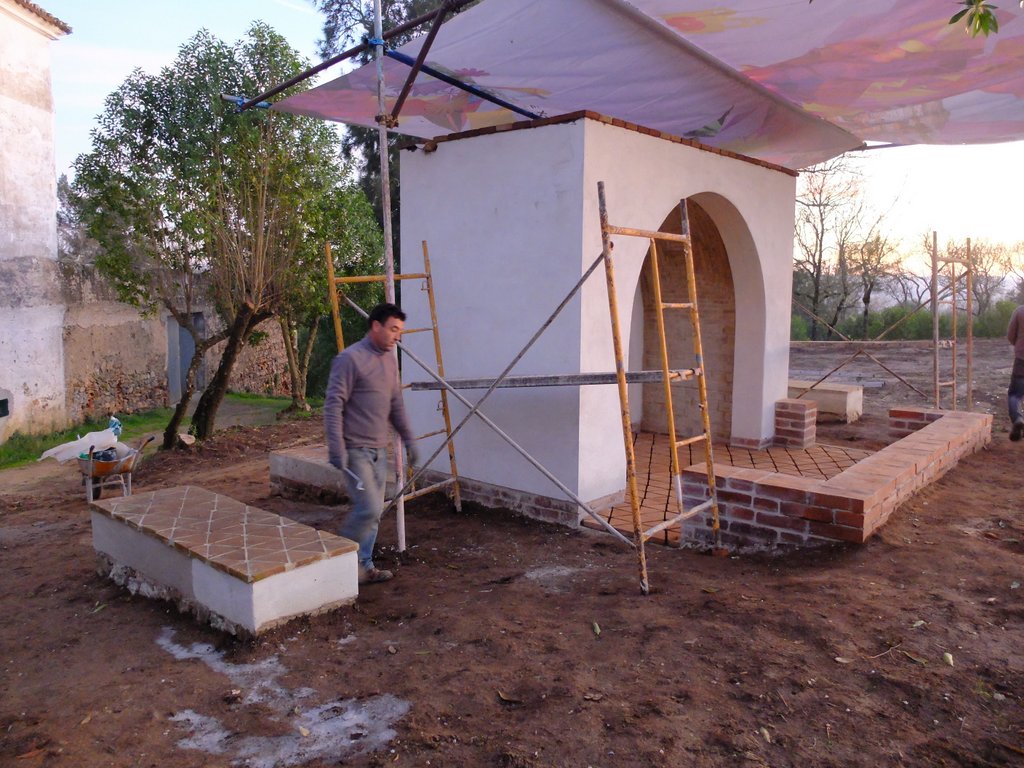
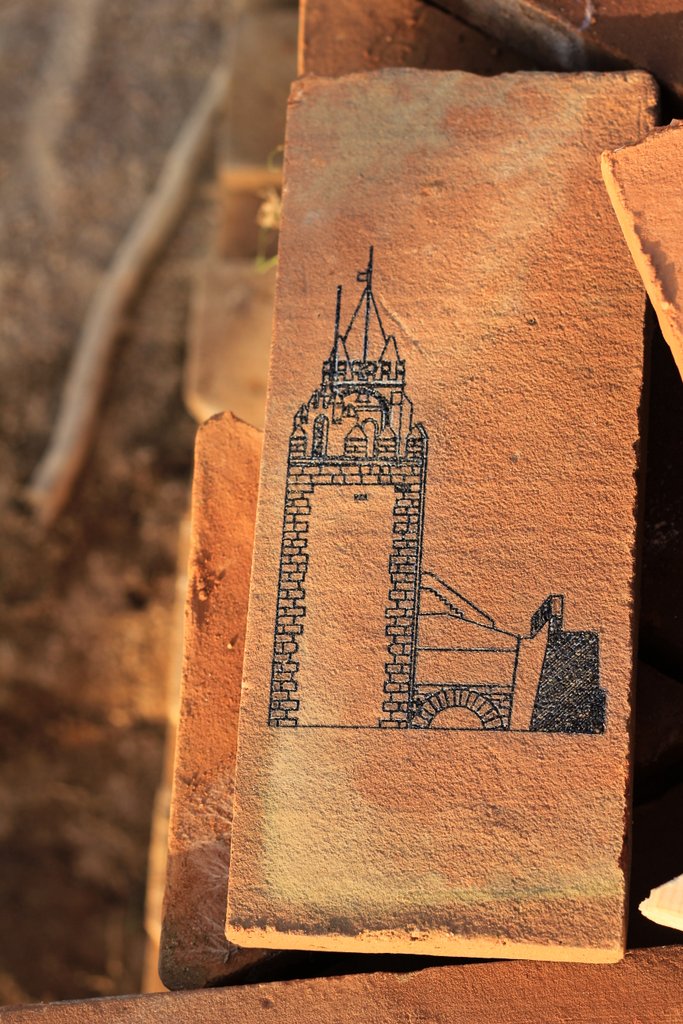
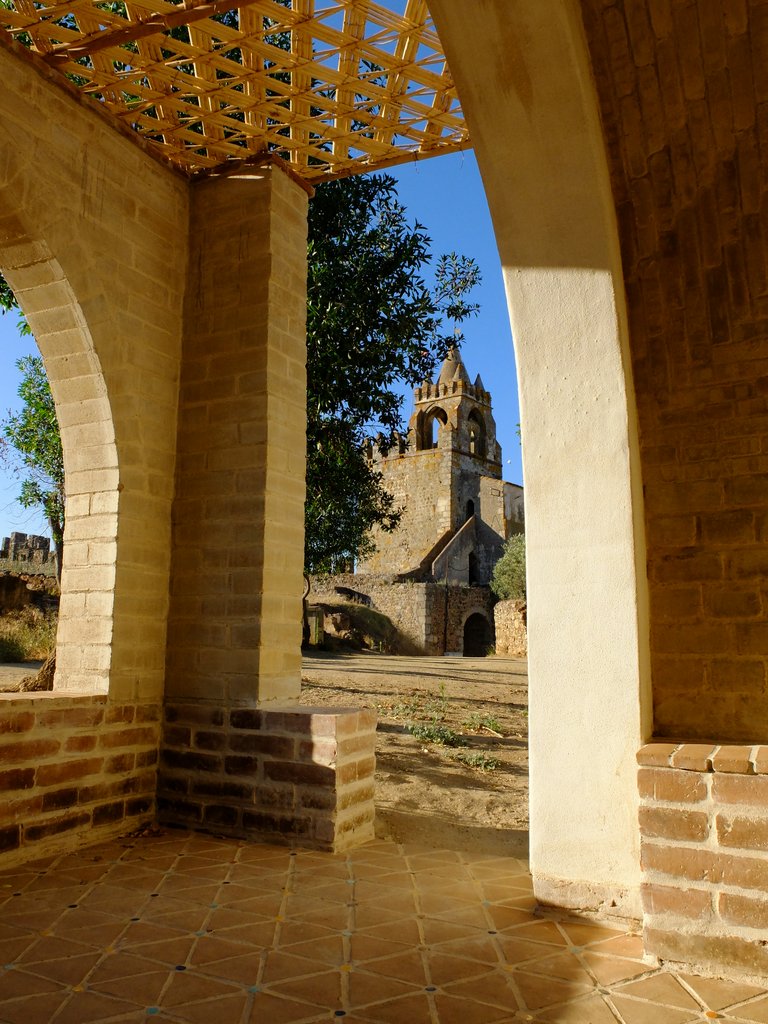
Take a Portuguese cultural center for the Arts, Crafts and Social research located in a convent. Add a city council favorable to artists, a traditional brick factory focused on reviving old building crafts, an engaged community in the village of Montemoro, more than 1000 years of history inside the castle’s walls, and young architects from the entire world eager to research, design and build earth architecture; and you will have the main ingredients in the making of the Castle Kiosk in Montemor-o-Novo, Portugal. Together with Oficinas do Convento and Touraterre, intense weeks of architectural conception led to the design and building of an information kiosk for the community and its visitors inside the Castle’s old walls.

 
Design and build – together!

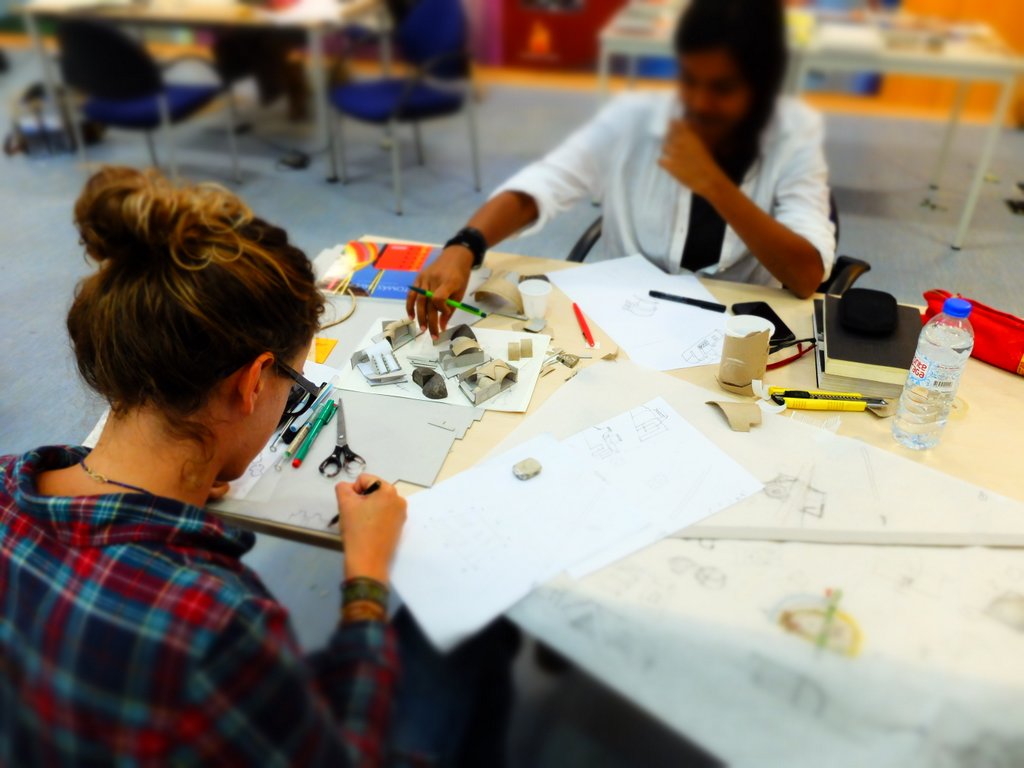
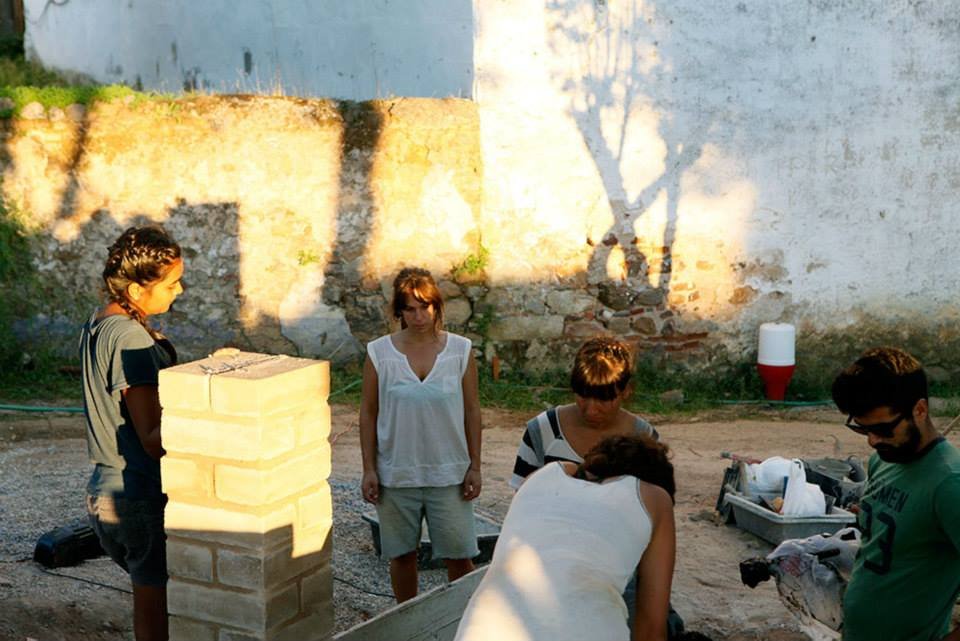
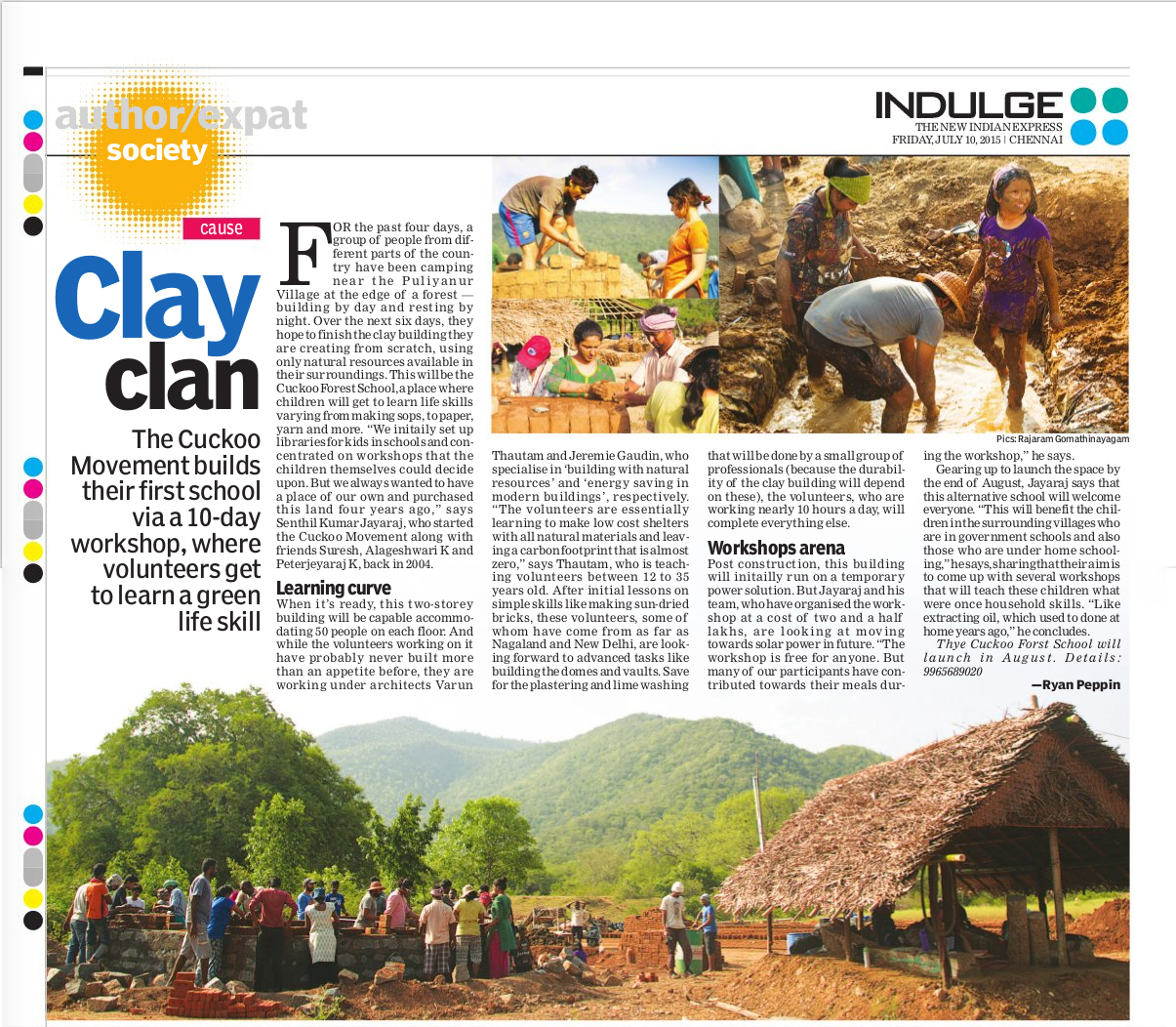
An idea we love at Made In Earth is the coming together of people from various fields, to create earth architecture. See other projects – (Cuckoo Forest School, Tamil Nadu and The Rabbit, France). The workshop at Portugal was a perfect demonstration of the energies and creativity involved in working together with people from diverse backgrounds, each having a special place in their life and work, for building with earth.

11th century stories

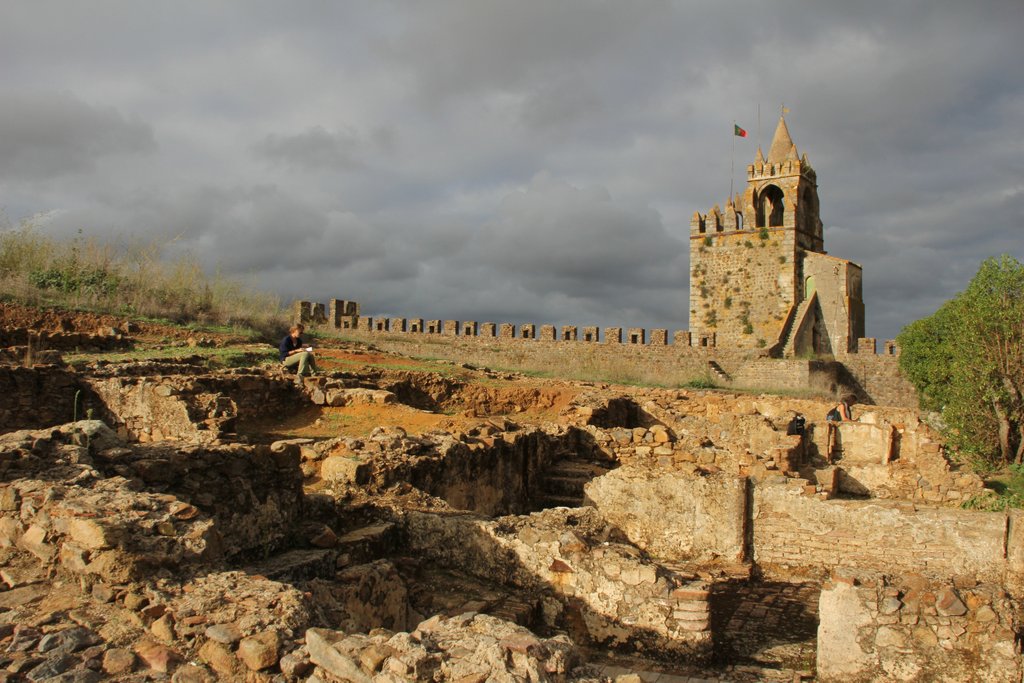
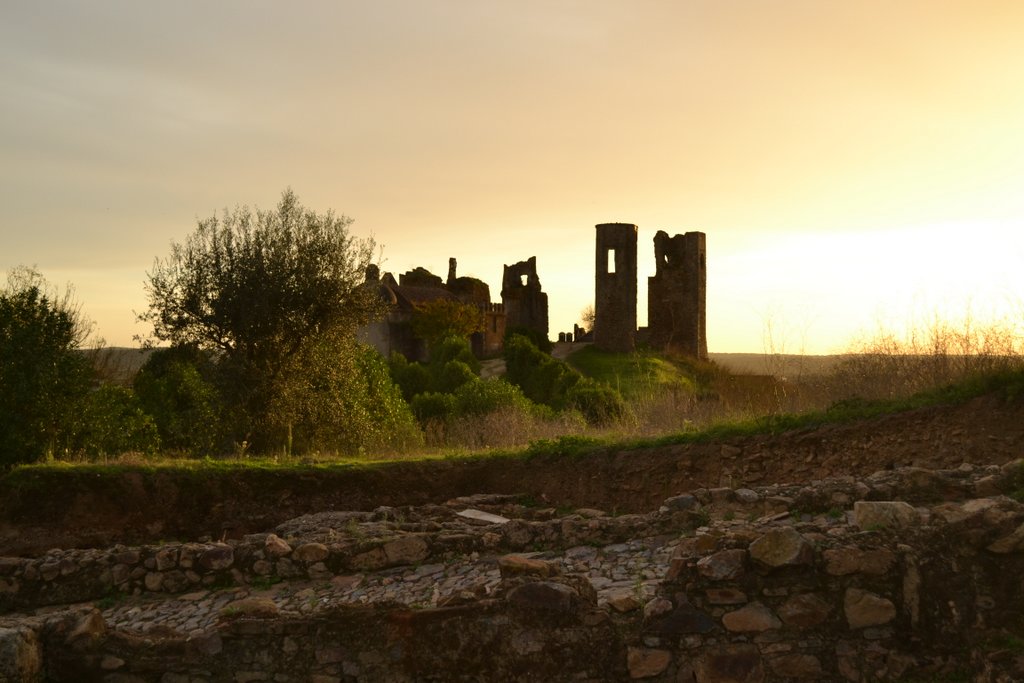
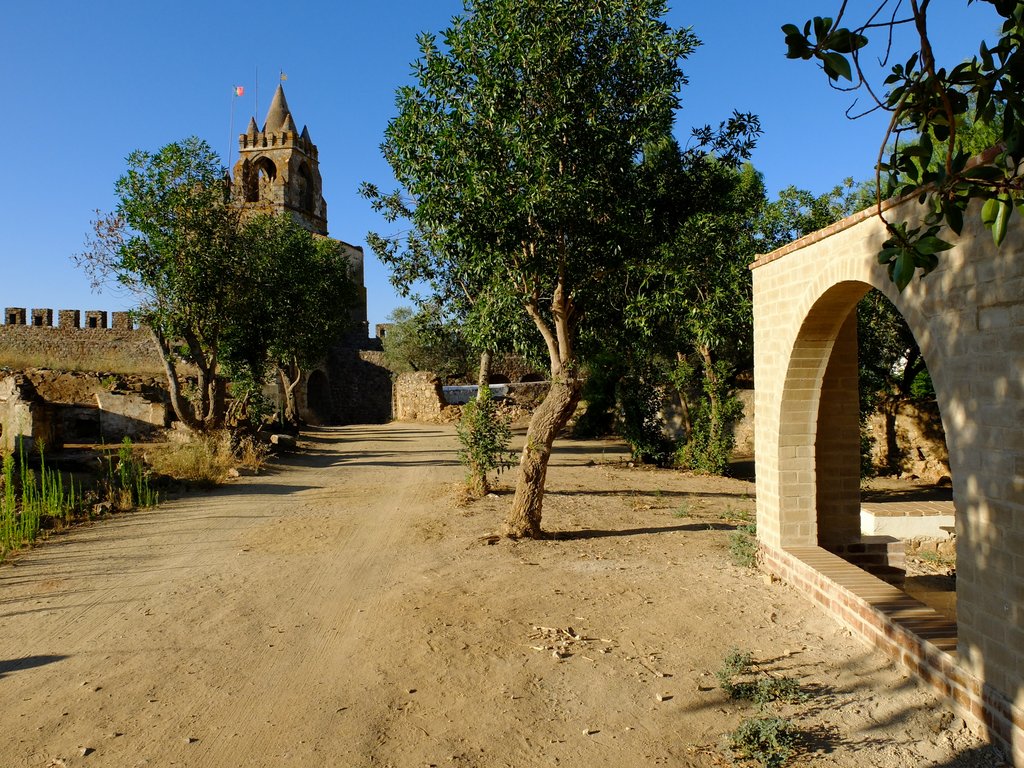
Views of the site

01-IMG_0466
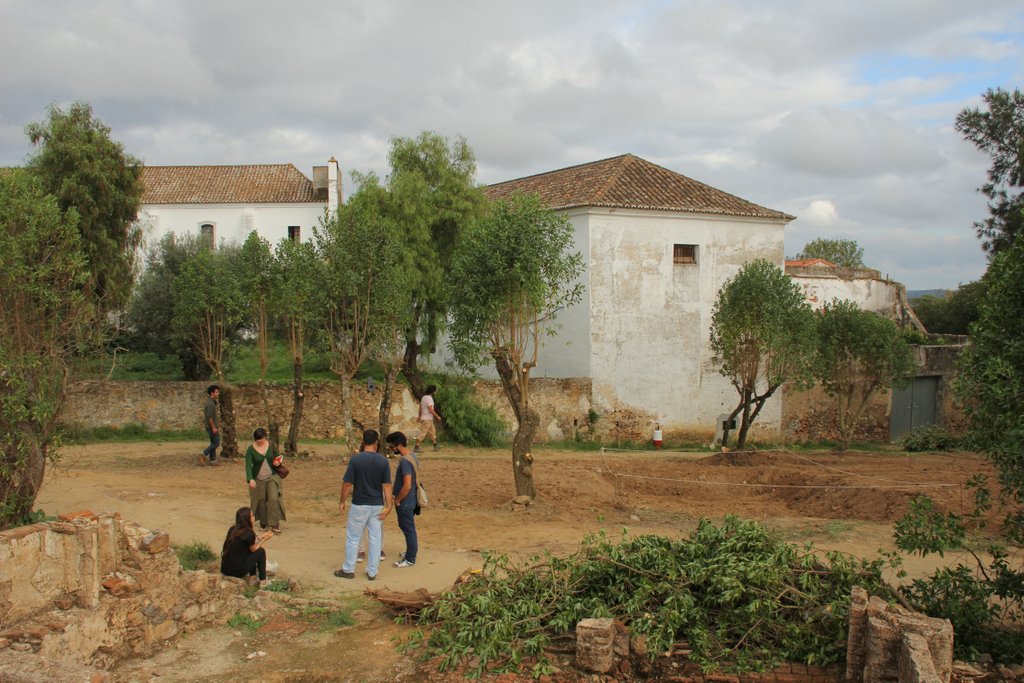
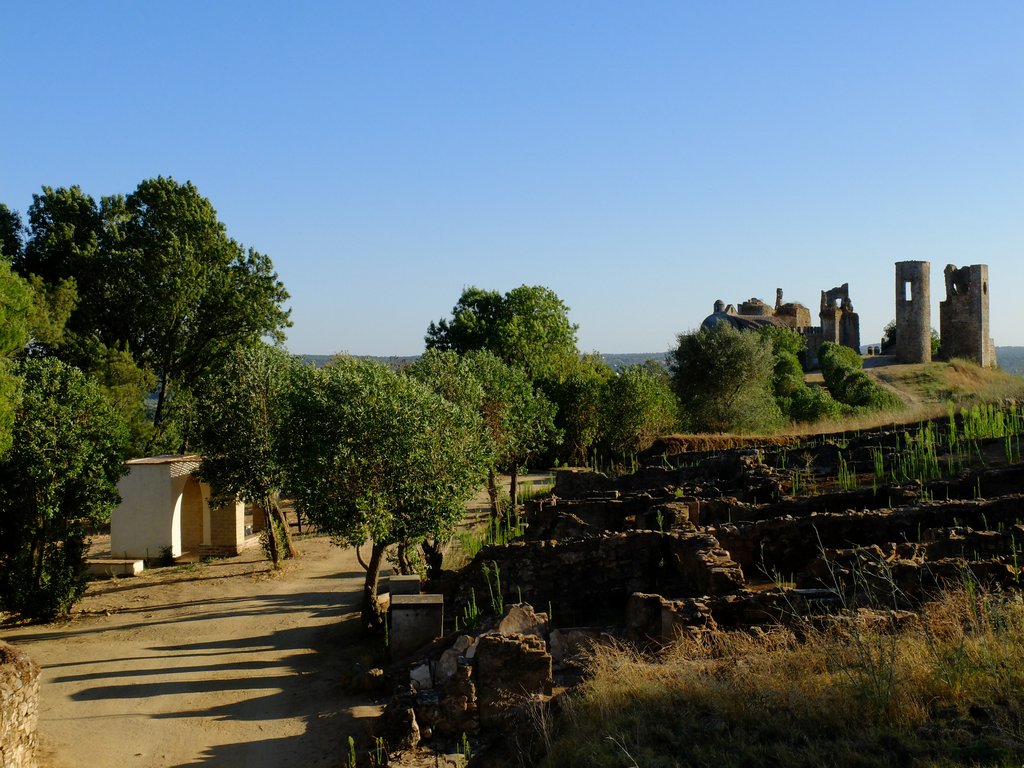
From the entrance, just right of the site where we will build: the ruins of the medieval village.
 2-DSC_1836
 Arches, towers, domes at sunset

03-IMG_0480

 The building site. After its excavations by the archeological council.

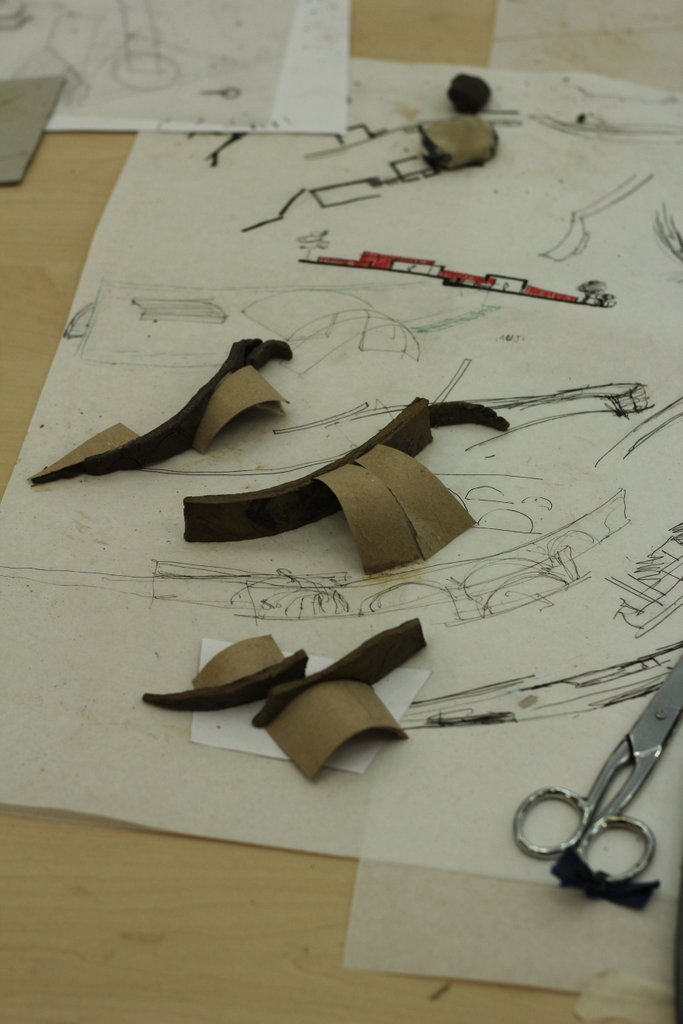
Clay and Cardboard

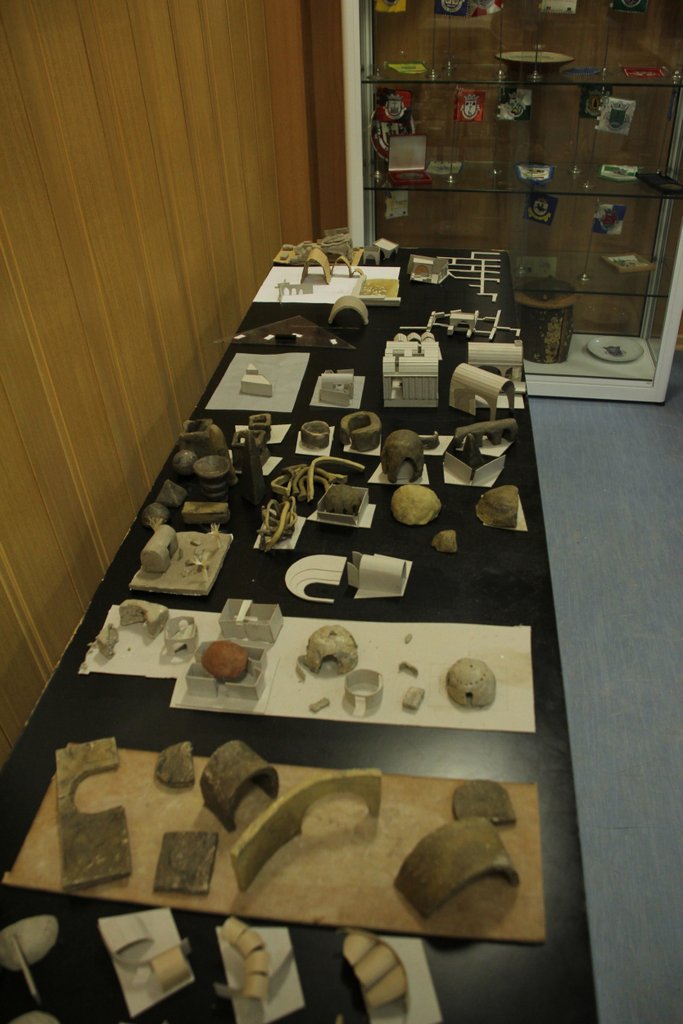
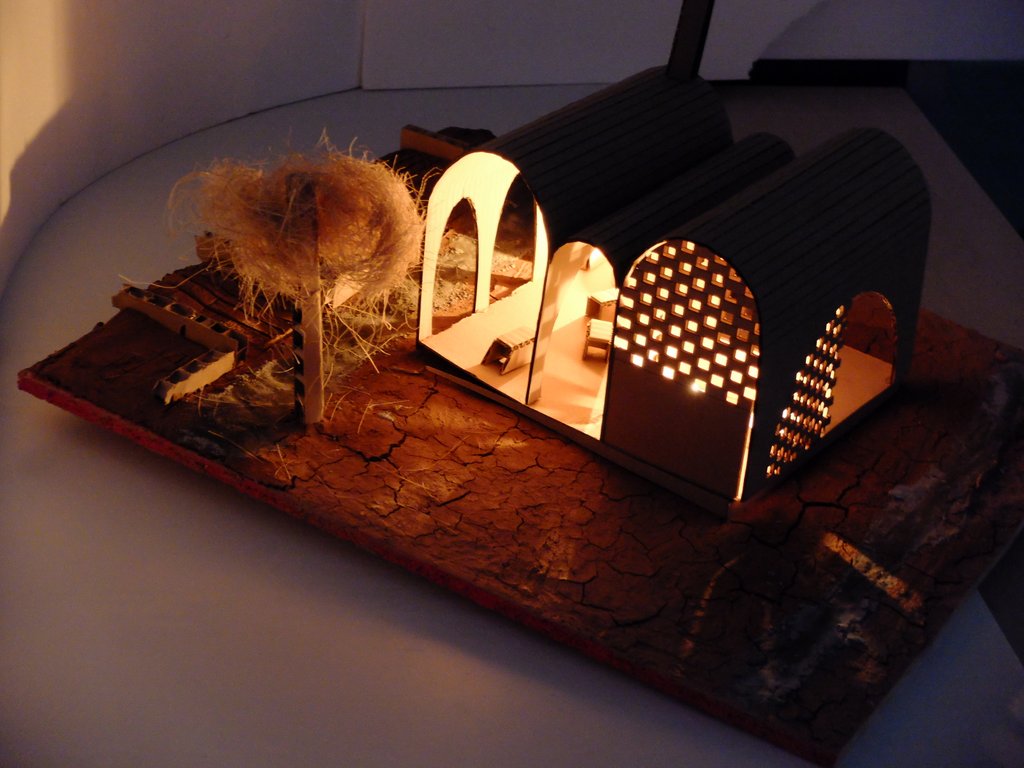
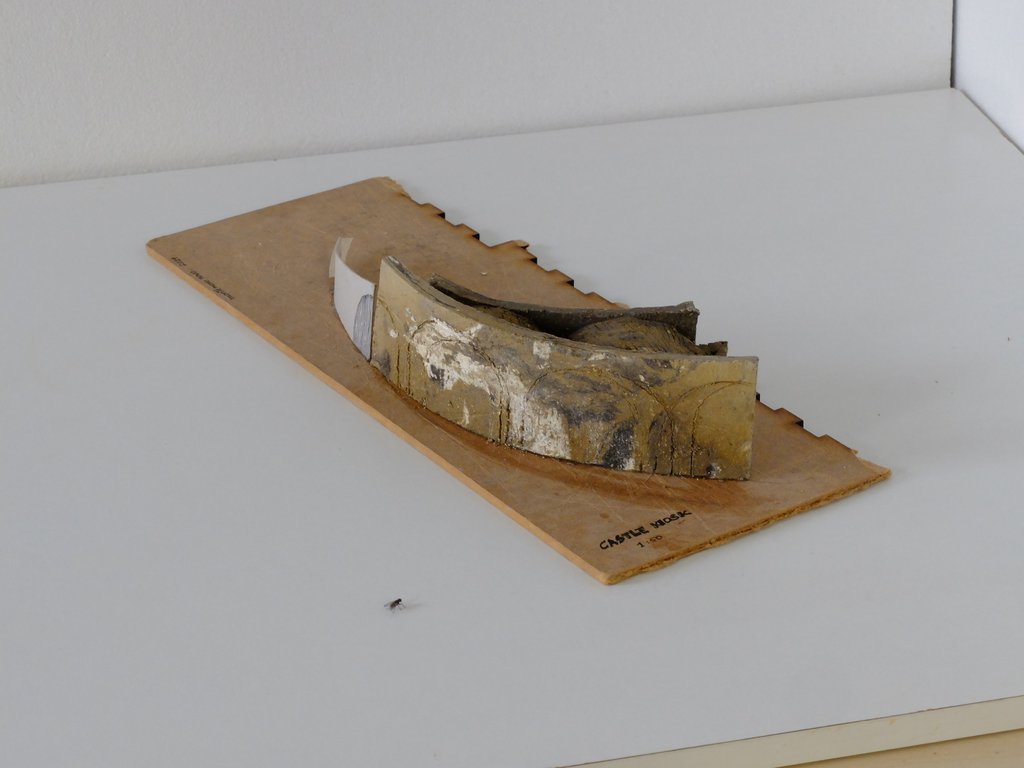
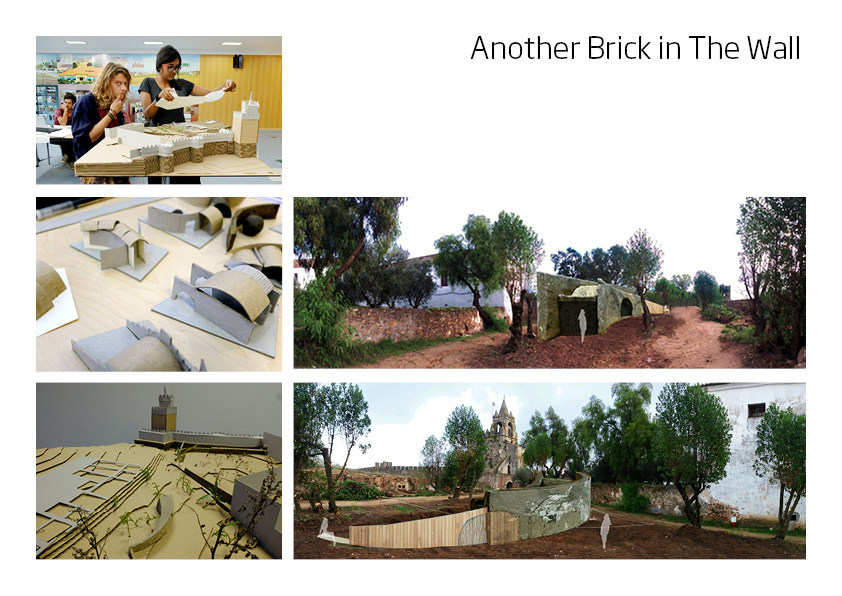
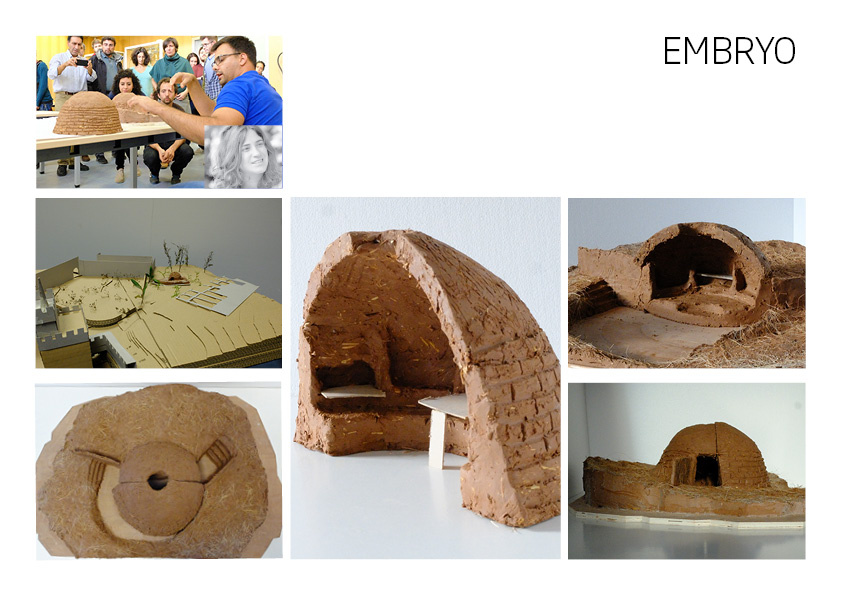
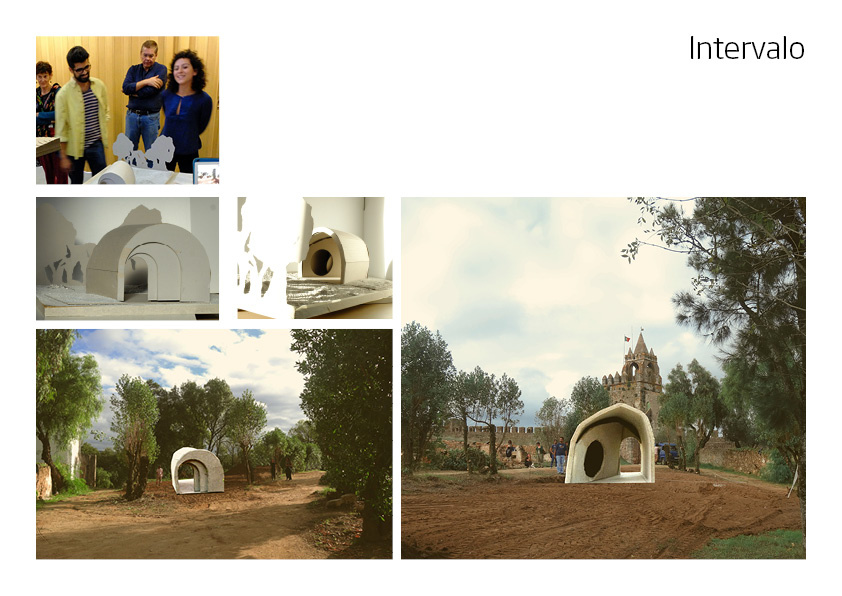
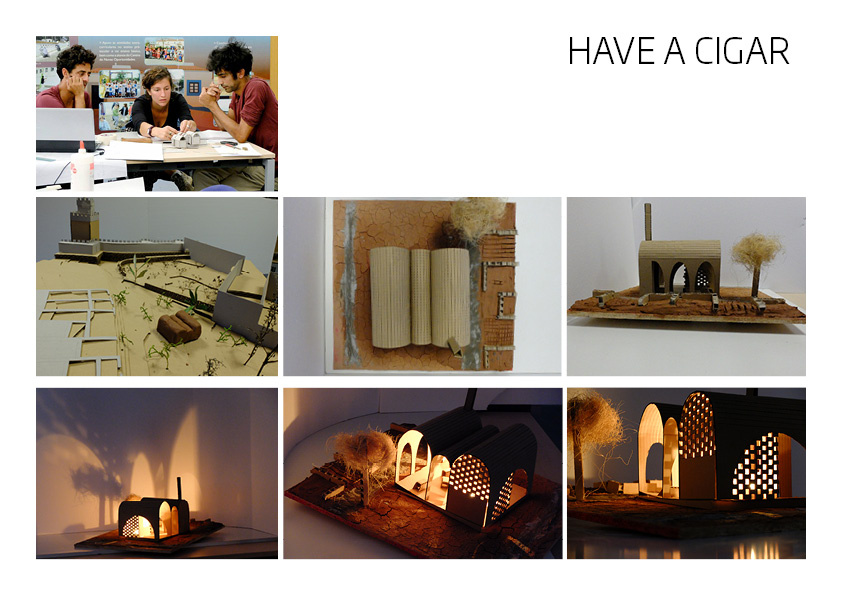
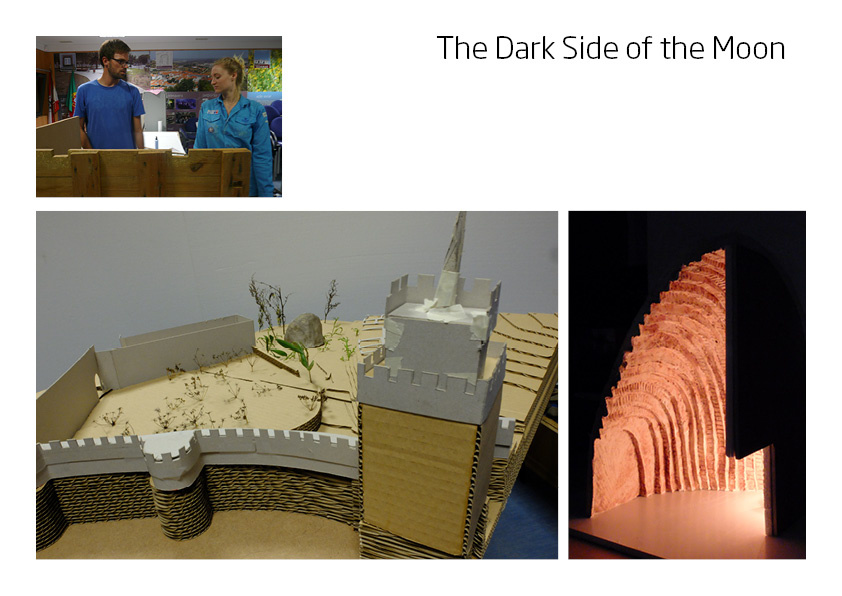
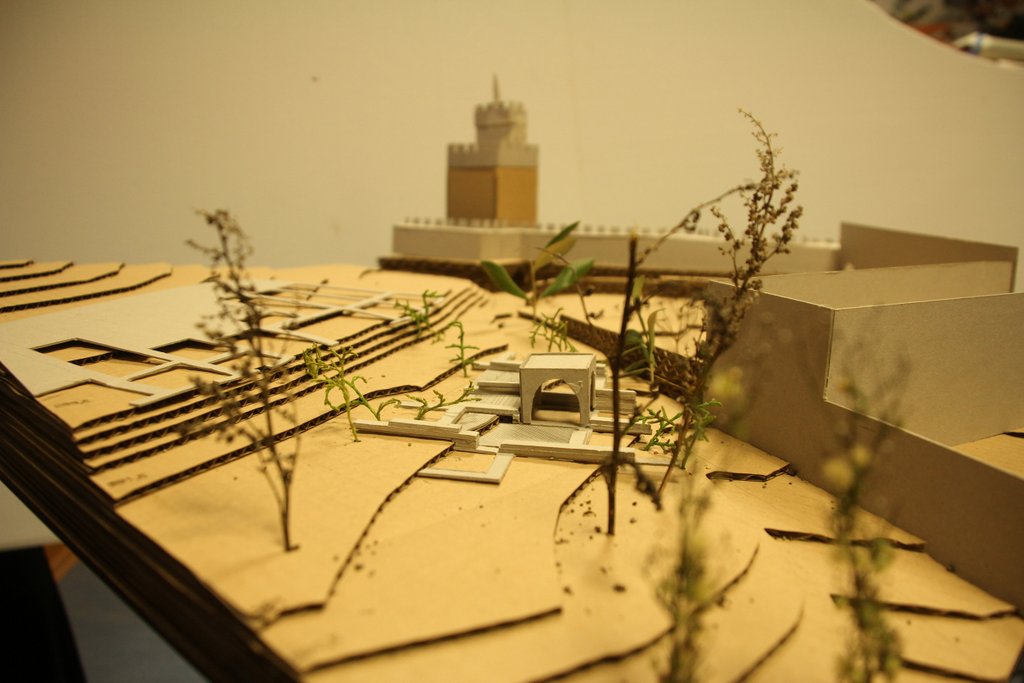
The design for the castle kiosk was explored completely through models.
Our main material: Compressed Stabilised Earth Blocs (CSEB).
Our main inspiration: the surroundingsa

1-IMG_0691
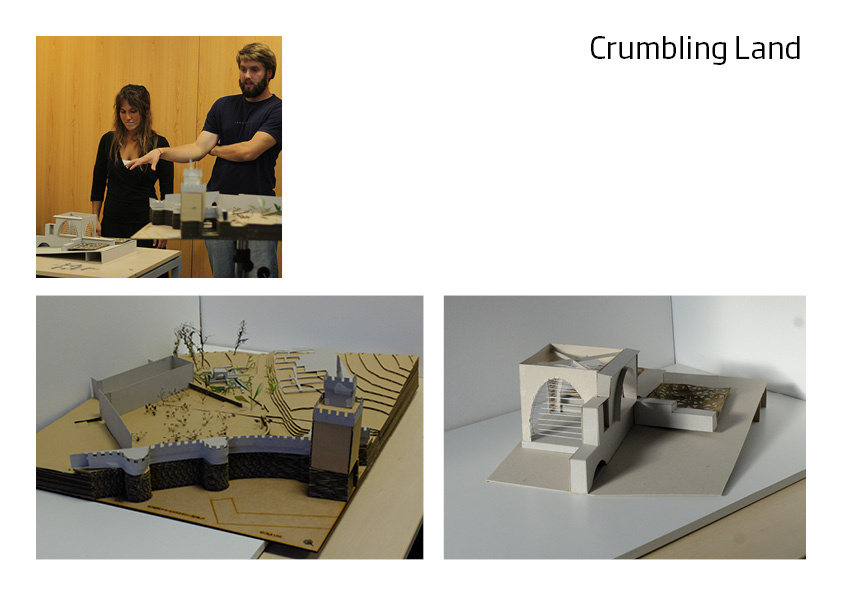
01-2b 02-3d another-brick-in-the-wall1 crumbling-land embryo1 intervalo presentation the-dark-side-of-the-moon
Hours of exploration, debates and discussions later, the team and the Municipality unanimously chose ‘The Crumbling Land’.
13-IMG_0851

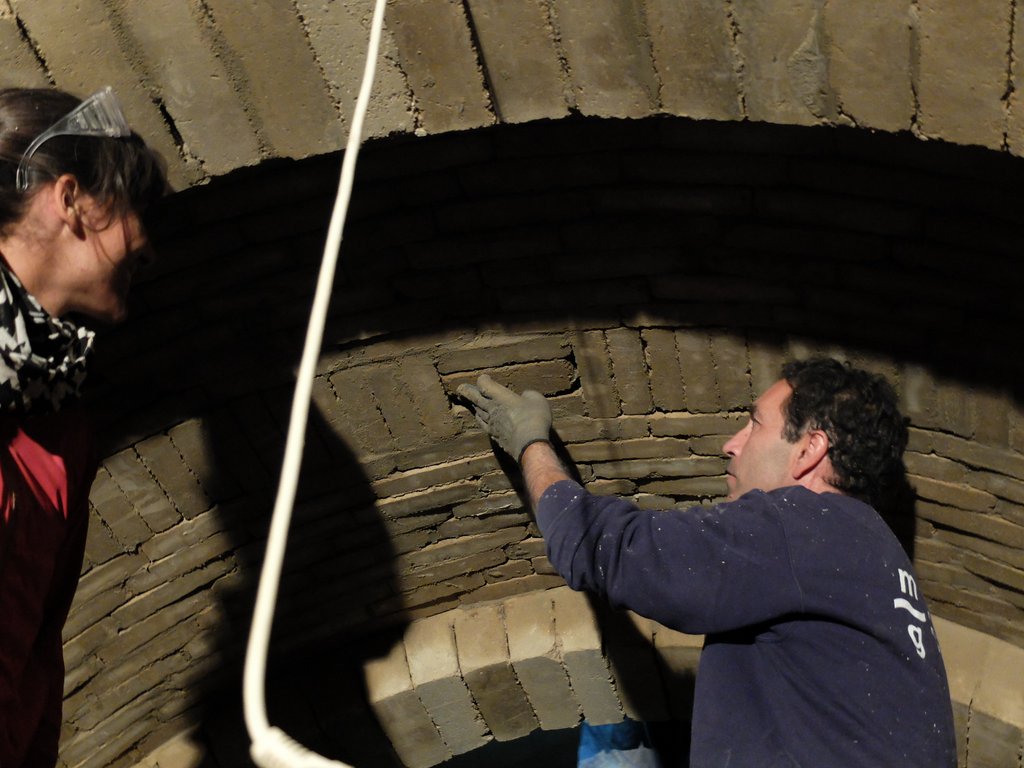
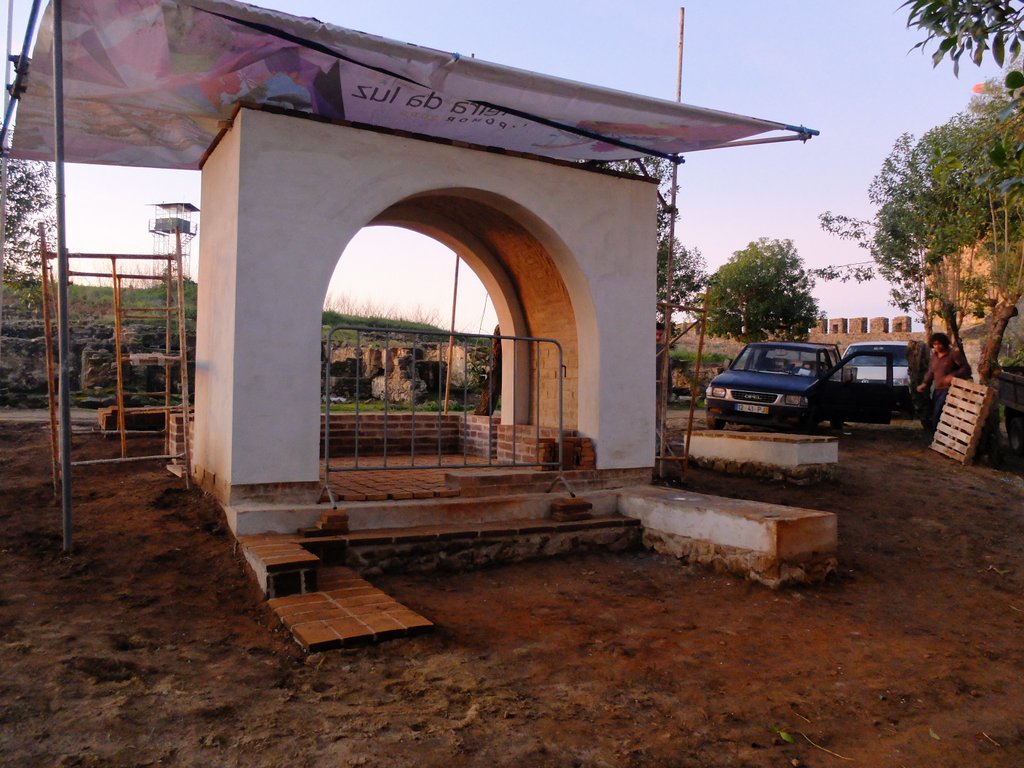
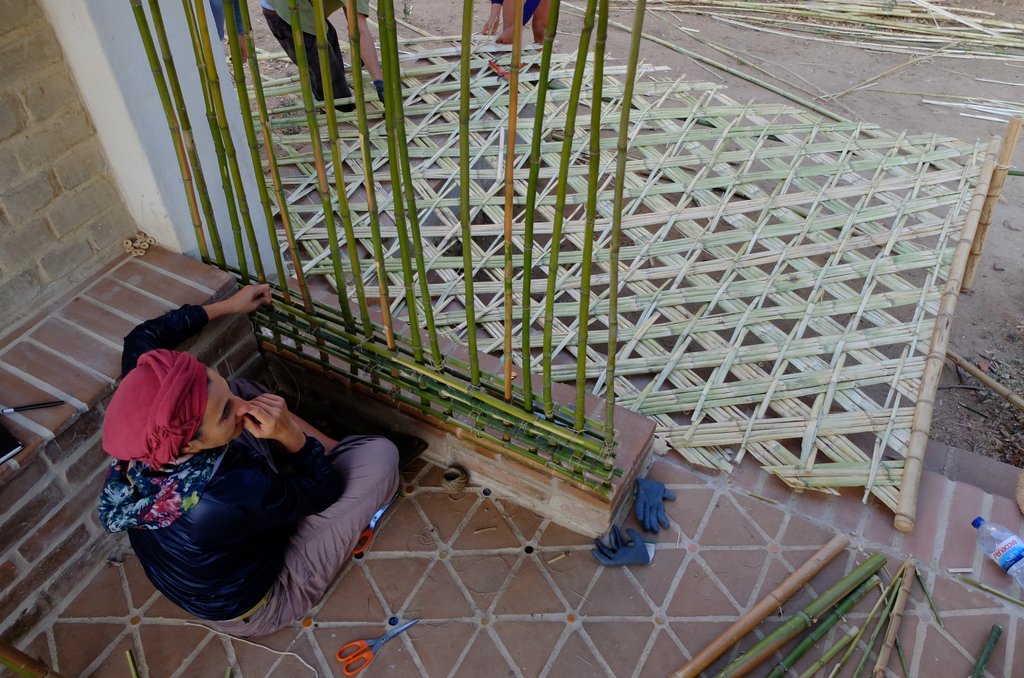
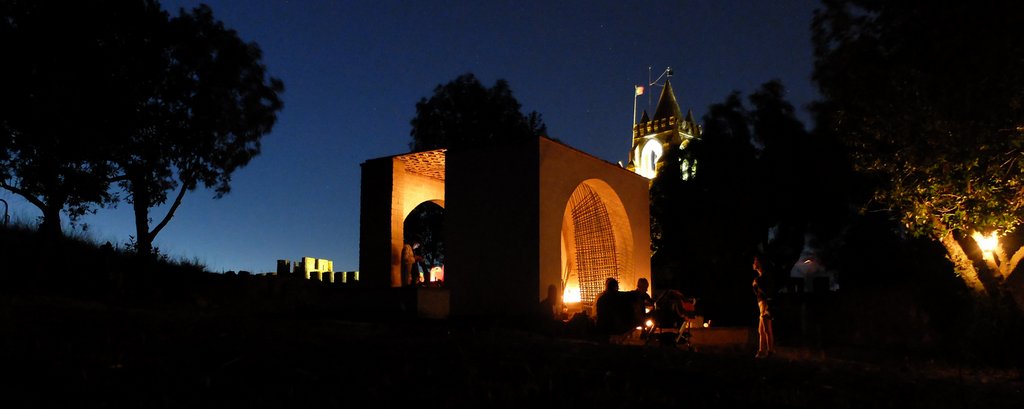
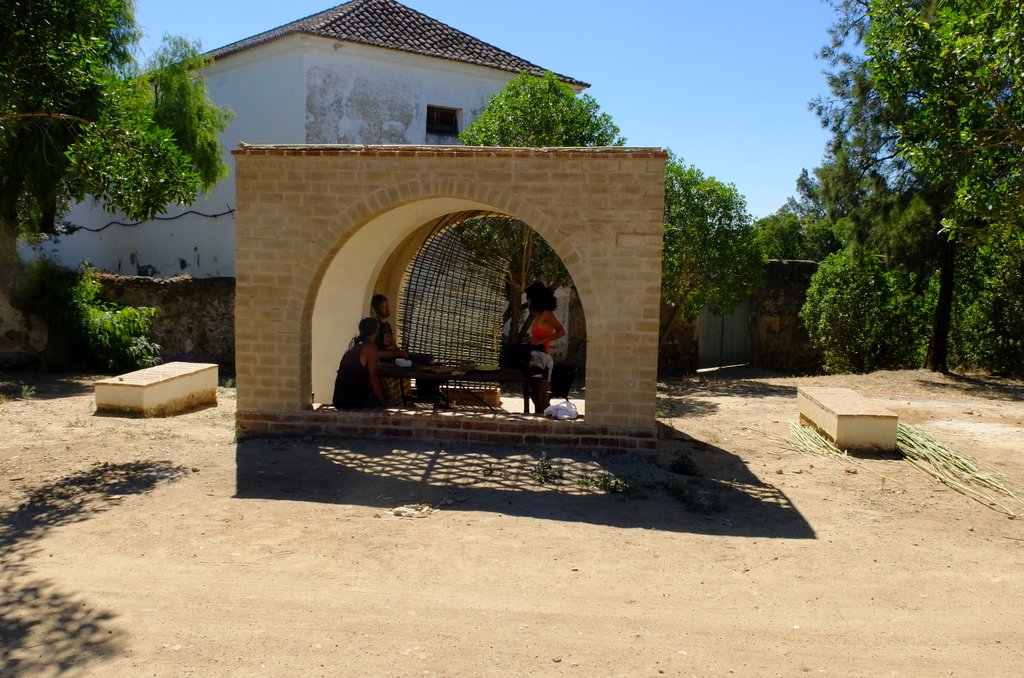
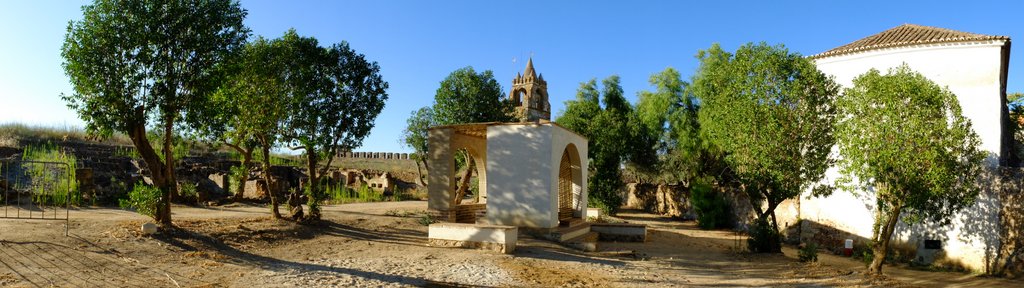
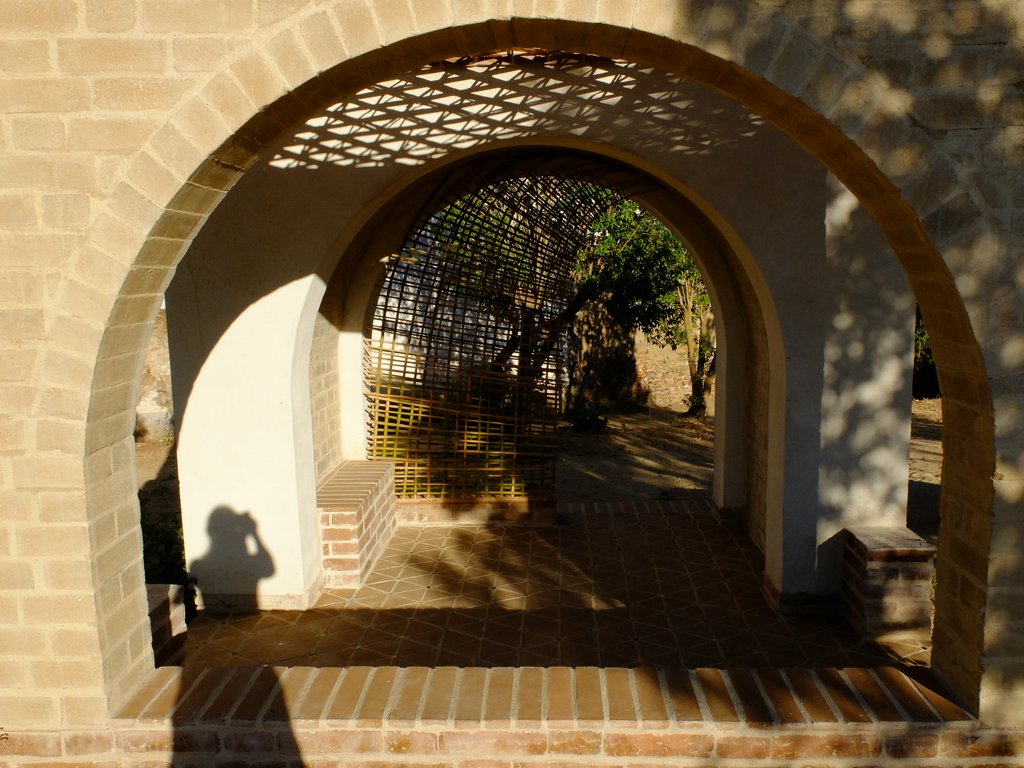
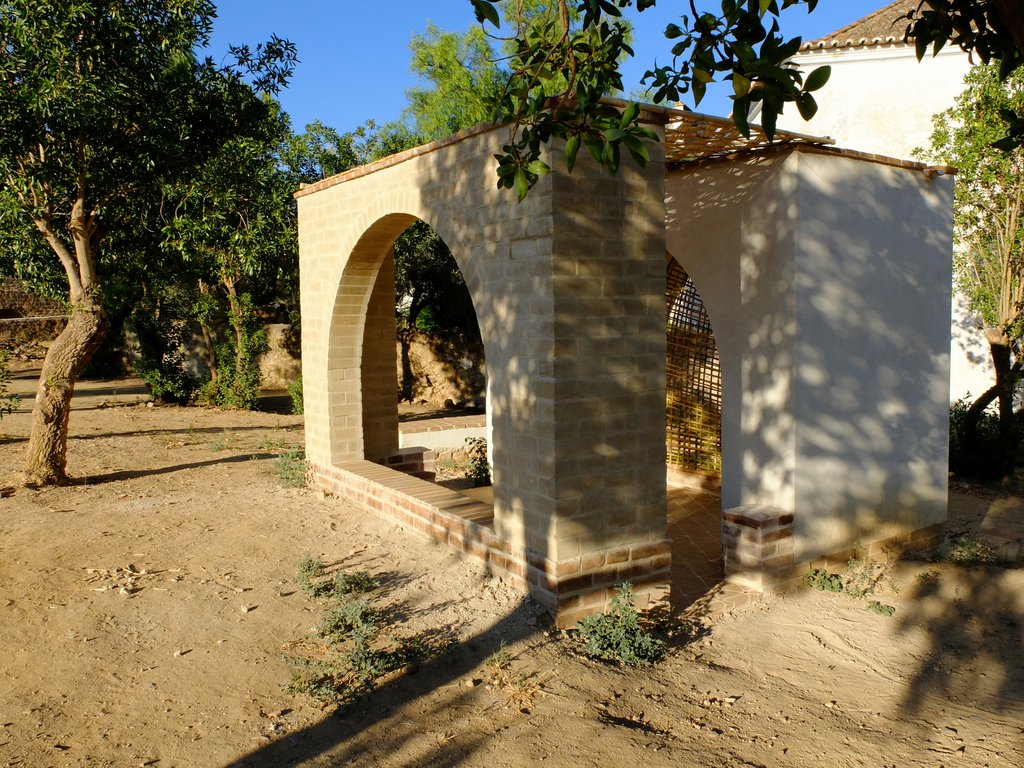
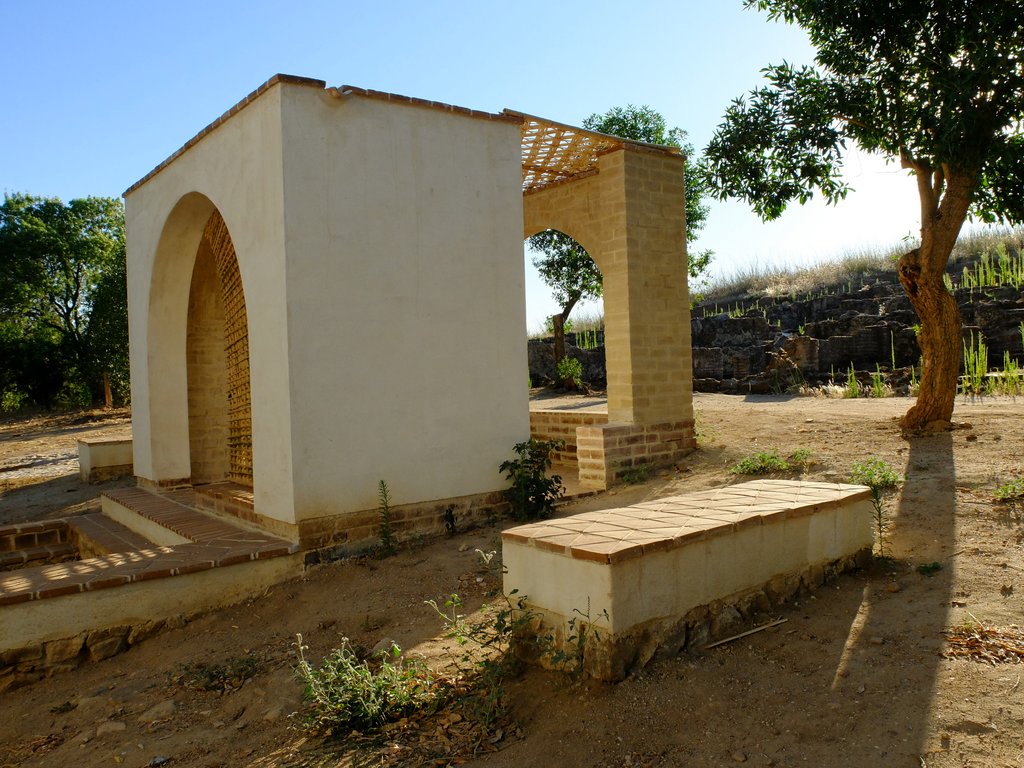
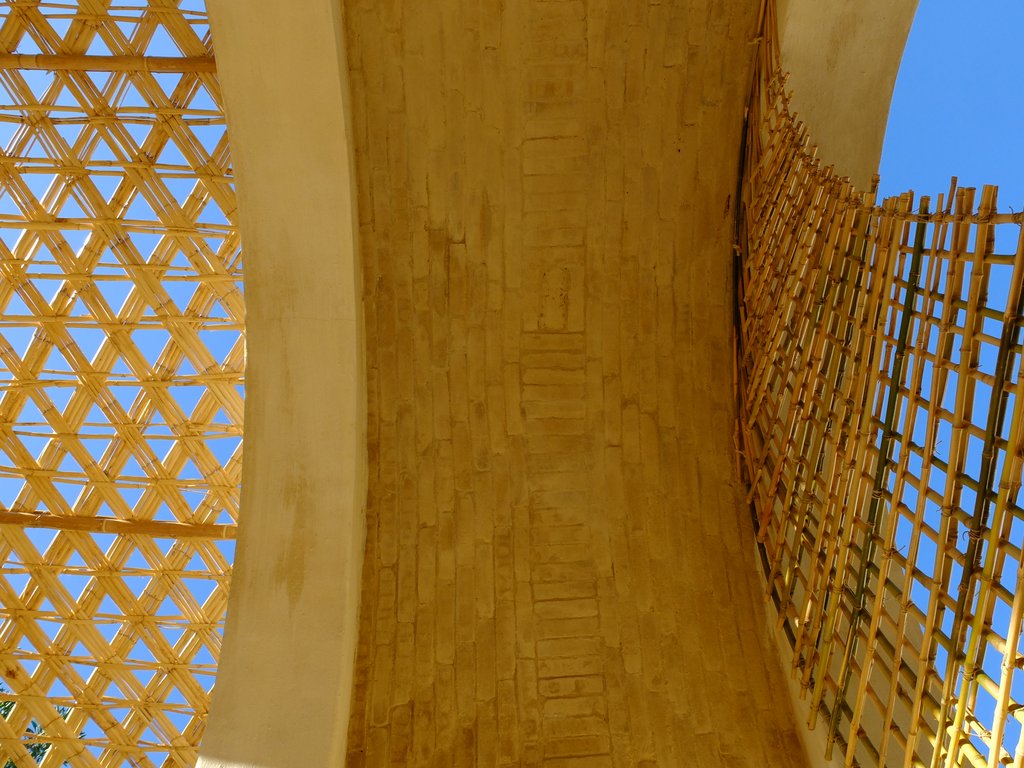
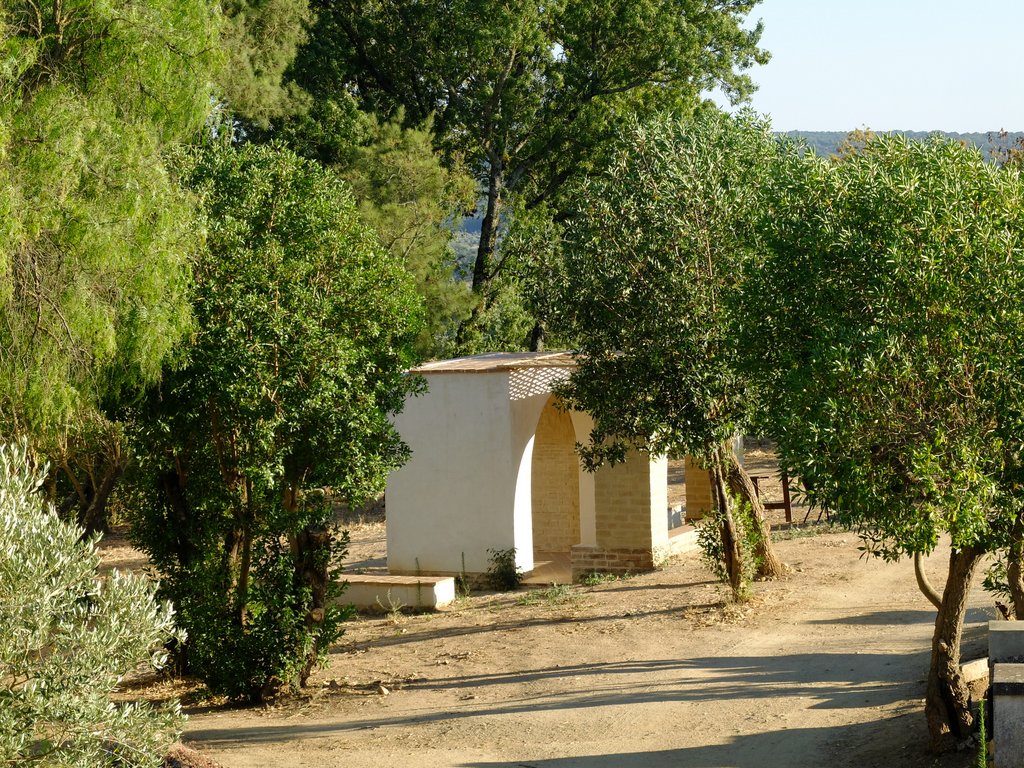
Playing with its surroundings, this project was a re-interpretation of the labyrinthine aspect of its surroundings by spreading above the limits of the defined construction site, and offering to the visitors a place to enjoy playfully the walls and benches that mirror the ruins on the other side of the road. A square building, with all its sides open allows the visitors to gather under two crossing arches meeting in a dome stile structure. This form allows the builders to experiment with vaults and domes at the same time, while mirroring their use all around the site.

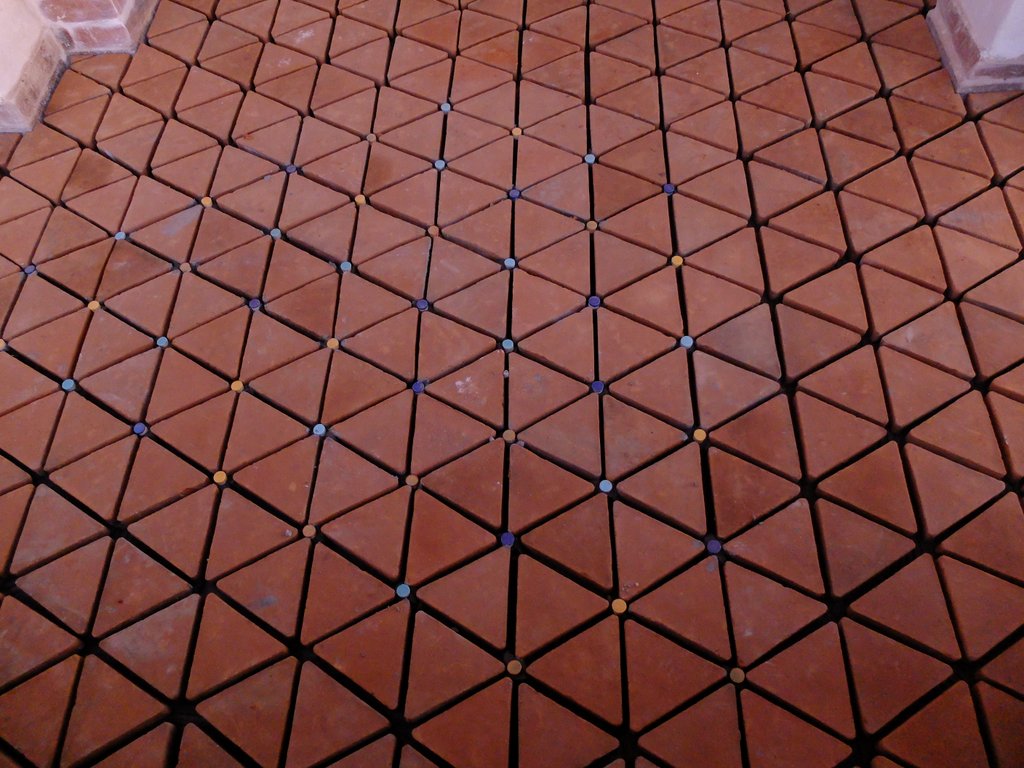
The multiple terraces allow for the use of different ceramic elements that Telheiro offers to the workshop, (tiles, floorings and so on). This is a landscape project that offers a playful ground for the people of Montemor-o-Novo.
Earth to blocks
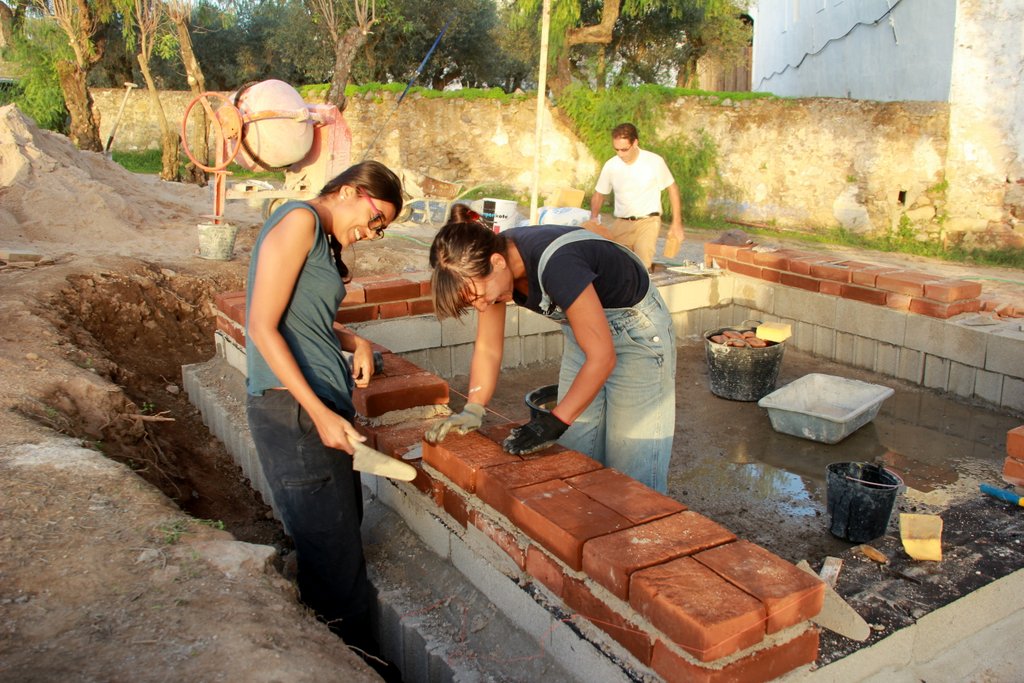
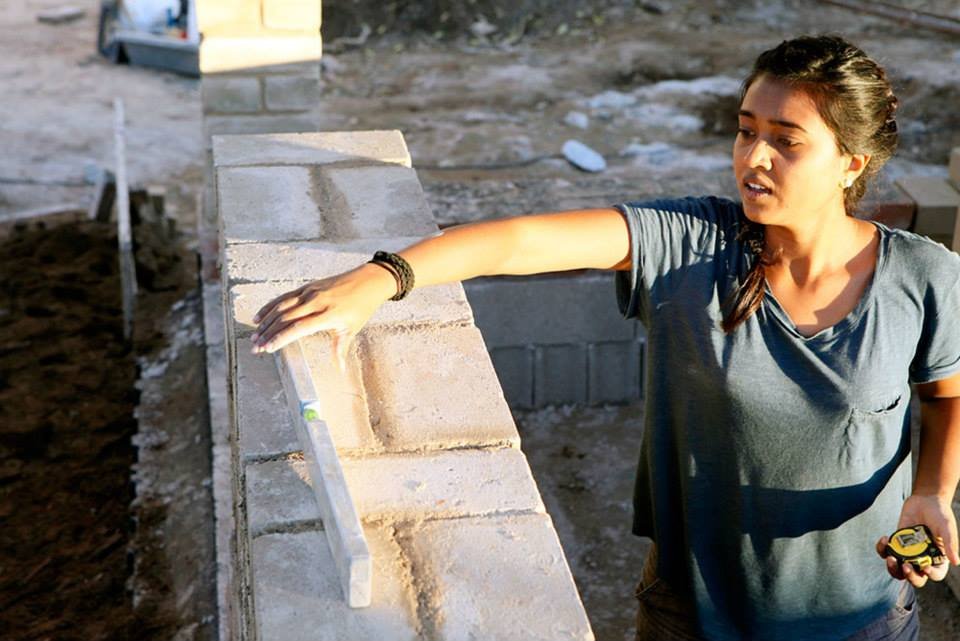
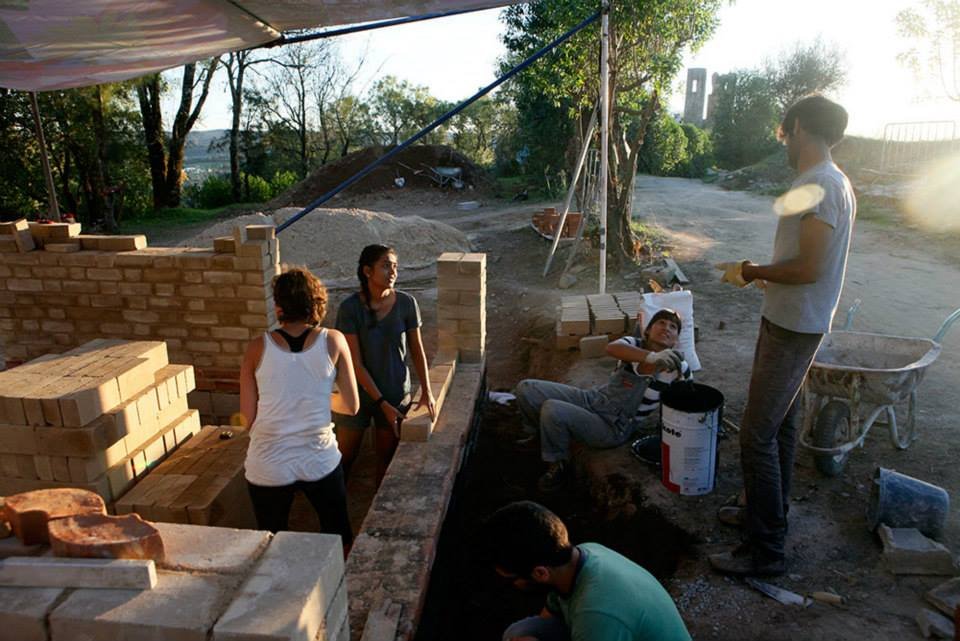
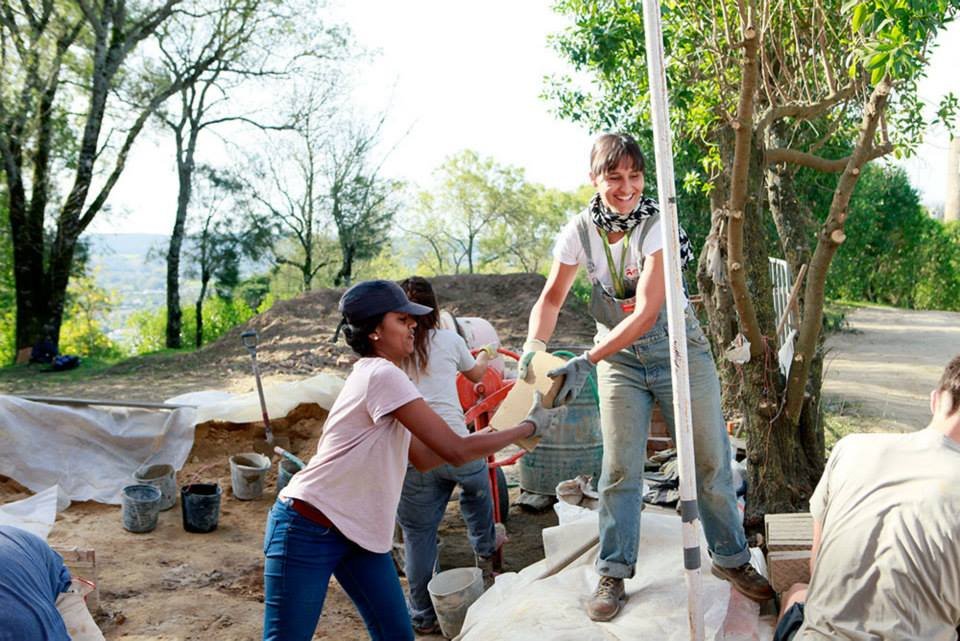
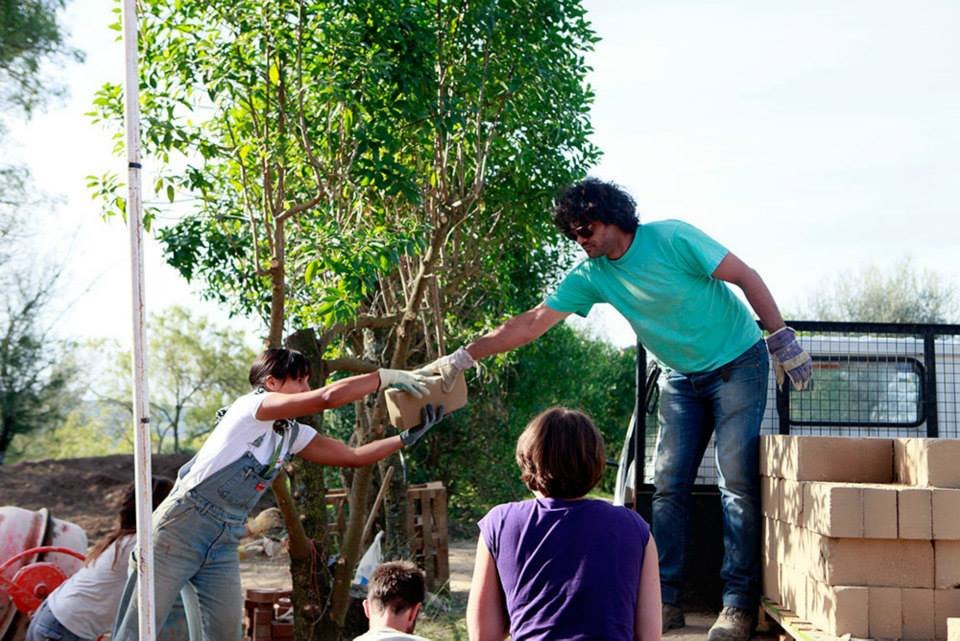
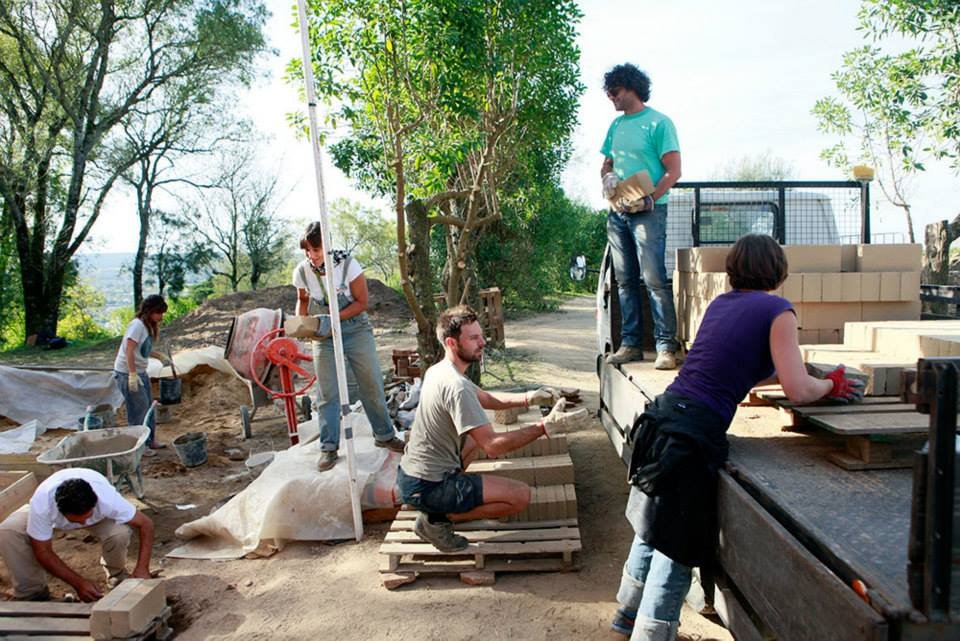
Work starts on site

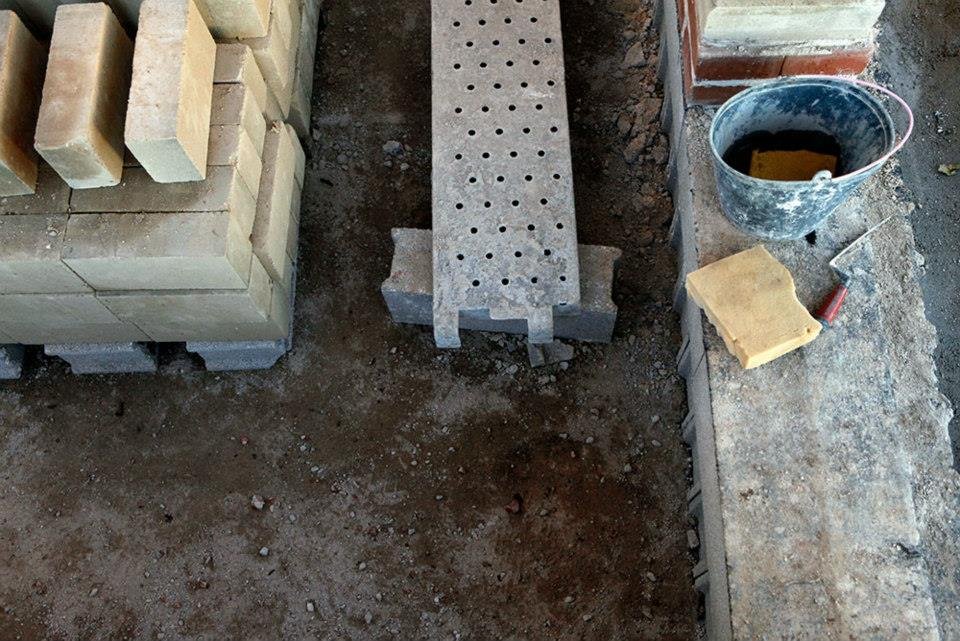
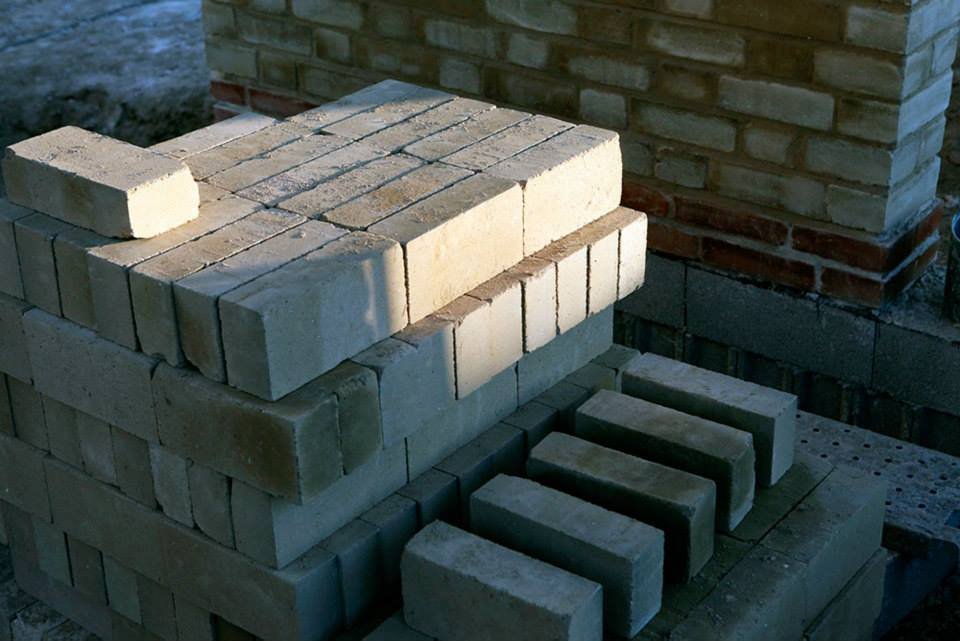
Production of Compressed Stabilised Earth blocks at Telheiro

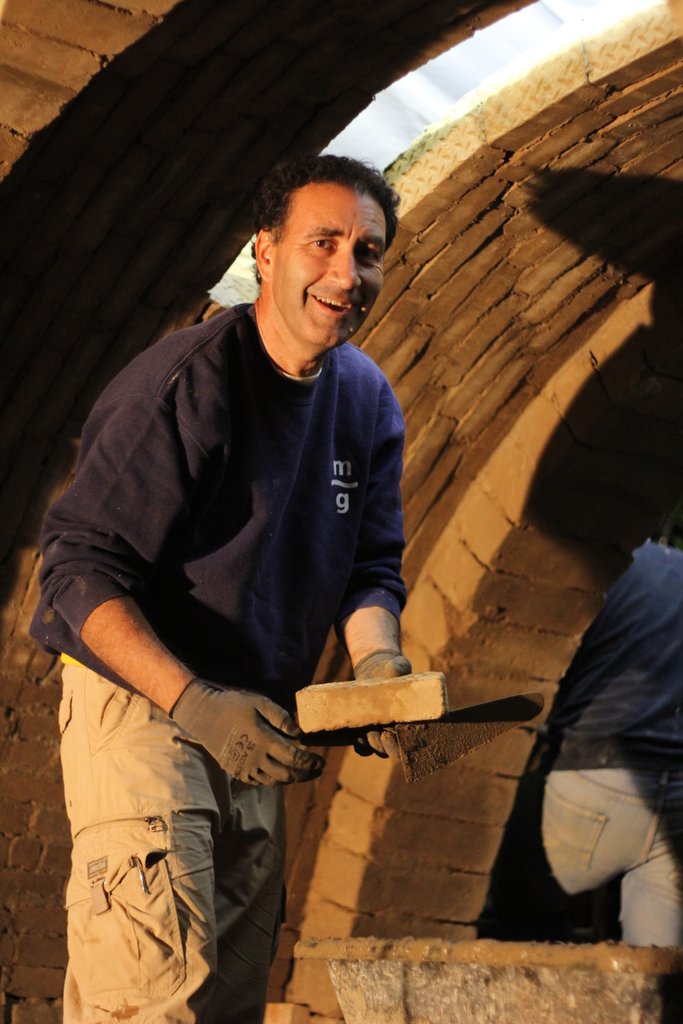
Blocks to Arches
1-DSC_1695
15-IMG_1016 2 17-IMG_1057 29-IMG_134119-IMG_1102
From sunrise to sunset
02-10406859_10152306320206666_2251354889614882407_n 03-10382853_10152306320216666_3114004141610451034_n 04-1560549_10152306320346666_5904355025115347074_n 06-1010372_10152306320626666_7291634088715285369_n 08-485487_10152306320701666_7658447965690424590_n 12-10702232_10152306320981666_674045932031077247_n 13-10710852_10152306322036666_3019339319293662436_n
1-DSCF1553
10-DSCF1546 11-DSCF1558 12-DSCF1566
It is just a bench!
28-IMG_1264 4-10733955_10152318834306666_6059282603782723056_n 5-10501922_10152318836356666_3604443234951435511_n 6-1690021_10152318836146666_6067655534081239137_n
The flooring
3-DSCF2076
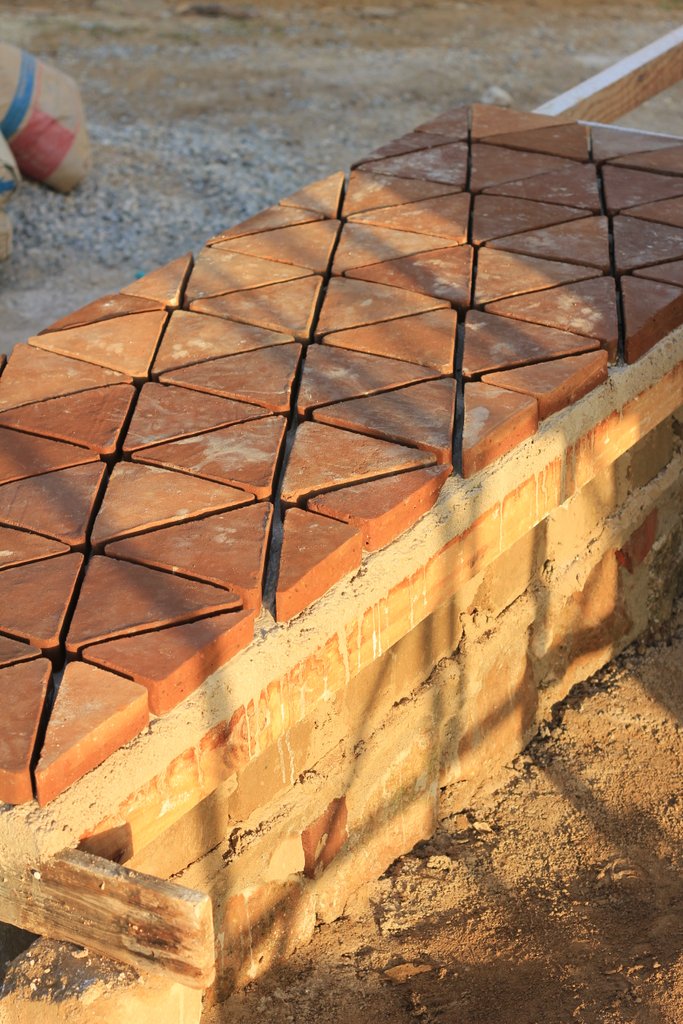
Lime Plastering to protect our arches
The finished Kiosk!
25-IMG_1261
01-DSCF3932 02-DSCF3964_blog_andre pereira 03-DSCF3972 04-DSCF4085 05-DSCF4088 06-DSCF4095 07-DSCF4099 08-DSCF4103 09-DSCF4109 10-DSCF4116 11-DSCF4121 12-DSCF4122
2014 Ecological Bus-stop Prototype, Blog, Compressed earth bricks (CEB - CSEB), Work & Projects
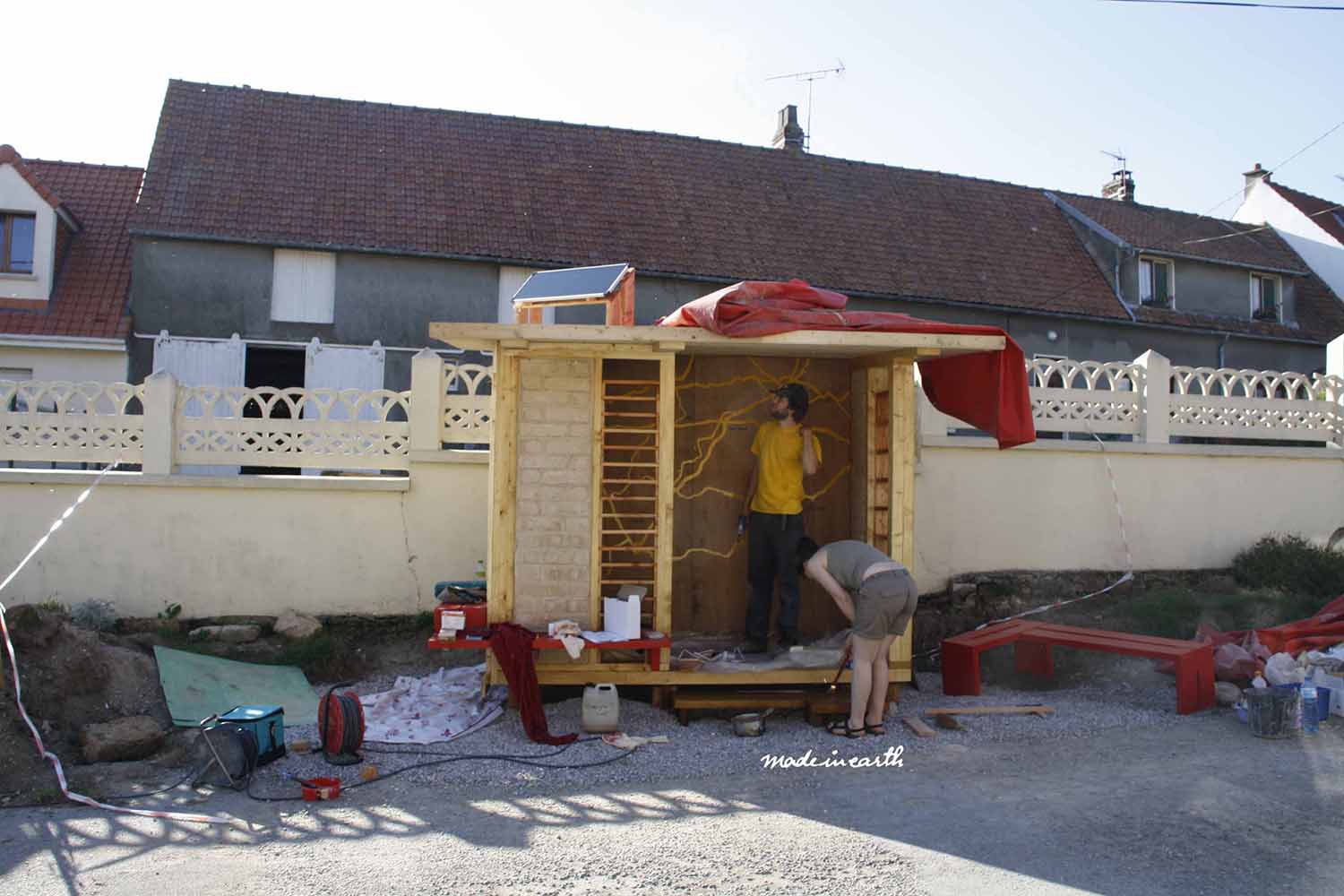
2014 Ecological Bus-stop

abri2

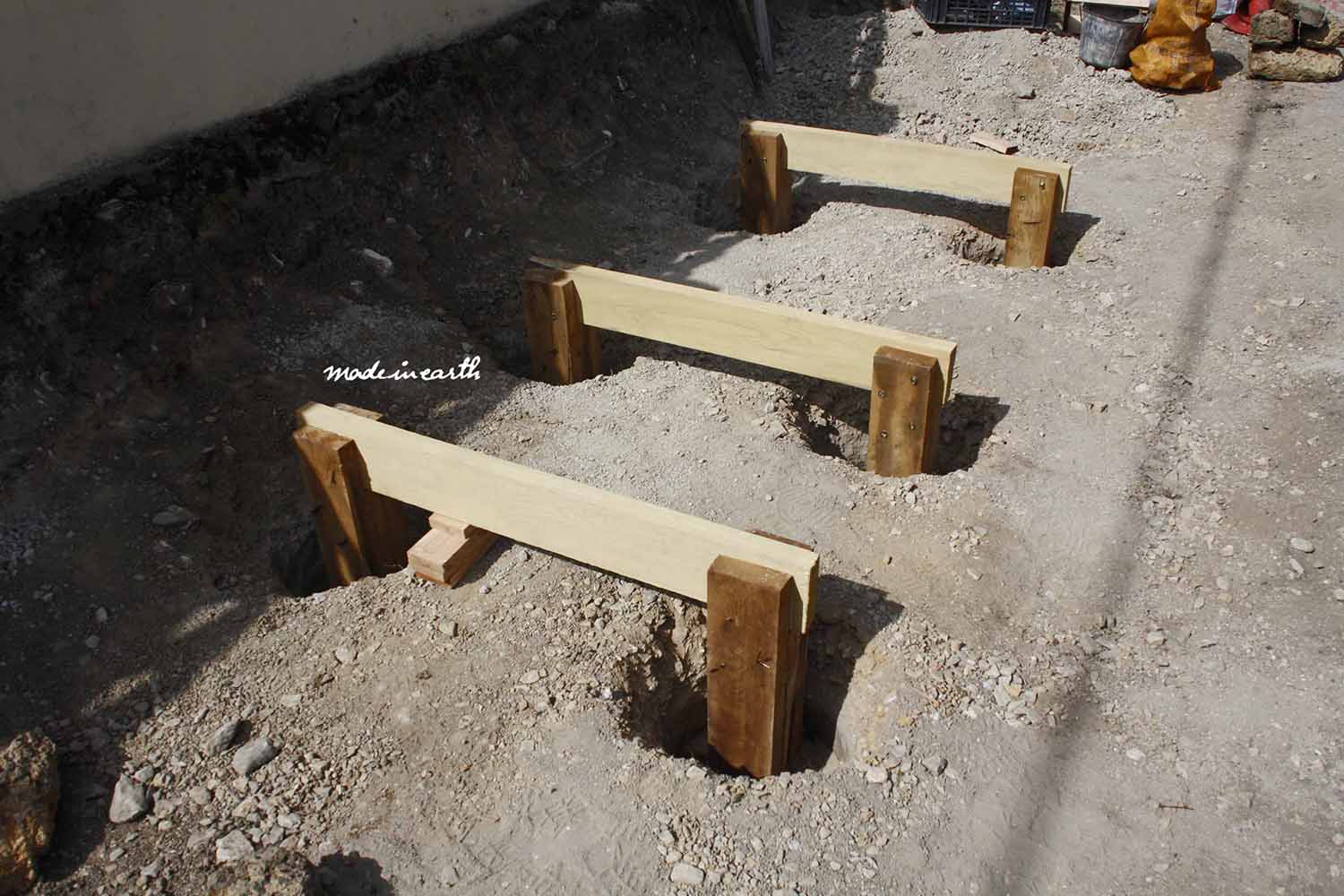
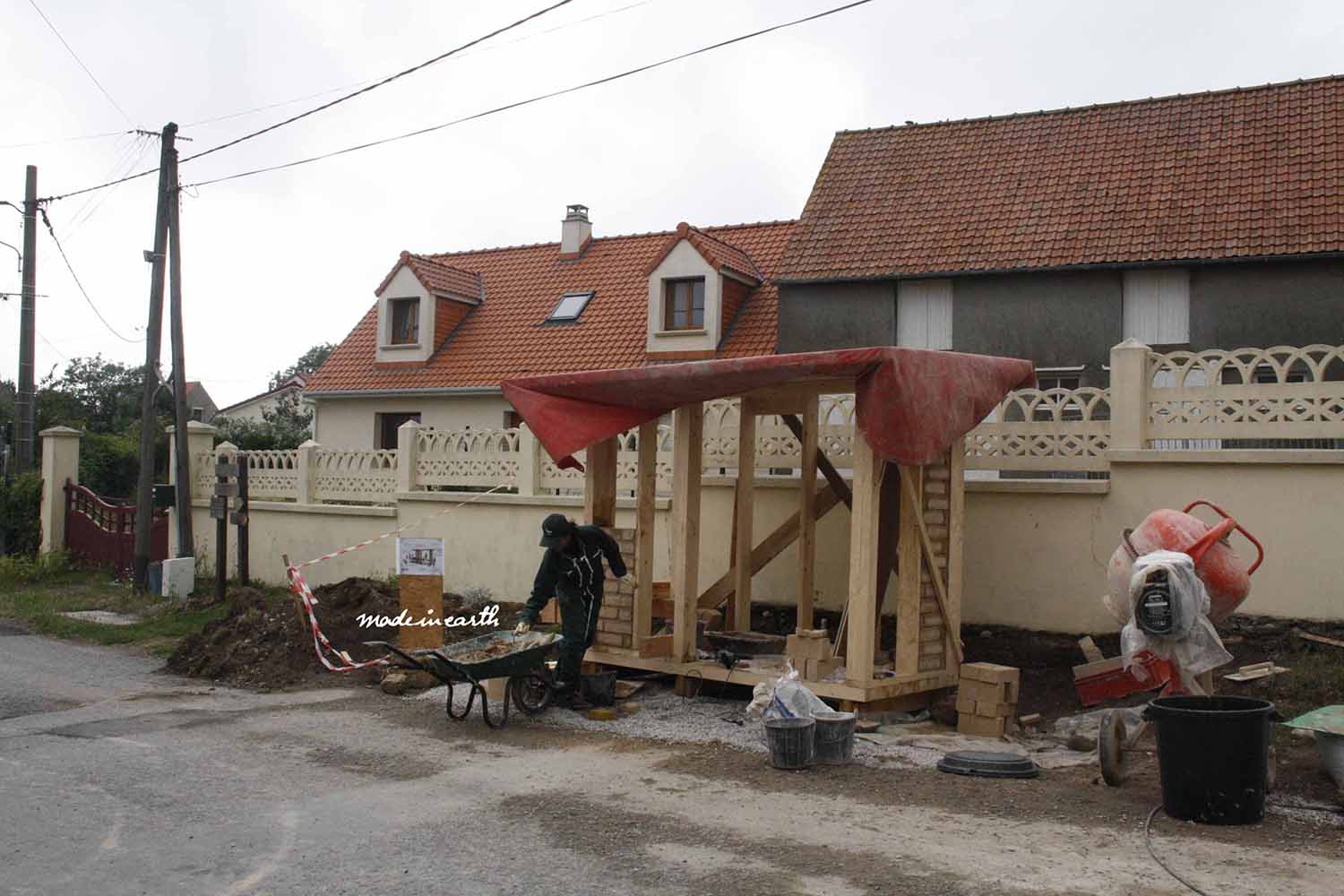
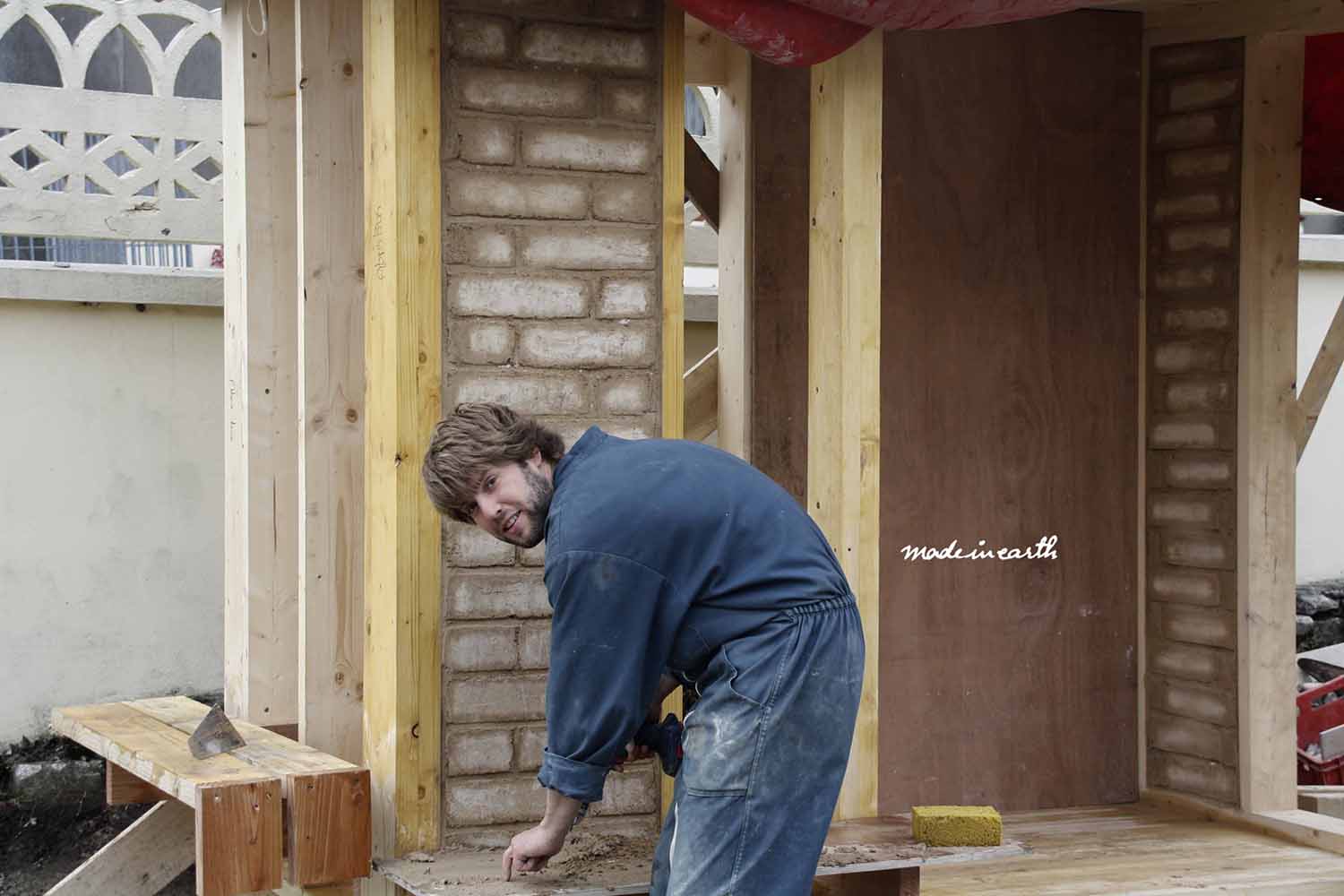
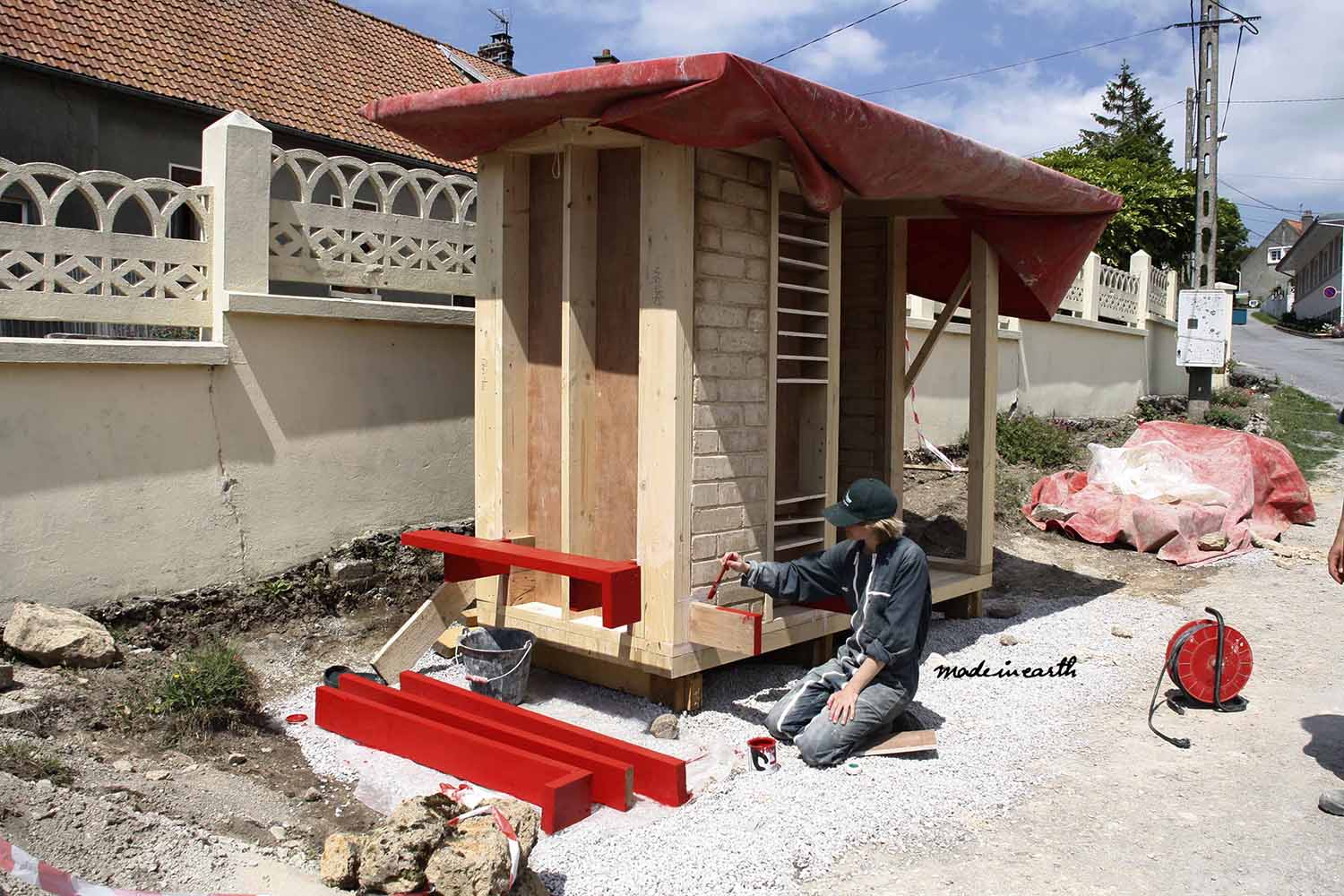
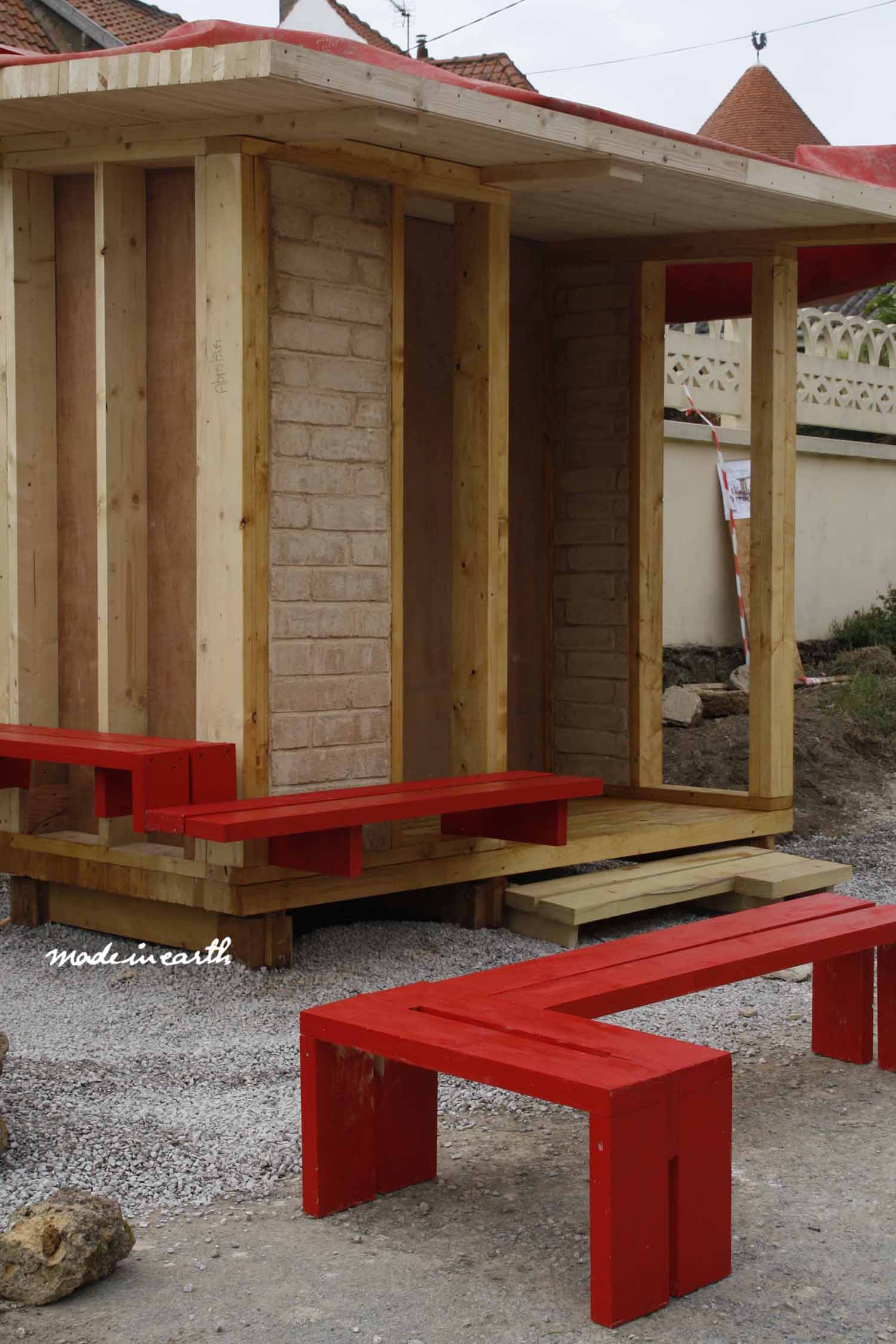
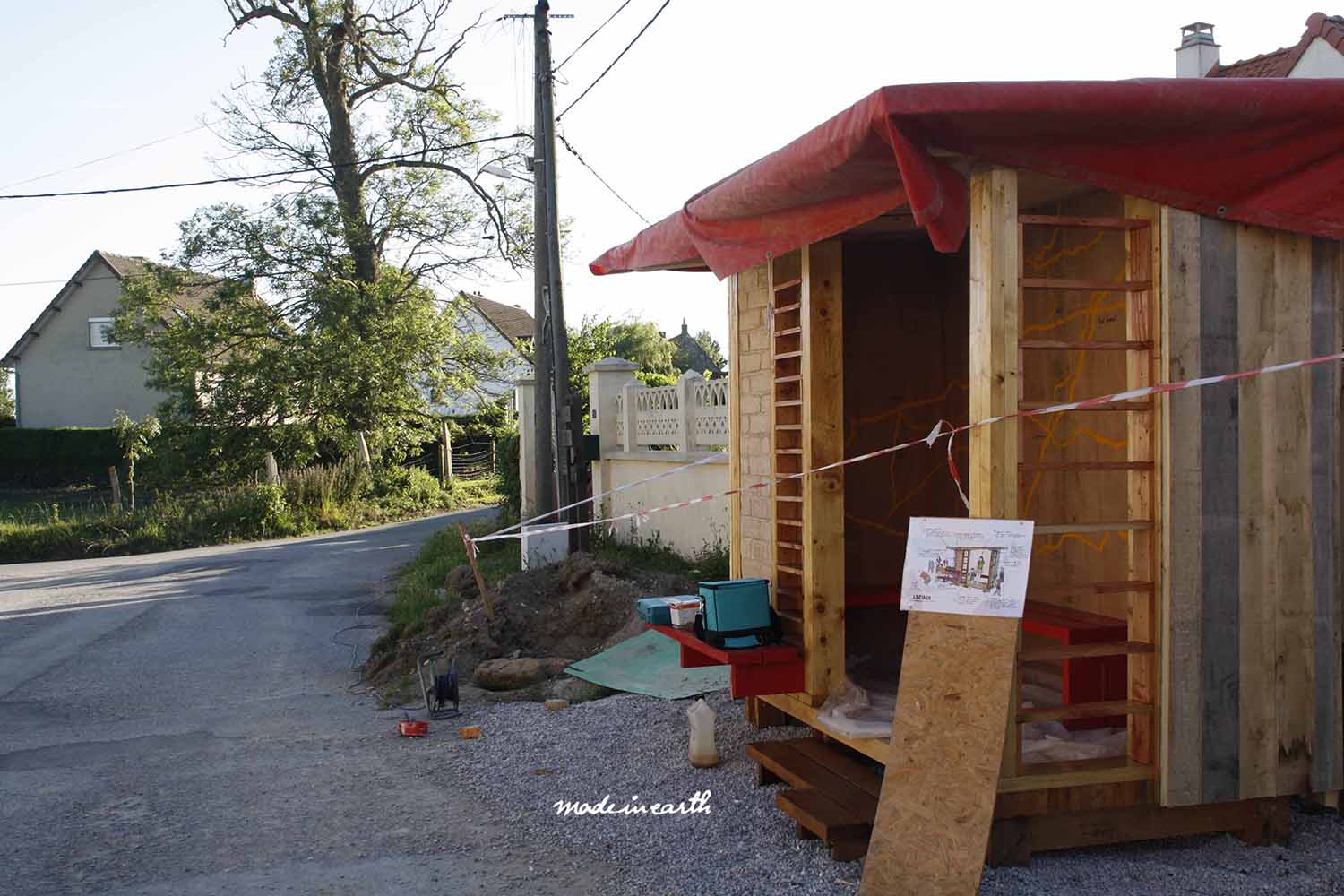
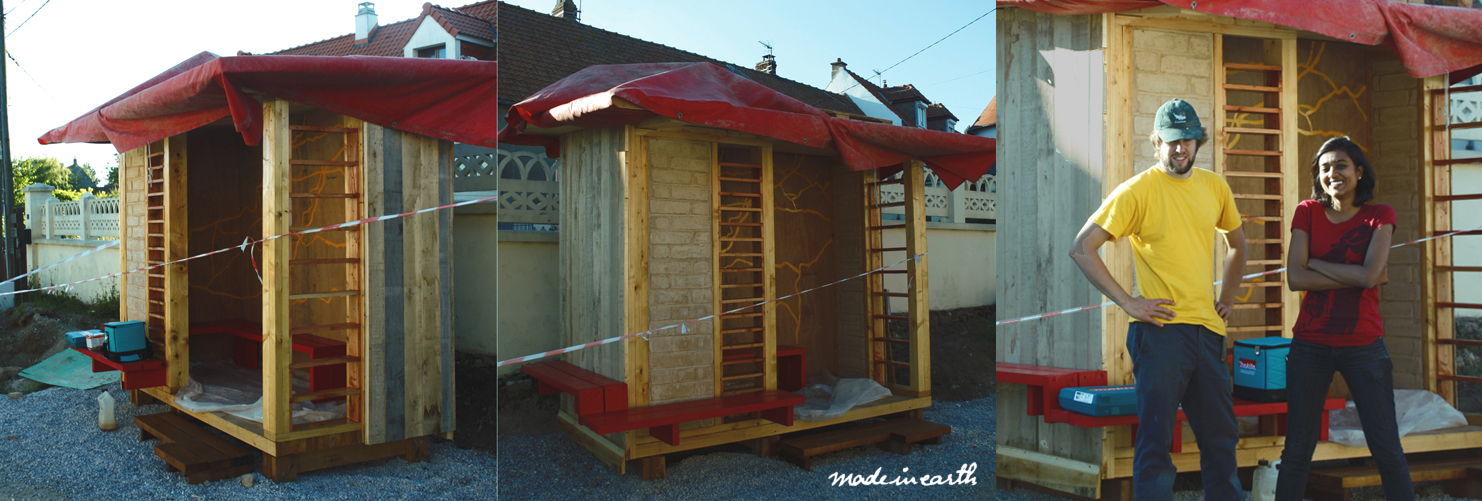
We developed a prototype of a bus-stop for the village of Leubringhen, to be used by students and travelers in the region. “An opportunity to demonstrate ecological materials in a public space” was the brief given to us. We built it with poplar wood and Compressed stabilized earth blocks (CSEB) with a green roof. The design was conceived with a solar panel that lights up the inside as the sun is very rare in this region during winter.  The bus-stop had to protect against the stong winds in the pas-de-calais region.

abri3 abri4 abri5 abri6 abri7

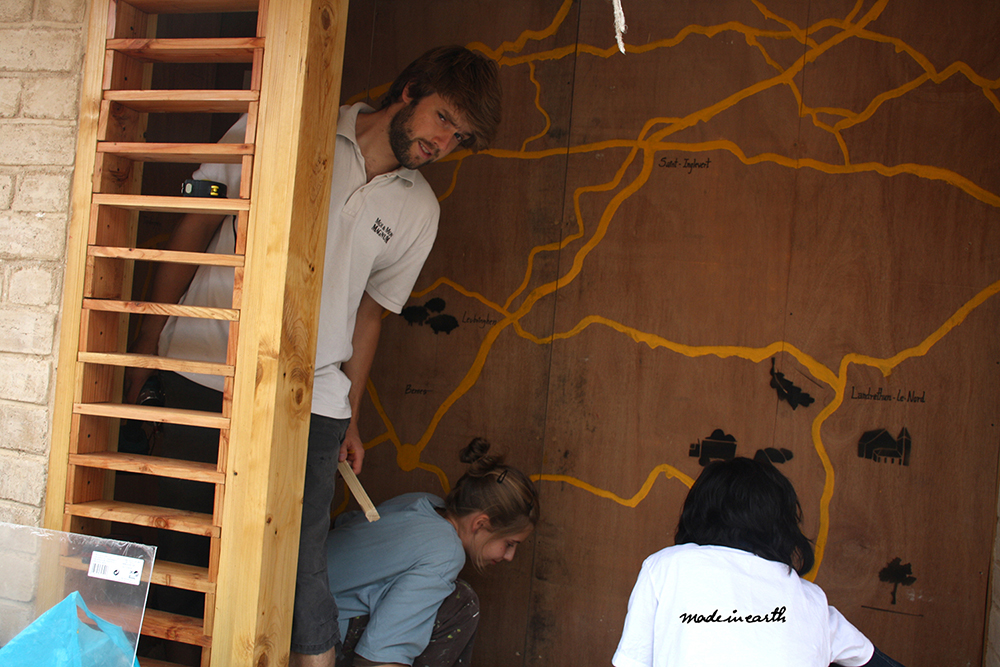
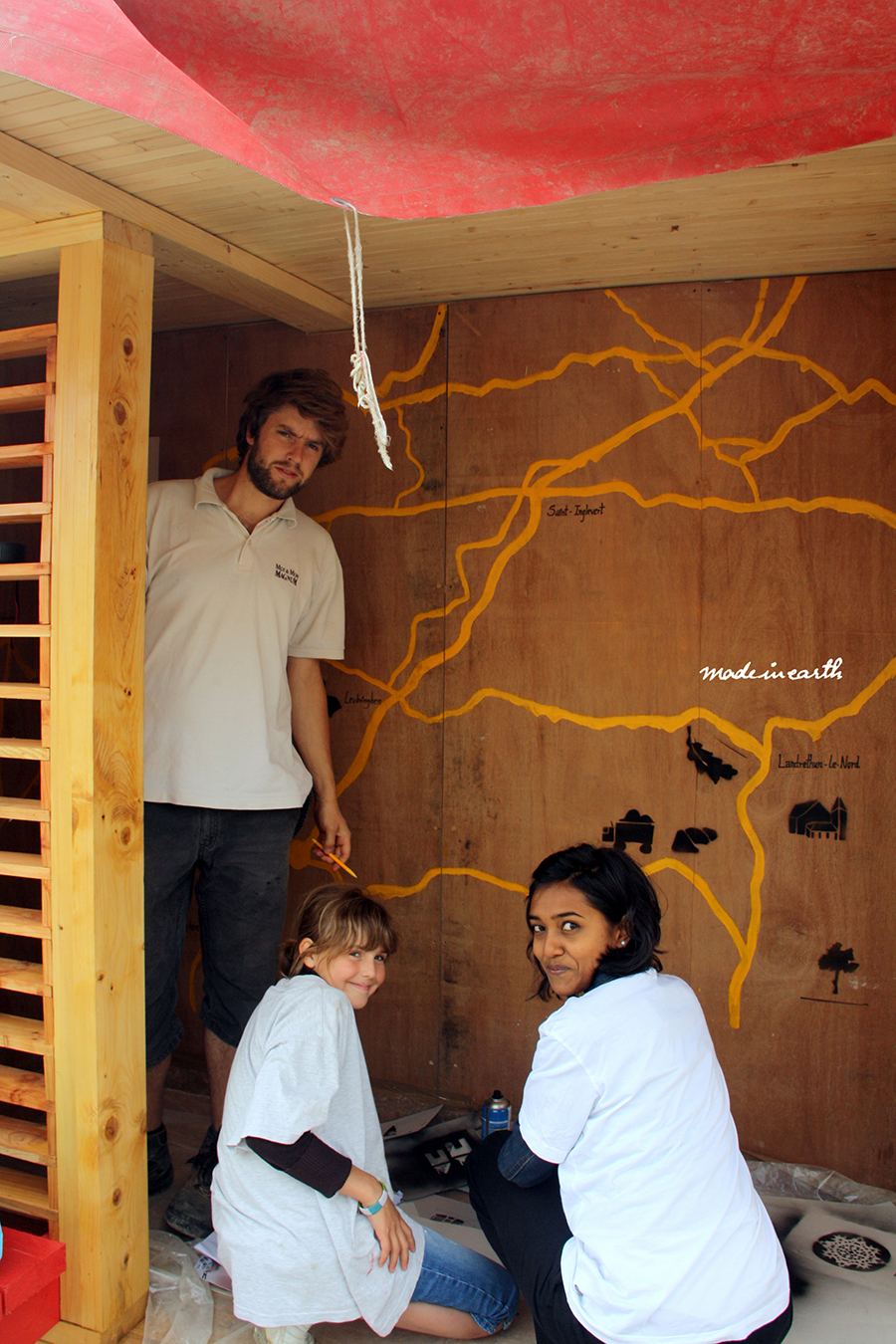
The huge interior wall gave plenty of room for creative freedom. We drew a map of the region  highlighting all the local treasures, using non-toxic paints and plenty of enthusiasm from the village children.

abri8 abri9 abri10
abriplaiz