The brick Kiln house is coming up! Stone foundation and compressed stabilized earth blocks (CSEB).
Read more about the project here.
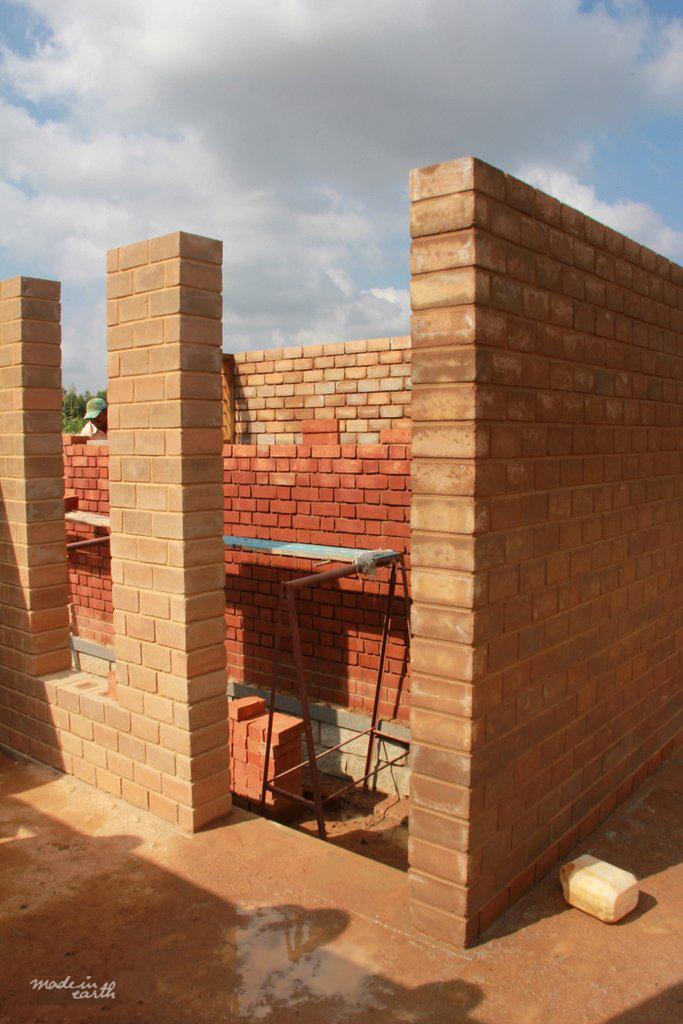
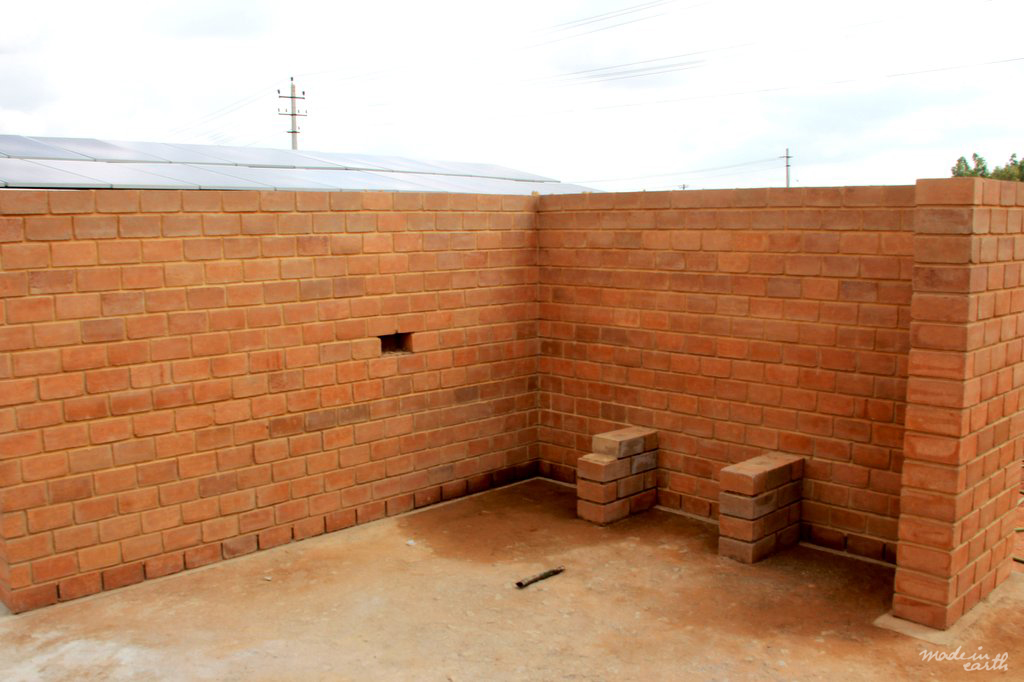
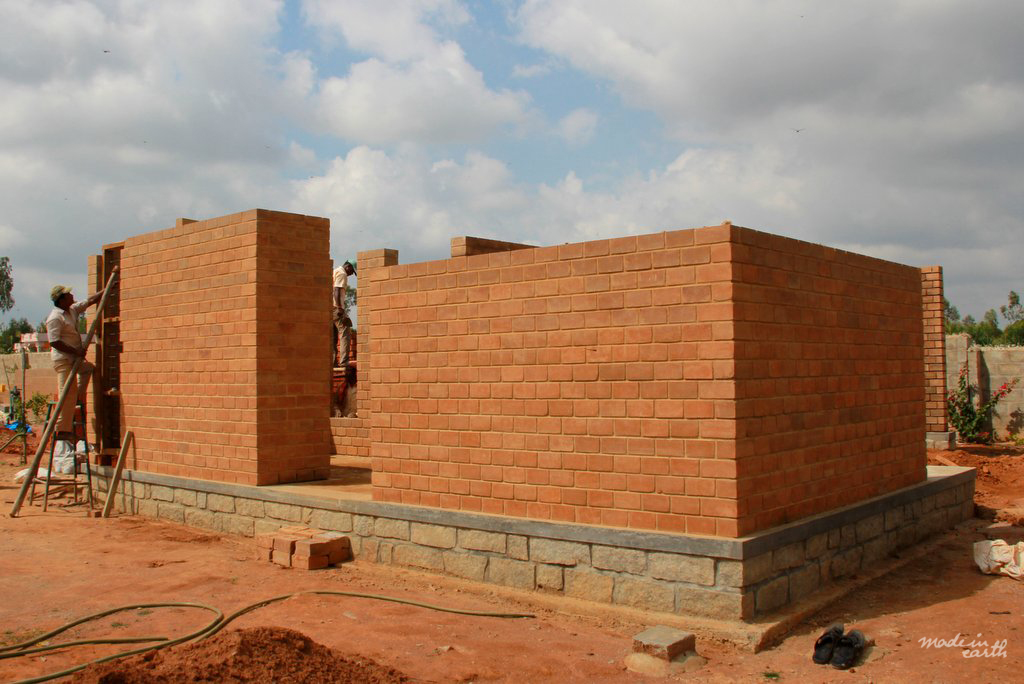
The brick Kiln house is coming up! Stone foundation and compressed stabilized earth blocks (CSEB).
Read more about the project here.
There is a certain magic in working with natural materials, there is life in using earth and lime. There is a large palette to play with, but it was not until I learnt about Tadelakt, the Moroccan marvel technique, did I discover the pure class of craftsmanship in earth.
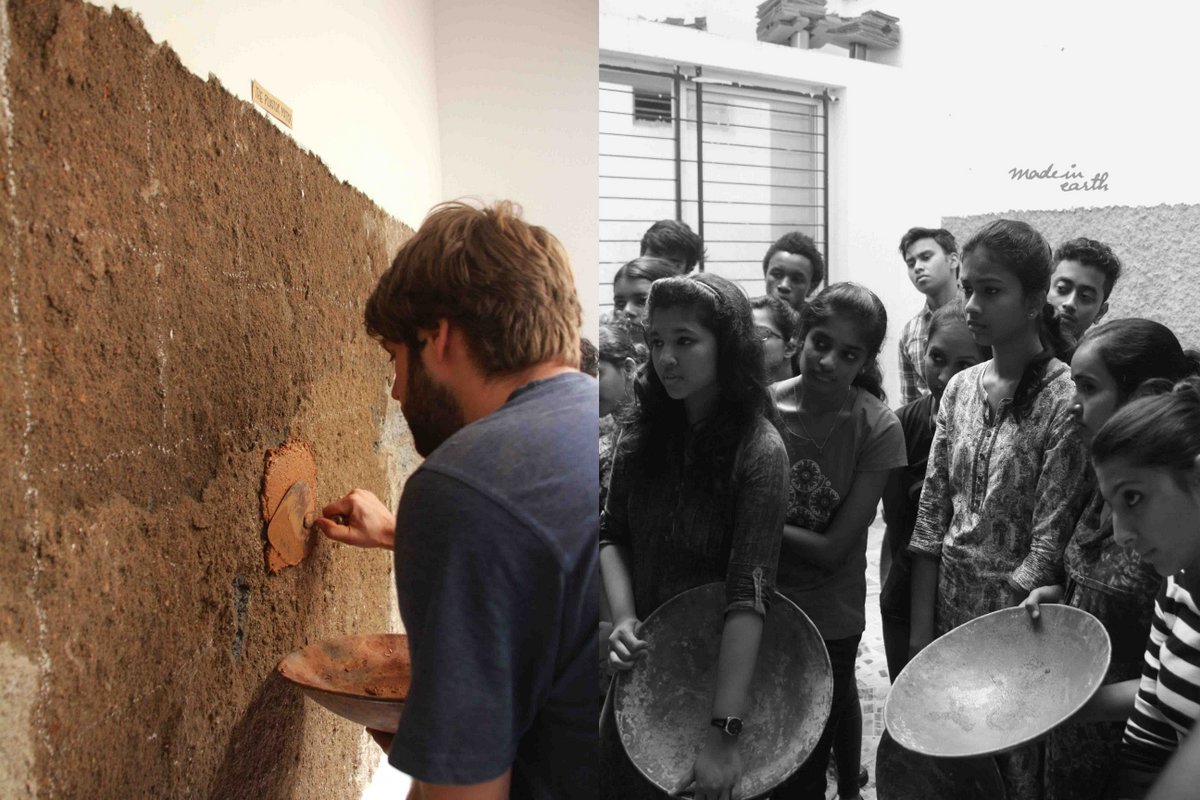
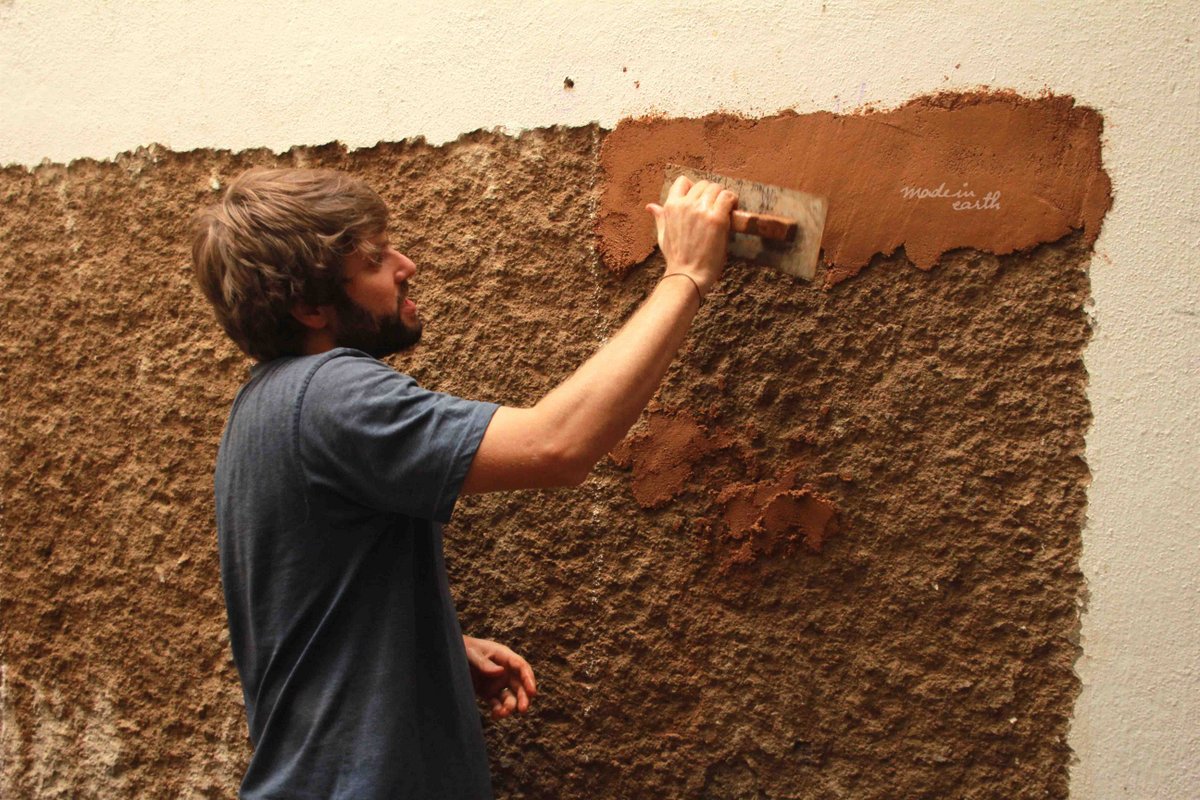
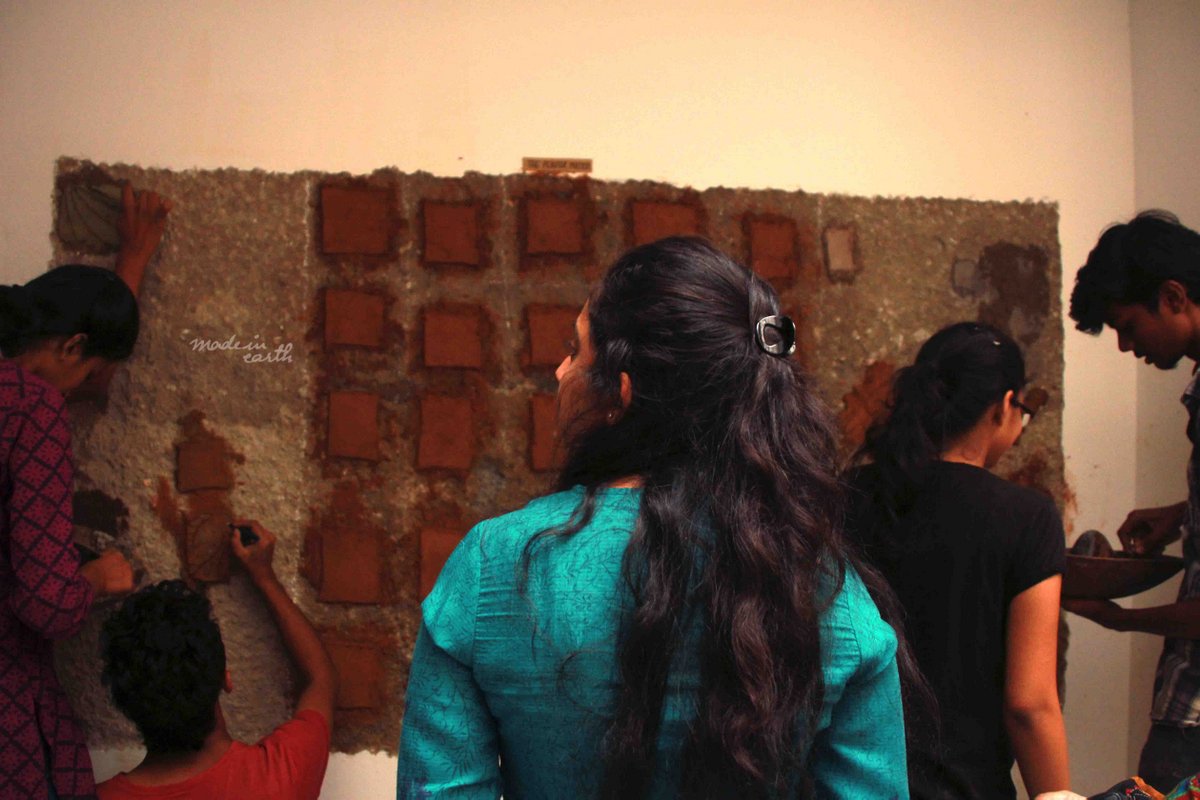
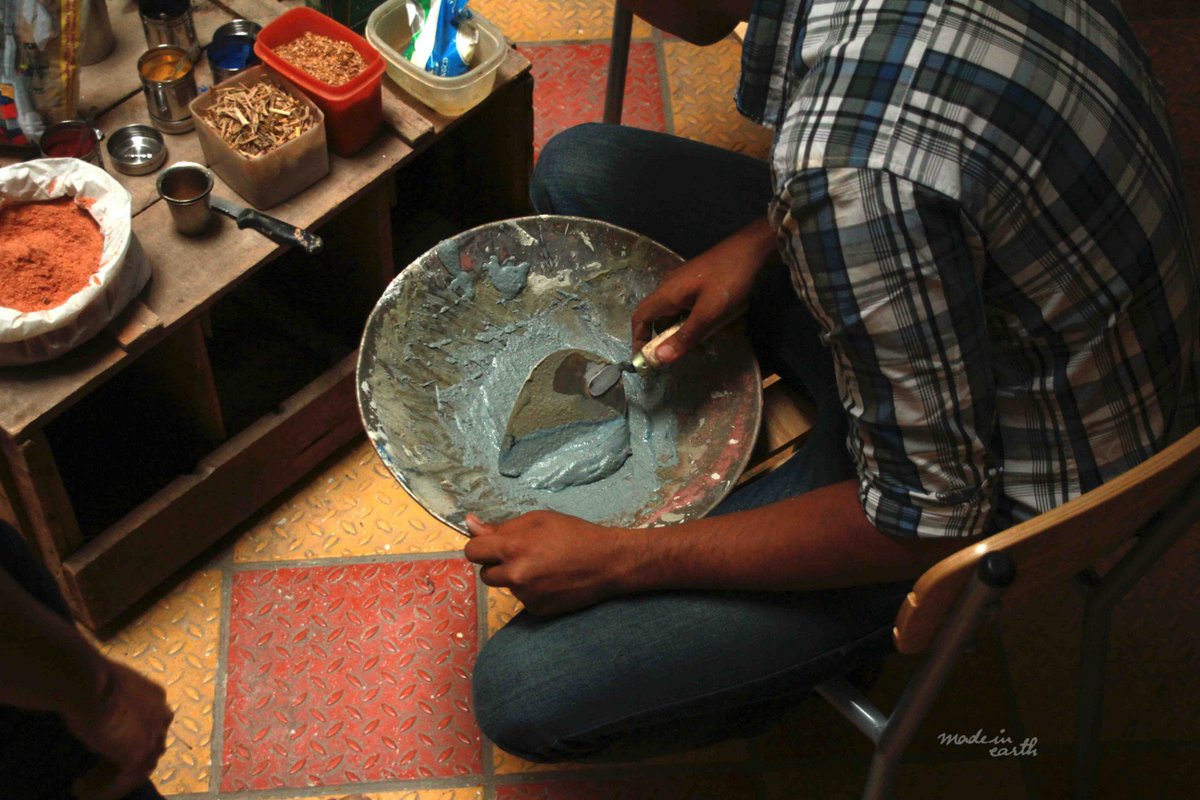
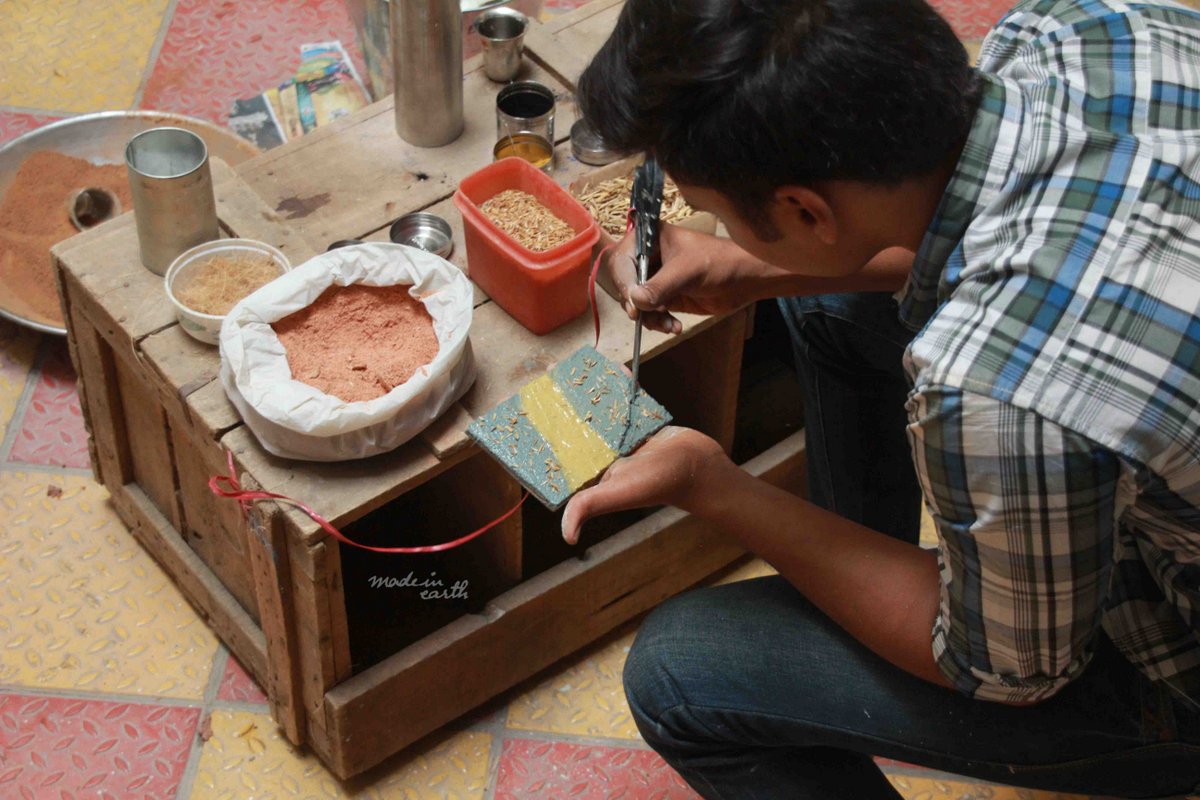
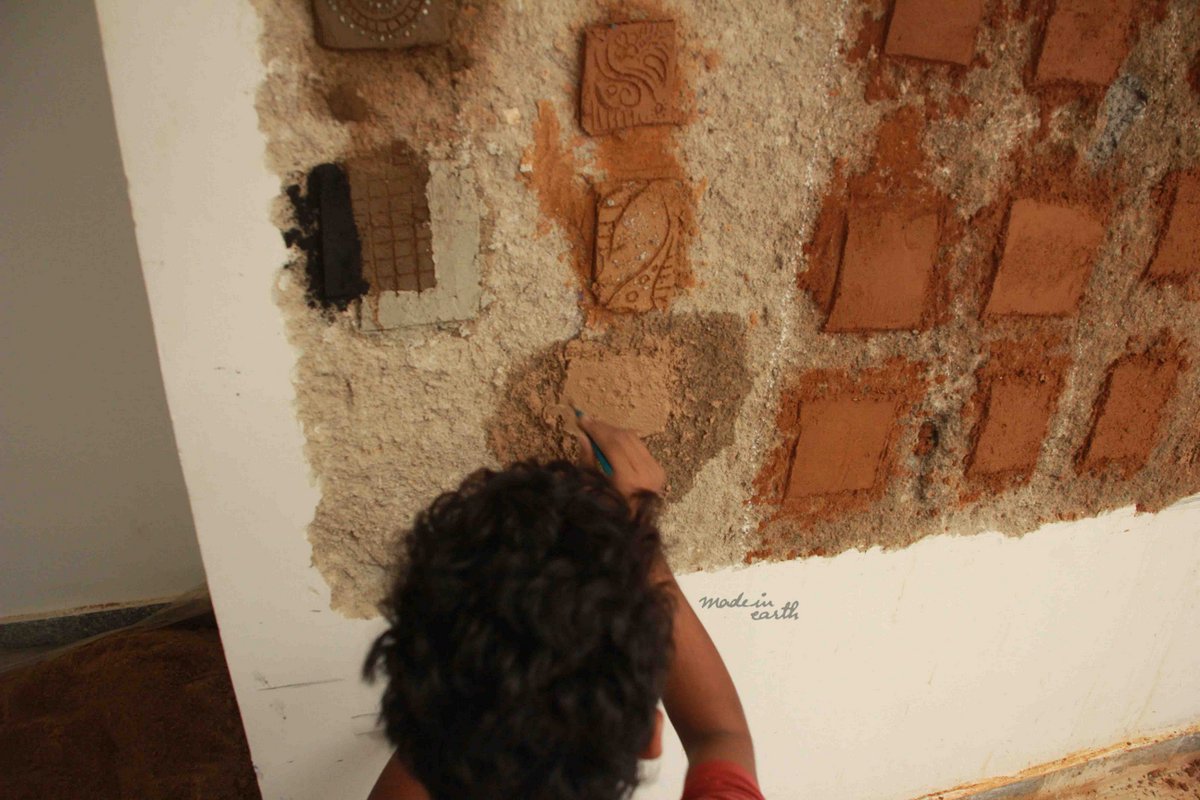
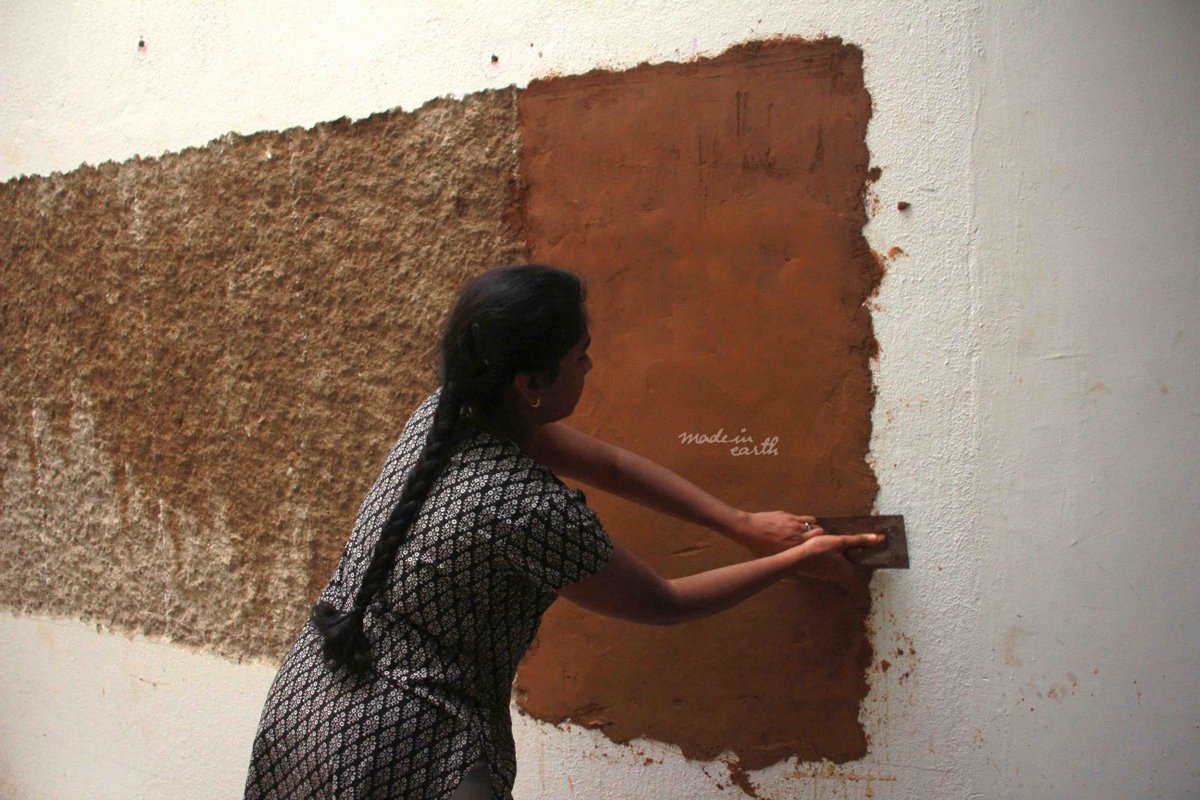
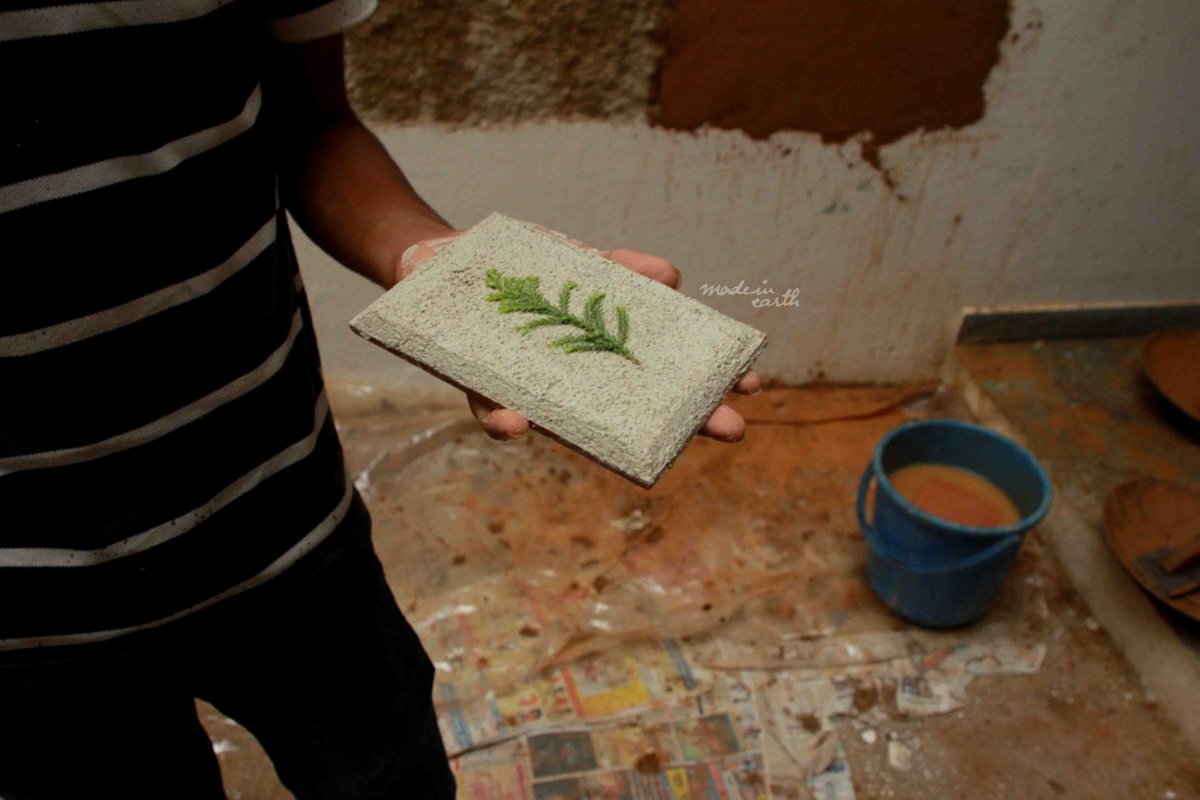
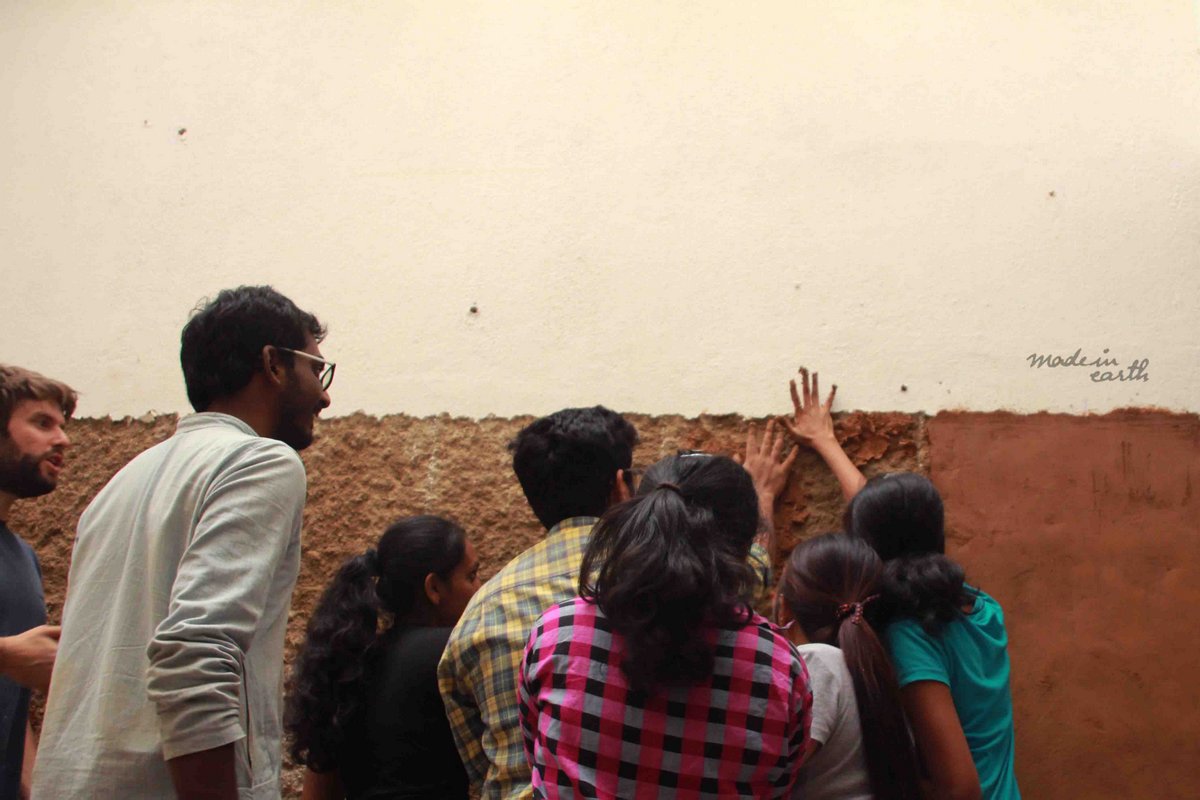
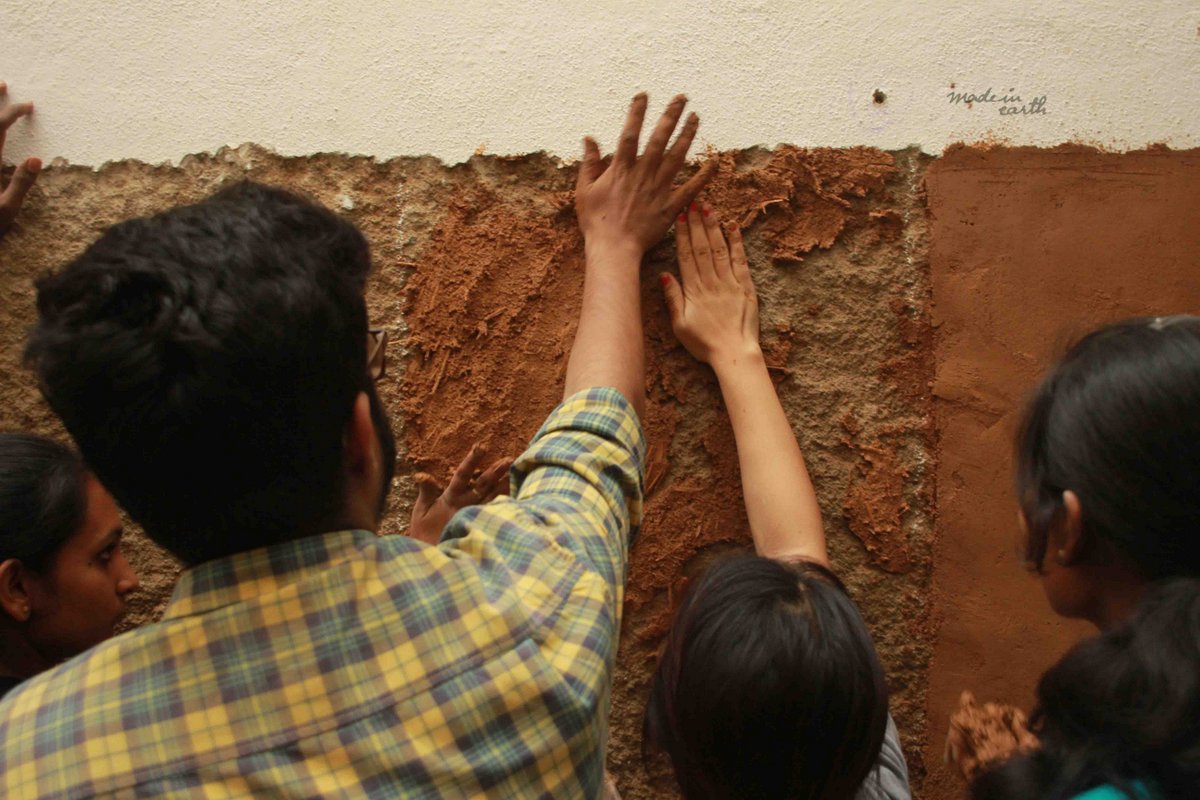
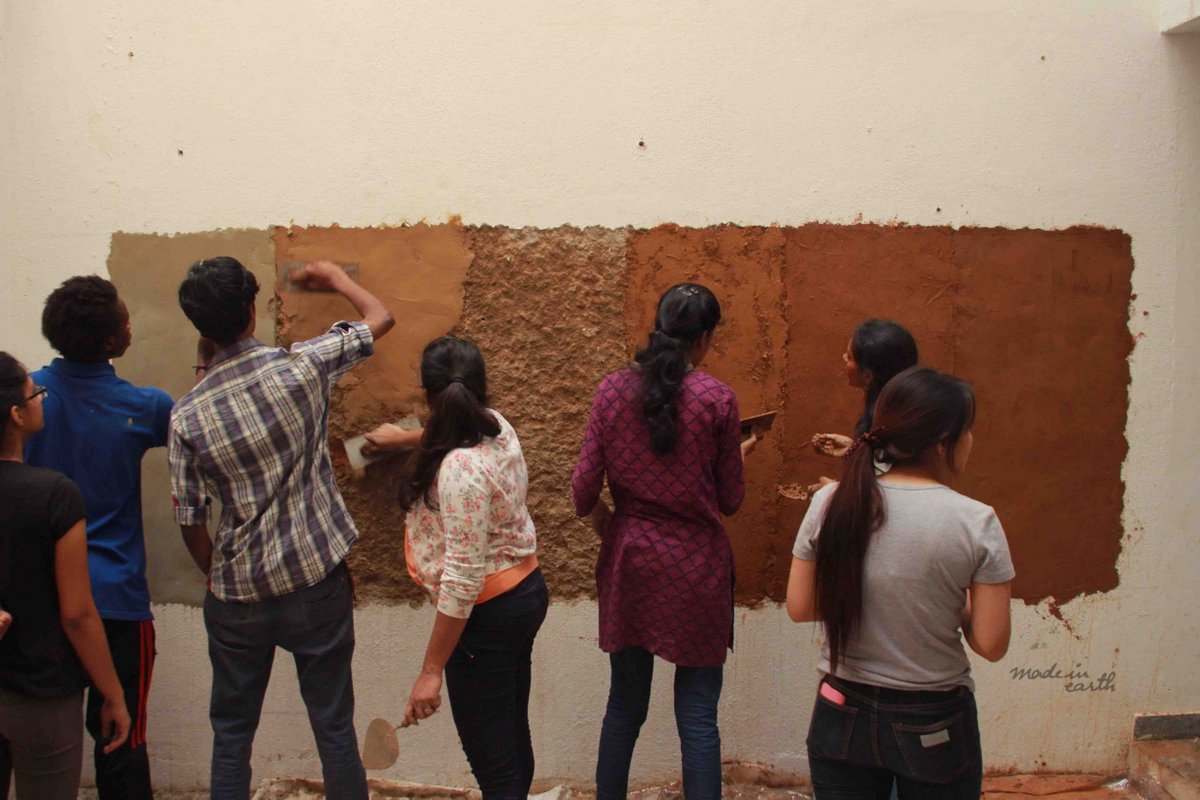
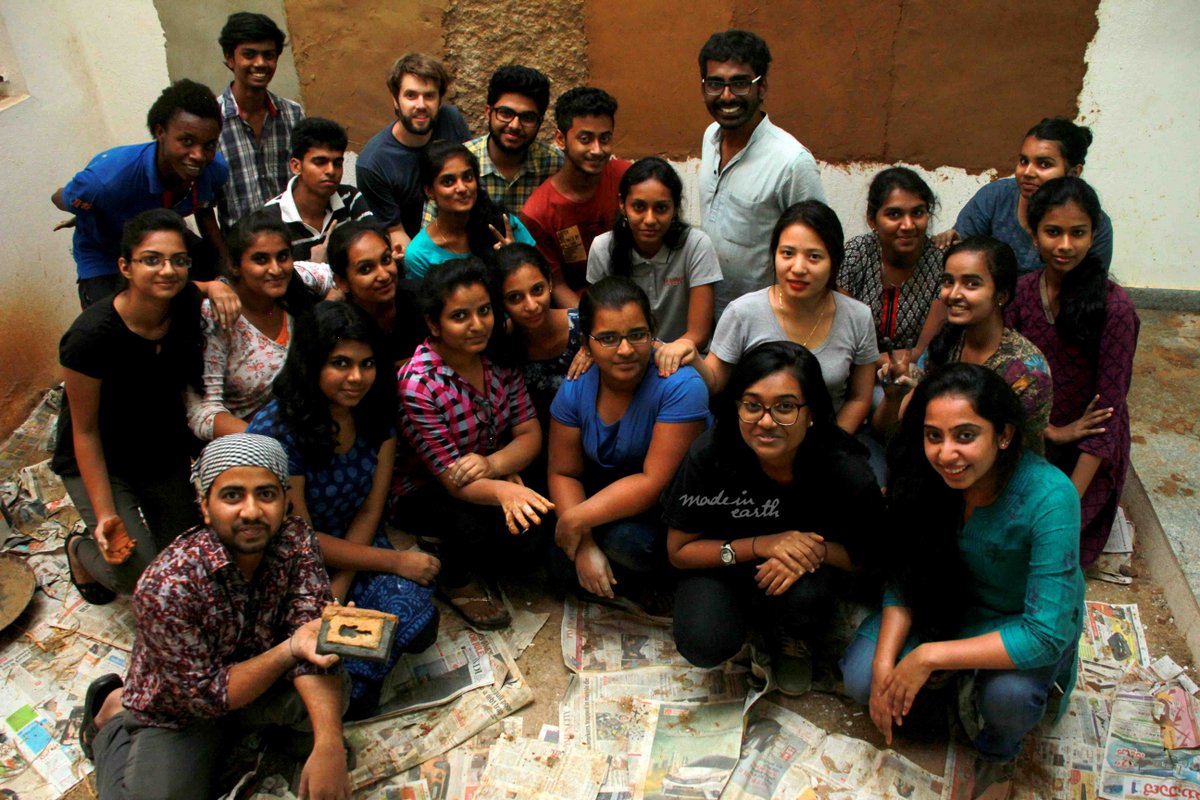
There were almost twenty of us, trying out this magical technique, on small earth block samples; Unsure of what it is going to feel like, how it is going to turn out, and what kind of commitment it requires. We had prepared our based plaster with lime and pigment on an adobe block, asked to choose a stone and begin!
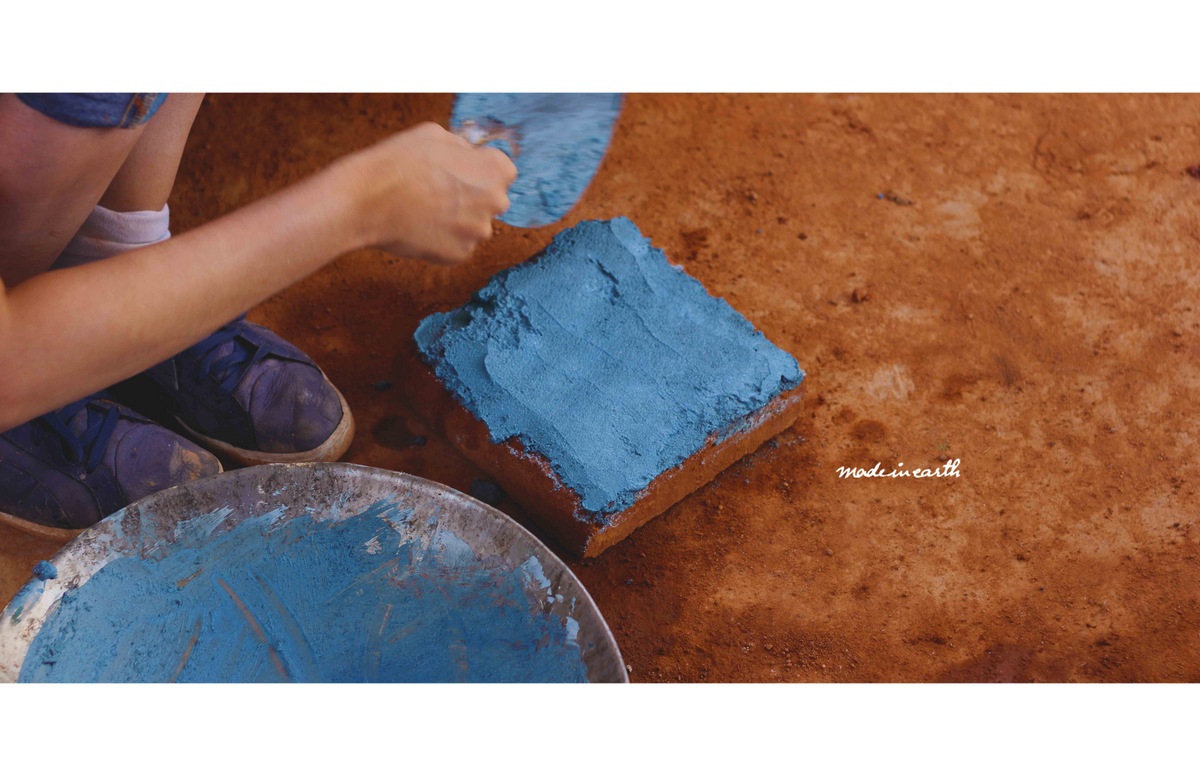
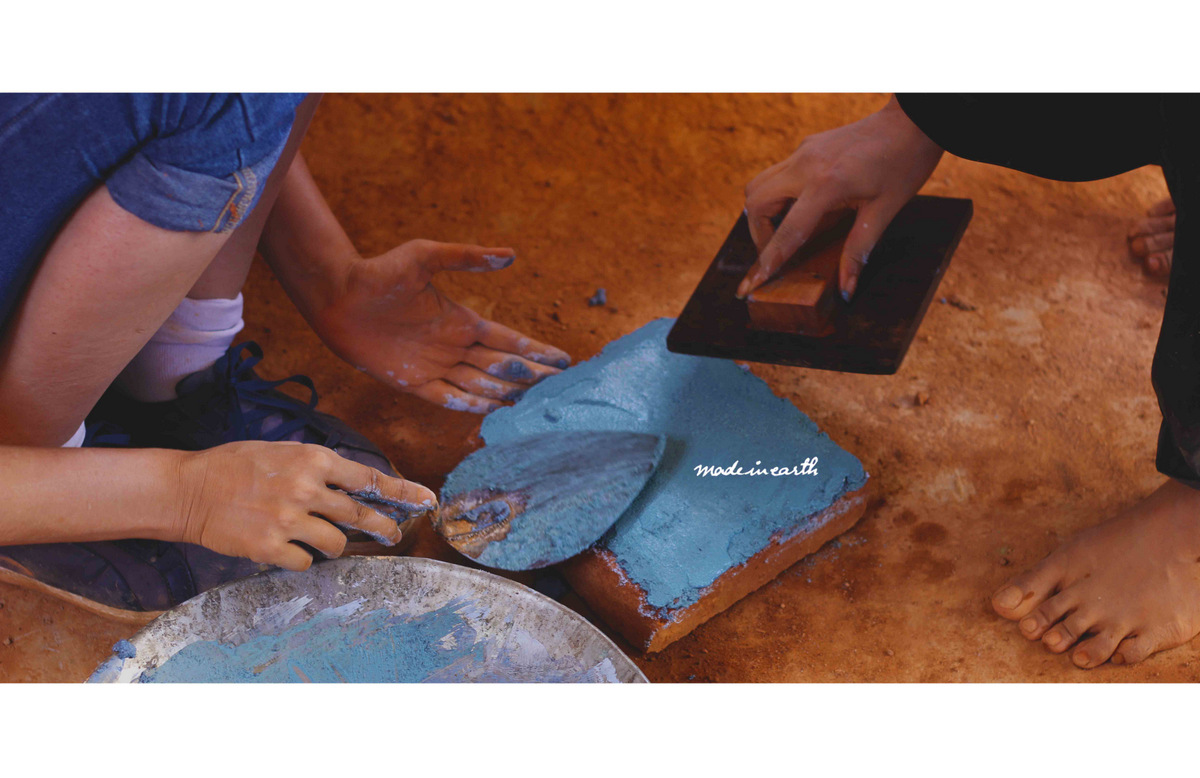
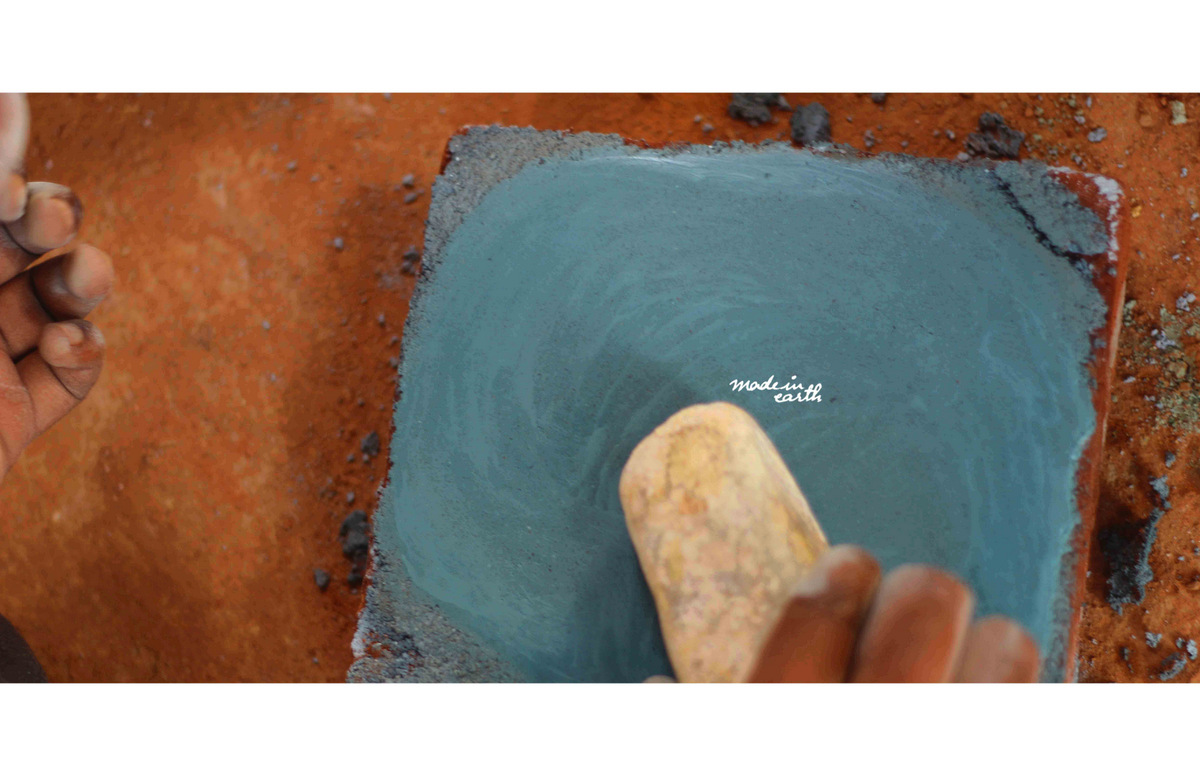
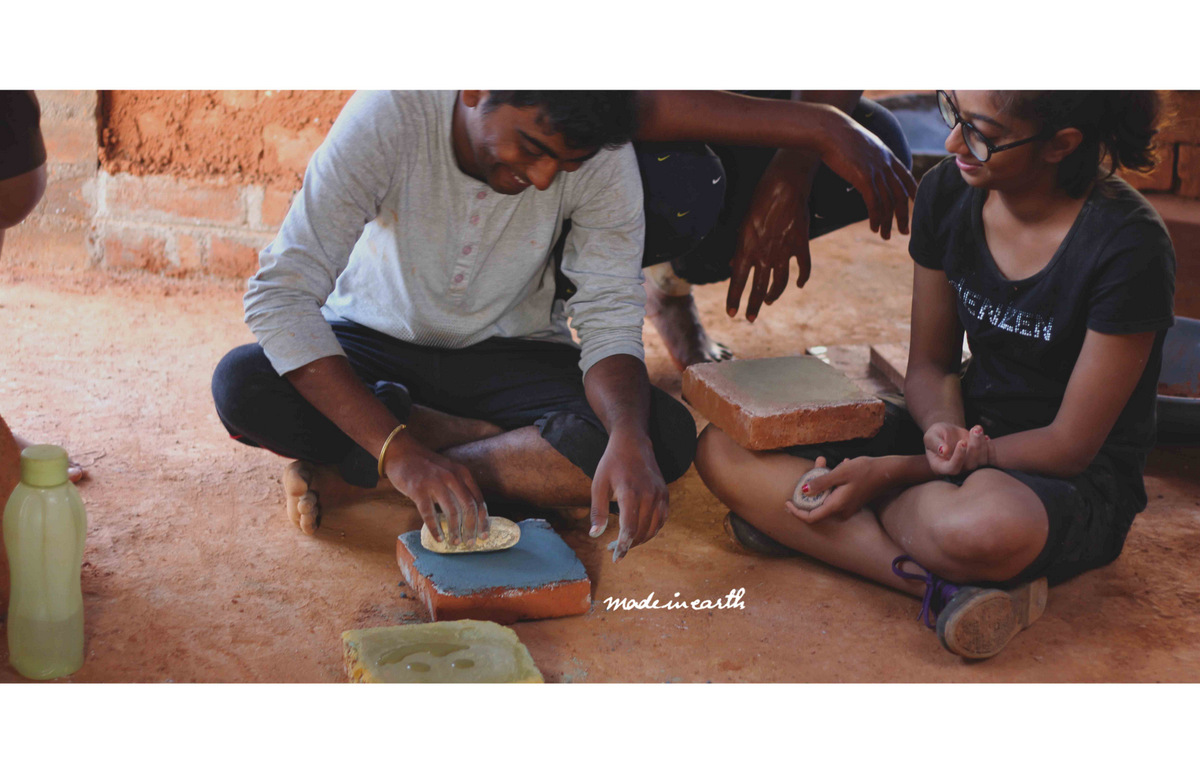
Dating thousands of years, Tadelakt is a magical water resistant chemistry of lime & vegetable oil resulting in a glimmering monolithic plaster that twinkles in the light as it seamlessly extends across surfaces of our structures, showcasing its extreme craftsmanship. A living surface that’s as hard as stone and as soft as leather, as breathing and waterproof as our skin; has its origins in the ancient city of Marrakech in Morocco.
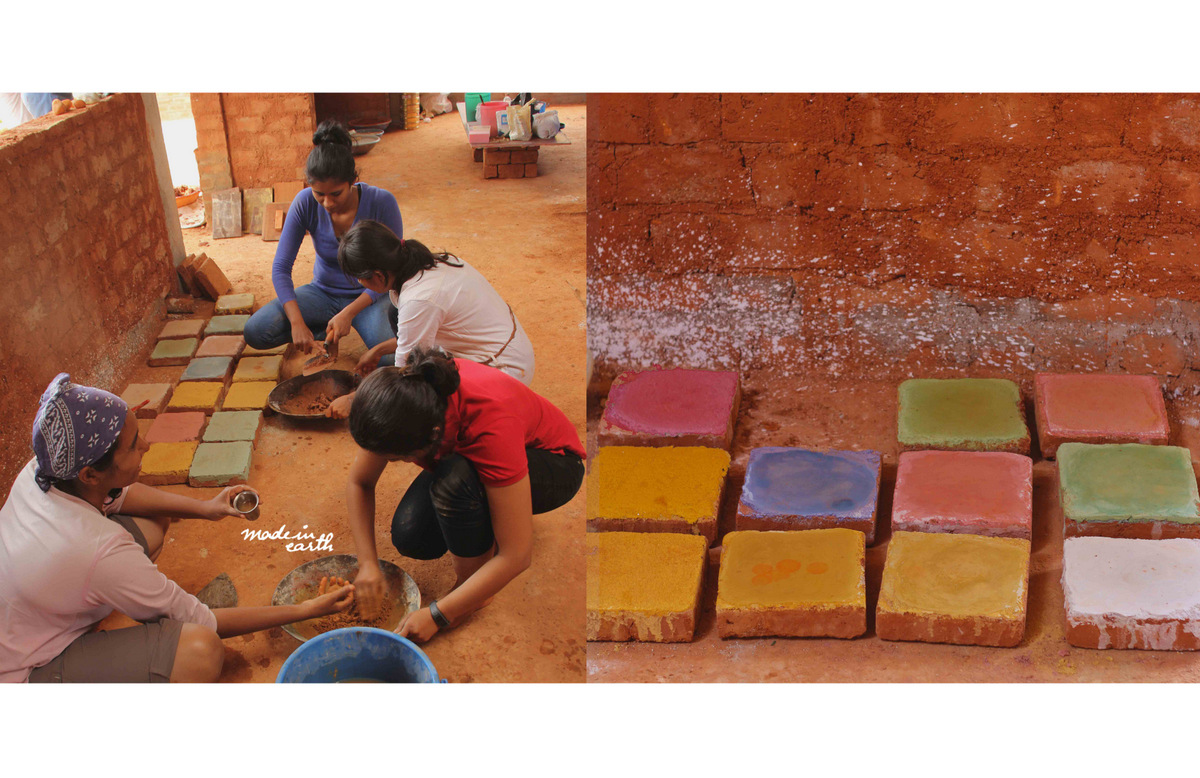
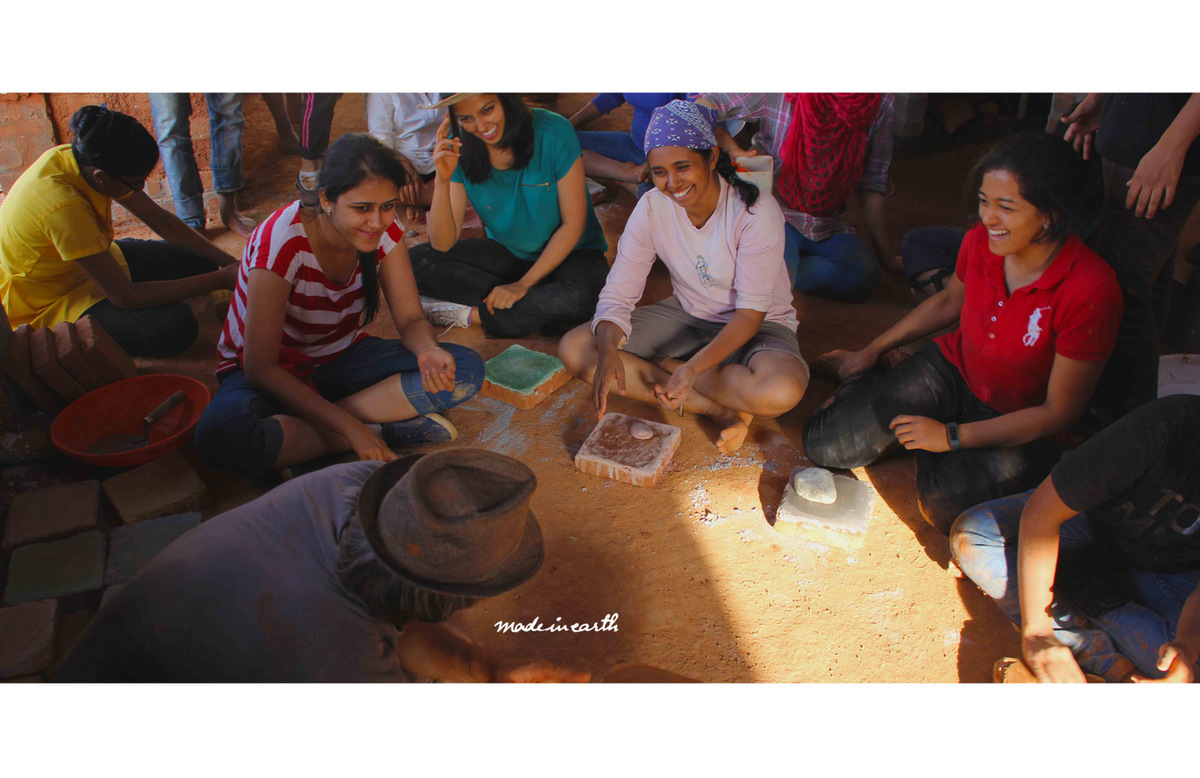
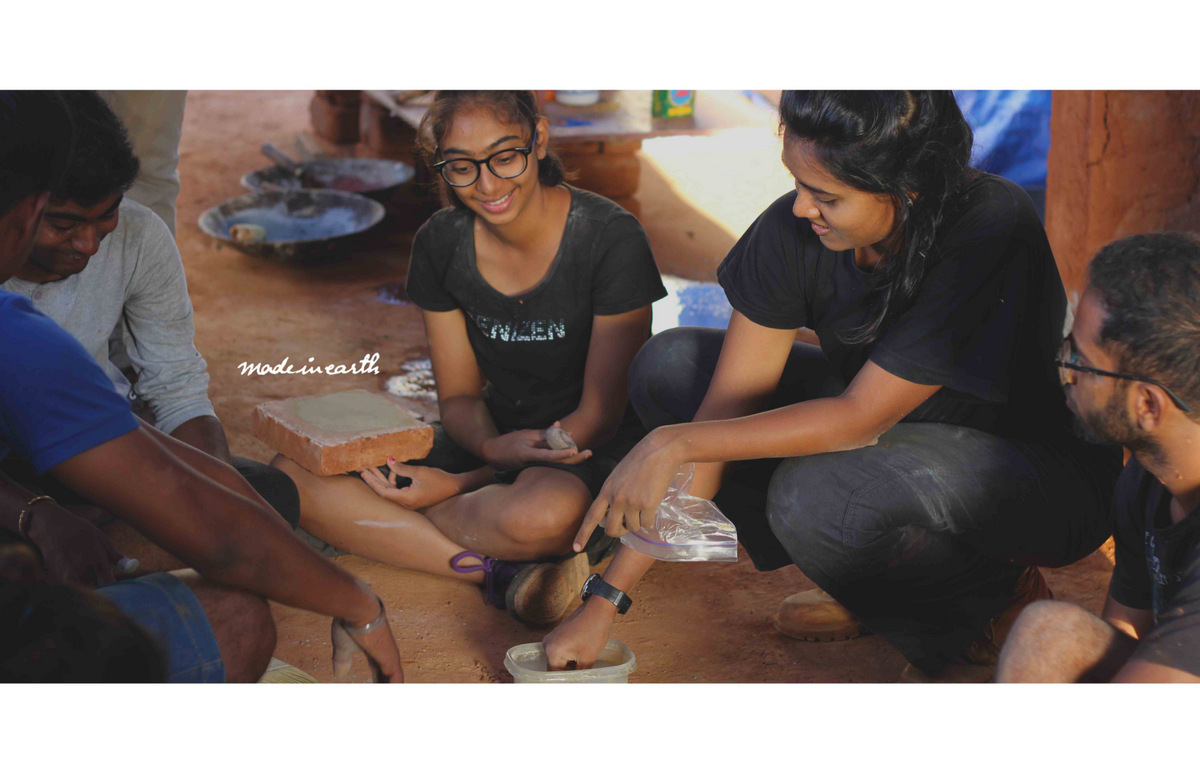 Tadelakt is a particularly high lime-to- aggregate ratio which is applied in multiple thin coats to a substrate, such as an earthen wall surface, polished and then caressed with smooth stones. Finally. it is rubbed down with organic soap, with patience and a lot of love to make the surface seamless.
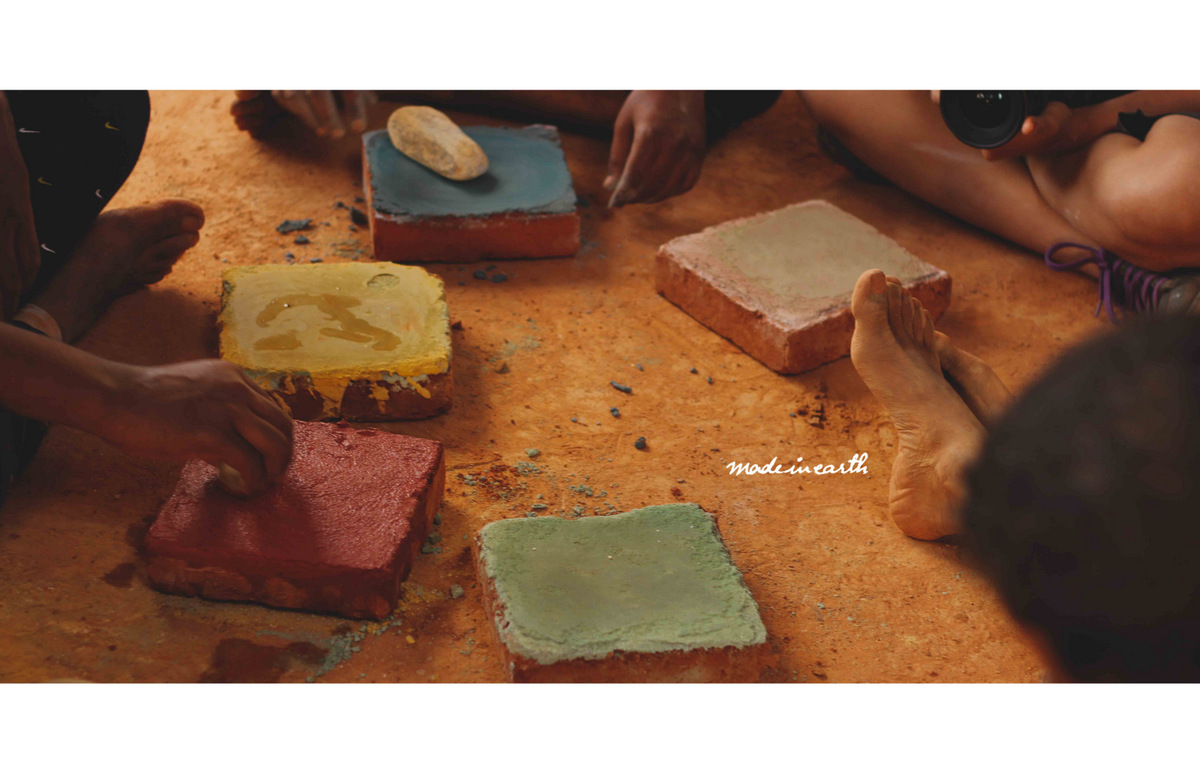
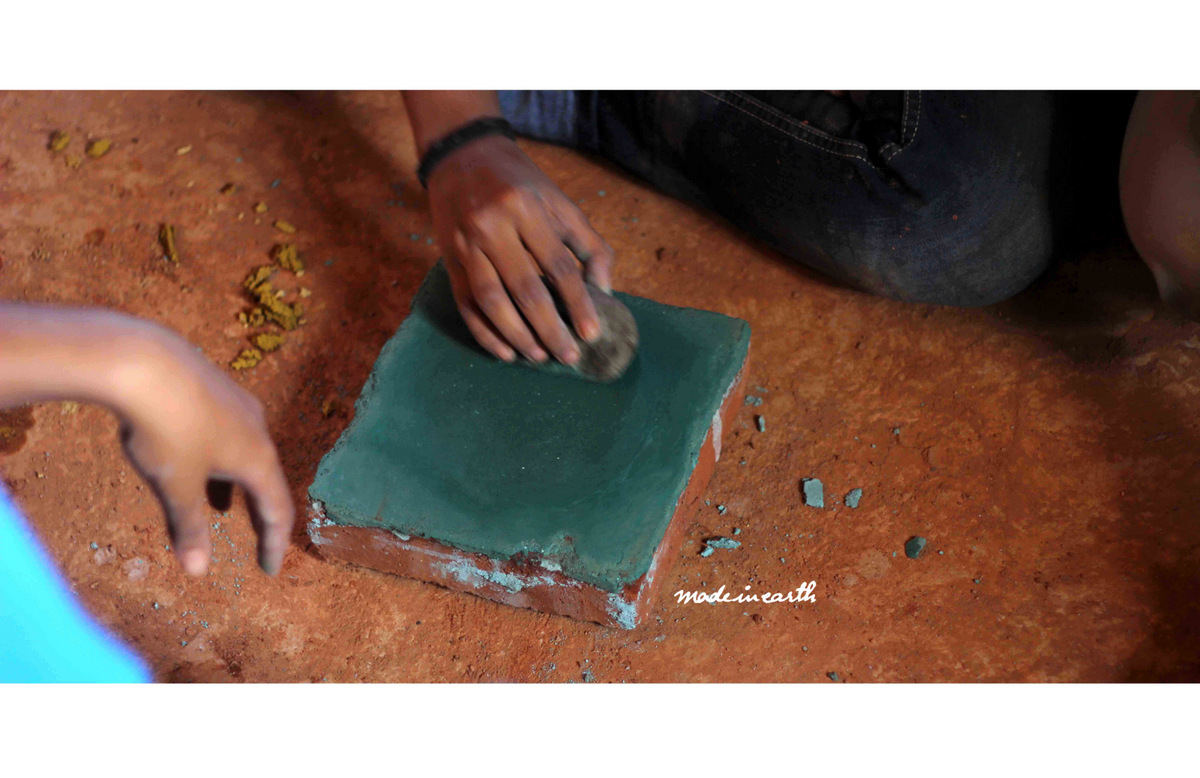
It took time, a lot of time, for the surface to evolve, and to obtain the finish for this technique is all about the time spent making it.
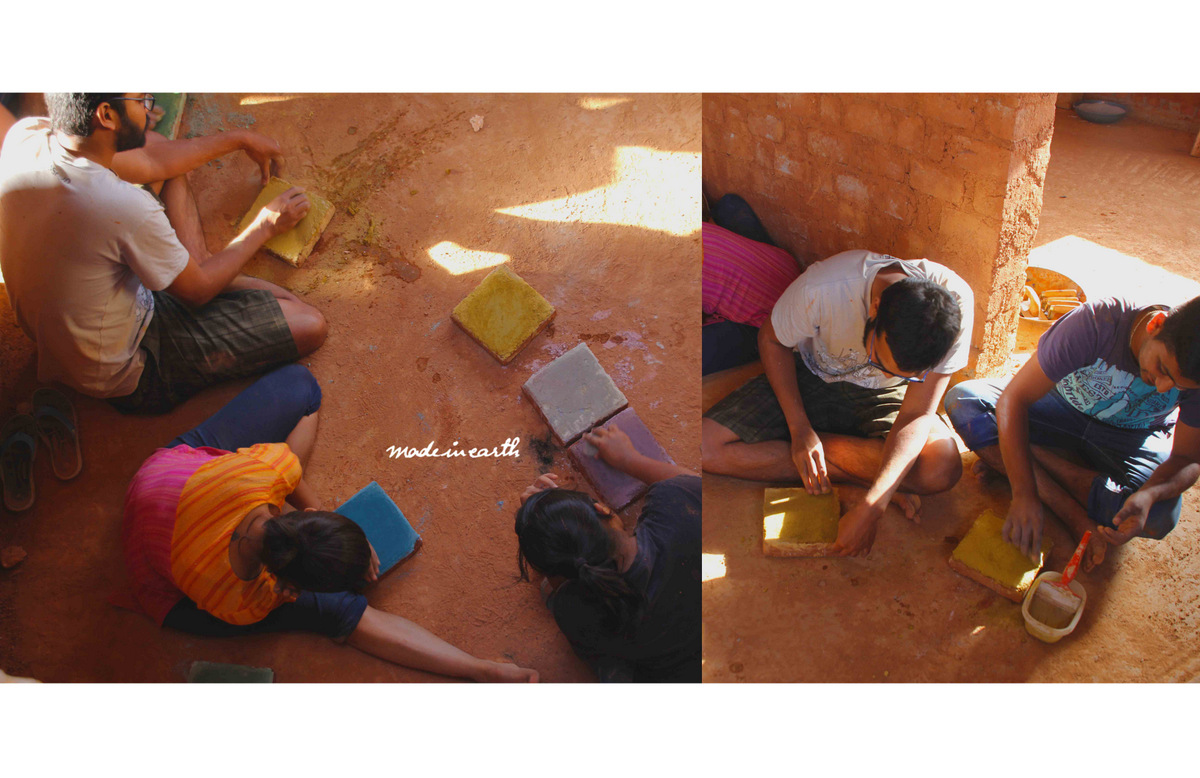
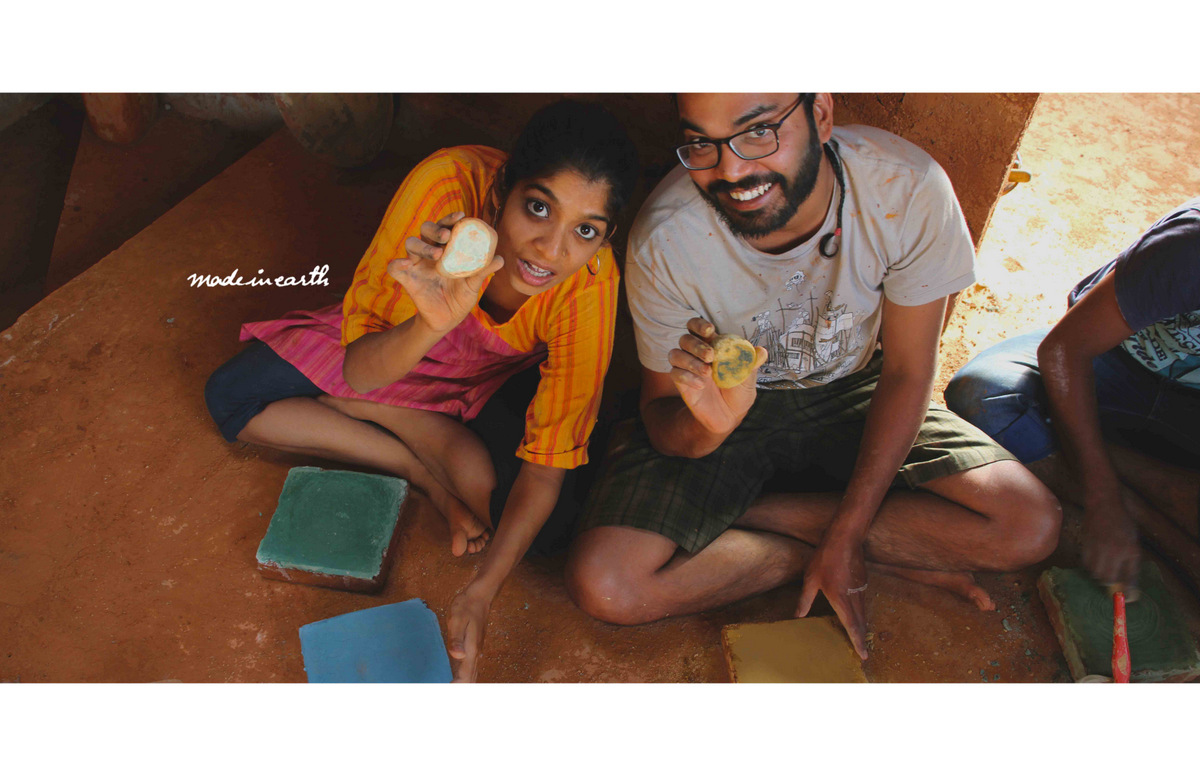
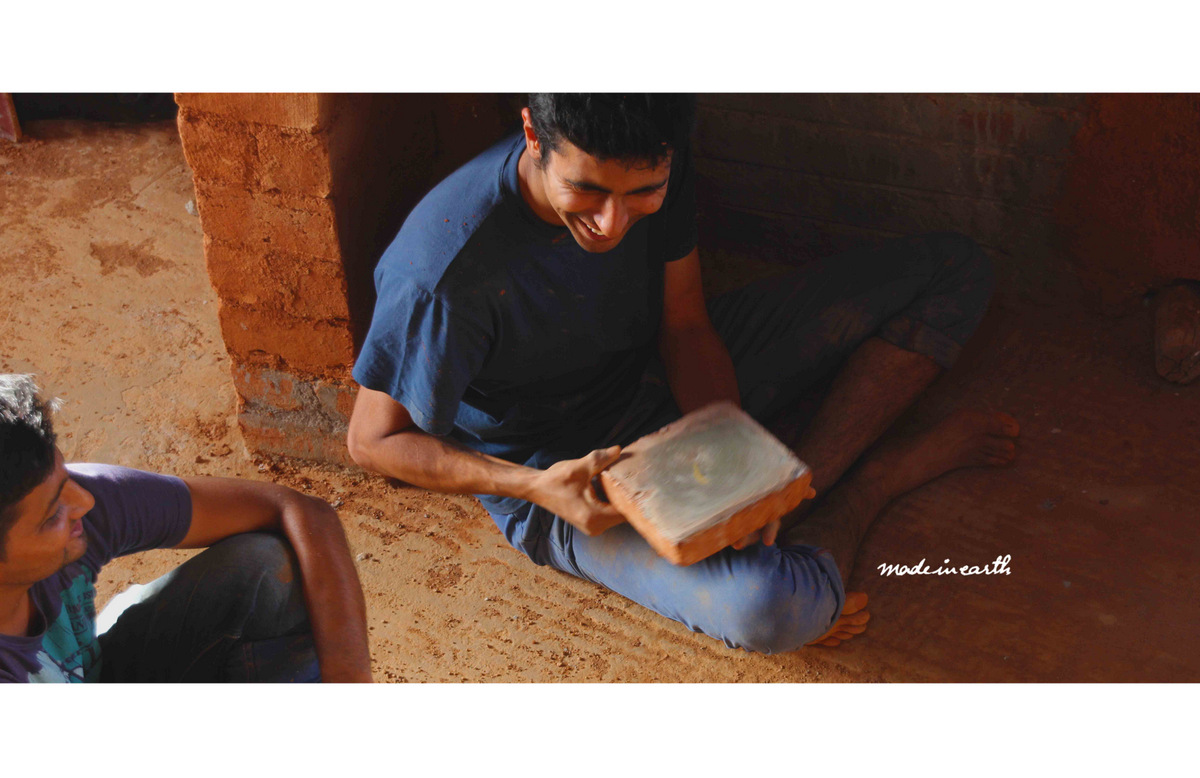
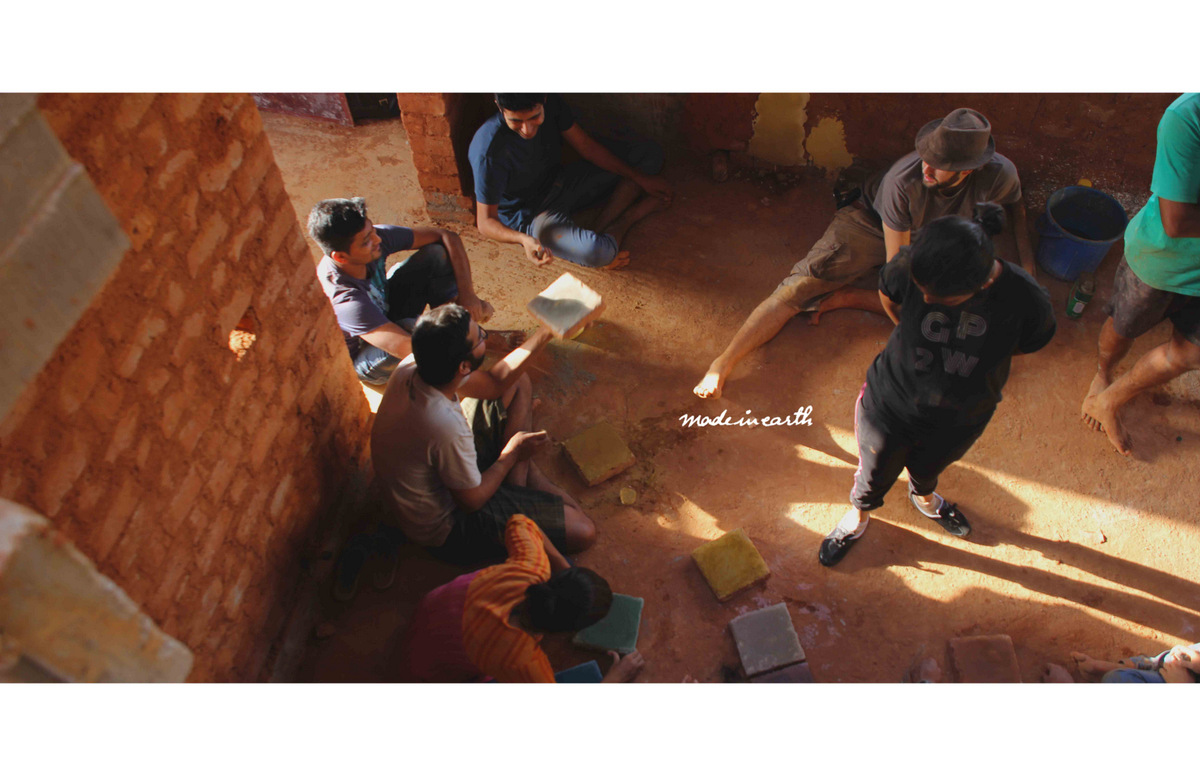
Tadelakt did surprise us. It demanded much more respect, and turned out much more elegant than what we expected. Now I know how and why this moroccan masterpiece had the ability to withstand the sands of time. Being water proof and customisable in different coloured finishes, having the ability to follow all forms of building; still holding the ability to breathe, with a property to gain beauty and strength over time, there is definitely magic here. It takes time to create timeless masterpieces; and if we have enough, Tadelakt surfaces are carefully sculpted artwork with a soul.
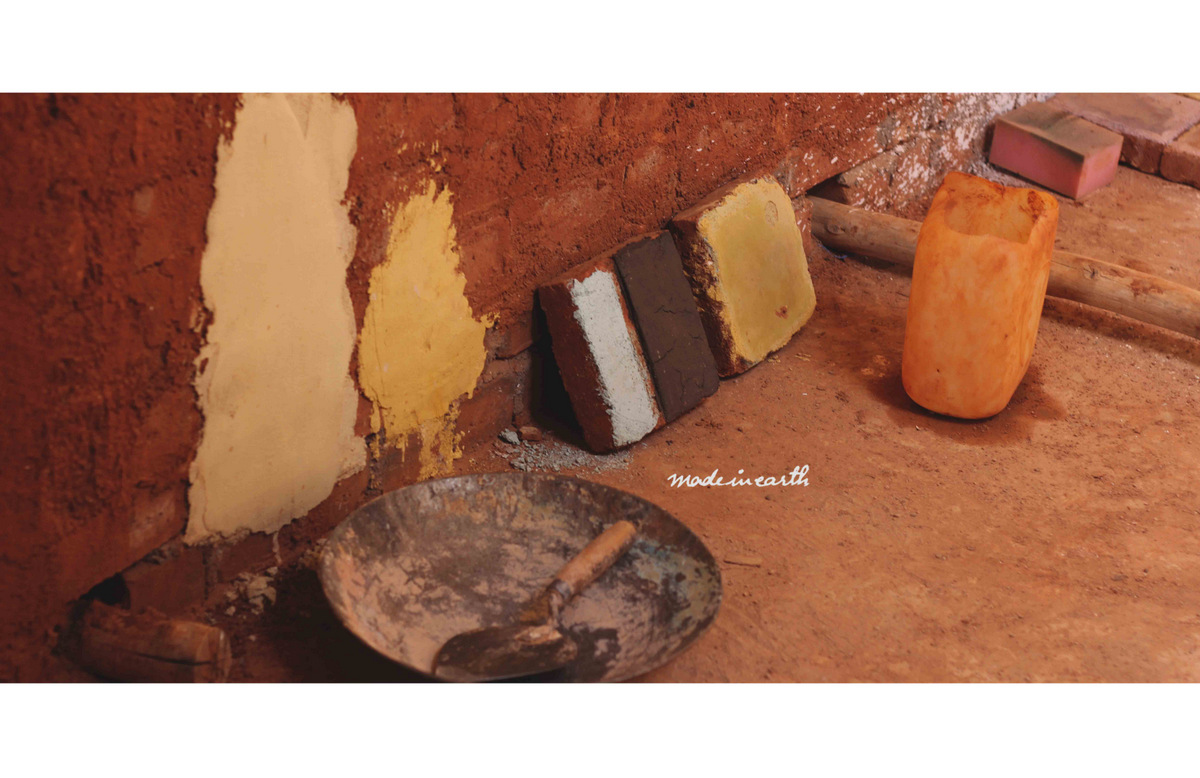
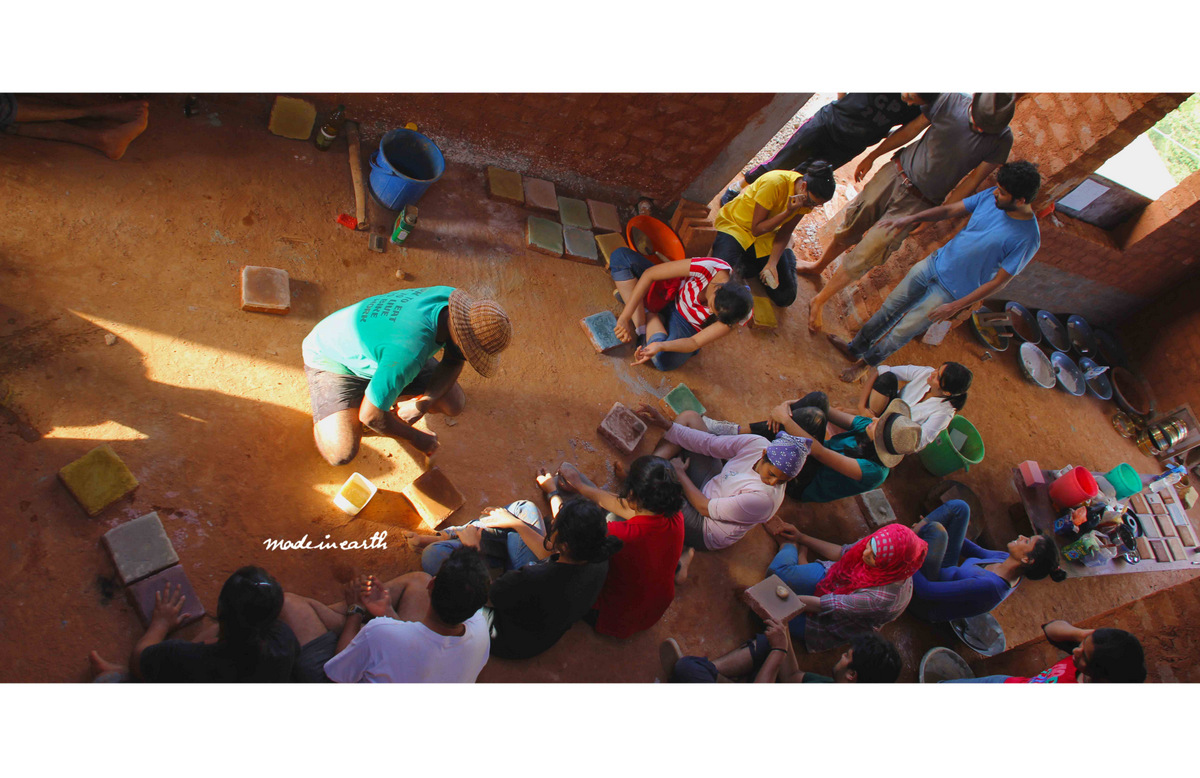
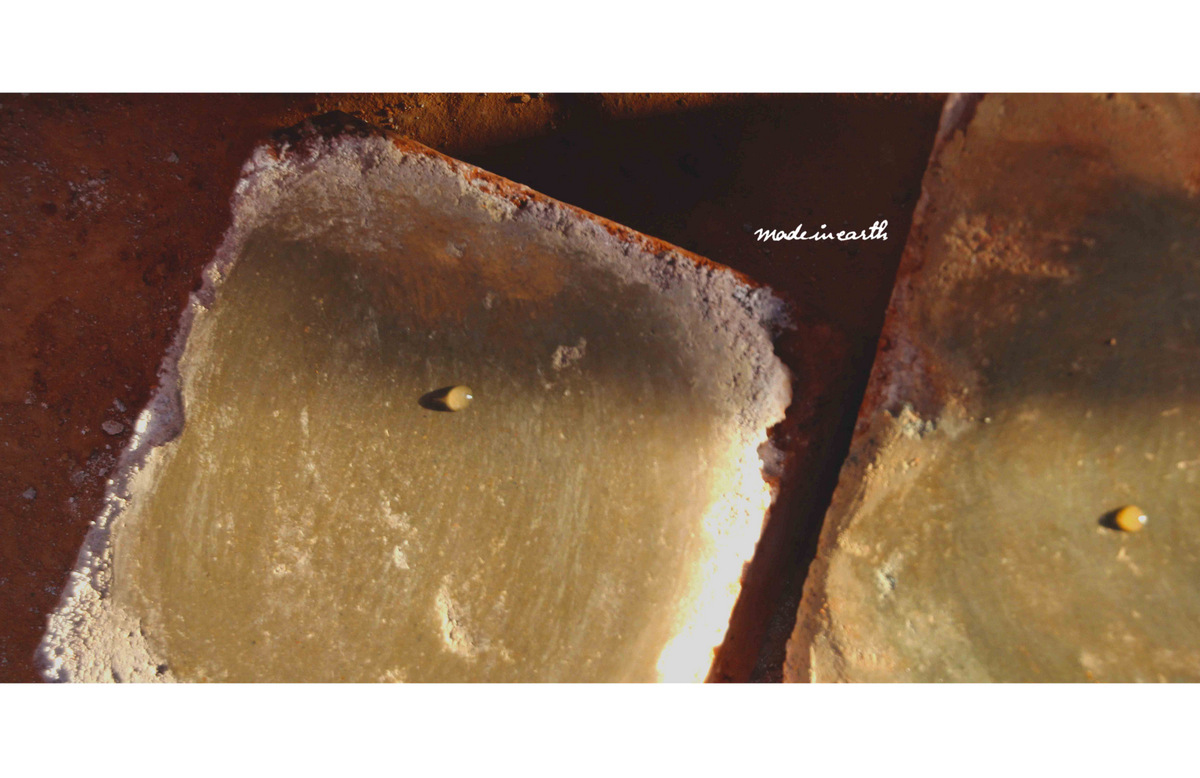
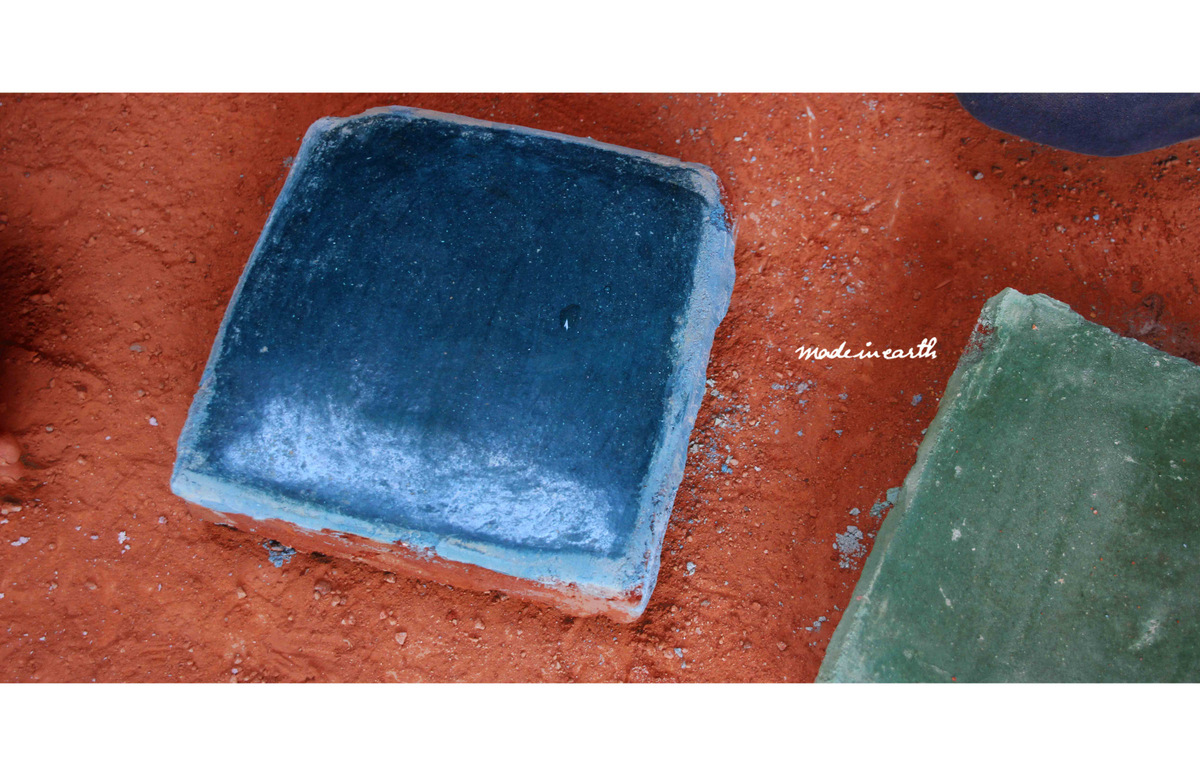
By Santosh PrabhuTadelakt Workshop Participant & Intern at Made In Earth
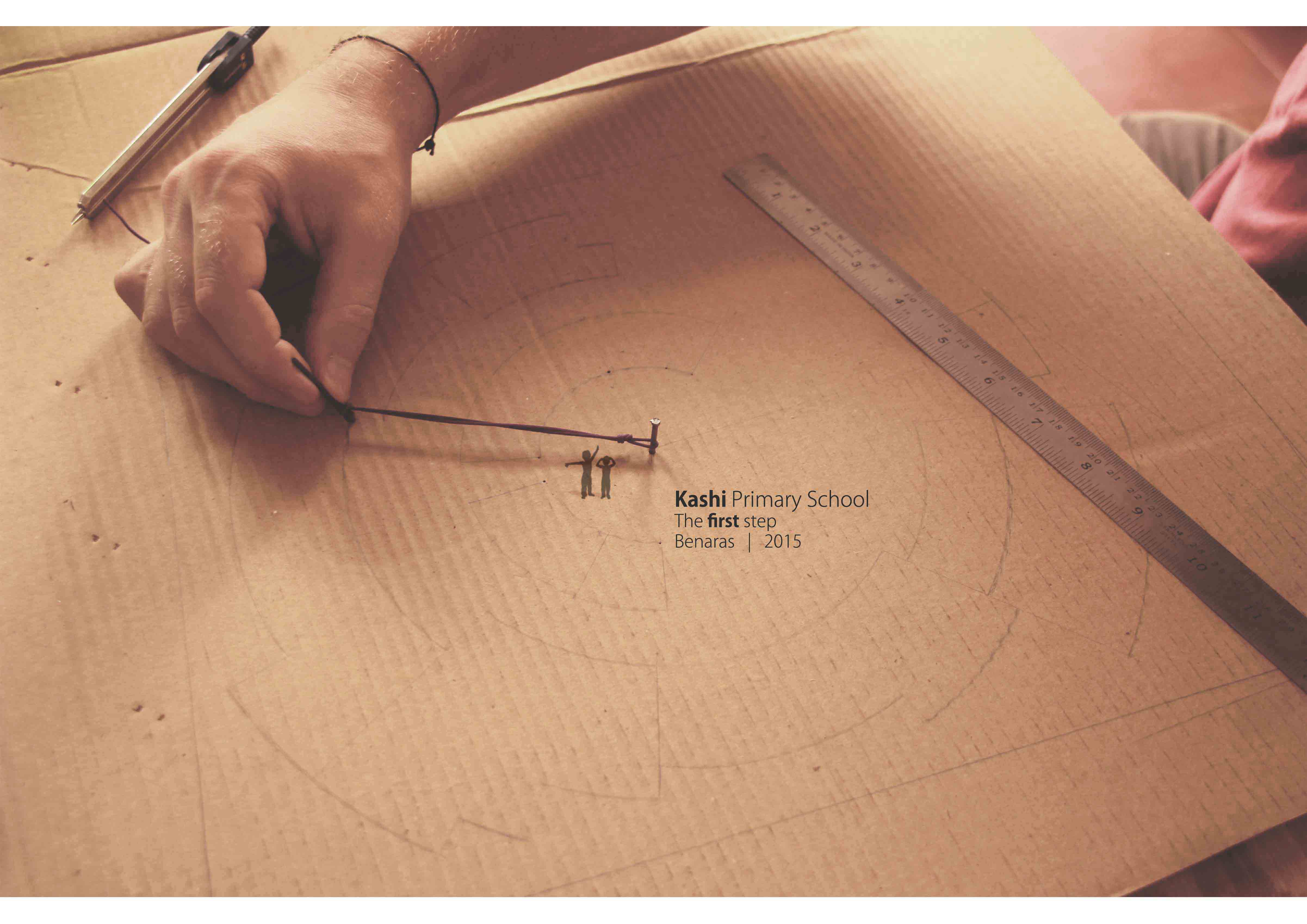
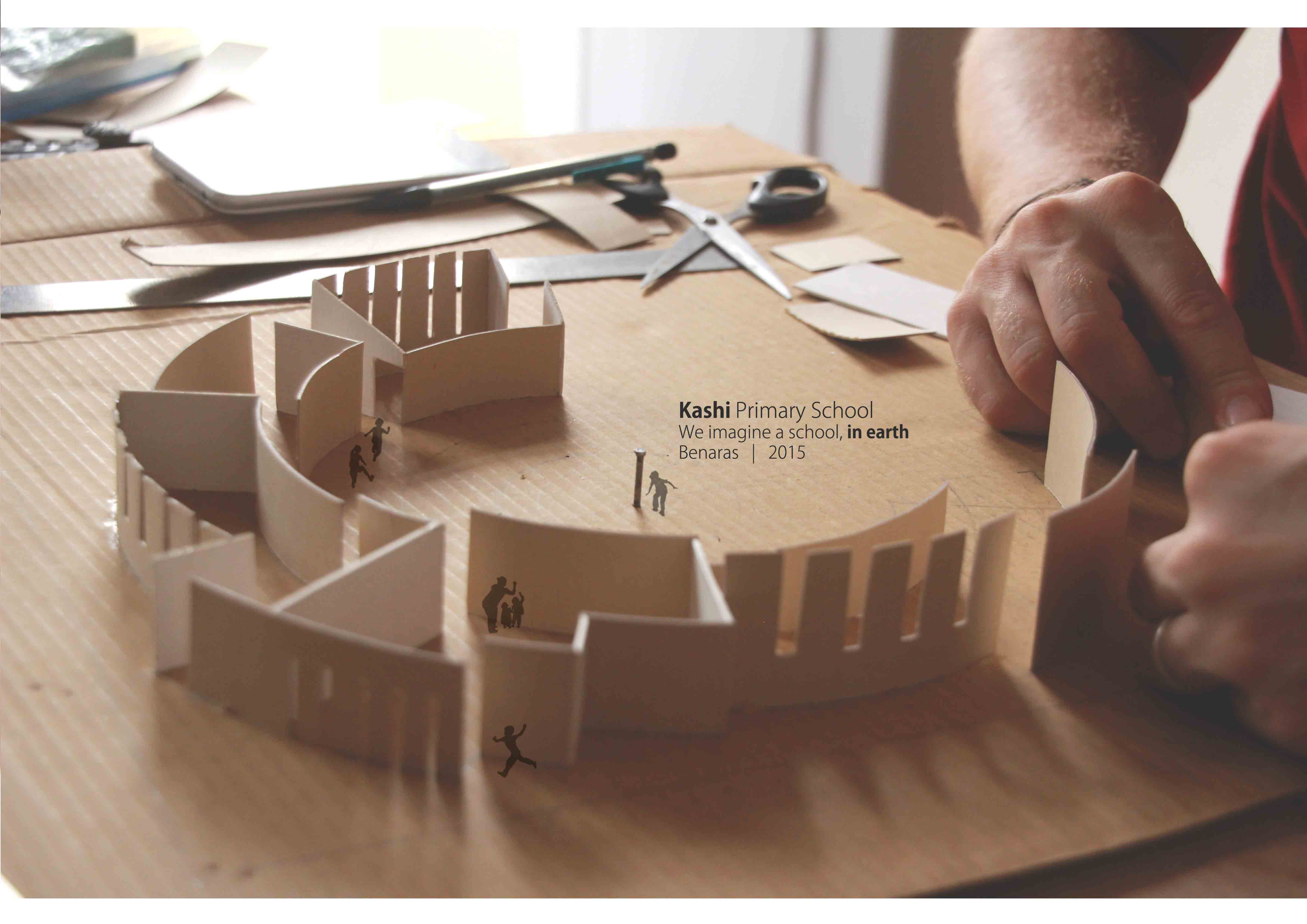
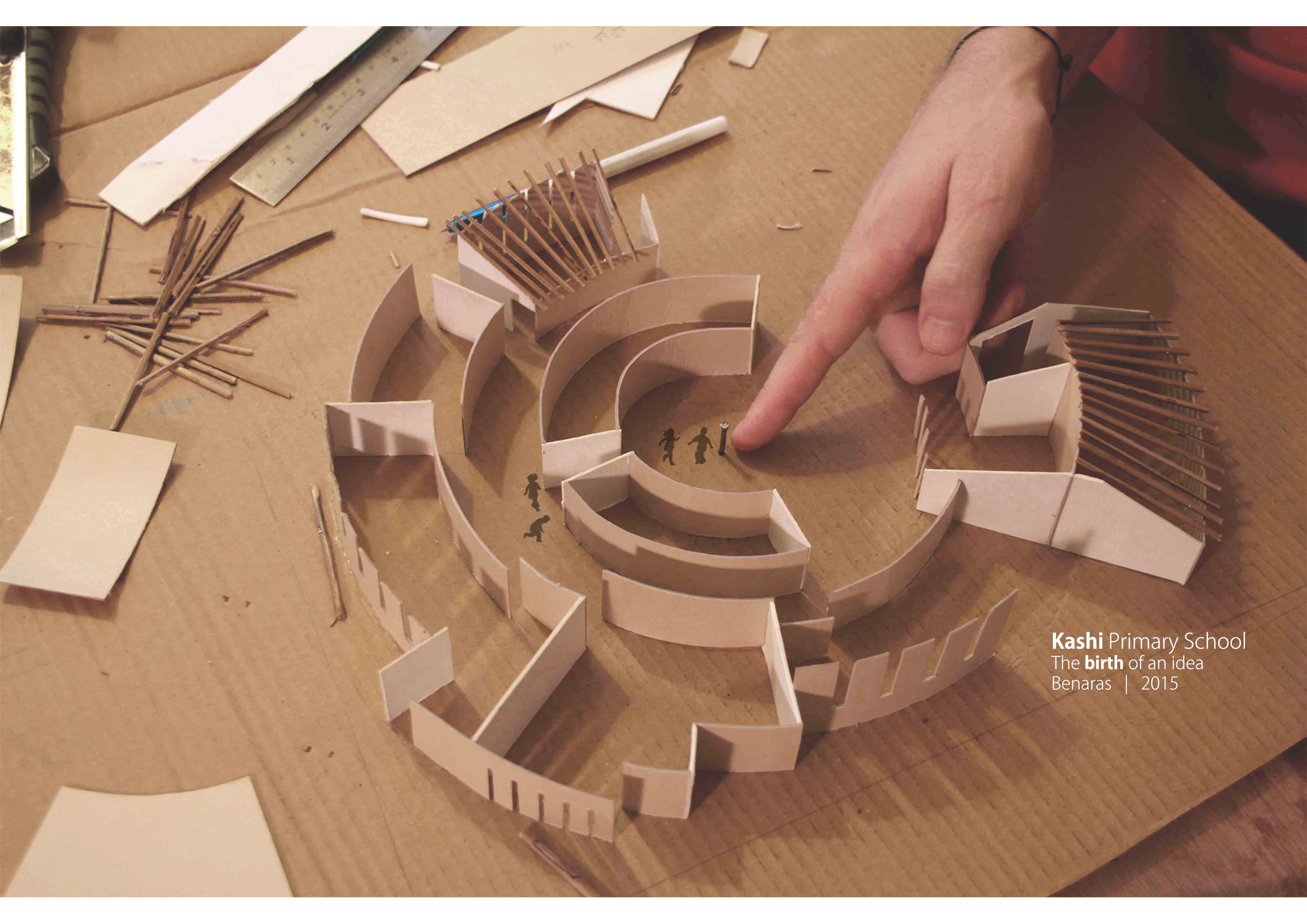
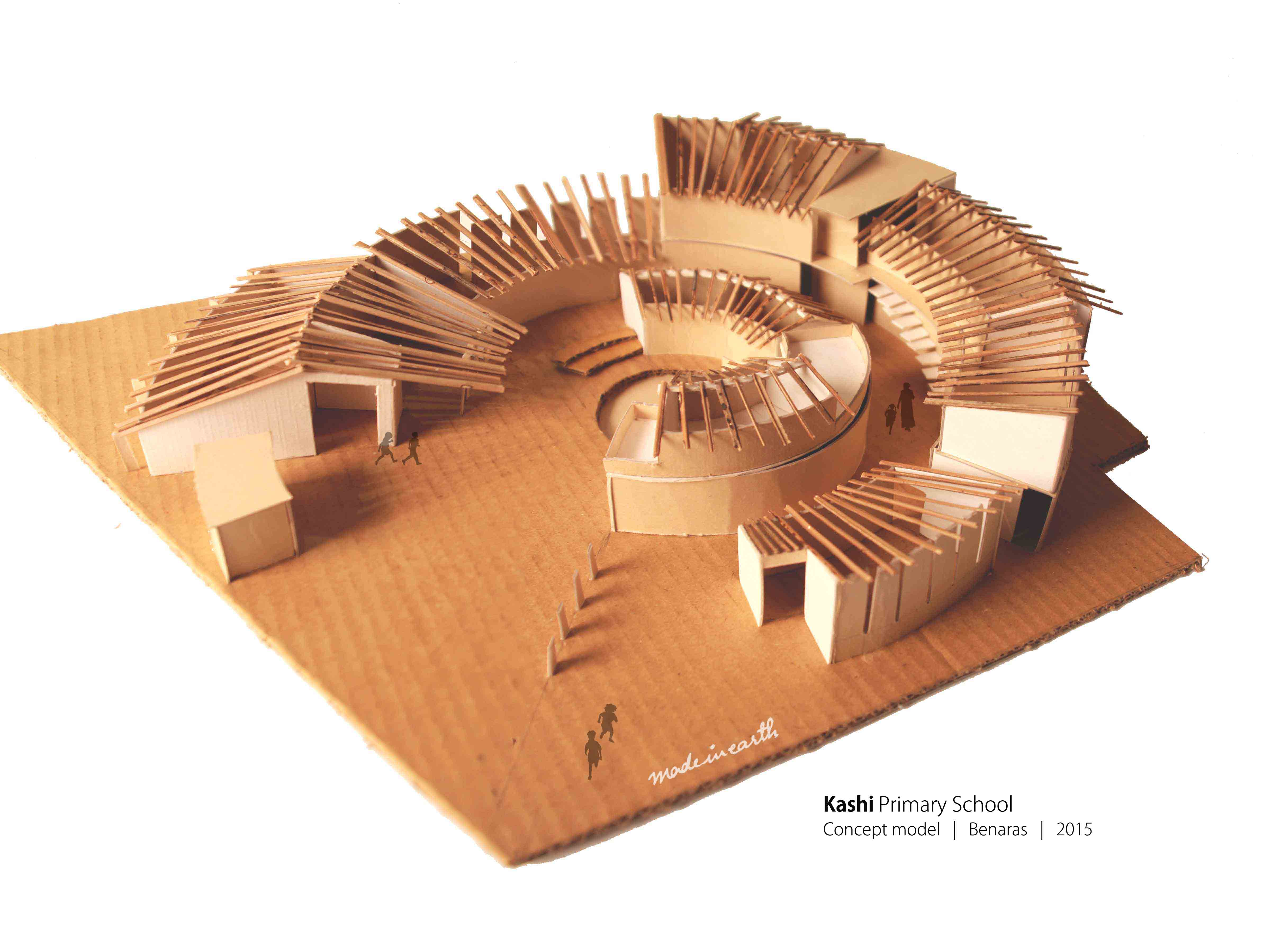
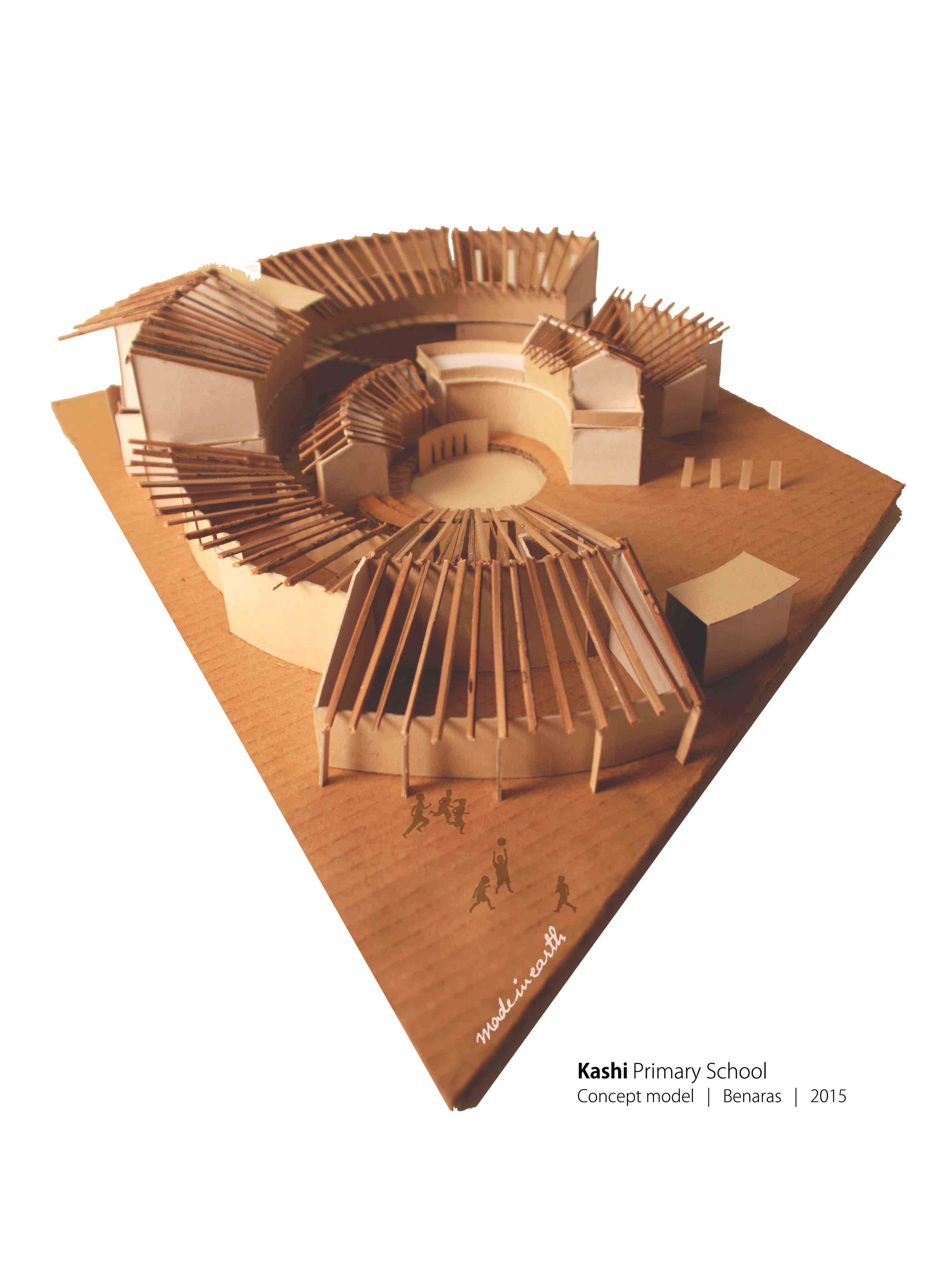
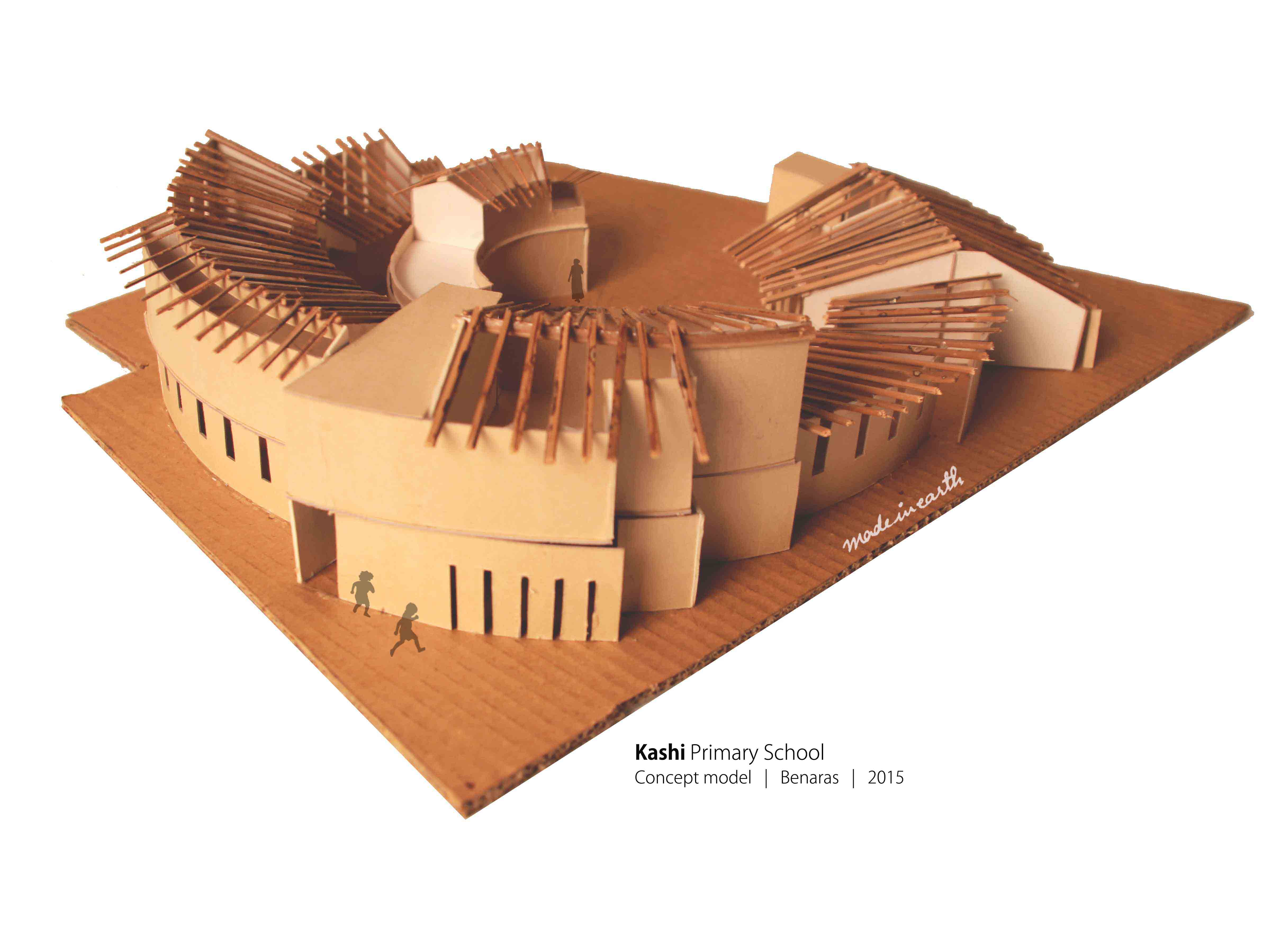
“For us, it goes in circles, move and continue, and move and continue and keep moving.”– This brief from the team at Kashi Education Society came a long way in shaping our design process.
We imagine children running, walking along walls, a casual finger trailing a texture or a motif along a wall, stopping to peep through a little window unto the green fields, escaping into a class and resurfacing somewhere else, oblivious to the building around them.
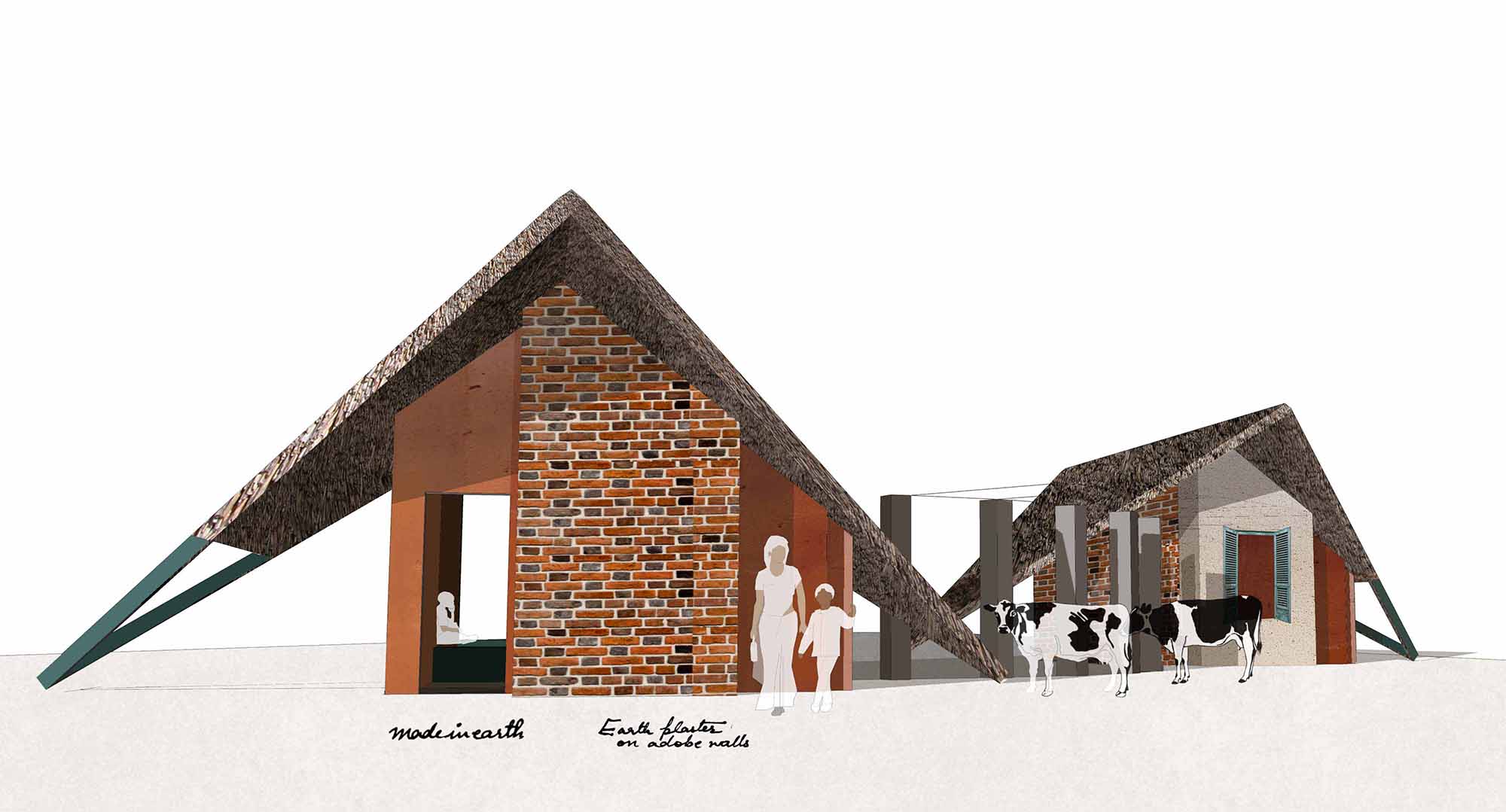
Suma and Shuba are two sisters from Bangalore with secret alter egos. They are setting up an organic farm near the small village of Seegehalli, in the outer reaches of the city. The quaint farm is a 400 m long strip of land jeweled with a row of coconut trees on either side. They dream of eventually retiring here to a quieter and more natural lifestyle. We have started to visualize the basic requirement for life on the farm. Nicknamed ‘Cute’ and ‘Care’ by our interns, the two cottages would be the first step in realising Suma and Shubha’s dream. The ‘Cute’ cottage is to accommodate the two on their weekend visits and enable them to spend more time on the farm, while the ‘Care’ cottage is to house a small family who would be present to take care of the farm at all times. It seems to us that this is the perfect place for a small adobe home, as we have wonderful soil as well as a local skill set to produce Adobes. Follow this thread to see how these designs evolve as we walk Suma and Shubha, gradually towards their dream.
Hungry morning.
Cooking was yet to happen.
Ingredients were ready.
Were just waiting for all the cooks to arrive.
It was a hungry morning.
And it was no regular food fest; for one cook to cook for all.
It was something more special;
more unique and intimate, where everyone cooks;
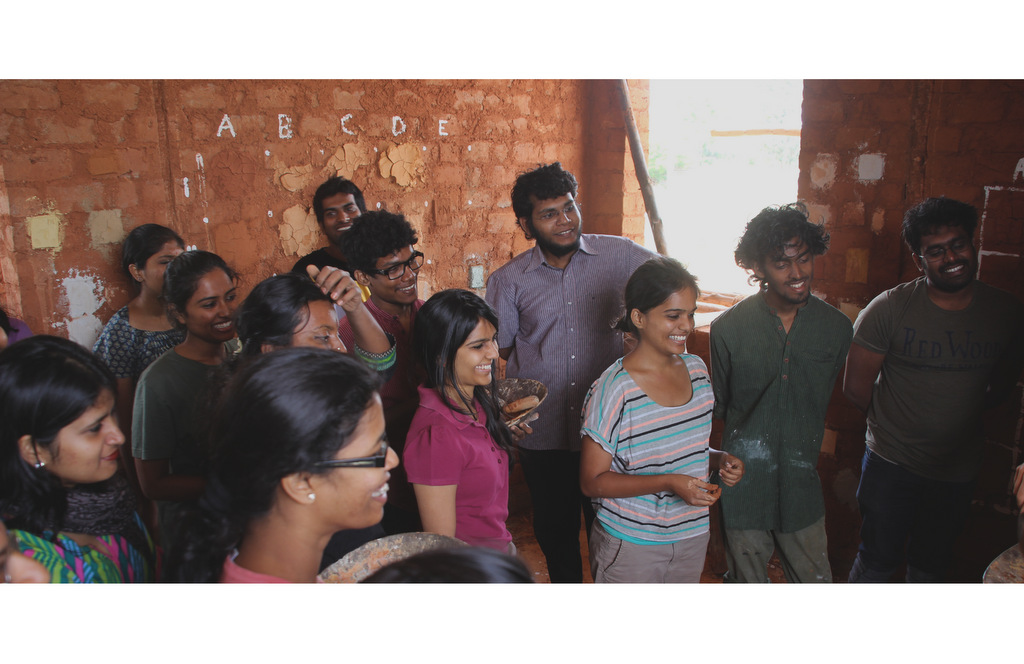
Here we were all cooks;
trying to get the ingredients right,
for one perfect food for everyone;
with little secret spice, for individual’s taste.
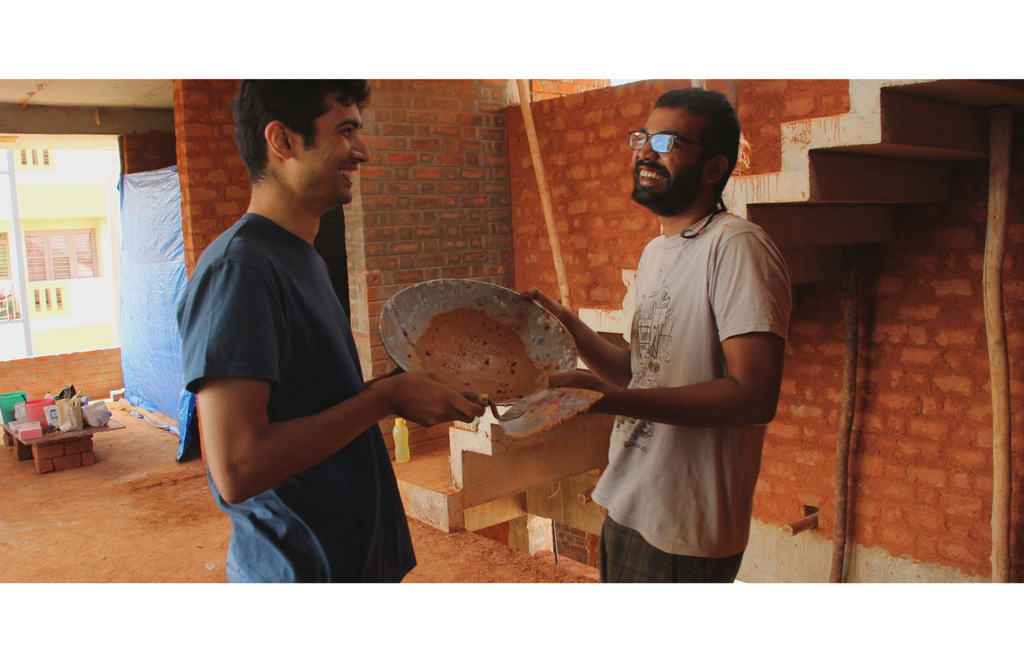
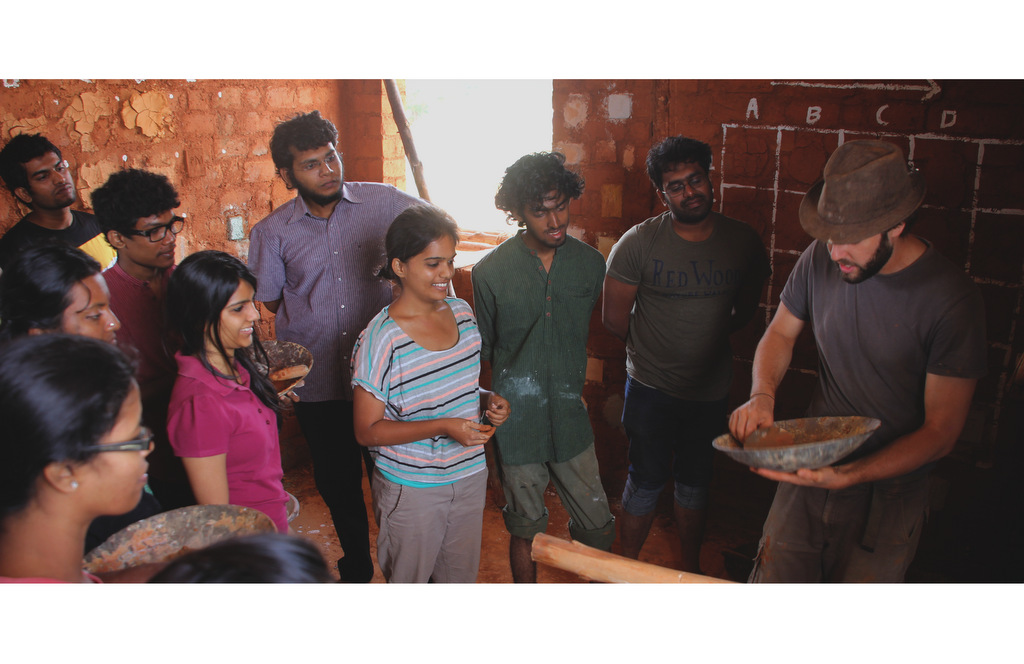
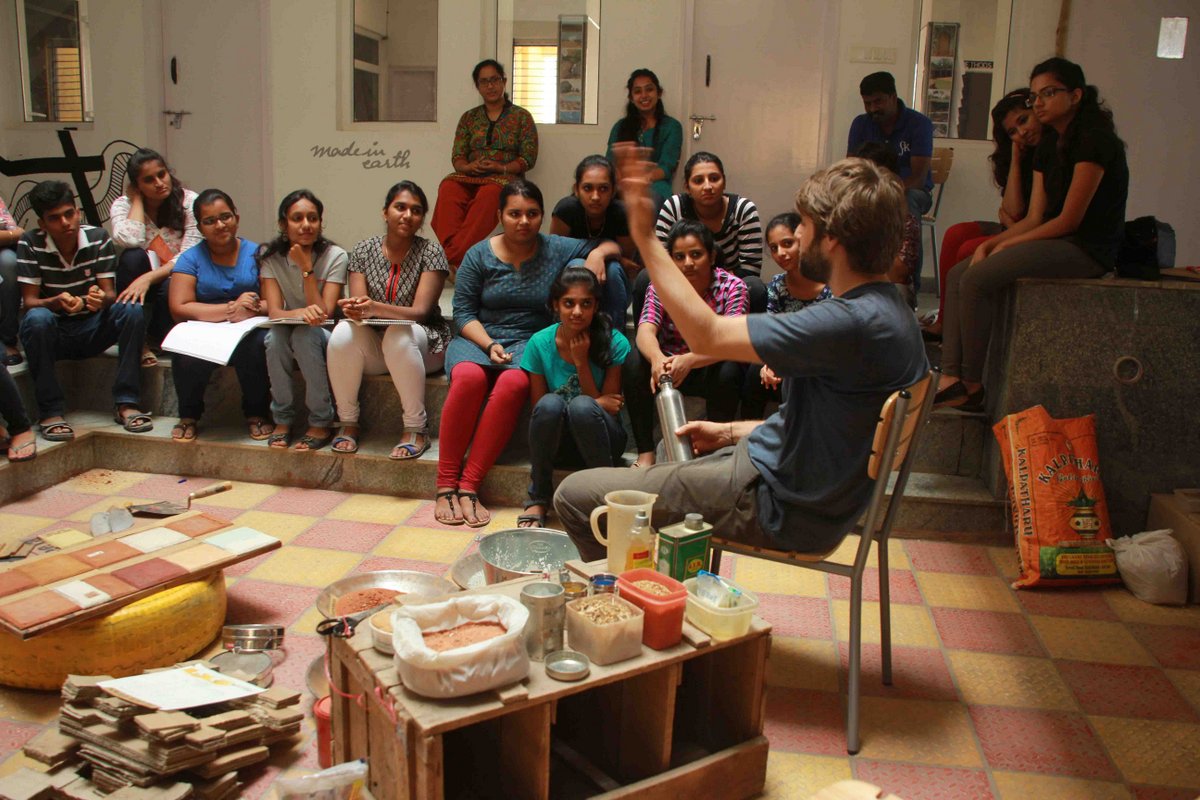
Everyone gathered at the kitchen.
The kitchen smelt different,
The smell made us more hungry; Hungry to cook
For it was no regular kitchen.
We had two master-chefs; And one master-ingredient;
We were all new to cooking; to this type of cooking;
Major ingredient was so much familiar;
Easy to play with; Easy to cook;
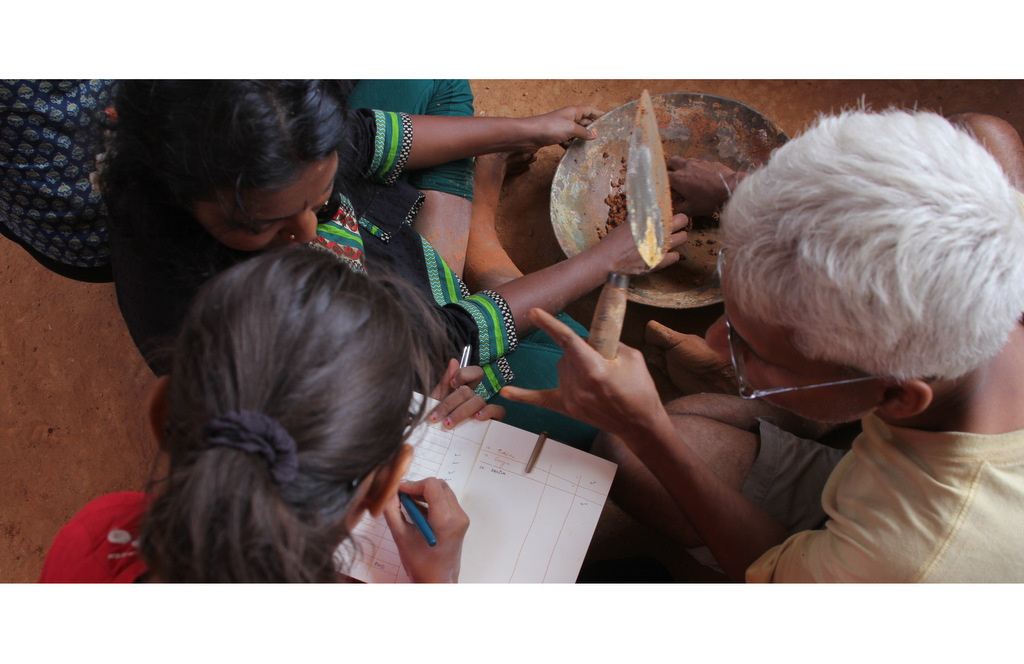
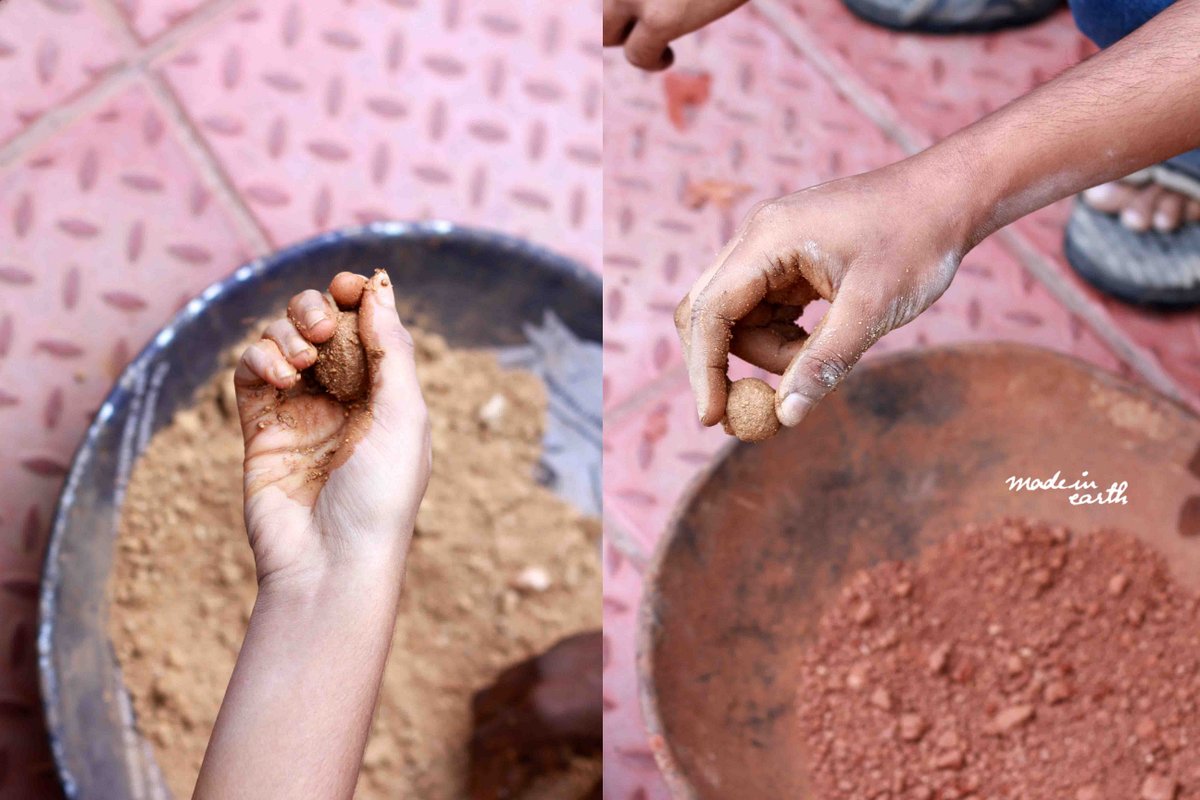
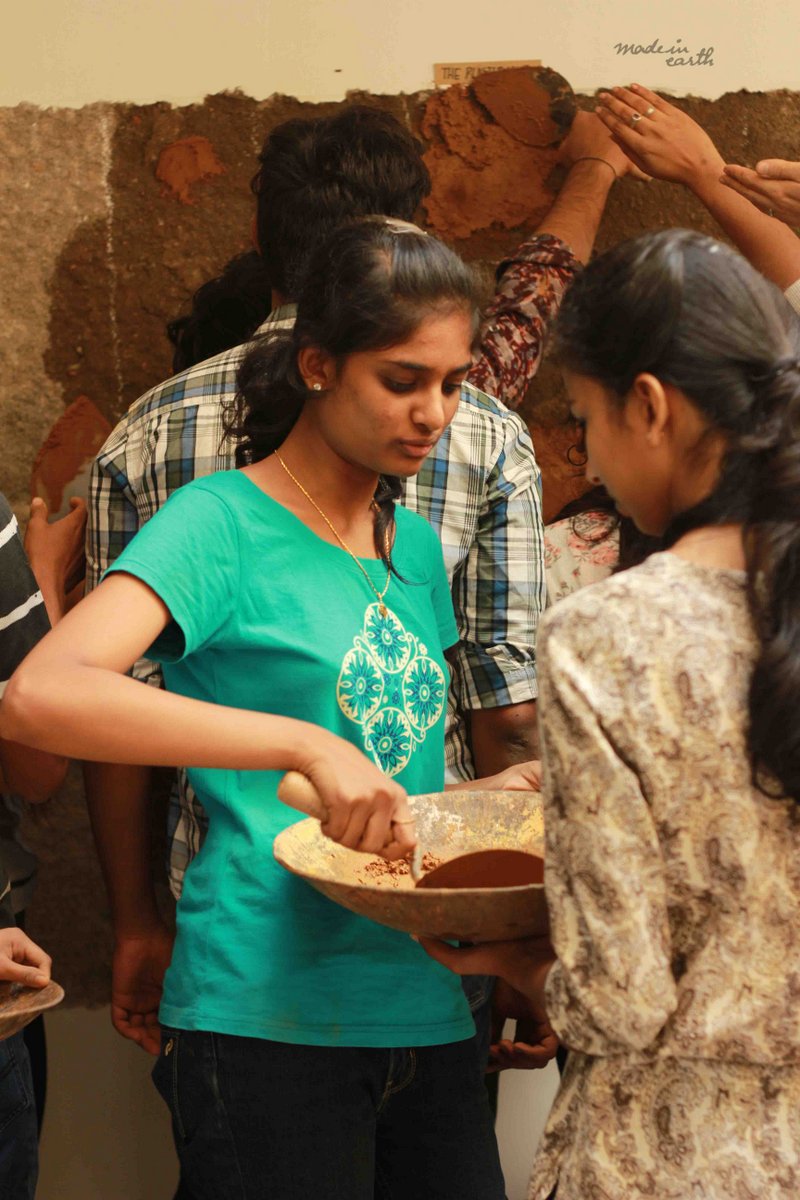
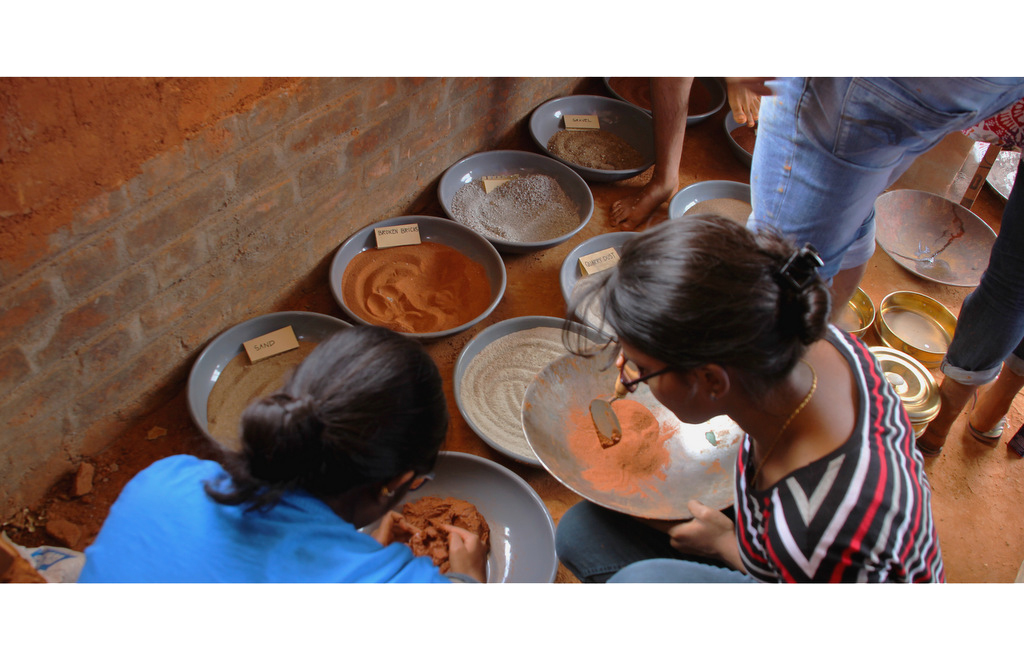
To get it ready, it needed crushing;
And careful watering, And then mixing,
It must feel good in your fingers
For people to appreciate what we cook;
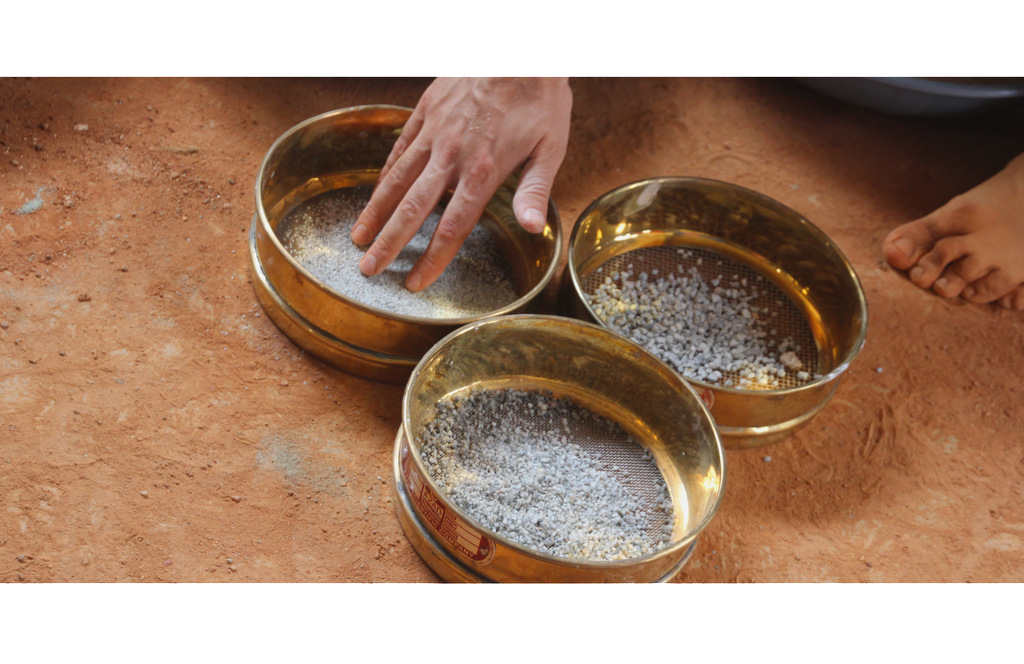
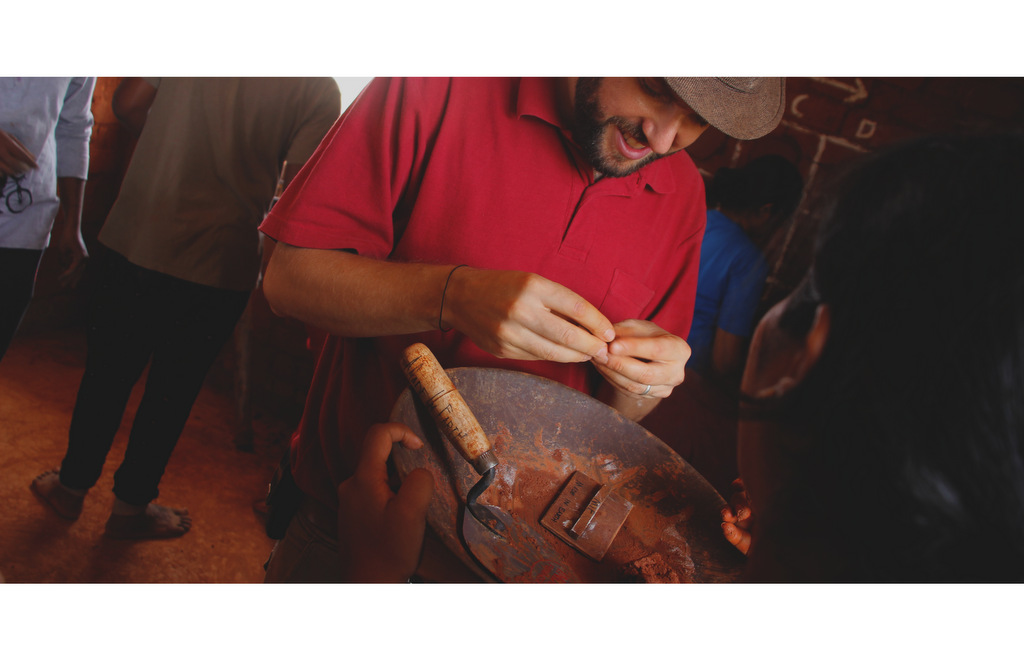
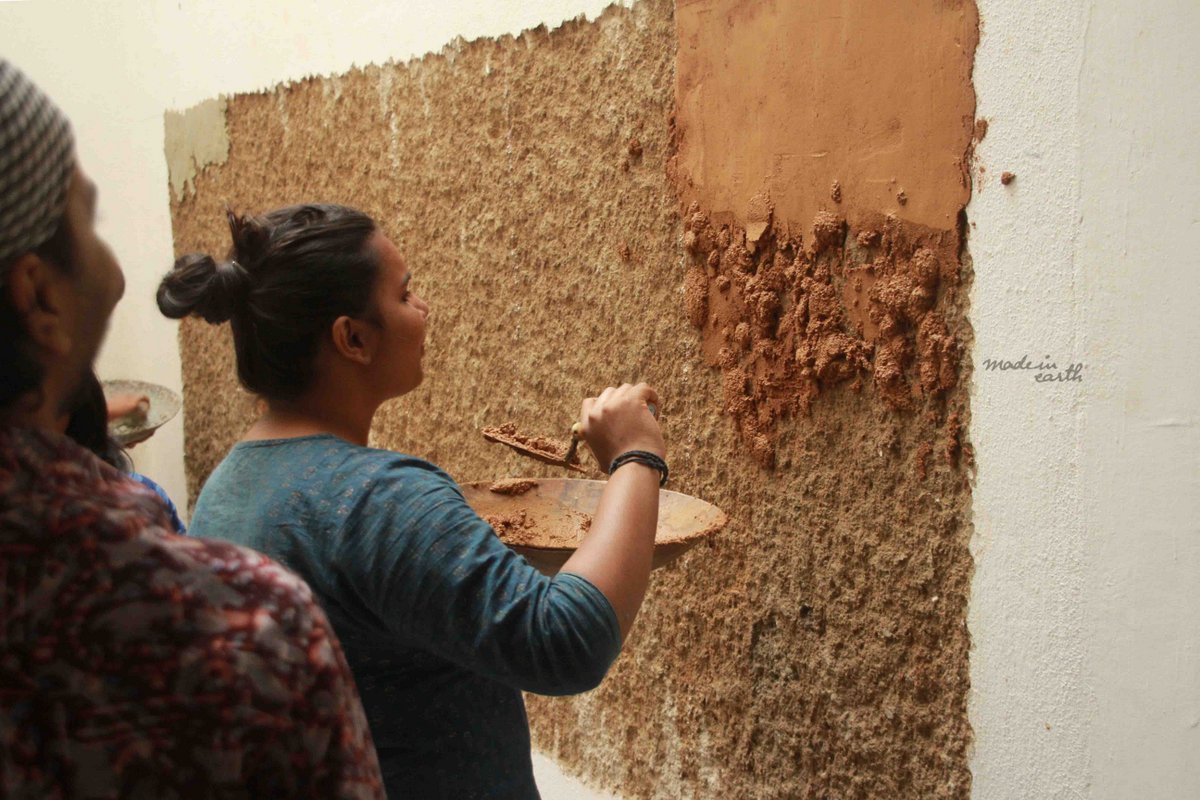
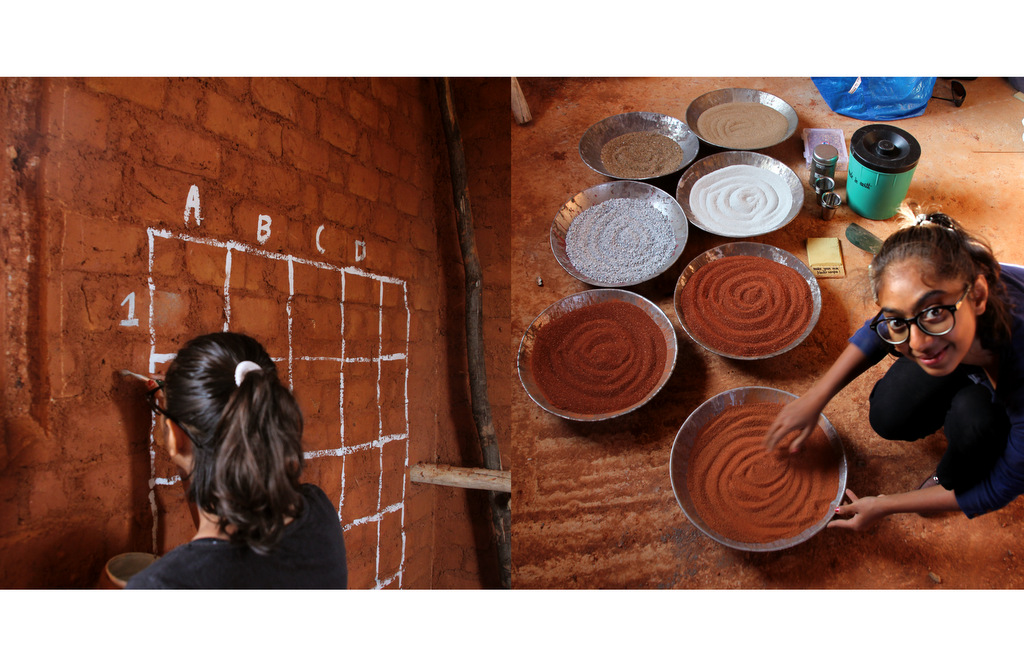
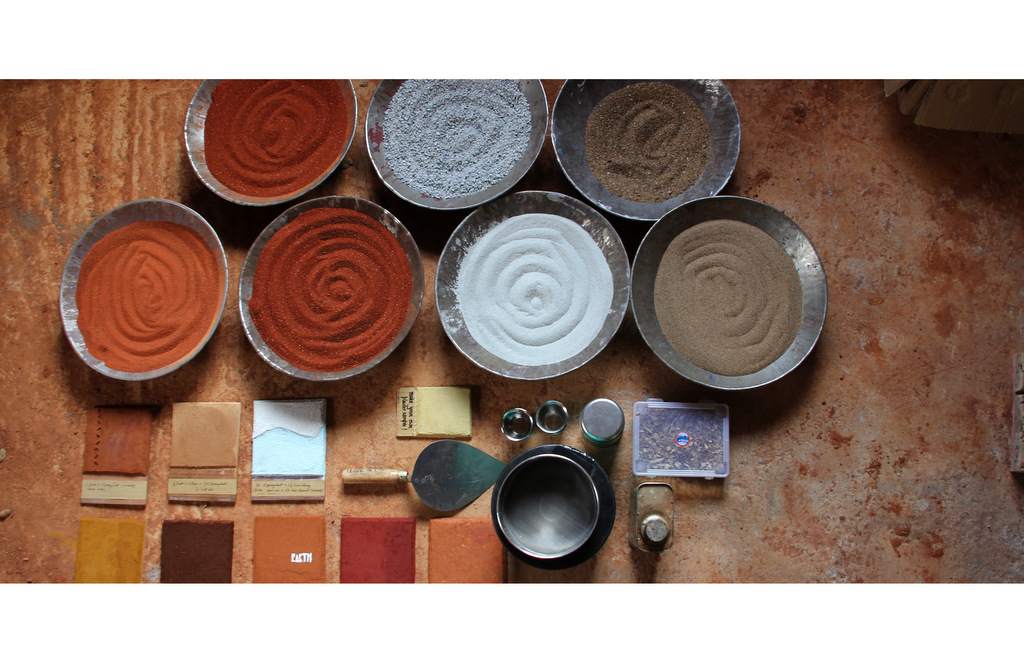
We made a plan; We categorised the ingredients;
For making it easier to experiment;
To Aggregate, Binders, Mass,
Organic reinforcement and added flavours;
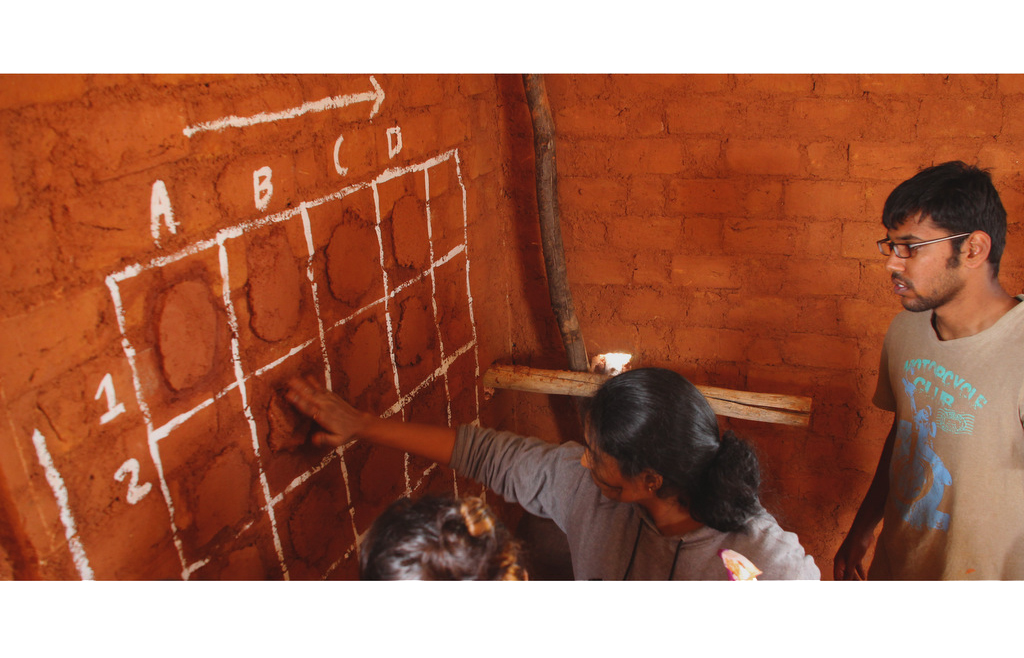
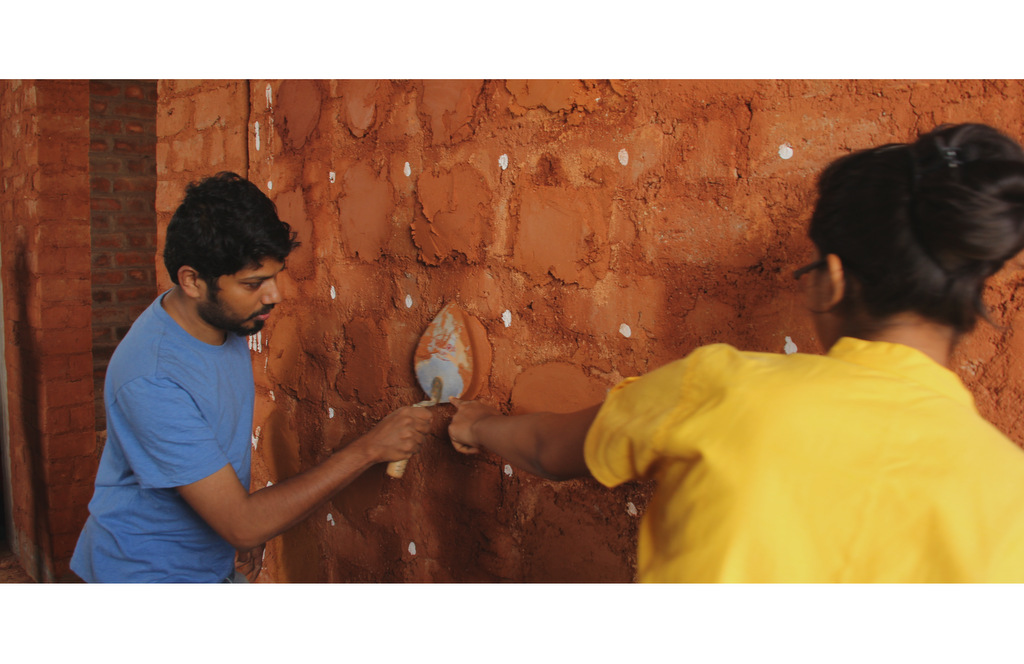
We needed two dishes, to fulfil our hunger;
One main course and one dessert;
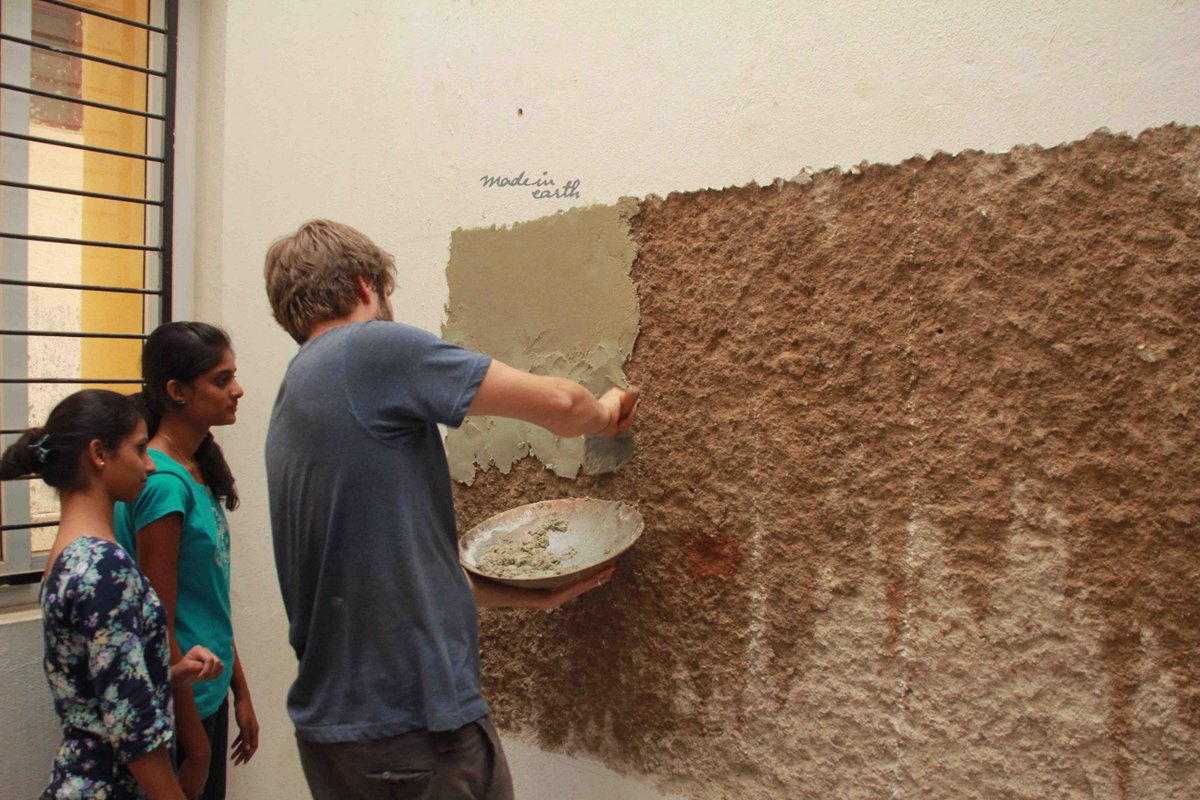
we called it base and finishing,
For it was no regular kitchen;
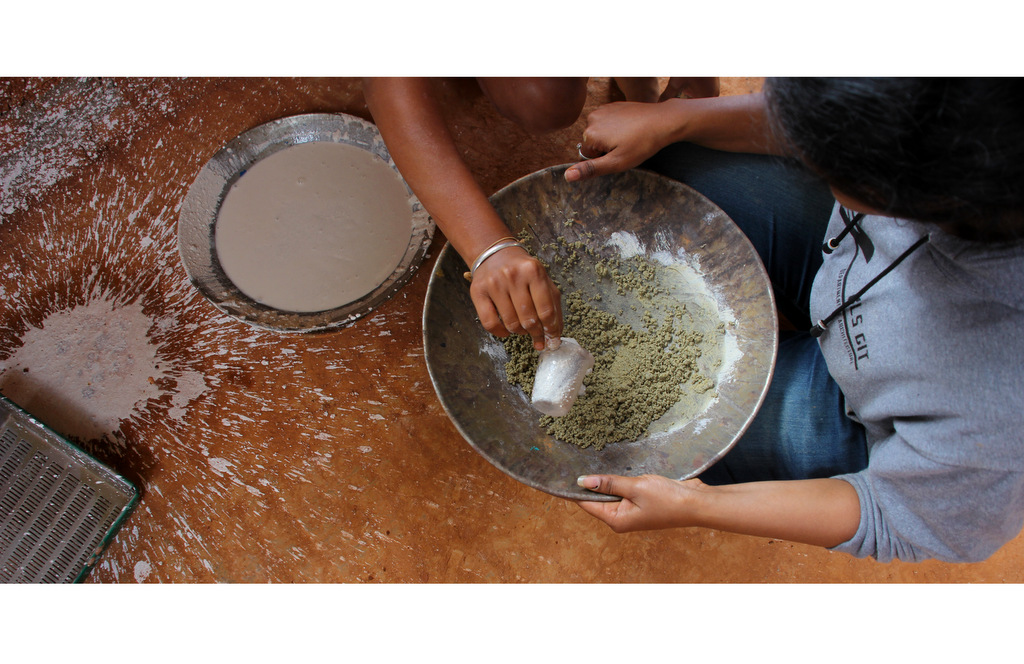
We made a strategy; to get the recipe right;
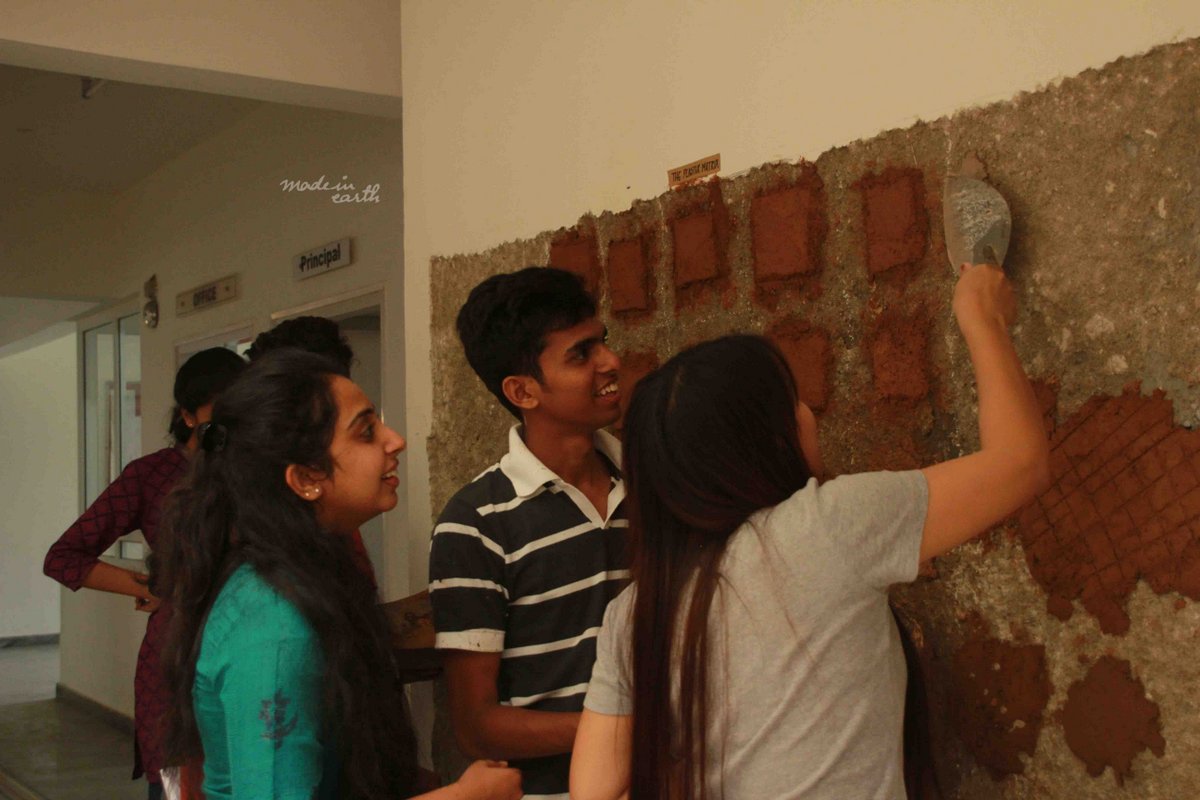
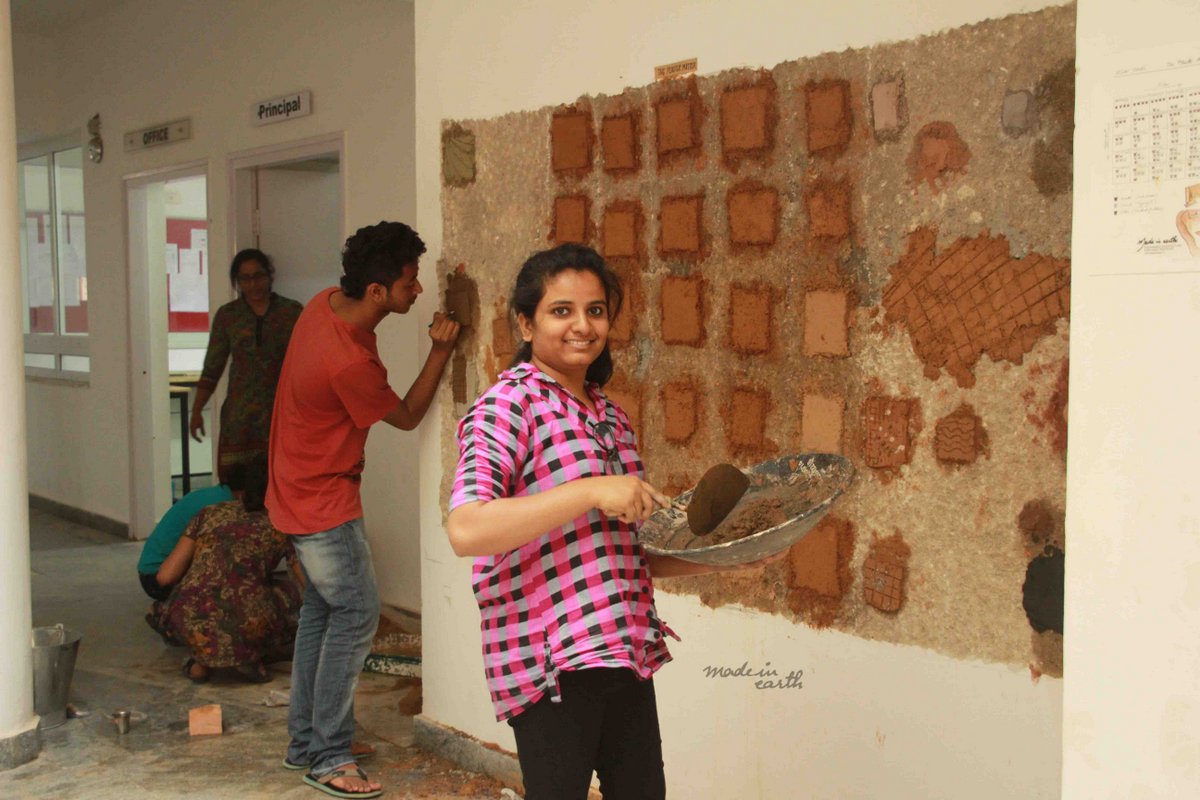
we drew a grid, kept master-ingredient consistent;
Sprinkled aggregate towards the right;
Added binder down the grid.
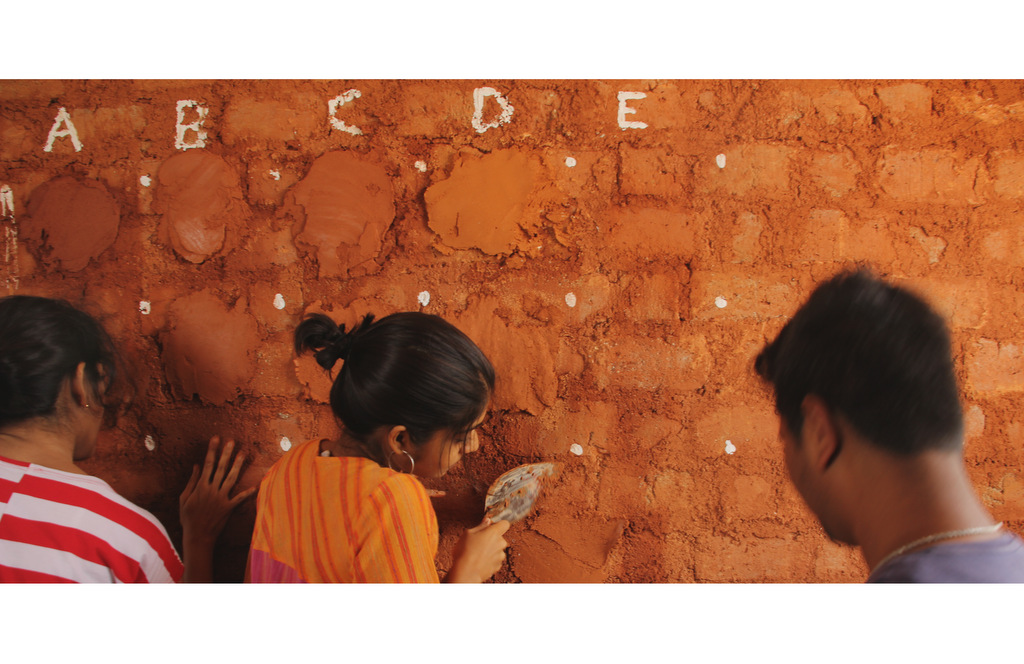
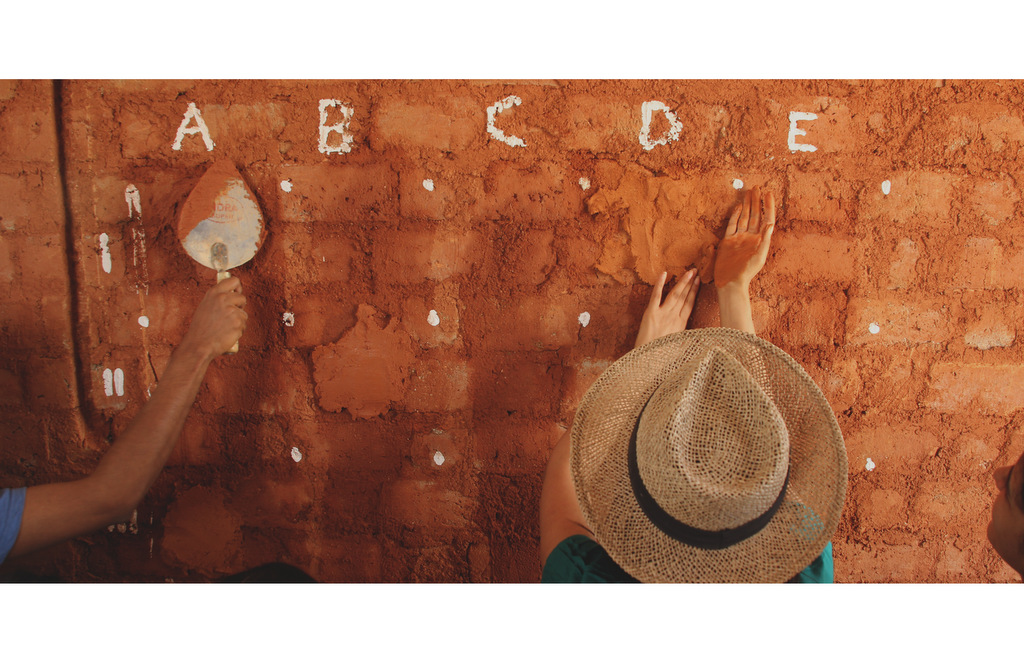
We made experiments; we made recipes;
Added colours and natural flavours
For this food was no regular food;
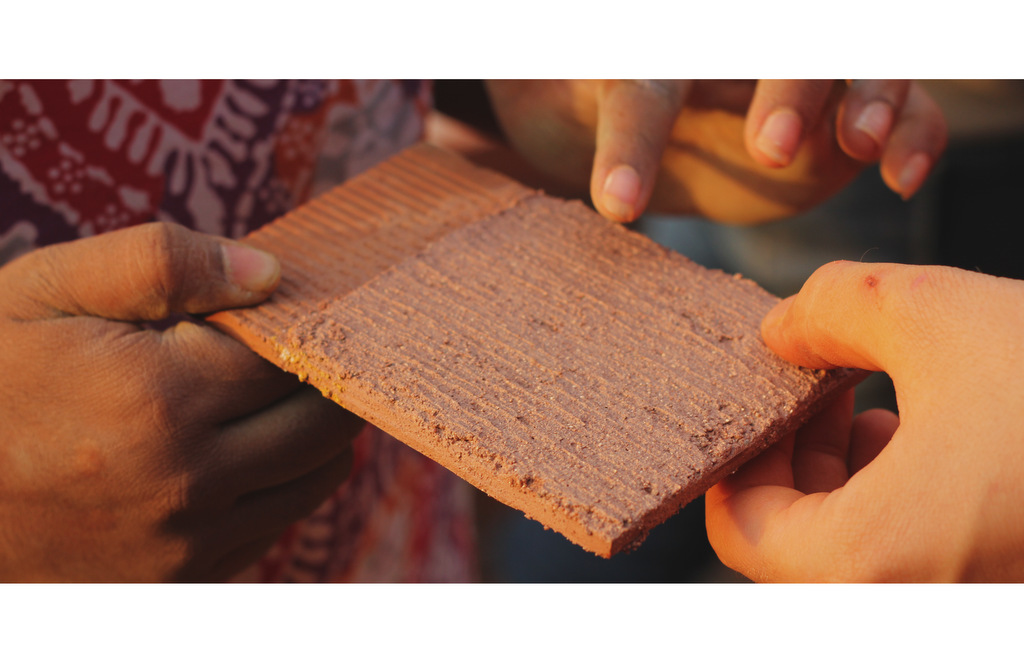
Like no other food, this food can breath.
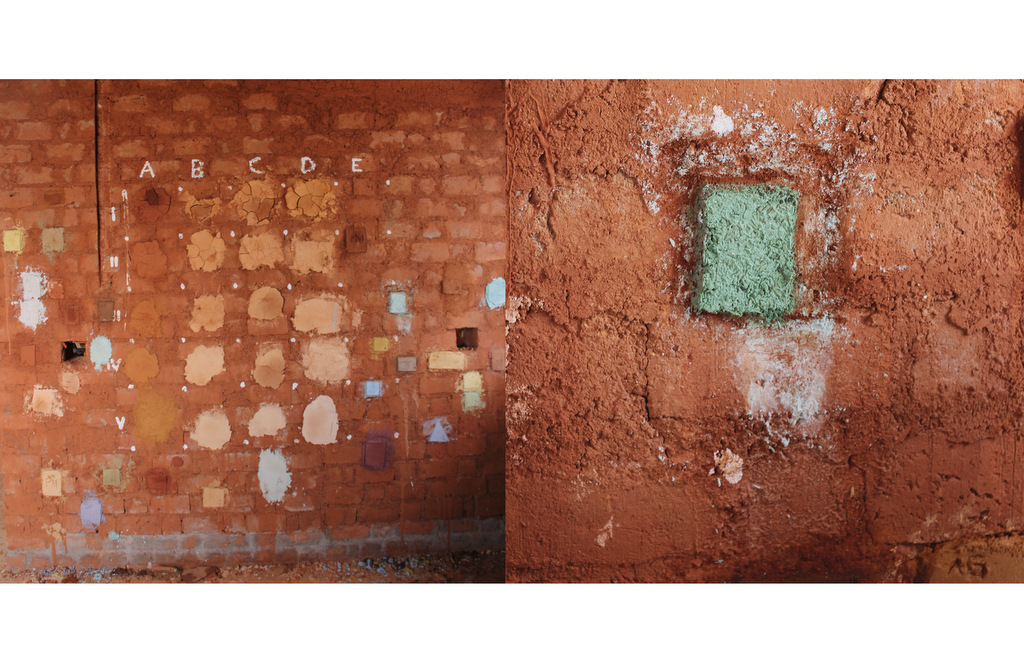
The food can’t crack, nor can it break,
nor can it chip off, and has load to take;
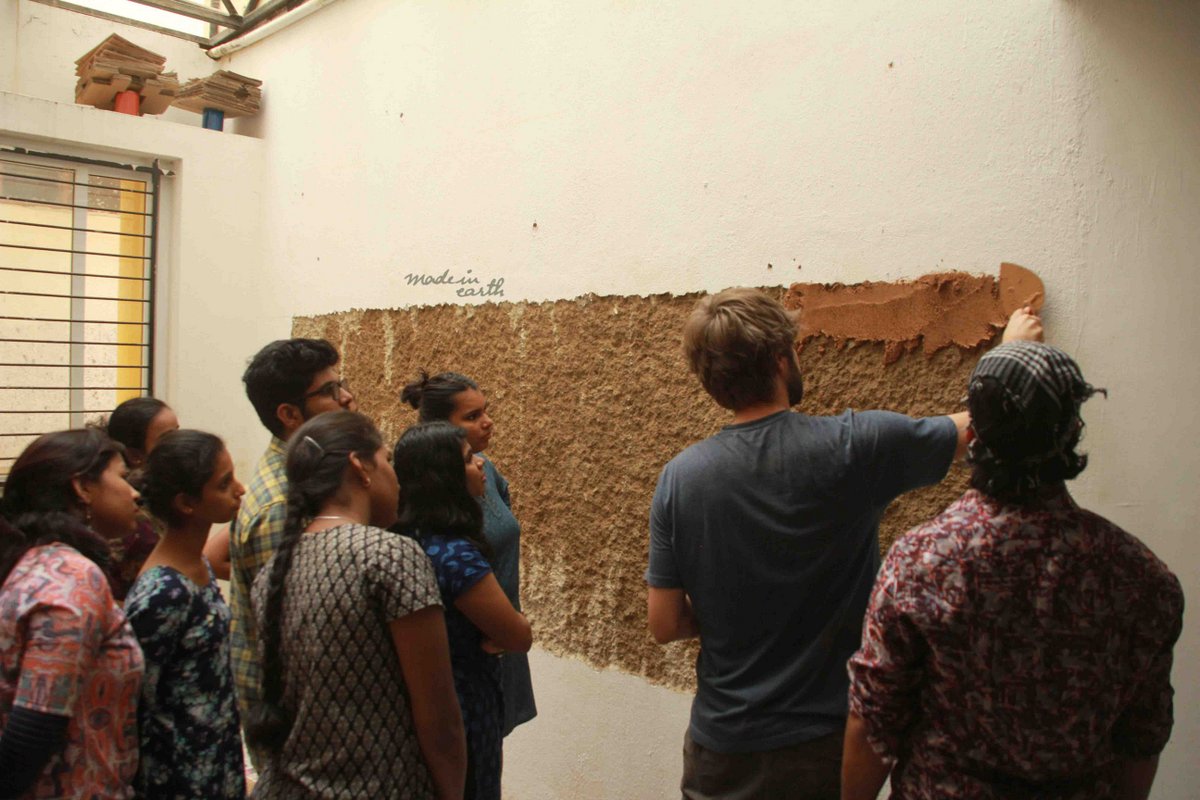
We tested its strength, hanging a bottle or two
For it was no regular food.
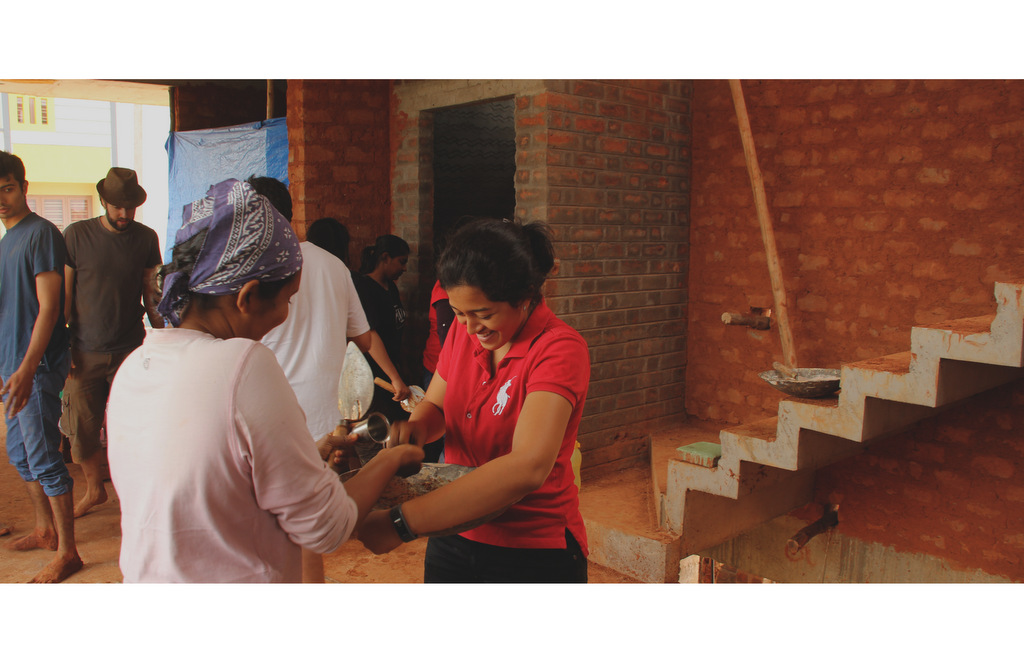
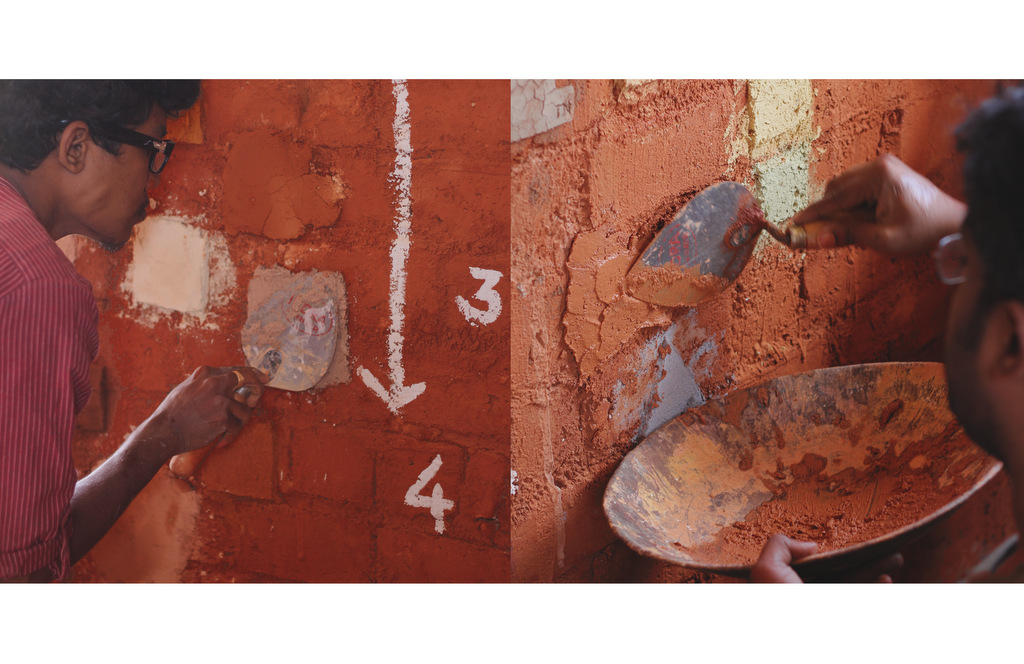
We made the mix, we got the food
for each one, their own recipe;
We cared its cracks and loved it a lot,
For it was a food for hunger and not to eat;
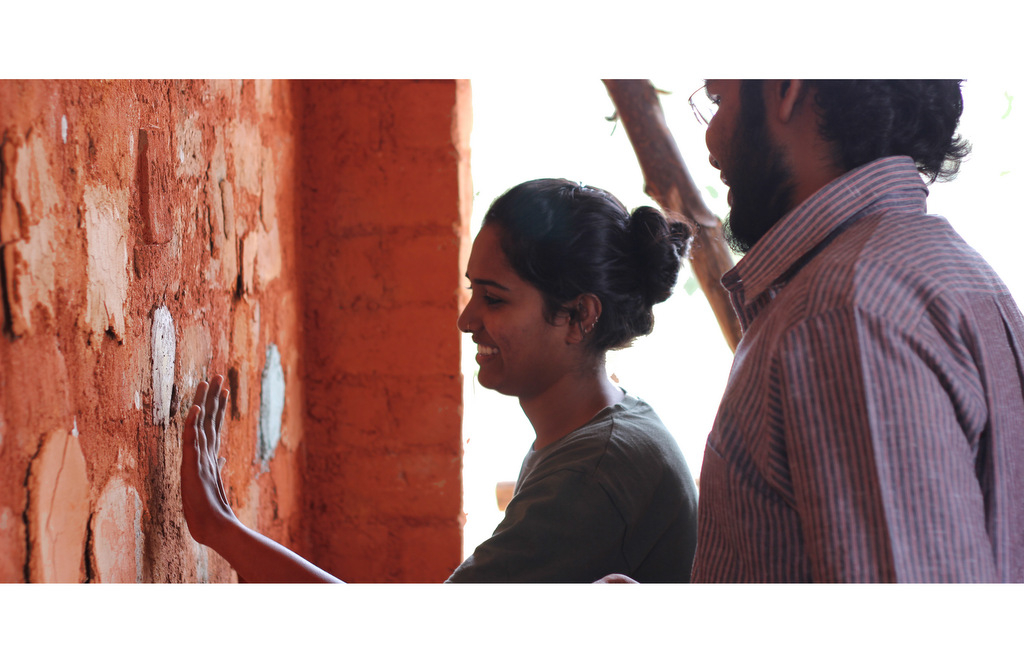
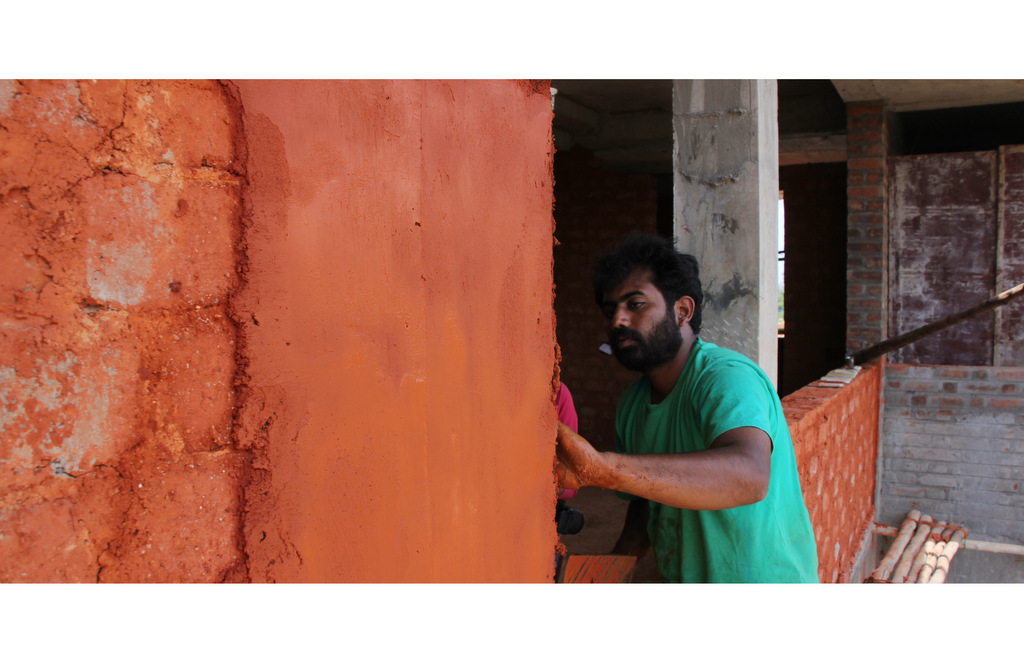
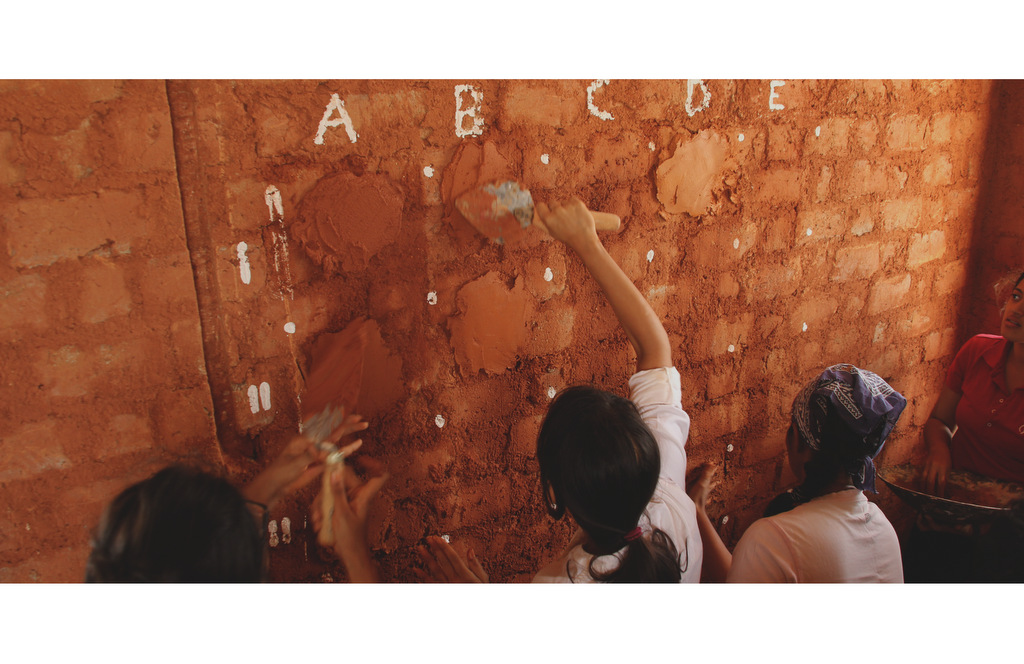
It was no regular kitchen,
And we called it the Earth kitchen;
It was no regular food,
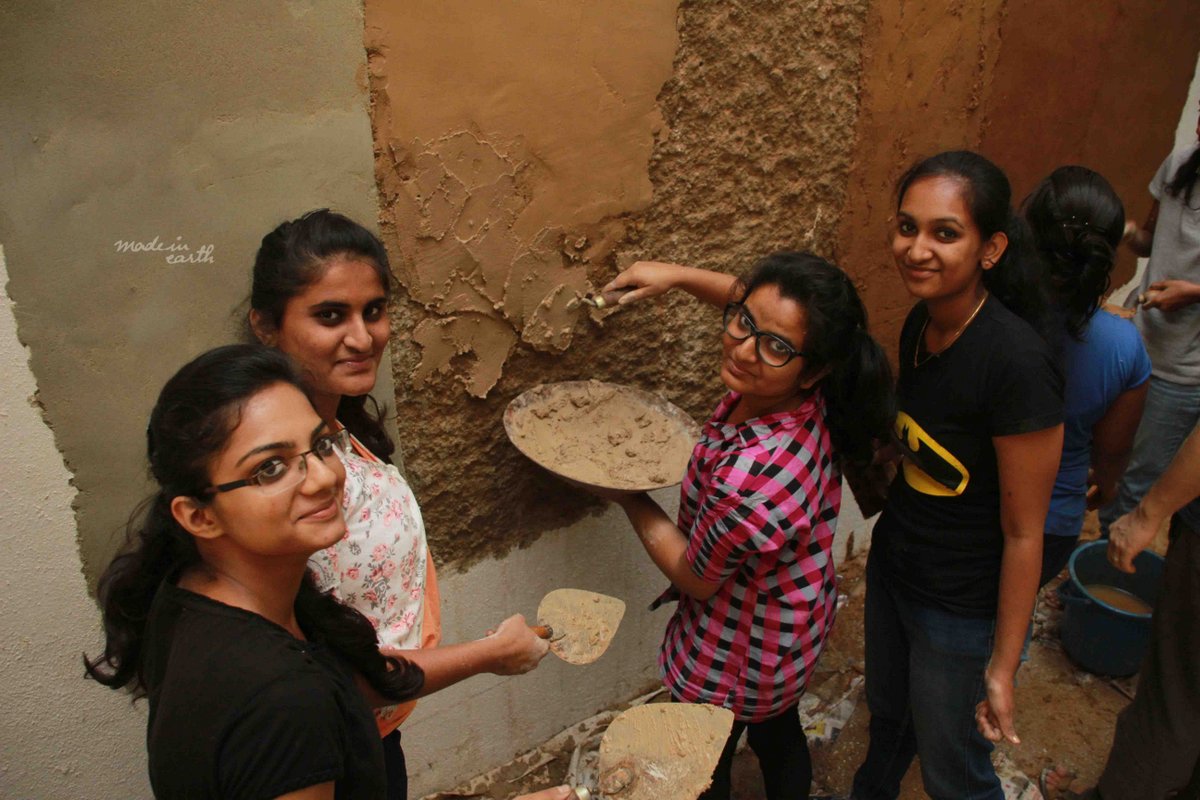
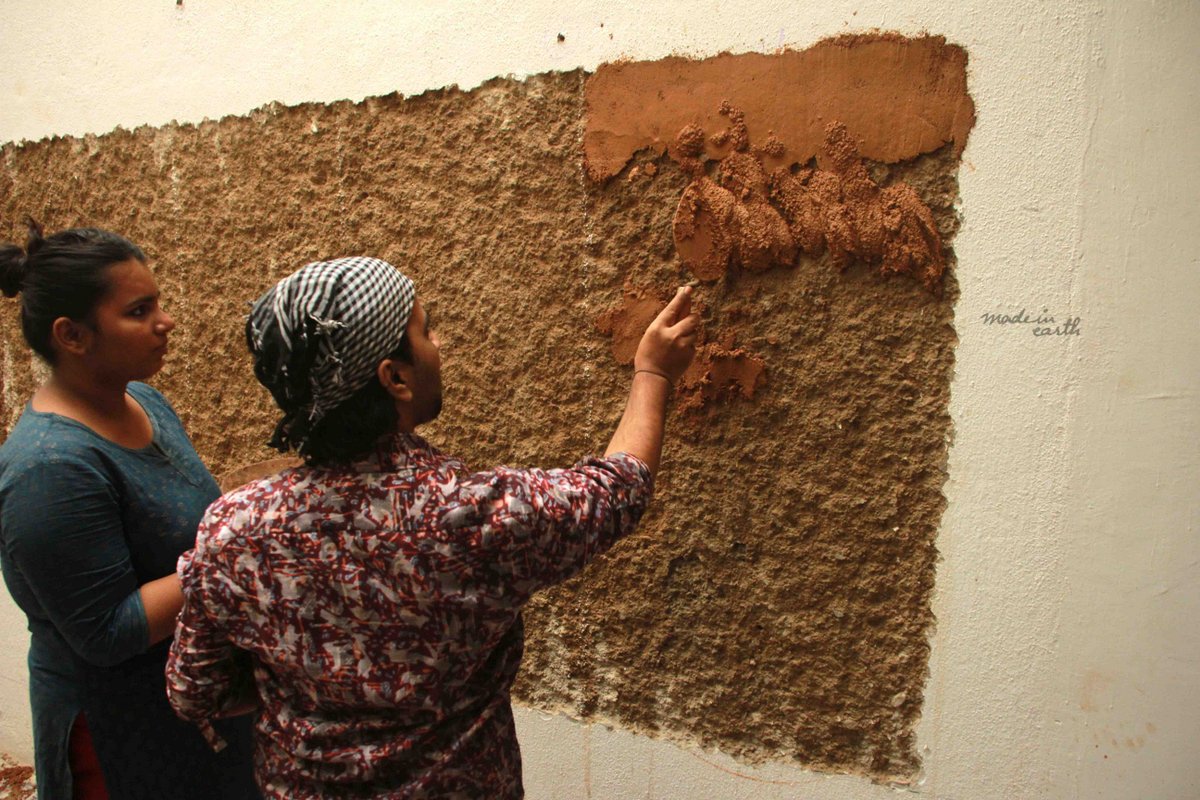
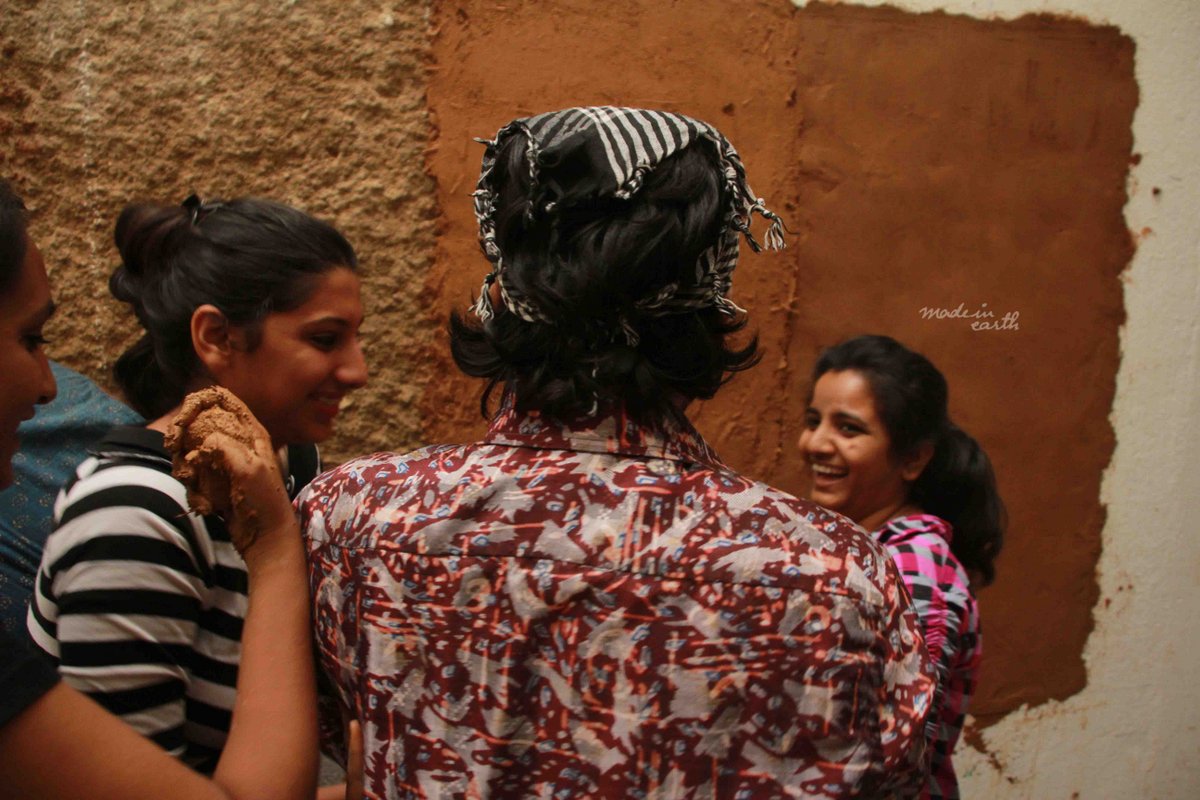
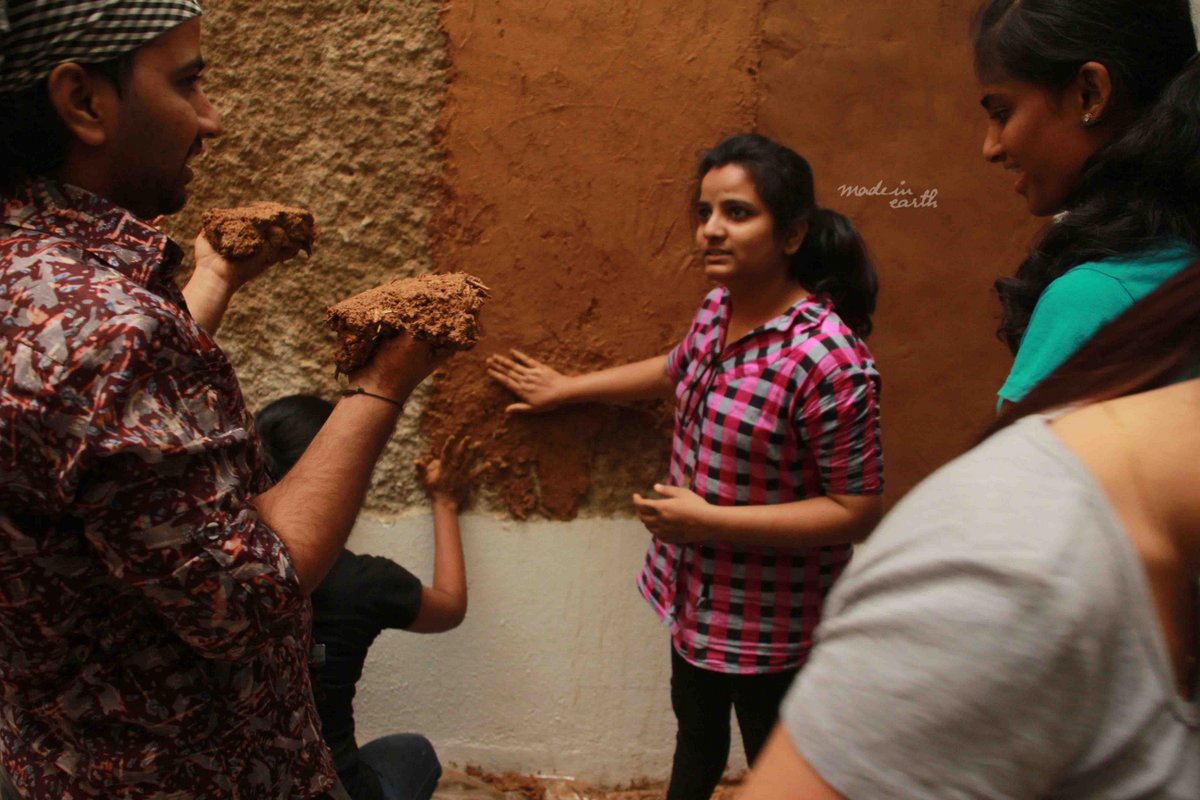
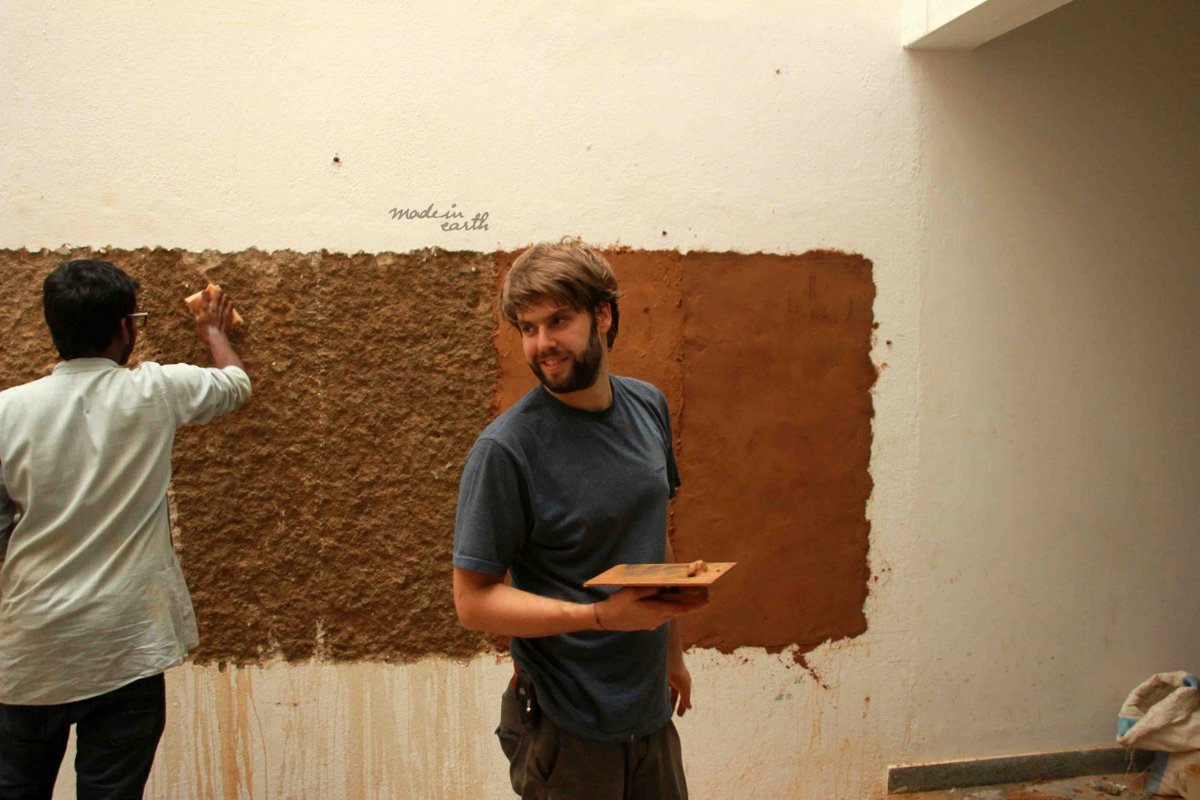
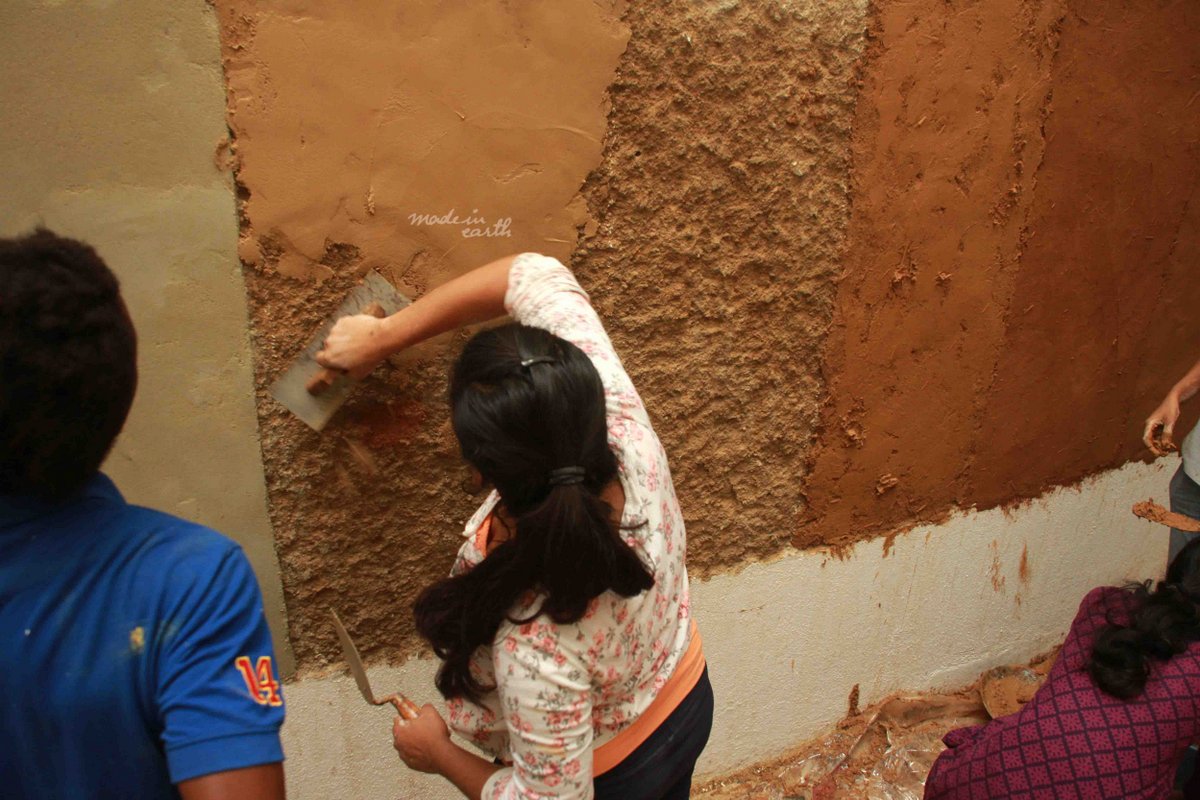
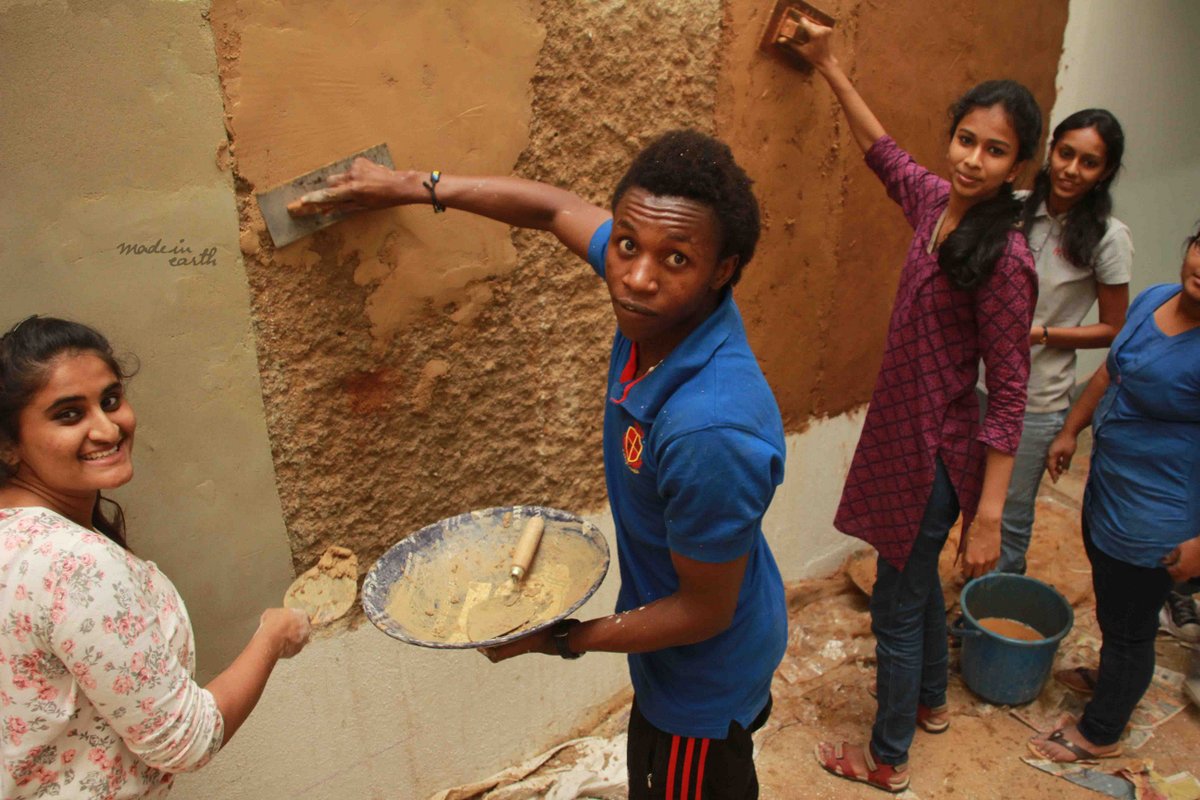
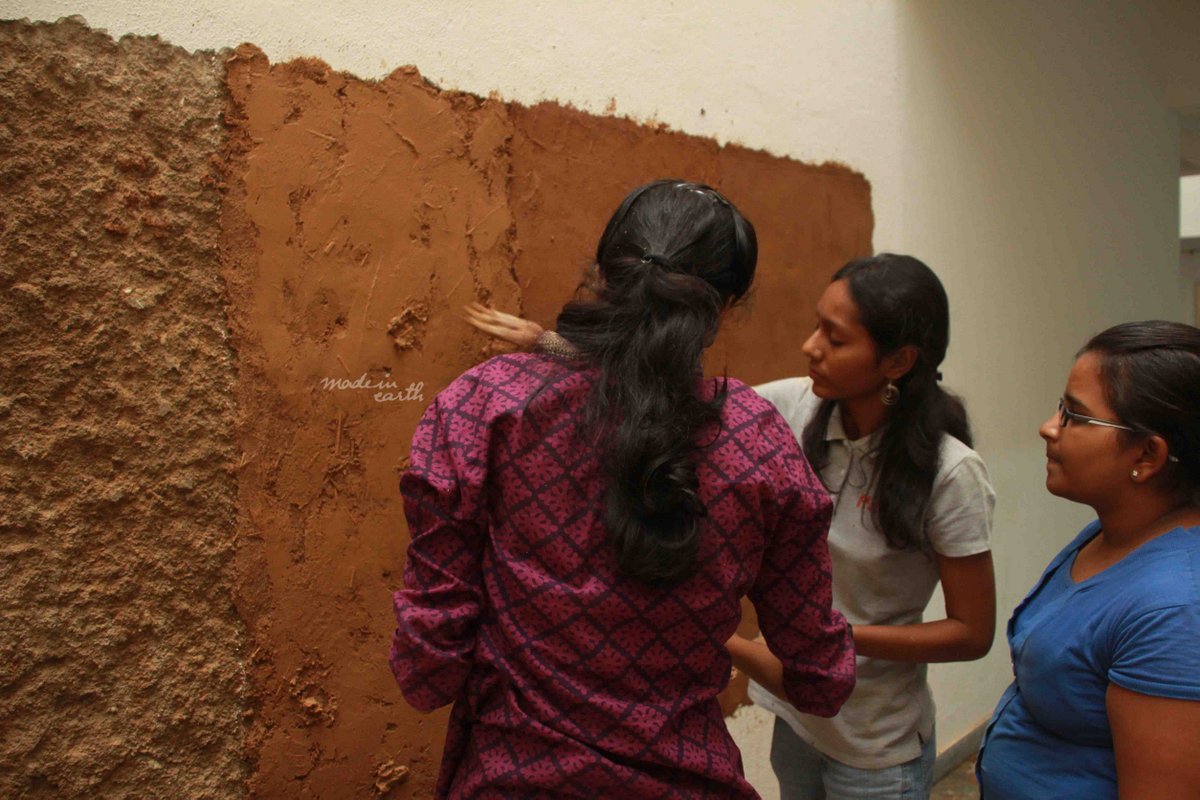
We call it Natural plaster;
by Santosh Prabhu,
Team Made In Earth
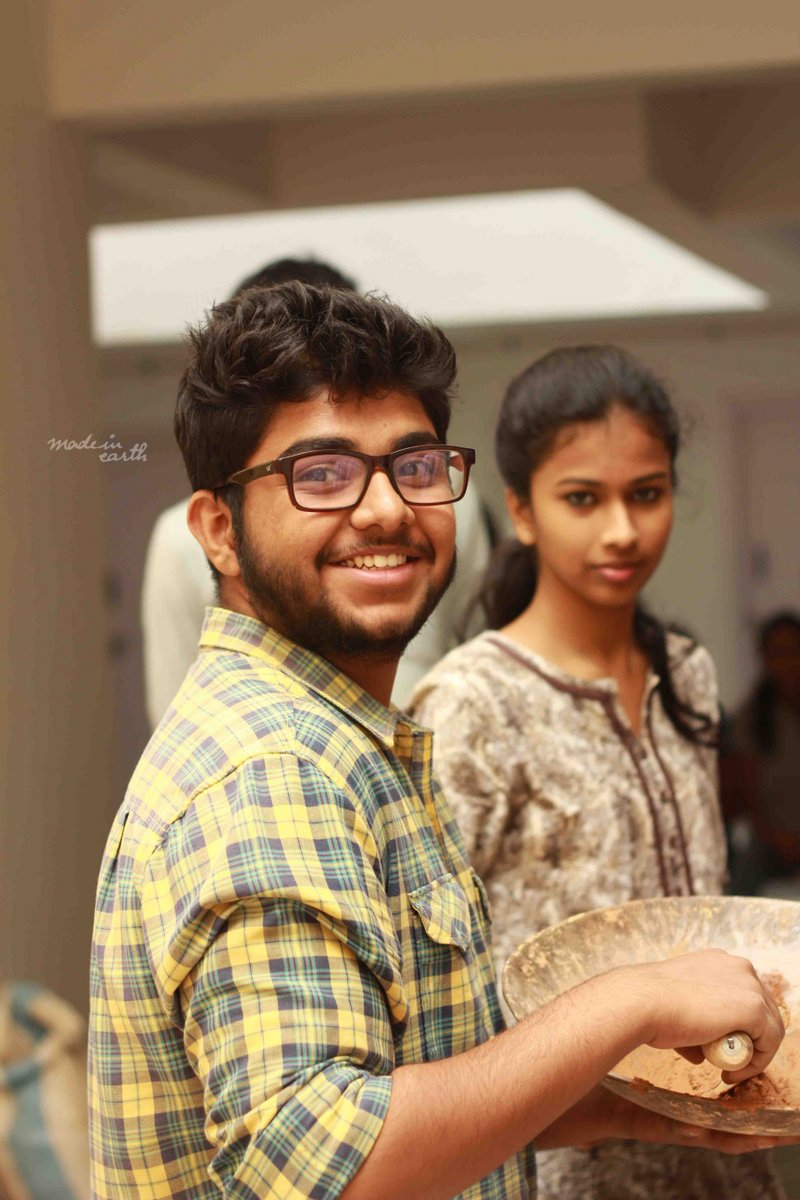
From a series of workshops on natural plaster held at Bangalore in July 2015
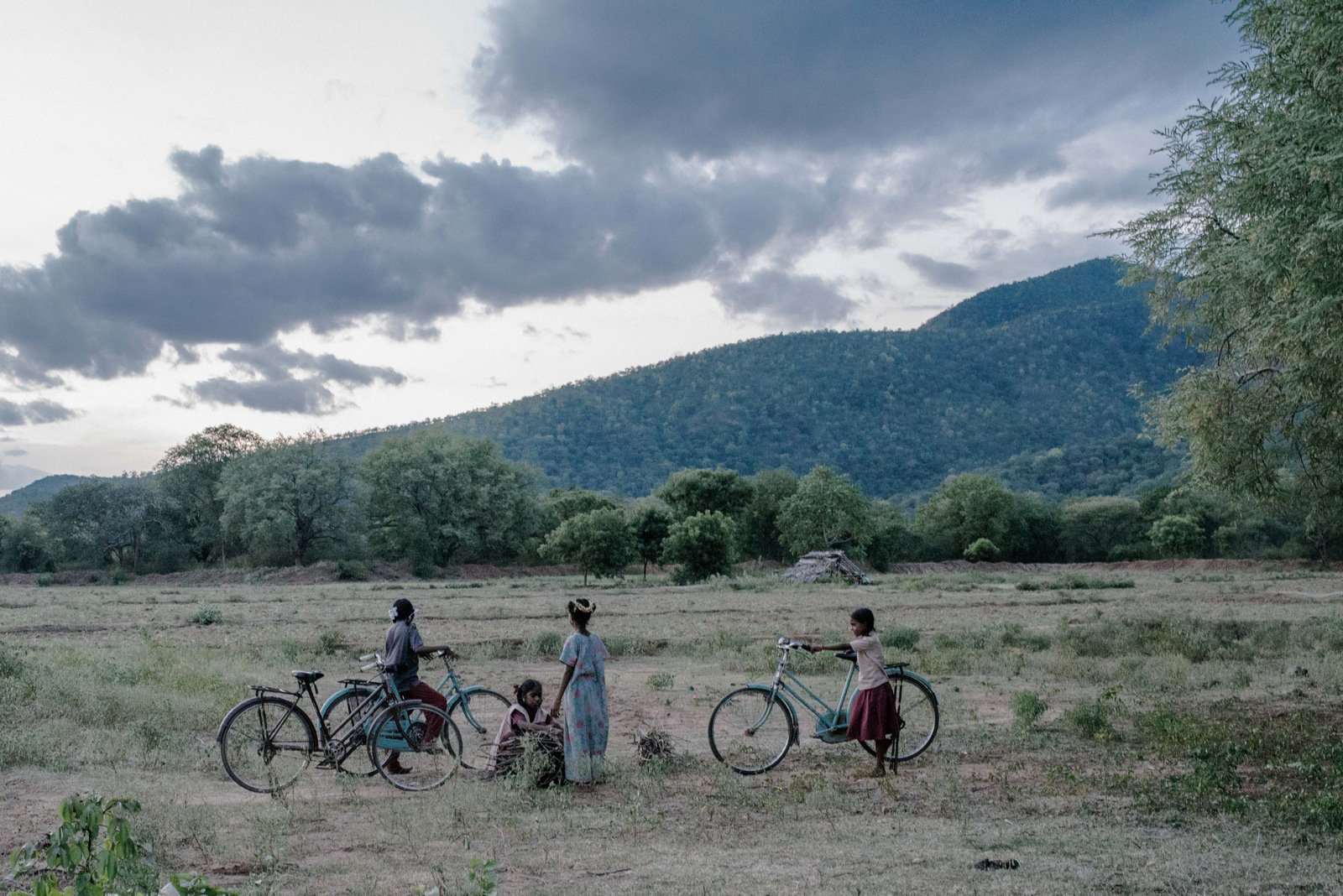
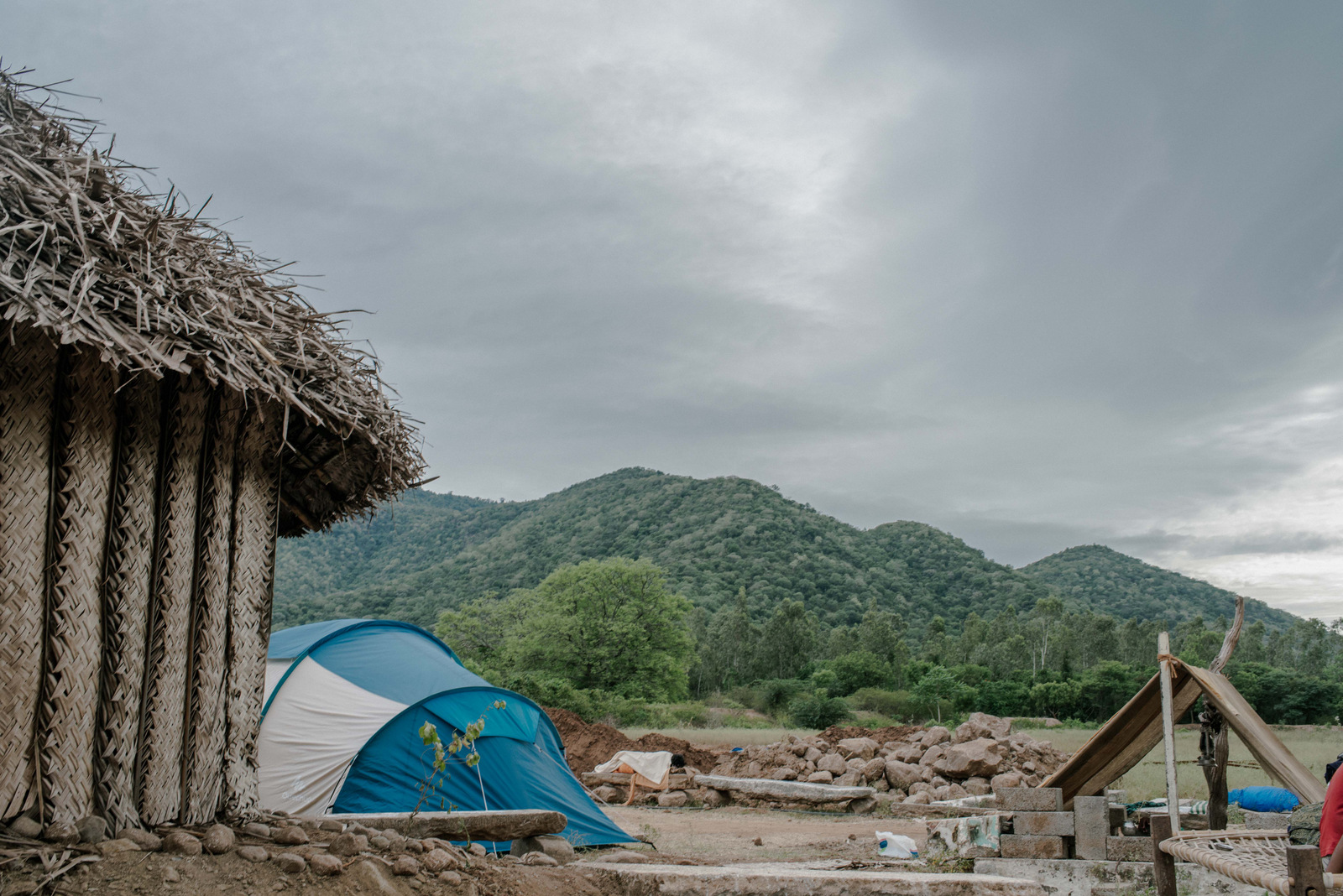
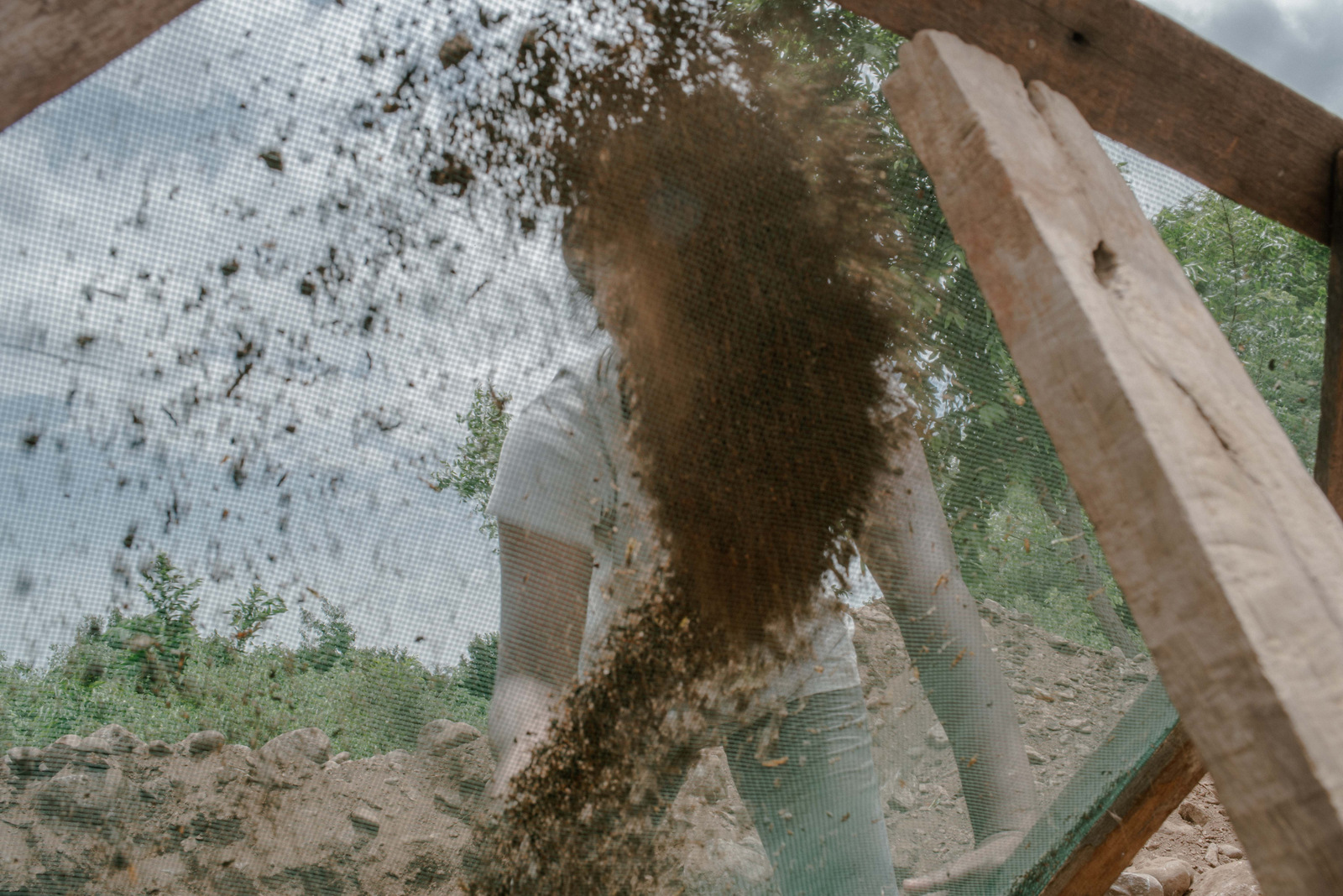
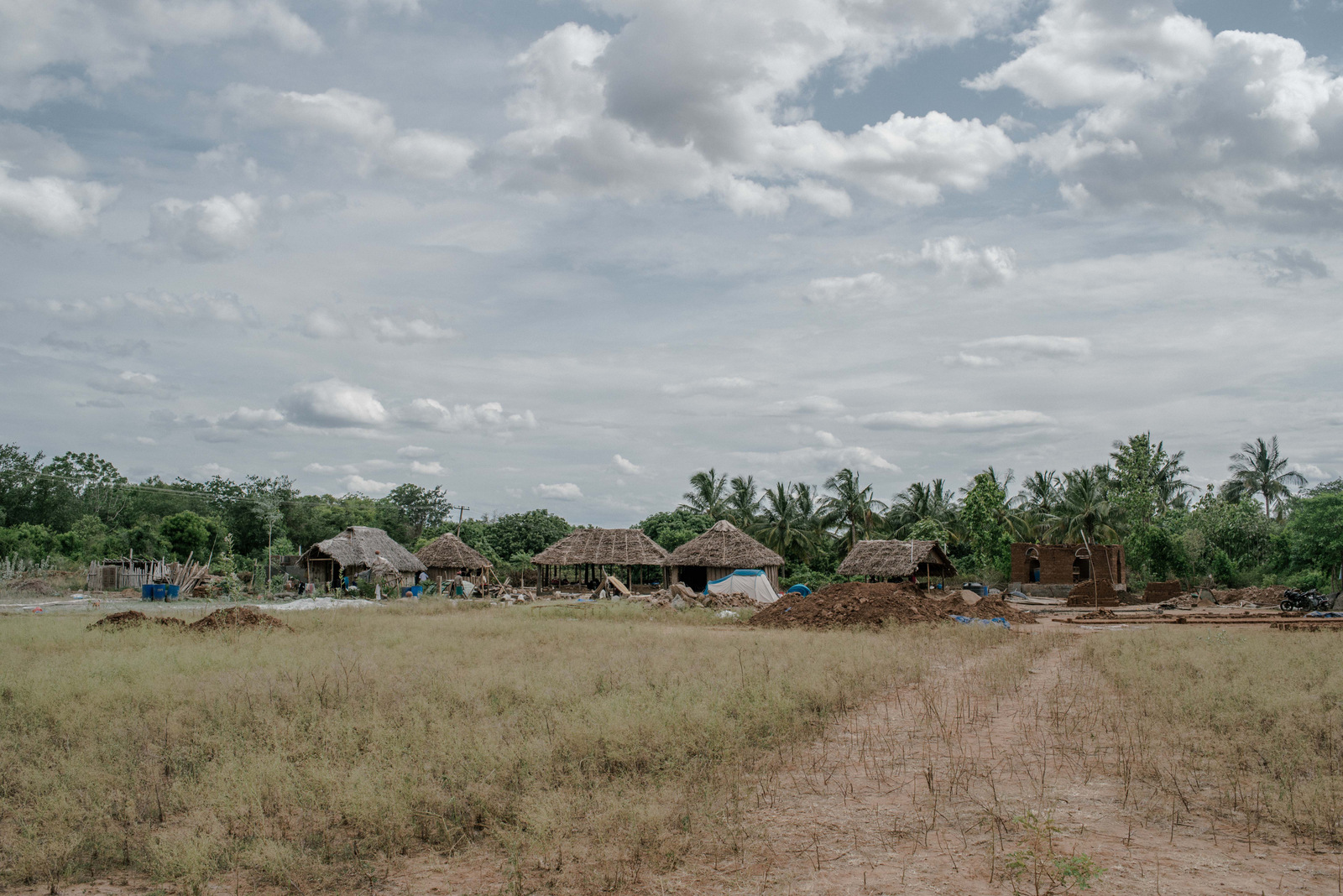
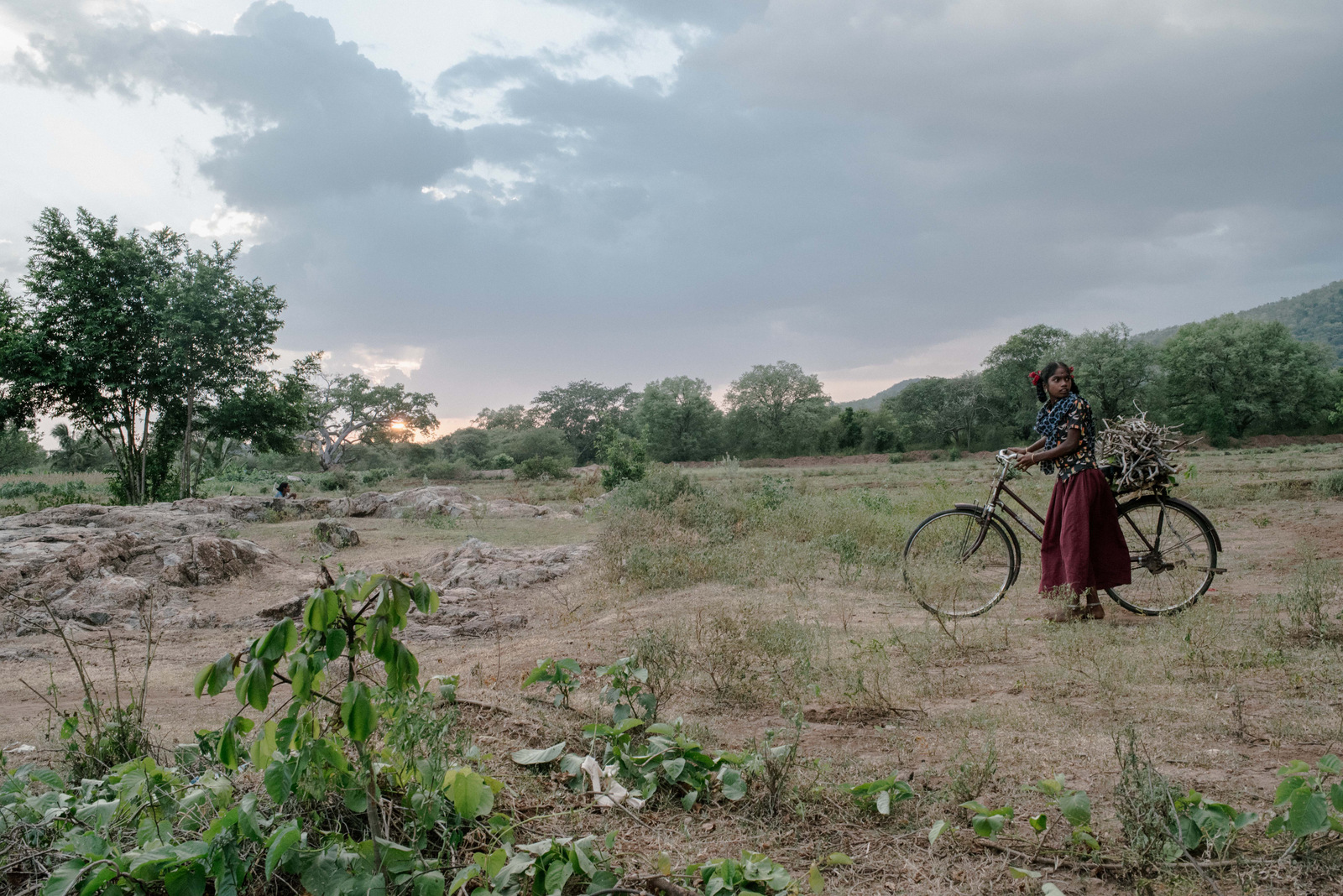
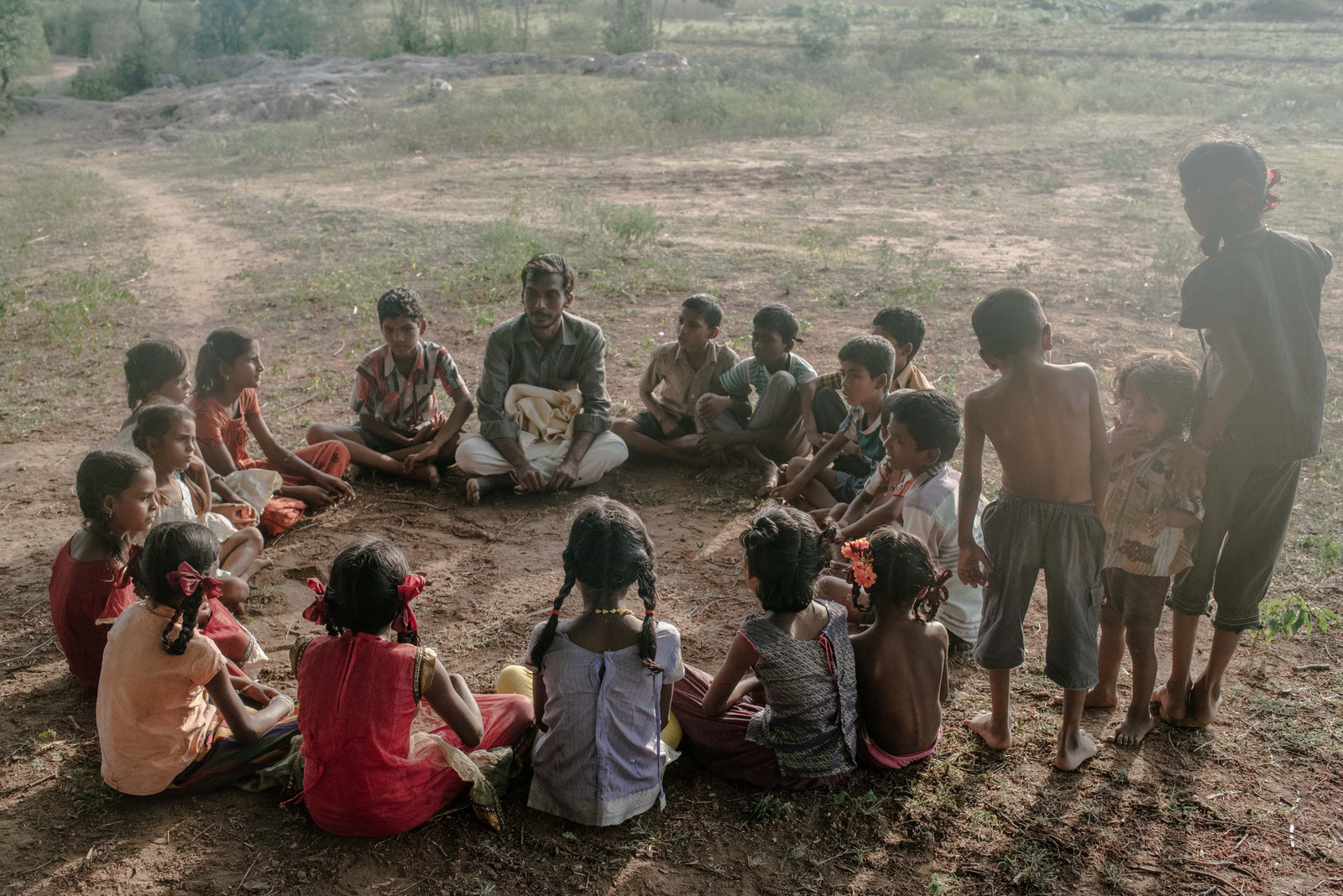
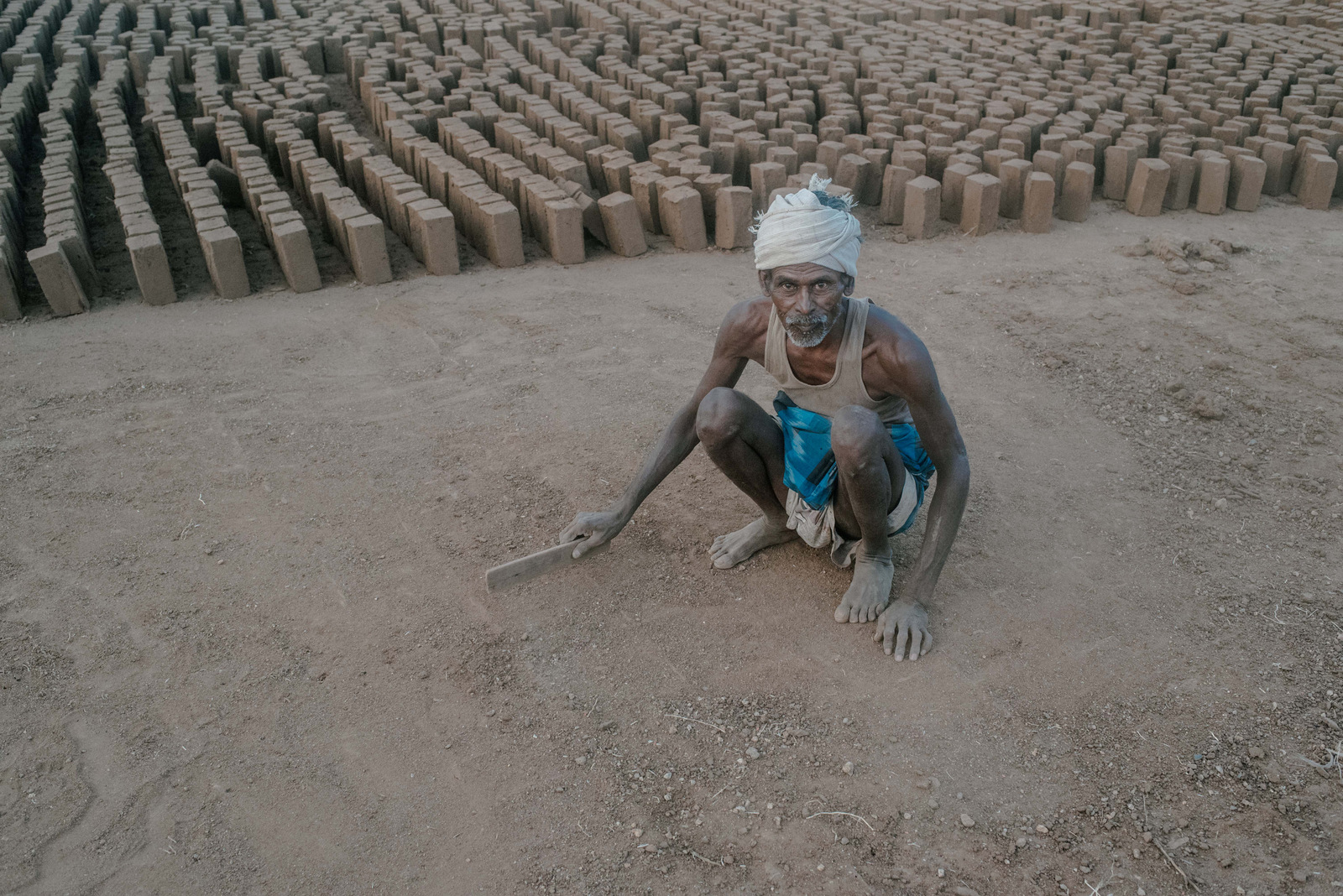
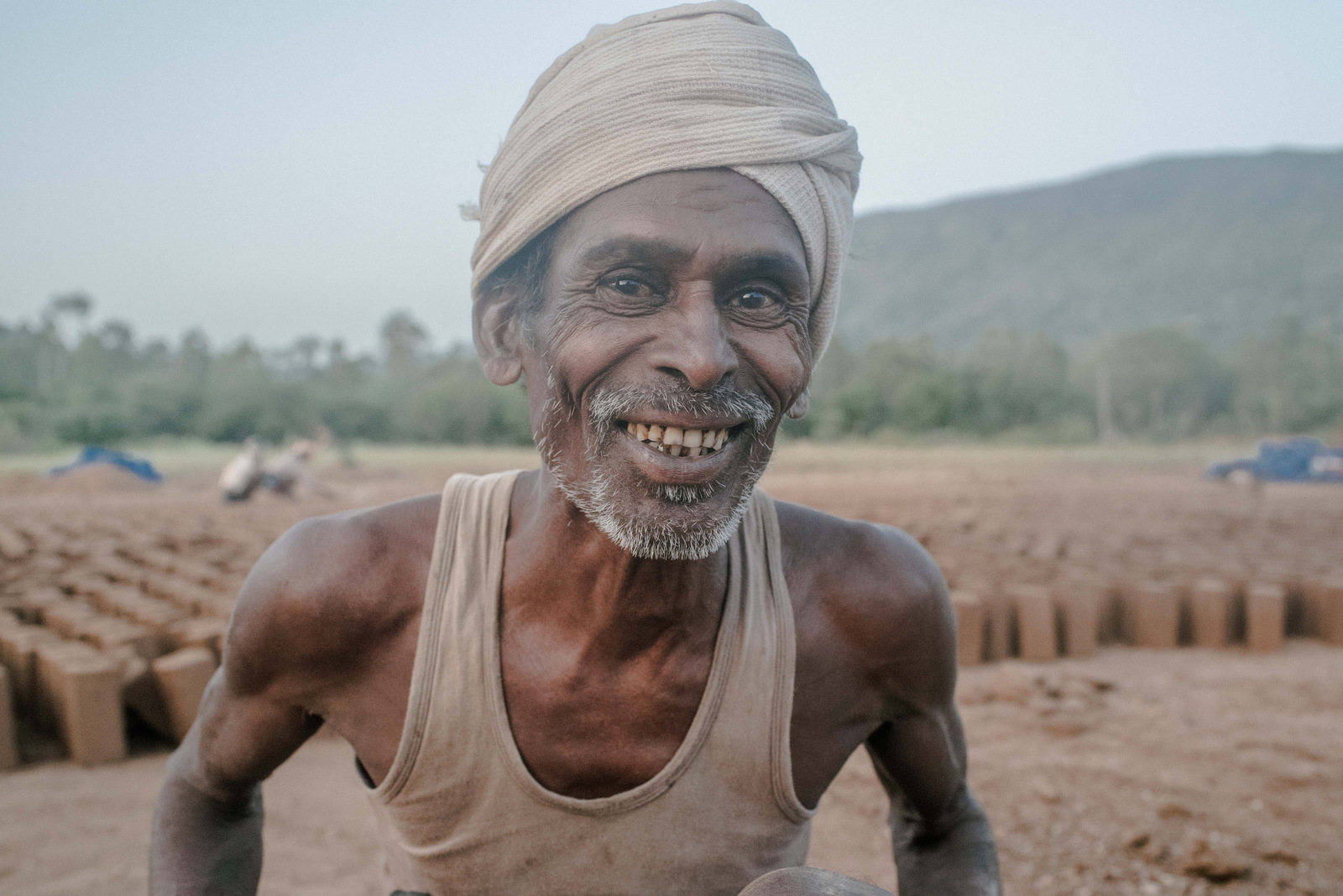
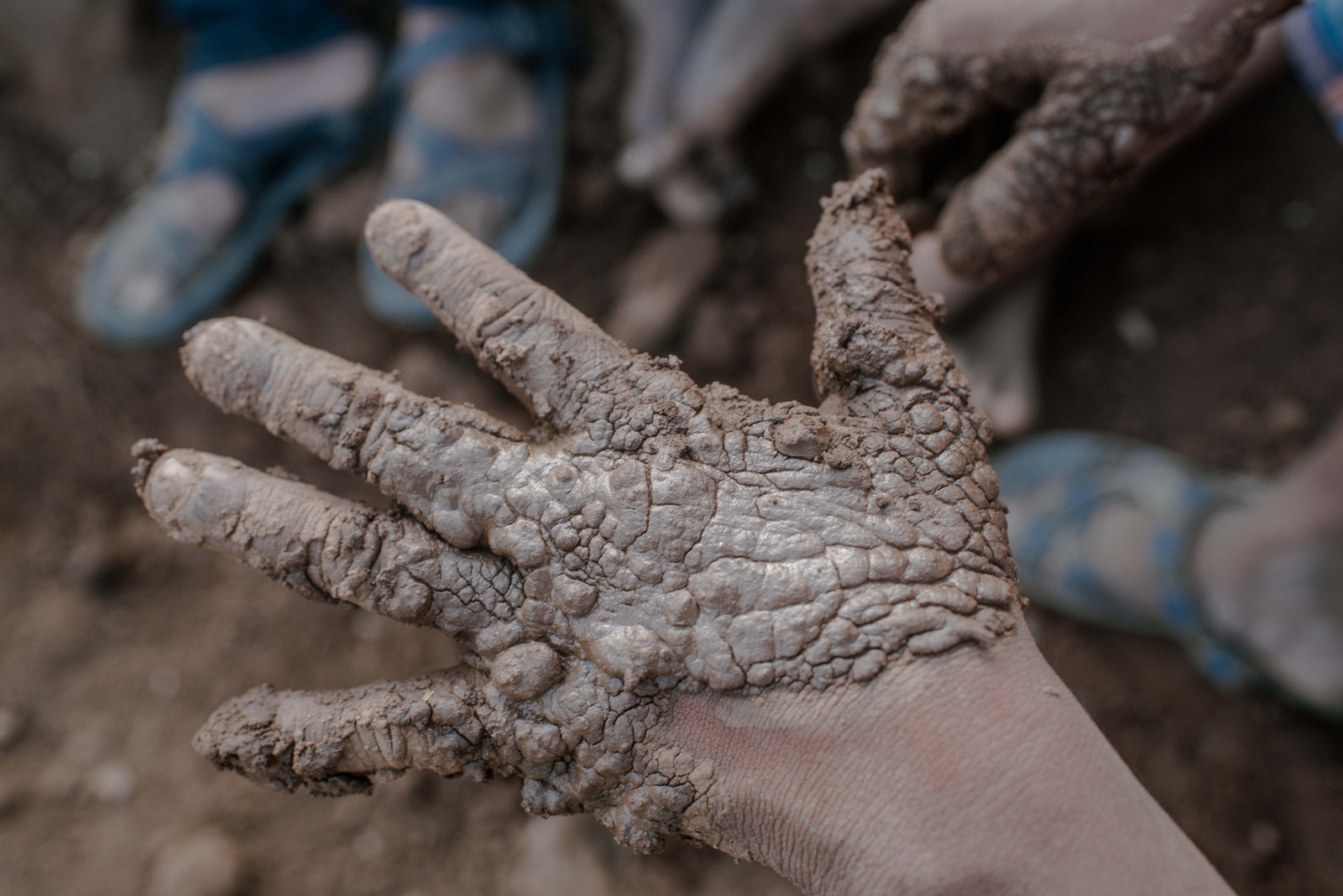
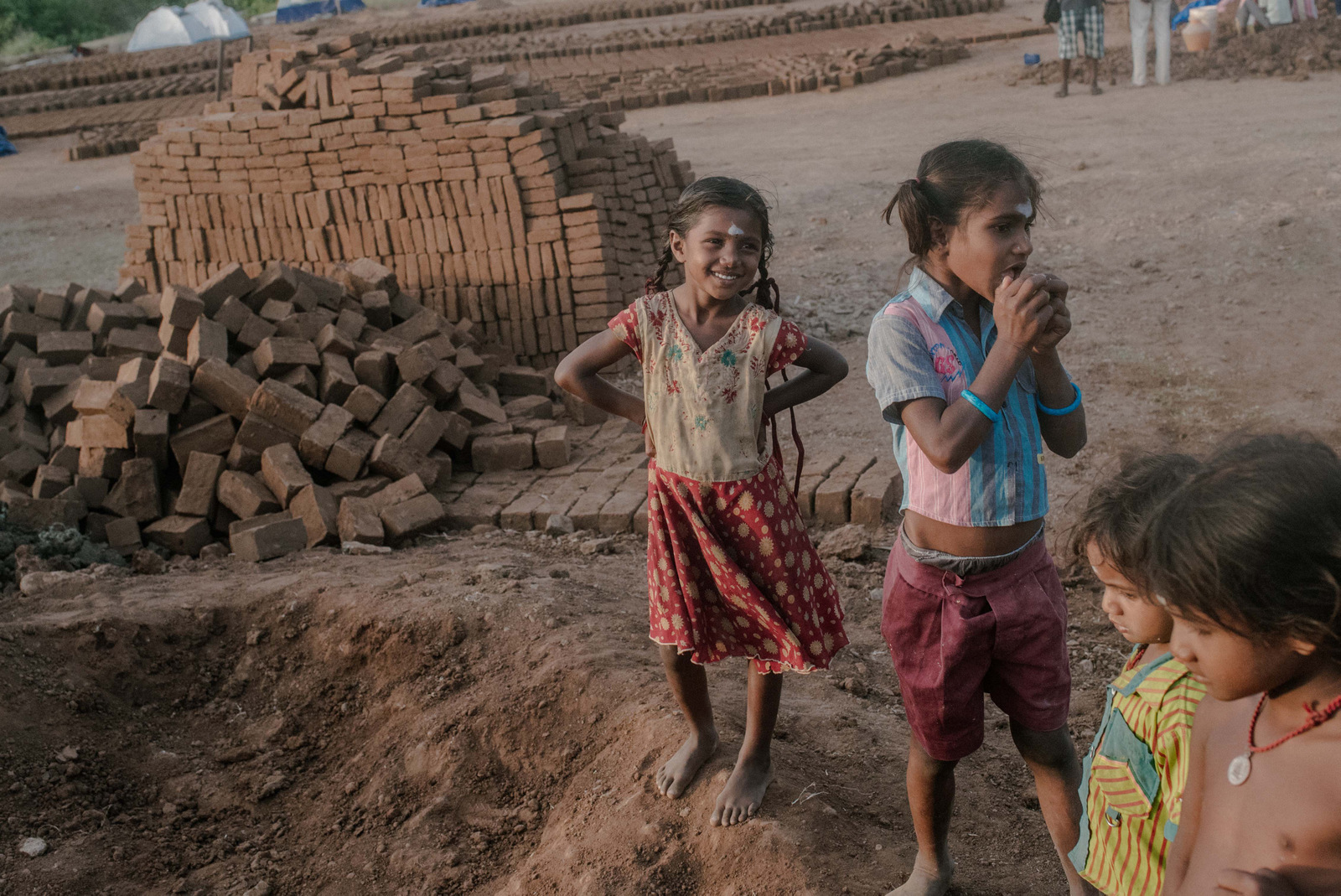
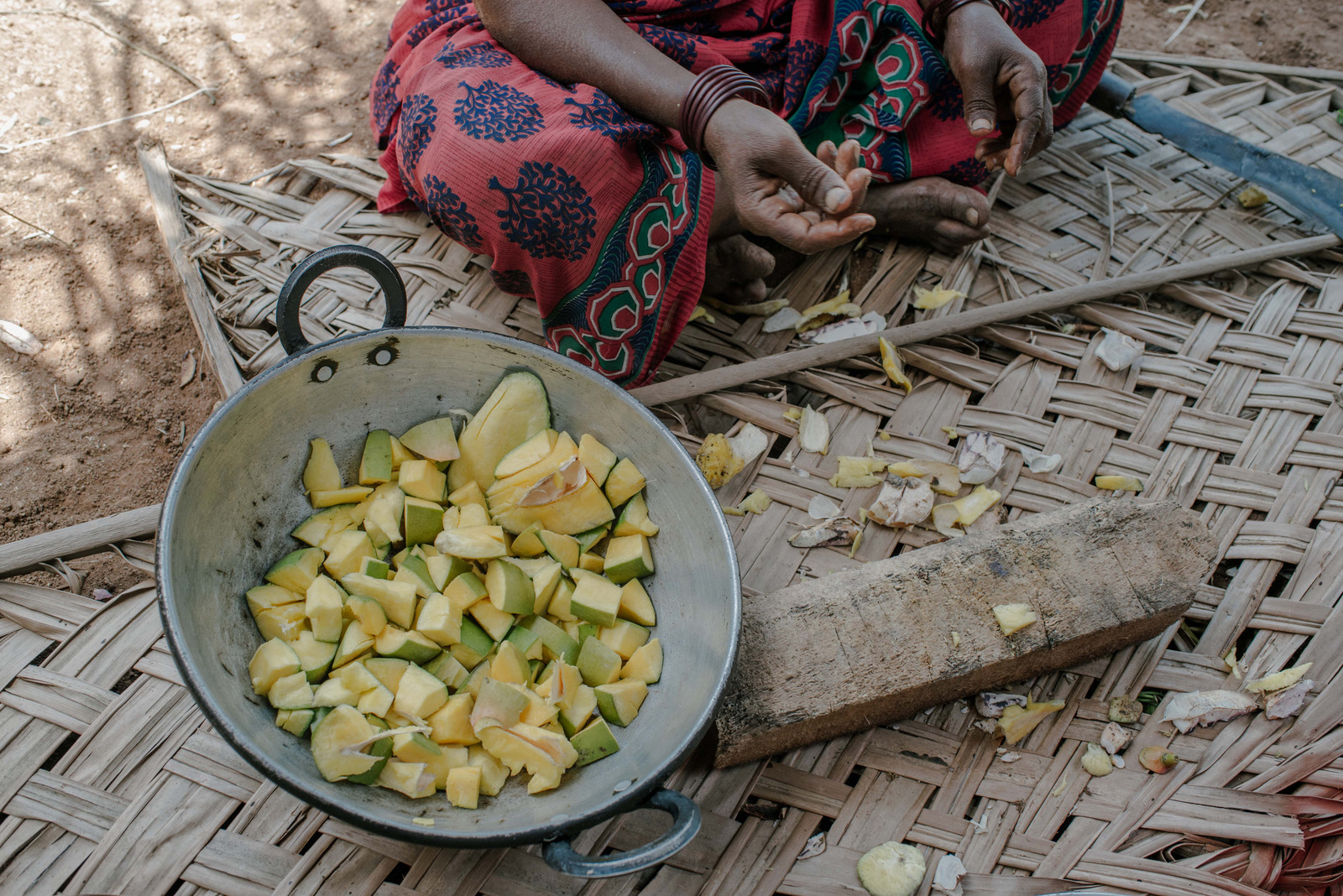
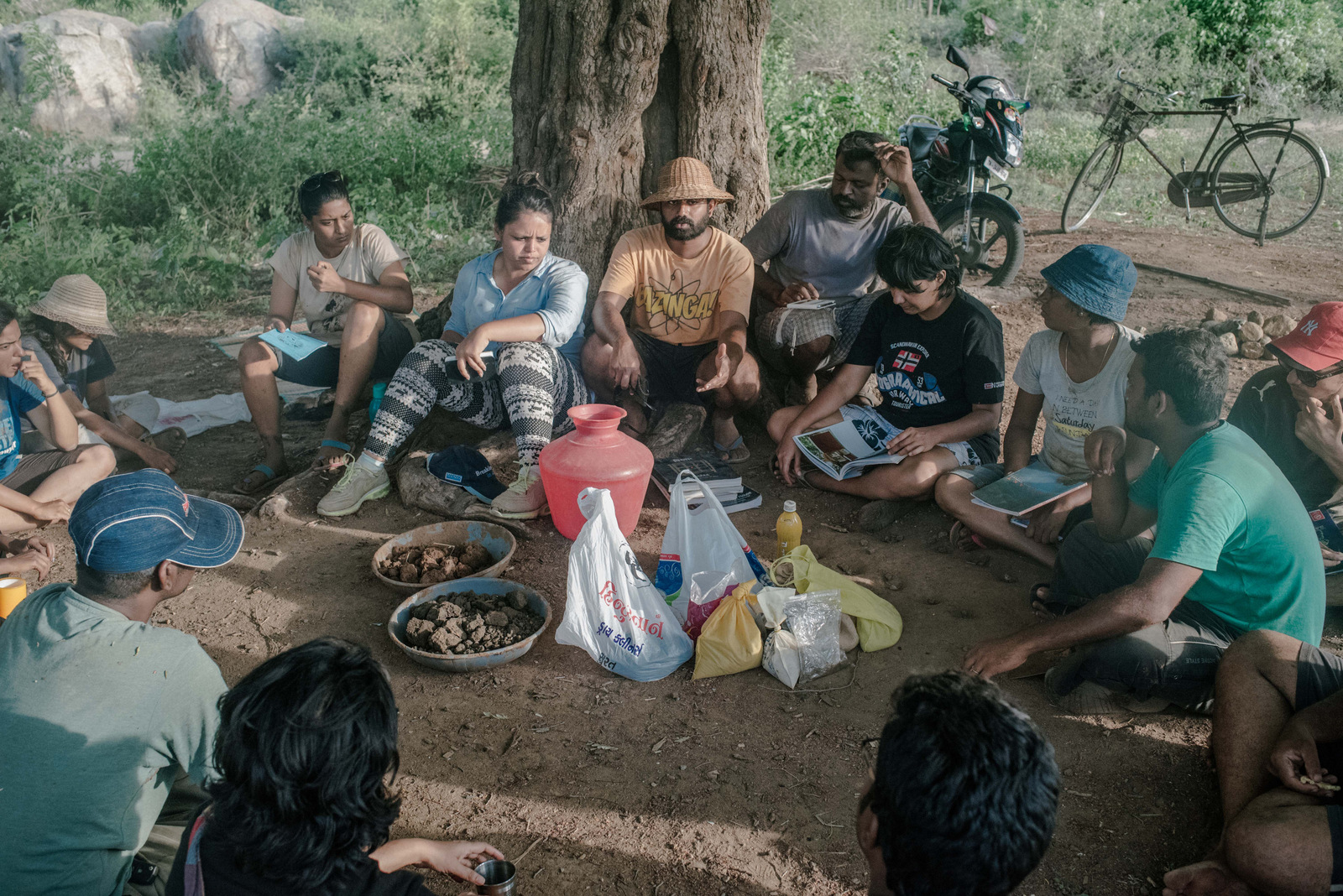
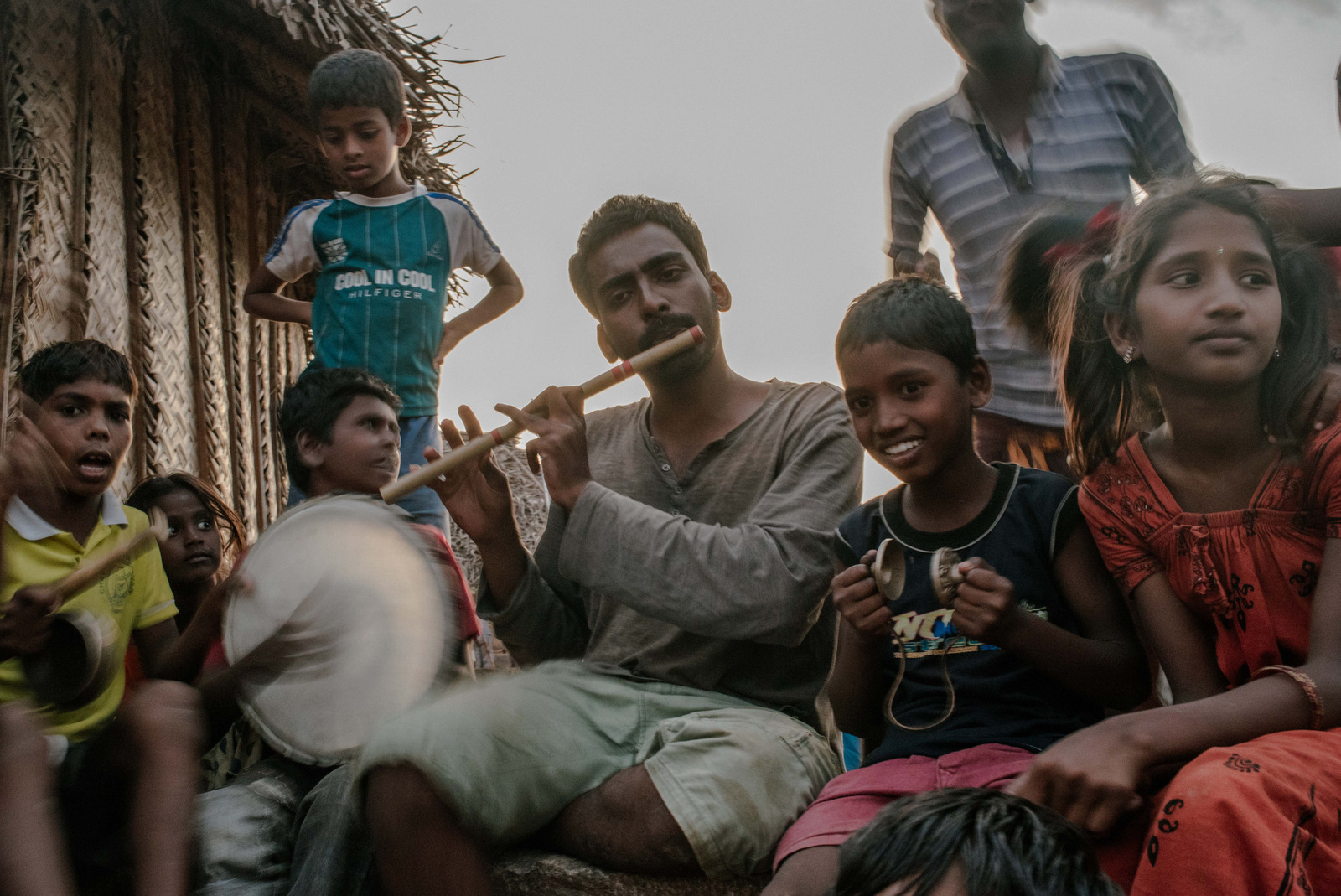
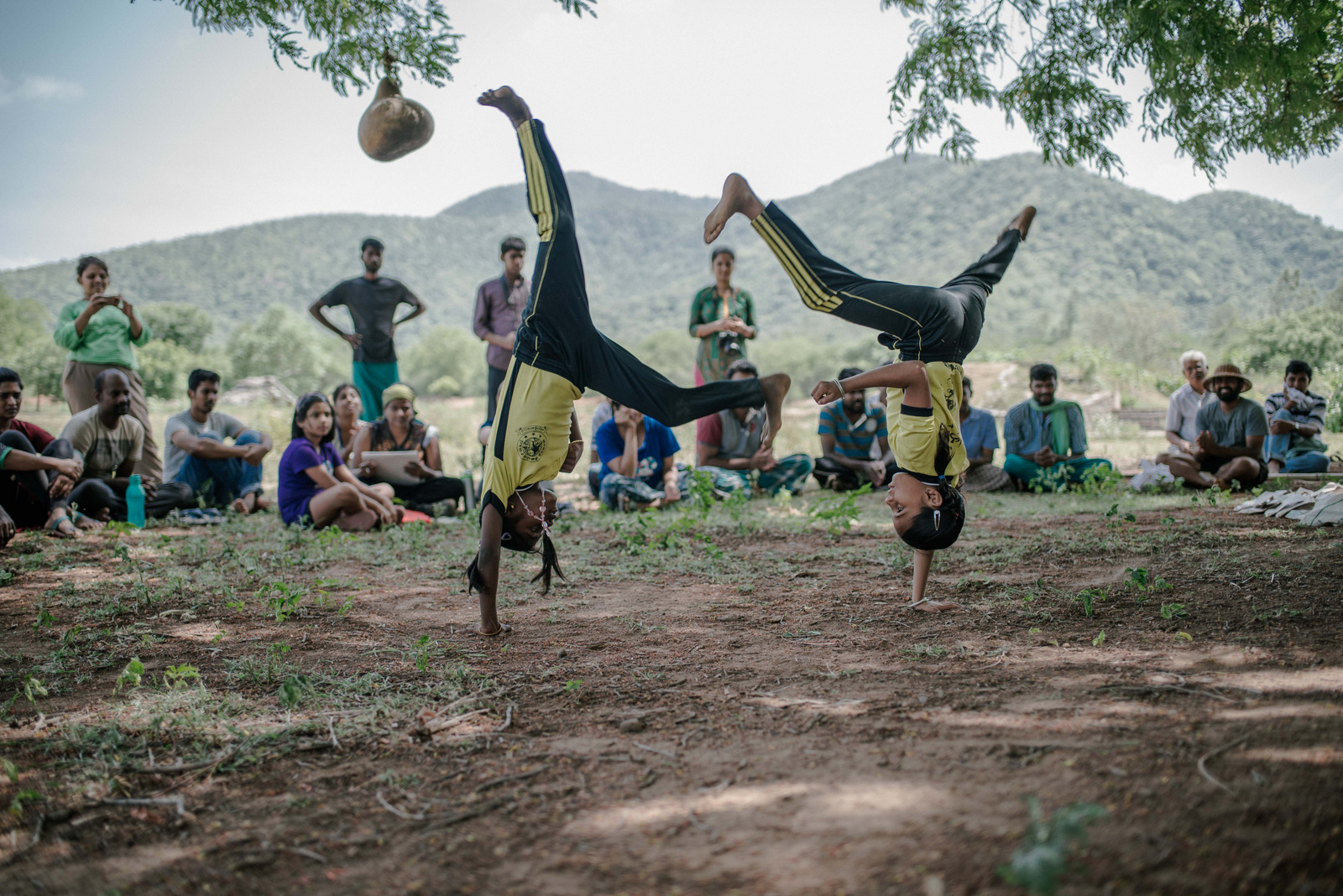
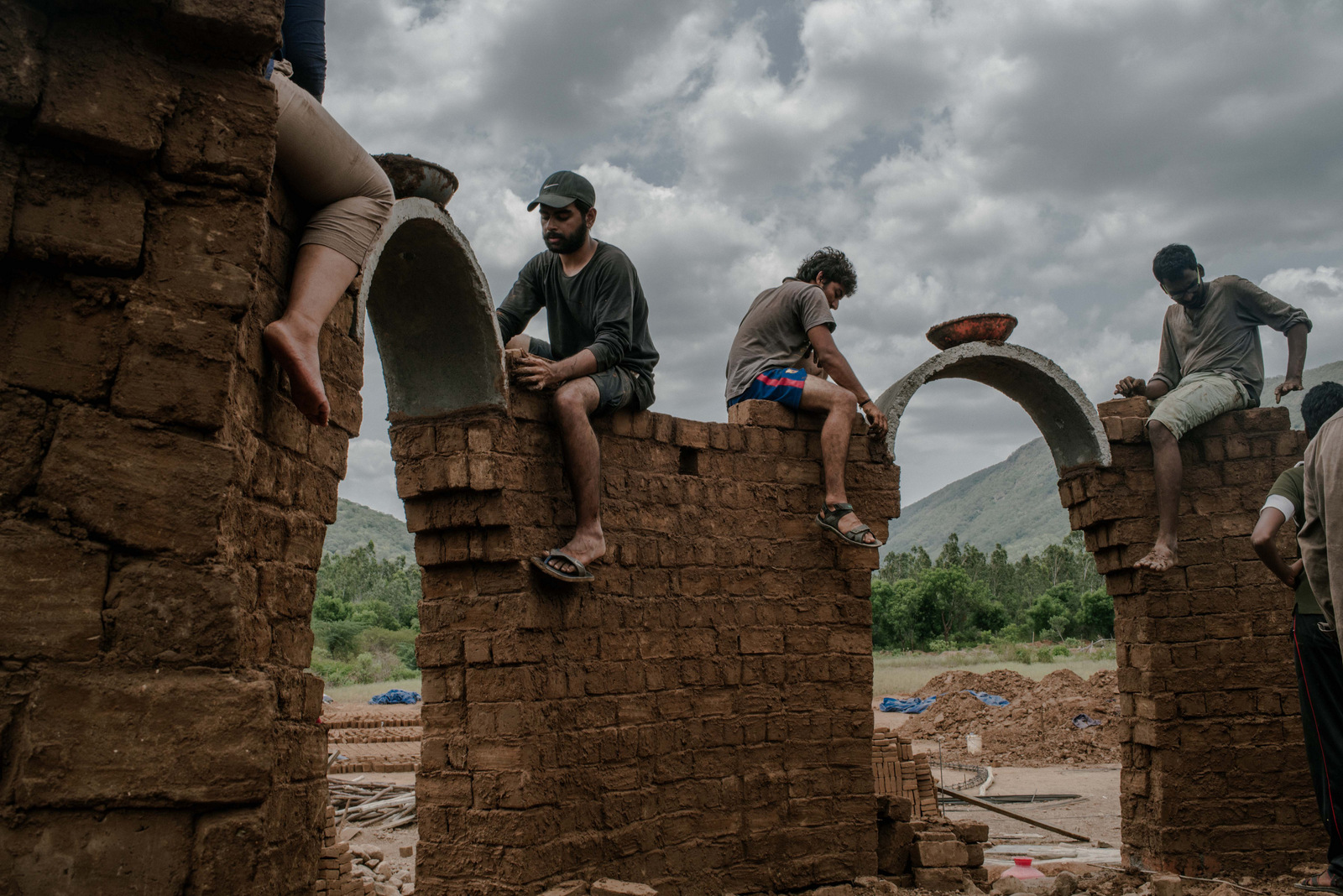
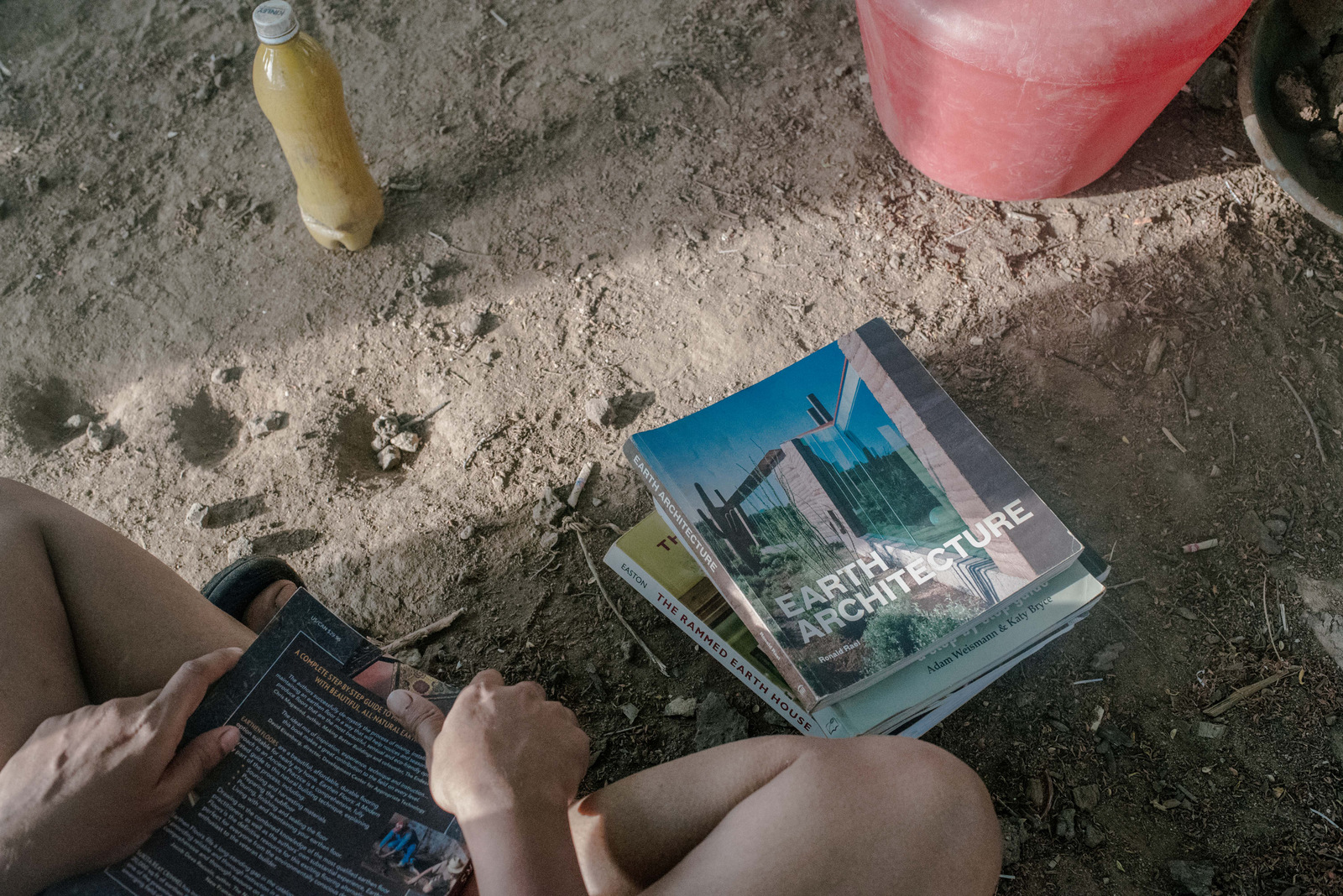
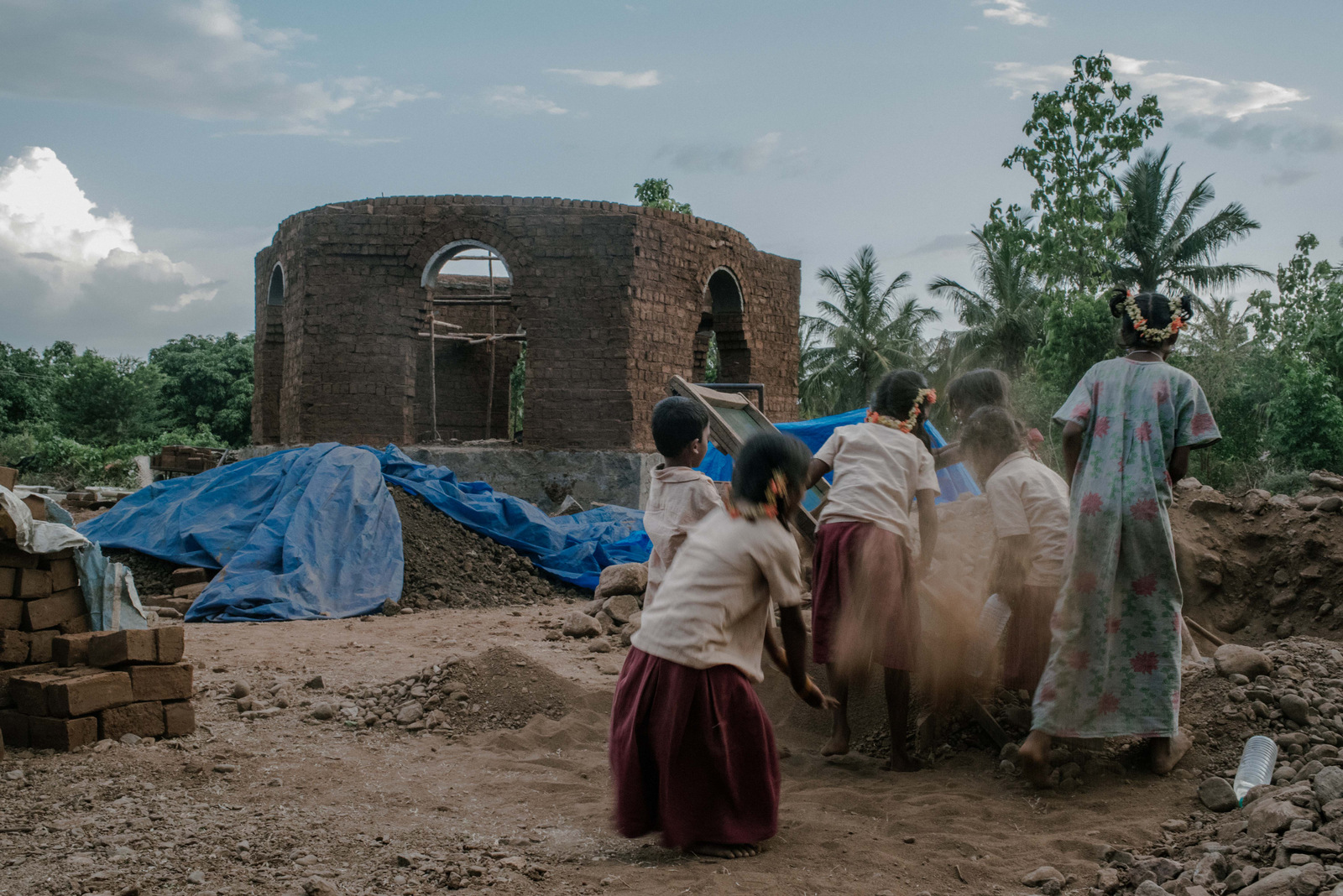

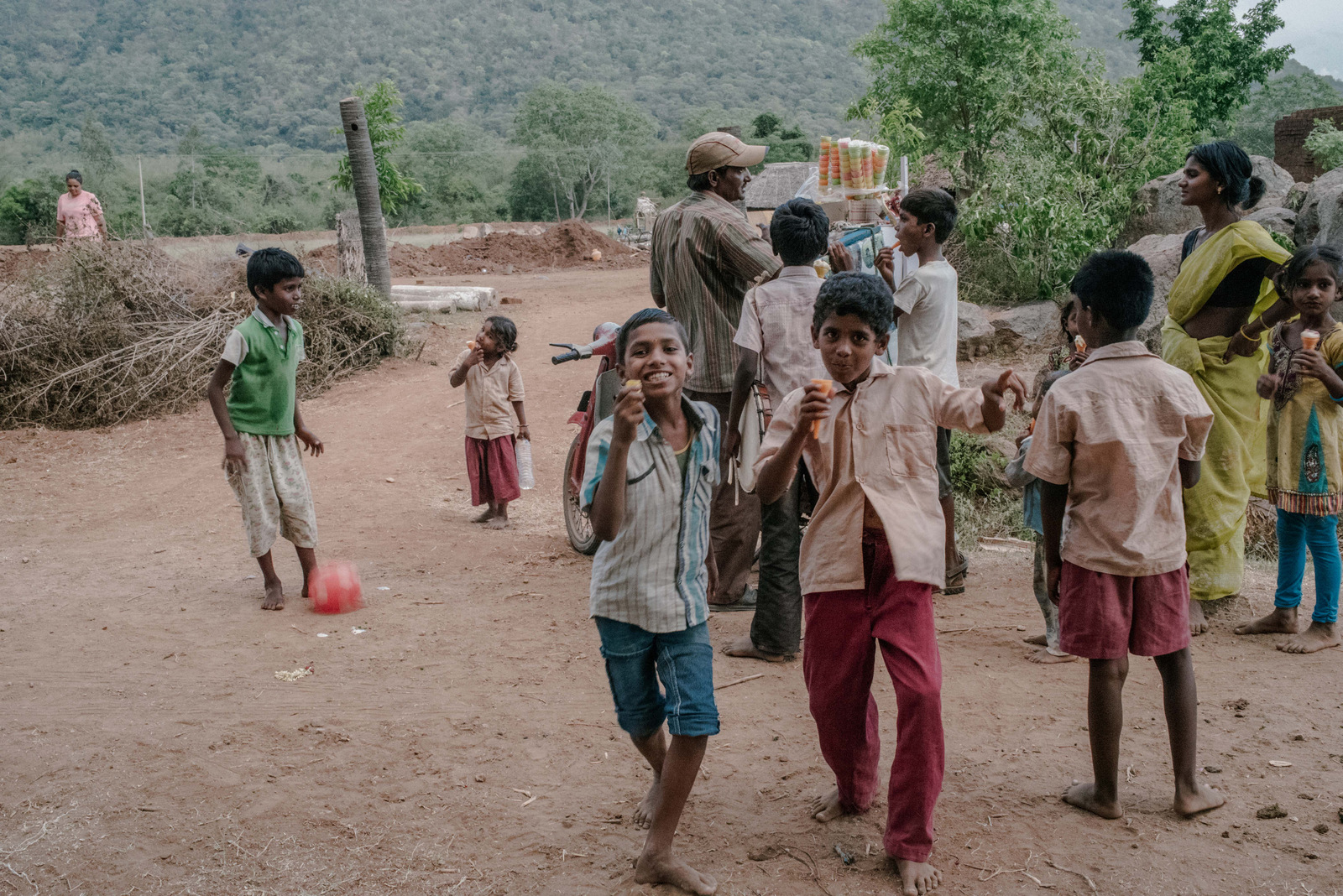
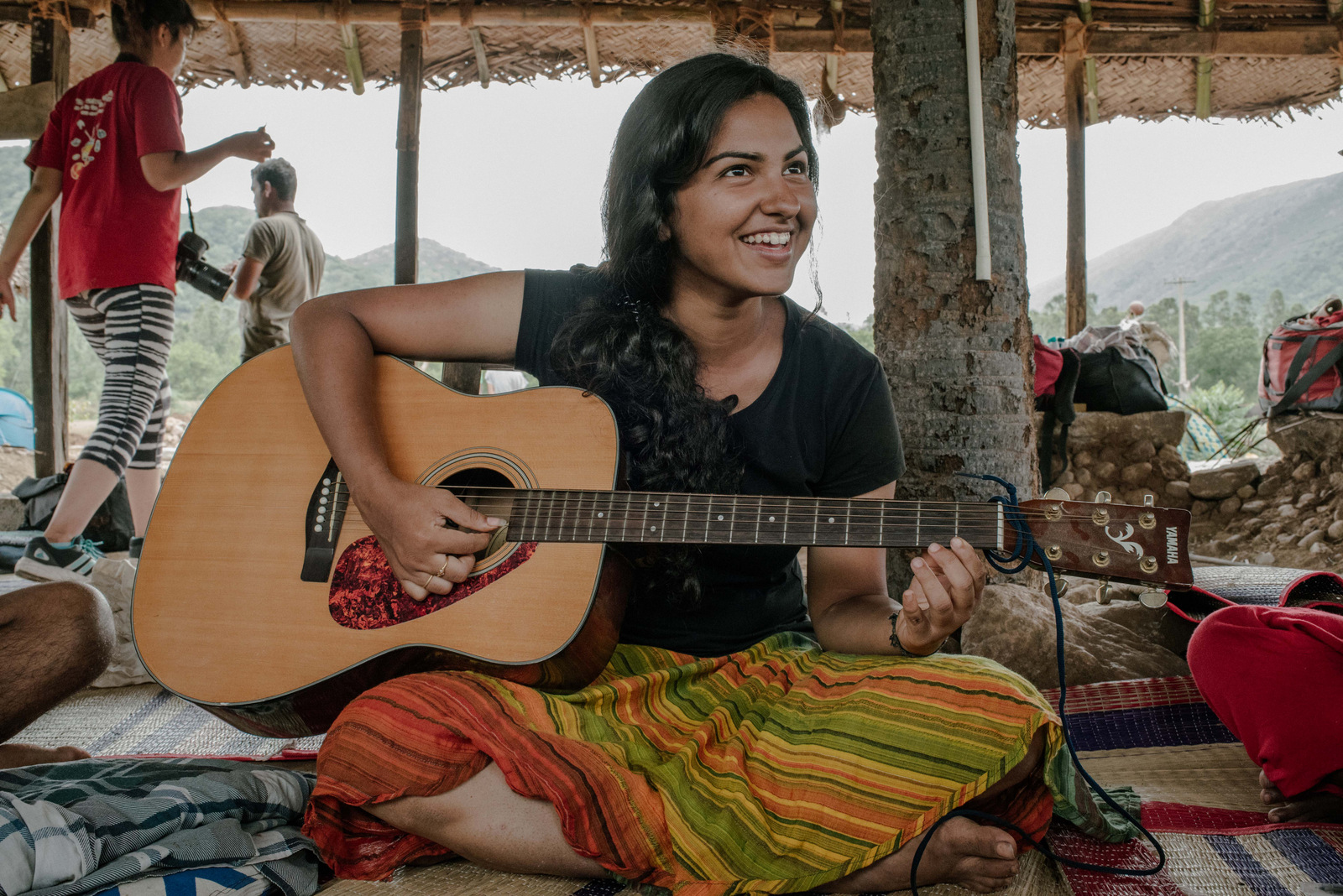
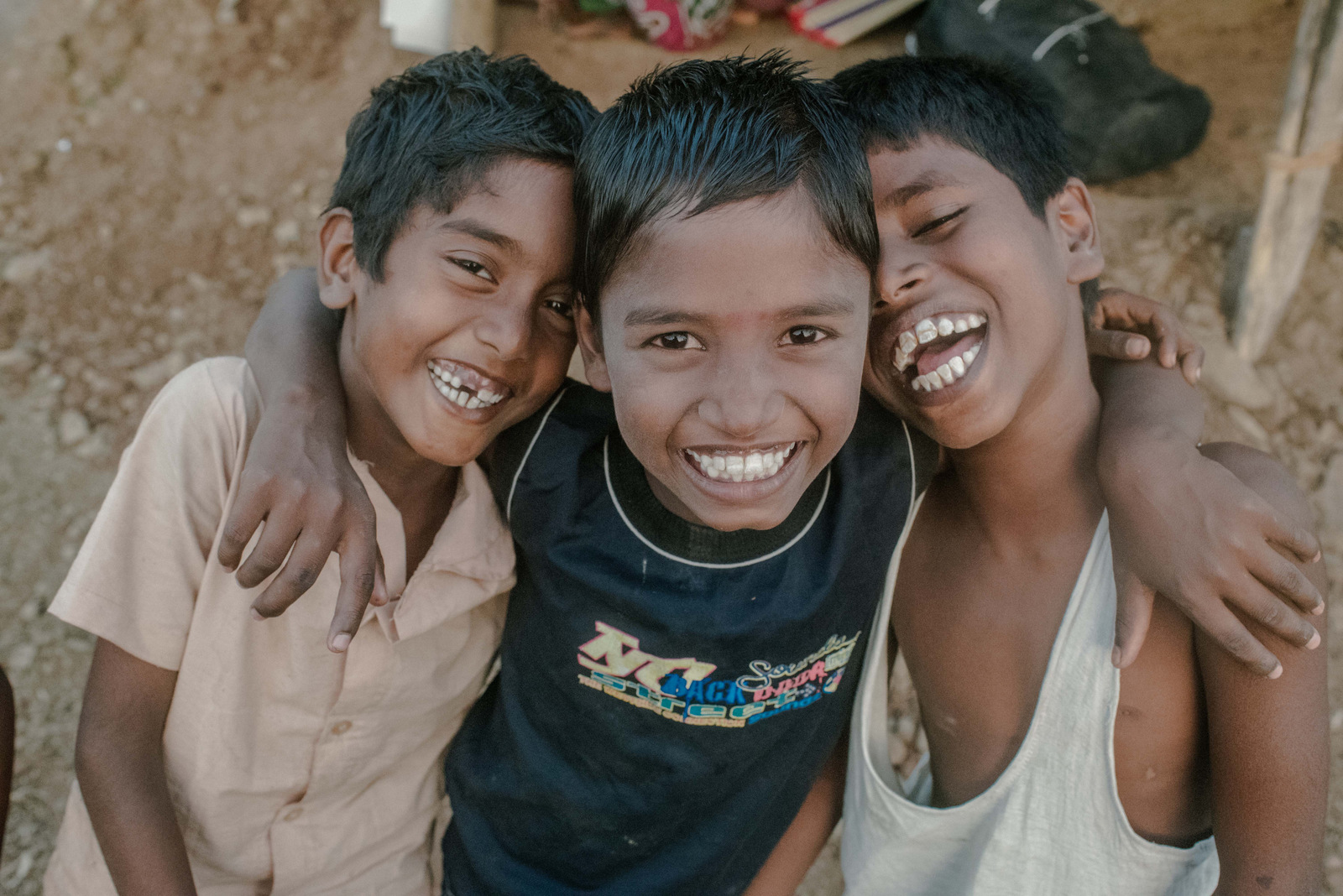
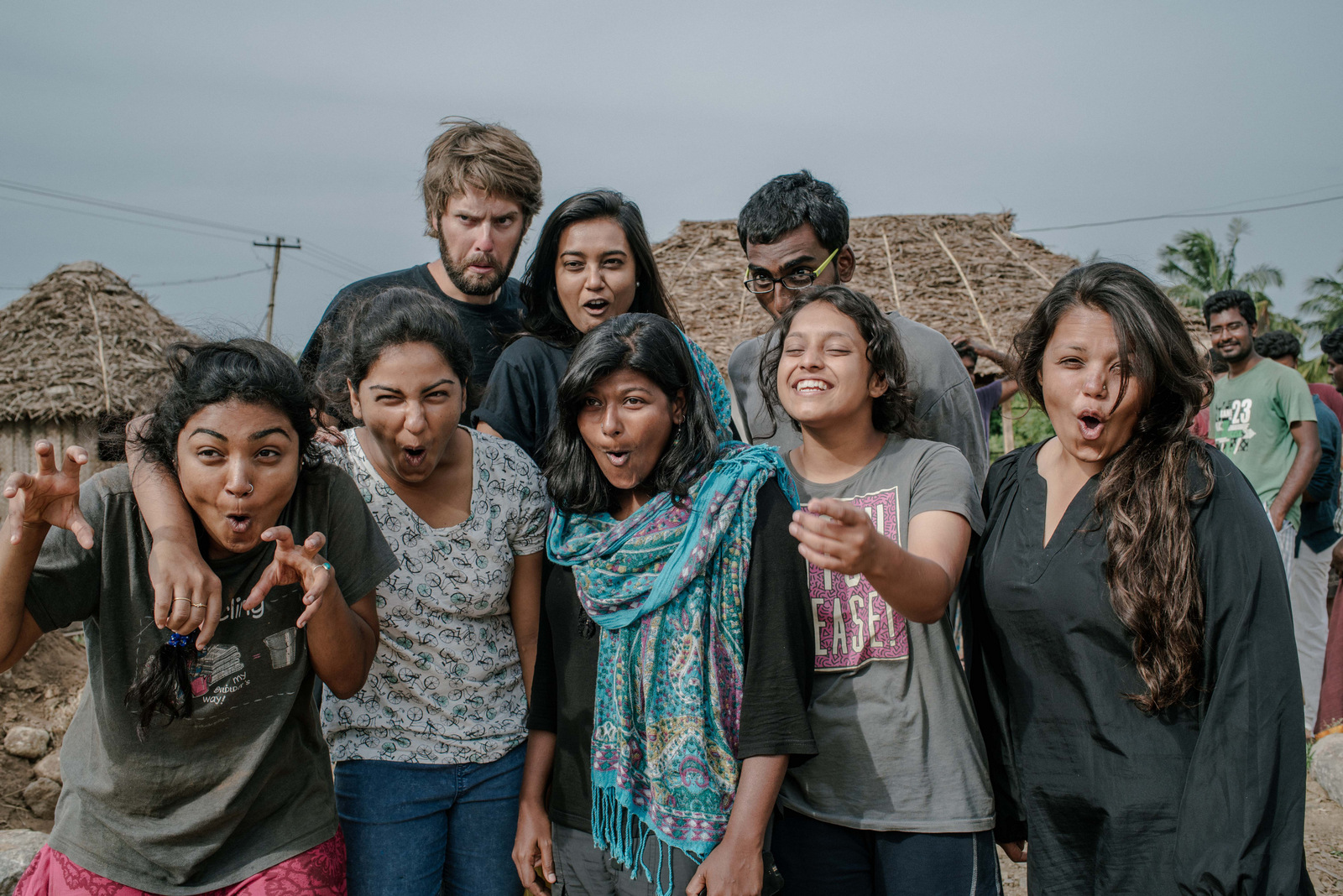
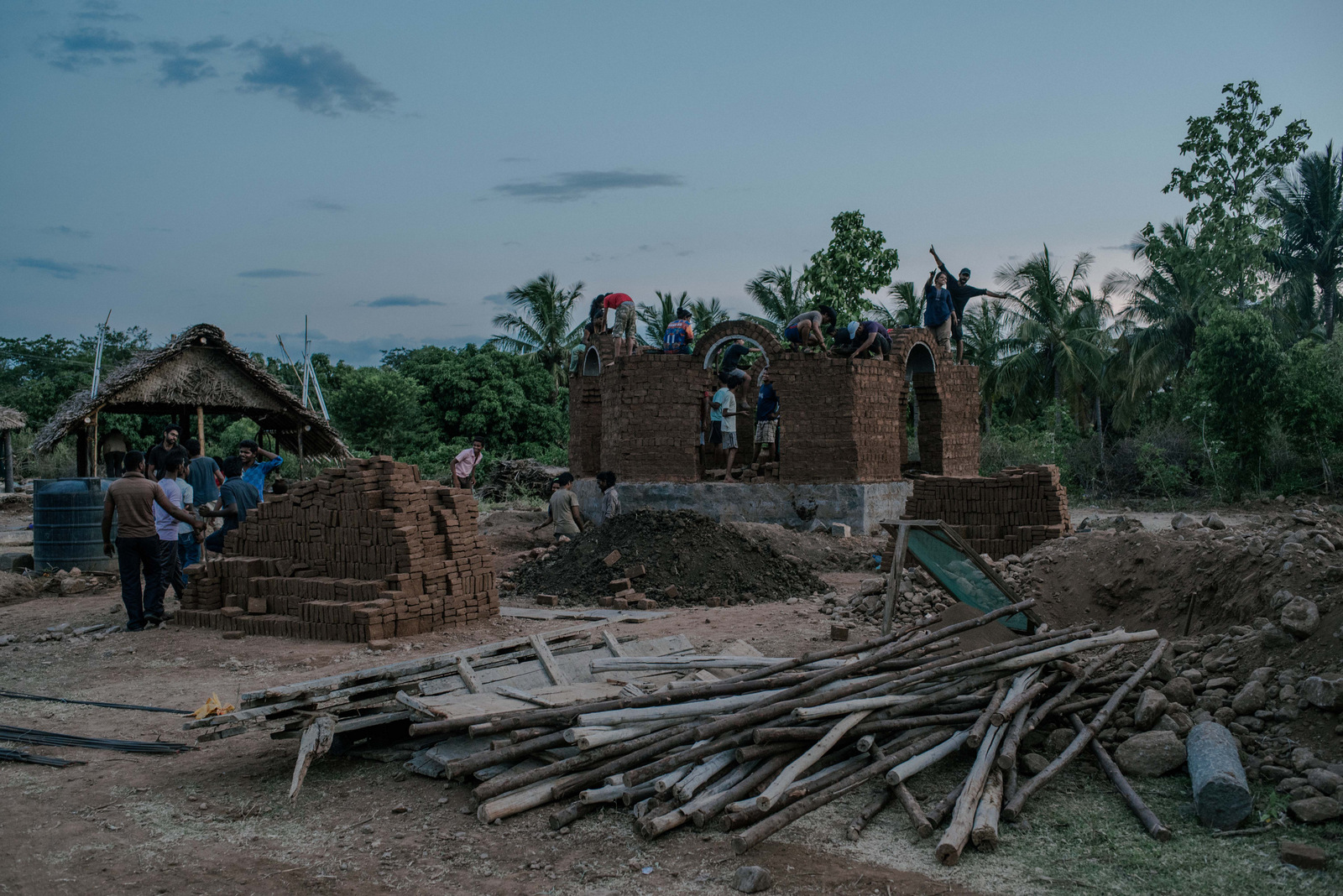
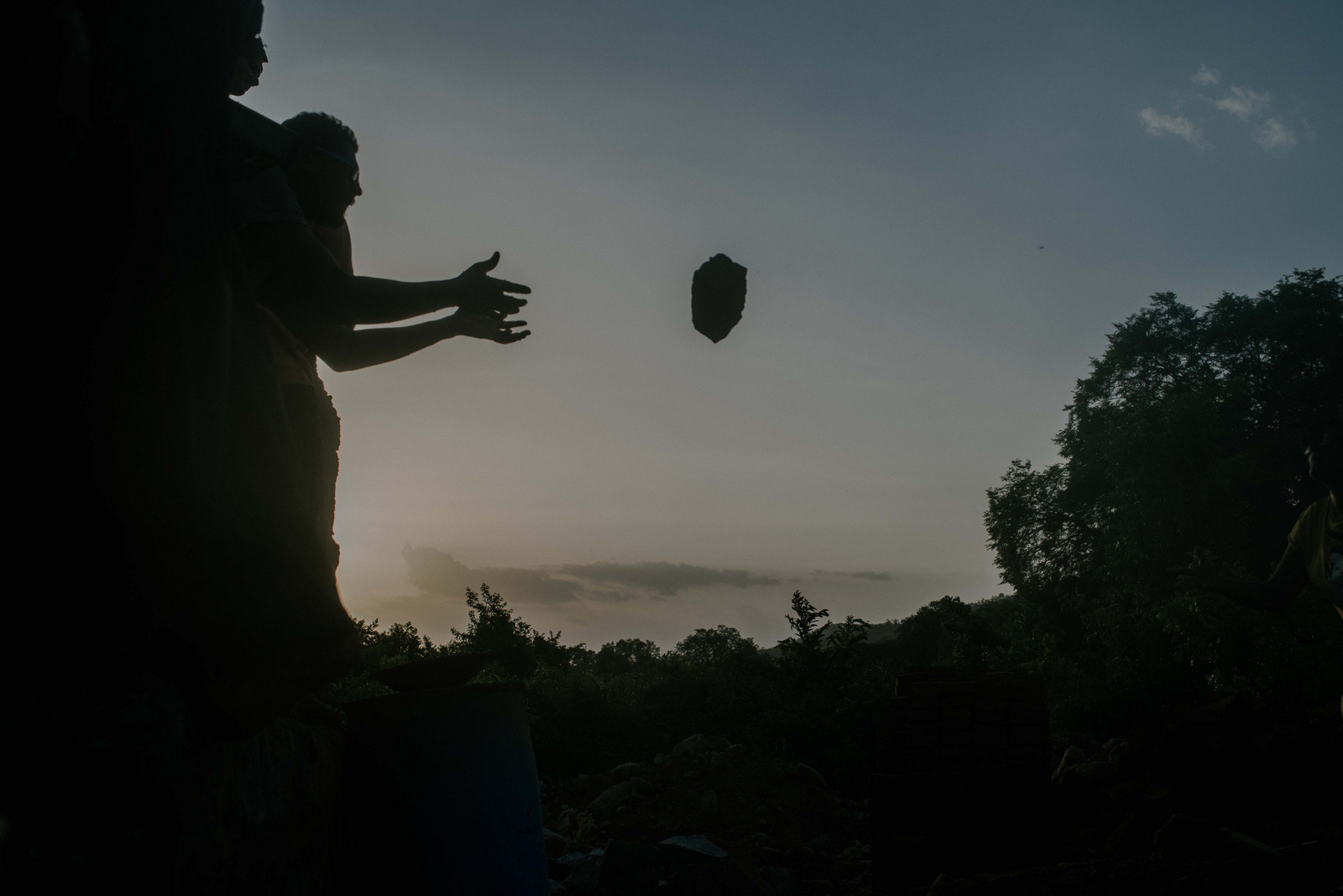
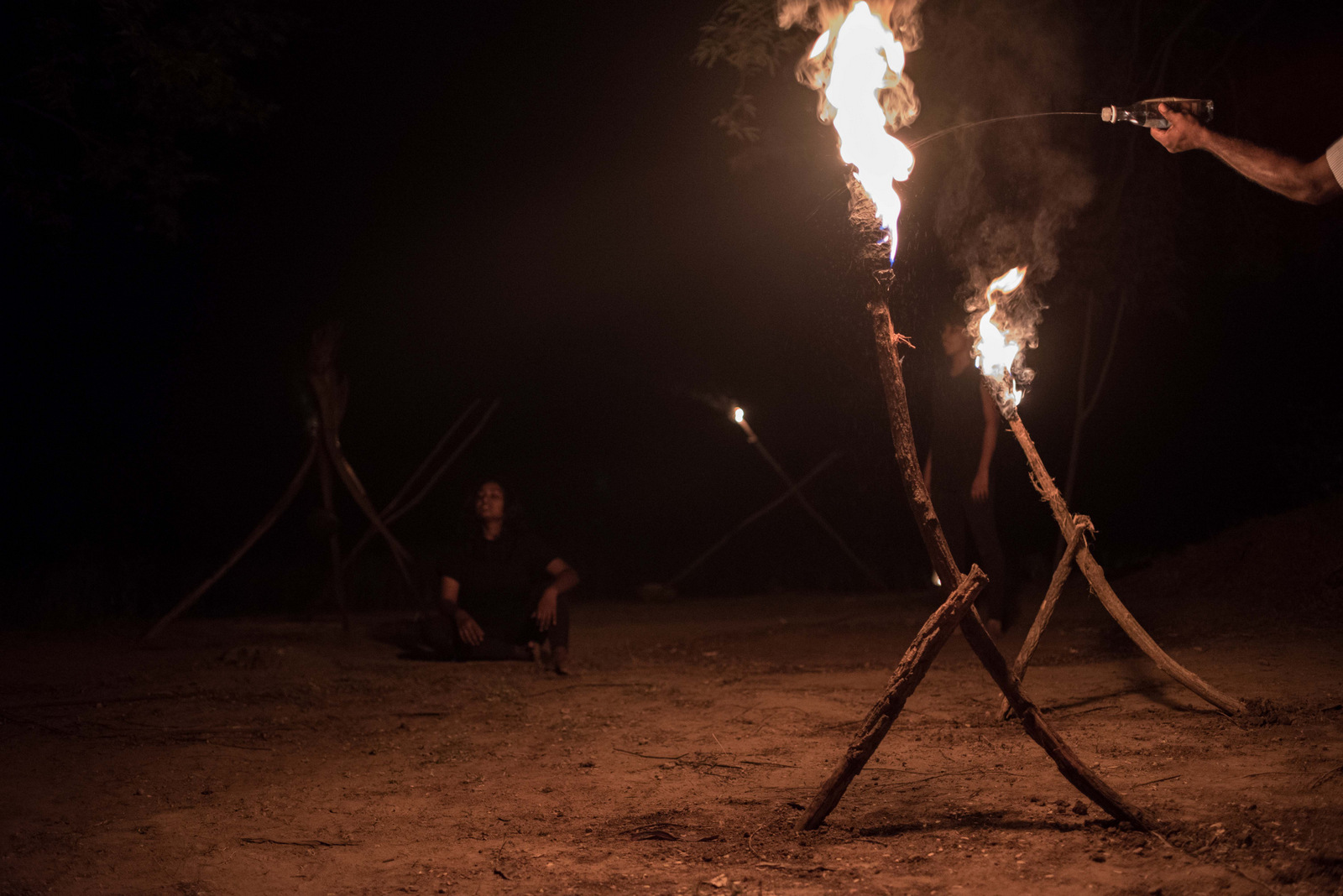
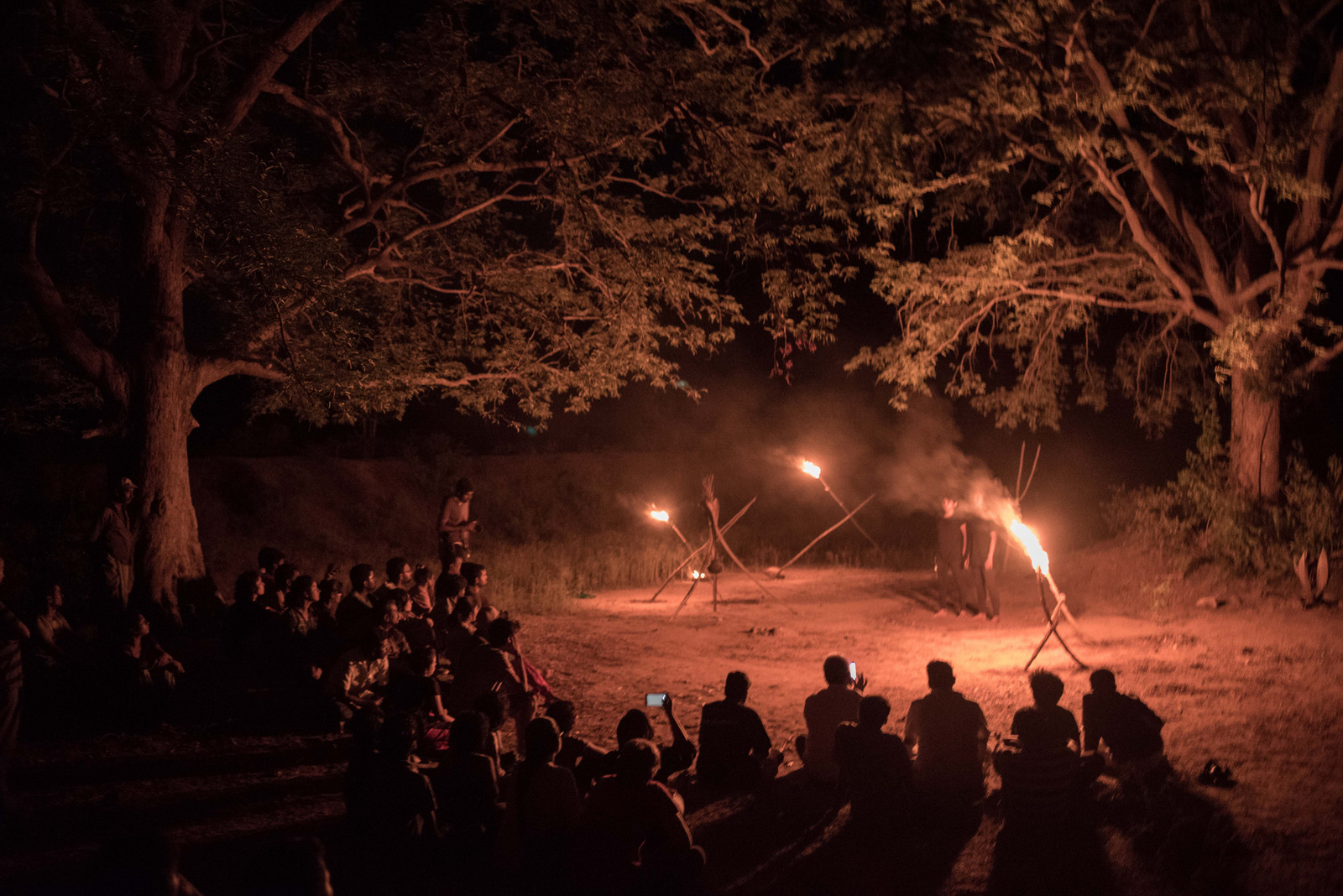
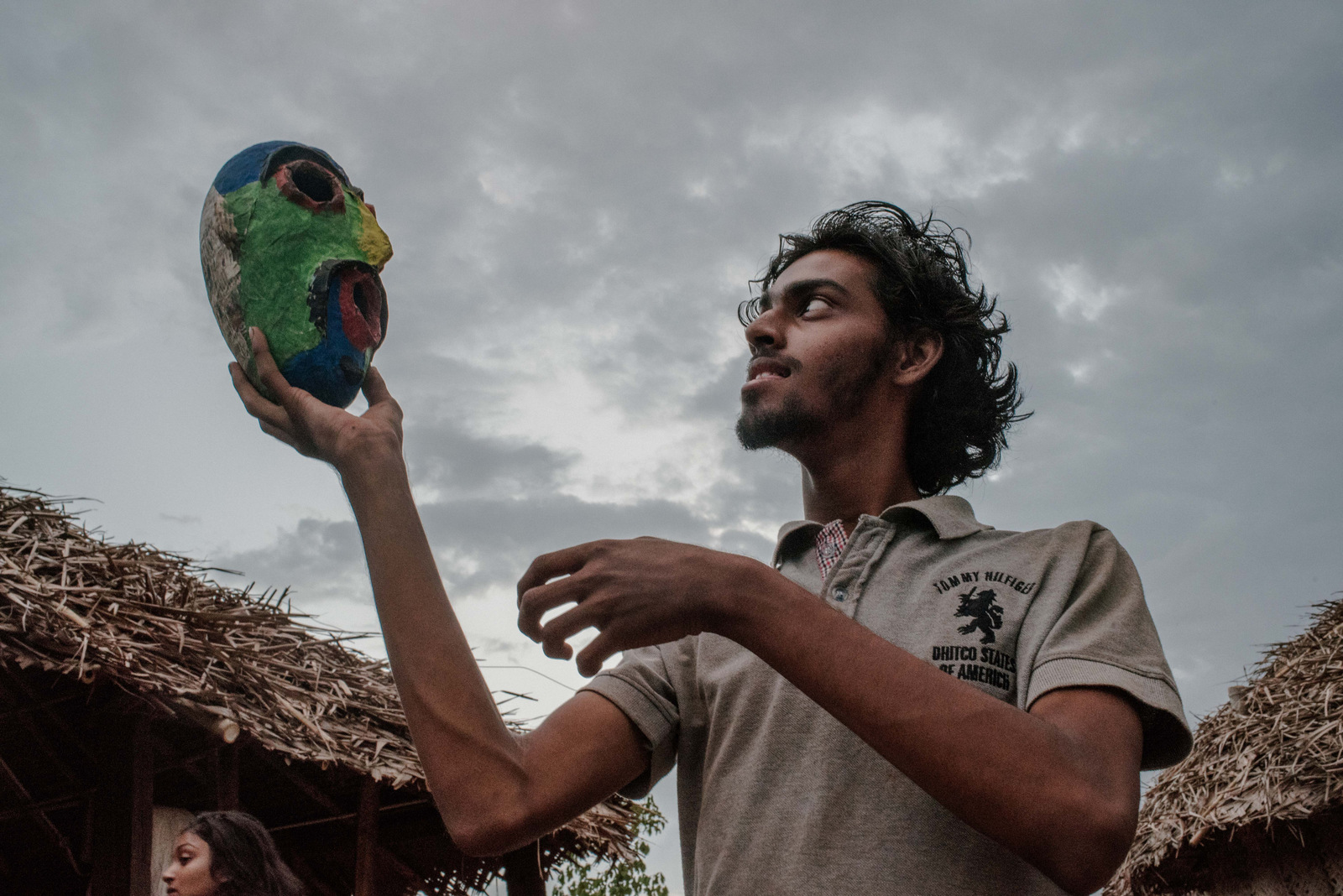
“The Cuckoo Movement for Children” is an informal group of friends and volunteers who has been working with rural children of Tamil Nadu since 2004. They have established libraries and nurseries in villages across the state, organizing plenty of creative activities. They also partner with local schools to introduce the kids to traditional folk arts, music, martial arts, theatre, organic farming, engaging them in exciting discussions on socio-political and environmental issues, organizing movie projections, etc.
Over the years, the dream of the Cuckoo movement members to establish an alternative school dedicated to rural children has grown bigger and bigger. And it is about to come true!
They purchased collectively seven acres of land at the foothills of the Jawadhu Hills, Vellore District, Tamil Nadu. A beautiful place close to nature, at the border of the forest where lesser privileged children will be able to get access to free education.
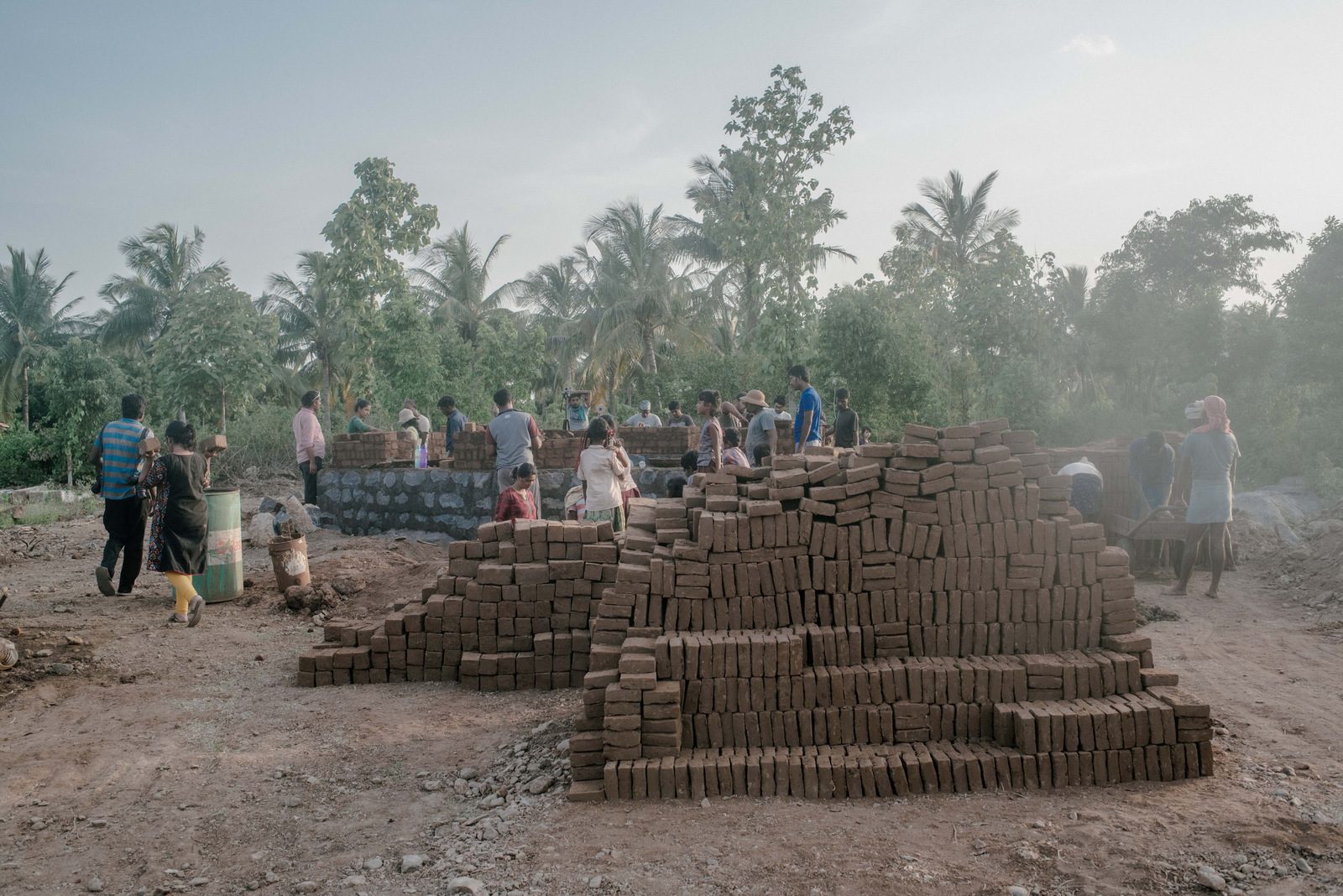
They need your help to build the first structure on the site! Entirely made of earth, with a minimal use of cement and chemicals, the building will serve as a camp site to train children. It will also be a resource centre for Organic farming, alternative education, alternative medicine and alternative politics.
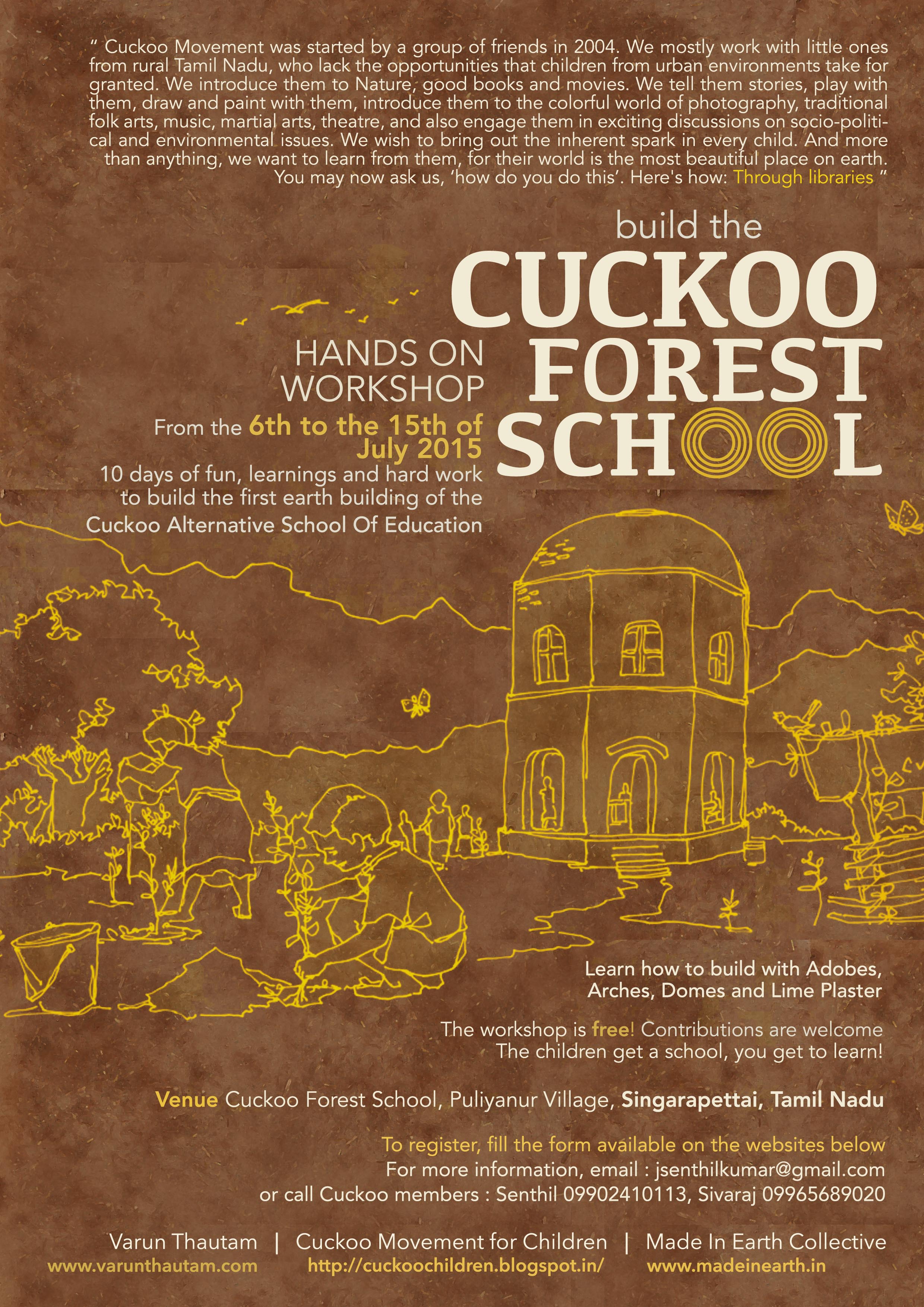
From the 6th to the 15th of July 2015
10 days of fun, learnings and hard work to build the first building of the Cuckoo Forest School!
The 2 stories building is entirely made of adobes (raw earth bricks) and earth mortar. You will discover all the steps to build an earthen structure made of arches and domes :
Dates : from the 6th to the 15th of July 2015
The workshop will start on the 6th of July at 10am.
The exact workshop timing will be defined collectively on the first day.
Apart from the construction activities there will be discussions, cultural events and movies in the evenings.
Very basic accommodation will be provided since there is no infrastructure on the site yet.
In a few words : You will be very close to nature surrounded by a mind blowing landscape 🙂
Tents and temporary toilets will be installed on the site and all 3 meals will be provided to the participants.
Be ready to get dirty!
Carry a good hat and a water bottle that you can fill on site.
You can also bring bed-sheets for the night / blankets.
Cuckoo Forest School,
Puliyanur Village,
Singarapettai
Tamil Nadu
GPS (exact location) : 12.279661, 78.642571
The workshop is free: kids get a school, you get to learn!
However, the budget of the cuckoo movement being extremely limited, we ask you to consider giving a small contribution for the food and if you feel like, for the rest of the project.
All accounts will be transparently shared.
Example of contribution : 150 Rs / day
You will find the payment detail in the registration form.
Please fill this online form : http://tinyurl.com/njngya2
Any doubt? call Senthil 0 99 024 10 113
or Sivaraj 09965689020
Cuckoo Movement for children :
https://www.facebook.com/cuckoochildren
http://cuckoochildren.blogspot.in/
Varun Thautam
www.varunthautam.com
Made In Earth Collective
www.madeinearth.in
After this first week of design and selection of a project, the entire team started working together. 3 weeks is a really short period of time to build and do the finishing of a 20square mt building! Things had to go fast and steady.
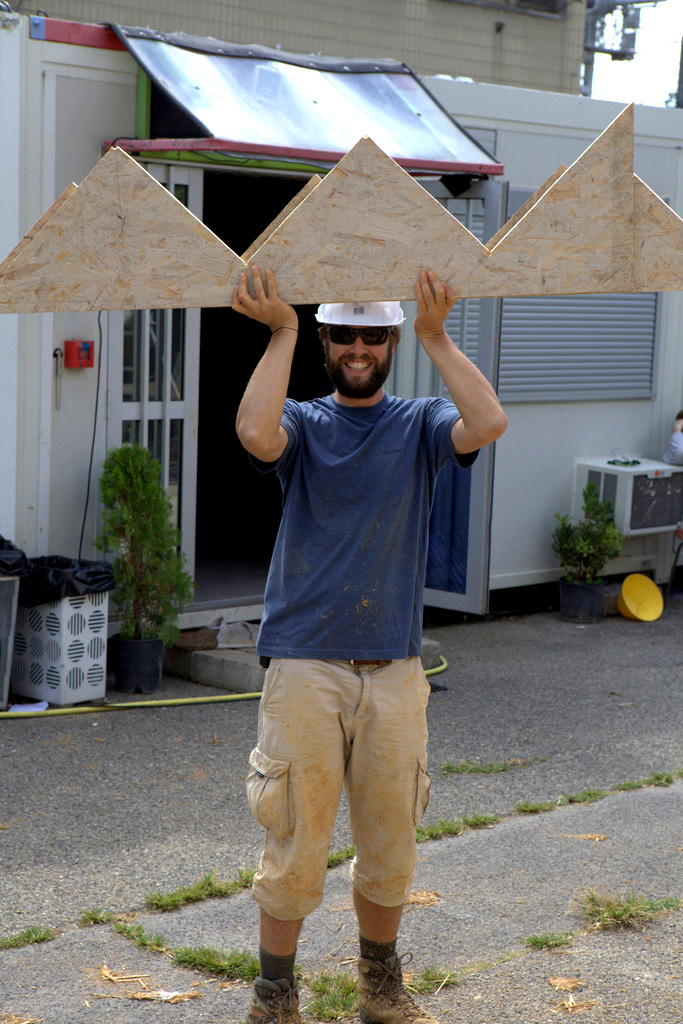
The entire structure of the building was in wood, most of which was recycled from a big exhibition that took place in the area. We setup a small workshop to prefabricate all the pieces and assemble them into big boxes in order to make the construction as quick as possible.
While some of us were still working on the plans, the rest of the team started laying the foundations. Because of restrictions due to firemen access, we had to move the entire structure a few metres inside the courtyard, not the same anymore but still visible from the road, still powerful!
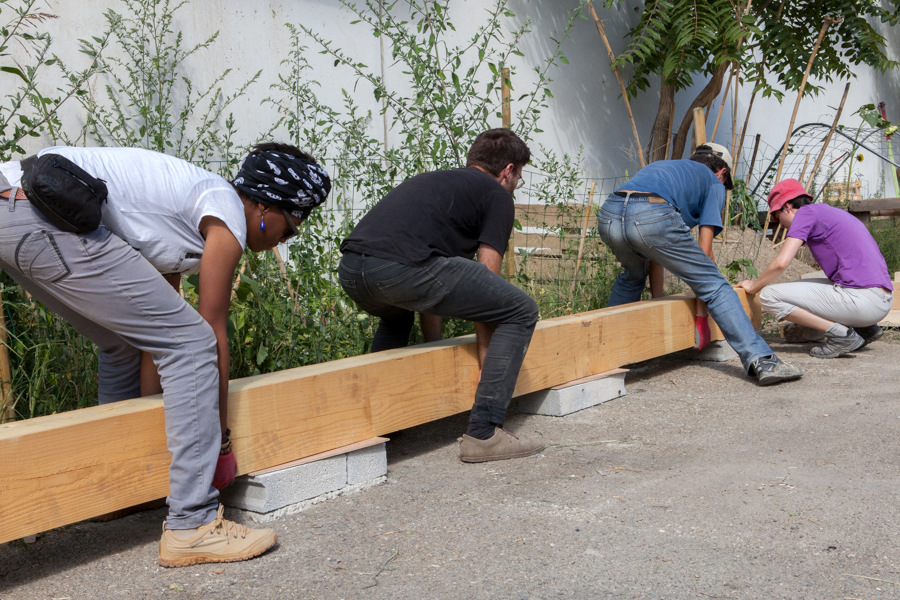
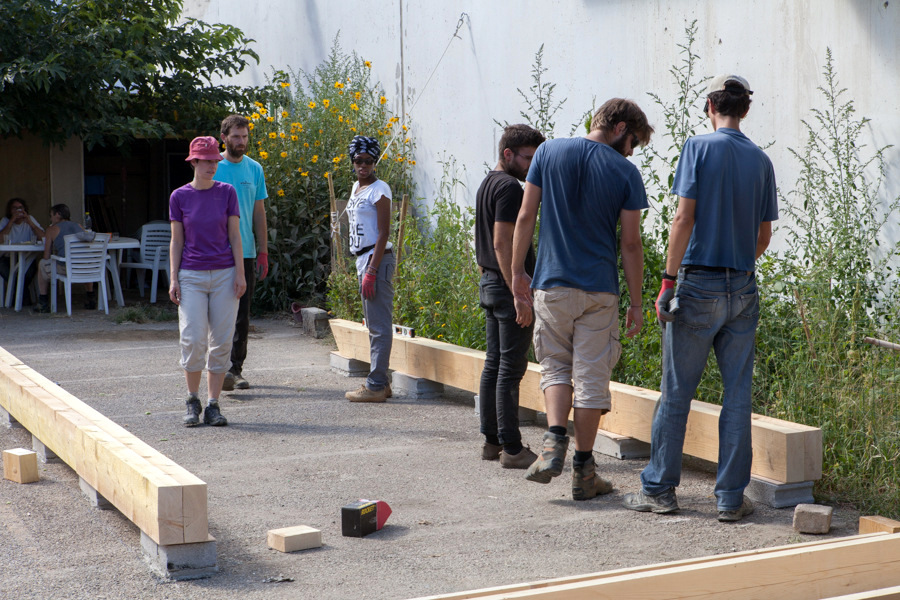
[The whole “Rabbit” lies on these 2 beams. They’d rather be straight and horizontal… Double check.]
Avignon, though it is in the south of France, often sees temperatures below zero during the winter. A good insulation is necessary and will also improve the comfort during the hot summers. Which insulating material is local, natural, pest free, resistant, inexpensive and available in abundance??? Rice Husk!! That is what we used to insulate the floor and the roof of the building
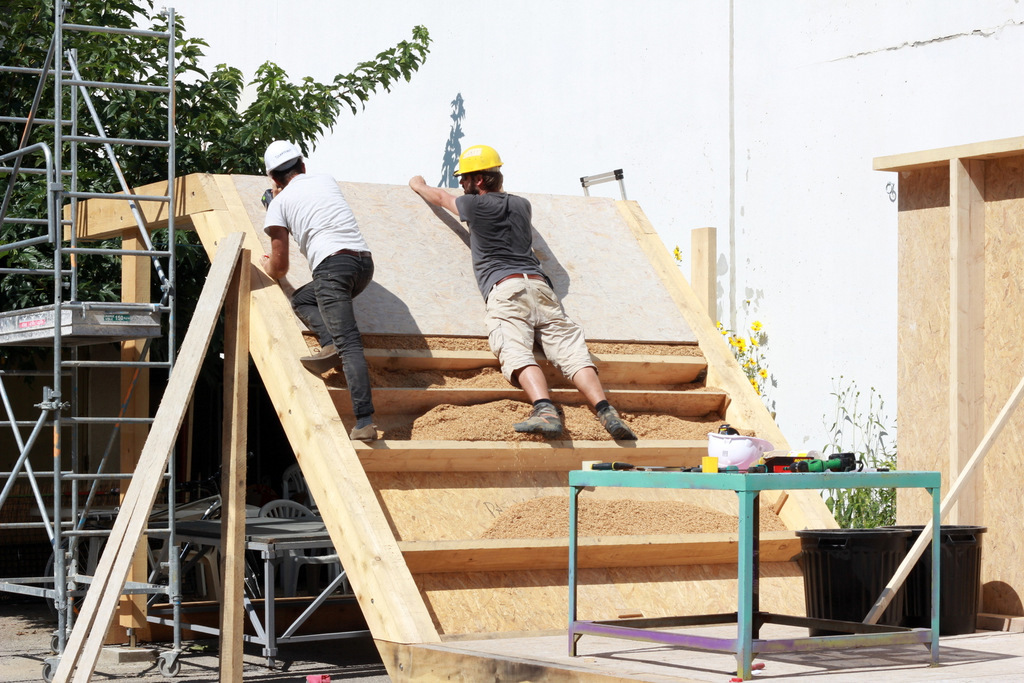
Time to fill the walls … with straw and earth
The wooden structure of the walls needed to be filled with a material which is aesthetically appealing, insulating but with a good inertia and of course made of a natural and local material. That is when Seb got in and taught us how to prepare the straw and earth mix.
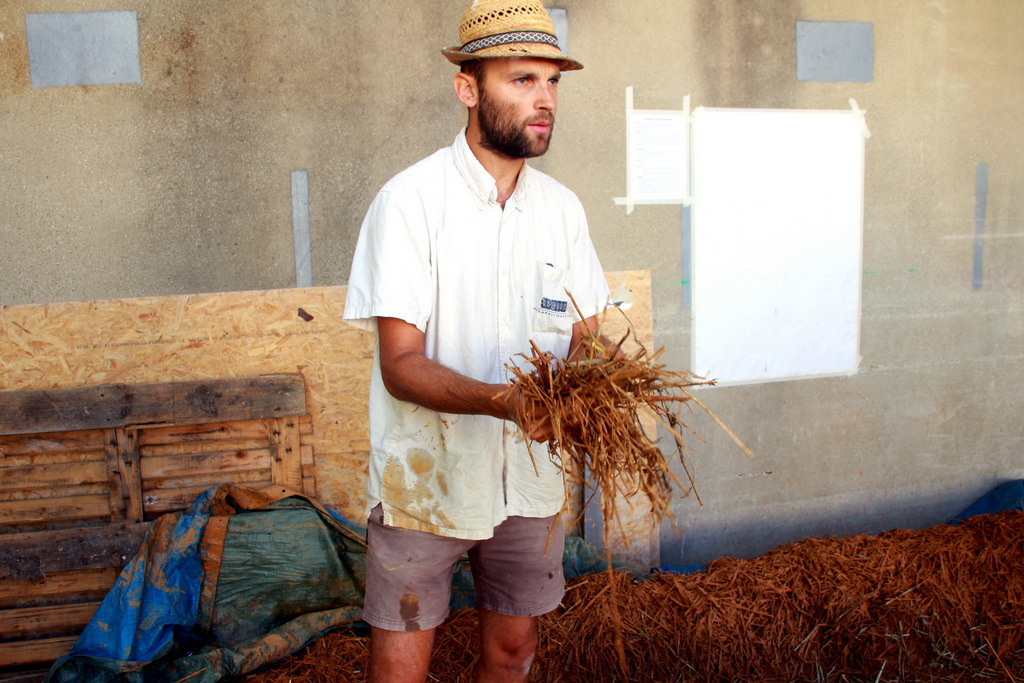
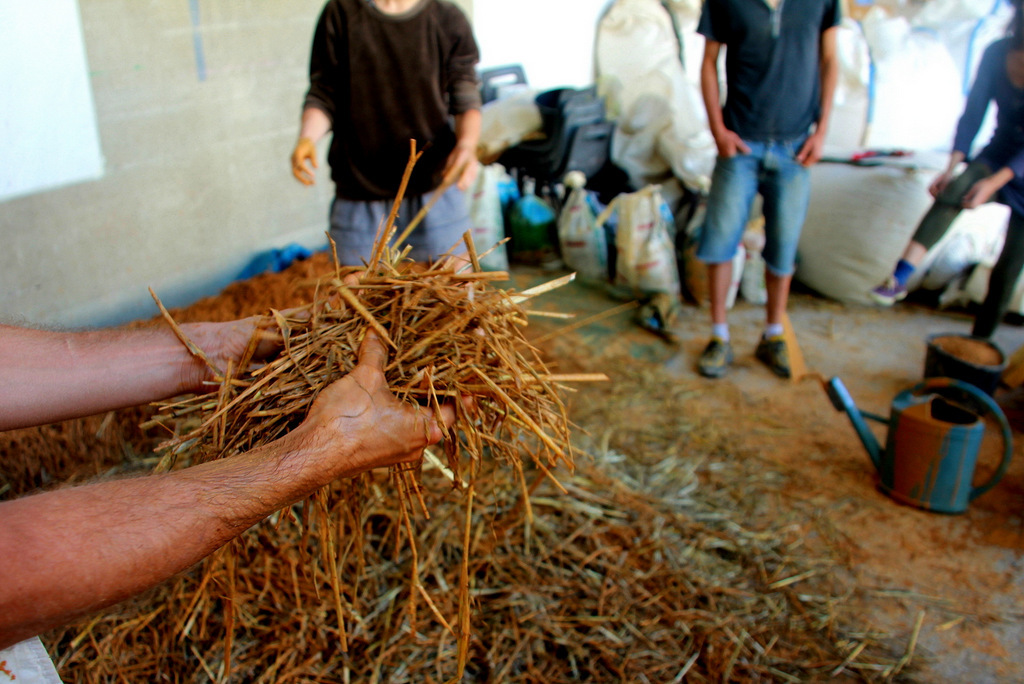
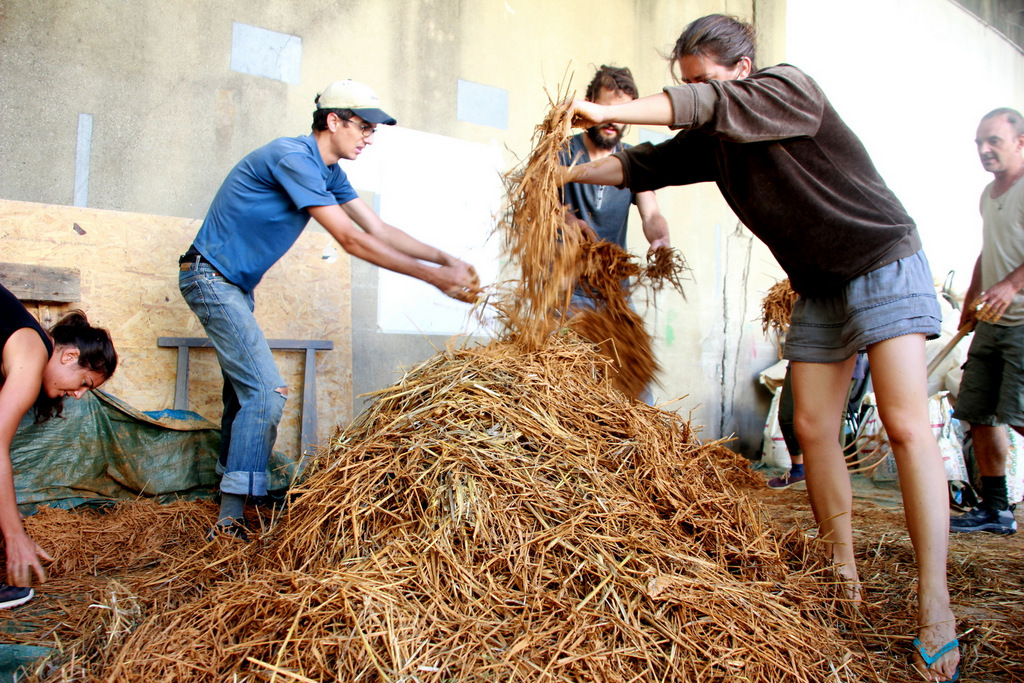
[Step 1 : spread the straw bale in a big pile]
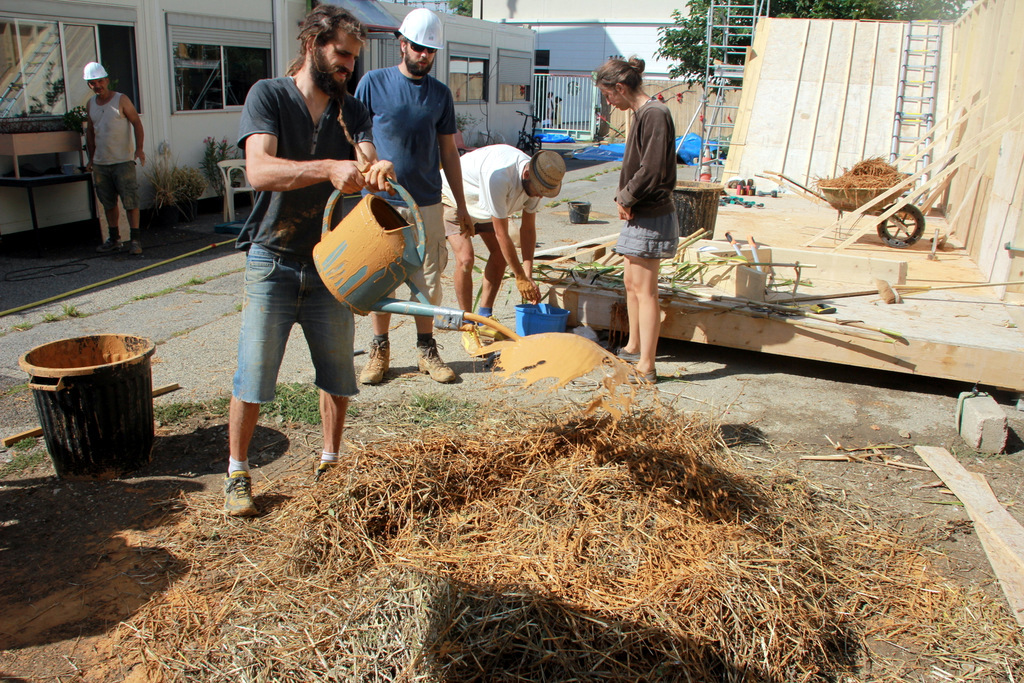
[Step 2 : mix the earth with water and spray it on top of the pile ]
Here is a tip : fix a trowel at the end of your watering can, you will get a wonderful mud fountain!
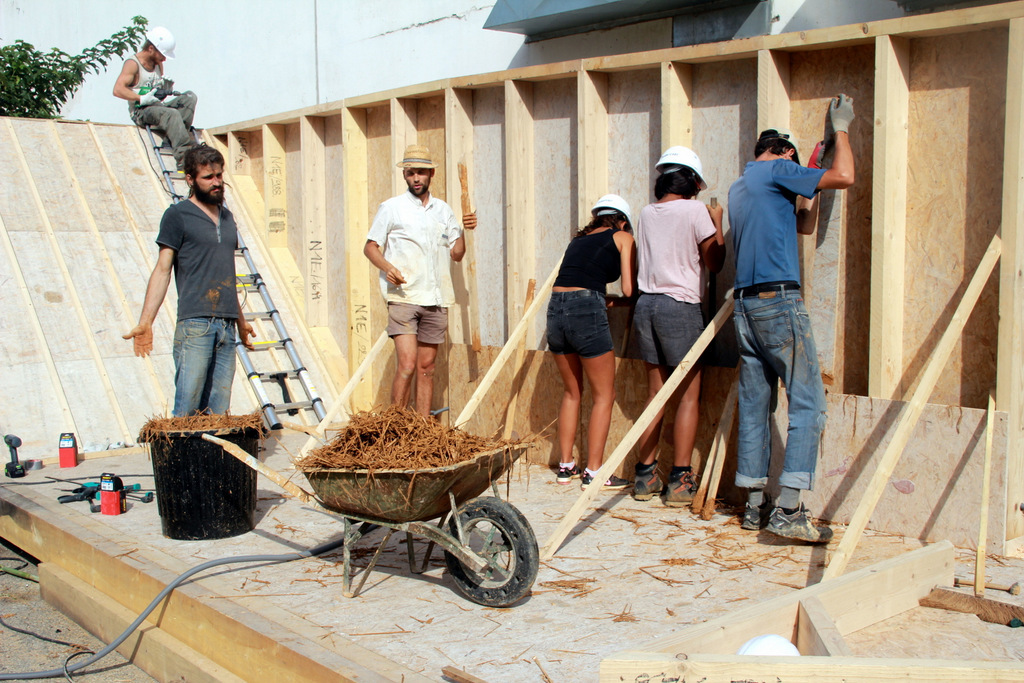
[Step 3 : after closing the wall compartments with a wooden board, fill the mix in and start ramming… ]
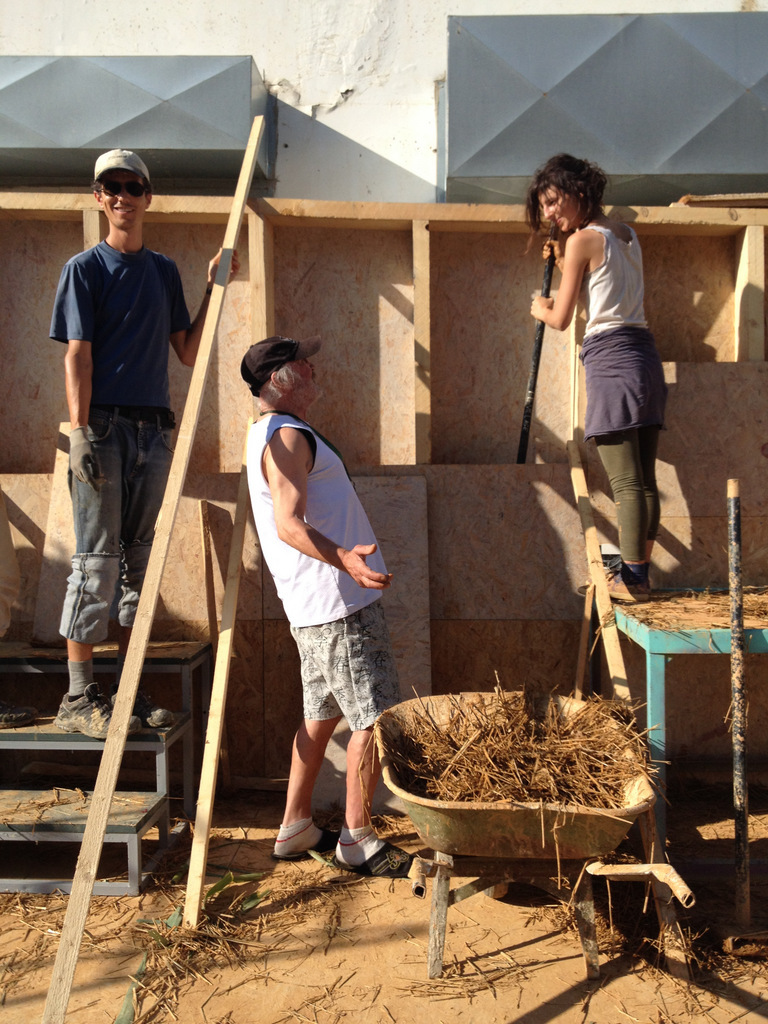
[Step 4 : ramming… ]
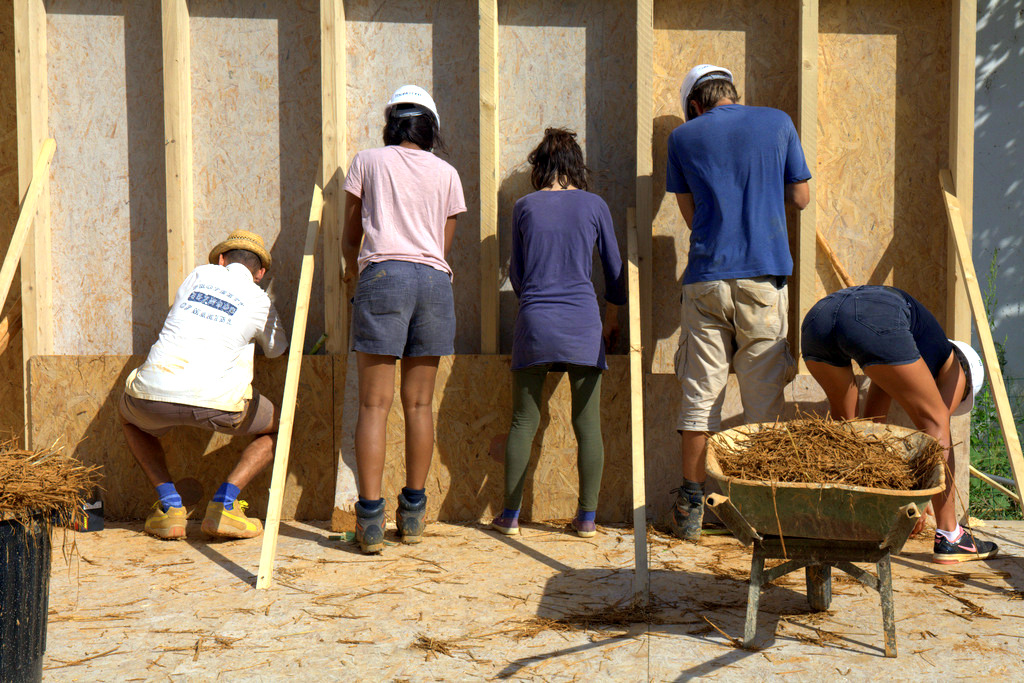
[Step 5 : ramming… ]
[The future amphitheater ]
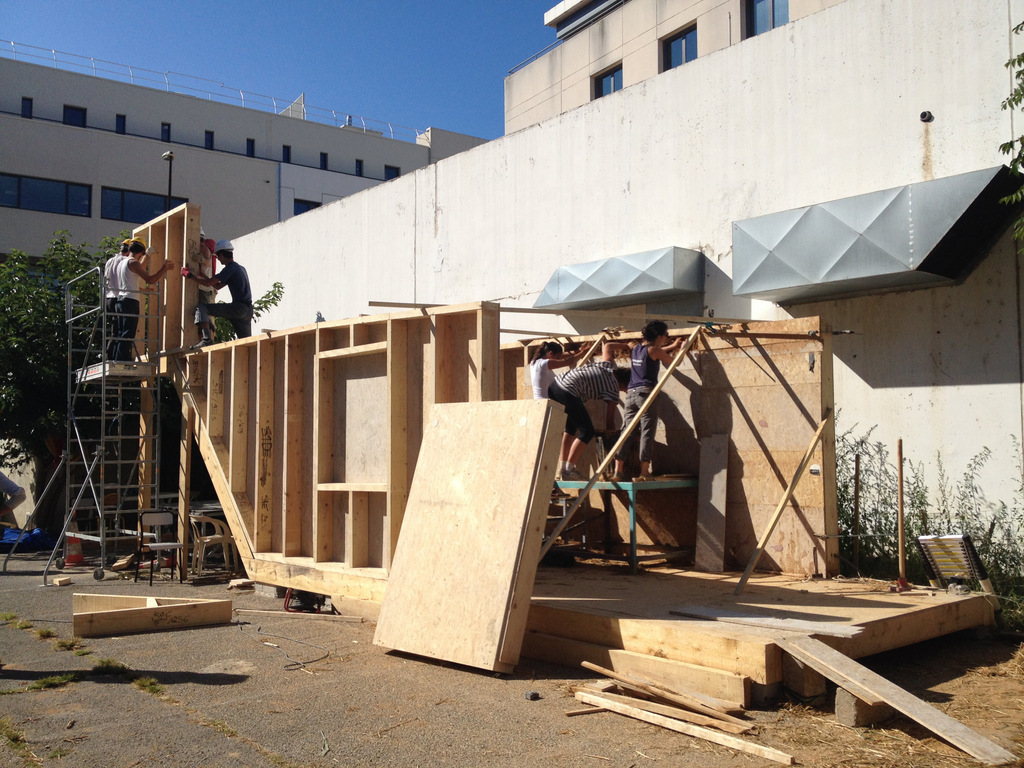
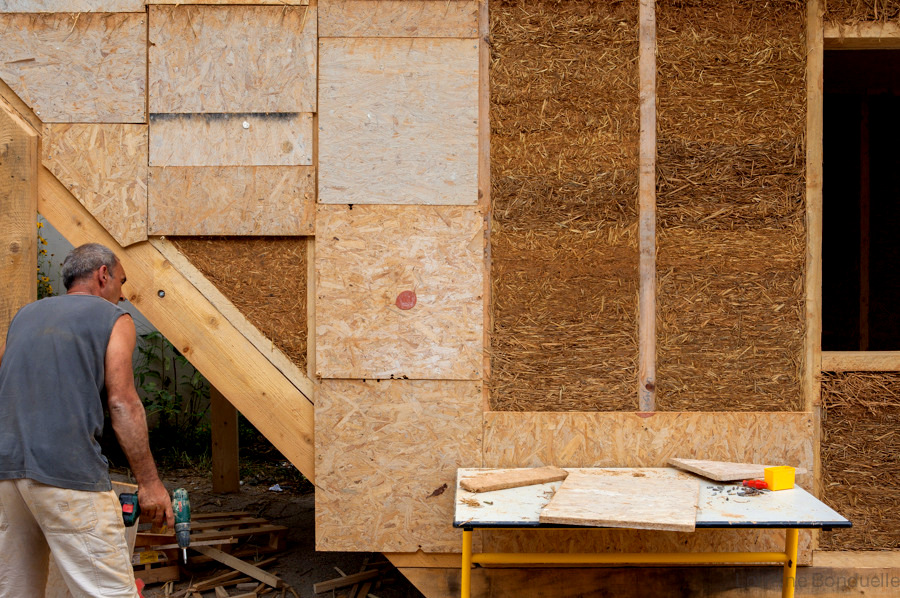
We had to leave before the roof was laid, 1 week before the opening… not much sleep and lots of learning! We had grown into a wonderful construction team together.
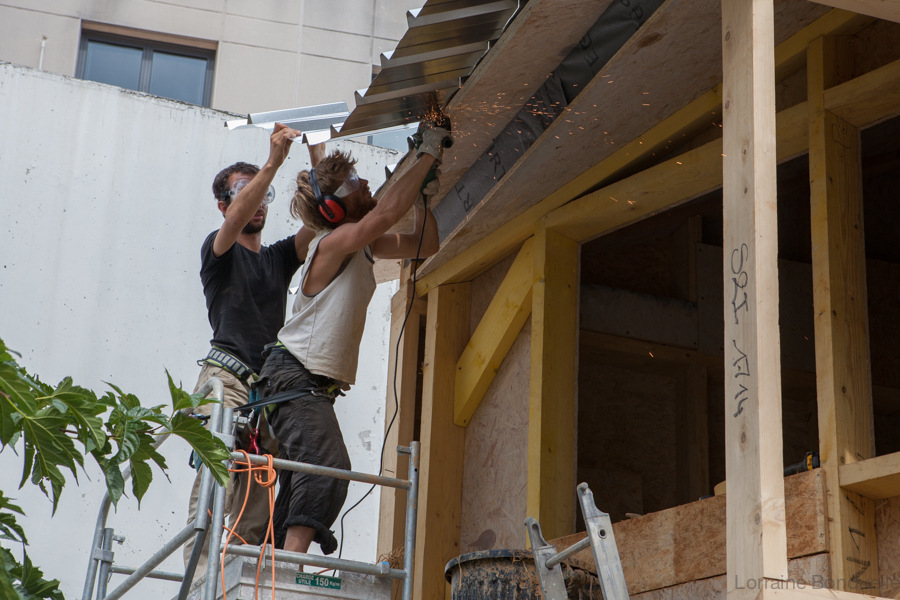
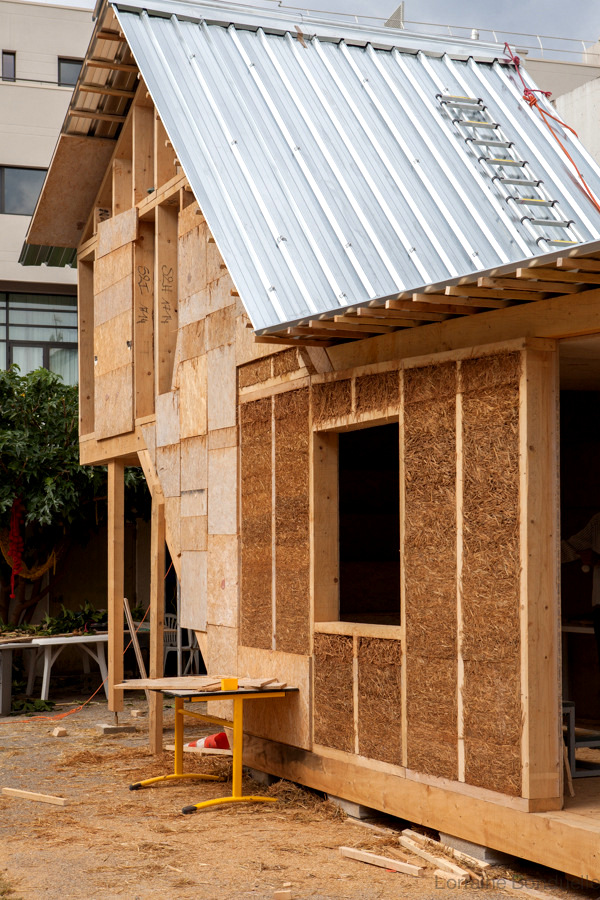
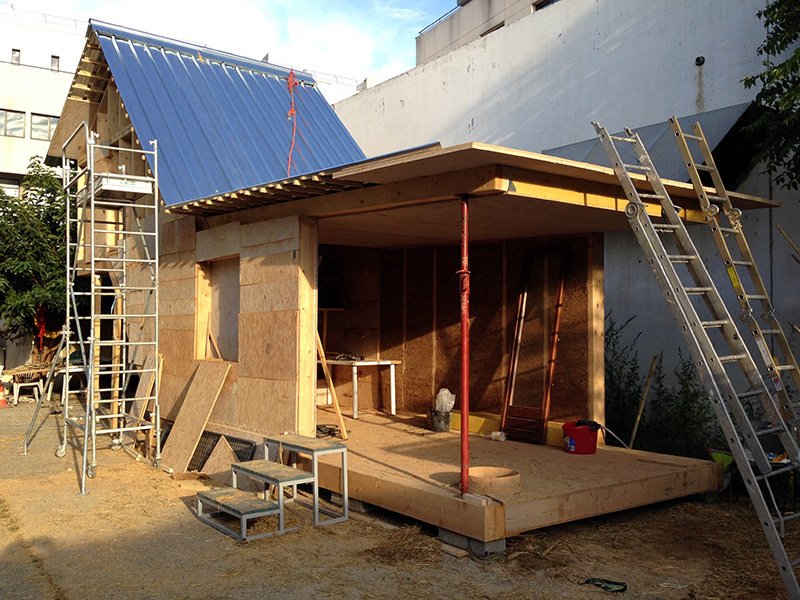
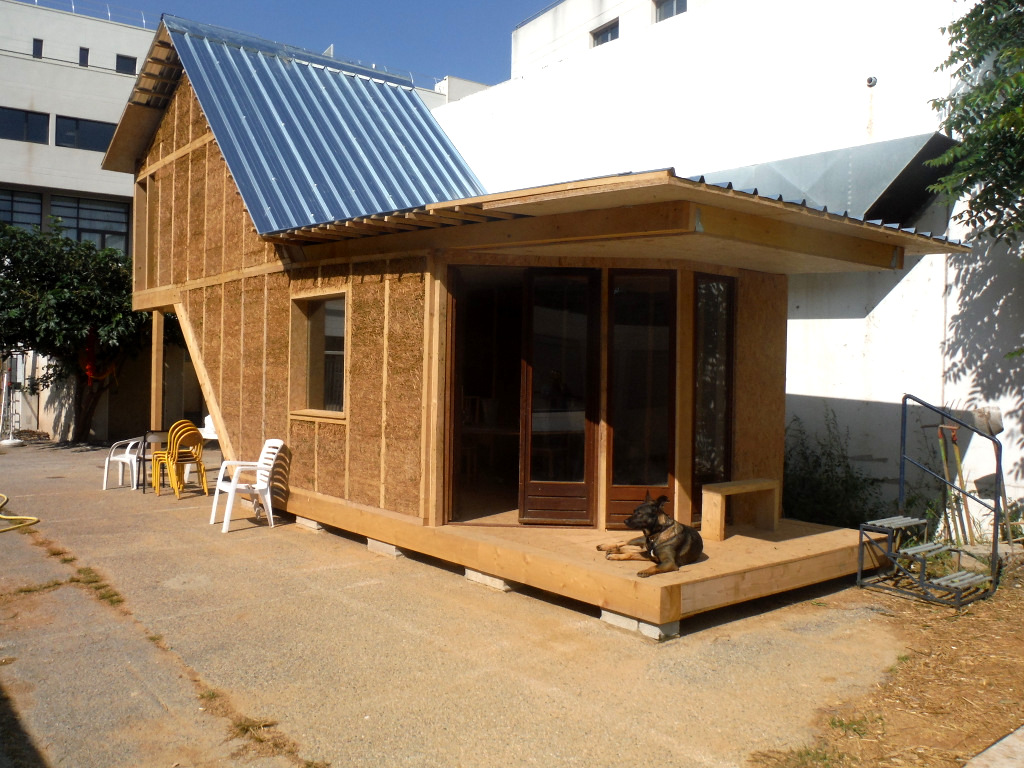
[Most the doors and windows where recycled from local deconstruction site ]
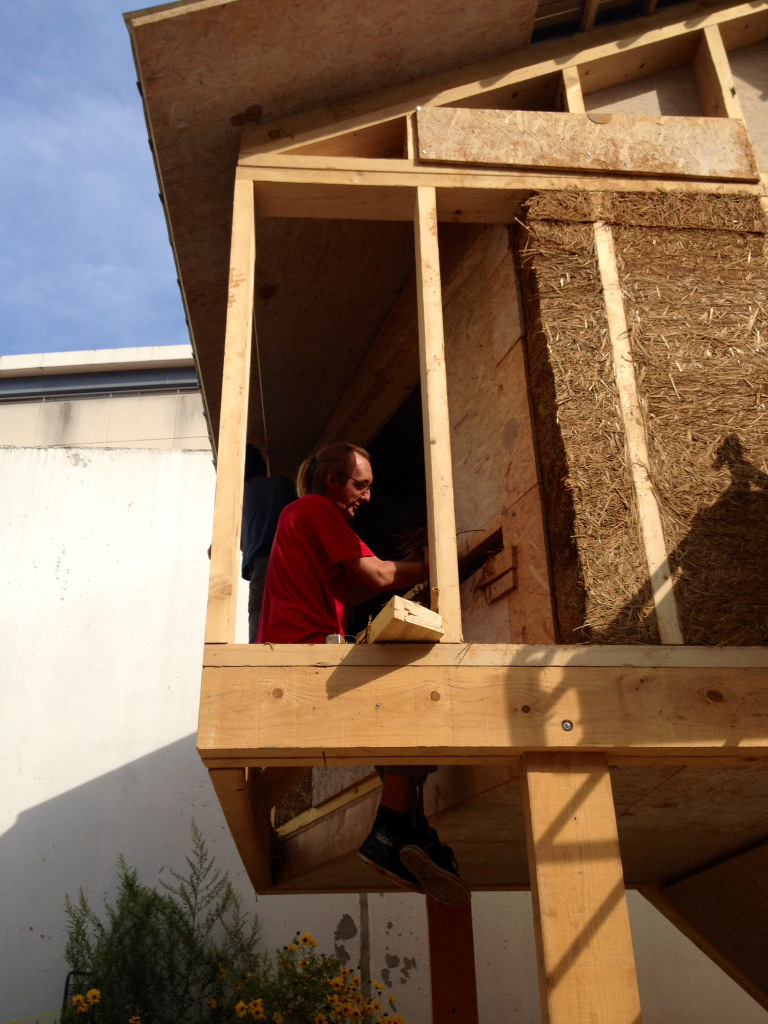
[Last details…]
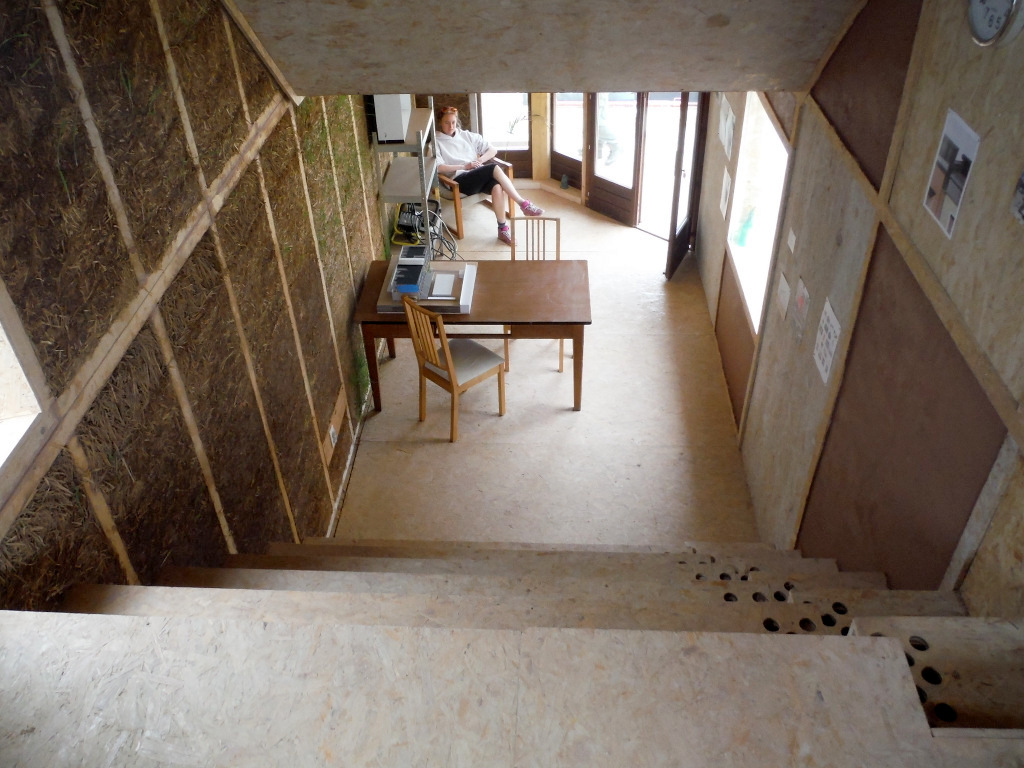
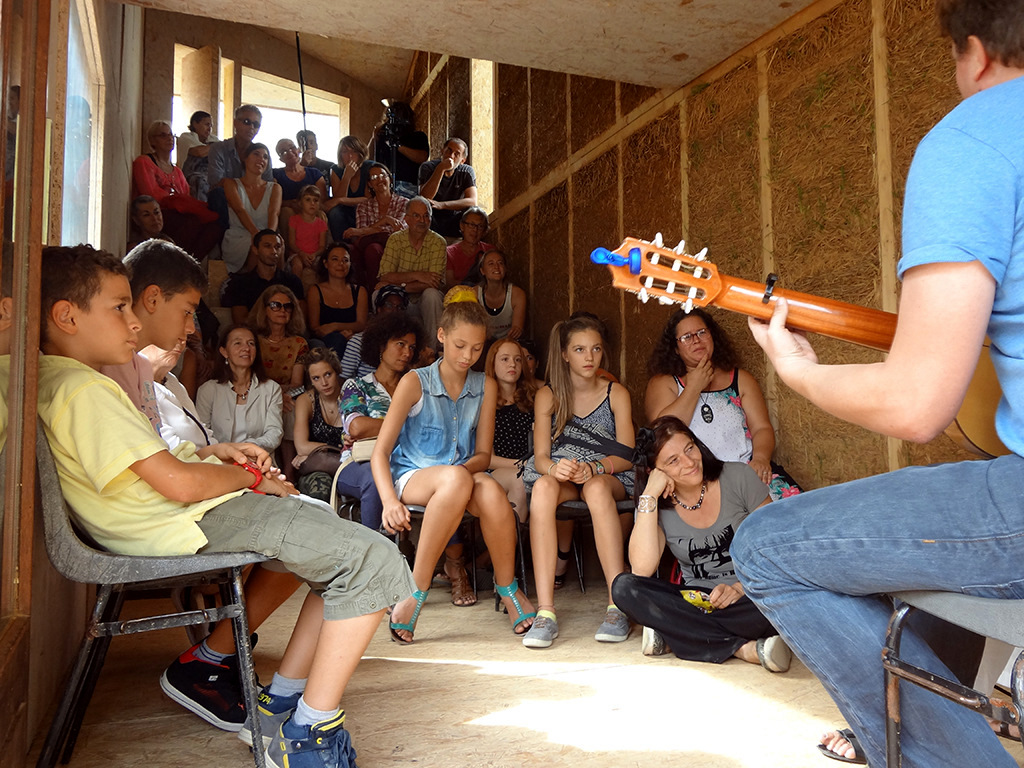
[The opening!! First concert in the rabbit … 32 people! ]
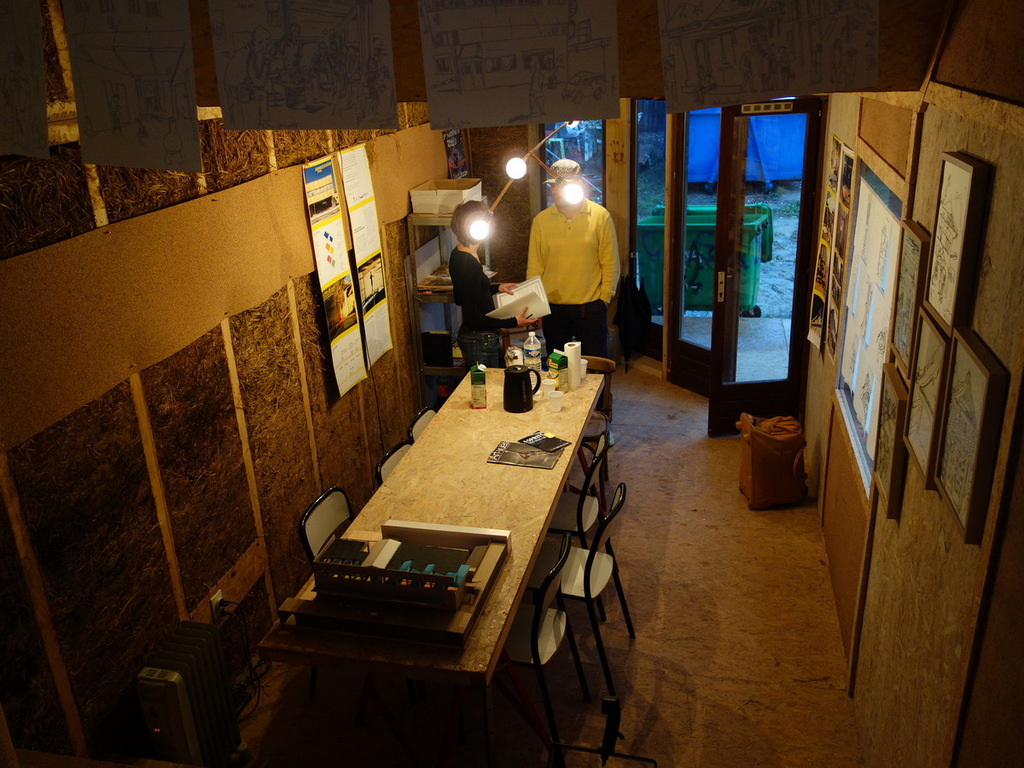 [The building is now occupied all week long by an architect who is working on the over-whole rehabilitation of this industrial complex.]
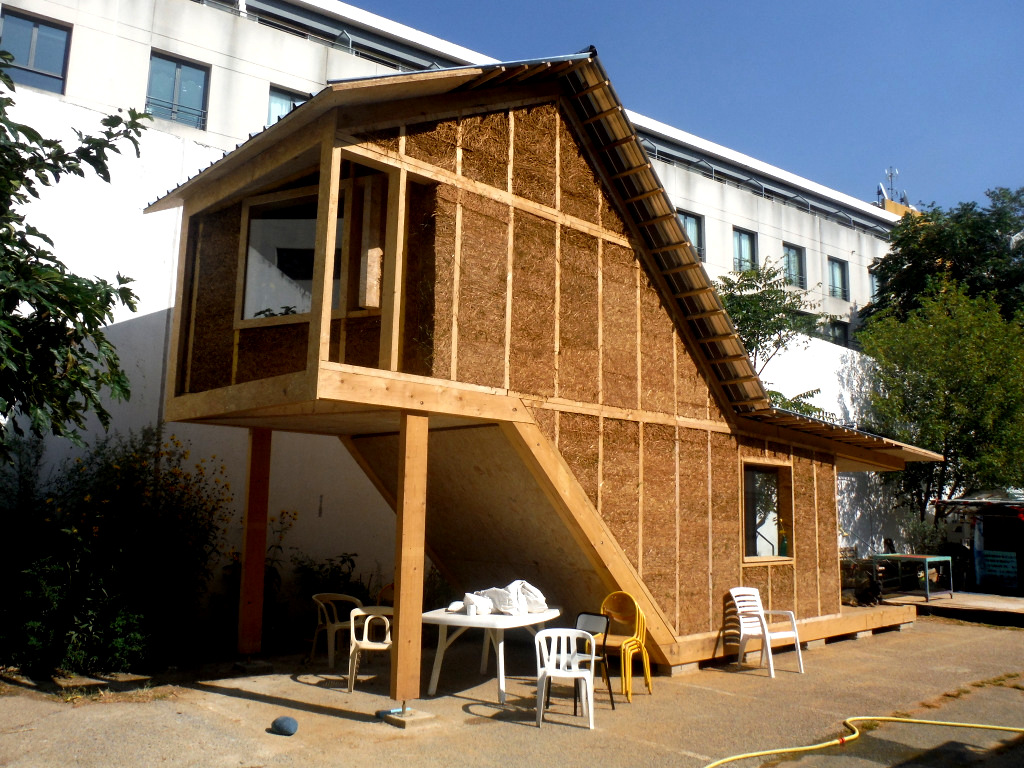 The rabbit stands tall and proud. It is amazing what 10 people can do if they put all their energy in it!
You can follow the adventure of the “Tri Postal” on their blog : http://tripostal.org/
What is this project all about? Read here
Visit Touraterre website herePhoto credits : Lorraine Bonduelle
“There was an incredible will from the group of architects, and the entire process was very democratic.”
Late nights of design and discussion, lots of cutting, sticking, crunching, debating and starting over again. The entire design process lasted a week begining with a competition between the architects to present a proposal for the cabin.
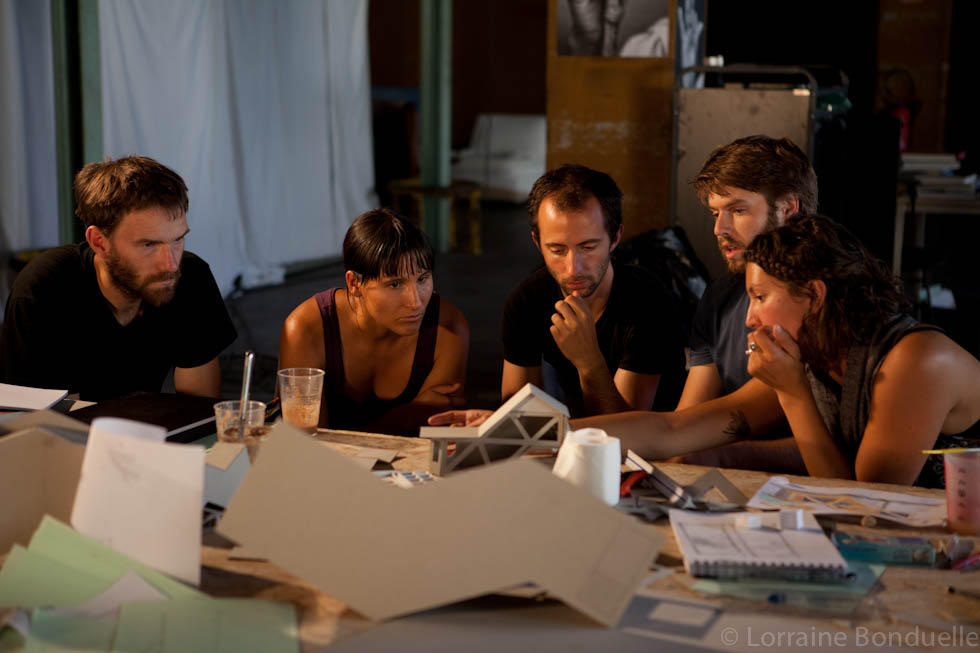
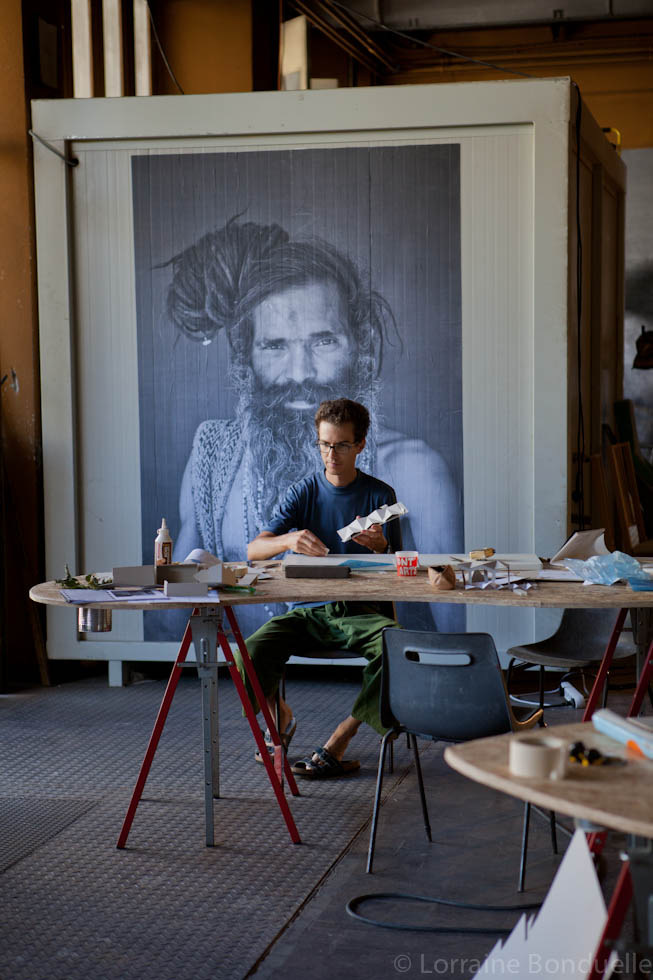
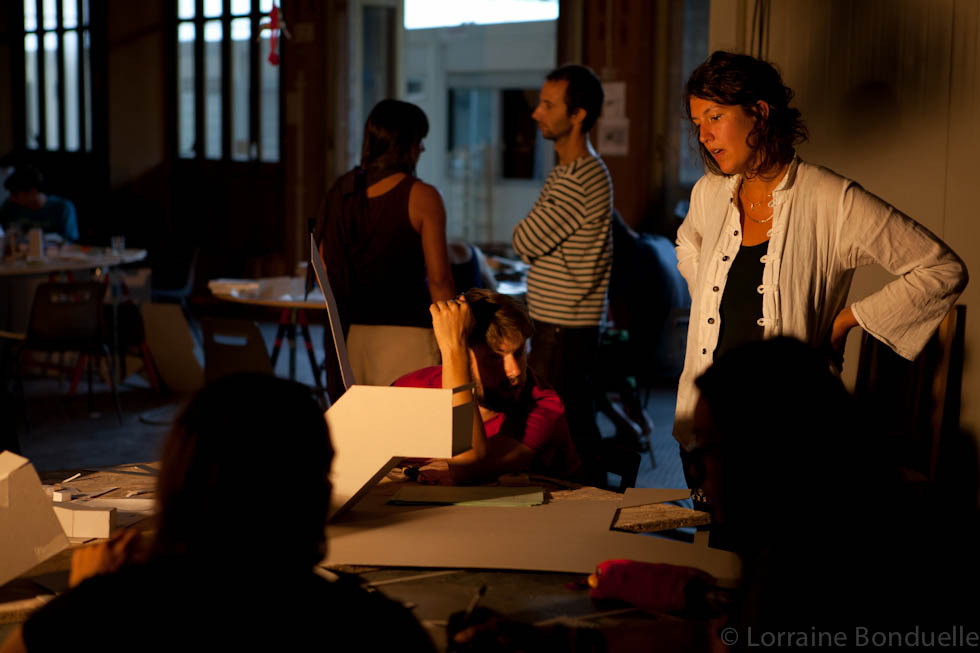
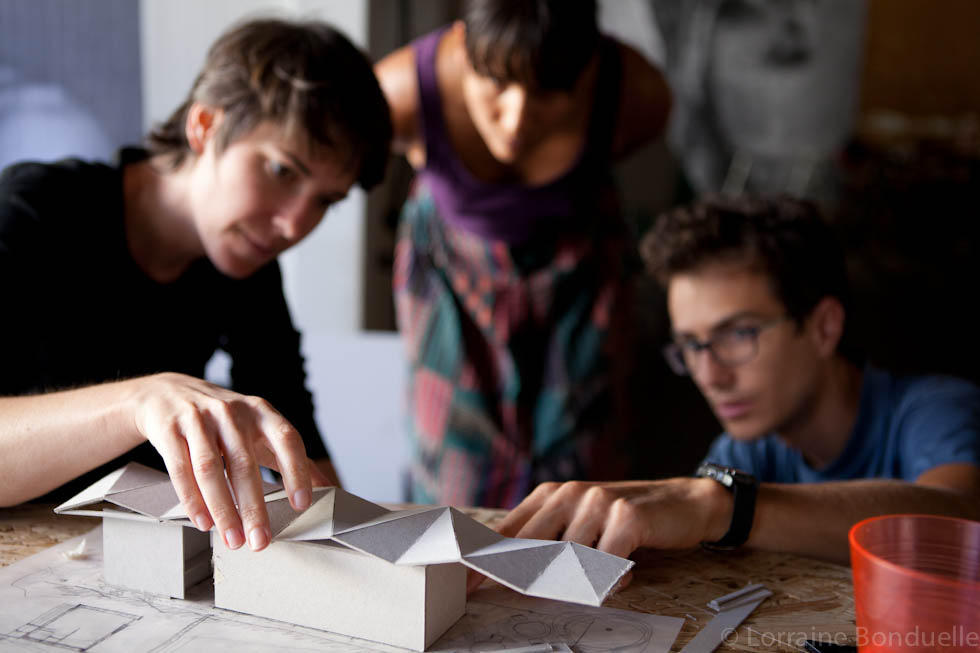
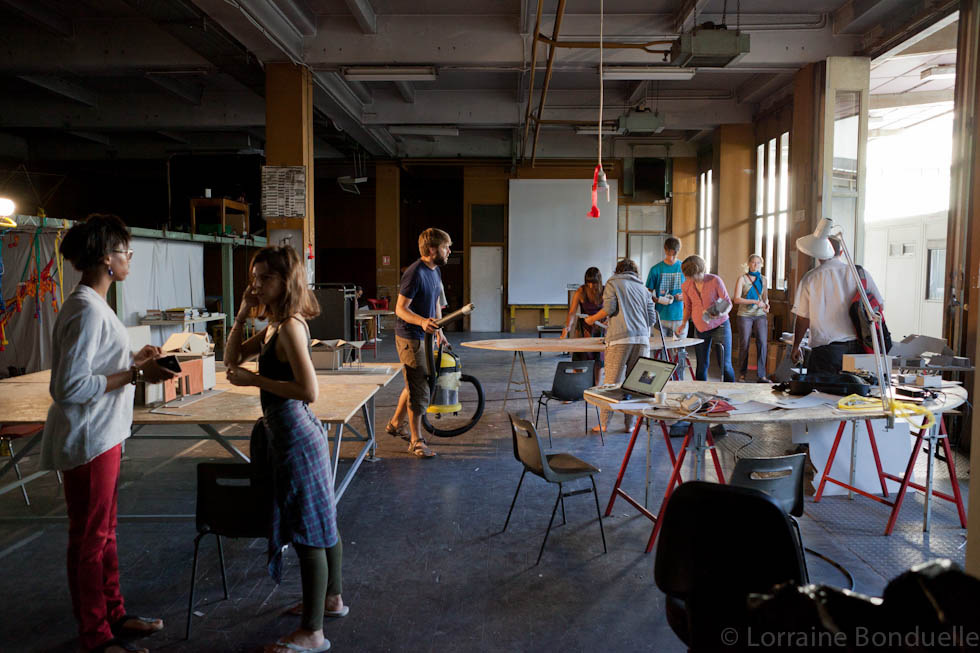
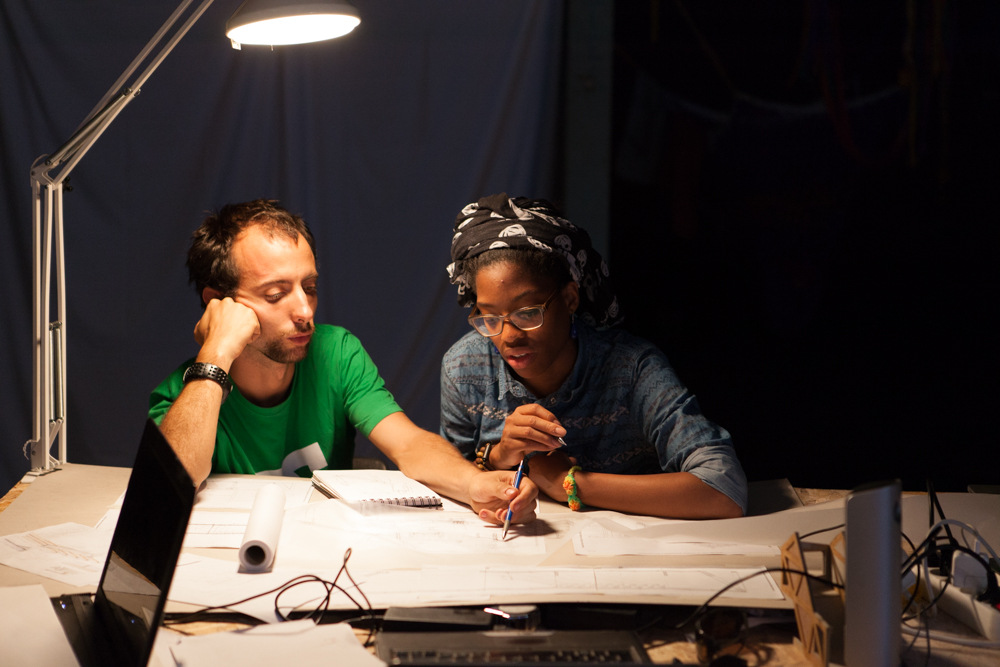
The design proposals were then presented to a jury comprising of representatives from the city municipality, artists and sculptors, architects who have worked in the city, and the people living in the shelter homes. Based on the Jury’s choices, the group decided together on a project.
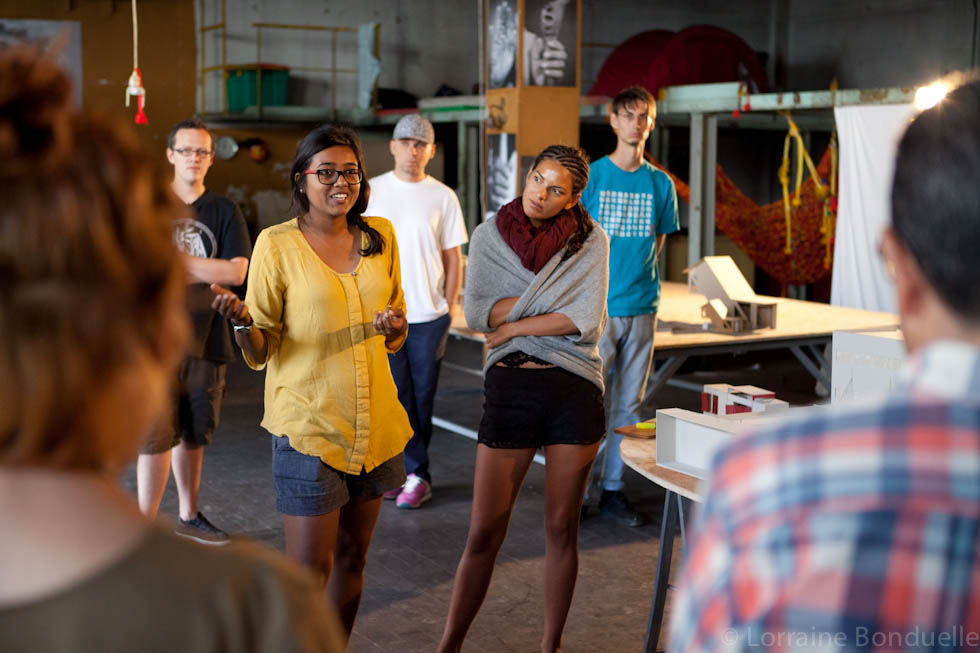
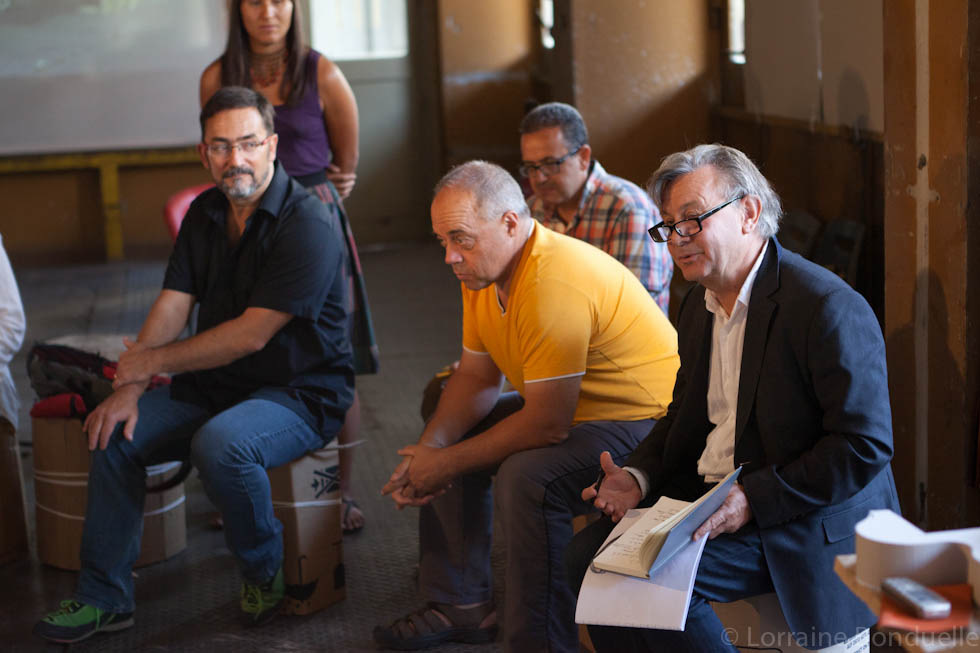
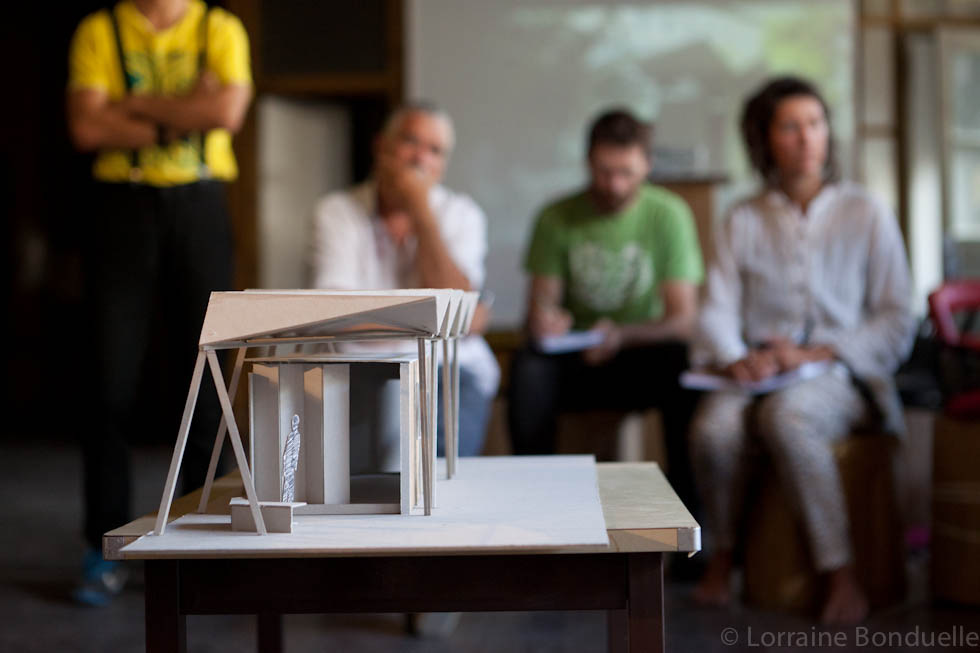
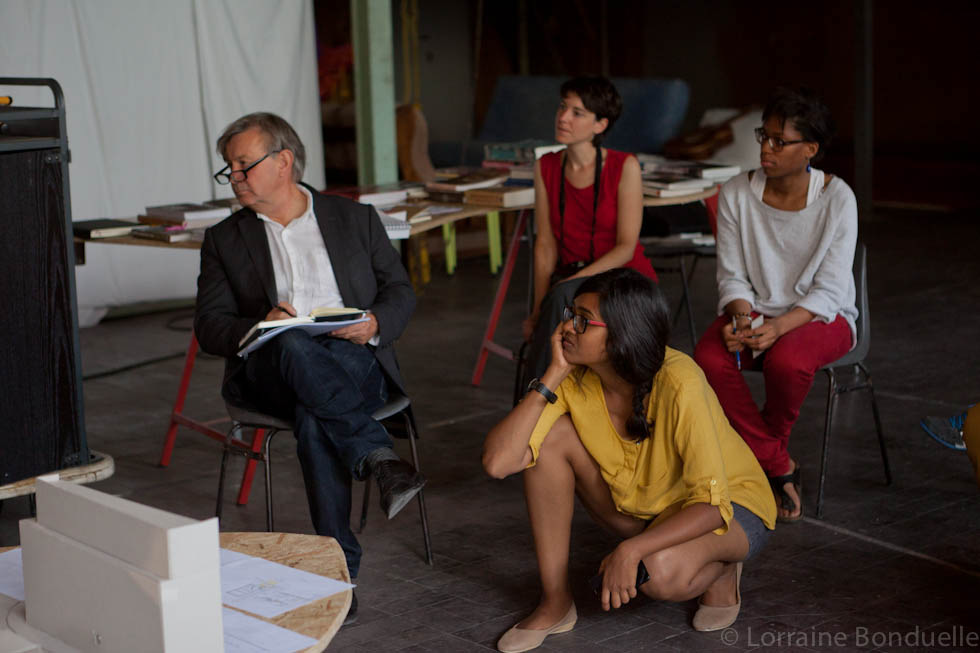
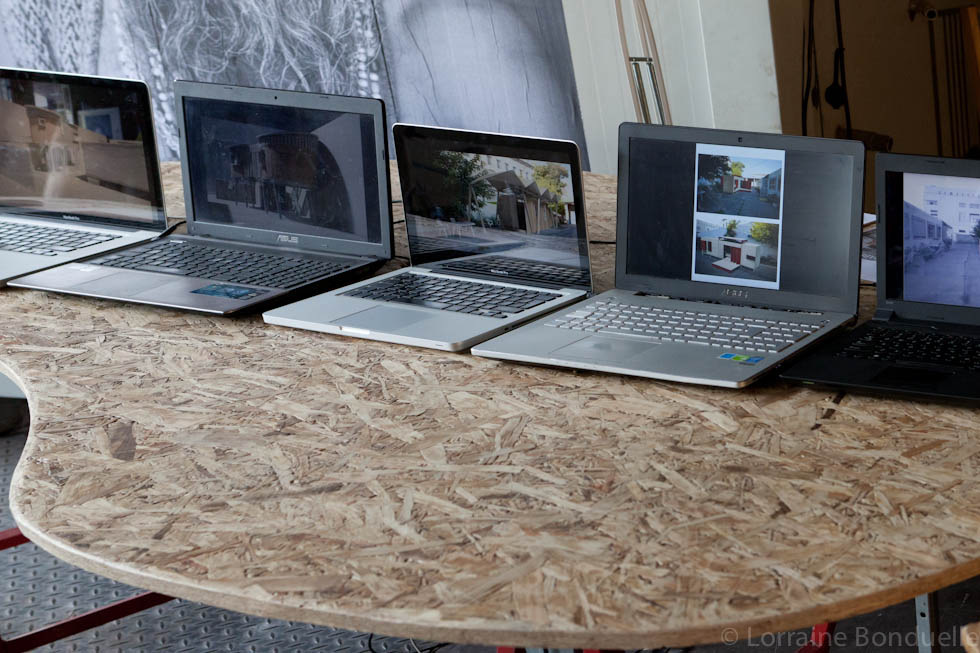
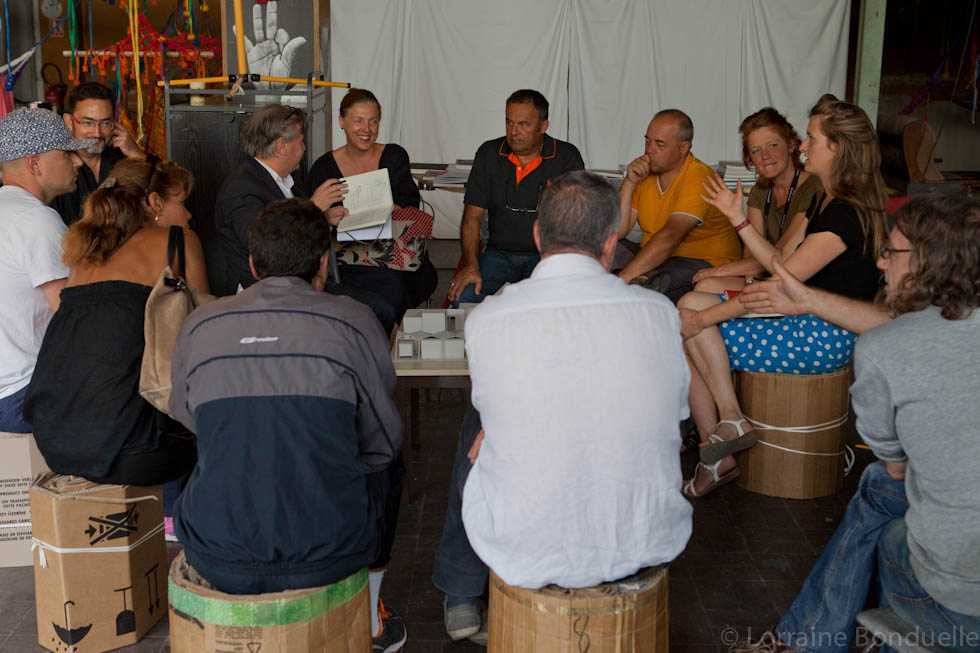
The decision process within our group, enriched by the inputs given by the jury was a good example of true collaborative decision taking. Everybody tried to put his / her ego aside to decide which project would serve best the place, the people and the context, build-able in 2 weeks and challenging!
“It is all of us who will live here and construct, we will choose a final project that motivates us to build.”
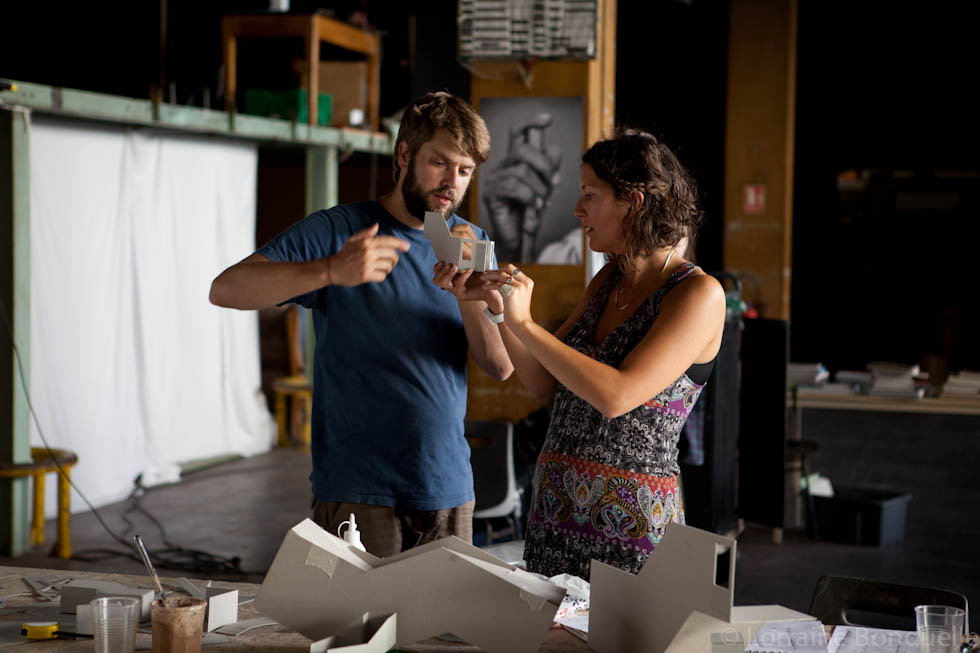
Jeremie and Felicia’s project was chosen. “I have never seen an earth building like that one before! It will attract attention of the public towards this abandoned site.”
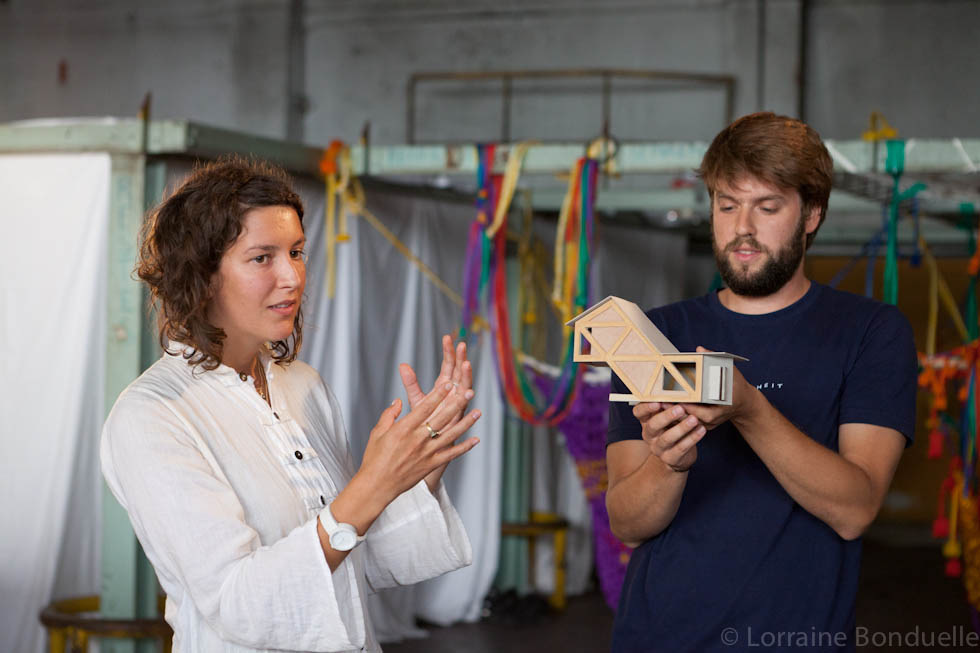
The selected project description:
A Rabbit at the TRI postal of Avignon
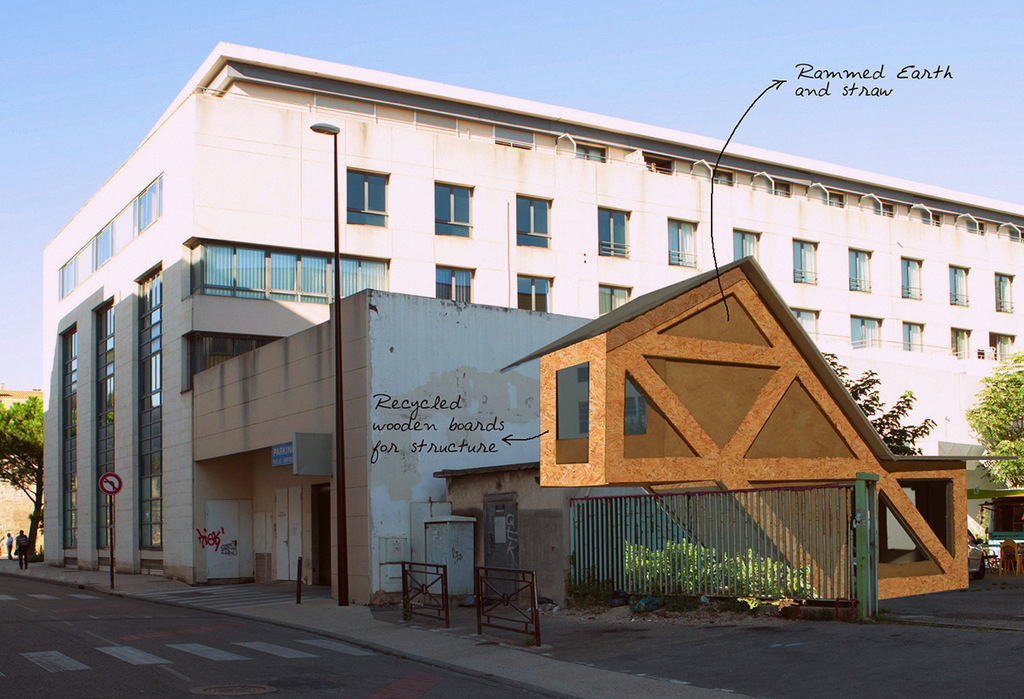
The project is a call for attention towards the street; the volume unfolds beyond the old industrial courtyard, by raising its head beyond the fence. Wooden structure filled with earth and straw, the unique form attracts curiosity, it is a transition between the city and the different actors of this big and vivid rehabilitation project. Compact, to minimize its contact with the ground and its consumption of energy, it’s two levels are interconnected through an amphitheater creating a generously spacious interior that allows for multiple uses: a smaller and lighter office area of a more private character at the upper level, and a gathering area for meetings at the lower level, unfolding itself with large openings towards the courtyard of the TRI Postal.
“The rabbit will not only have a life in cardboard and drawings but will actually have a wooden skeleton with an earth and straw filling!
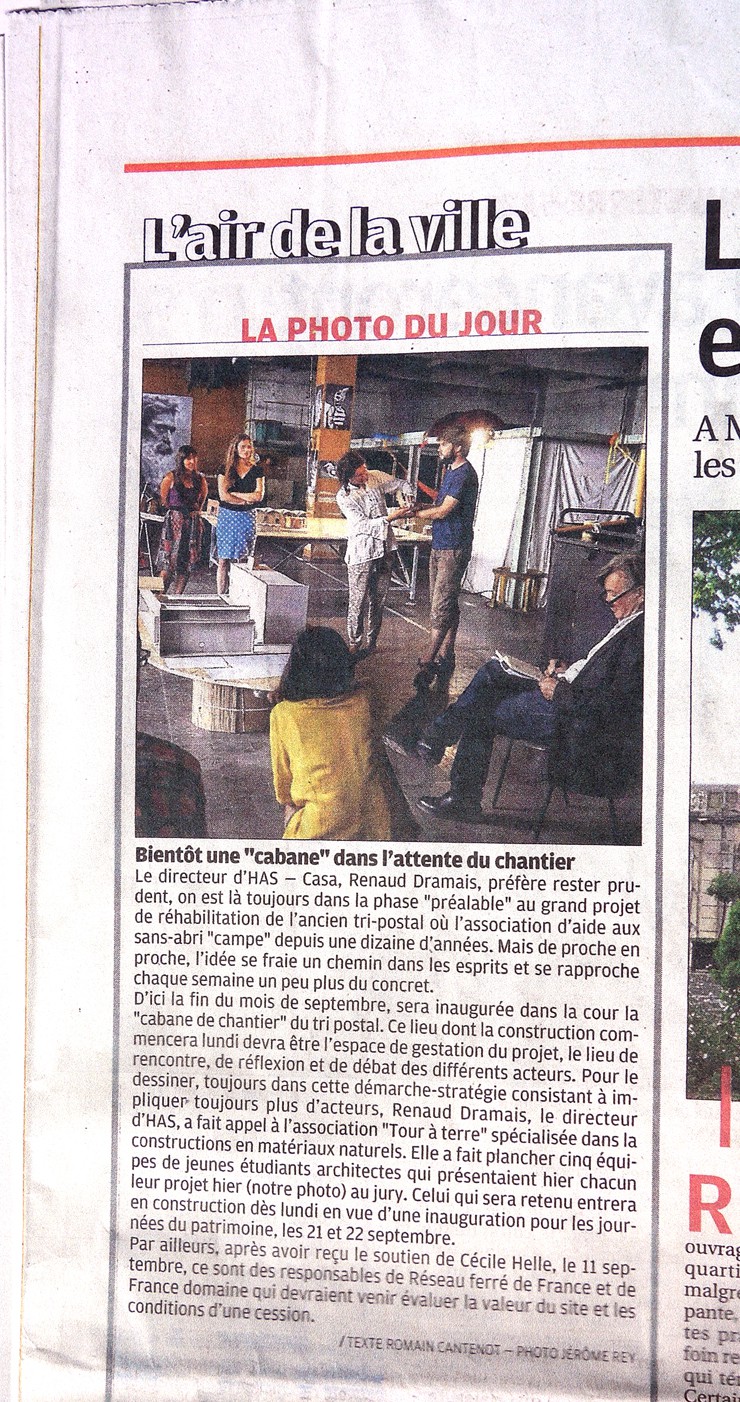
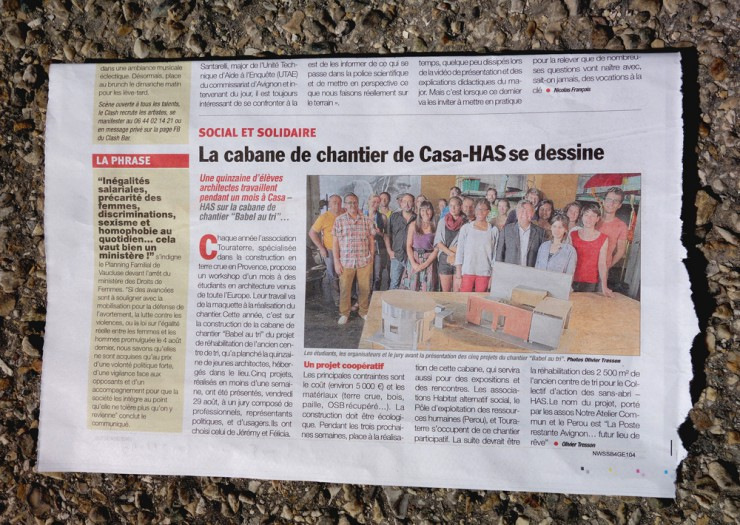
All the buzz at the TRI Postal immediately caught the attention of the local newspapers!
What happened next? Coming soon.
What is this project all about? Read here.
Visit Touraterre website here
Photo credits : Lorraine Bonduelle